
Perched on the southern slope of Montjuïc, El Xalet de Montjuïc sits within one of Barcelona's most historically layered parks, where the city's industrial past meets Mediterranean green cover. The setting places it in a distinct tier among Barcelona dining venues: removed from the Eixample dining corridor, oriented toward the hill's quieter institutional character, and drawing on a location that few competitors can replicate.
Pearl is the En Primeur Club membership app — saves, bookings, and concierge access live there. Same editors, same standards.
- Address
- Avinguda Miramar, 31, Sants-Montjuïc, 08038 Barcelona, Spain
- Phone
- +34933249270
- Website
- xaletdemontjuic.com
- Directions
- Get directions
 Saves & bookings on Pearl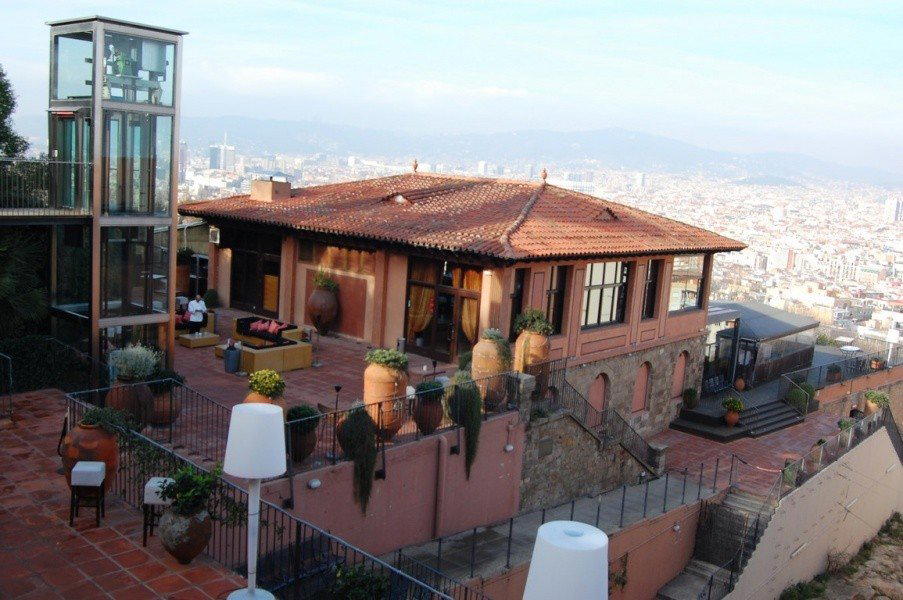
The Hill Above the City
Approaching Avinguda Miramar from below, the shift is immediate. The noise of the port and the Barceloneta promenade drops away, replaced by the ambient stillness of Montjuïc's southern face: pine trees, the distant geometry of the cable car pylons, and the kind of sky exposure that the Eixample's canyon streets never allow. El Xalet de Montjuïc occupies this position at number 31 on the avenue, in a setting that has more in common with the park's pavilion architecture than with the dense restaurant corridors of Gràcia or Poble Sec. For Barcelona dining, this is unusual geography, and unusual geography shapes unusual expectations.
Montjuïc itself carries a specific character in Barcelona's civic memory: the 1929 International Exposition, the Olympic infrastructure of 1992, the Fundació Joan Miró, the Castell that changes hands between fortress and cultural space depending on which decade you examine. A restaurant here operates in that context whether it wants to or not. The address is not incidental to the experience.
Where Barcelona's Sustainability Conversation Is Happening
Across Spanish fine dining, the shift toward environmental accountability has moved from positioning statement to operational requirement. Azurmendi in Larrabetzu built its sustainability case through on-site gardens, rainwater collection, and a bioclimatic structure that became a reference point for the sector. Aponiente in El Puerto de Santa María reframed marine sustainability around overlooked species and estuary ecosystems. These are not marketing positions; they represent genuine structural commitments that reshaped how those kitchens source and what they serve.
In Barcelona, the same pressure is visible across the higher end of the market. Cocina Hermanos Torres has worked local supplier relationships into its creative framework. Disfrutar pursues technical precision that inherently reduces waste through full-ingredient use. The conversation at Enigma and ABaC includes sourcing transparency as a function of creative identity, not just compliance. El Xalet de Montjuïc, positioned in a parkland setting with proximity to Poble Sec's market culture and the city's Mediterranean produce networks, sits in a location that carries natural alignment with those conversations, whether through seasonal menu structure, proximity-based sourcing, or the lighter footprint that a parkland venue can maintain relative to a dense urban site.
The broader pattern across Spain's destination restaurants is instructive. Mugaritz in Errenteria has built a research-forward identity where seasonal and ethical sourcing function as creative inputs rather than constraints. Ricard Camarena in València operates within a zero-waste framework that extends to supplier relationships and kitchen process. These models demonstrate that sustainability in fine dining is not a separate department; it is the operating philosophy that determines what appears on the plate and in what form.
The Montjuïc Position: Geography as Editorial Statement
What makes a park-set venue in Barcelona distinct from its Eixample counterparts is not just aesthetics. It is the sourcing radius, the supplier network, and the seasonal rhythm that a location like Montjuïc implies. The hill sits within reach of Mercat de Sant Antoni, the Boqueria's professional buyer hours, and the direct-supply networks that serve Poble Sec's restaurant concentration below. Venues that operate in this zone have a structural argument for shorter supply chains: fewer cold-storage hours, less distribution complexity, more direct relationships with small producers from the Penedès, the Garraf coast, and the Baix Llobregat agricultural belt.
That argument matters increasingly to the demographic that books ahead for a Montjuïc dinner. Barcelona's informed dining public, and the international visitors who plan around specific restaurant experiences, have absorbed the vocabulary of provenance. They know the difference between a menu that lists ingredient origins as decoration and one where those origins are load-bearing to the dish's logic. Lasarte built its case on Basque-rooted technique translated into Barcelona's ingredient context. El Celler de Can Roca in Girona has long treated regional Catalan produce as both creative material and ethical commitment. El Xalet de Montjuïc draws on a comparable geographic logic from its position on the hill.
Spanish Fine Dining in Context
Spain's creative restaurant tier has no single centre. Quique Dacosta in Dénia works from Mediterranean coastal specificity. Arzak in San Sebastián anchors Basque culinary identity with decades of accumulated recognition. Martin Berasategui in Lasarte-Oria operates among the more starred kitchens in the country. DiverXO in Madrid and Atrio in Cáceres demonstrate how Spanish fine dining extends far beyond the northeast. Internationally, the conversation reaches venues like Le Bernardin in New York City and Lazy Bear in San Francisco, both of which have shaped how sourcing ethics translate into menu architecture.
Barcelona's contribution to that conversation has been consistent: a city that industrialised its creative cuisine through a specific post-Adrià wave, then matured into a more varied ecosystem where neighbourhood, format, and sourcing philosophy differentiate venues as much as technique does. The restaurant occupies a specific node in that ecosystem, defined by location, setting, and the contextual weight of the hill it sits on.
Planning Your Visit
| Venue | Location Type | Cuisine Tier | Booking Lead Time | Price Range |
|---|---|---|---|---|
| The restaurant | Parkland, refined | Not confirmed | Not published | |
| Cocina Hermanos Torres | Eixample, warehouse | Creative | Several weeks | €€€€ |
| Disfrutar | Eixample | Progressive, Creative | Months in advance | €€€€ |
| Lasarte | Eixample | Progressive Spanish | Several weeks | €€€€ |
The restaurant is located at Avinguda Miramar, 31, in the Sants-Montjuïc district. The hill is accessible by the Funicular de Montjuïc from Paral·lel metro station (Lines 2 and 3), or by the Telefèric del Port cable car from Barceloneta. Driving to the venue is possible, and arrival by taxi or rideshare is direct.
Cuisine Context
Comparable venues nearby, for context on price, style, and recognition.
| Venue | Cuisine | Price | Notes |
|---|---|---|---|
| El Xalet de MontjuïcThis venue — the venue you are viewing | Modern Mediterranean with Catalan Influences | $$$ | Not listed |
| Gurí | Uruguayan-Mediterranean Fusion | $$$ | Hostafrancs |
| Albarada | Contemporary Mediterranean with skyline views | $$$ | Vallvidrera, el Tibidabo i les Planes |
| Arcano | Contemporary Mediterranean Grill | $$$ | Sant Pere, Santa Caterina i la Ribera |
| Jardin del Alma | Creative Catalan Mediterranean | $$$ | la Dreta de l'Eixample |
| Petit Hipica | Rustic Catalan Grill | $$$ | el Poble Sec |
Recognition history
Dated appearances from independent guides and award organizations, with the underlying list record or original source where available.
Macarfi 6.5 Food Rating
Macarfi
Continue exploring
More in Barcelona
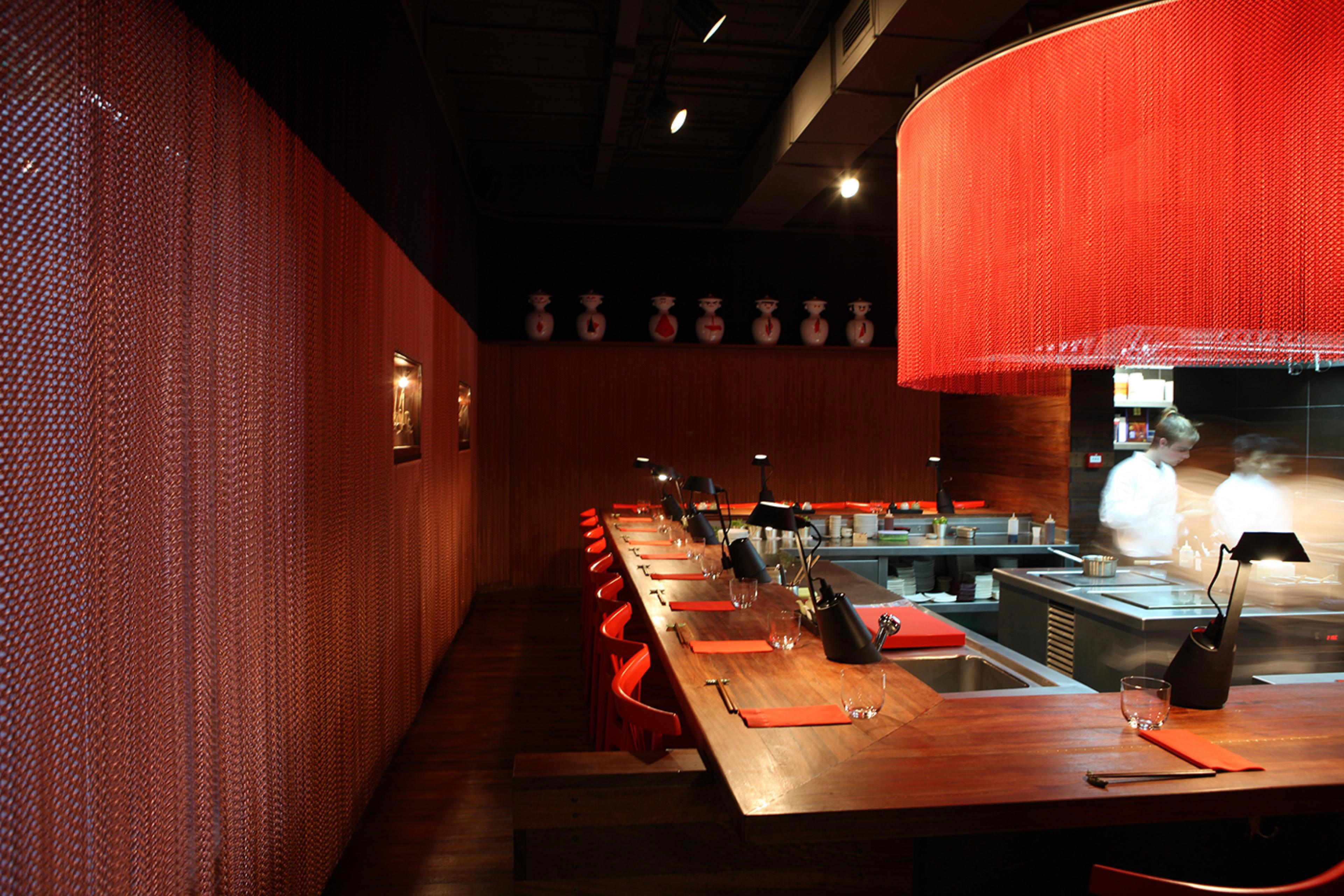
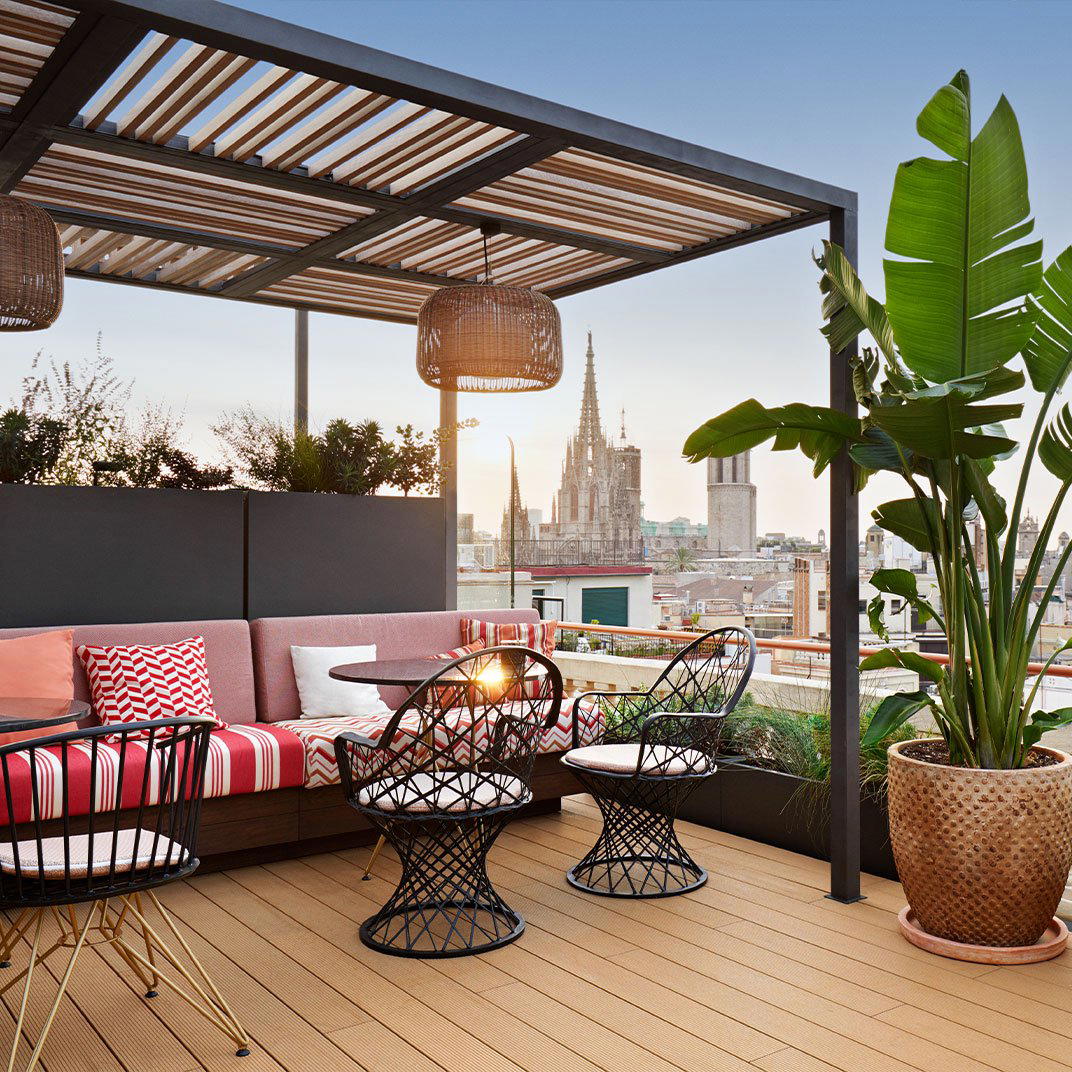
Restaurants in Barcelona
Browse all →
Bars in Barcelona
Browse all →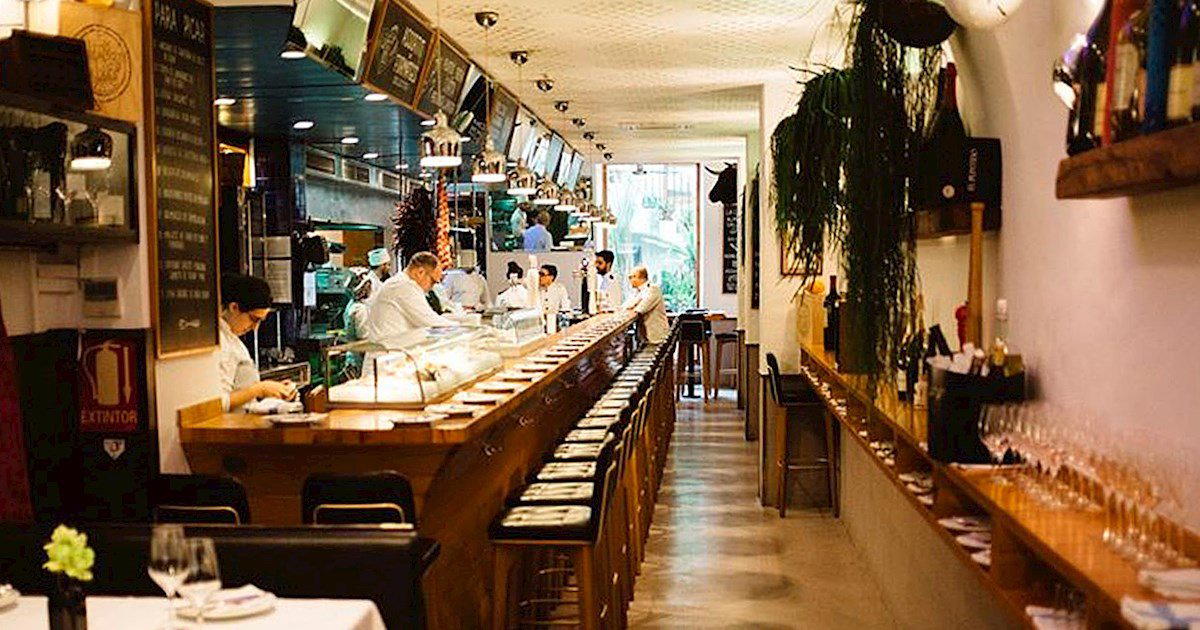
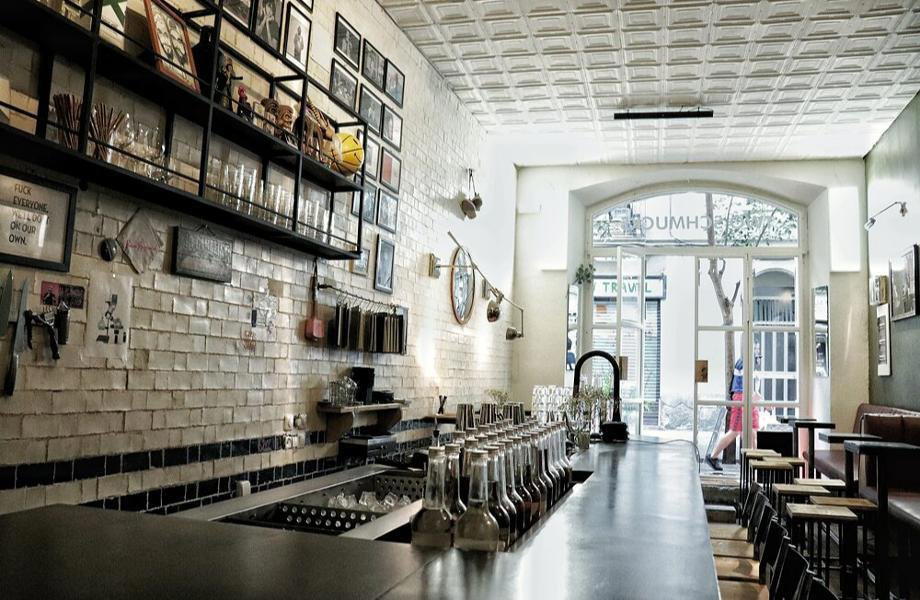
Hotels in Barcelona
Browse all →
At a Glance
- Romantic
- Elegant
- Scenic
- Sophisticated
- Date Night
- Special Occasion
- Celebration
- Terrace
- Panoramic View
- Local Sourcing
- Skyline
- Mountain
Current opening hours
- Monday
- 1–3:30 PM, 7–10:30 PM
- Tuesday
- 1–3:30 PM, 7–10:30 PM
- Wednesday
- 1–3:30 PM, 7–10:30 PM
- Thursday
- 1–3:30 PM, 7–10:30 PM
- Friday
- 1–3:30 PM, 7–10:30 PM
- Saturday
- 1–3:30 PM, 7–10:30 PM
- Sunday
- 1–3:30 PM, 7–10:30 PM
Hours can change for holidays and private events. Last verified .
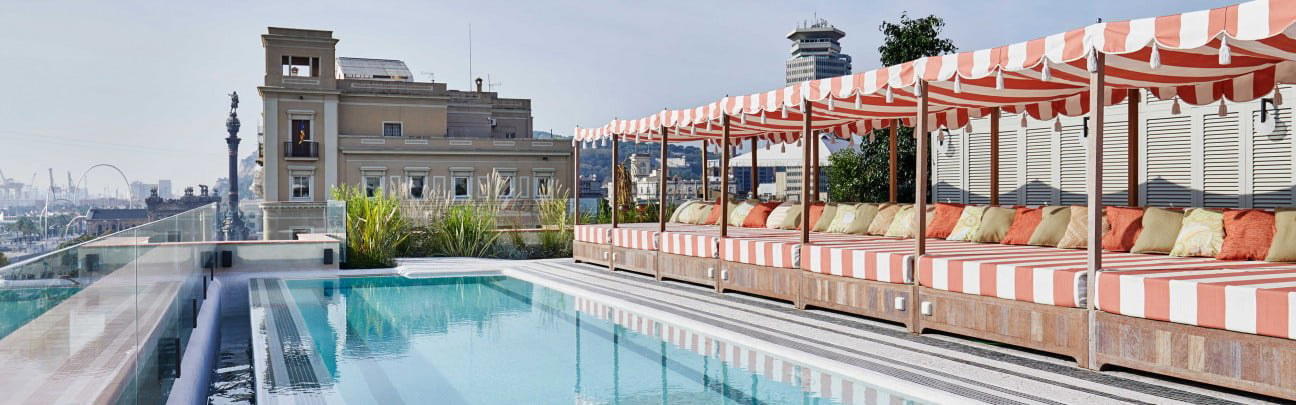
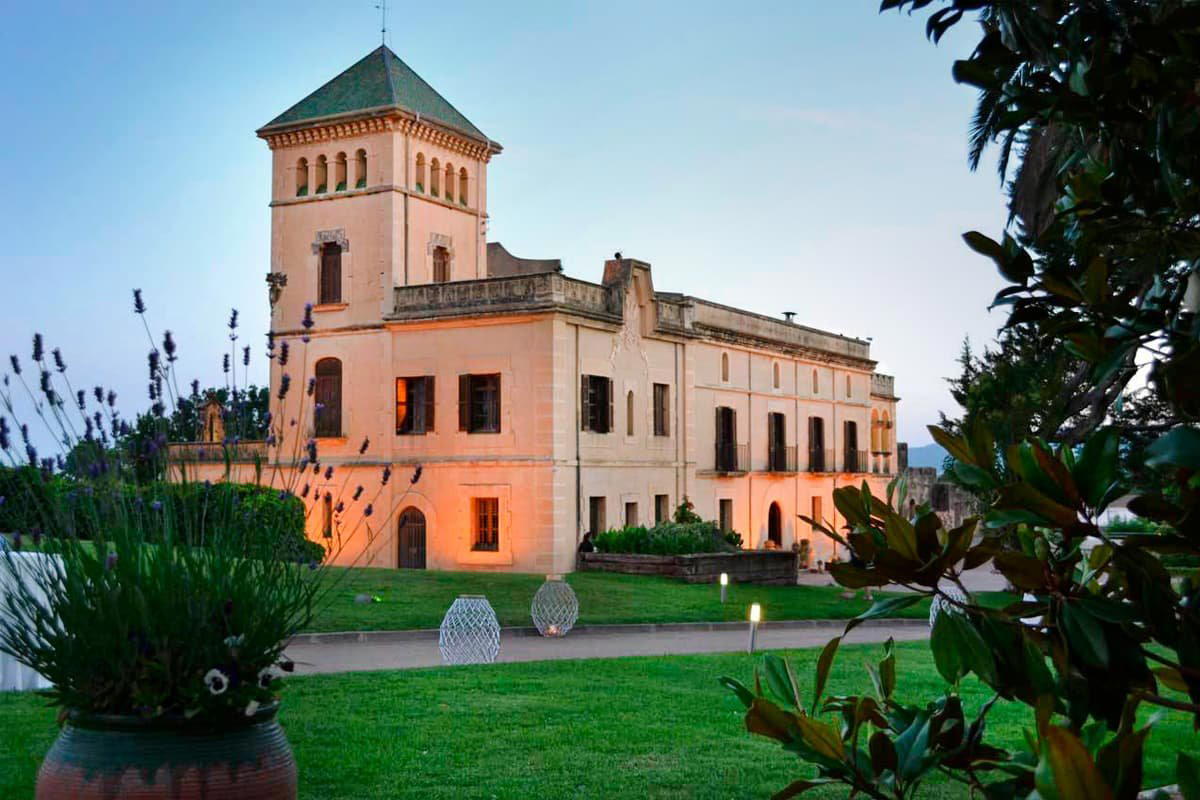
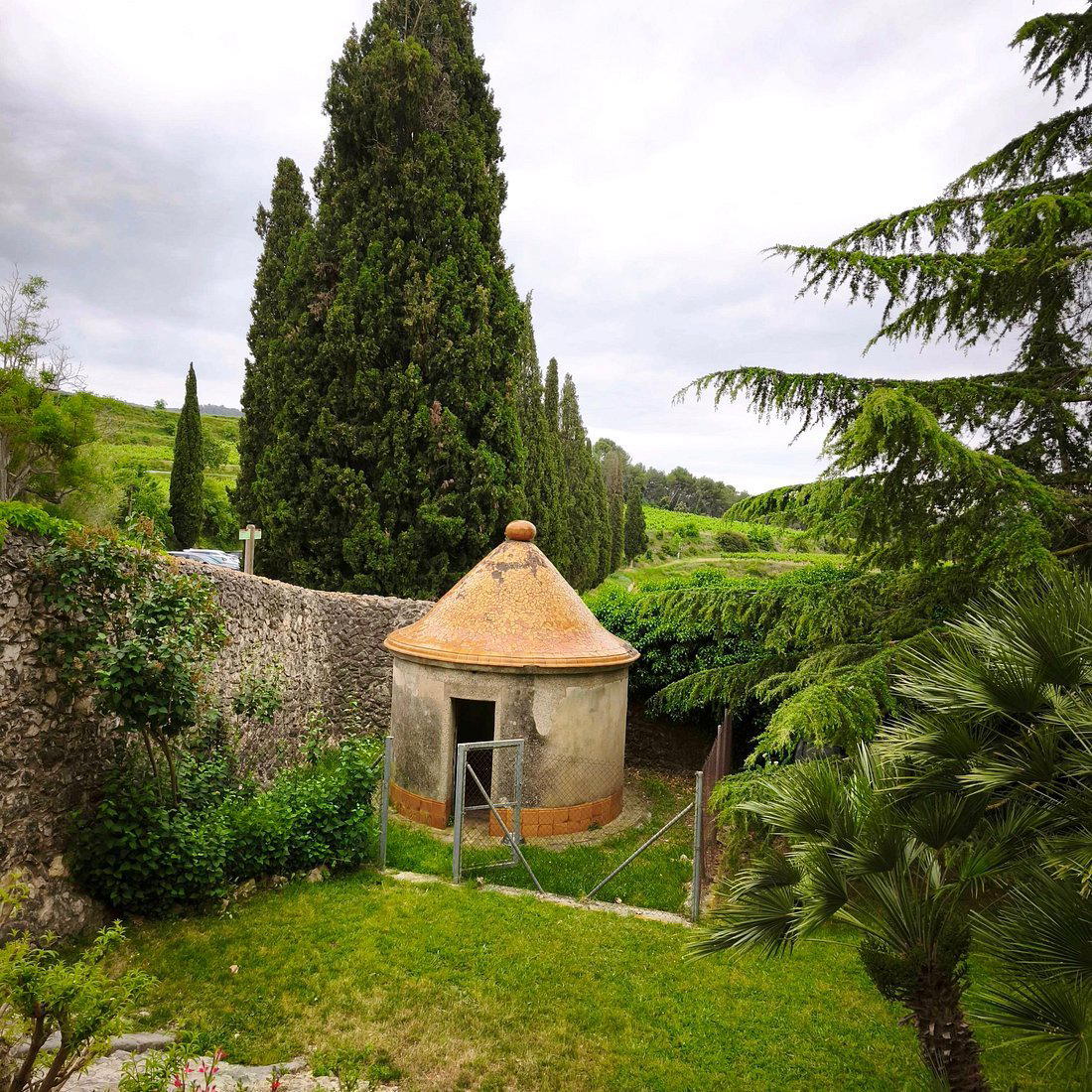
Elegant setting with terrace dining, candlelit evenings, and a sophisticated atmosphere enhanced by dramatic city vistas.