Petit Hipica sits in the Sants-Montjuïc district of Barcelona, a neighbourhood better known for the Olympic mountain than for restaurant destination dining. With Barcelona's creative dining scene largely concentrated elsewhere, this address represents the quieter, residential edge of the city's food map, a counterpoint to the high-profile tasting rooms that define the city's international reputation.
Pearl is the En Primeur Club membership app — saves, bookings, and concierge access live there. Same editors, same standards.
- Address
- Av. dels Montanyans, 1, Sants-Montjuïc, 08038 Barcelona, Spain
- Phone
- +34652575017
- Website
- covermanager.com
- Directions
- Get directions
 Saves & bookings on Pearl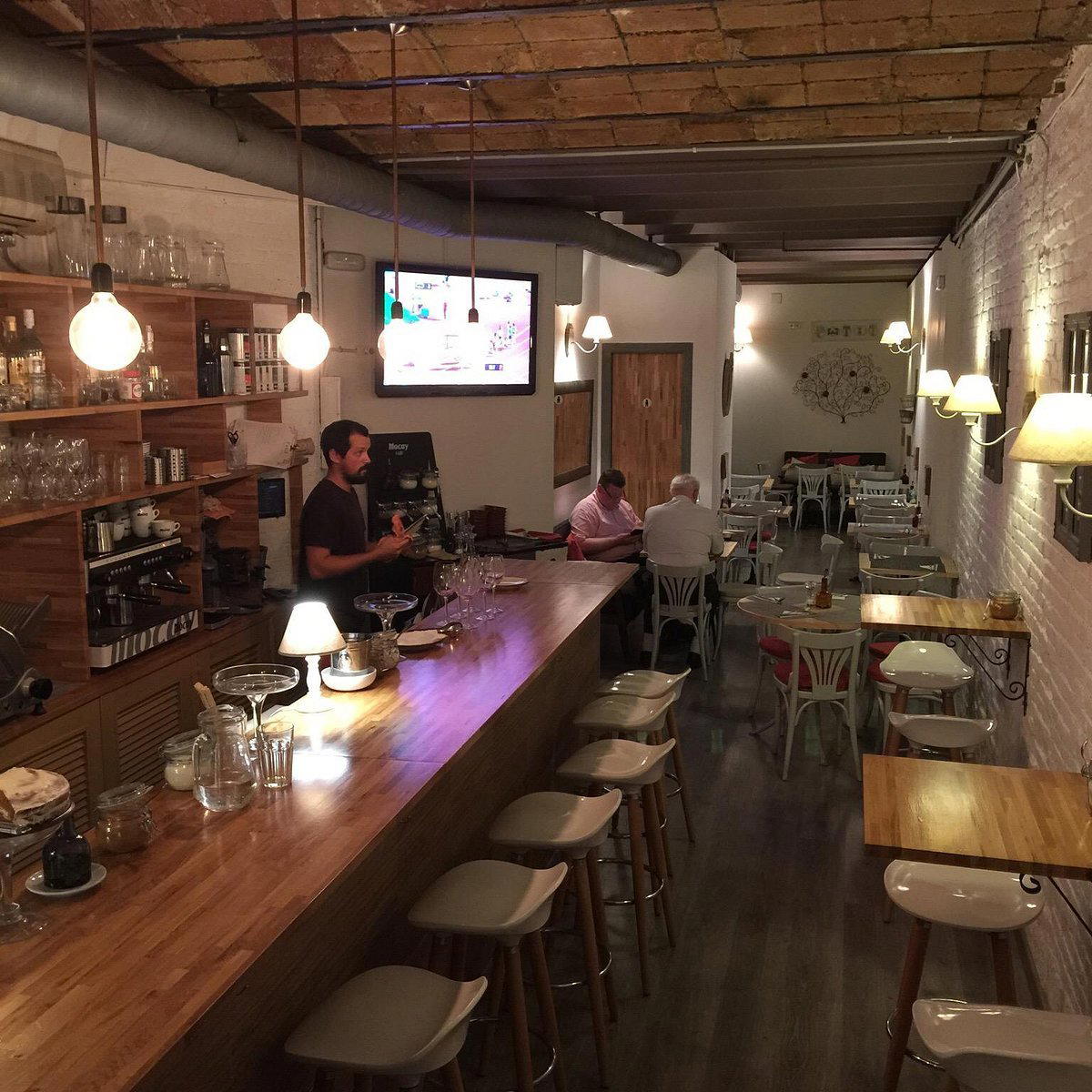
A Different Axis of Barcelona Dining
Barcelona's serious restaurant conversation tends to cluster in a familiar geography: Eixample's broad avenues, the uphill reaches of Sant Gervasi, the old city's narrow lanes. Sants-Montjuïc sits at a remove from that circuit. The district climbs toward the park and the old castle, its lower streets running through dense residential blocks where the clientele is largely local and the restaurant economy follows neighbourhood rhythms rather than tourist or corporate dining patterns. It is precisely this displacement from the city's high-visibility dining corridor that gives addresses here a different character from the rooms at Cocina Hermanos Torres, Disfrutar, or ABaC.
Petit Hipica is a restaurant in Barcelona's Sants-Montjuïc district, at Av. dels Montanyans, 1, serving Rustic Catalan Grill. Petit Hipica occupies an address on Avinguda dels Montanyans, a street that maps to the district's quieter register. The name itself, small, specific, with the equestrian reference of hipica, signals a venue operating at an intimate scale rather than the grand-gesture format that Barcelona's better-known creative tables tend to favour. Where Lasarte or Enigma construct elaborate dining architectures across multiple courses and hours, neighbourhood rooms like this one tend to work within a tighter frame: fewer covers, a shorter menu, a more direct relationship between kitchen and table.
What Menu Structure Tells You About a Room
In Barcelona's competitive dining environment, how a restaurant structures its menu is often the clearest signal of its ambitions and its audience. The city's most decorated tables, many of them holding multiple Michelin stars and entries on the World's 50 Best list, operate through tasting menus that can run twelve to twenty courses, priced at a level that places them in the same bracket as the leading rooms in San Sebastián, Girona, or Larrabetzu. That format demands a particular kind of commitment from the diner: time, budget, and the willingness to surrender the evening to a single vision.
Neighbourhood venues in districts like Sants-Montjuïc operate in a different register entirely. The menu architecture at this scale tends toward a la carte flexibility or a shorter fixed format, designed for diners who are eating rather than attending a performance. This distinction matters in Barcelona more than in many European cities because the gap between the tasting-menu tier and the everyday neighbourhood tier is unusually pronounced. Spain's broader creative dining culture, visible in rooms like Mugaritz in Errenteria, Quique Dacosta in Dénia, or Aponiente in El Puerto de Santa María, operates at a conceptual and financial remove from how most Catalans actually eat on a Tuesday evening.
Petit Hipica's positioning, a small room on a residential avenue in Montjuïc, suggests it belongs to the latter world. What the address and scale imply is a kitchen working within the rhythms of its immediate neighbourhood rather than competing with the city's international-facing tasting rooms.
The Sants-Montjuïc Dining Context
Understanding where the restaurant sits geographically is also understanding which Barcelona dining conversation it participates in. Sants-Montjuïc has historically been a working-class district, and that inheritance shapes its restaurant economy: market-fresh cooking, honest pricing structures, and a regulars-first orientation that is distinct from the reservation-months-ahead dynamics governing the city's Michelin-tracked rooms. The mountain above provides the theatrical backdrop, the Olympic facilities, Montjuïc castle, the cable car, but at street level the neighbourhood operates on its own domestic logic.
This is a different context from the destination-dining energy around Ricard Camarena in València or Martín Berasategui in Lasarte-Oria, where visitors travel specifically to eat. In Sants-Montjuïc, the dining is more likely incidental to another reason for being in the neighbourhood, a visit to the Fundació Joan Miró, the MNAC at the summit of the park, or simply staying in one of the district's quieter hotels rather than in the Eixample grid. That incidental dynamic tends to produce a more relaxed dining atmosphere, lower room pressure, and kitchens that are cooking for return trade rather than first impressions.
For travellers spending time in Barcelona beyond the obvious circuits, this district offers a pace that the more concentrated dining zones, particularly the increasingly saturated El Born, no longer reliably deliver. The international-benchmark rooms like DiverXO in Madrid or Atrio in Cáceres require significant advance planning and financial commitment. Smaller neighbourhood addresses carry none of those conditions, which is part of their structural appeal for a different kind of dining decision.
Placing Petit Hipica in Barcelona's Full Dining Picture
Barcelona's restaurant scene operates across several distinct tiers that rarely overlap. At the leading, a cluster of Michelin-decorated creative tables compete for international attention alongside rooms in the Basque Country and Catalonia's wider region. Below that, a middle tier of accomplished modern Spanish and Mediterranean restaurants serves the city's professional class and informed visitors. Below that again, the neighbourhood tier: smaller rooms, shorter menus, local trade.
The restaurant, based on its address and scale signals, occupies the neighbourhood end of that spectrum. What the Avinguda dels Montanyans address suggests is a room that is not competing with the Le Bernardin-level technical ambition or the Atomix-style conceptual rigour that defines the upper bracket internationally. It is operating within a more local frame, and that frame has its own validity.
Recognition Snapshot
Comparable venues nearby, for context on price, style, and recognition.
| Venue | Cuisine | Price | Notes |
|---|---|---|---|
| Petit HipicaThis venue — the venue you are viewing | Rustic Catalan Grill | $$$ | Not listed |
| La Dama | Modern Mediterranean-French | $$$ | l'Antiga Esquerra de l'Eixample |
| Rooftop Garden | Modern Mediterranean Tapas | $$$ | la Dreta de l'Eixample |
| Momo Avinyó | Mediterranean Tapas & Paella | $$ | Barri Gotic |
| Restaurant Gabriel Barcelona | Mediterranean Tapas | $$ | Barri Gotic |
| Restaurante Sea Breeze Beach House | Mediterranean Seafood | $$ | la Barceloneta |
Continue exploring
More in Barcelona
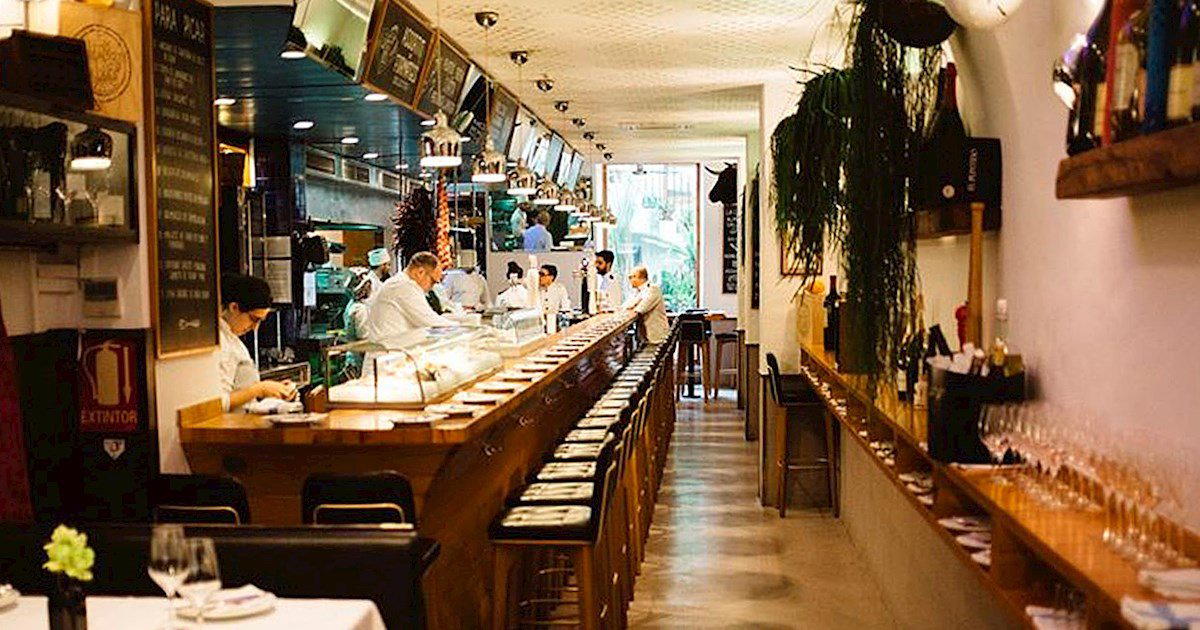
Restaurants in Barcelona
Browse all →
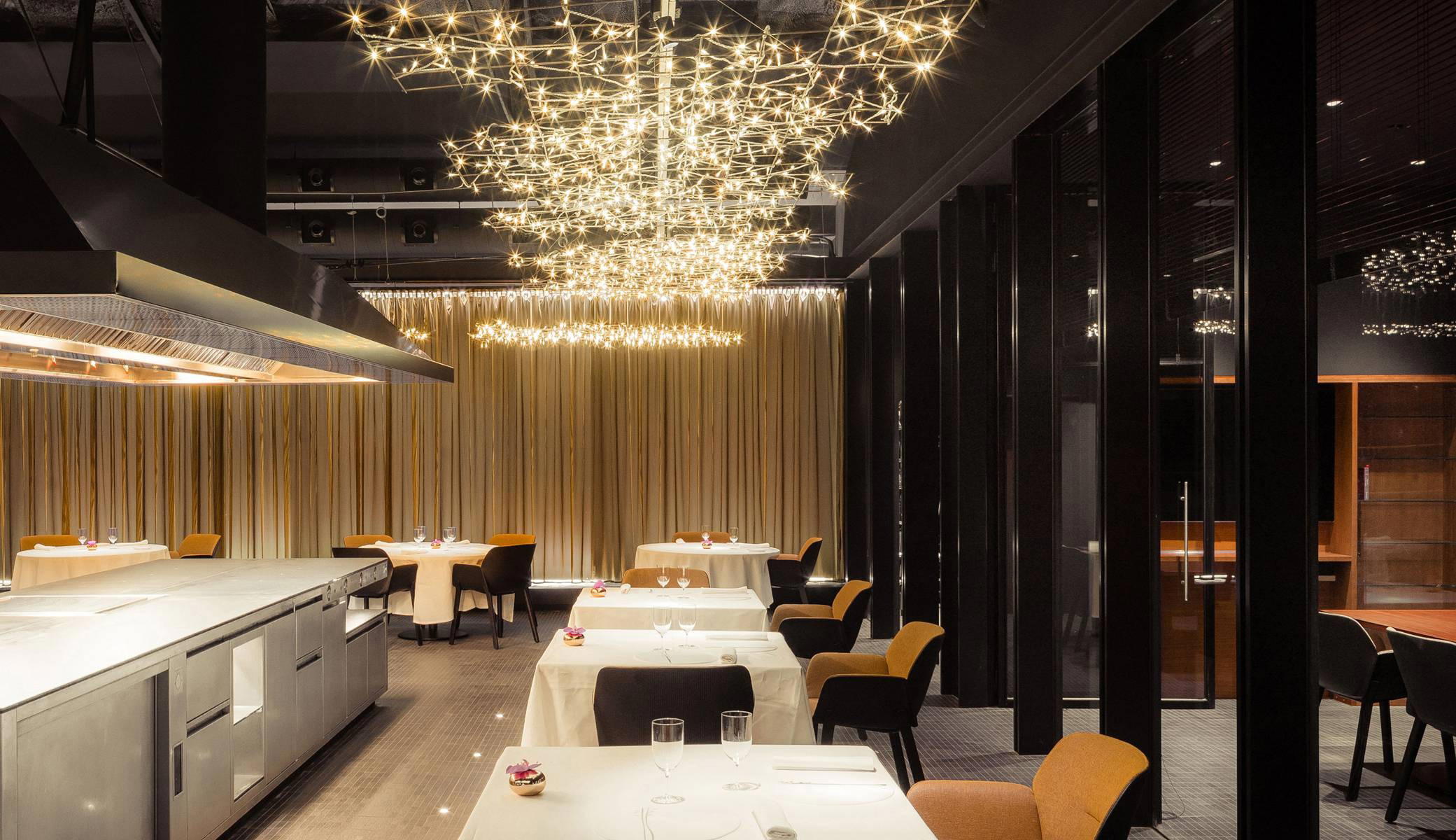
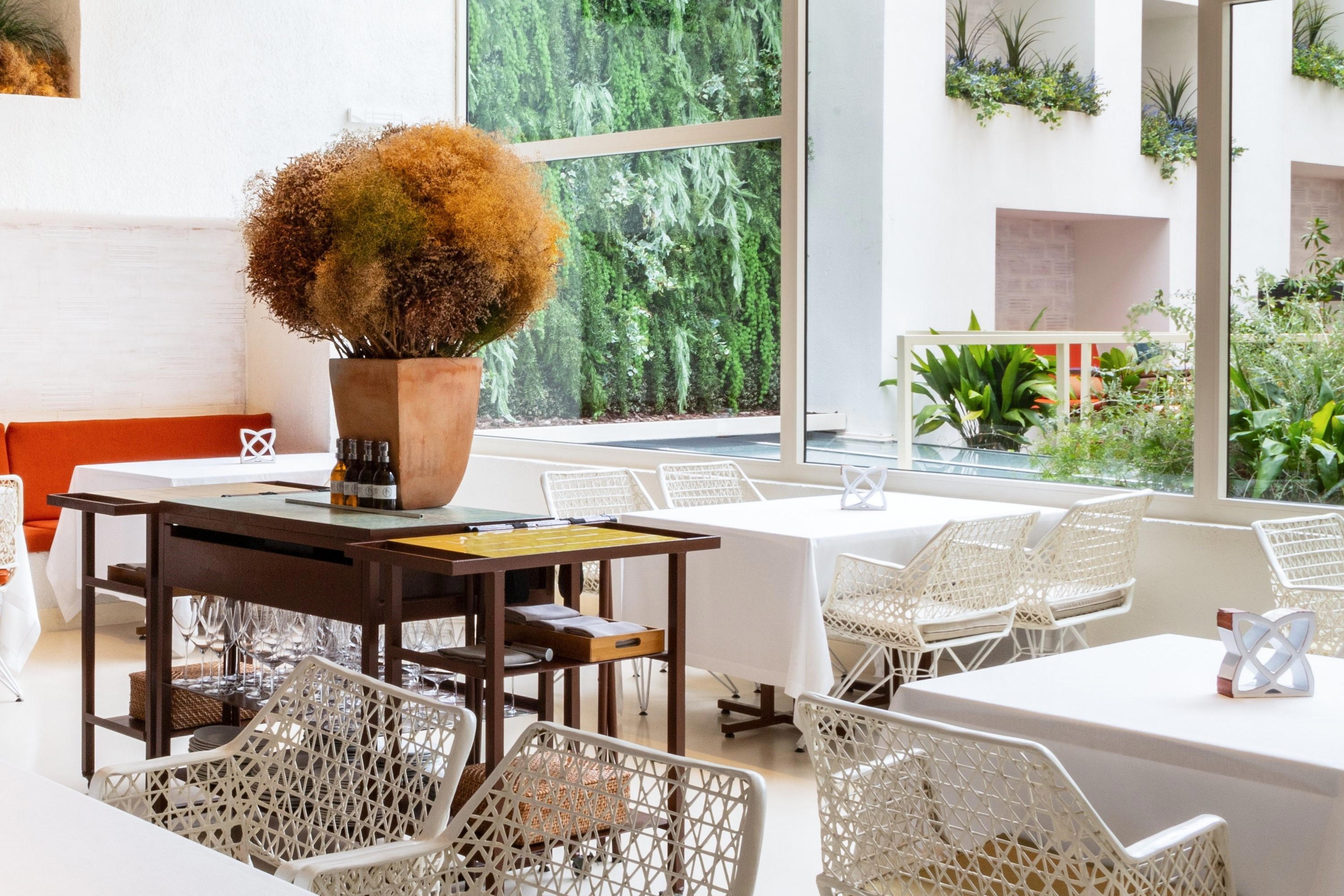
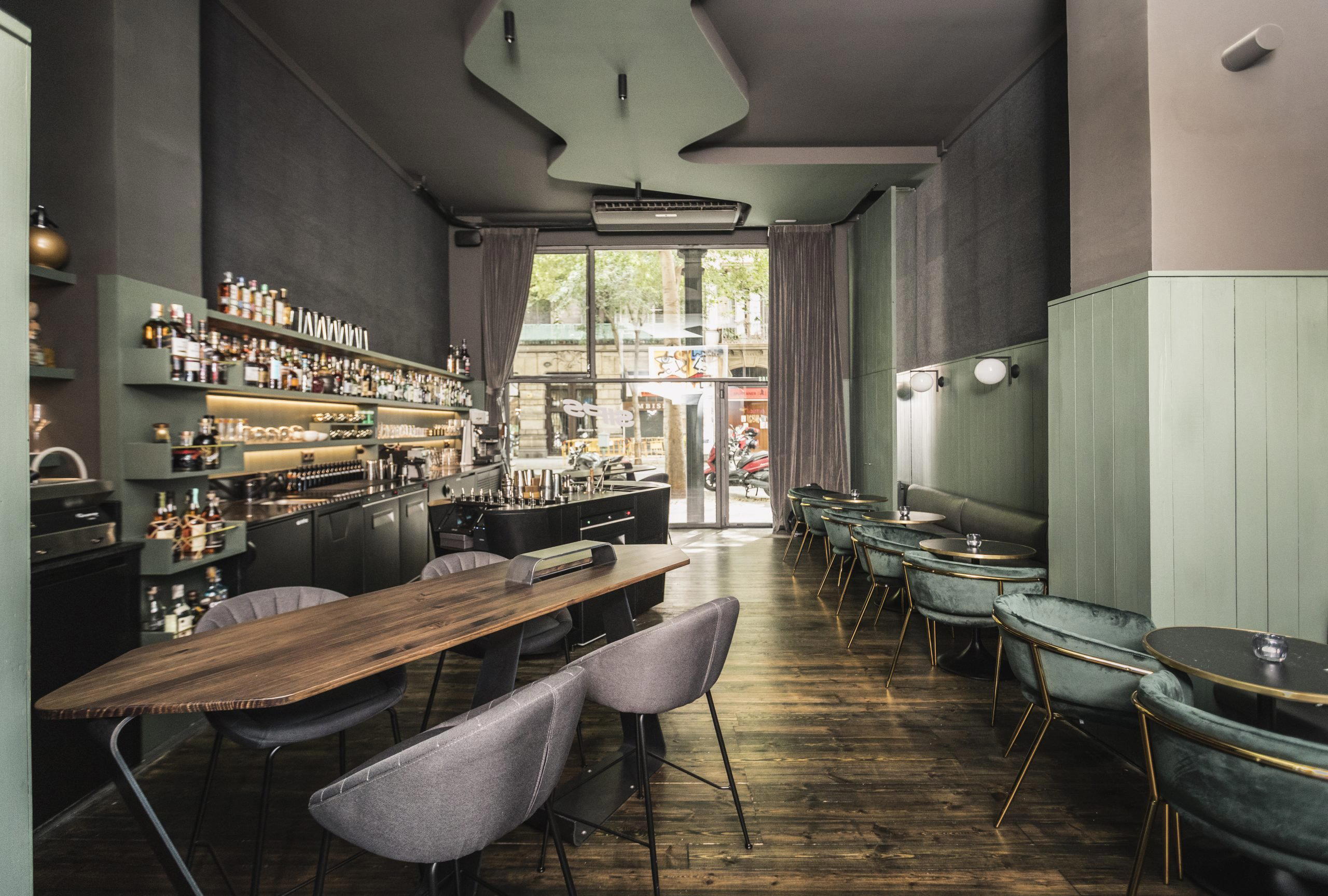
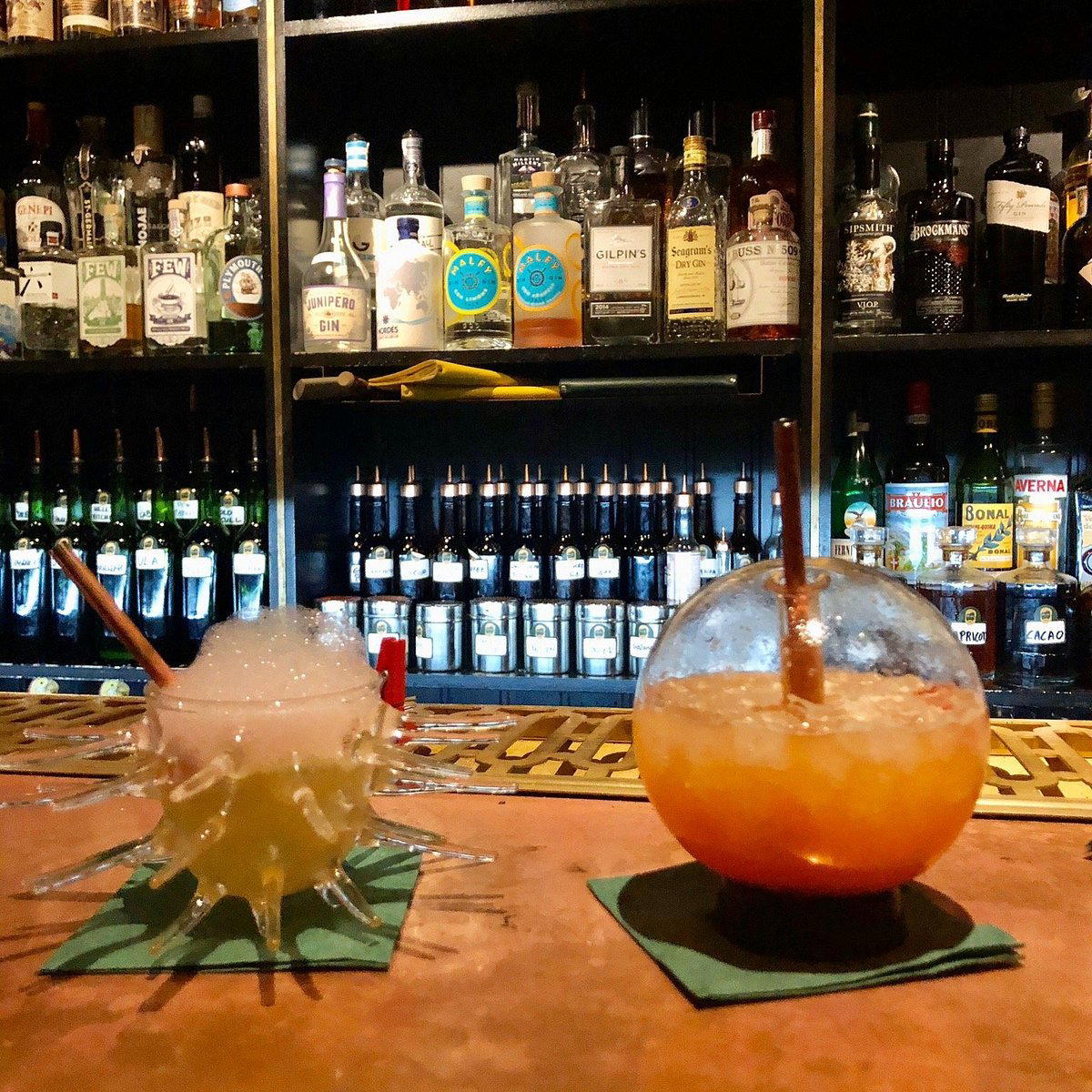
Bars in Barcelona
Browse all →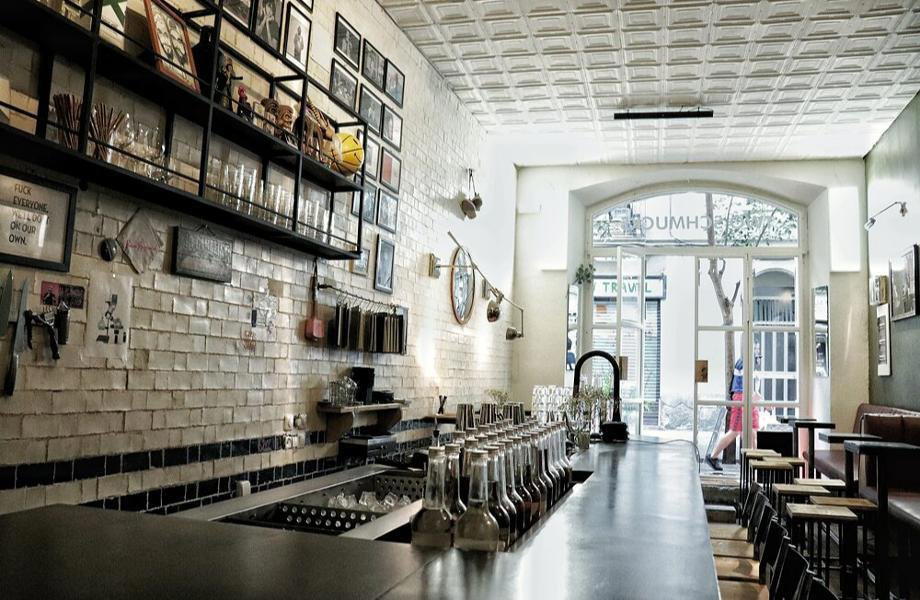
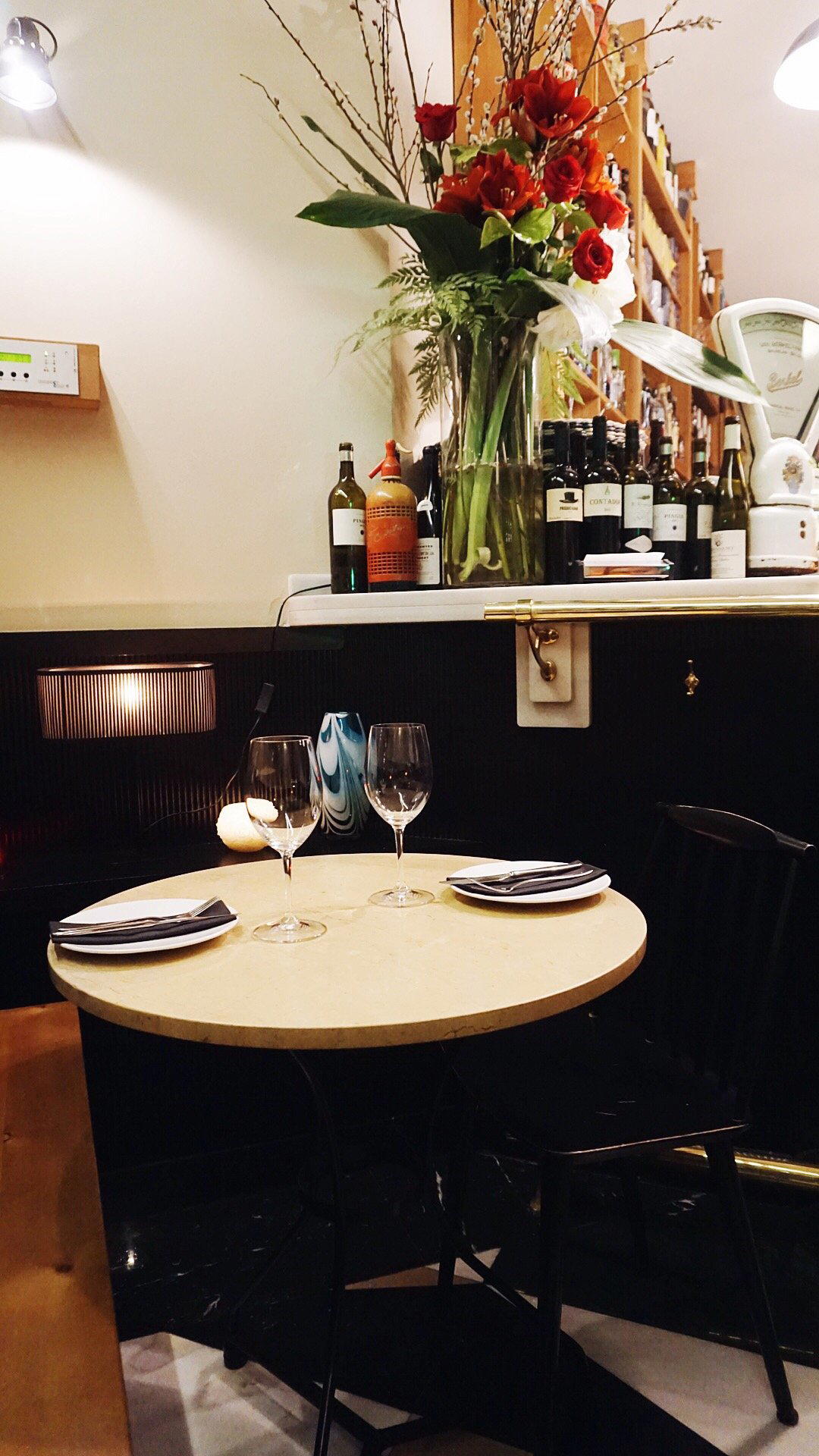
Hotels in Barcelona
Browse all →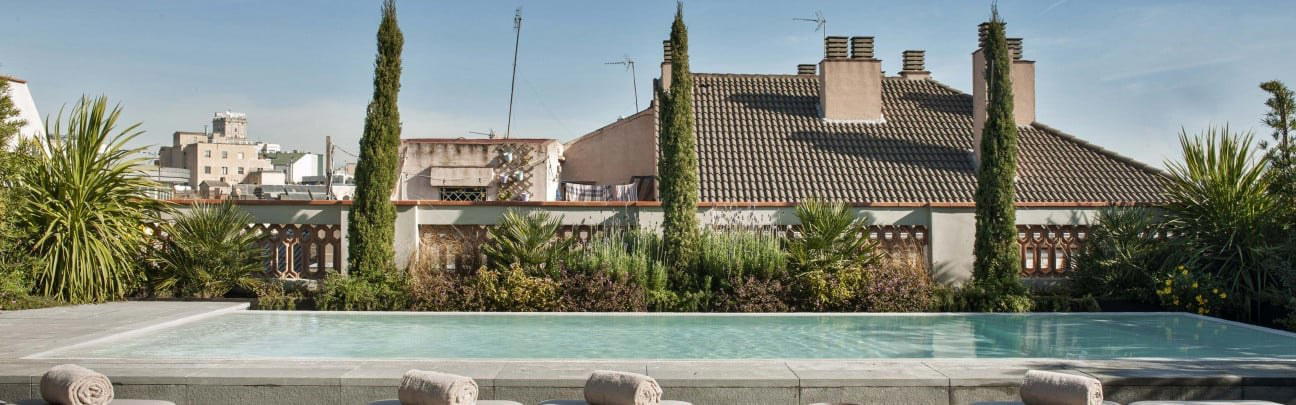
At a Glance
- Rustic
- Cozy
- Group Dining
- Family
- Celebration
- Terrace
- Open Kitchen
- Mountain
- Street Scene
Current opening hours
- Monday
- Closed
- Tuesday
- Closed
- Wednesday
- 12–8 PM
- Thursday
- 12–8 PM
- Friday
- 12–8 PM
- Saturday
- 10 AM–6 PM
- Sunday
- 11 AM–6 PM
Hours can change for holidays and private events. Last verified .
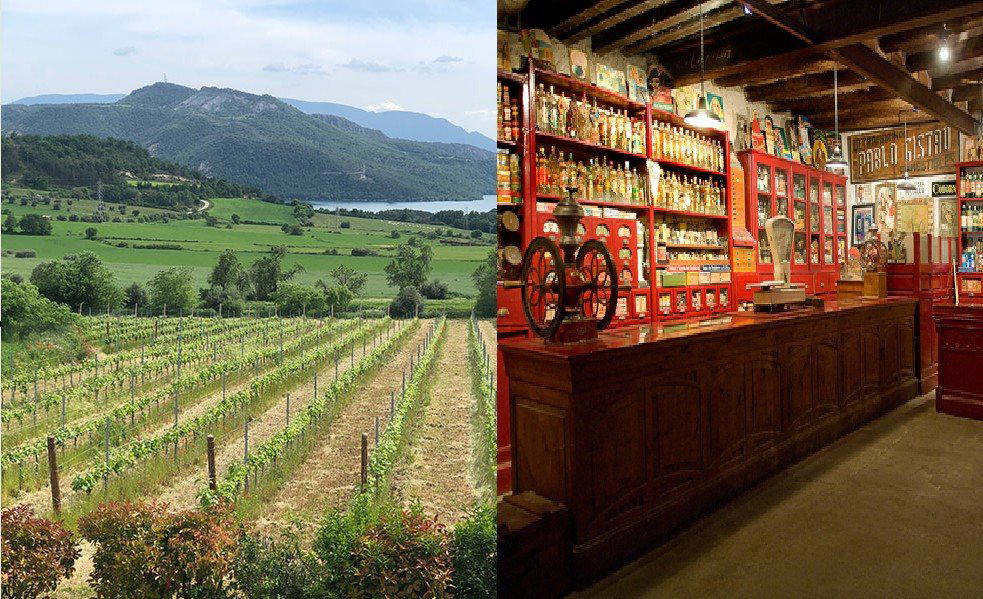
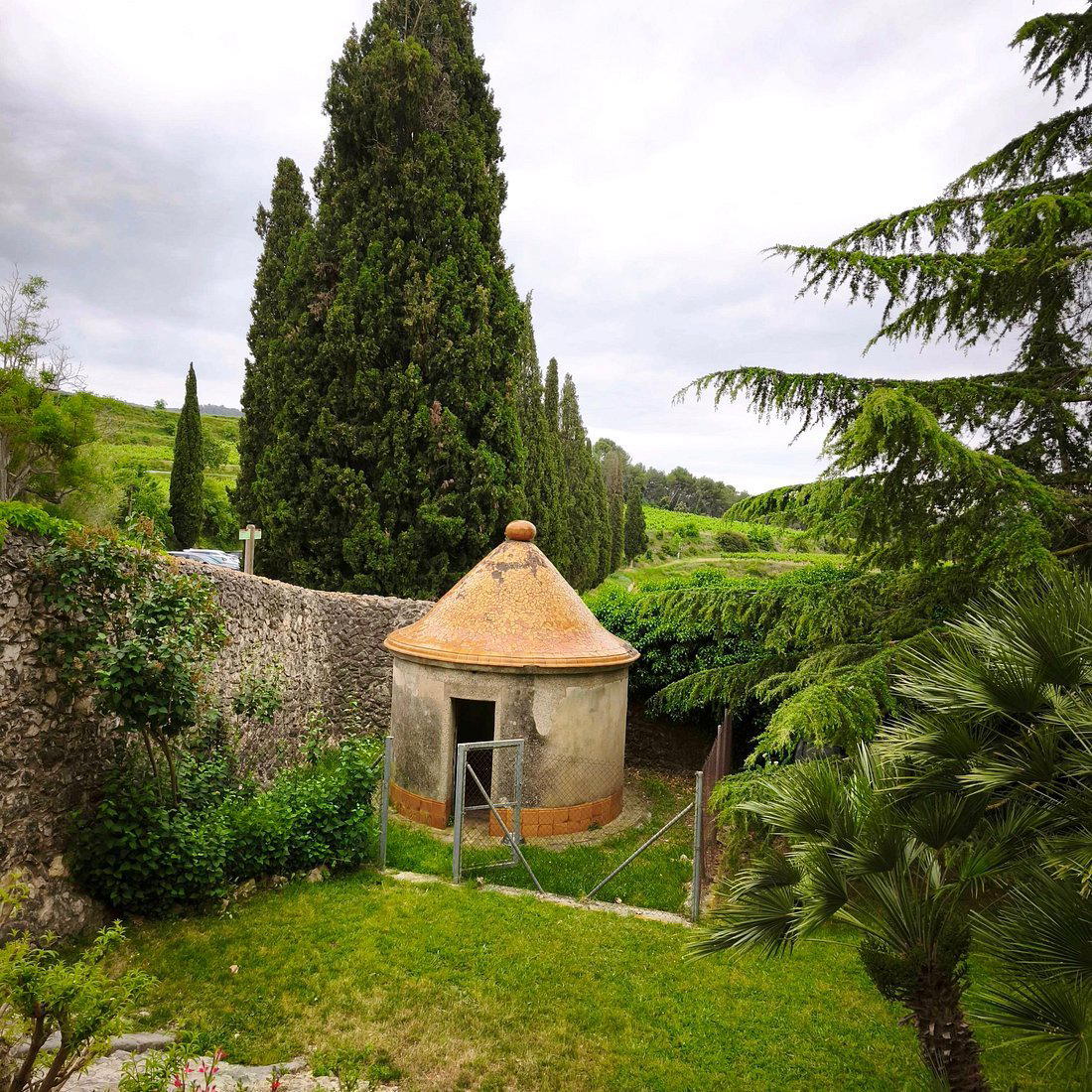
Gritty, earthy atmosphere with woodsmoke and rustic charm, evoking the Pyrenean forest amid horse scents and mountain air.