
Gurí occupies a quiet address in Sants-Montjuïc, a district where neighbourhood restaurants still outnumber destination dining rooms. The kitchen works within a framework that prioritises ethical sourcing and low-waste cooking, placing it in a growing tier of Barcelona restaurants that treat environmental accountability as a structural commitment rather than a marketing footnote. For a city that has long exported avant-garde technique, Gurí represents a quieter but equally considered counterpoint.
Pearl is the En Primeur Club membership app — saves, bookings, and concierge access live there. Same editors, same standards.
- Address
- Carrer del Rector Triadó, 72, Sants-Montjuïc, 08014 Barcelona, Spain
- Phone
- +34934177440
- Website
- gurirestaurante.com
- Directions
- Get directions
 Saves & bookings on Pearl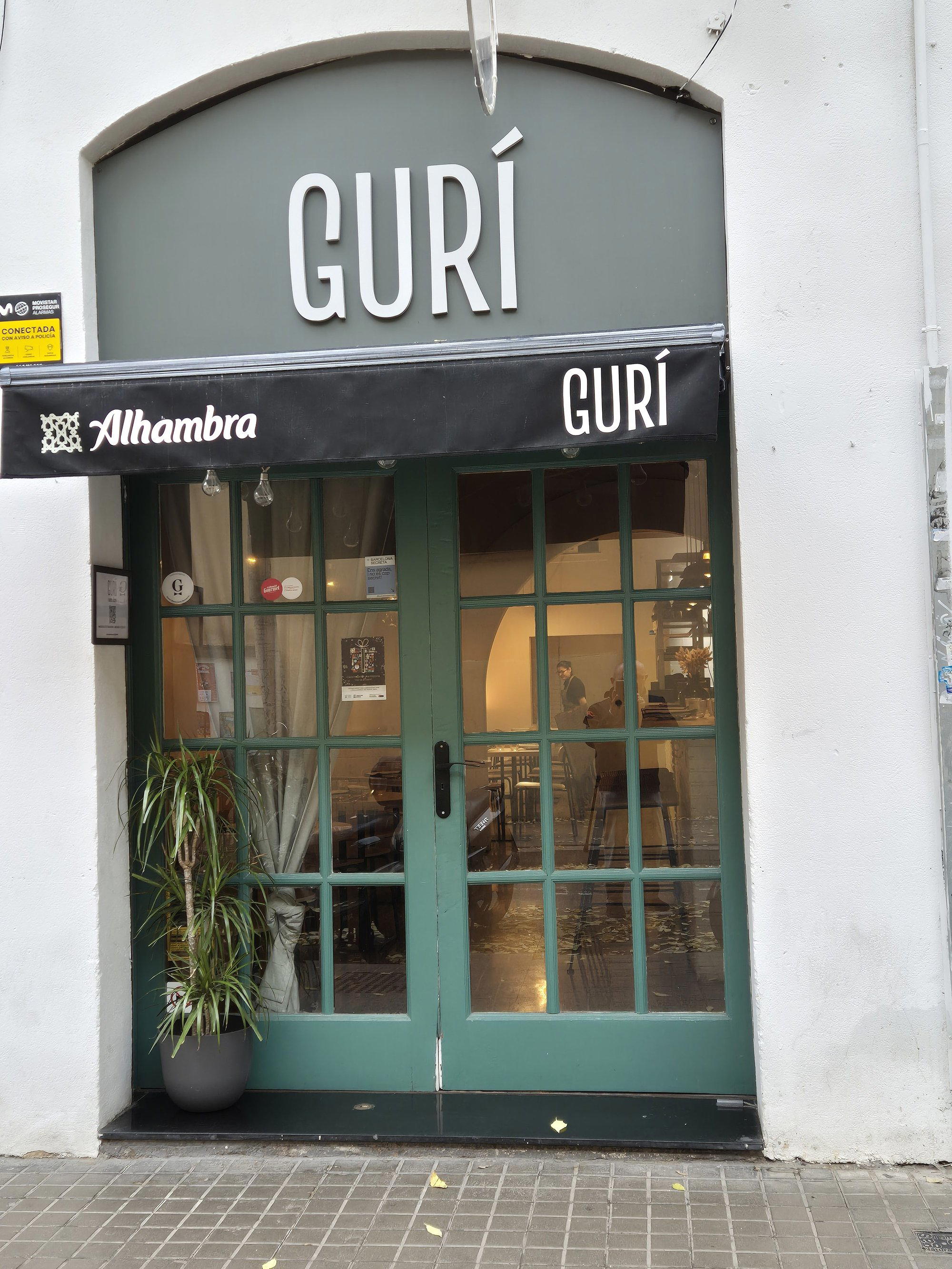
A District That Rewards Attention
Sants-Montjuïc rarely appears in the opening paragraph of Barcelona dining coverage. The neighbourhood flanks the hill that carries the city's Olympic legacy and the old Poble Sec edge, but its residential streets, lined with ironmongers, family bakeries, and corner bars that still serve vermouth at eleven in the morning, have historically been left off the route that connects airport arrivals to the Eixample's polished dining rooms. That is changing, slowly and without fanfare, as a cohort of chefs decides that a quieter postcode is a reasonable trade for lower rents and a more local clientele. Gurí is a restaurant serving Uruguayan-Mediterranean Fusion in Barcelona's Sants-Montjuïc district, with a price tier around $50 per person.
The address sits away from the city's main tourist circuit. What it offers instead is the kind of urban remove that, in a city as visited as Barcelona, functions almost as a curatorial decision: guests arrive deliberately, not accidentally.
The Sustainability Frame: Beyond the Talking Points
Spanish fine dining has developed a credible track record on environmental accountability over the past decade. Azurmendi in Larrabetzu built sustainability infrastructure into its physical structure, running greenhouse production and composting systems on-site. Aponiente in El Puerto de Santa María has staked an entire culinary identity on marine ingredients that most kitchens discard. Mugaritz in Errenteria has spent years interrogating what hospitality owes the environment beyond the plate. These are not peripheral experiments; they represent a structural re-examination of what a serious kitchen does with its sourcing relationships and waste streams.
Gurí positions itself within that same conversation at a neighbourhood scale. The question that matters for restaurants working in this register is not whether they can articulate a philosophy, but whether that philosophy is legible in the actual operation: in supplier relationships that prioritise proximity and seasonality, in kitchen practices that treat trim and offcuts as ingredients rather than disposal problems, and in a menu architecture that follows what is available rather than what is convenient to procure year-round. The credibility of an ethical sourcing claim lives in the specifics, and Gurí's approach is framed around those commitments.
Barcelona's position on the northeastern Mediterranean coast gives any restaurant here a structural advantage in seasonal, low-distance sourcing. The Boqueria and the Mercat de l'Abaceria supply produce cycles that shift week by week. Fishing out of the Barceloneta and the broader Costa Daurada provides protein that moves faster from water to pass than anything trucked from a central distribution hub. A kitchen that chooses to work with those rhythms rather than against them is making a decision that has both environmental and culinary consequences.
Where Gurí Sits in Barcelona's Dining Tiers
Barcelona's serious restaurant culture has concentrated at two poles for much of the past decade. At the leading, a cluster of tasting-menu addresses competes for the same cohort of international visitors and critics: Disfrutar, with its elBulli lineage and progressive technique, holds one position; Cocina Hermanos Torres, operating from a converted greenhouse in Les Corts, holds another; ABaC and Lasarte anchor the upper end of the hotel-dining tier. Below that, a much larger population of casual neighbourhood places handles the everyday. The middle register, where cooking is taken seriously but the format is not structured around a multi-hour tasting menu and a three-month booking window, has historically been thinner than in cities like Madrid or San Sebastián.
Gurí occupies that middle ground with a local-facing orientation. Its comparable set is smaller: restaurants in residential neighbourhoods where the cooking reflects genuine craft and the room fills primarily with people who live nearby or have been told about the place by someone they trust. In that tier, reputation travels more slowly and tends to be more durable.
The scale differs; the underlying logic does not.
The Broader Spanish Context
Spain's restaurant culture outside the major award circuits has become increasingly interesting as a second generation of chefs decides what to do with the technical fluency inherited from the Ferran Adrià era. Some have moved toward maximalism; others have moved toward restraint and locality. Ricard Camarena in València exemplifies the restraint direction, building a body of work around the Albufera lagoon's produce. Quique Dacosta in Dénia has remained committed to the Mediterranean as a primary reference. Martin Berasategui in Lasarte-Oria and Arzak in San Sebastián continue to anchor the Basque tradition. DiverXO in Madrid and Atrio in Cáceres represent still other directions. Gurí enters this conversation at a different register, without the international profile of those addresses, but coherent within the neighbourhood-serious tier that any healthy dining culture requires.
Know Before You Go
- Address: Carrer del Rector Triadó, 72, Sants-Montjuïc, 08014 Barcelona, Spain
- District: Sants-Montjuïc, a residential neighbourhood south of the Eixample, accessible by metro (L5, Sants Estació) or a short taxi from the city centre
- Booking: Contact directly; no online booking platform confirmed
- Price range: about $50 per person
- Leading approach: Arrive on foot from Sants Estació to read the neighbourhood before sitting down, the surrounding streets give context to what the kitchen is working with
A Credentials Check
Comparable venues nearby, for context on price, style, and recognition.
| Venue | Cuisine | Price | Notes |
|---|---|---|---|
| GuríThis venue — the venue you are viewing | Uruguayan-Mediterranean Fusion | $$$ | Not listed |
| El Patrón | Mediterranean Seafood Fusion | $$$ | Sant Gervasi - Galvany |
| La Dama | Modern Mediterranean-French | $$$ | l'Antiga Esquerra de l'Eixample |
| El Bosc Garden Restaurant | Traditional Mediterranean with Catalan Influences | $$$ | el Camp d'en Grassot i Gracia Nova |
| Santo Paladar | Modern Mediterranean Gastropub | $$$ | Sant Andreu |
| Tragaldabas | Modern Mediterranean with Spanish Fusion | $$$ | la Nova Esquerra de l'Eixample |
Recognition history
Dated appearances from independent guides and award organizations, with the underlying list record or original source where available.
Macarfi 7.3 Food Rating
Macarfi
Continue exploring
More in Barcelona
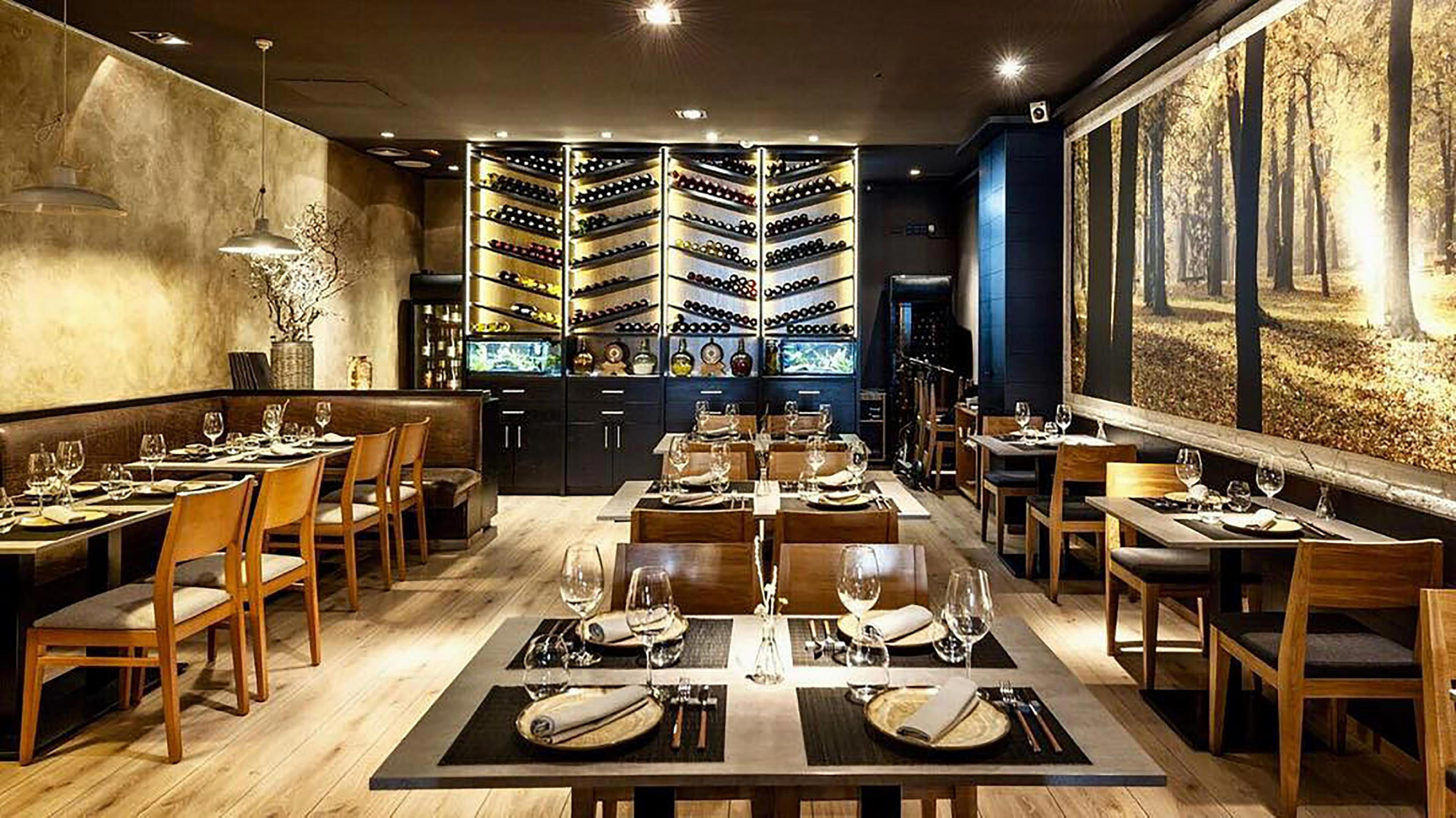
Restaurants in Barcelona
Browse all →
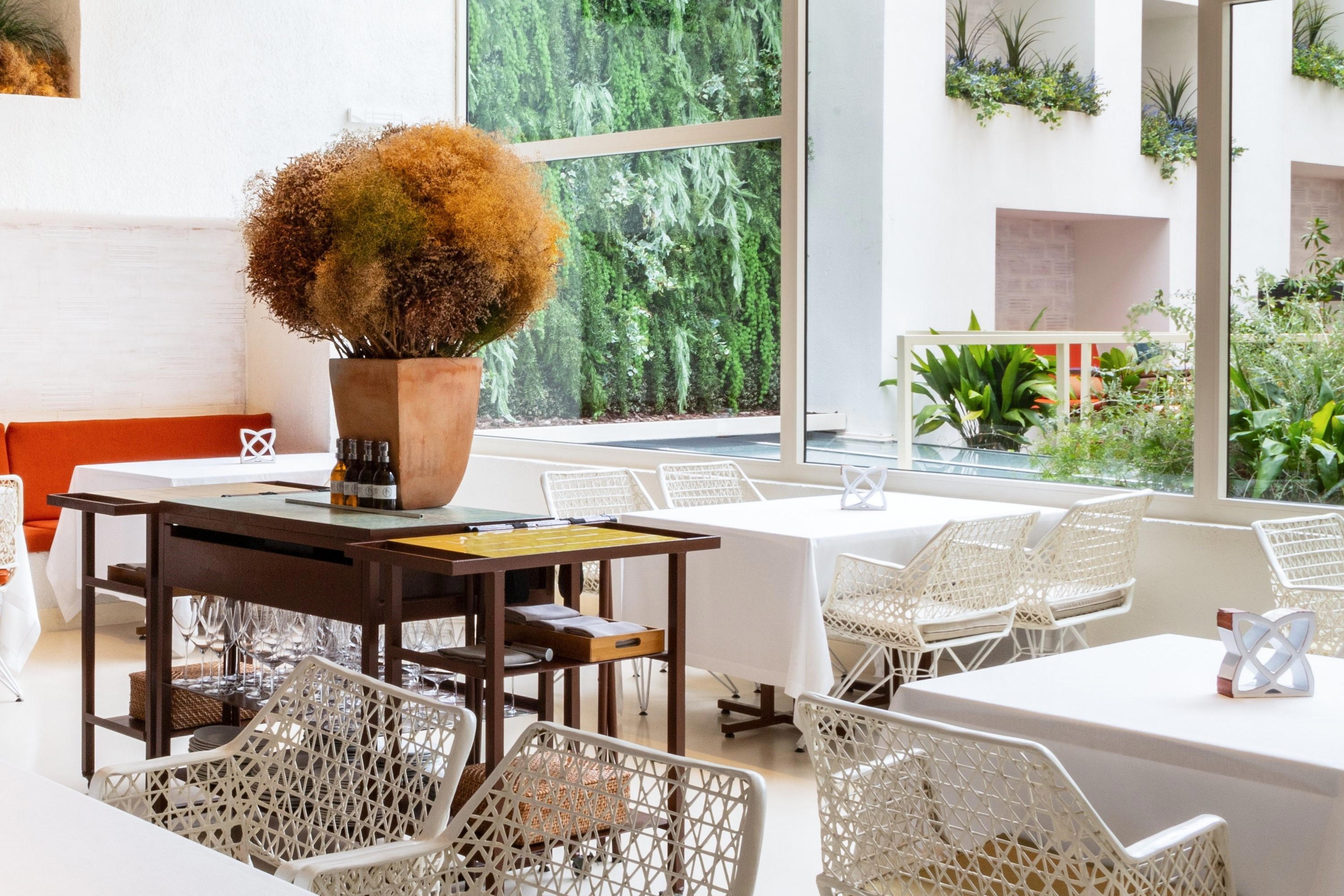
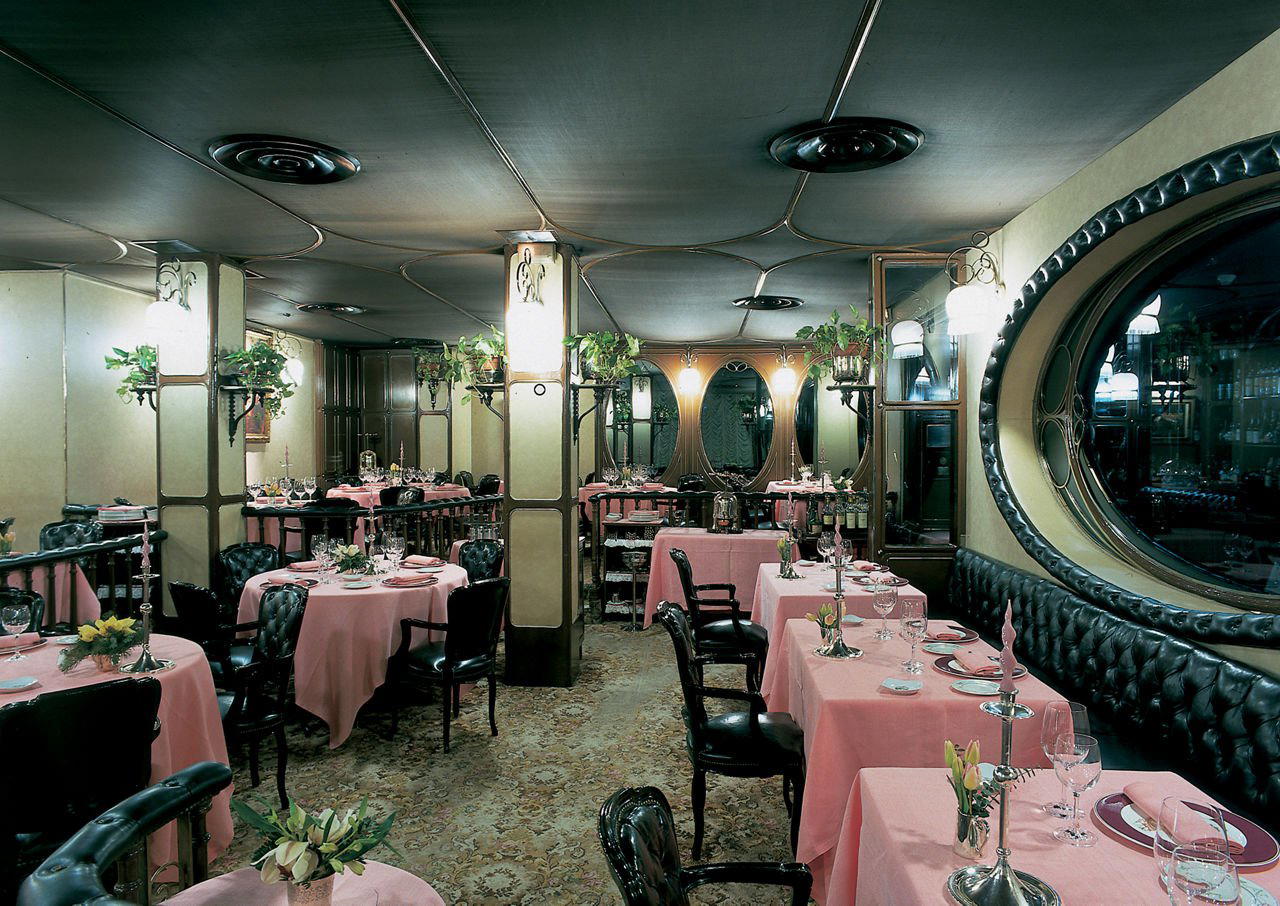
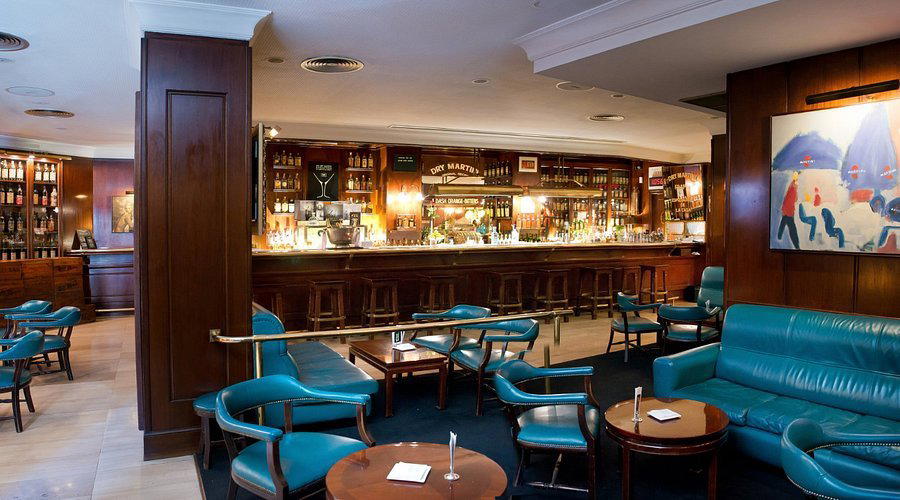
Bars in Barcelona
Browse all →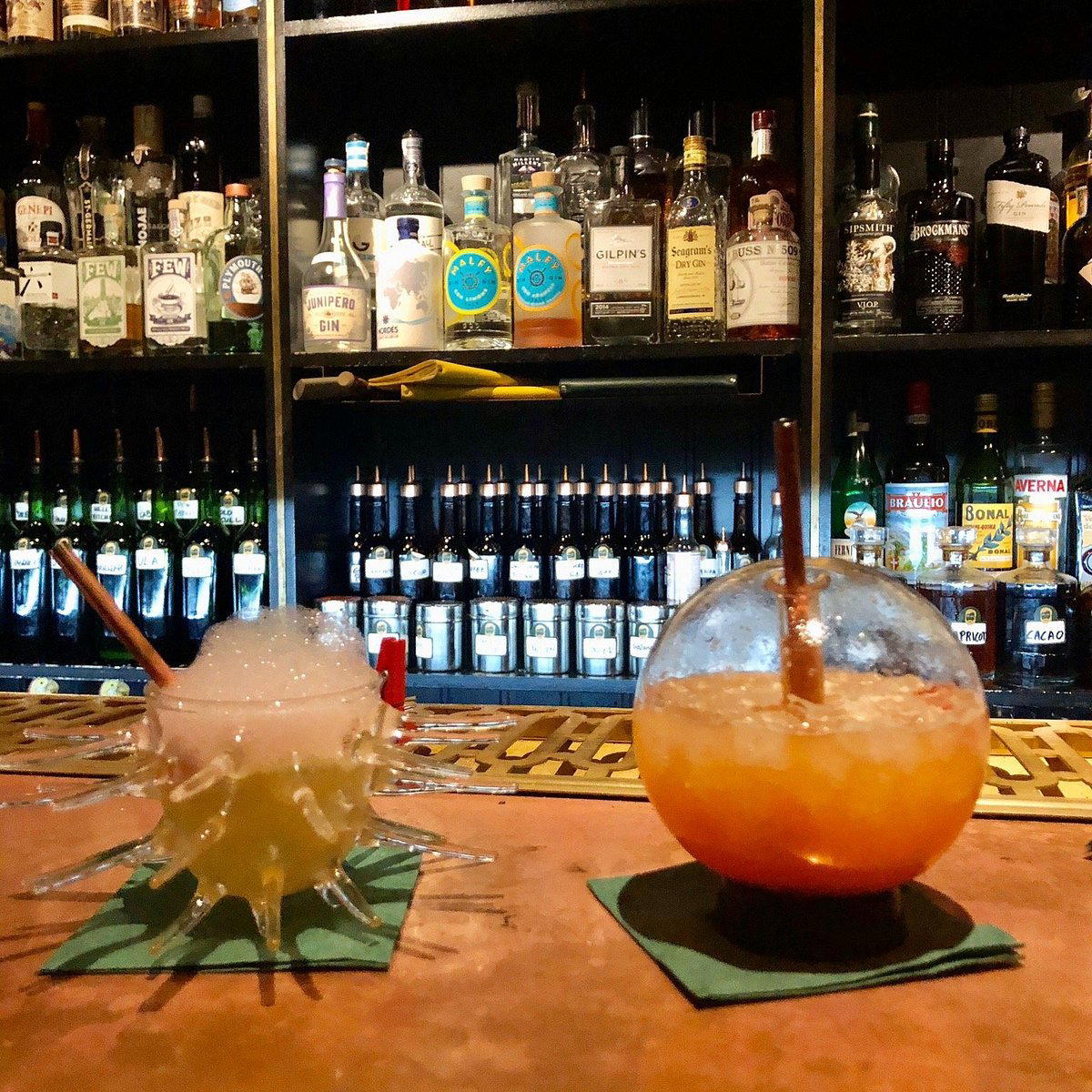
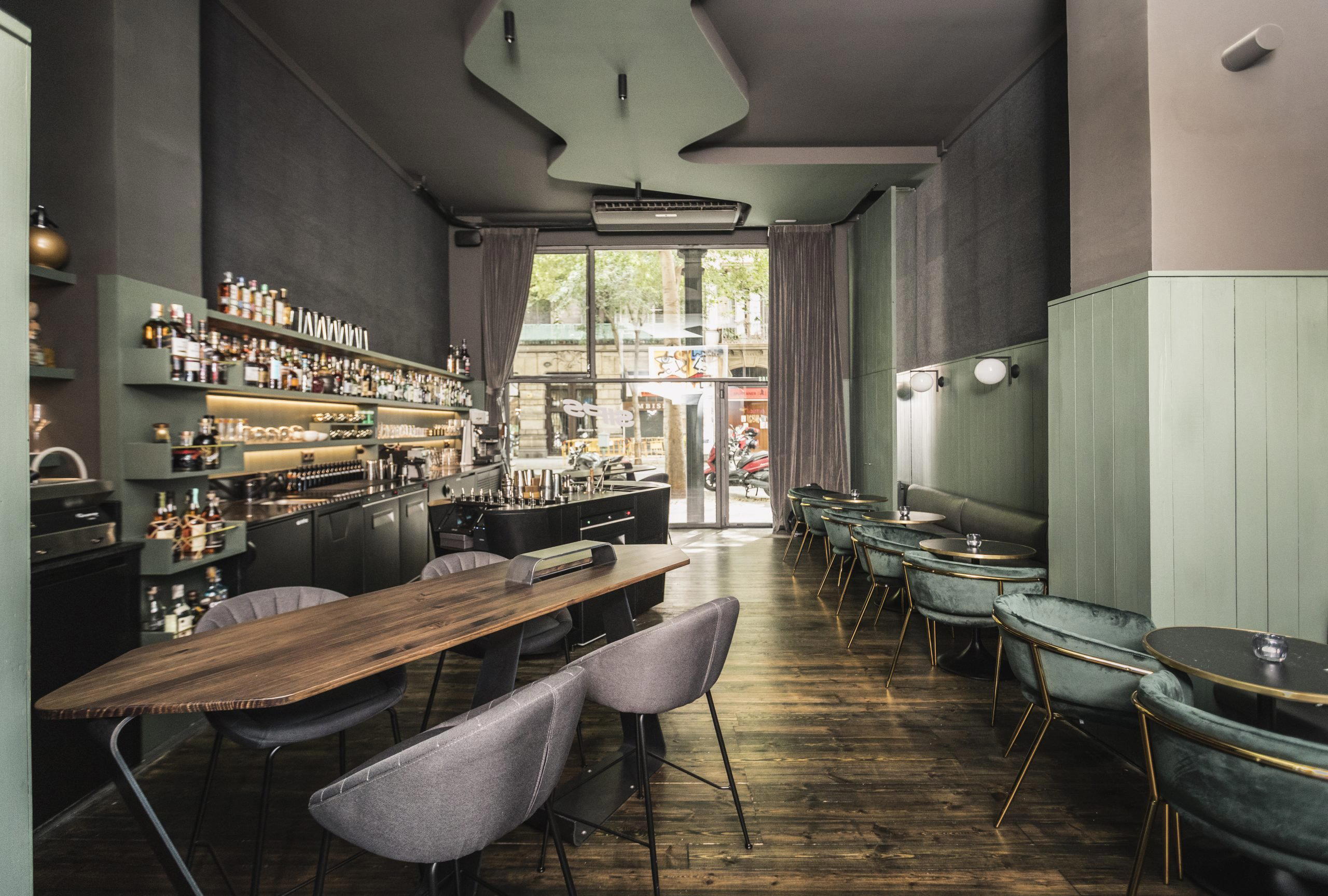
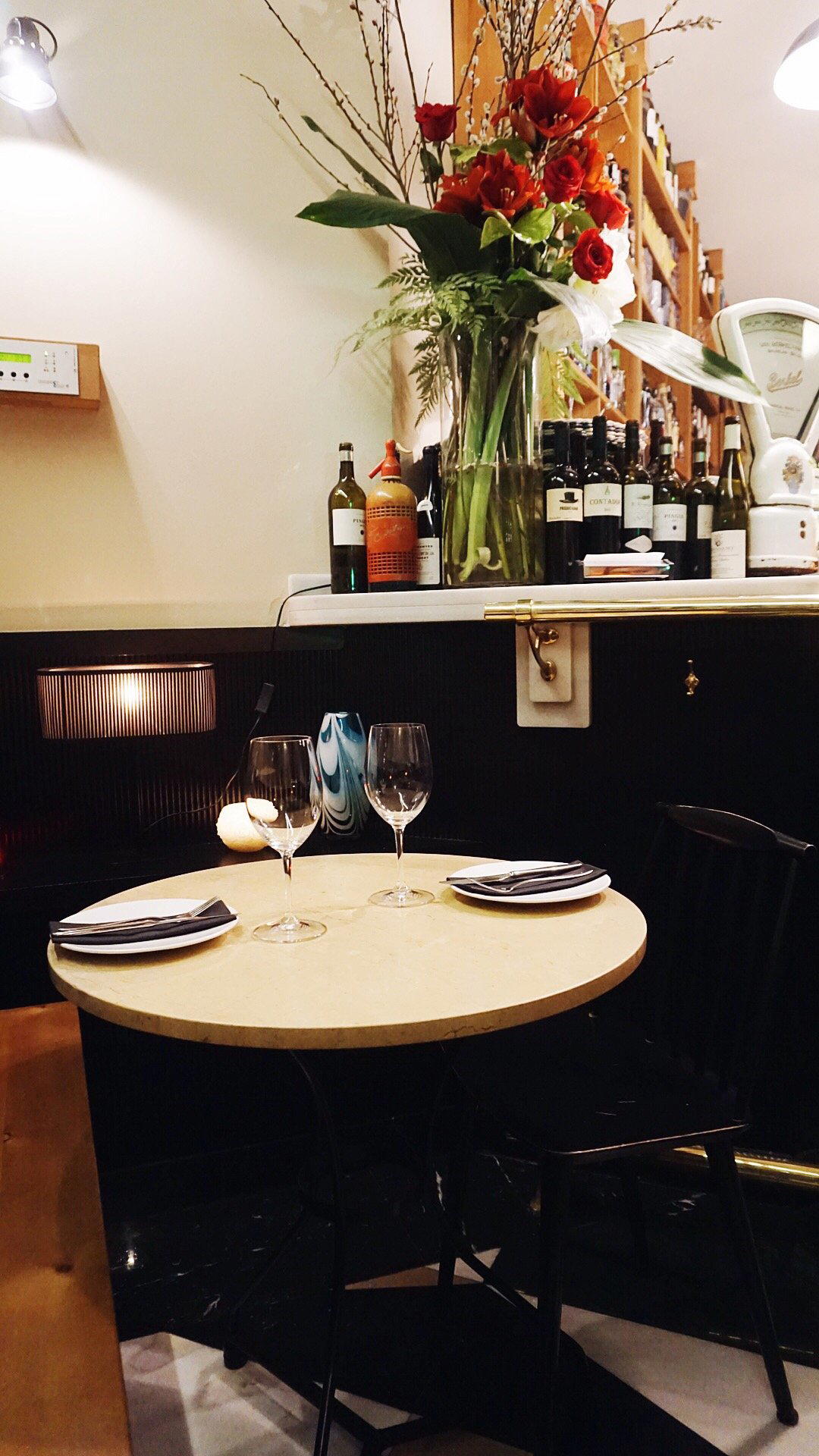
Hotels in Barcelona
Browse all →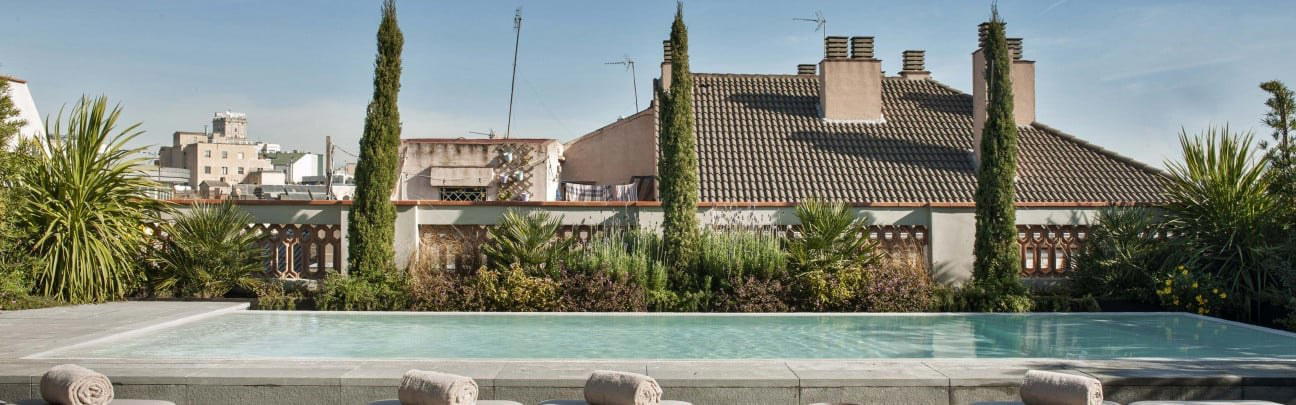

At a Glance
- Cozy
- Intimate
- Modern
- Date Night
- Special Occasion
- Open Kitchen
- Natural Wine
- Organic
- Local Sourcing
Current opening hours
- Monday
- Closed
- Tuesday
- 1–5 PM, 8 PM–12 AM
- Wednesday
- 1–5 PM, 8 PM–12 AM
- Thursday
- 1–5 PM, 8 PM–12 AM
- Friday
- 1–5 PM, 8 PM–12 AM
- Saturday
- 1–5 PM, 8 PM–12 AM
- Sunday
- Closed
Hours can change for holidays and private events. Last verified .
Simple, quiet, warm, and cozy atmosphere with attentive service and a modern, welcoming feel.