El Pibe sits on Avinguda Meridiana in Sant Andreu, one of Barcelona's working-class northern districts that rarely appears on the standard fine-dining circuit. The address alone signals something: this is neighbourhood eating, operating at a distance from the Eixample concentration of Michelin-starred rooms that defines Barcelona's high-end reputation. What that means in practice depends on what you find when you arrive.
Pearl is the En Primeur Club membership app — saves, bookings, and concierge access live there. Same editors, same standards.
- Address
- Avinguda Meridiana, 430, Sant Andreu, 08030 Barcelona, Spain
- Phone
- +34933117959
- Website
- elpibe.es
- Directions
- Get directions
 Saves & bookings on Pearl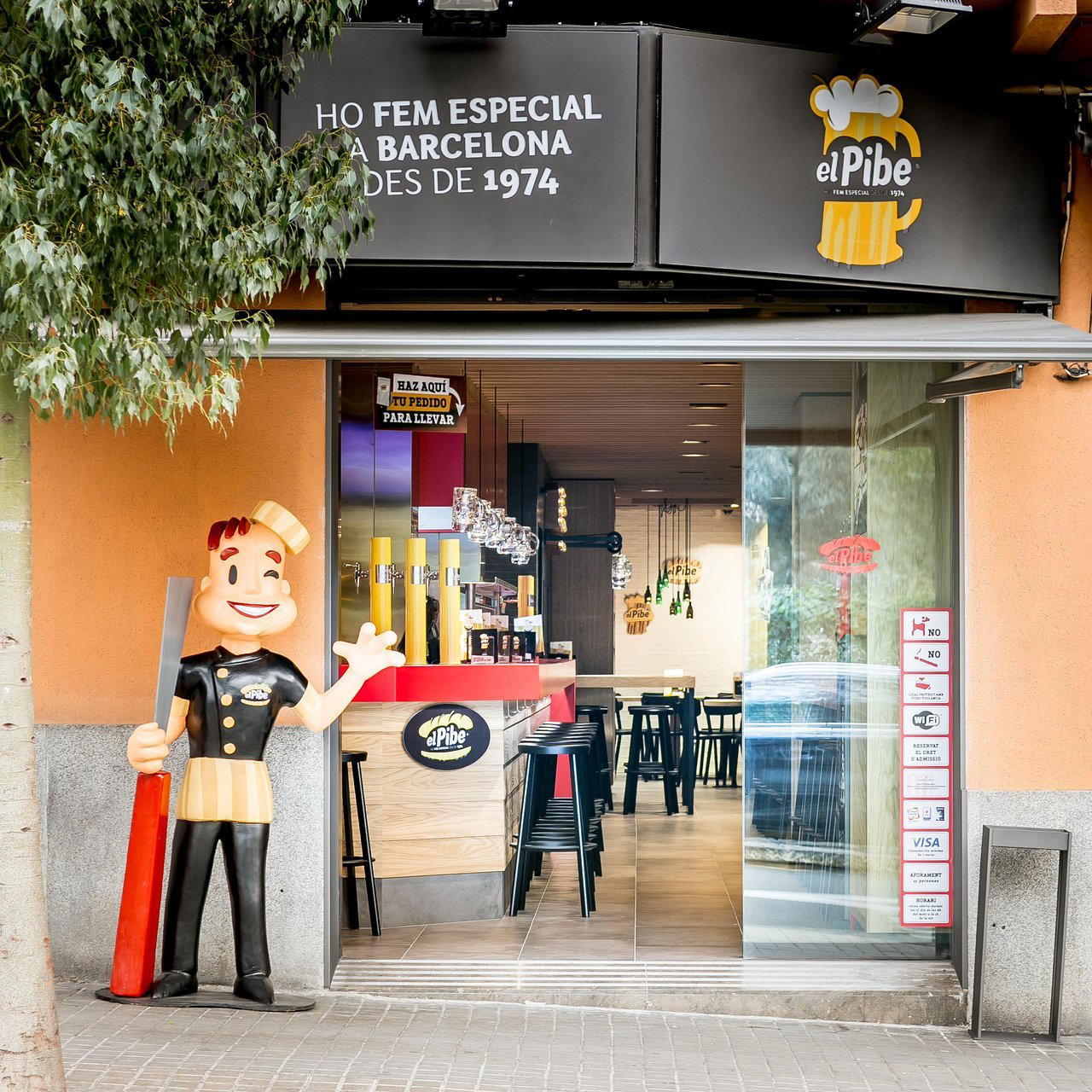
Sant Andreu and the Geography of Barcelona's Dining Scene
El Pibe is a casual restaurant in Sant Andreu, Barcelona, serving Classic Barcelona Burgers & Sandwiches at about $15 per person. Barcelona's restaurant map has a pronounced centre of gravity. The Eixample, Gràcia, and the Gothic Quarter absorb most of the critical attention, the awards, and the international visitors. That concentration is not accidental: the infrastructure of premium dining, from supplier networks to the pool of trained kitchen talent, pools in districts with the foot traffic and price tolerance to support it. Disfrutar, Cocina Hermanos Torres, and Lasarte all operate within that zone, and their recognition reflects both their cooking and their commercial context.
Sant Andreu is something else. The neighbourhood sits north of the Sagrada Família along Avinguda Meridiana, a broad arterial road that carries commuter and industrial traffic out of the city. The architecture is low-rise and residential, the clientele is overwhelmingly local, and the dining character is shaped by immigrant communities and working-class Catalan tradition rather than by tourism or critical consensus. El Pibe lands at Avinguda Meridiana, 430, inside that fabric.
The Intersection of Technique and Local Produce
Spain's recent culinary generation has produced a recurring pattern: cooks trained in high-technique environments, whether the Basque Country, Catalonia's starred kitchens, or abroad, who eventually redirect that technique toward hyper-local or underrepresented ingredients. Quique Dacosta in Dénia applied that logic to Mediterranean coastal produce. Ricard Camarena in València built a similar case around the Valencian huerta. Aponiente in El Puerto de Santa María took it to the extreme of turning marine by-catch into structured tasting menus. The through-line is a willingness to let imported method serve indigenous material rather than override it.
El Pibe occupies a neighbourhood where that editorial around technique and local sourcing lands differently. Sant Andreu is not a destination for produce tourism or farm-to-table branding. It is a district where the relevant local ingredients are as likely to be South American staples as Catalan market produce, reflecting decades of Argentine, Uruguayan, and broader Latin American settlement in the area. A restaurant positioned at the intersection of imported culinary methods and the actual local food culture of Sant Andreu would be drawing on a genuinely different material than the starred rooms of central Barcelona.
The name the restaurant, a colloquial Argentine Spanish term for a young man or kid, signals that orientation directly. It is not a Catalan name, not a Spanish classical reference, and not a piece of fine-dining abstraction. It is a cultural marker, placed on a commercial strip in a district where that culture has deep roots.
How This Fits the Broader Spanish Conversation
The dominant narrative of Spanish gastronomy over the past two decades has been about avant-garde technique applied to Iberian and regional Spanish tradition. El Celler de Can Roca in Girona, Mugaritz in Errenteria, Arzak in San Sebastián, and Azurmendi in Larrabetzu all sit within that frame. Even the more iconoclastic operators like DiverXO in Madrid draw their raw material from European and Asian reference points layered onto a Spanish base.
What is less discussed is the strand of Spanish urban cooking that reflects Spain's immigrant communities rather than its classical regional traditions. Barcelona, Madrid, and Valencia all have Latin American-heritage dining scenes that operate largely outside the critical apparatus. They are rarely covered by the same publications that review ABaC or Enigma, and they compete for a different audience. The restaurant sits somewhere in that space, at least by address and name, though
The comparison is not with the tasting-menu circuit. The relevant peers for a restaurant on Meridiana in Sant Andreu are neighbourhood restaurants in similar immigrant-heritage districts: Poble Sec, the Raval, parts of l'Hospitalet. What distinguishes operators in those areas is typically authenticity of product sourcing, depth of technique (whether from classical training or generational practice), and consistency for a regular local clientele rather than a tourist rotation.
What to Expect on Avinguda Meridiana
Meridiana is not a street designed for lingering. It is wide, traffic-heavy, and flanked by functional commercial frontages. Restaurants on this stretch tend to serve the surrounding residential blocks and the workers in nearby industrial and commercial zones rather than draw visitors from across the city. That shapes the pace and register of eating here: the expectation is directness, honest pricing relative to the neighbourhood, and portions calibrated for appetite rather than theatre.
For context, comparable neighbourhood operators in Buenos Aires, which shares the cultural reference point the restaurant signals, often focus on grilled meat (asado technique applied to Argentine cuts), empanadas, and dishes built around the kind of slow cooking that suits a full table rather than a tasting format. Whether the restaurant follows that template cannot be confirmed from available data, but the naming and address together suggest a broadly similar orientation.
Awards and Standing
Comparable venues nearby, for context on price, style, and recognition.
| Venue | Cuisine | Price | Notes |
|---|---|---|---|
| El PibeThis venue — the venue you are viewing | Classic Barcelona Burgers & Sandwiches | $ | Not listed |
| The Benedict Bcn | American Brunch with Spanish Twists | $$ | Barri Gotic |
| Sandwich Club Poblenou | American Street Food Sandwiches | $$ | el Poblenou |
| Pandan fast good | Vietnamese Fast Good Rolls | $ | Sant Gervasi - Galvany |
| Xurreria Laietana | Authentic Spanish Churros & Chocolate | $ | Sant Pere, Santa Caterina i la Ribera |
| Makamaka | Beachside American Burgers & Cocktails | $$ | la Barceloneta |
Continue exploring
More in Barcelona
Restaurants in Barcelona
Browse all →
Bars in Barcelona
Browse all →
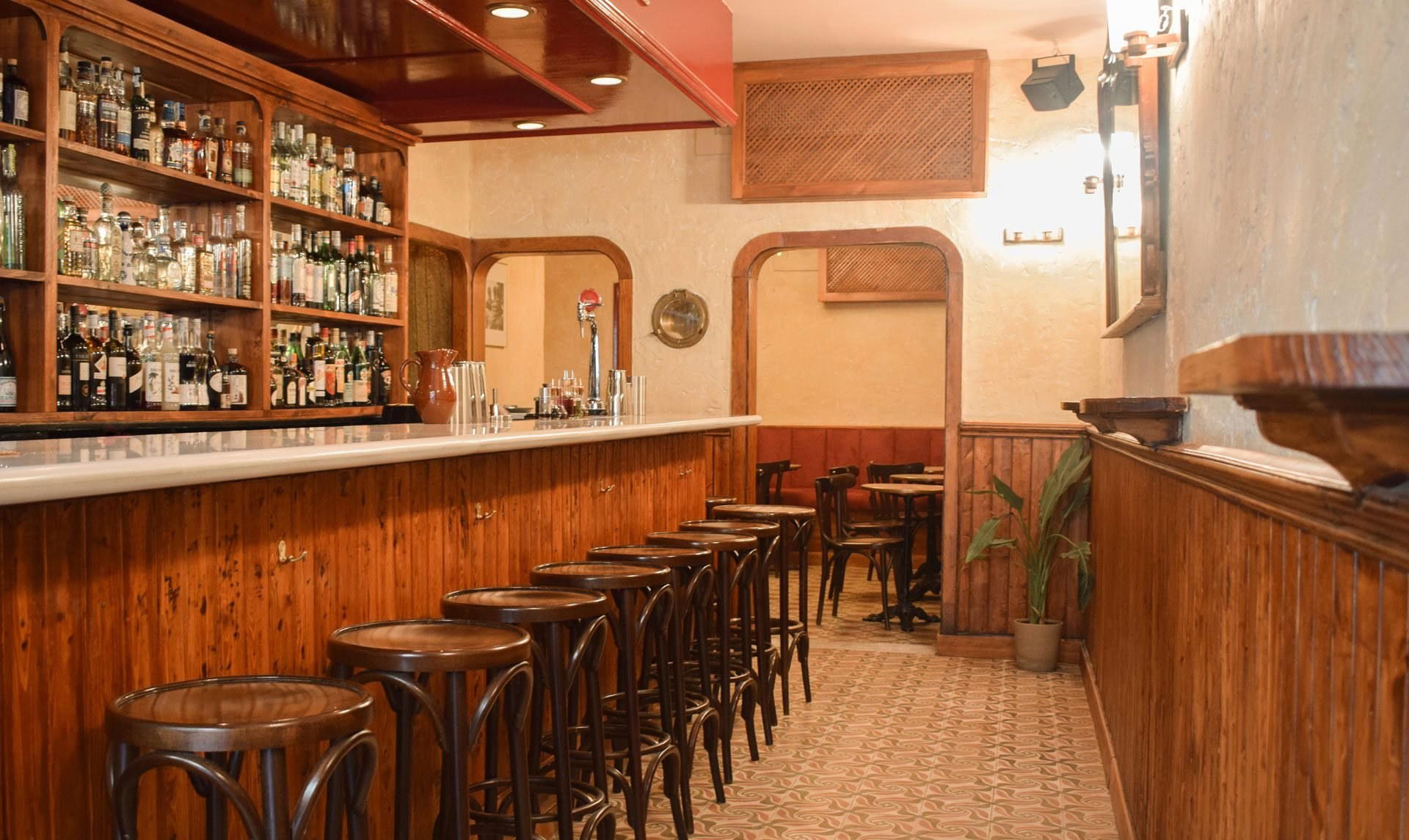
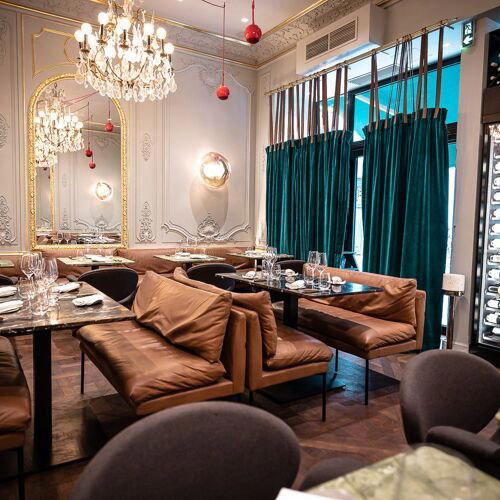
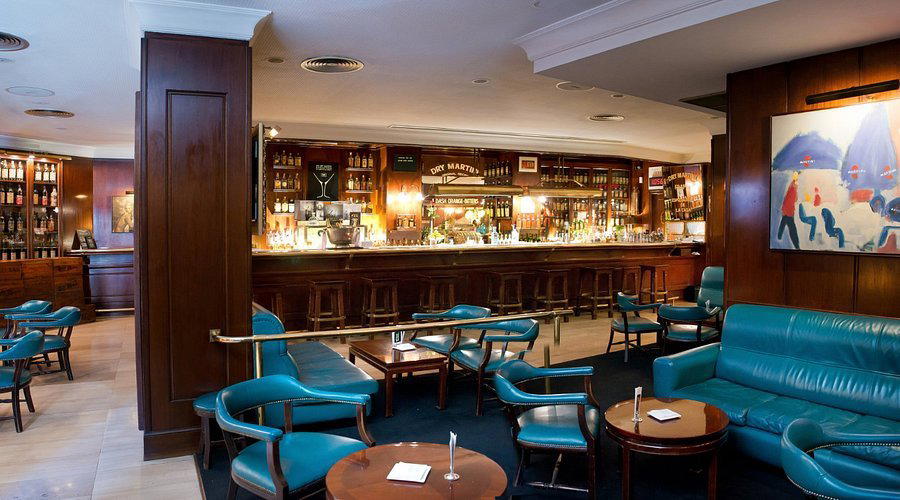
Hotels in Barcelona
Browse all →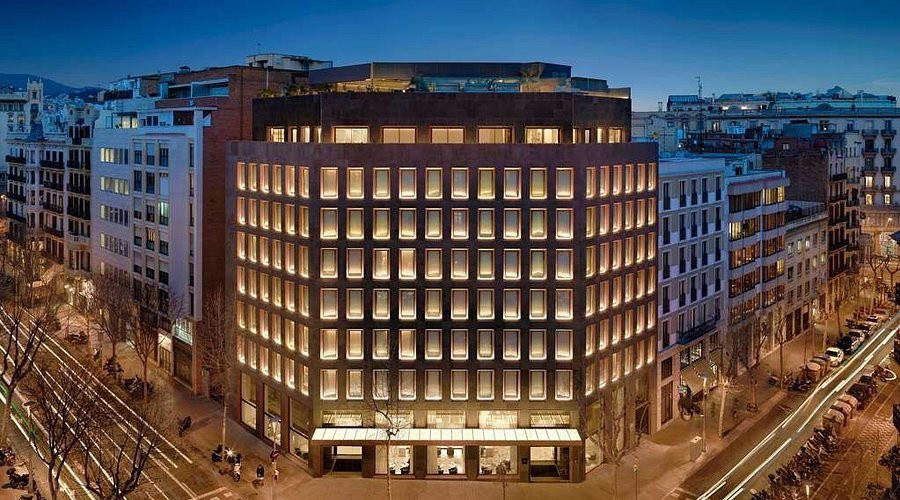
At a Glance
- Lively
- Classic
- Casual Hangout
- Family
- Group Dining
- Beer Program
Current opening hours
- Monday
- 9 AM–12 AM
- Tuesday
- 9 AM–12 AM
- Wednesday
- 9 AM–12 AM
- Thursday
- 9 AM–12 AM
- Friday
- 9 AM–1 AM
- Saturday
- 9 AM–1 AM
- Sunday
- 9 AM–12 AM
Hours can change for holidays and private events. Last verified .
Casual and lively pub atmosphere well-suited for family and friends with a classic fast food vibe.