On Via Laietana in Barcelona's Ciutat Vella, Xurreria Laietana occupies one of the city's most enduring breakfast and snack traditions: the churrería. A counter-format spot serving churros and hot chocolate in a neighbourhood defined by Gothic stone and daily foot traffic, it represents the working-class morning ritual that persists even as the surrounding dining scene grows increasingly ambitious.
Pearl is the En Primeur Club membership app — saves, bookings, and concierge access live there. Same editors, same standards.
- Address
- Via Laietana, 46, Ciutat Vella, 08003 Barcelona, Spain
- Phone
- +34932776699
- Website
- facebook.com
- Directions
- Get directions
 Saves & bookings on Pearl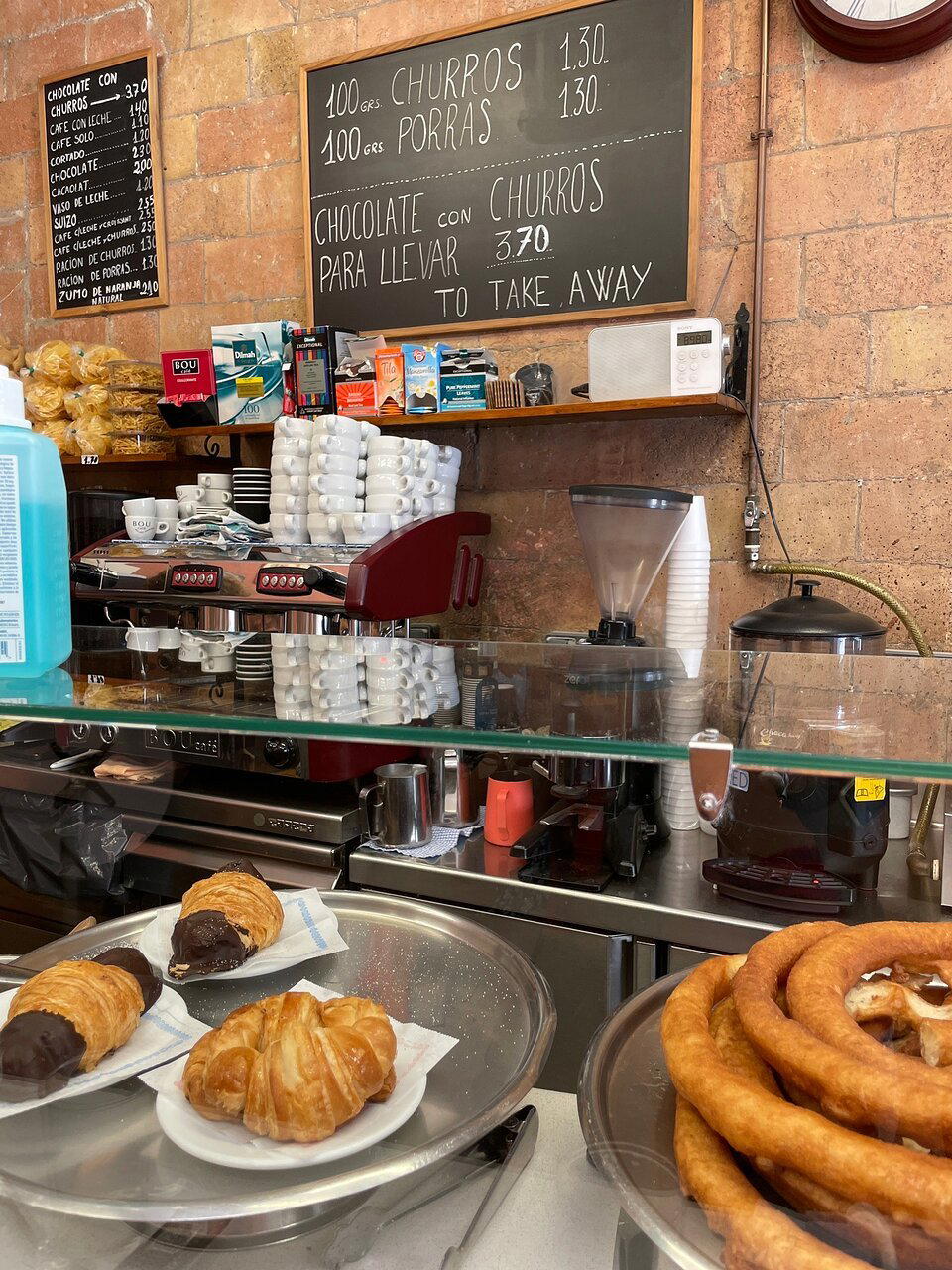
Via Laietana and the Morning Counter
Barcelona's Ciutat Vella runs on two rhythms: the tourist current that pulses through the Gothic Quarter by midday, and an older, quieter ritual that belongs to the people who actually live there. The churrería is part of the second rhythm. Before the city's celebrated creative restaurants open their kitchens, before the reservations for Disfrutar or Enigma begin, the churrería counter is already busy. Xurreria Laietana sits on Via Laietana at number 46, a broad arterial street that cuts between the Gothic Quarter and the Born district, connecting the old city to the port. The address places it exactly where local foot traffic and tourist circulation overlap, which means the clientele at any given hour is a cross-section of the neighbourhood's actual population rather than a curated dining audience.
The churrería format is one of Spain's most durable food traditions, operating on a logic almost entirely separate from the innovation-led dining culture that has made Spanish cuisine internationally prominent. Venues like Cocina Hermanos Torres and ABaC represent Barcelona's ambitious tasting-menu tier, where booking windows run months out and menus evolve seasonally. The churrería operates in a different register entirely: no reservations, no tasting format, no seasonal arc. You arrive, you order churros or porras (the thicker, softer cousin to the churro), you receive hot chocolate thick enough to treat as a dipping medium rather than a drink. The transaction is fast and the price is low. The ritual is the point.
The Booking Reality: Getting Here
The editorial angle most relevant to Xurreria Laietana is the one that rarely applies to Barcelona's high-end dining tier: there is no booking friction at all. While Lasarte and the city's other benchmark restaurants require planning weeks or months in advance, a counter like this one operates on walk-in logic. The challenge is not securing a table but knowing what you are walking into: a working breakfast counter that follows the pace of the neighbourhood rather than any hospitality script designed for visitors.
Contrast is instructive. Spain's most ambitious dining experiences, from El Celler de Can Roca in Girona to Aponiente in El Puerto de Santa María, have waitlists measured in months and require strategic booking decisions. Martin Berasategui in Lasarte-Oria and Arzak in San Sebastián draw international visitors who plan entire trips around a single meal. The churrería sits at the opposite end of that spectrum, and understanding that polarity is part of understanding how Spanish food culture actually works. The country's dining identity is not monolithic; it runs from technically complex tasting menus at places like Mugaritz in Errenteria to the immediacy of a fried-dough counter that has served the same function for generations.
What the Churrería Tradition Tells You About Barcelona
In the broader Spanish breakfast tradition, the churrería occupies a specific social function. It is not a café in the French sense, not a bar in the Basque pintxos sense, and not a bakery in the Catalan pastry tradition. It is a frying operation: dough piped through a star-shaped die into hot oil, pulled out in lengths, served immediately. The quality differential between a well-run churrería and a poor one comes down to oil temperature, dough consistency, and turnover speed. Stale churros are a different product from fresh ones, and the leading counters manage volume well enough that nothing sits.
Ciutat Vella's position as a historic working neighbourhood gives the churrería format genuine context here. The area around Via Laietana has undergone significant gentrification pressure over the past two decades, with the Born district in particular shifting toward boutique hotels, wine bars, and higher-end dining. Against that backdrop, a counter serving churros and chocolate at street-level prices carries a different kind of weight. It represents continuity in a neighbourhood where continuity is increasingly rare.
The same observation applies to other Spanish cities where traditional formats persist alongside ambitious new dining. Ricard Camarena in València and Quique Dacosta in Dénia have repositioned Valencian cuisine internationally, but the city's horchatería and fritter counters have not disappeared; they operate in parallel. DiverXO in Madrid holds three Michelin stars while the city's churrerías on Calle Alcalá remain full at 7am. The two food cultures do not compete; they exist in separate registers.
How It Fits in Barcelona's Food Map
Visitors planning a Barcelona dining itinerary typically concentrate their research on the tasting-menu tier, and the city offers genuine depth at that level. Disfrutar ranked second on the World's 50 Best list, and the cluster of ambitious restaurants around it, including ABaC, Lasarte, and Cocina Hermanos Torres, gives the city a creative dining density that rivals Madrid. But that tier requires forward planning, financial commitment, and a certain orientation toward dining as an event.
A counter like Xurreria Laietana asks for none of that. It fits into the part of a Barcelona trip that happens before the city's structured dining day begins, or as a counterweight to the formality of a tasting menu the night before. The experience is not designed to be memorable in the way that a meal at Azurmendi in Larrabetzu or Atrio in Cáceres is designed to be memorable. It is designed to be functional, affordable, and consistent, which is its own form of quality.
For visitors whose dining attention spans the full range, from counter breakfast to multi-course dinner, the restaurant's position on Via Laietana makes it a natural morning stop before moving into the Gothic Quarter or along the waterfront. No comparable planning is required: no booking window to track, no dress code to consider, no tasting menu to pace yourself for. You arrive when the city wakes up, and the counter is already running.
Cost and Credentials
Comparable venues nearby, for context on price, style, and recognition.
| Venue | Price | Notes |
|---|---|---|
| Xurreria LaietanaThis venue — the venue you are viewing | $ | Not listed |
| Lateral Consell | $$ | la Dreta de l'Eixample, Spanish & Catalan Tapas |
| MutiClub | $$ | la Vila de Gracia, Modern Spanish Tapas and Signature Sandwiches |
| La Muriel | $$ | la Vila de Gracia, Modern Spanish Tapas with Cultural Events |
| Bodegó del Pop | $$ | el Putxet i el Farro, Traditional Spanish Tapas |
| Rooster & Bubbles | $$ | Sant Pere, Santa Caterina i la Ribera, Modern Spanish Rotisserie & Tapas |
Continue exploring
More in Barcelona
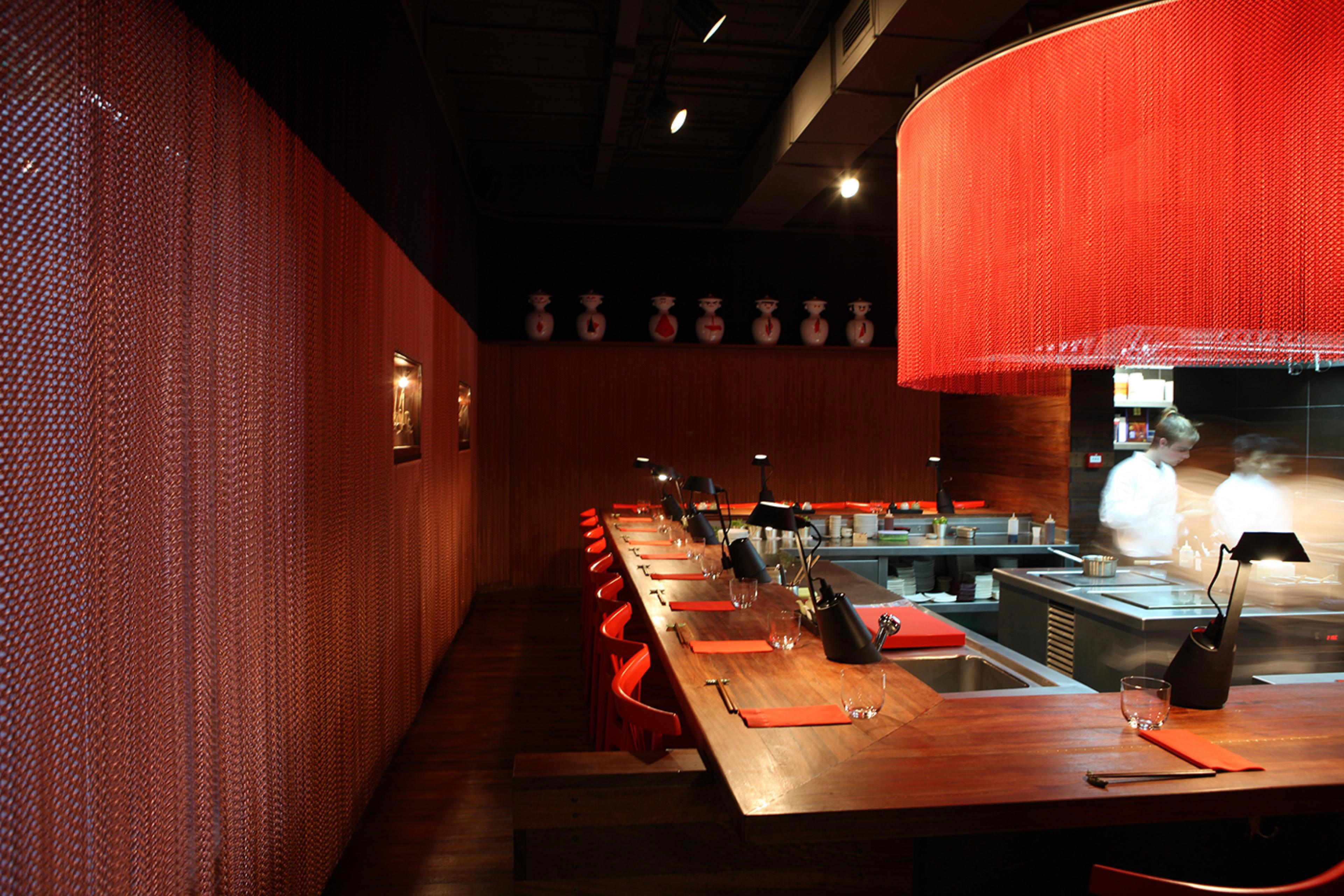
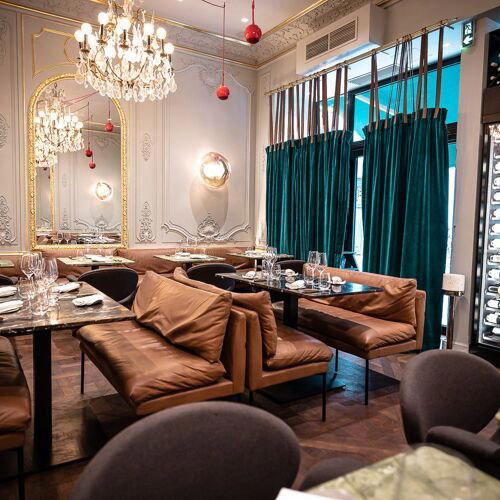
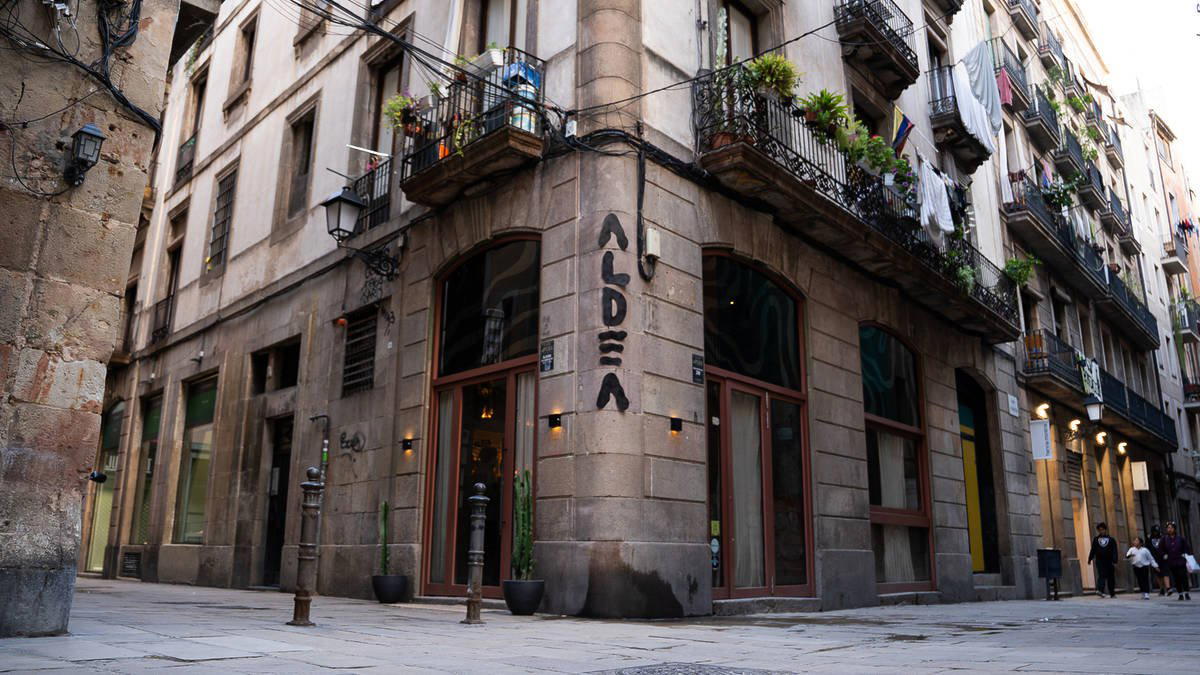
Restaurants in Barcelona
Browse all →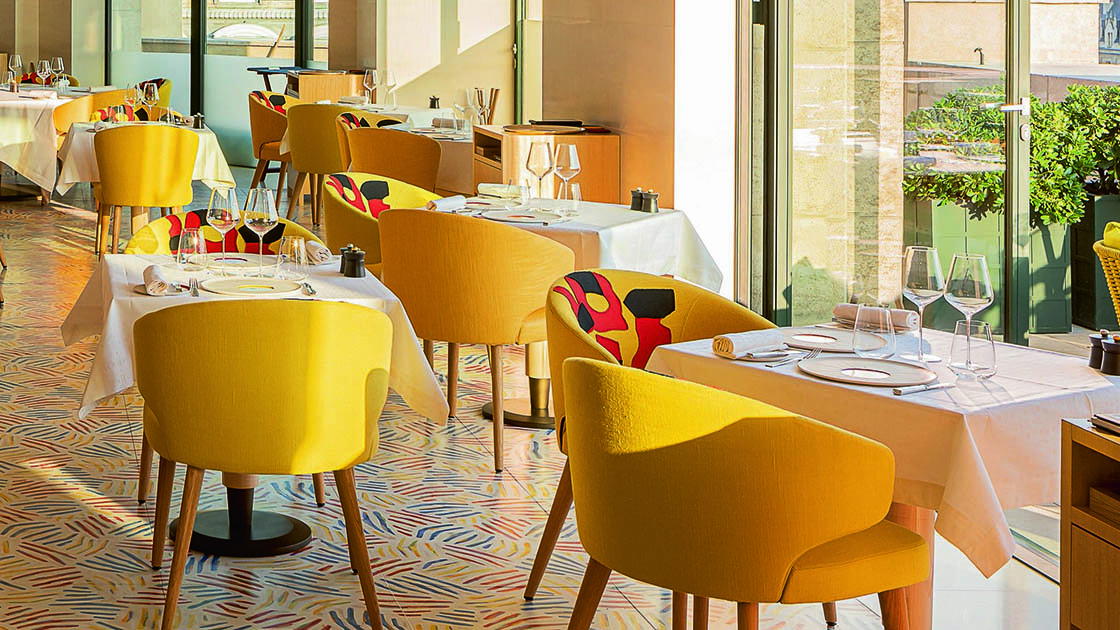
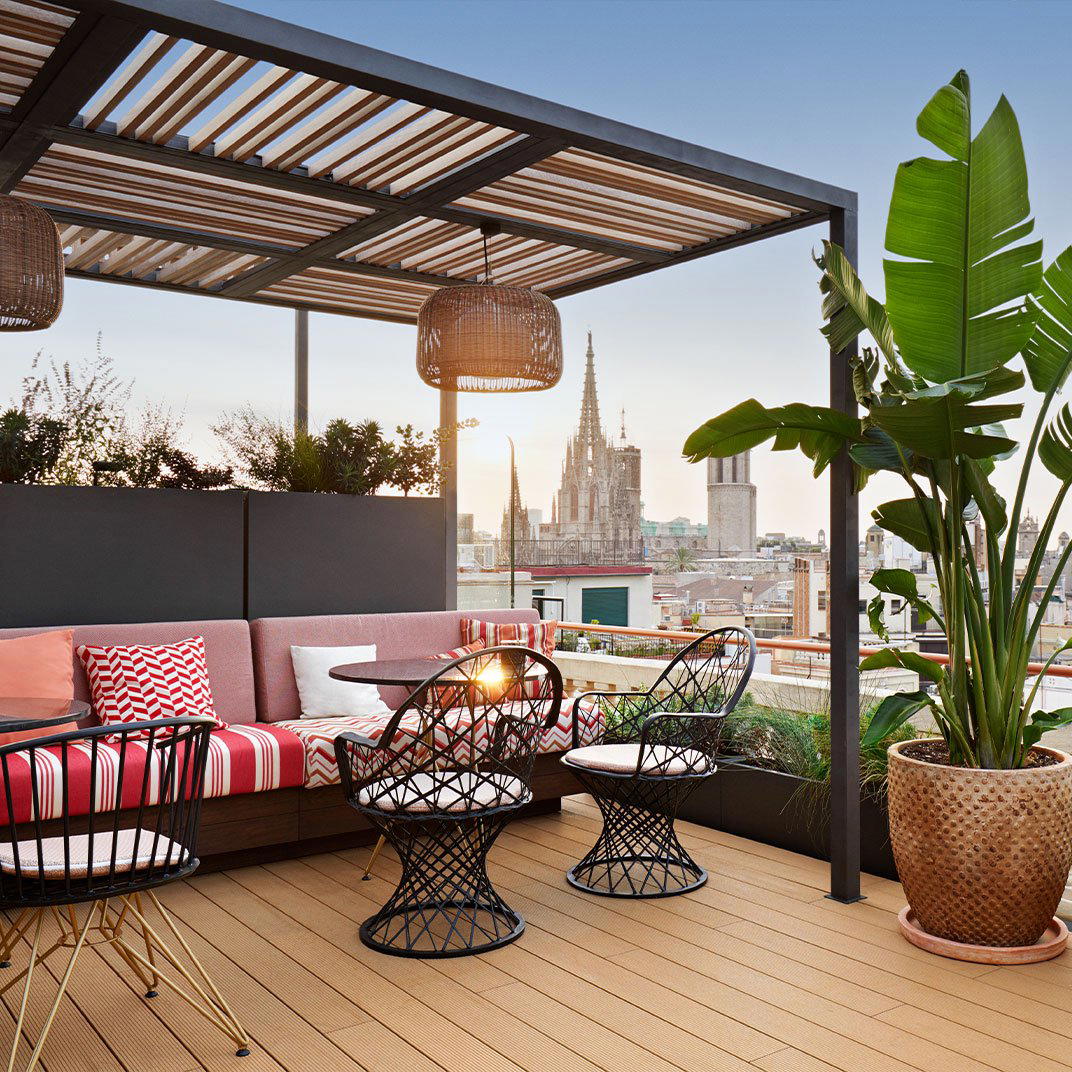
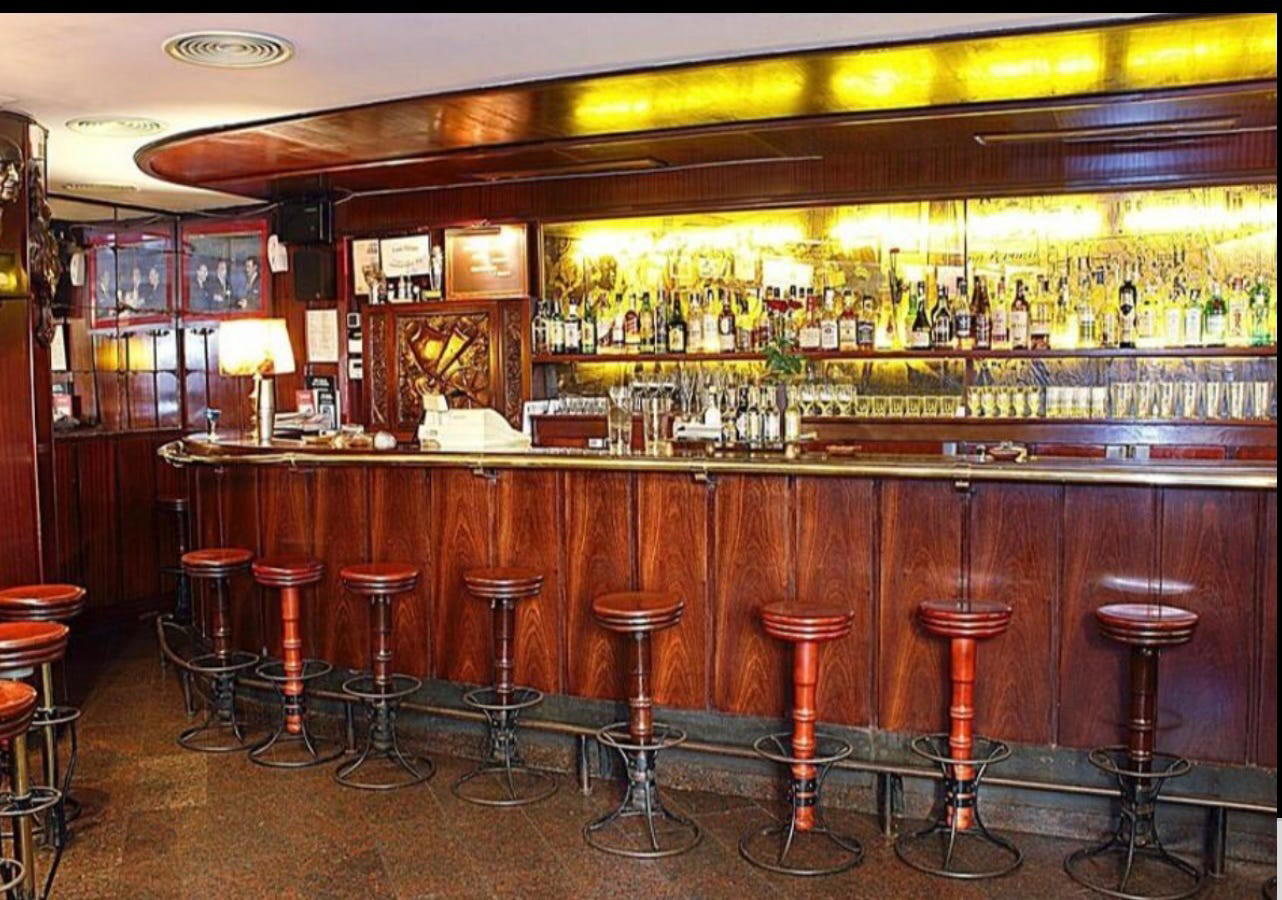
Bars in Barcelona
Browse all →
Hotels in Barcelona
Browse all →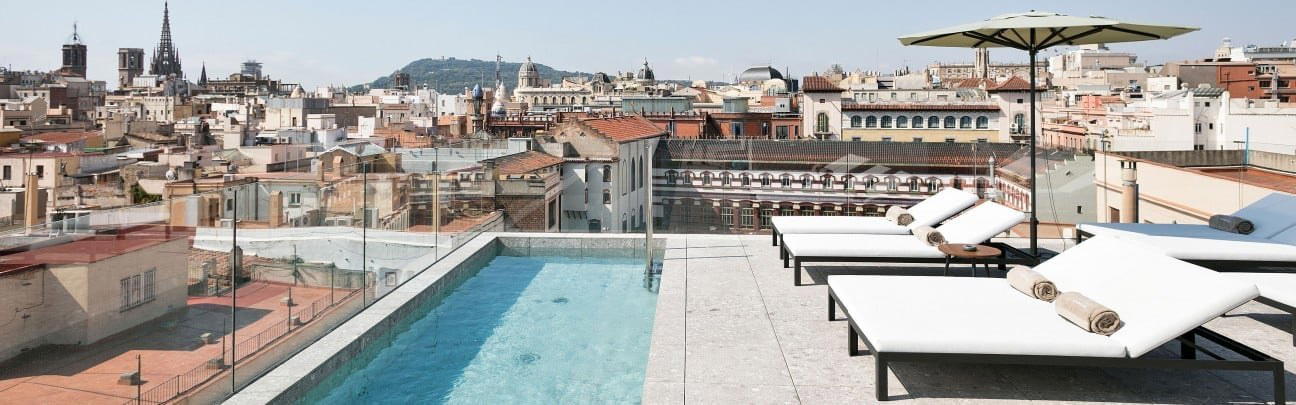
At a Glance
- Cozy
- Classic
- Casual Hangout
- Standalone
Current opening hours
- Monday
- 7 AM–9:30 PM
- Tuesday
- 7 AM–9:30 PM
- Wednesday
- 7 AM–9:30 PM
- Thursday
- 7 AM–9:30 PM
- Friday
- 7 AM–9:30 PM
- Saturday
- 8 AM–9:30 PM
- Sunday
- 8 AM–9:30 PM
Hours can change for holidays and private events. Last verified .
Casual cozy café atmosphere with efficient service in a small authentic space.