Makamaka sits on the Barceloneta waterfront at Passeig de Joan de Borbó, placing it inside one of Barcelona's most historically loaded dining corridors. The address puts it squarely in the tradition of the city's seafront eating culture, where the line between casual and considered has always been deliberately blurred. For visitors reading the Barcelona dining scene, understanding what that address signals is the first step.
Pearl is the En Primeur Club membership app — saves, bookings, and concierge access live there. Same editors, same standards.
- Address
- Pg. de Joan de Borbó, 76, Ciutat Vella, 08039 Barcelona, Spain
- Phone
- +34644121335
- Website
- makamaka.es
- Directions
- Get directions
 Saves & bookings on Pearl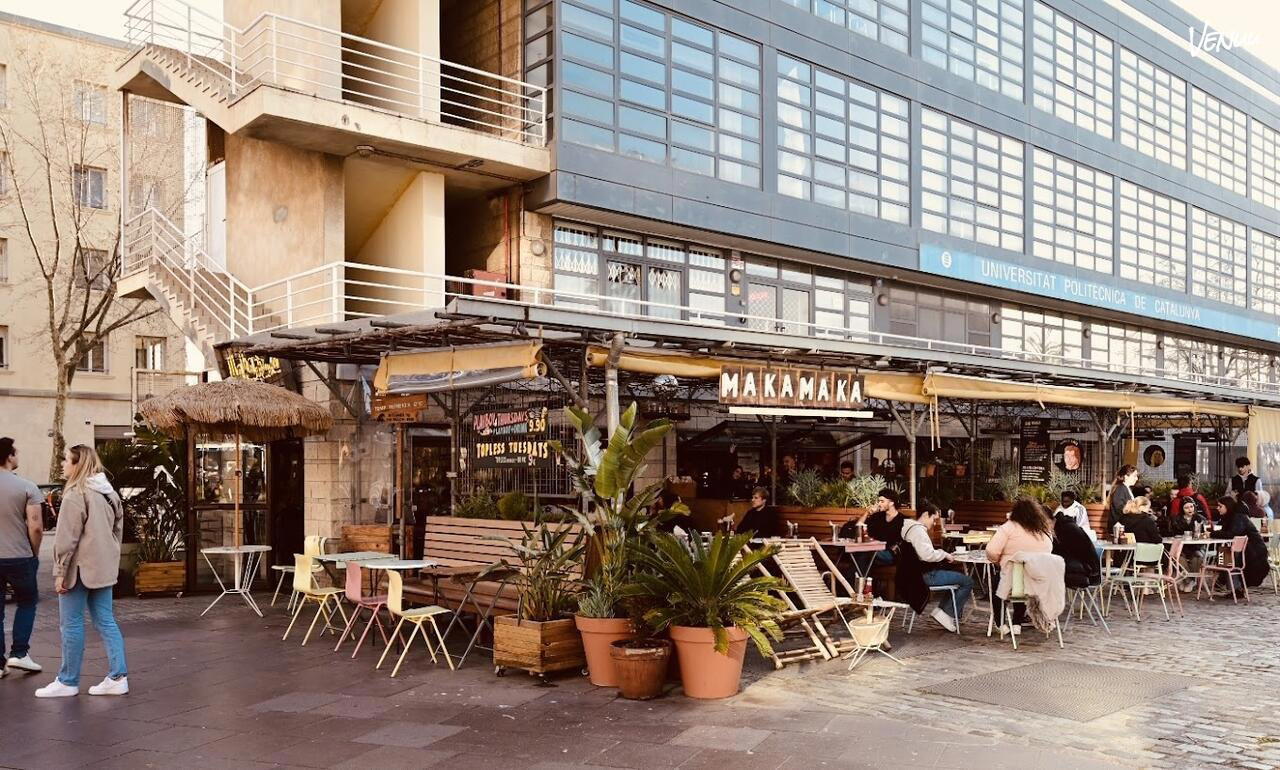
The Waterfront Corridor and What It Means
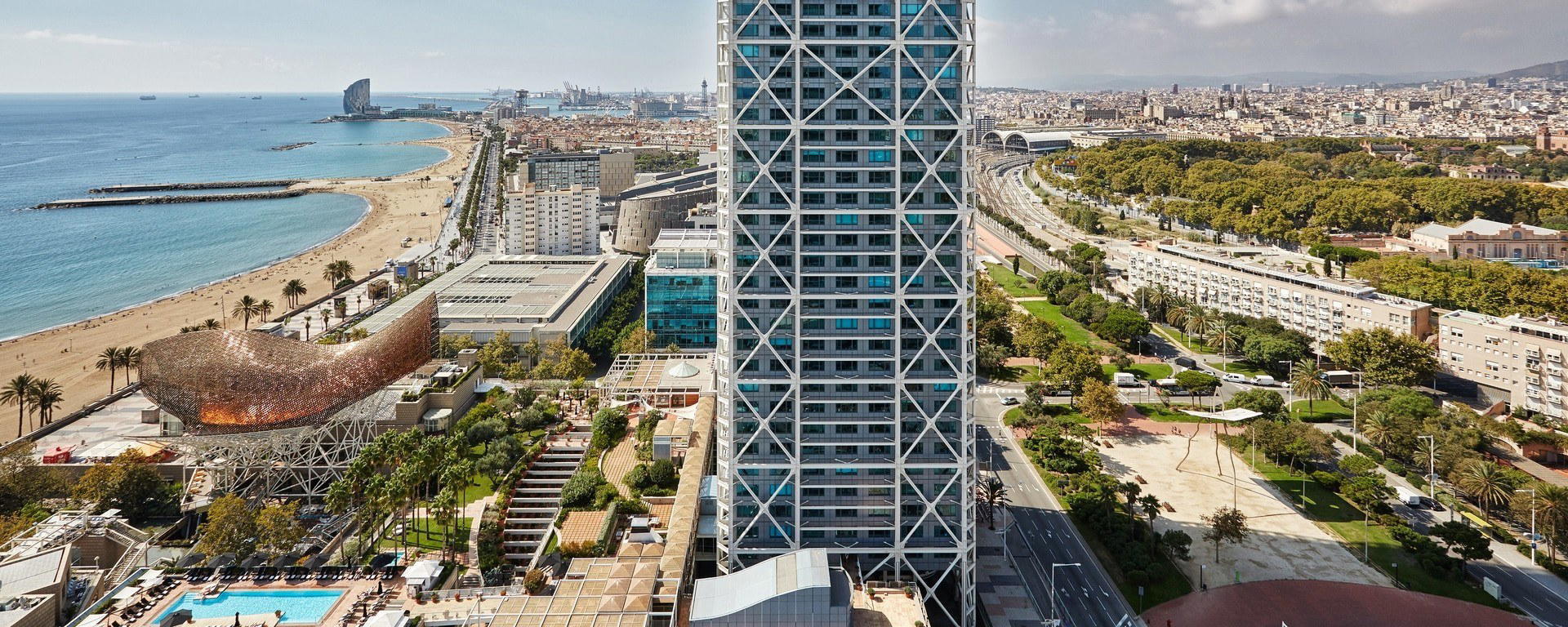
Passeig de Joan de Borbó runs the length of the Barceloneta neighbourhood, separating the old fishermen's quarter from the marina. For most of its modern history, this stretch has been associated with a particular kind of eating: abundant, seafood-forward, and oriented toward the experience of the waterfront itself rather than the formality of the dining room. The terrace tables here compete with the view, the salt air, and the afternoon light off the water. That context shapes every meal before the first dish arrives.
Barcelona's coastal dining scene occupies a different register from the city's haute cuisine tier, where venues like Disfrutar (Progressive, Creative) and Cocina Hermanos Torres (Creative) anchor a technical, laboratory-influenced approach. The waterfront tradition predates that movement by decades, and in many ways sits in deliberate contrast to it. The cooking logic here draws from market availability, from Catalan seafood preparation rooted in grills and plancha work, and from a culture of eating that values the moment of the meal as much as its technical execution.
Makamaka at number 76 on this strip operates within that tradition. The address is not incidental. Joan de Borbó is a studied choice for any restaurant that wants to anchor itself to the living character of Barcelona's coastal eating culture rather than to the interior restaurant districts of Eixample or Gràcia where the city's creative cooking scene is more concentrated.
Barceloneta's Culinary Roots
The Barceloneta quarter was built in the mid-eighteenth century on reclaimed land to house workers displaced by the construction of the Ciutadella citadel. For generations, it was a working fishing neighbourhood, and its food culture developed accordingly: rice dishes cooked with the day's catch, grilled fish served with aioli, fideuà as a rival to paella for the affections of the coast. That heritage is not purely nostalgic. It sets expectations about what a meal here is supposed to feel like and what ingredients it is supposed to feature.
Spain's broader seafood tradition is among the more layered in Europe. From the marisquerías of Galicia to the rice kitchens of Valencia, from the tuna preparations of Cádiz that Aponiente in El Puerto de Santa María has reimagined at the highest technical level, coastal cooking across the peninsula shares a commitment to product quality that treats the sea as both larder and reference point. Barcelona's waterfront participates in that tradition on its own terms.
The Basque Country's high-end coastal cooking, exemplified by Arzak in San Sebastián and by the broader constellation of Michelin-starred houses along that coastline, has long demonstrated that seafood and technical ambition are not in conflict. In Catalonia, the relationship between traditional coastal preparation and avant-garde influence has been more complex. The city has venues working at both extremes and across the full spectrum between them. Understanding where any given address falls on that spectrum is useful before booking.
Reading the Address Against Barcelona's Dining Map
Barcelona's restaurant geography has become increasingly stratified. The Michelin-recognised tier, which includes ABaC (Creative), Lasarte (Progressive Spanish, Creative), and Enigma (Creative), tends to be concentrated inland, in purpose-built or architecturally considered spaces that separate themselves from the noise and foot traffic of the tourist-facing streets. The waterfront offers something different: proximity to the raw material, a less mediated relationship between the fishing boats that still work the Barcelona coast and the plates that arrive at table.
That distinction matters for how a visitor should approach the Joan de Borbó corridor. It is not where you come to experience the technical ambition of Catalan cuisine as developed through figures like Ferran Adrià or the teams behind El Celler de Can Roca in Girona. It is where you come to participate in a coastal eating culture that has been continuous for over two centuries, with all the pleasures and the occasional inconsistencies that such continuity implies.
For the traveller who has already made reservations at Barcelona's creative kitchens and wants to understand what exists outside that ecosystem, the Barceloneta waterfront provides essential contrast. Spain's dining culture is not reducible to its tasting-menu tier, however strong that tier is. The rice dishes, the grilled fish, the afternoon pace of eating on a terrace with the port visible are as representative of how the country eats as anything coming out of Mugaritz in Errenteria or DiverXO in Madrid.
Planning a Visit
Passeig de Joan de Borbó is accessible on foot from the Barceloneta metro station (Line 4, yellow line), roughly a ten-minute walk along the waterfront. The neighbourhood is most animated from late morning through late afternoon, which aligns with the Spanish convention of lunch as the primary meal. Evening service along this strip tends to draw a younger, more international crowd than the midday sitting.
Visitors coming from the broader Barcelona dining circuit should note that the logistics of the waterfront differ from those of interior neighbourhoods. Tables on the passeig are exposed to weather and, in summer, to considerable foot traffic. Booking ahead for a specific terrace position during peak months is advisable, though the culture here is generally less reservation-dependent than the tasting-menu restaurants further inland.
Contextual Comparison: Waterfront vs. Creative Tier
Pricing, Compared
Comparable venues nearby, for context on price, style, and recognition.
| Venue | Price | Notes |
|---|---|---|
| MakamakaThis venue — the venue you are viewing | $$ | Not listed |
| Sandwich Club Poblenou | $$ | el Poblenou, American Street Food Sandwiches |
| MOLLY BRUNCH | $$ | l'Antiga Esquerra de l'Eixample, American Brunch Café |
| Bacoa Burger Kiosko | Hamburguesería en Barcelona | $$ | la Dreta de l'Eixample, Gourmet Spanish-Inspired Burgers |
| The Benedict Bcn | $$ | Barri Gotic, American Brunch with Spanish Twists |
| Brunch & Cake | $$ | l'Antiga Esquerra de l'Eixample, American Brunch & Cafe |
Continue exploring
More in Barcelona
Restaurants in Barcelona
Browse all →
Bars in Barcelona
Browse all →
Hotels in Barcelona
Browse all →
At a Glance
- Lively
- Trendy
- Cozy
- Casual Hangout
- Brunch
- Terrace
- Craft Cocktails
- Street Scene
Current opening hours
- Monday
- 12–11:30 PM
- Tuesday
- 12–11:30 PM
- Wednesday
- 12–11:30 PM
- Thursday
- 12–11:30 PM
- Friday
- 12 PM–12 AM
- Saturday
- 12 PM–12 AM
- Sunday
- 11 AM–11 PM
Hours can change for holidays and private events. Last verified .
Lively 70s-inspired atmosphere with laid-back beach vibes, great music, and colorful terrace seating.