On a narrow Ciutat Vella street a short walk from the Gothic Quarter's busiest corridors, The Benedict Bcn occupies a quieter register of Barcelona dining. The address places it among the neighbourhood's more considered options, where sourcing and ingredient provenance carry as much weight as technique. It belongs to a city whose restaurant scene has shifted decisively toward the question of where food comes from and why that origin matters.
Pearl is the En Primeur Club membership app — saves, bookings, and concierge access live there. Same editors, same standards.
- Address
- Carrer d'en Gignàs, 23, Ciutat Vella, 08002 Barcelona, Spain
- Phone
- +34932507511
- Website
- benedictbcn.com
- Directions
- Get directions
 Saves & bookings on Pearl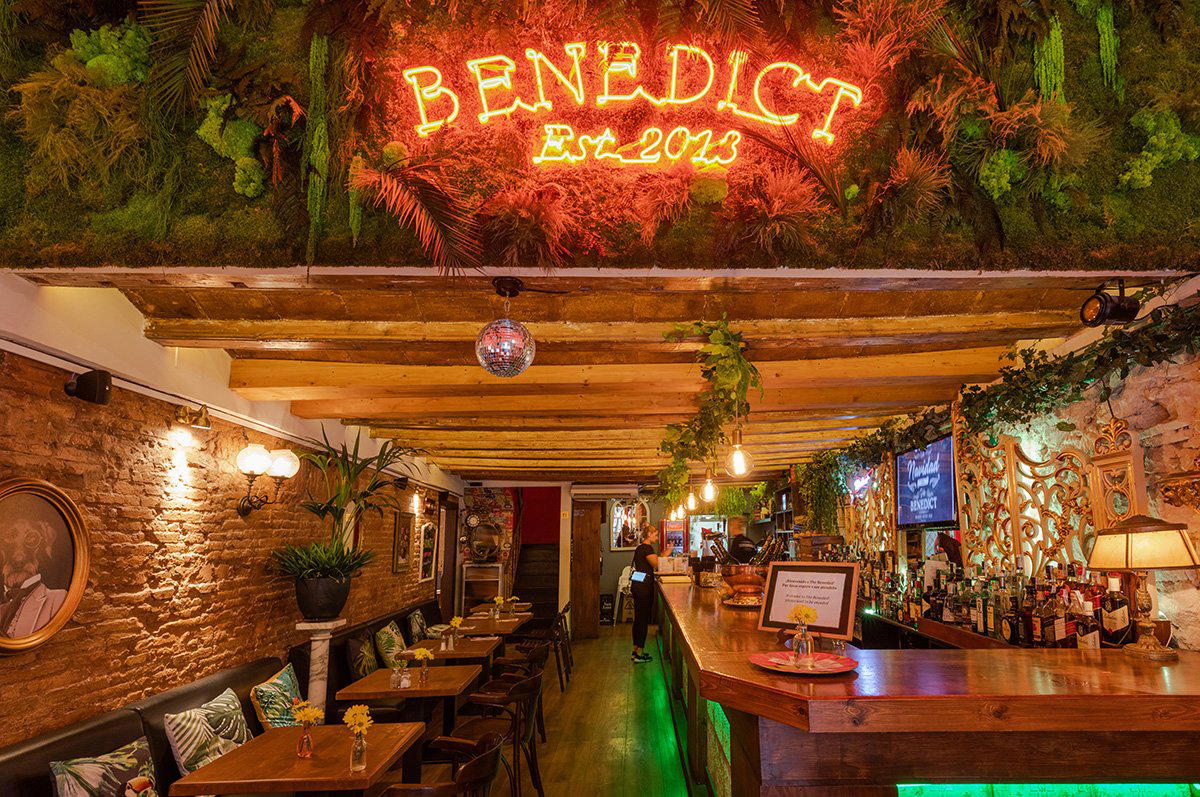
A Street Where Ingredient Sourcing Sets the Terms
Carrer d'en Gignàs runs through Ciutat Vella at the kind of angle that makes Barcelona's Gothic Quarter legible only on foot. The stone-fronted buildings here are old enough to have absorbed several generations of eating and drinking, and the neighbourhood's relationship with food has always been transactional in the leading sense: practical, local, and defined by proximity to market infrastructure rather than imported culinary fashion. The Mercat de Santa Caterina, a few minutes north, and the Boqueria, a longer walk west, represent two competing logics of supply in Barcelona, the former serving the neighbourhood, the latter increasingly serving tourism. What happens at individual restaurant level is, in part, a response to which of those logics a kitchen chooses to follow.
In cities with functioning market infrastructure, and Barcelona, despite the pressures of mass tourism on its most visible food institutions, still has that infrastructure, the restaurants worth tracking are the ones that treat provenance as a structural decision rather than a marketing point.
Barcelona's Ingredient Conversation, and Where It's Happening
Barcelona's position in Spain's wider dining conversation is complicated by the presence of several heavily awarded restaurants that operate at the tasting menu end of the spectrum. Disfrutar (Progressive, Creative) and ABaC (Creative) have consolidated recognition from Michelin and the 50 Best lists, while Lasarte (Progressive Spanish, Creative) and Enigma (Creative) each represent a particular strand of Barcelona ambition. At the furthest reach, Cocina Hermanos Torres (Creative) has built a format around theatrical scale and rigorous technique. These are the reference points against which Barcelona's more modestly positioned restaurants operate, not in direct competition, but in the sense that they define what the city's dining culture is capable of and what credentials signal seriousness.
Below that tier, the more interesting work often happens in formats where the ingredient itself is the primary communication rather than the technique applied to it. Eggs, specifically, occupy an underexamined position in Spanish culinary culture. The huevo as a vehicle for demonstrating sourcing quality, yolk colour, run, set, is a test that pastry chefs and brunch kitchens alike use to distinguish supply chains that have actual relationships with producers from those that rely on commodity distribution. Across Spain, the sourcing conversation around eggs, dairy, and cured products is as developed as the one around premium fish and shellfish.
Spain's broader ingredient geography is among the richest in Europe. Producers supplying restaurants at every level, from the three-Michelin-star formats of El Celler de Can Roca in Girona and Martin Berasategui in Lasarte - Oria to the two-star seafood rigour of Aponiente in El Puerto de Santa María, have helped establish a culture where origin labelling and producer relationships are standard practice rather than premium differentiators. That infrastructure benefits kitchens operating at every price level, not only those with the resources to source from named farms at distance.
Eggs as an Editorial Subject
Brunch and egg-forward dining formats have developed a distinct critical language over the past decade, particularly in cities where weekend dining competes heavily for discretionary spending. The question of what makes a Benedict worth ordering twice is largely an ingredient question: the quality of the hollandaise (which depends on butter origin and yolk-to-butter ratio), the ham or alternative protein beneath it, and the bread used as a base. These are sourcing decisions, and restaurants that get them right tend to be the ones with procurement relationships rather than standing orders from broadline distributors.
In Barcelona's Ciutat Vella, this kind of precision at the ingredient level is the differentiator between a format that works and one that merely fills a demographic gap. The neighbourhood attracts a high volume of internationally travelled visitors who have eaten the same format in London, New York, and Melbourne and have calibrated expectations as a result. At reference points like Le Bernardin in New York City and Atomix in New York City, ingredient sourcing is the editorial foundation of the entire program. The logic scales down as well as up.
Spain's Wider Sourcing Context
The ingredient conversation in Spain extends well beyond Catalonia. Arzak in San Sebastián built its reputation in part on Basque producer relationships developed over decades. Azurmendi in Larrabetzu has formalised its sourcing into an on-site garden and producer network that is as much a public statement as a supply solution. Mugaritz in Errenteria takes a different position, where ingredient identity is often deliberately obscured by technique, but the quality of what goes in remains non-negotiable. Quique Dacosta in Dénia and Ricard Camarena in València have both made the Mediterranean coastline's produce their primary subject. Even at the operatically ambitious end, DiverXO in Madrid and Atrio in Cáceres rely on the country's notable raw material depth to support their respective formats. The point is that sourcing seriousness in Spain is not confined to a single price tier or geography, it is a national characteristic that even neighbourhood-level kitchens can draw on.
Planning Your Visit
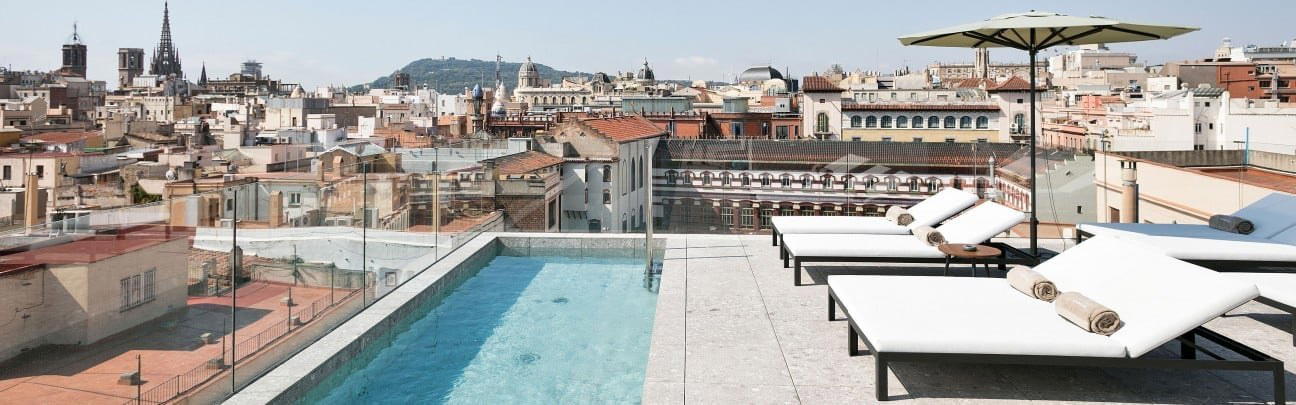
Location: Carrer d'en Gignàs, 23, Ciutat Vella, 08002 Barcelona, in the Gothic Quarter, walkable from the Jaume I metro station. Reservations: Recommended. Dress: Casual. Budget: About $25 per person.
Budget Reality Check
Comparable venues nearby, for context on price, style, and recognition.
| Venue | Cuisine | Price | Notes |
|---|---|---|---|
| The Benedict BcnThis venue — the venue you are viewing | Not listed | $$ | Not listed |
| Red Garter Barcelona | Not listed | $$ | Barri Gotic, American Steakhouse & Tex-Mex |
| Foc i Oli | Not listed | $$ | l'Antiga Esquerra de l'Eixample, Gourmet Burgers and Sandwiches |
| Sandwich Club Poblenou | Not listed | $$ | el Poblenou, American Street Food Sandwiches |
| El Desván Barcelona | Not listed | $$ | la Nova Esquerra de l'Eixample, American Burgers & BBQ with Rock Bar Vibe |
| Barrio Santo | Barri Gotic, Authentic Peruvian | $$ | Not listed |
Continue exploring
More in Barcelona
Restaurants in Barcelona
Browse all →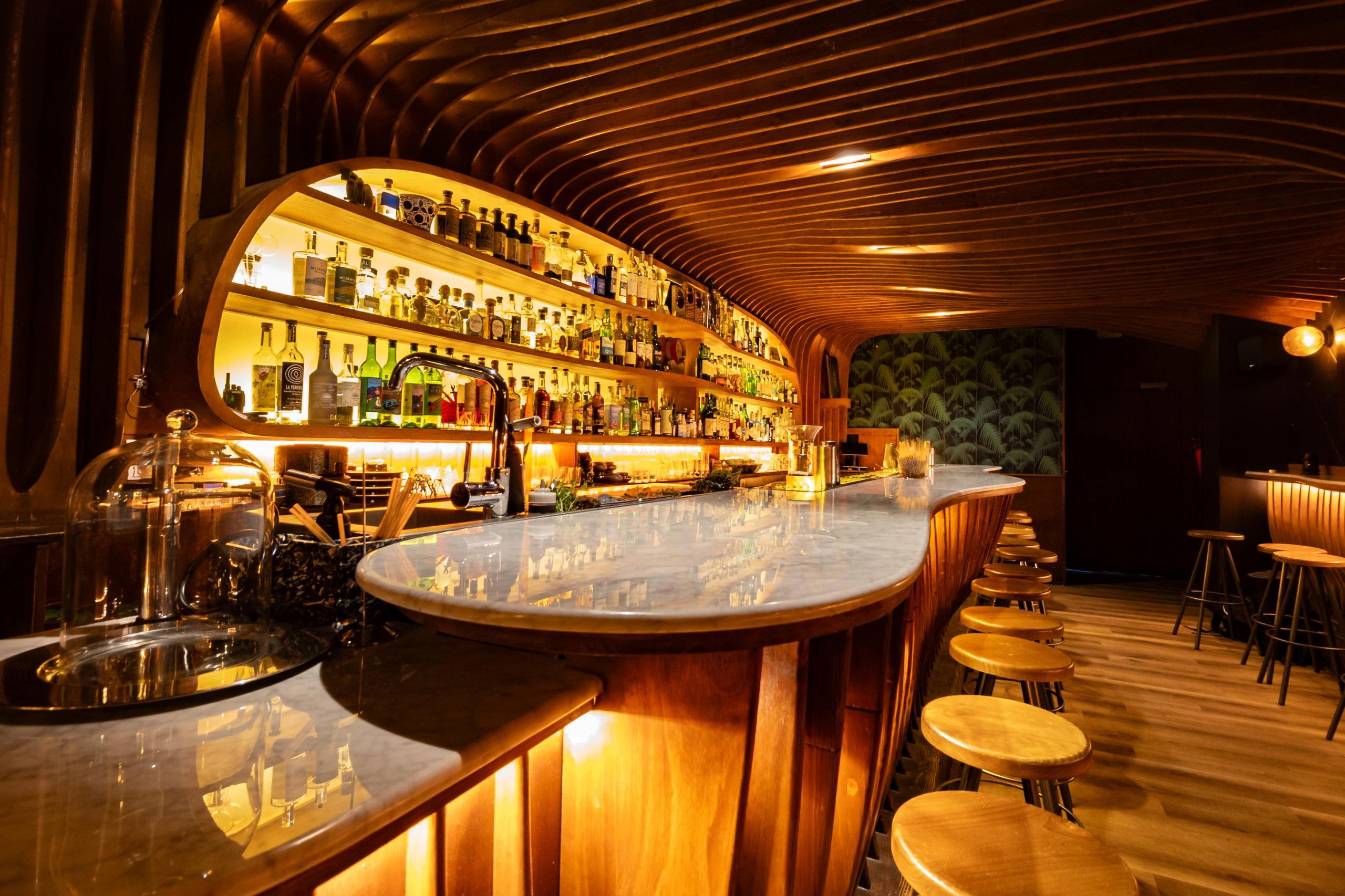

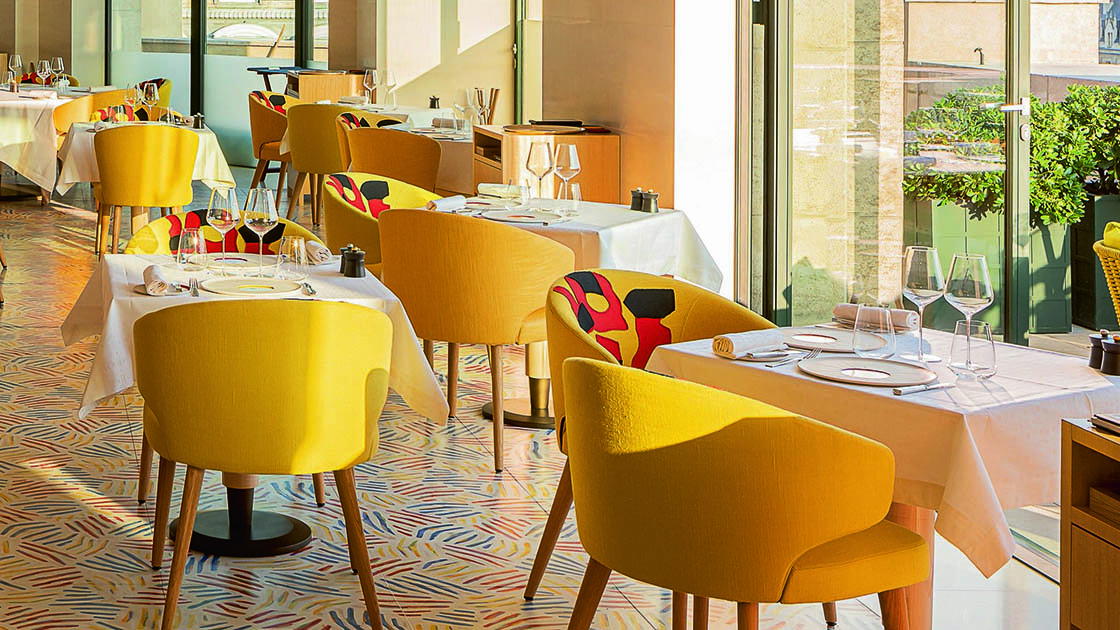
Bars in Barcelona
Browse all →
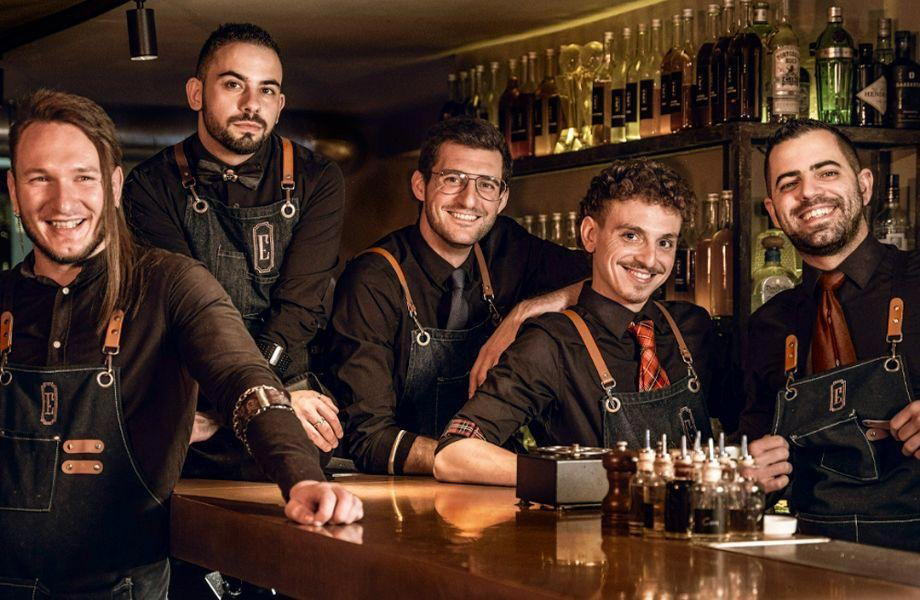
Hotels in Barcelona
Browse all →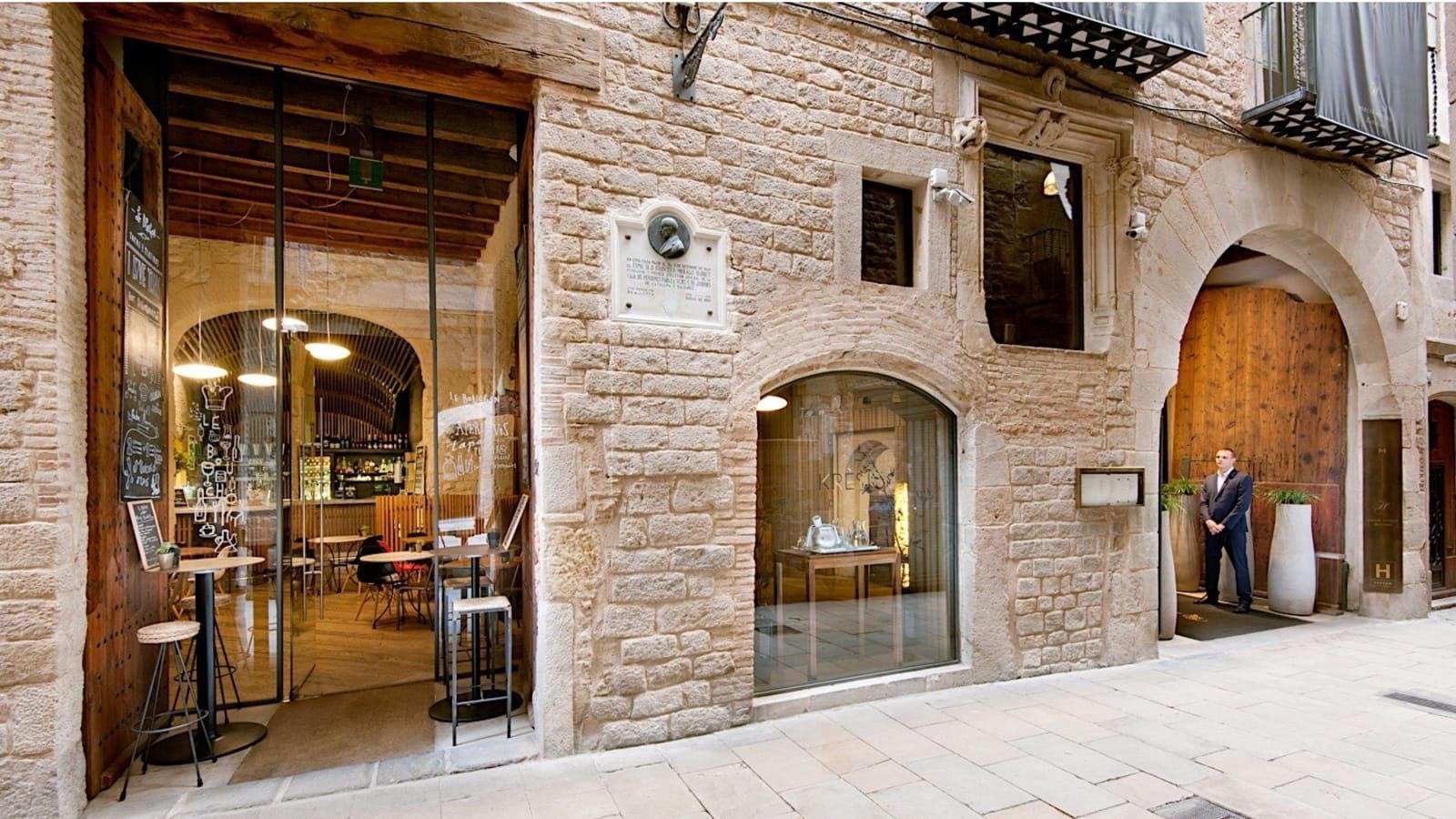


At a Glance
- Cozy
- Trendy
- Intimate
- Brunch
- Family
- Casual Hangout
- Open Kitchen
- Craft Cocktails
Current opening hours
- Monday
- 9:30 AM–4 PM
- Tuesday
- 9:30 AM–4 PM
- Wednesday
- 9:30 AM–4 PM
- Thursday
- 9:30 AM–4 PM
- Friday
- 9:30 AM–4 PM
- Saturday
- 9 AM–4:30 PM
- Sunday
- 9 AM–4:30 PM
Hours can change for holidays and private events. Last verified .
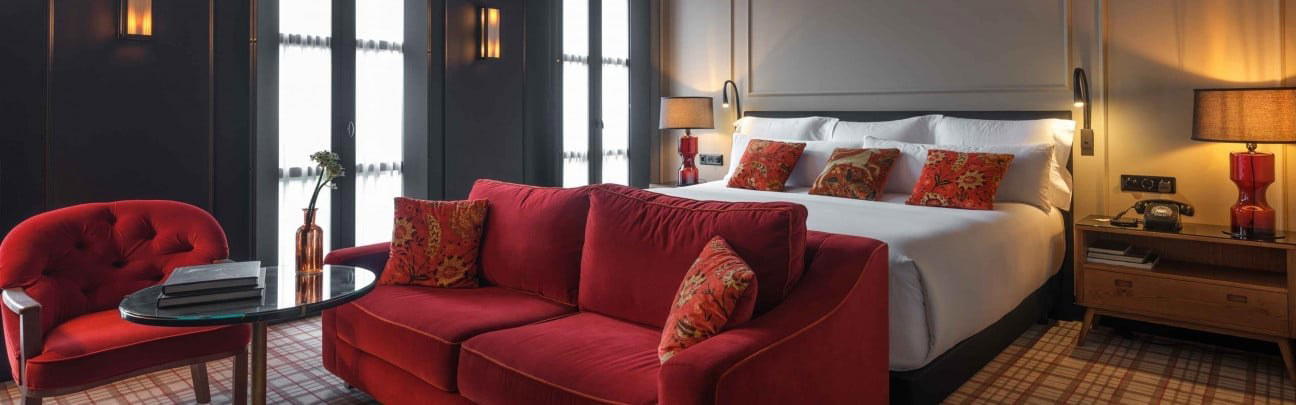
Cozy vintage decor inspired by French bistros and Irish pubs with comfortable Victorian-style seating and a charming, homey atmosphere.