El Niño Perdido
Our verdict
El Niño Perdido occupies a narrow address on Calle Esgueva in Valladolid's historic centre, where Castilian dining traditions meet a kitchen working at the more considered end of the city's mid-range scene. The address places it within walking distance of Valladolid's core tapas circuit, making it a practical anchor for an evening that spans the neighbourhood's broader offerings.

Pearl is the En Primeur Club membership app — saves, bookings, and concierge access live there. Same editors, same standards.
- Address
- C. Esgueva, 16, 47003 Valladolid, Spain
- Phone
- +34620215816
- Hours
- Daily 4 PM–2 AM
- Website
- sren.top
- Directions
- Get directions
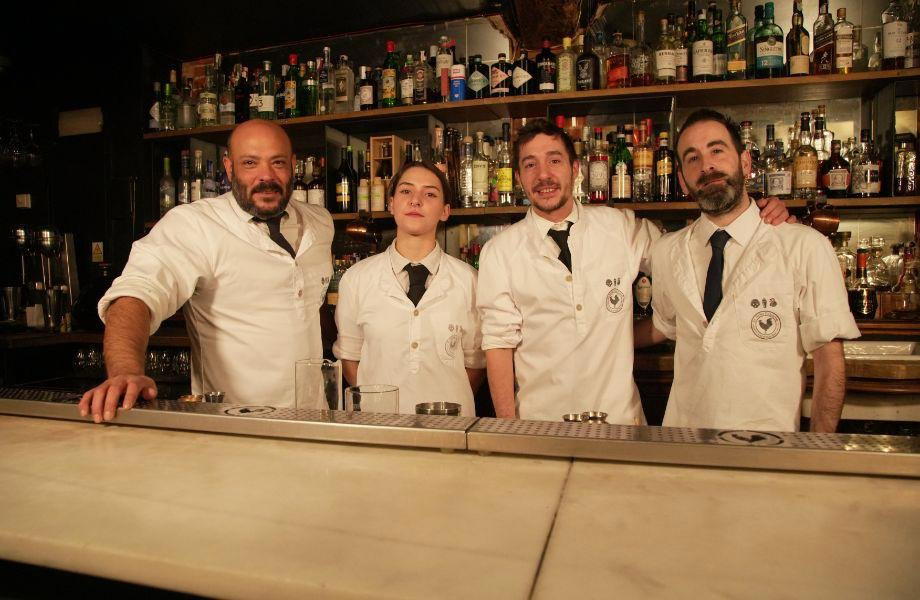
Calle Esgueva and the Architecture of Castilian Eating
Calle Esgueva runs through the older residential grain of Valladolid's centre, a street where the buildings press close and the ground floors have historically belonged to neighbourhood bars, modest restaurants, and the kind of wine-forward taverns that sustain a city built on Ribera del Duero and Rueda production. El Niño Perdido sits at number 16, an address that places it inside this tradition rather than apart from it. In a city where the dining conversation increasingly orbits around the creative programmes at places like Alquimia - Laboratorio or the modern cuisine offer at Trigo, the smaller, less-heralded addresses on streets like Esgueva function as the connective tissue of how Valladolid actually eats day to day.
That connective tissue matters more than it is often credited. Spanish cities at Valladolid's scale tend to develop two-speed dining cultures: a headline tier of destination restaurants that attract external attention, and a working tier of neighbourhood places where the cooking is rooted in regional product and local habit. The second tier is frequently the more revealing one for anyone trying to understand the actual character of a city's food.
What Castilian Tradition Looks Like at Street Level
Castile and León is one of Spain's most product-driven regions when it comes to eating. The combination of high-altitude livestock farming, river valleys producing lamb and suckling pig of genuine provenance, and proximity to two of the country's most significant wine appellations shapes how restaurants at every price point position themselves. Lechazo asado (roast suckling lamb), morcilla de Burgos, and the deep pulse-based dishes of the Castilian interior are not nostalgic gestures here — they are live traditions, still ordered without irony by local diners who grew up eating them.
This is the cultural frame in which El Niño Perdido operates. Where farm-to-table programmes at addresses like 5 Gustos or Dámaso build explicit sourcing narratives around Castilian produce, a street-level restaurant on Calle Esgueva is more likely to absorb regional ingredient culture quietly, as background rather than foreground. The result is food that reads as Castilian not because it announces itself as such, but because the alternatives were never part of the vocabulary.
Valladolid's Dining Scene in Its Wider Spanish Context
To understand where a restaurant like El Niño Perdido sits in the national picture, it helps to map Valladolid's position in Spanish gastronomy. The city does not compete for attention with the Basque Country's concentration of formal fine dining — addresses like Arzak in San Sebastián, Azurmendi in Larrabetzu, or Martin Berasategui in Lasarte-Oria occupy a different register entirely. It does not chase the coastal creativity of Aponiente in El Puerto de Santa María or the technical ambition of DiverXO in Madrid. Valladolid is an inland Castilian city with a serious wine culture, a strong regional product base, and a dining scene that tilts toward quality at the mid-range rather than spectacle at the high end.
That orientation shapes what a street address like El Niño Perdido's can reasonably aspire to and deliver. The comparison set is not El Celler de Can Roca in Girona or Mugaritz in Errenteria. The relevant frame is the city's own mid-register, alongside neighbourhood contemporaries and the broader Castilian-Leonese tradition of feeding people well without requiring a destination-dining thesis to justify the meal.
The Neighbourhood and How to Use It
Calle Esgueva connects to Valladolid's pedestrian centre within a short walk, which means El Niño Perdido sits within the natural orbit of an evening that might begin with a glass of Verdejo at a bar on Plaza Mayor and move through several addresses before finishing. This is how Valladolid's food culture actually operates for residents: not as a single-destination affair, but as a sequence of stops in which each place has a specific role. A restaurant at this address can function as the kitchen anchor of such an evening, a place where the meal proper happens before or after the surrounding bar circuit.
For visitors constructing an itinerary, the street's position also makes it a reasonable starting point for understanding the less-photographed side of Valladolid's eating. The city's broader restaurant picture is covered in our full Valladolid restaurants guide, which maps the range from neighbourhood spots to the more ambitious programmes, including El Atrio del Mayab and the creative end of the market.
Planning a Visit
Valladolid's mid-range dining tends to follow a Spanish schedule, lunch service typically running from 1:30 to 3:30pm and dinner from 9pm onwards, but individual addresses vary. Given the restaurant's position in the neighbourhood rather than on a high-traffic tourist route, it is worth confirming whether reservations are required, particularly for Friday and Saturday evenings when the Castilian dining custom of long, unhurried meals means tables turn slowly and capacity fills early. Visitors combining El Niño Perdido with broader exploration of Valladolid's dining scene would find useful reference points in addresses like Ricard Camarena in València, Cocina Hermanos Torres in Barcelona, Quique Dacosta in Dénia, Le Bernardin in New York City, or Lazy Bear in San Francisco for contrast, restaurants that define what destination dining looks like at the formal end of the spectrum, against which Valladolid's neighbourhood tier reads as its deliberate alternative.
Frequently Asked Questions
- What is El Niño Perdido known for? El Niño Perdido is a neighbourhood restaurant on Calle Esgueva in Valladolid's historic centre, operating within the city's mid-register dining tradition rather than the headline creative tier. Without current verified menu data, specific dish claims would be speculative, but its address and neighbourhood context position it inside the Castilian product-led tradition that defines eating at this level in the city.
- What's the must-try dish at El Niño Perdido? For accurate dish information, contact the restaurant directly or check a current local source. Castilian restaurants at this address level typically centre their menus on regional proteins and pulse-based dishes rooted in the Castile and León tradition.
- How hard is it to get a table at El Niño Perdido? No booking policy or capacity data is currently available for El Niño Perdido. In Valladolid's mid-range neighbourhood dining tier, tables on weekend evenings tend to fill quickly due to Spanish dining schedules and the long-meal culture. Contacting the restaurant directly before visiting is advisable.
- Do they accommodate allergies at El Niño Perdido? If this is a requirement, the most reliable route is to contact the restaurant directly before booking. In Spain, allergy disclosure obligations have been legally standardised since the 2014 EU Food Information Regulation came into effect, so all licensed restaurants are required to provide allergen information on request.
- Is El Niño Perdido overpriced or worth every penny? In Valladolid's neighbourhood dining tier, addresses at this level typically sit in a mid-range bracket that reflects local rather than tourist-market pricing. The city's dining economy generally rewards restaurants that anchor themselves in regional product and honest cooking over those that import premium-tier price conventions without equivalent credential.
- How does El Niño Perdido fit into Valladolid's broader dining scene compared to its more prominent neighbours? El Niño Perdido occupies the neighbourhood-restaurant tier of a city whose dining conversation is increasingly shaped by more prominent creative and modern cuisine addresses. Where restaurants like Trigo or Alquimia - Laboratorio attract visitors with declared culinary programmes, a Calle Esgueva address functions as part of the city's daily eating fabric, the kind of place locals return to on a Tuesday rather than a special occasion. For visitors building a fuller picture of Valladolid's food culture, pairing a neighbourhood address with one of the city's more ambitious programmes gives a more accurate read of how the scene actually works across its full range.
Frequently asked questions
Where exactly is El Niño Perdido?
El Niño Perdido is located at C. Esgueva, 16, 47003 Valladolid, Spain, Valladolid.
Is El Niño Perdido a good option for an evening out in central Valladolid?
The address at C. Esgueva, 16 places El Niño Perdido within the natural orbit of Valladolid's pedestrian centre, making it a practical anchor for an evening that might extend into the city's wider bar circuit. Calle Esgueva runs through the older residential grain of the centre, where ground-floor venues have historically served the neighbourhood rather than passing tourism. For current hours and table availability, contacting the restaurant directly remains the most reliable step.
What's the must-try dish at El Niño Perdido?
Given the location in Valladolid, Castile and León's high-altitude livestock and river-valley produce tend to define what kitchens in this area do well, so expect the menu to reflect that product base. Contact the restaurant at C. Esgueva, 16 for current offerings.
How hard is it to get a table at El Niño Perdido?
Calle Esgueva sits within easy walking distance of Valladolid's pedestrian centre, which means foot traffic on the street is consistent, particularly in the evening. Checking in person or through a local reservations channel is the most reliable approach.
What is El Niño Perdido known for?
El Niño Perdido is a restaurant on Calle Esgueva, one of Valladolid's older central streets, operating in a region that has built its culinary identity around product: lamb from high-altitude farms, river fish, and Ribera del Duero wines grown close by. Castile and León produces more DO-certified food products than any other Spanish autonomous community, which gives restaurants at this level a strong regional framework to work within.
Do they accommodate allergies at El Niño Perdido?
Under Spanish food labelling law, all restaurants are required to declare the 14 major allergens on request, so staff at C. Esgueva, 16 should be able to provide that information on arrival or when booking.
Is El Niño Perdido overpriced or worth every penny?
In the broader Valladolid dining context, the city generally offers strong value relative to Madrid or San Sebastián for comparable Castilian cooking, with fewer venues carrying the premium associated with national recognition. A direct inquiry to the restaurant at C. Esgueva, 16 will confirm current pricing.
Budget Reality Check
Comparable venues nearby, for context on price, style, and recognition.
| Venue | Cuisine | Price | Awards | Notes |
|---|---|---|---|---|
| El Niño PerdidoThis venue — the venue you are viewing | Cocktail Bar | $10–20 | Not listed | Not listed |
| llaollao | Natural Frozen Yogurt | $1–10 | Not listed | Arroyo de la Encomienda, Natural Frozen Yogurt |
| Llantén | Modern Traditional Castilian | $30–50 | Michelin Plate · Guía Repsol 1 Sol | Pinar de Antequera, Modern Traditional Castilian |
| El Bar Valladolid | Traditional Spanish bar & tapas restaurant | $30–50 | Macarfi 7.6 Food Rating · Guía Repsol 1 Sol | Valladolid city centre, Traditional Spanish bar & tapas restaurant |
| Sibaritas Klub | Creative Castilian km0 tasting menus with global influences | $50–100 | Guía Repsol 1 Sol · Macarfi 7.4 Food Rating | Not listed |
| Trasto | Creative Castilian cuisine with Asian influences | $30–50 | Guía Repsol 1 Sol | Valladolid, Creative Castilian cuisine with Asian influences |
Continue exploring
More in Valladolid
Restaurants in Valladolid
Browse all →
Hotels in Valladolid
Browse all →
El Niño Perdido
The wine
- Wine program
- Curated wine list
- Craft cocktails
Details
- Intimate
- Trendy
- Date Night
- Casual Hangout
- After Work
- Historic Building
- Craft Cocktails
- Small Plates
- Craft Cocktails
Current opening hours
- Monday
- 4 PM–2 AM
- Tuesday
- 4 PM–2 AM
- Wednesday
- 4 PM–2 AM
- Thursday
- 4 PM–2 AM
- Friday
- 4 PM–2 AM
- Saturday
- 4 PM–2 AM
- Sunday
- 4 PM–2 AM
Hours can change for holidays and private events. Last verified .
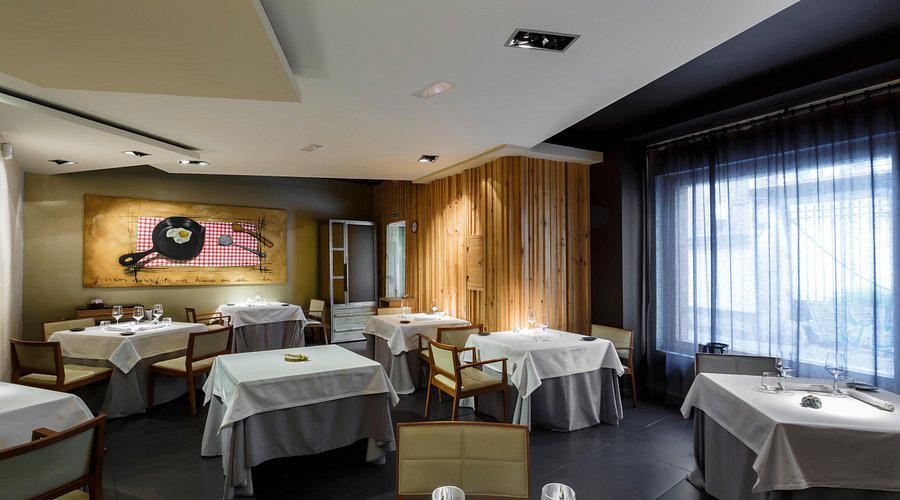
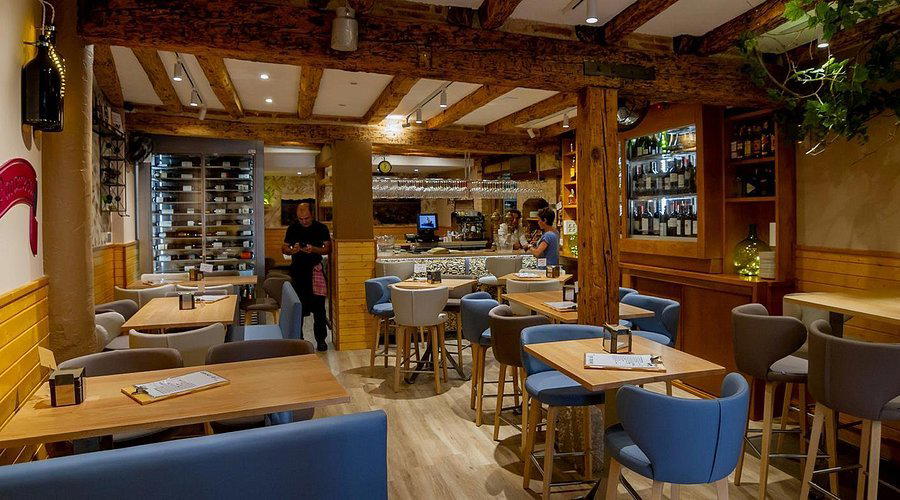
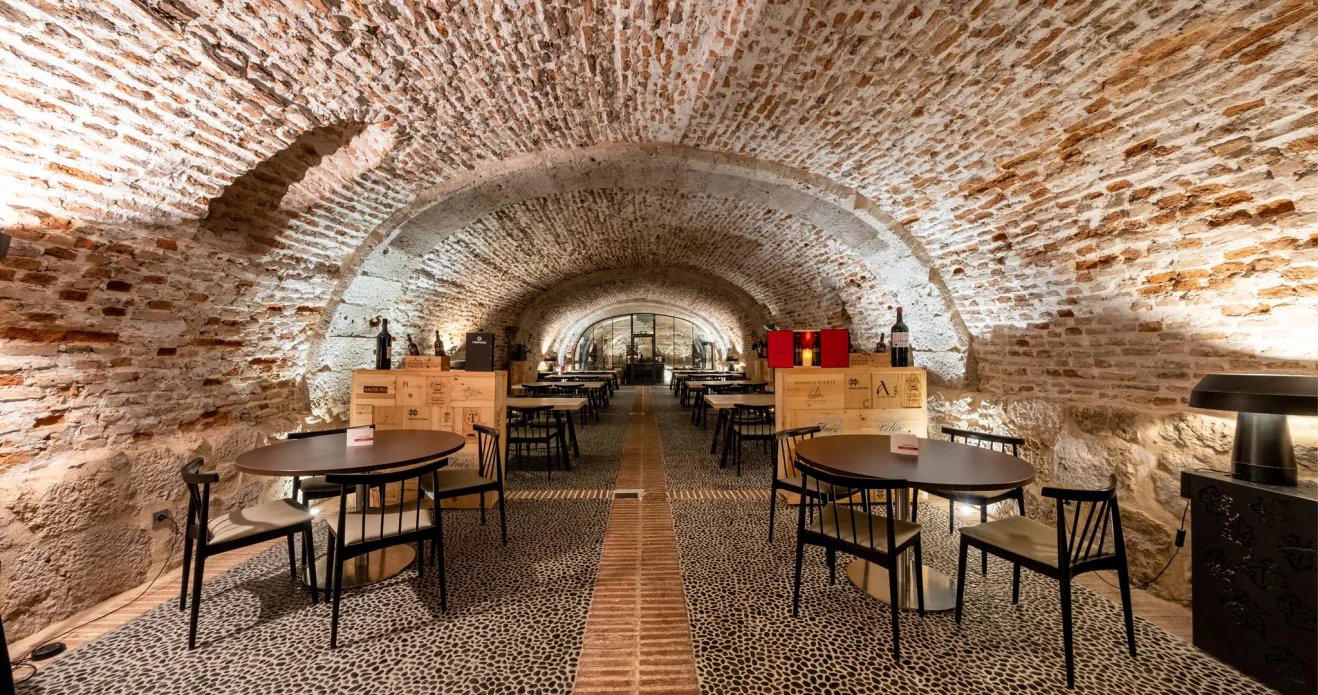
Cosy and enigmatic with interesting interior, relaxed atmosphere, and cool decor.