Dámaso


Michelin Plate · Guía Repsol 1 Sol
Our verdict
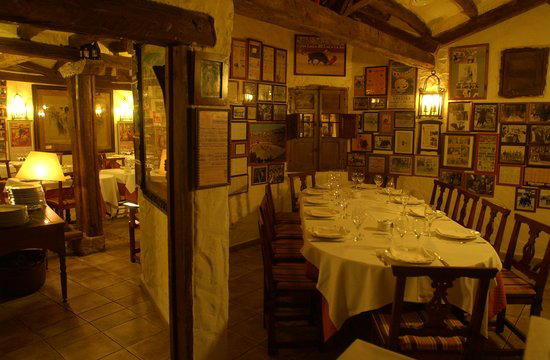
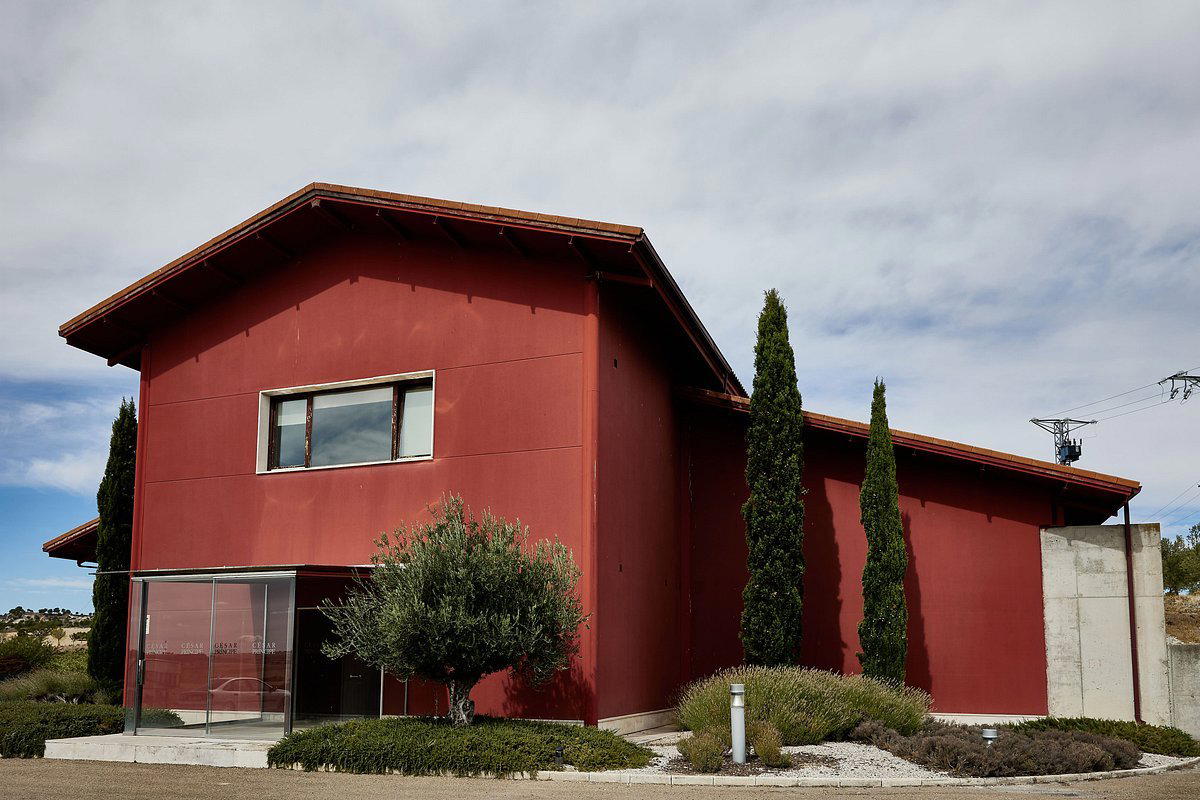
Set within the tranquil La Galera country club on the outskirts of Valladolid, Dámaso earns its Michelin Plate recognition through a market-driven approach that shifts with the seasons and the chef's daily conversations with producers. The dining room overlooks the 9th tee of the golf course, and the format — bespoke, curated menus built around what arrived that morning — draws a loyal business clientele alongside destination diners. At the €€ price tier, it occupies a distinct position in Valladolid's farm-to-table scene.

Pearl is the En Primeur Club membership app — saves, bookings, and concierge access live there. Same editors, same standards.
- Address
- C. de la Carabela, 1, 47009 Valladolid, Spain
- Phone
- +34 655 09 99 55
- Hours
- Mon ClosedTue–Wed 2–4 PMThu–Sat 2–4 PM, 9–11 PMSun 2–4 PM
- Directions
- Get directions
The menu
What to order
- Alcachofa frita con ajoarriero de bacalao ahumado y trufa fresca
- Rape negro con purrusalda y puerro a la brasa
- Pera al vino con chocolate y toffee
A Different Kind of Valladolid Dining Room
Most of Valladolid's serious restaurants cluster within the old city, a compact zone where Michelin-recognised addresses like Trigo and Alquimia - Laboratorio operate at the €€€ tier with fixed tasting structures. Dámaso takes a different geographic and philosophical position. The restaurant sits within La Galera, a country club on the city's outskirts, and the dining room looks out over the 9th tee of the golf course. Before a single dish arrives, the setting has already communicated something: this is a meal that will unfold at its own pace, away from the city's ambient noise.
That physical remove is not incidental. Country club dining in Spain has historically leaned conservative — solid technique, familiar cuts, reliable cellars. What Dámaso has done within that format is to redirect the kitchen toward the market rather than the menu card. The result lands at a price point — €€, that competes directly with 5 Gustos and the more traditionally anchored La Cocina de Manuel, while offering a format shaped by whatever the chef chose at the market that morning.
The Ritual of the Bespoke Menu
Spain's farm-to-table category contains a wide range of actual practices. At one end, the term signals little more than seasonal sourcing applied to a fixed printed menu. At the other, it means the menu itself is a conversation, assembled with the guest, shaped by what is genuinely available, and capable of accommodating constraints without degrading the experience. Dámaso operates closer to the second model.
The defining ritual here is the curated menu built for each table. Chef Dámaso Vergara, who has held the Michelin Plate in both 2024 and 2025, sits down with guests to construct the meal, taking into account preferences, appetite, and the day's produce. Small-plate options exist alongside longer multi-course formats, which means the experience is not locked into a single pacing register. A lunch that needs to finish within ninety minutes can be calibrated differently from a dinner where time is less pressured.
This approach places Dámaso in a peer conversation with farm-to-table formats elsewhere in Europe that have moved beyond the performative. Au Gré du Vent in Seneffe and BOK Restaurant in Münster represent similar positions in their respective markets: direct producer relationships, menus that resist being fixed too far in advance, and a dining rhythm that treats the meal as a sequence of decisions rather than a predetermined script.
Market Logic and the Castilian Larder
Valladolid sits at the heart of Castilla y León, a region whose larder is substantial. Lechazo, milk-fed lamb, remains the region's most-discussed ingredient, roasted in wood-fired ovens according to a tradition that has defined Castilian cuisine for centuries. Legumes from the Tierra de Campos, white asparagus from Tudela, and the region's own cured meats and cheeses constitute a base of raw material that rewards a chef willing to let the season dictate the direction.
The market-driven model makes particular sense in this context. Valladolid's Mercado del Val and surrounding producer networks offer an ingredient vocabulary that changes meaningfully across the year, spring's white asparagus giving way to summer's peppers and stone fruit, autumn's wild mushrooms and game shifting the kitchen's register entirely. A menu that refreshes with the season rather than holding to annual constants can express that range.
In the broader Spanish context, where restaurants like El Celler de Can Roca in Girona, Arzak in San Sebastián, Azurmendi in Larrabetzu, Aponiente in El Puerto de Santa María, DiverXO in Madrid, and Cocina Hermanos Torres in Barcelona have set the ambition level for the country's fine dining tier, Valladolid's restaurant scene has developed in a register that is less about spectacle and more about ingredient integrity. Dámaso reflects that character.
Who Eats Here and When
The restaurant draws a regular business clientele, a signal that the format holds up under repeat visits. When business diners return week after week, the menu cannot be static; the market-driven structure that might seem like an ideological commitment also functions as practical programming, keeping the experience fresh for guests who would otherwise exhaust a fixed card within a month.
That same quality makes Dámaso a reasonable choice for the visitor approaching Valladolid over a longer stay, or for a dinner that follows an afternoon at the city's cultural offerings. The country club location means the approach is by car or taxi rather than on foot from the centro histórico, a practical point worth factoring into timing.
At the €€ tier, that consistency has a particular value: it is what separates a kitchen with genuine market relationships from one that deploys the language of farm-to-table without the operational commitment.
For additional context on where Dámaso sits within the city's wider dining picture, alongside more traditional options like Llantén, see our full Valladolid restaurants guide. Those planning a longer visit will also find guidance in our Valladolid hotels guide, our bars guide, our wineries guide, and our experiences guide.
Planning Your Visit
Dámaso is located at C. de la Carabela, 1, 47009 Valladolid, within the La Galera country club on the city's outskirts. Given the location, arriving by taxi or private car is the most practical approach, particularly for evening visits. The €€ pricing bracket places it at an accessible tier for the format, comparable in cost to more casual addresses in the city centre, but structured around a more considered meal. Contact and reservation details are best confirmed directly through current channels, as booking preferences can shift. The Michelin Plate, held consecutively in 2024 and 2025, gives a reliable external reference point for the kitchen's standard.
Frequently asked questions
Where exactly is Dámaso?
Dámaso is located at C. de la Carabela, 1, 47009 Valladolid, Spain, Valladolid.
Is Dámaso more mid-range or high-end?
Pricing at Dámaso is listed as €€.
Is Dámaso award-winning?
Dámaso has received recognition including: With his natural humility and technical expertise, chef Dámaso Vergara is the real epicentre of this restaurant, a feeling that comes to the fore when he sits down to curate a bespoke, market-inspired menu for you (including small-plate opt….
What do people recommend at Dámaso?
There is no fixed menu to point toward. Chef Dámaso Vergara builds a bespoke, market-inspired selection for each visit, including small-plate options, based on what the market offers that day. The format rewards regulars — the restaurant's consistent business clientele returns precisely because the menu shifts rather than repeats. Arriving with dietary preferences or curiosities to share with Vergara is the most direct way to shape the experience.
Style and Standing
| Venue | Cuisine | Price | Awards | Notes |
|---|---|---|---|---|
| DámasoThis venue — the venue you are viewing | Modern Spanish Seasonal Tasting Menu | $100–150 | Michelin Plate · Guía Repsol 1 Sol | Not listed |
| Alquimia - Laboratorio | Creative Modern Spanish Molecular | Not listed | 1 Michelin Star · Guía Repsol 1 Sol | Creative |
| Trigo | Contemporary Spanish Fine Dining | $50–100 | 1 Michelin Star · Guía Repsol 2 Soles | Modern Cuisine |
| La Cocina de Manuel | Modern Spanish with Fusion | $30–50 | Michelin Bib Gourmand · Macarfi 7.2 Food Rating | Traditional Cuisine |
| 5 Gustos | Mediterranean Tapas with Castilian Influences | $50–100 | Michelin Plate · Macarfi 7.1 Food Rating | Farm to table |
| Paco Espinosa | Spanish Seafood & Tapas | $50–100 | Michelin Plate · Macarfi 7.5 Food Rating | Seafood |
Recognition history
Dated appearances from independent guides and award organizations, with the underlying list record or original source where available.
Michelin Plate
Michelin
Guía Repsol 1 Sol
Guía Repsol
Full recognition history (4 entries)
Michelin Plate
Michelin
Michelin Plate
Michelin
Continue exploring
More in Valladolid
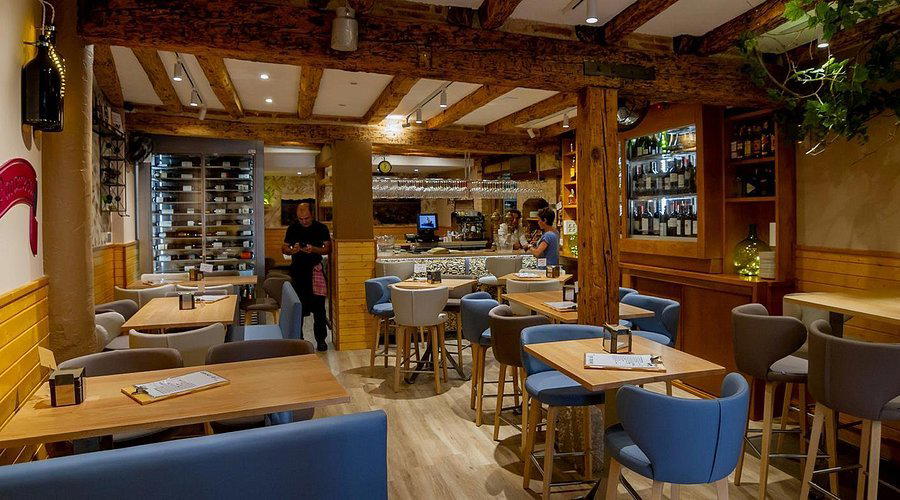
Restaurants in Valladolid
Browse all →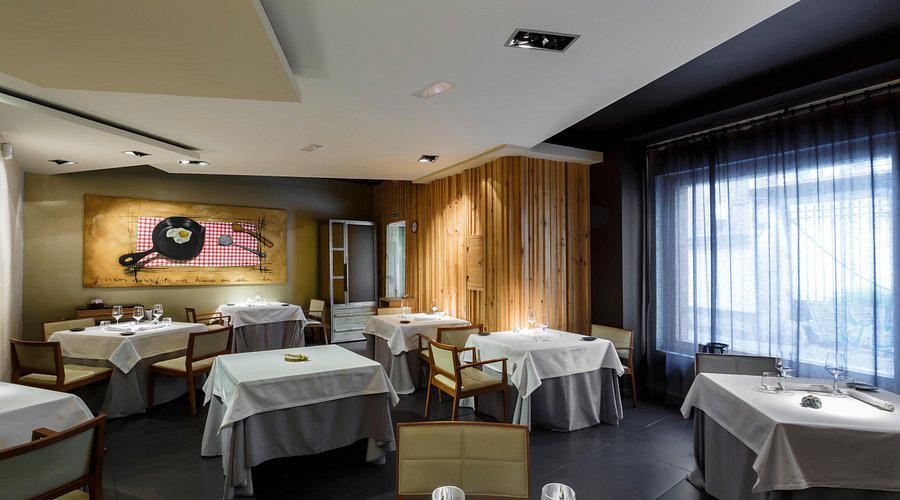
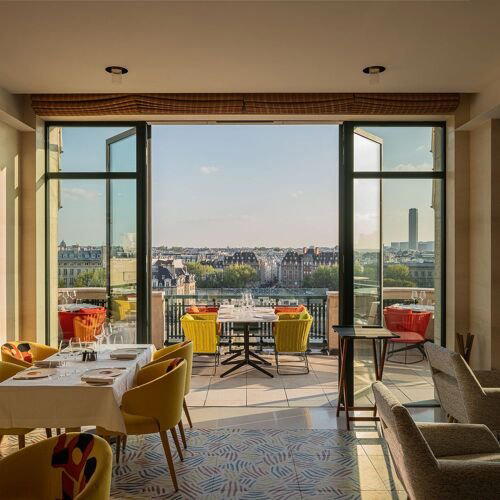
Hotels in Valladolid
Browse all →
Details
- Elegant
- Intimate
- Sophisticated
- Classic
- Business Dinner
- Special Occasion
- Date Night
- Open Kitchen
- Garden
- Standalone
- Historic Building
- Sommelier Led
- Local Sourcing
- Garden
- Tasting Menu
- Wine
Current opening hours
- Monday
- Closed
- Tuesday
- 2–4 PM
- Wednesday
- 2–4 PM
- Thursday
- 2–4 PM, 9–11 PM
- Friday
- 2–4 PM, 9–11 PM
- Saturday
- 2–4 PM, 9–11 PM
- Sunday
- 2–4 PM
Hours can change for holidays and private events. Last verified .
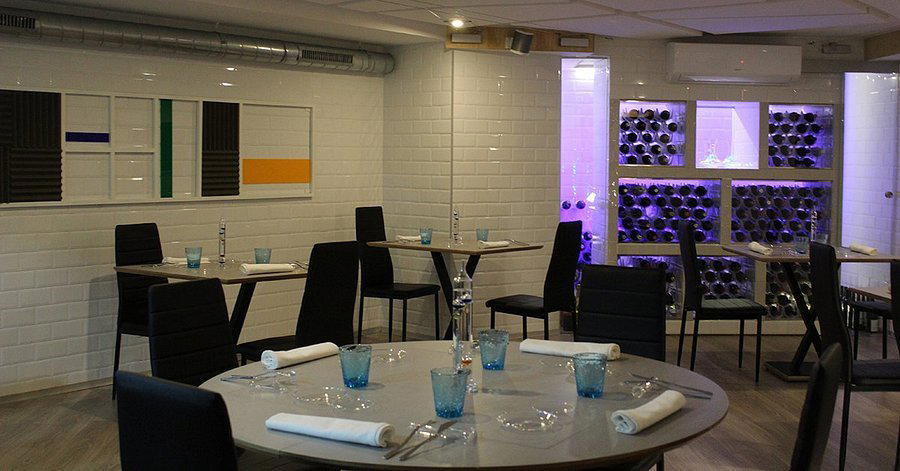
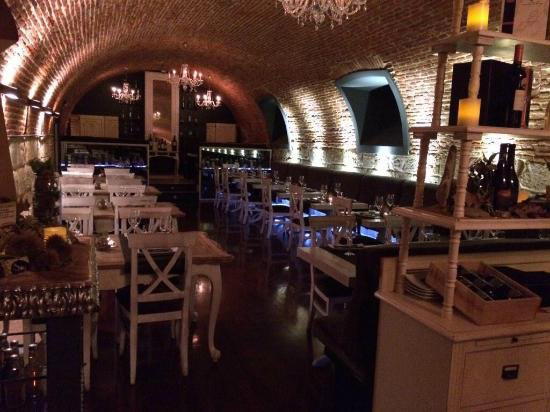
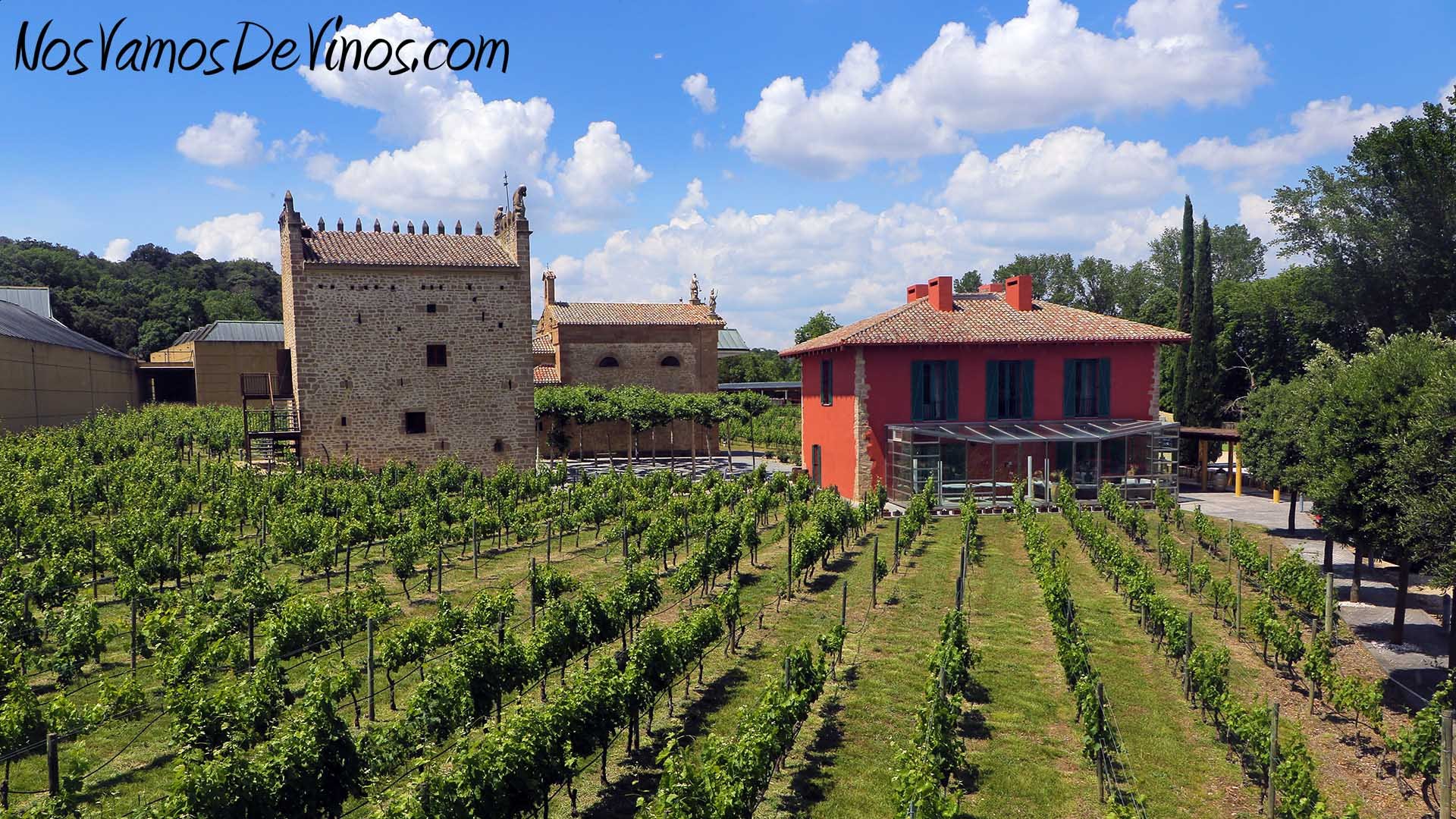
Elegant and tranquil setting in a Spanish country house with modern architecture elements, overlooking a golf course's 9th tee, with refined lighting and sophisticated atmosphere.