5 Gustos


5 Gustos holds consecutive Michelin Plate recognition (2024 and 2025), which is an unusual combination for a mid-price restaurant in central Valladolid. The kitchen works a farm-to-table format at the €€ tier, placing it among a handful of Castilian restaurants treating sourcing as a culinary argument rather than a marketing footnote. It sits on Calle Torrecilla in the old city core.
Pearl is the En Primeur Club membership app — saves, bookings, and concierge access live there. Same editors, same standards.
- Address
- C. Torrecilla, 8, 47003 Valladolid, Spain
- Phone
- +34 983 45 43 04
- Website
- 5gustos.com
- Directions
- Get directions
 Saves & bookings on Pearl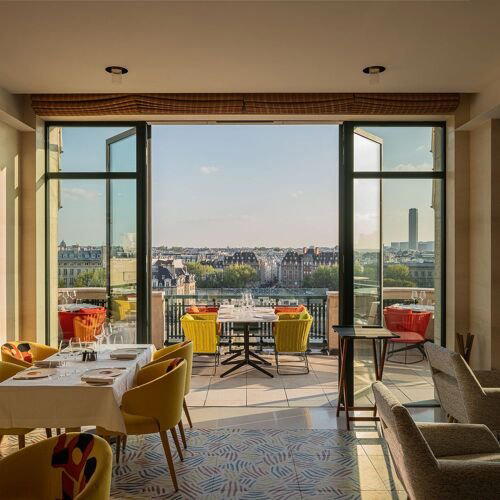
Where Castile's Agricultural Identity Reaches the Plate
Calle Torrecilla runs through the old residential fabric of central Valladolid, a street more likely to draw locals on an evening errand than tourists consulting a map. The restaurant at number eight reads from the outside like many of the city's understated mid-range addresses: no grand facade, no chalkboard promises. That restraint is, in its own way, a position. In a region whose agricultural output includes particularly celebrated lamb, legumes, and cereals in Spain, a kitchen that takes sourcing seriously does not need to announce itself loudly.
Farm-to-table has become a phrase that covers everything from genuine supply-chain discipline to loosely sourced seasonal menus with a countryside aesthetic. At 5 Gustos, the Michelin Plate in both 2024 and 2025 signals that the kitchen's execution has met a threshold of consistency that reviewers at Michelin consider worth flagging. The Plate designation does not carry the prestige of a star, but in a city where starred restaurants operate at the €€€ tier, a double-Plate recognition at €€ pricing means the value proposition is structurally different from the city's higher-end addresses.
Castilian Sourcing and What It Means at This Price Point
Castilla y León produces an outsized share of Spain's most ingredient-driven raw materials. The meseta's climate produces lamb of concentrated flavour, the river valleys supply vegetables with particular character, and the region's wheat and pulse heritage runs deep. Farm-to-table cooking in this context is not about importing a Californian concept. It is about reconnecting with a supply chain that already exists and has existed for centuries, but which mid-market restaurant kitchens often bypassed in favour of cheaper, faster logistics.
The €€ price range at 5 Gustos places it alongside Dámaso, Valladolid's other farm-to-table address at the same tier, and La Cocina de Manuel, which works traditional Castilian cuisine at comparable prices. The comparison is instructive: where traditional cuisine draws authority from received recipes and technique, farm-to-table kitchens stake their claim on what arrives at the back door. The menu is, in a real sense, a seasonal argument. What the kitchen selects and how it frames those selections tells you something about the relationships it has built with producers and about which aspects of Castilian agriculture it considers worth defending.
Spain's broader farm-to-table conversation has largely played out in the Basque Country and Catalonia, where restaurants like Azurmendi in Larrabetzu have built sourcing into a full philosophical and ecological programme, or in Andalusia, where Aponiente in El Puerto de Santa María treats marine biology as ingredient research. Castile operates at a different scale and register, but the region's raw materials are not inferior. The difference is that fewer kitchens have chosen to foreground them at an accessible price point with the discipline that Michelin recognition implies.
How 5 Gustos Sits Within Valladolid's Restaurant Tier
Valladolid's fine dining tier is anchored by two Michelin-starred restaurants: Trigo, working modern cuisine at €€€, and Alquimia - Laboratorio, the city's creative address at the same price band. Both operate with the pricing structures associated with starred ambition. Below that tier, the city has a capable mid-market with several addresses earning strong public ratings, including Llantén, which works traditional cuisine at the €€ level.
At that volume, a rating reflects consistent experience rather than a cluster of enthusiastic early adopters. The combination of public approval at scale and back-to-back Michelin Plate recognition positions it as one of the more reliably executed kitchens in its tier. For comparison, the city's starred restaurants operate in a competitive set that includes Arzak in San Sebastián, El Celler de Can Roca in Girona, DiverXO in Madrid, and Cocina Hermanos Torres in Barcelona. The restaurant competes in an entirely different bracket, but within that bracket, its Michelin visibility is a meaningful differentiator from peers that have no recognition at all.
The farm-to-table format also connects it to a wider European conversation about sourcing accountability at the accessible end of the market. Kitchens like Au Gré du Vent in Seneffe and BOK Restaurant in Münster are working similar territory in Belgium and Germany respectively: mid-budget addresses where the sourcing argument is the kitchen's primary editorial stance.
Planning a Visit
The restaurant is at Calle Torrecilla, 8, in the 47003 postcode, which puts it in the historic centre of Valladolid within walking distance of the cathedral and the Museo Nacional de Escultura. The €€ pricing means a full meal with wine sits comfortably below what the city's starred addresses charge for a tasting menu. Booking ahead is advisable, particularly midweek when local regulars make up the majority of the room.
Comparable Venues
Comparable venues nearby, for context on price, style, and recognition.
| Venue | Cuisine | Price | Awards | Notes |
|---|---|---|---|---|
| 5 GustosThis venue — the venue you are viewing | Mediterranean Tapas with Castilian Influences | $$$ | Michelin Plate | Not listed |
| Paco Espinosa | Spanish Seafood & Tapas | $$$$ | Michelin Plate | La Victoria |
| Llantén | Modern Traditional Castilian | $$ | Not listed | Pinar de Antequera |
| Sibaritas Klub | Creative Castilian km0 tasting menus with global influences | $$$ | Not listed | Valladolid |
| Suite 22 | Contemporary Spanish Fine Dining | $$$ | Michelin Plate | Calle Fray Luis de León |
| Villa Paramesa | Modern Spanish Tapas | $$$ | Michelin Plate | Valladolid |
Recognition history
Dated appearances from independent guides and award organizations, with the underlying list record or original source where available.
Macarfi 7.1 Food Rating
Macarfi
Michelin Plate
Michelin
Michelin Plate
Michelin
Continue exploring
More in Valladolid
Restaurants in Valladolid
Browse all →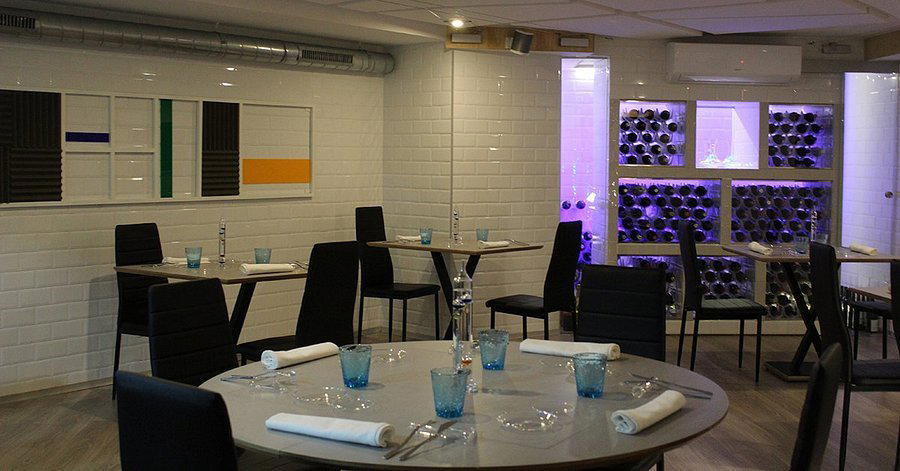
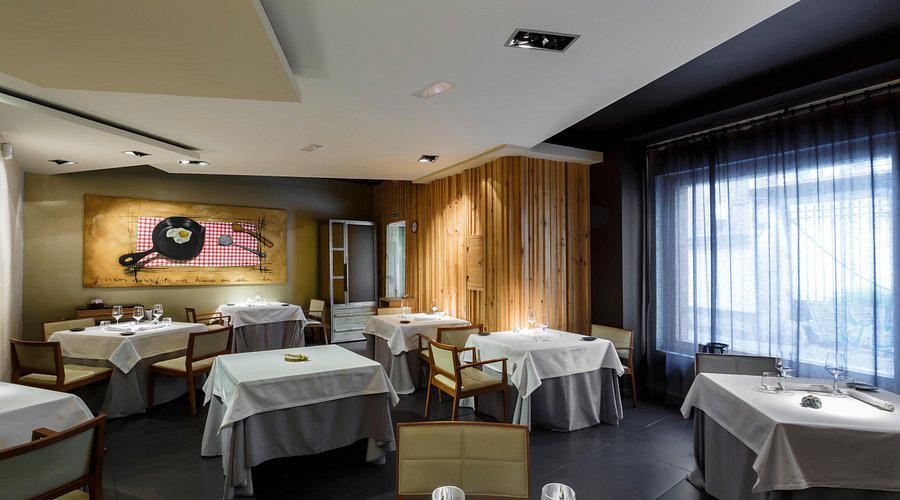
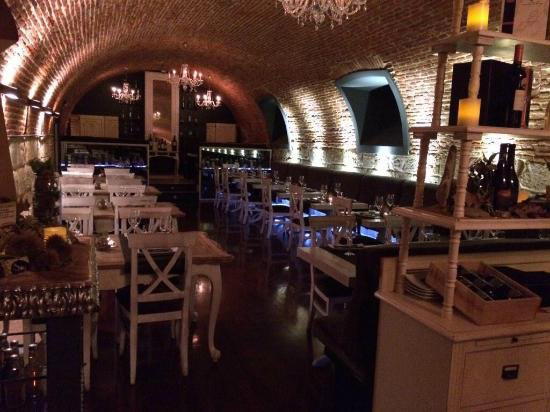
Hotels in Valladolid
Browse all →


At a Glance
- Cozy
- Elegant
- Sophisticated
- Intimate
- Date Night
- Special Occasion
- Group Dining
- Celebration
- Open Kitchen
- Standalone
- Extensive Wine List
- Craft Cocktails
- Beer Program
- Local Sourcing
Current opening hours
- Monday
- 9:30 AM–5 PM
- Tuesday
- 9:30 AM–5 PM
- Wednesday
- 9 AM–5 PM
- Thursday
- 9 AM–5 PM
- Friday
- 9:30 AM–5 PM, 8:30 PM–12 AM
- Saturday
- 1–5 PM, 8:30 PM–12 AM
- Sunday
- 1–5 PM
Hours can change for holidays and private events. Last verified .
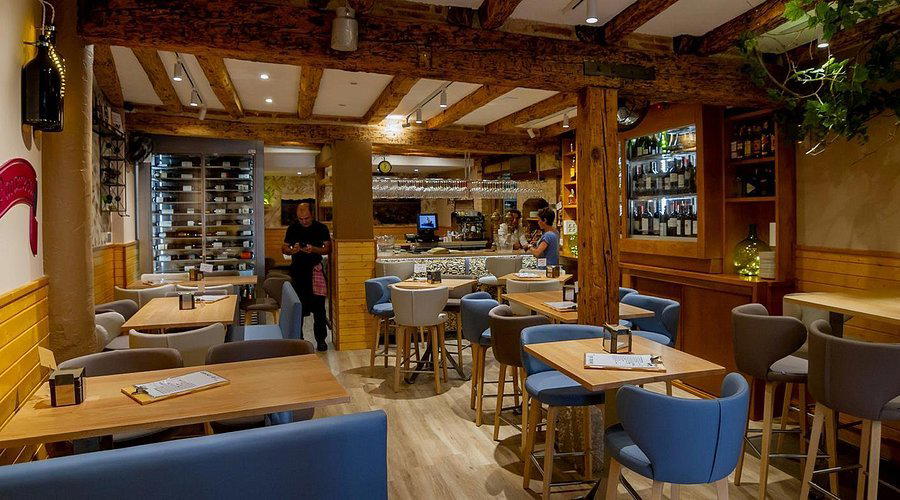
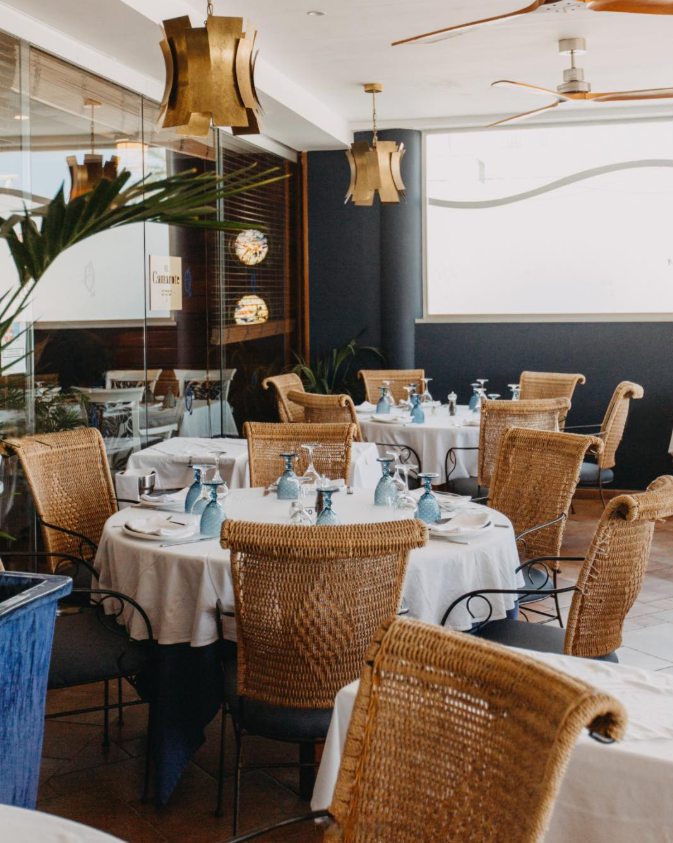
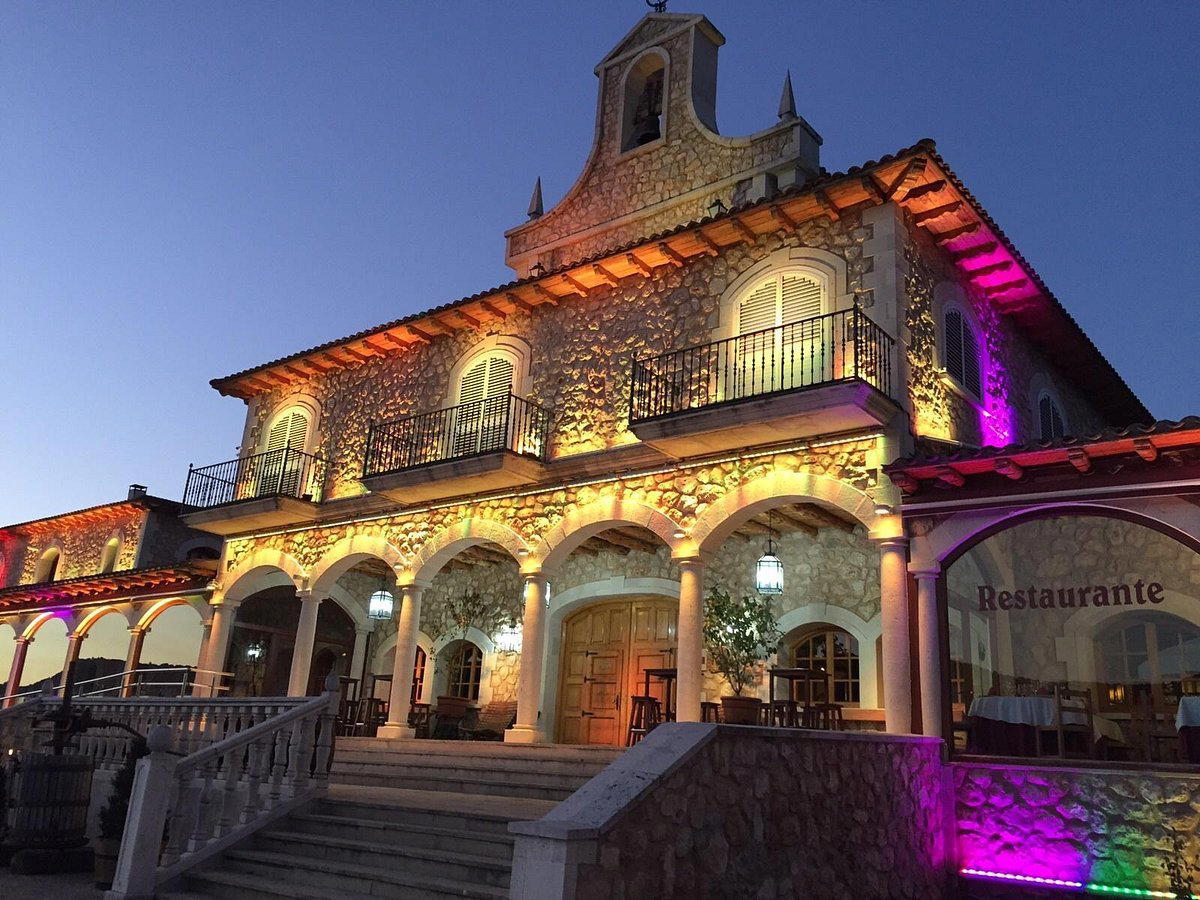
Warm, inviting, and cozy setting with sophisticated contemporary design; quiet background music creates an intimate atmosphere well-suited for both casual and special occasion dining.