El Atrio del Mayab
Our verdict
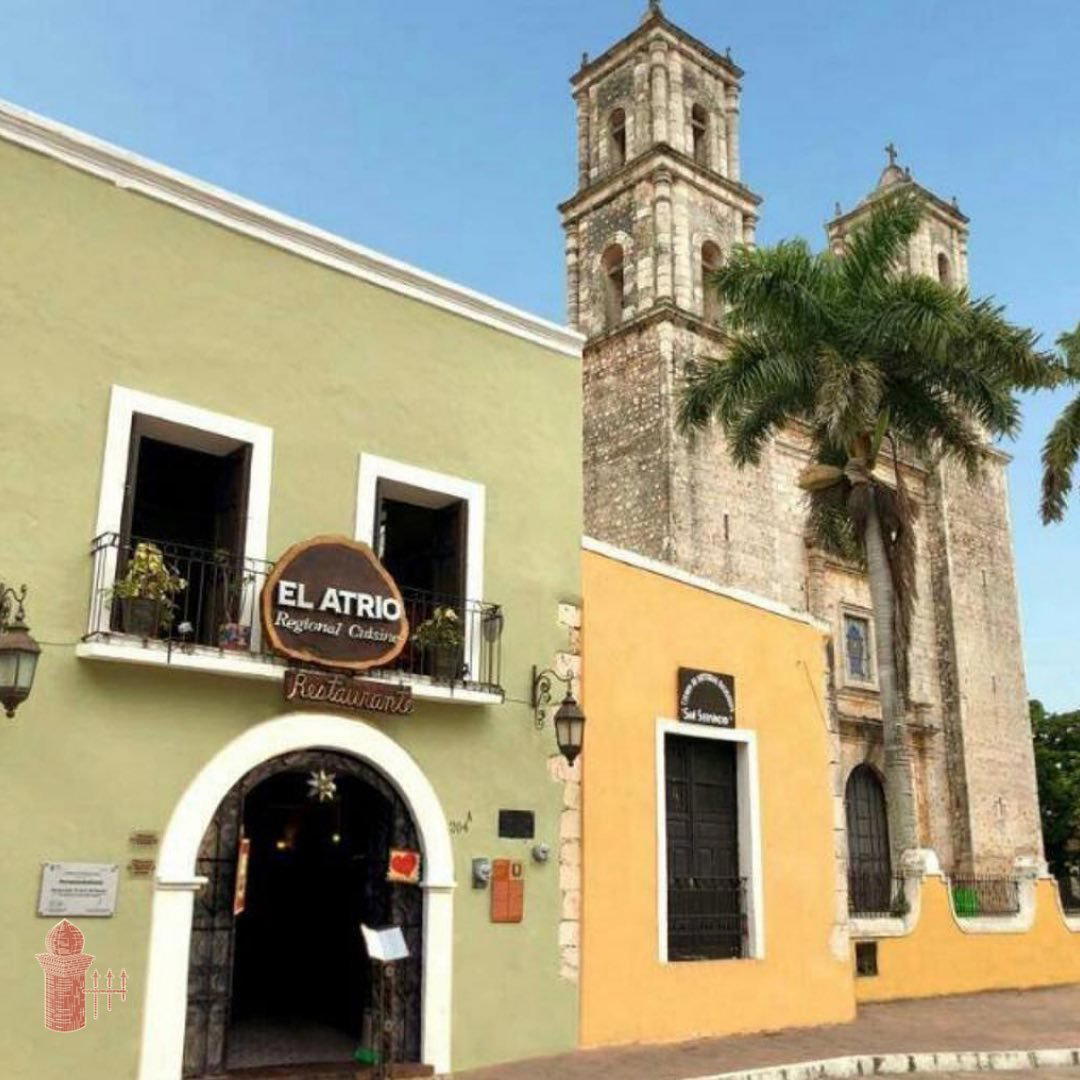
In Valladolid's colonial centre, El Atrio del Mayab connects the Yucatán's ingredient traditions to the table in a city where Mayan culinary heritage remains a living practice rather than a museum piece. The restaurant operates within a regional dining scene that has grown more technically ambitious without abandoning its agricultural roots, placing it alongside a wave of Yucatecan kitchens taking local sourcing seriously.

Pearl is the En Primeur Club membership app, where members save venues, book tables and use the concierge.
The menu
What to order
- Poc Chuc
- Sopa de lima
- Cochinita pibil
- Guacamole
Where the Yucatán's Larder Meets the Plate
Valladolid sits roughly midway between Mérida and the Caribbean coast, and that geography shapes everything about how its restaurants source and cook. The town is not a resort destination, which means its dining scene answers to residents and informed travellers rather than to hotel buffet logic. El Atrio del Mayab operates in that context, in a city where the surrounding milpa fields, cenote-fed groundwater, and centuries-old achiote and habanero cultivation give kitchens access to ingredients that coastal tourist corridors can only import after the fact.
Yucatecan cooking is one of Mexico's most distinctly regional traditions, shaped by Mayan agricultural knowledge, Spanish colonial layering, and a near-complete isolation from central Mexican influence until the mid-twentieth century. The result is a cuisine built around recados (spice pastes), slow-cooked pork preparations like cochinita pibil, citrus from Seville orange trees introduced centuries ago, and a chilli vocabulary that differs substantially from that of Oaxaca or the Bajío. For a restaurant in Valladolid to engage seriously with that tradition means sourcing from the same supply chains that have fed the region for generations.
The Sourcing Logic Behind Yucatecan Kitchens
Across Mexico's more thoughtful restaurant scene, the conversation around ingredient provenance has sharpened considerably over the past decade. Operations like Pujol in Mexico City and Levadura de Olla Restaurante in Oaxaca have built reputations partly by treating ingredient transparency as editorial content in itself. In the Yucatán Peninsula, that same logic applies with particular force, because the region's native cultivars, including local varieties of chilli, squash, and corn, diverge meaningfully from what circulates in national wholesale markets.
For restaurants in Valladolid specifically, proximity to agricultural production is a structural advantage. The town is surrounded by small-scale farming, and the cenote system that defines the peninsula's hydrology creates microclimates that favour specific crops. A kitchen that draws on those sources is working with ingredients at a different level of freshness and regional specificity than one relying on consolidated supply chains routed through Cancún or Mérida. That proximity to production, rather than any single dish or format, is what distinguishes the serious operators in this city from the tourist-facing approximations.
Comparable sourcing-first restaurants elsewhere in Mexico, such as Animalón in Valle de Guadalupe and Olivea Farm to Table in Ensenada, demonstrate how geography-anchored ingredient programs become the editorial core of a dining proposition. In the Yucatán, the equivalent anchor is the milpa system and the hacienda-era agricultural infrastructure that still shapes what grows where.
Valladolid's Dining Tier and Where El Atrio del Mayab Sits
Valladolid's restaurant scene divides broadly into three registers. At the entry level, market stalls and casual comedores serve the regional staples, sopa de lima, panuchos, papadzules, at prices that reflect local purchasing power. At the middle register, a growing number of sit-down restaurants are applying more deliberate technique to the same traditional repertoire, with dining rooms that reflect the colonial architecture of the centro histórico. A smaller cohort, including Trigo and Alquimia - Laboratorio at the creative end, pushes into more technically ambitious territory.
El Atrio del Mayab occupies a position in that middle-to-upper band, alongside farm-to-table operators like 5 Gustos and Dámaso, both of which have made direct relationships with regional producers a central part of their identity. That peer group is interesting because it suggests Valladolid is developing a coherent dining identity around ingredient-led cooking rather than simply replicating what Mérida or Cancún offer at a smaller scale. El Niño Perdido represents the more casual end of this cluster, while the restaurants above it in ambition and price compete on how deeply they integrate regional sourcing into the menu logic.
For context on what ingredient-led fine dining looks like at a national level, KOLI Cocina de Origen in Monterrey, Alcalde in Guadalajara, and Pangea in San Pedro Garza Garcia each demonstrate how provenance-first kitchens can carry serious critical weight. On the Yucatán Peninsula itself, Le Chique in Puerto Morelos and HA' in Playa del Carmen represent the higher-formality end of regional ingredient interpretation, while Lunario in El Porvenir shows how a single agricultural region can anchor an entire tasting menu program. Lazy Bear in San Francisco and Le Bernardin in New York City offer international reference points for how sourcing philosophy shapes dining format at the highest tier. El Atrio del Mayab operates in a different price register than those benchmarks, but the underlying logic of letting regional ingredients define the menu is the same impulse at work.
Planning Your Visit
Valladolid's centro histórico is compact enough to cover on foot, and El Atrio del Mayab is within that walkable zone. The city sees its heaviest visitor traffic during Mexican holiday periods and in the dry season between November and April, when day-trippers from Chichén Itzá and the cenote circuit pass through. Visiting outside those windows means shorter waits and a dining room that skews more toward local regulars than tourist traffic, which tends to shift both the atmosphere and the pacing of service. For a fuller picture of where El Atrio del Mayab fits within the city's options, the EP Club Valladolid restaurants guide maps the scene across price tiers and cuisines.
Frequently asked questions
Is El Atrio del Mayab child-friendly?
Valladolid's dining culture skews relaxed and community-oriented, and El Atrio del Mayab sits within that register.
Is El Atrio del Mayab formal or casual?
Valladolid operates well below the formality level of Mérida's dress-code restaurants. El Atrio del Mayab reads as a mid-register venue in a colonial city where the standard is clean, presentable, and comfortable rather than suited or ceremonial.
How does El Atrio del Mayab fit into Valladolid's broader dining scene?
Valladolid's restaurant offerings span three registers: market comedores at the entry level, mid-tier sit-down spots drawing on regional sourcing, and a small number of venues that position themselves toward visitors arriving from the Tulum-Mérida circuit. El Atrio del Mayab occupies the mid-to-upper tier of that local spread, making it a reference point for Yucatecan cooking in the city rather than a pass-through option.
What should I eat at El Atrio del Mayab?
The kitchen draws from the Yucatán's larder, which means the regional canon: achiote-based preparations, slow-cooked pork, and habanero-laced salsas are the backbone of the local table. Given Valladolid's position as a sourcing hub between Mérida and the Caribbean coast, expect ingredients that reflect that geography rather than a generalized Mexican menu.
Where do I go for El Atrio del Mayab?
El Atrio del Mayab is located at Valladolid, Yucatán, Valladolid.
Can I walk in to El Atrio del Mayab?
El Atrio del Mayab falls within Valladolid's compact centro histórico, which is fully navigable on foot. Walk-in availability tends to tighten during the November-to-April high season when tourist traffic through this corridor peaks, so arriving early or reaching out ahead during busy periods reduces the risk of a wait.
How It Stacks Up
| Venue | Cuisine | Price | Awards | Notes |
|---|---|---|---|---|
| El Atrio del MayabThis venue (the venue you are viewing) | Traditional Yucatecan | $20–30 | Not listed | Not listed |
| Trigo | Contemporary Spanish Fine Dining | $50–100 | 1 Michelin Star · Guía Repsol 2 Soles | Modern Cuisine |
| Alquimia - Laboratorio | Creative Modern Spanish Molecular | Not listed | 1 Michelin Star · Guía Repsol 1 Sol | Creative |
| La Cocina de Manuel | Modern Spanish with Fusion | $30–50 | Michelin Bib Gourmand · Macarfi 7.2 Food Rating | Traditional Cuisine |
| Villa Paramesa | Modern Spanish Tapas | $50–100 | Michelin Plate · Guía Repsol 1 Sol | Contemporary |
| Dámaso | Modern Spanish Seasonal Tasting Menu | $100–150 | Michelin Plate · Guía Repsol 1 Sol | Farm to table |
Continue exploring
More in Valladolid
Restaurants in Valladolid
All restaurants in Valladolid →
Details
- Romantic
- Cozy
- Elegant
- Rustic
- Date Night
- Family
- Casual Hangout
- Courtyard
- Historic Building
- Garden
- Street Scene
- A La Carte
- Vegetarian Friendly
- Vegan Options
- Gluten Free Options
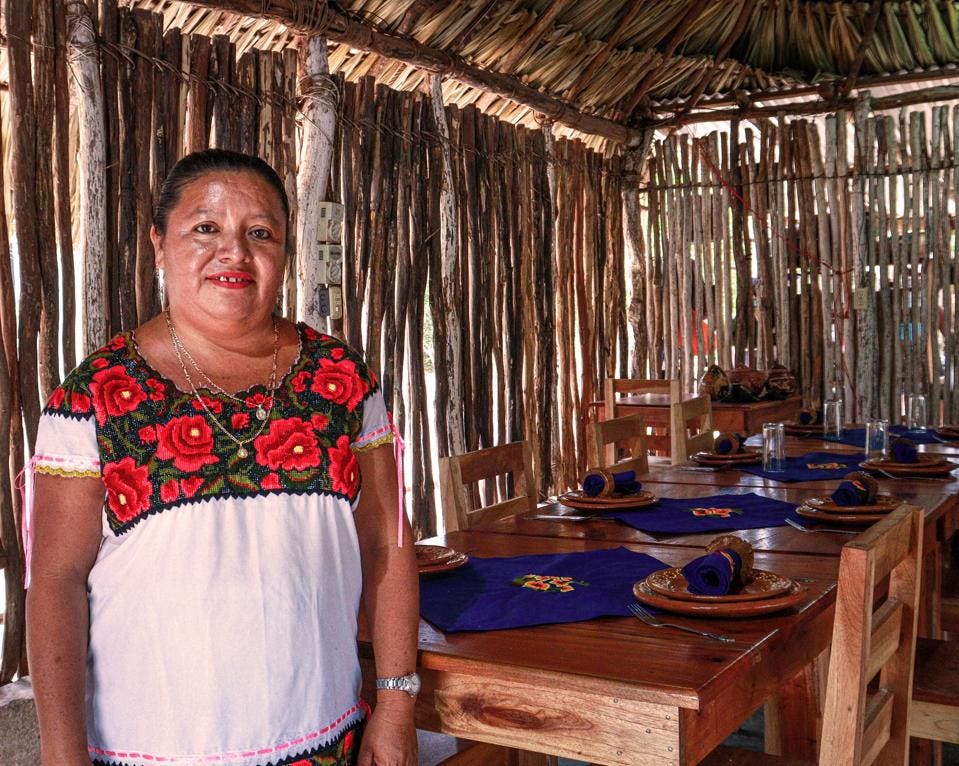
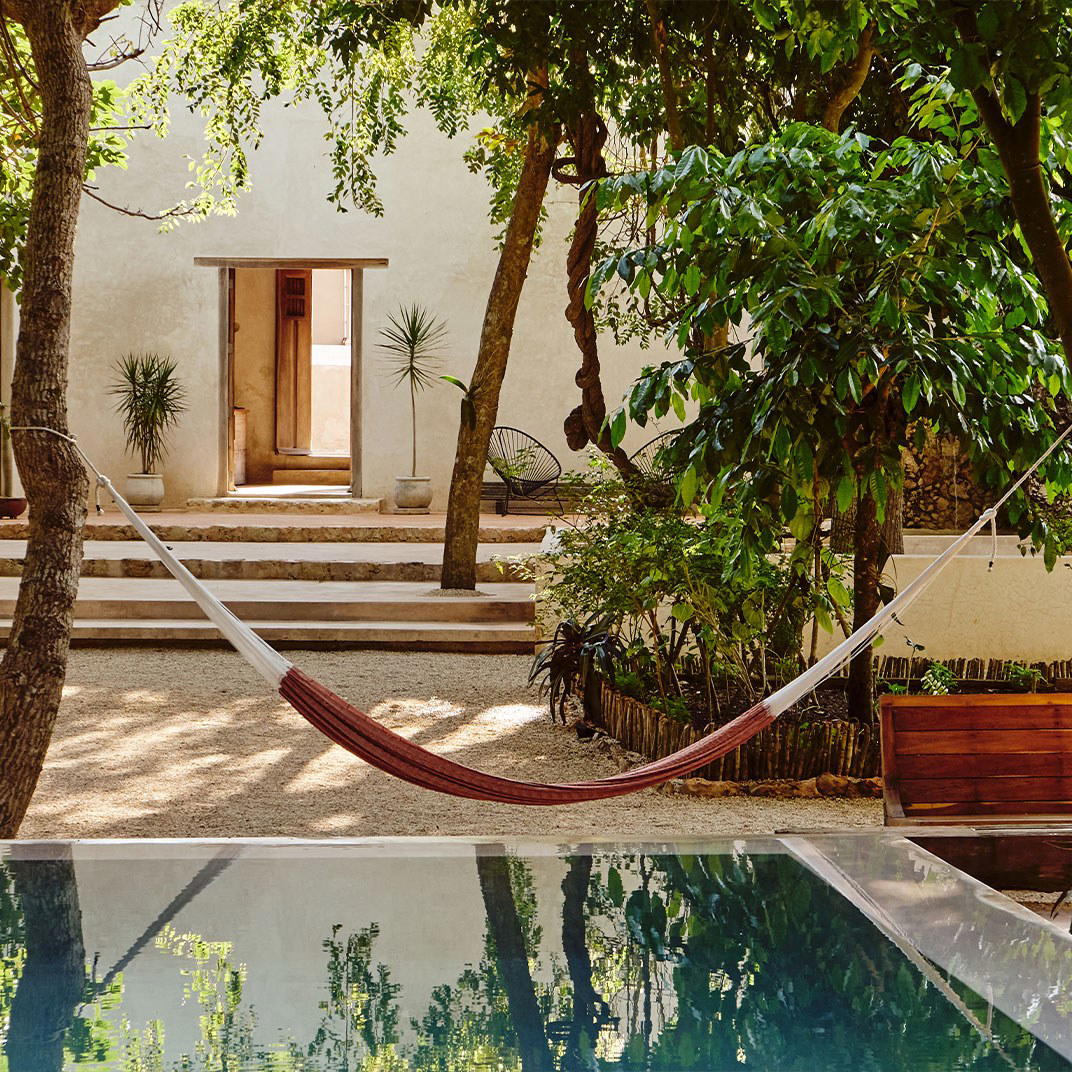
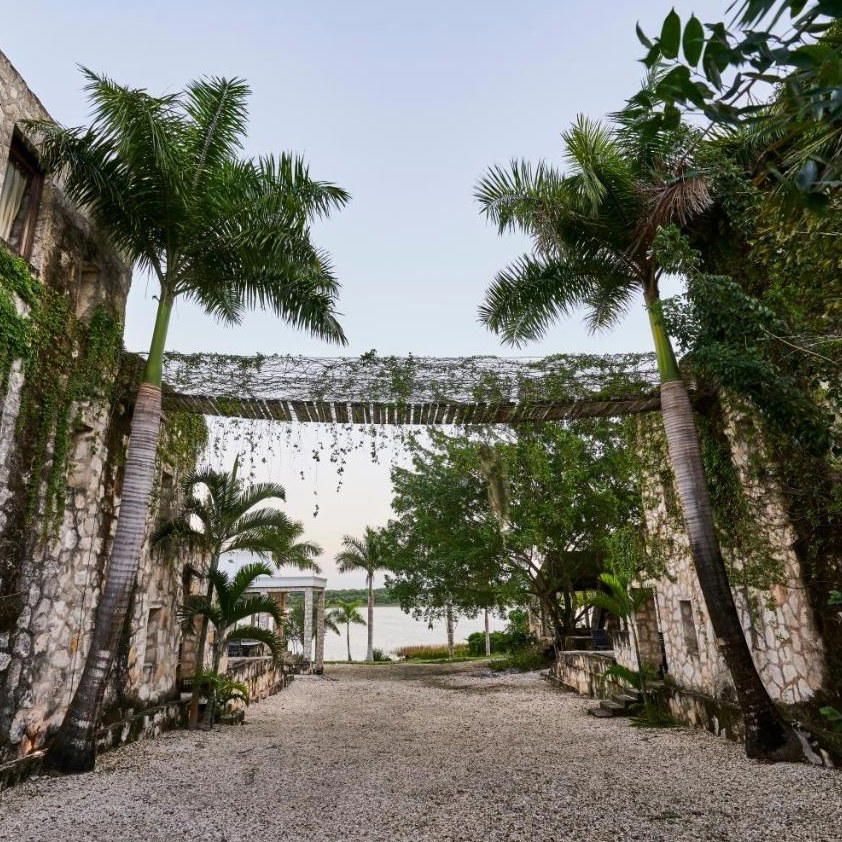
Relaxed garden patio with natural shade, soft lighting, soothing music, and warm colonial charm.