Llantén


Michelin Plate · Guía Repsol 1 Sol
Our verdict
Llantén places Valladolid’s produce-led cooking in a sharper provincial frame, with a 2026 Guía Repsol 1 Sol giving the room a national signal beyond local word of mouth. The appeal is less about spectacle than sourcing: Castilian pantry logic, measured service, and a dining rhythm that suits readers looking beyond the city’s standard traditional tables.

Pearl is the En Primeur Club membership app, where members save venues, book tables and use the concierge.
The menu
What to order
- 70-day-aged Sanabresa T-bone
- Albufera rice
- Goat with alioli
- Beef tripe (callos)
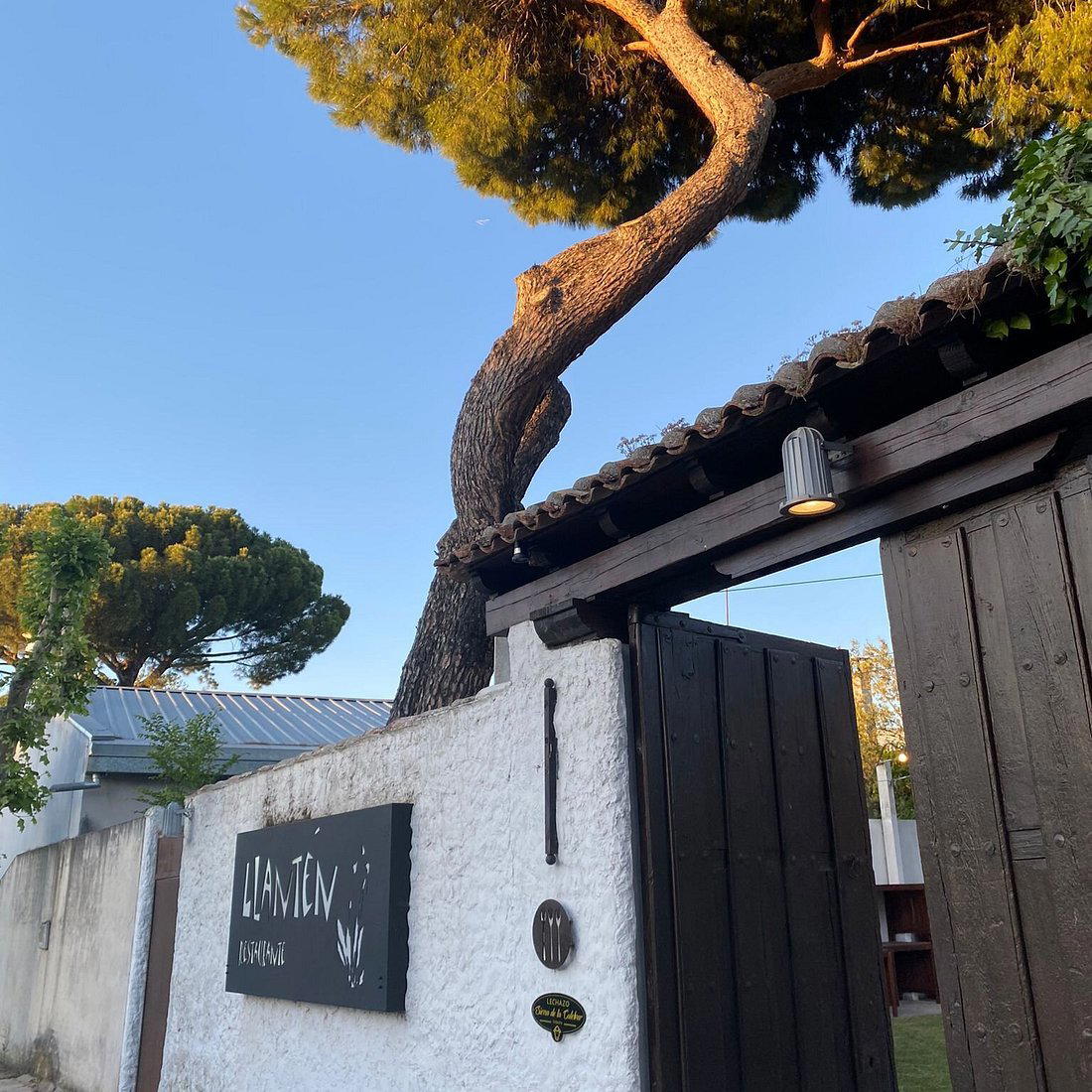
Approaching Llantén, the cue is Valladolid itself rather than a showpiece façade or a ready-made tourist script. The restaurant is best read through the city’s quieter dining culture, where the meal is framed by local expectations and by the question of what kind of table a traveller is looking for. In a city where eating well often depends less on spectacle than on choosing the right room for the occasion, the useful lens is restraint, confidence, and a sense of place.
Valladolid’s restaurant culture sits between two strong pulls. One is the older grammar of Castilian eating, built around substance, local habit, and serious drinking. The other is a newer generation of dining rooms giving the city a more current restaurant vocabulary. Llantén is useful because it can be read within that second conversation without needing to reject the first. Its 2026 Guía Repsol 1 Sol places it in a Spanish recognition system that helps travellers identify notable regional tables, and that is the right lens here.
Castilian sourcing without the museum treatment
Dining in Castilla y León can easily be reduced to heritage display: familiar references as emblem, bread and wine as shorthand, tradition as décor. The more interesting rooms use those references as a living context rather than a costume. Llantén reads inside that broader shift, where the value is not only in being in Valladolid but in how a restaurant frames the city for contemporary diners. For travellers, the distinction is practical. A traditional address such as La Cocina de Manuel signals a more familiar regional register; other Valladolid dining rooms point toward a different pace and format. Llantén sits closer to that latter conversation.
The city gives restaurants plenty of context before any menu detail enters the argument. Valladolid is surrounded by agricultural country and serious wine territory, and that geography shapes expectations around the table. Diners are not necessarily coming for imported luxury signifiers; they are coming for a meal that feels connected to its setting without turning the region into a postcard. The 1 Sol recognition helps clarify the level: this is not merely a convenient local meal, but a restaurant noted within Spain’s wider network of recognised dining rooms.
That context also explains why the restaurant works editorially within the city. Valladolid has enough addresses for an easy night out, including El Bar Valladolid, but a meal here asks to be treated as part of a more deliberate food plan. That is often where provincial Spanish dining becomes rewarding: not in the obvious checklist, but in the room that gives the city a clearer restaurant moment and lets Valladolid carry the argument.
Where Llantén fits in Valladolid's newer dining tier
The comparison set in Valladolid is not uniform. Some local dining rooms lean more casual; others point to different culinary reference points altogether. Llantén’s value is more measured: it gives a Valladolid meal a contemporary frame without making concept the headline. That makes it a sensible choice for travellers who want the city to feel specific, but not as a fixed postcard.
Spain’s regional restaurant awards have become increasingly useful for reading cities outside the country’s most obvious dining capitals. A Guía Repsol Sol can mean many things, but in a provincial context it usually marks a restaurant that has moved beyond simple local convenience into a more selective national conversation. The signal is especially relevant in Valladolid, where the dining scene can look conservative from the outside because many of its strongest references are rooted in regional custom, tavern culture, and wine. Recognition here suggests a table that belongs in a more deliberate itinerary.
Readers building a wider Spain itinerary should read Llantén differently from the country’s high-gloss destination restaurants. It is not being positioned here as big-city dining theatre or urban polish, and it does not need to borrow importance from more famous addresses elsewhere. The point is Valladolid specificity: a meal that uses its city as the frame. That makes its 1 Sol less a decorative badge than a useful way to understand where the restaurant sits in the city’s newer dining tier.
How to place it in a Valladolid trip
Llantén makes the most sense for travellers treating Valladolid as a food stop rather than a transit point between wine country and larger cities. The city rewards that approach. Its scale allows a day to move from market logic to tavern culture to a more composed dinner without turning the itinerary into logistics. For a broader read on the local scene, Our full Valladolid restaurants guide is the right companion; travellers pairing the meal with a stay, drinks, cellar visits, or cultural programming can cross-reference Our full Valladolid hotels guide, Our full Valladolid bars guide, Our full Valladolid wineries guide, and Our full Valladolid experiences guide.
The strongest reason to come is the Valladolid question: how a recognised restaurant in the city fits into a trip built around regional eating, wine, and a slower read of the place. That gives Llantén a clearer identity than a generic smart dinner, especially for readers who have already eaten through Spain’s bigger restaurant cities. The useful comparison is not borrowed style, but clarity of format. Here, the format is Valladolid through restraint, recognition, and regional confidence.
Frequently asked questions
Is Llantén okay with children?
Llantén is a recognised dining room in Valladolid, so families should plan the meal with the restaurant’s pace and format in mind and confirm current booking details directly before going.
What should I expect atmosphere-wise at Llantén?
Expect a restaurant to approach as a deliberate meal rather than a casual stop, reinforced by its Guía Repsol 1 Sol distinction in Valladolid.
What days is Llantén closed?
Check Llantén’s current opening days directly with the restaurant before booking, as schedules can change.
How do I find Llantén?
Llantén is located in Valladolid.
Side-by-Side Snapshot
Comparable venues by cuisine and price in the same metro.
| Venue | Cuisine | Price | Awards | Notes |
|---|---|---|---|---|
| LlanténThis venue (the venue you are viewing) | Modern Traditional Castilian | $30–50 | Michelin Plate · Guía Repsol 1 Sol | Not listed |
| llaollao | Natural Frozen Yogurt | $1–10 | Not listed | Not listed |
| Sibaritas Klub | Creative Castilian km0 tasting menus with global influences | $50–100 | Guía Repsol 1 Sol · Macarfi 7.4 Food Rating | Not listed |
| La Cocina de Manuel | Modern Spanish with Fusion | $30–50 | Michelin Bib Gourmand · Macarfi 7.2 Food Rating | Traditional Cuisine |
| Trasto | Creative Castilian cuisine with Asian influences | $30–50 | Guía Repsol 1 Sol | Not listed |
Recognition history
Dated appearances from independent guides and award organizations, with the underlying list record or original source where available.
Michelin Plate
Michelin
Guía Repsol 1 Sol
Guía Repsol
Full recognition history (4 entries)
Michelin Bib Gourmand
Michelin
Michelin Bib Gourmand
Michelin
Continue exploring
More in Valladolid
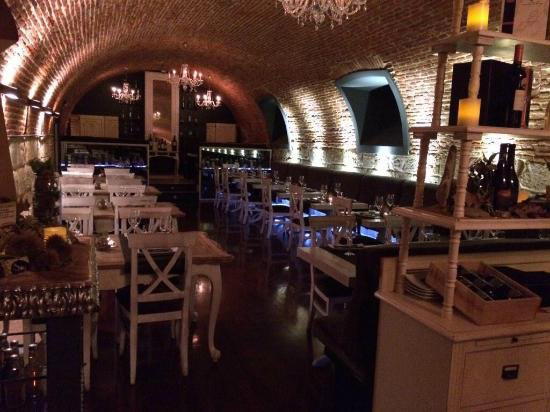
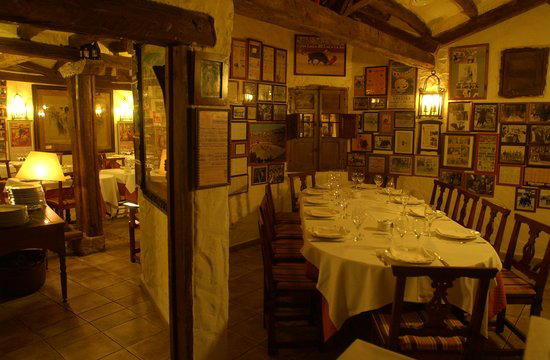
Restaurants in Valladolid
All restaurants in Valladolid →
Hotels in Valladolid
All hotels in Valladolid →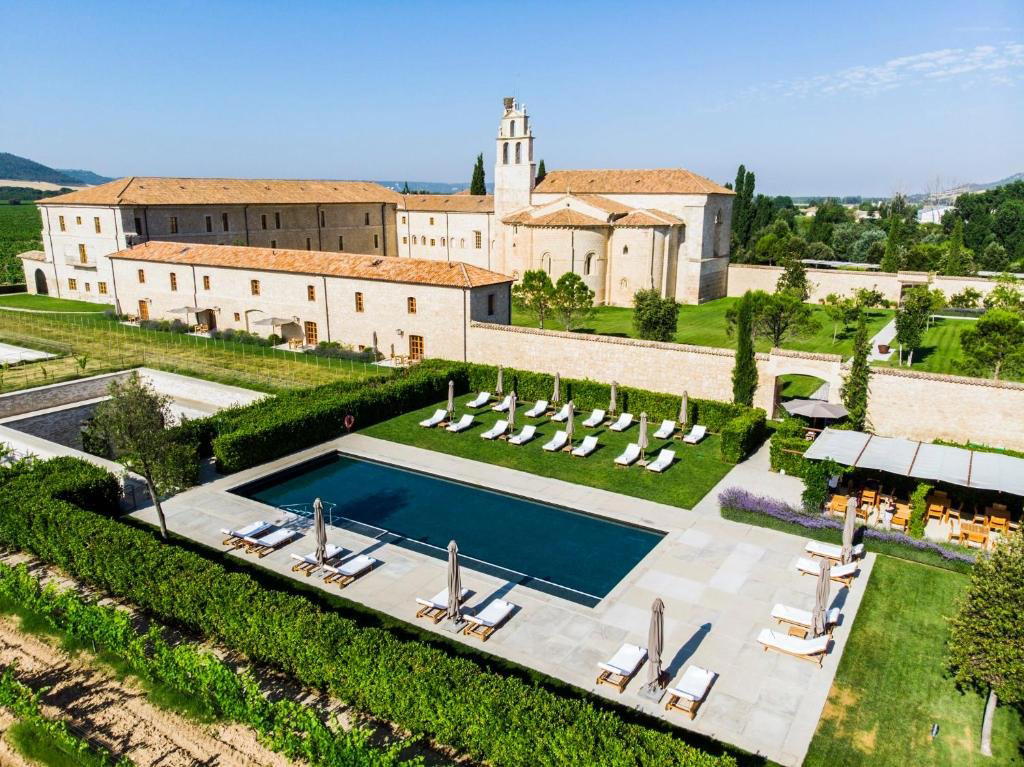
Details
- Cozy
- Romantic
- Rustic
- Elegant
- Quiet
- Date Night
- Special Occasion
- Celebration
- Business Dinner
- Group Dining
- Garden
- Terrace
- Wine Cellar
- Standalone
- Extensive Wine List
- Local Sourcing
- Garden
- A La Carte
- Wine
- Vegetarian Friendly
- Gluten Free Options
Current opening hours
- Monday
- Closed
- Tuesday
- 1:30–6 PM, 8:30 PM–1 AM
- Wednesday
- 1:30–6 PM, 8:30 PM–1 AM
- Thursday
- 1:30–6 PM, 8:30 PM–1 AM
- Friday
- 1:30–6 PM, 8:30 PM–1 AM
- Saturday
- 1:30–6 PM, 8:30 PM–1 AM
- Sunday
- 1:30–6 PM
Hours can change for holidays and private events. Hours as of .
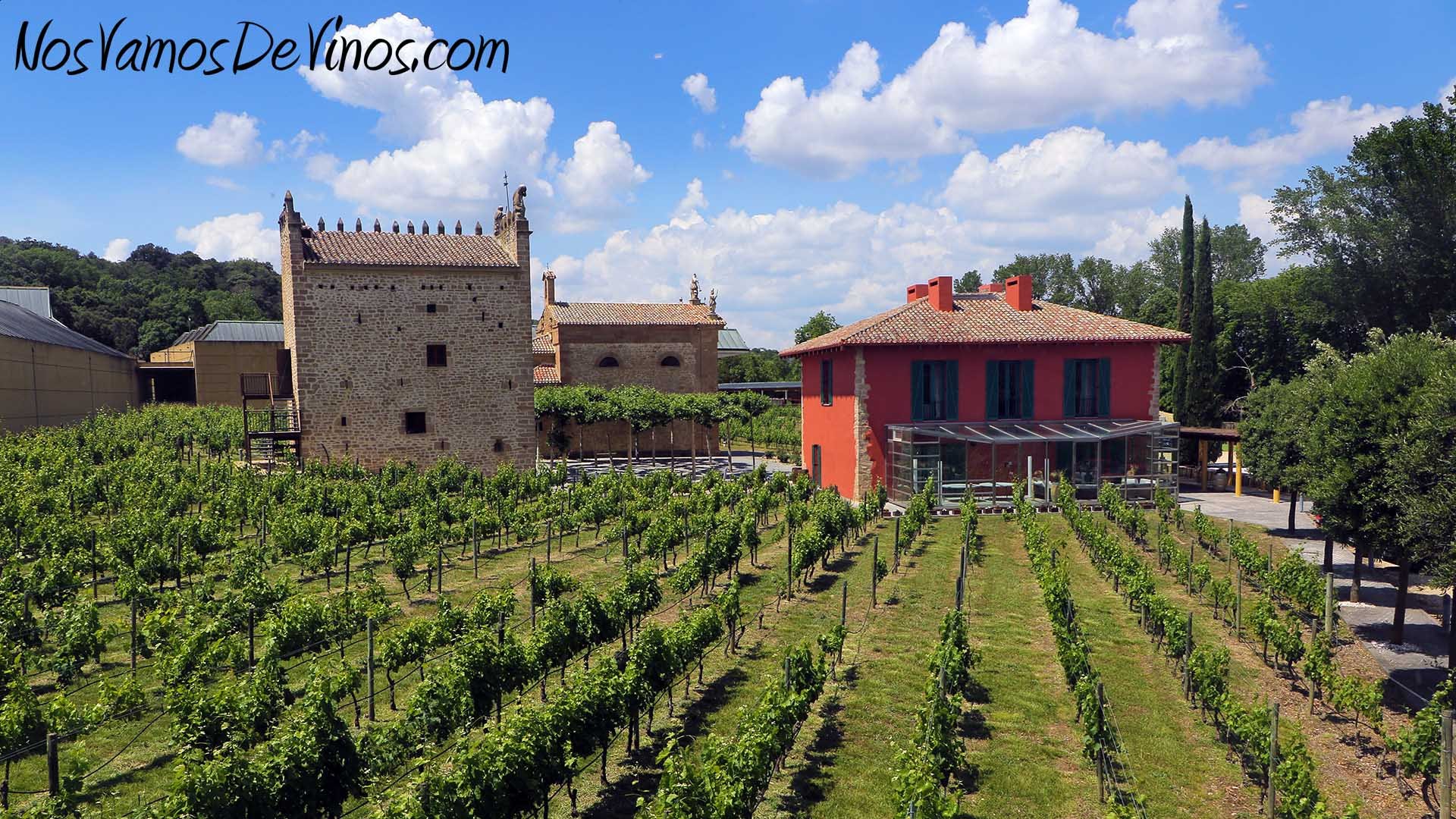
Warm, cozy, and romantic, with open fireplaces, candlelit dining rooms, and a landscaped garden terrace that feels like a rustic Menorcan farmhouse retreat away from central Valladolid.