
Bodega Reina de Castilla belongs to the cooperative side of Rueda: rural, grower-led, and focused on Verdejo-driven white wines from La Seca. Its appeal is the connection between high-plateau vineyards, old-vine fruit, and a practical tasting format built around wine education rather than polished design.
Pearl is the En Primeur Club membership app — saves, bookings, and concierge access live there. Same editors, same standards.
- Address
- La Seca, Rueda, Castilla y León, Spanien
- Directions
- Get directions
 Saves & bookings on Pearl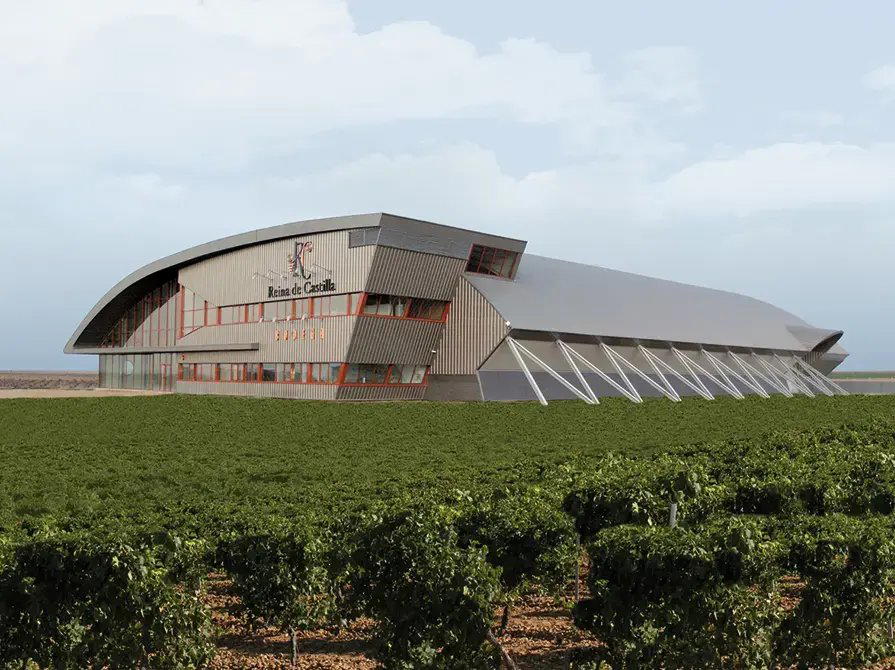
Bodega Reina de Castilla is a traditional cooperative winery in La Seca, rooted in generations of local vinegrowers. Its focus is on Rueda white wines, with an emphasis on freshness, mineral character, and a rural sense of place rather than design-led spectacle. That framing matters, because it sets expectations in a clear and useful way: this is not presented as a winery built around showpiece architecture or a highly staged visitor experience, but around the continuity of growers, the identity of La Seca, and a direct expression of the local white-wine tradition.
For travelers, the appeal is not a luxury-estate narrative. Bodega Reina de Castilla is best understood as an authentic cooperative expression of La Seca: grounded in local growers, tied to the local wine landscape, and focused on whites that communicate a clean, fresh profile. The value of the place lies in that plainness. It gives visitors a way to think about Rueda through the lens of a working rural cooperative, where the story begins with shared local roots and with wines that are meant to feel connected to their origin rather than to a decorative concept.
La Seca's cooperative tradition in a Rueda-white cellar
Cooperatives occupy a meaningful place in wine regions where family growers have long farmed local parcels and pooled resources. Bodega Reina de Castilla fits that tradition by presenting itself through generations of La Seca vinegrowers rather than as a design-driven destination. The cooperative idea is central to how the winery should be read: it points to continuity, collective agricultural work, and a relationship with the surrounding wine landscape that is practical as much as cultural.
That distinction is useful for travelers. The atmosphere is authentic and rural, with the emphasis placed on the winery’s cooperative character and on the expression of Rueda whites. The picture is deliberately simple: a La Seca winery, a $$ price range, and a style centered on freshness and mineral character. In practical terms, that simplicity helps separate the winery from venues whose appeal depends on luxury cues, elaborate hospitality language, or a heavily curated estate identity.
The grounded reason to pay attention is the cooperative identity itself: the winery represents a village-rooted way of understanding Rueda rather than a hospitality concept built around polish. Its relevance comes from the way it reflects local growers and local white-wine culture. For visitors who are trying to understand La Seca as part of the wider Rueda landscape, that can be just as informative as a more formal or visually dramatic stop, because it keeps the focus on place, people, and style.
What the description says about the wines
The winery’s emphasis sits with expressive Rueda white wines rather than with a broad, restaurant-style offering. The key descriptors to keep in mind are freshness and mineral character. Those words suggest a clean, bright reading of the region, with the wines framed less as ornate or weighty and more as direct, focused, and connected to the rural setting from which they come.
A reliable way to frame the winery is therefore regional and atmospheric. Expect a traditional cooperative rooted in local growers, with a rural tone and a focus on white wines connected to La Seca’s place within Rueda. Specific vineyard figures, grape breakdowns, production methods, ratings, and service details should be confirmed directly before building a trip around them. That caution is important: the available description is strongest when it speaks about identity and style, not when it is stretched into details that are not provided.
Visitors looking for a highly designed tasting environment may find the description points in another direction. The winery is more honestly read as a working, village-rooted cooperative, suited to travelers who value authenticity, local wine culture, and the freshness and mineral character associated with its Rueda whites. The appeal is quieter and more grounded: a chance to place the wines in the context of La Seca’s cooperative tradition, and to approach the cellar as part of a living rural wine environment rather than as a polished destination built primarily for spectacle.
How to place it within a La Seca wine day
Within a La Seca itinerary, the winery offers a grounded cooperative reference point: traditional, rural, and tied to generations of local vinegrowers. It can function as a useful counterpoint within a wine day because its identity is clear and uncluttered. Rather than asking travelers to focus on luxury presentation, it points them back to the growers, the village, and the fresh, mineral style associated with its Rueda whites.
For broader local planning, use current local resources and direct confirmation from the winery before relying on details such as visit format, timing, availability, or specific wines. That is especially sensible for a cooperative winery whose main public value, from the description available, is its rootedness and wine identity rather than a fully specified visitor program. Confirming the practical details keeps expectations accurate while preserving the reason to consider the stop in the first place.
Travelers building a wider Spanish or European wine map can keep the winery in view as a La Seca reference point for a traditional cooperative approach to Rueda whites. Its place on that map is not defined by grandeur, but by authenticity, rural continuity, and a concise expression of the area’s white-wine character. For those interested in how local growers and village-based cooperatives contribute to a region’s identity, that makes it a meaningful name to remember.
Recognition history
Dated appearances from independent guides and award organizations, with the underlying list record or original source where available.
Falstaff Winery - 2 Stars
Falstaff
Continue exploring
More in La Seca
Wineries in La Seca
Browse all →
Bars in La Seca
Browse all →
Restaurants in La Seca
Browse all →
At a Glance
- Rustic
- Classic
- Scenic
- Group Outing
- Wine Education
- Solo Exploration
- Vineyard Tour
- Estate Grounds
- Vineyard
- Rueda DO
- Verdejo
- Sauvignon Blanc
- Viura
- Still White
- Standard Tasting
- Guided Tour
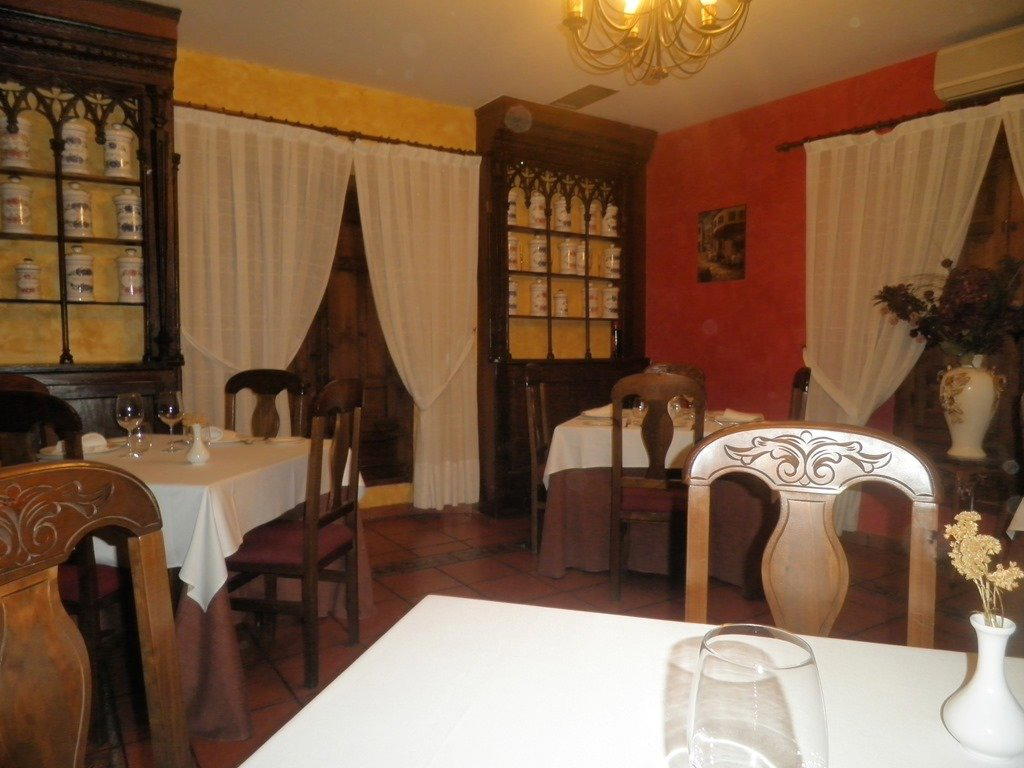
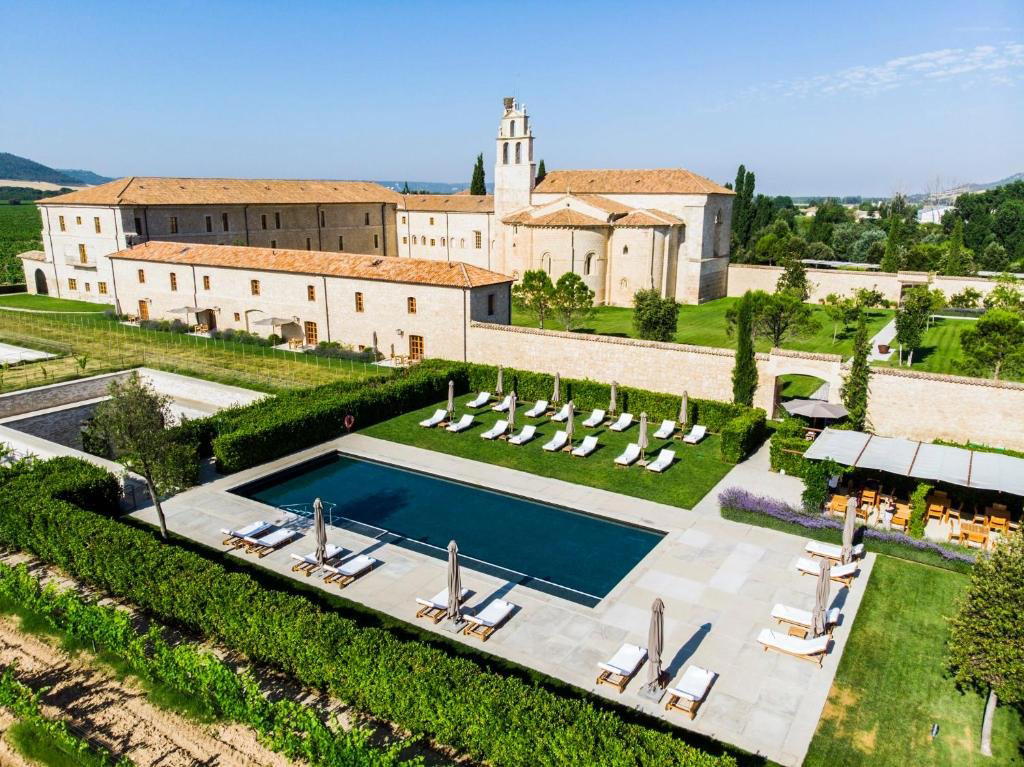
Traditional cooperative winery rooted in generations of La Seca vinegrowers, focused on expressing the freshness and mineral character of Rueda whites; atmosphere is authentic and rural rather than design-driven, with an emphasis on the history and hard work of local families.