
Macarfi 7 Food Rating
Our verdict
Situated on Plaza de Gabriel Miró in Madrid's La Latina quarter, El Landó occupies a neighbourhood where traditional Castilian cooking and modern Spanish technique have long coexisted in close proximity. The address places it within walking distance of several of the capital's creative fine-dining rooms, but the surrounding streets carry a distinctly local register that separates it from the city's more conspicuously international dining corridor.

Pearl is the En Primeur Club membership app — saves, bookings, and concierge access live there. Same editors, same standards.
- Address
- Pl. de Gabriel Miró, 8, Centro, 28005 Madrid, Spain
- Phone
- +34 913 66 76 81
- Hours
- Mon ClosedTue–Sat 1–4 PM, 8:30–11 PMSun 1–4 PM
- Website
- ellando.es
- Directions
- Get directions
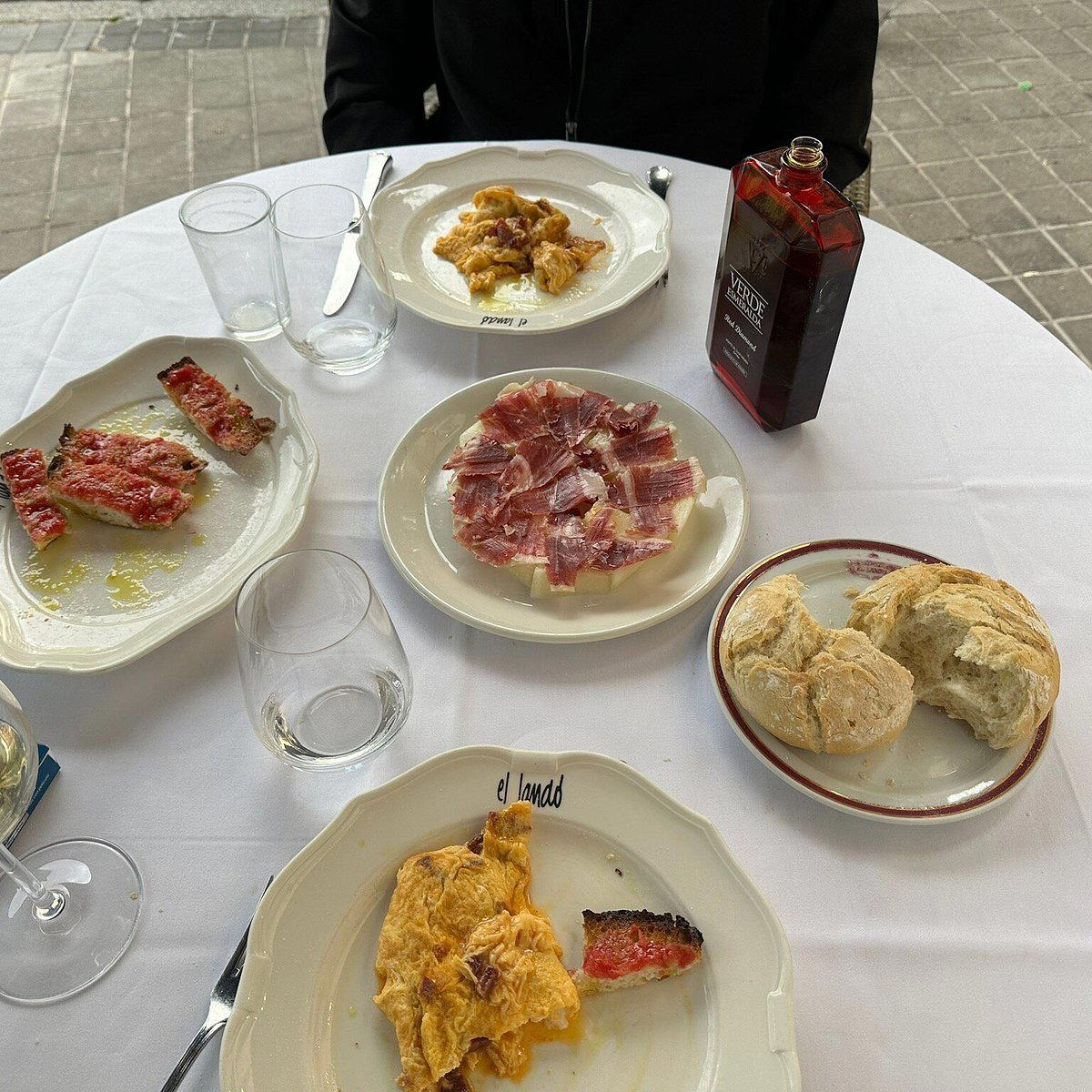
The menu
What to order
- Huevos rotos sobre patatas
- Callos a la Madrileña
- Jamón Ibérico
- Entrecot a la Plancha
Where La Latina's Street Logic Meets the Dining Room
Madrid's La Latina district does not announce itself the way Gran Vía or the Salamanca neighbourhood do. Its character is built from narrow streets, iron balconies, and a social life organised around the plaza rather than the boulevard. Plaza de Gabriel Miró, where El Landó sits at number 8, is one of those quiet anchoring points: residential in feel, shaded in warmer months, and removed from the tourist circuits that loop through Puerta del Sol and the Rastro market a few blocks east. Arriving here, the city's pace drops a register. That physical context matters when reading what a restaurant on this square is trying to do and who it is doing it for.
La Latina has historically been associated with casual eating: tabernas, traditional cocinas, and the kind of bodegas that still serve house wine in ceramic pitchers. A more considered dining room placed here reads differently than the same room placed in Chamberí or the Retiro corridor. It signals a deliberate choice to operate outside the promotional machinery of Madrid's better-trafficked fine-dining zones, and it sets a particular expectation before a guest even crosses the threshold.
Local Ingredients, Imported Logic
The broader movement in Spanish fine dining over the past two decades has been well documented: chefs trained in French classical kitchens, or later in Basque and Catalan avant-garde houses, returning with technical frameworks and applying them to Iberian raw materials. That exchange has produced some of the country's most interesting restaurant work, from El Celler de Can Roca in Girona to Aponiente in El Puerto de Santa María, where Angel León's marine ingredient obsession runs through rigorously structured kitchen discipline. In Madrid, the same logic appears across a range of price points and formats.
What makes the La Latina position interesting for a room like El Landó is that the neighbourhood's culinary DNA leans toward the Castilian canon: lamb, suckling pig, lentils, the preserved and the braised. Applying European technical method to that material is a different proposition than doing the same with Basque seafood or Valencian citrus. The ingredients are heavier, slower, and more resistant to refinement. Done well, the result is cooking that retains the weight of the tradition while gaining precision in execution. That is the tension this address implies, even before one considers the specific kitchen approach.
Across Spain, the restaurants that have most successfully managed this intersection of local product and imported technique tend to do so by keeping the hierarchy clear: the ingredient remains the subject, and the technique is in service of it, not the reverse. DSTAgE in Madrid operates on that principle at the creative end of the spectrum. Ricard Camarena in València has built an entire body of work around it. The question for any room entering that conversation is whether the sourcing is genuine and the technical application adds anything that the unmediated product could not deliver on its own.
Madrid's Creative Fine-Dining Tier in Context
The capital's premium dining map is anchored by a cluster of restaurants operating at the top of Spain's recognition system. Coque, the Sandoval family's creative Spanish operation, brings similar price positioning with a more overtly Castilian frame. Deessa and Paco Roncero occupy related territory, each with distinct stylistic signatures but comparable commitment to structured tasting formats.
El Landó's Plaza de Gabriel Miró address situates it geographically and conceptually at some distance from that cluster, which is largely concentrated in the Salamanca and Chamberí areas or in hotel dining rooms. That distance can be an advantage: rooms outside the main fine-dining corridor often sustain a more neighbourhood-inflected clientele and operate with less pressure from the city's restaurant tourism machine. The comparable pattern appears in other Spanish cities: Mugaritz in Errenteria and Azurmendi in Larrabetzu both operate outside urban centres and have developed distinct identities partly because of that separation.
Spain's Wider Creative Dining Frame
For readers whose interest in Spanish creative cooking extends beyond Madrid, the national picture rewards wider mapping. The Basque Country remains the country's most concentrated zone of serious restaurant work: Arzak in San Sebastián and Martin Berasategui in Lasarte-Oria represent the elder tier of that tradition. Catalonia contributes Cocina Hermanos Torres in Barcelona and the sustained intellectual ambition of El Celler de Can Roca. The Mediterranean coast adds Quique Dacosta in Dénia. Extremadura, often absent from the conversation, has Atrio in Cáceres, a room that combines serious wine credentials with cooking that draws on the region's specific larder. Within Madrid itself, our full Madrid restaurants guide maps the full range of options across price tiers and styles. Internationally, the technique-over-product debate plays out in different registers at rooms like Lazy Bear in San Francisco, where collaborative tasting formats push in a direction that has few Spanish equivalents.
Planning Your Visit
The table below positions El Landó against comparable Madrid creative dining rooms on the logistical variables that matter most for planning.
| Venue | Neighbourhood | Price Tier | Format Signal |
|---|---|---|---|
| El Landó | La Latina (Centro) | Not confirmed | Traditional quarter, plaza address |
| DiverXO | Las Tablas | €€€€ | Three-Michelin-star, full tasting |
| Coque | Chamberí | €€€€ | Creative Spanish, structured format |
| Deessa | Salamanca | €€€€ | Hotel dining, modern Spanish |
| Paco Roncero | Centro | €€€€ | Creative, experiential format |
Frequently Asked Questions
A Lean Comparison
| Venue | Cuisine | Price | Awards | Notes |
|---|---|---|---|---|
| El LandóThis venue — the venue you are viewing | Traditional Spanish Castilian | $30–50 | Macarfi 7 Food Rating | Not listed |
| DiverXO | Avant-Garde Spanish Tasting Menu | $300–500 | 3 Michelin Stars · World's 50 Best #4 | Progressive - Asian, Creative |
| Coque | Modern Spanish Fine Dining | $300–500 | 2 Michelin Stars · La Liste Top Restaurants | Spanish, Creative |
| Deessa | Modern Valencian Fine Dining | $150–200 | 2 Michelin Stars · La Liste Top Restaurants | Modern Spanish, Creative |
| Paco Roncero | Avant-Garde Spanish Fine Dining | $150–200 | 2 Michelin Stars · La Liste Top Restaurants | Creative |
| Smoked Room | Modern Japanese Fire Omakase | $200–300 | 2 Michelin Stars · La Liste Top Restaurants | Progressive Asador, Contemporary |
Recognition history
Dated appearances from independent guides and award organizations, with the underlying list record or original source where available.
Macarfi 7 Food Rating
Macarfi
Continue exploring
More in Madrid
Restaurants in Madrid
Browse all →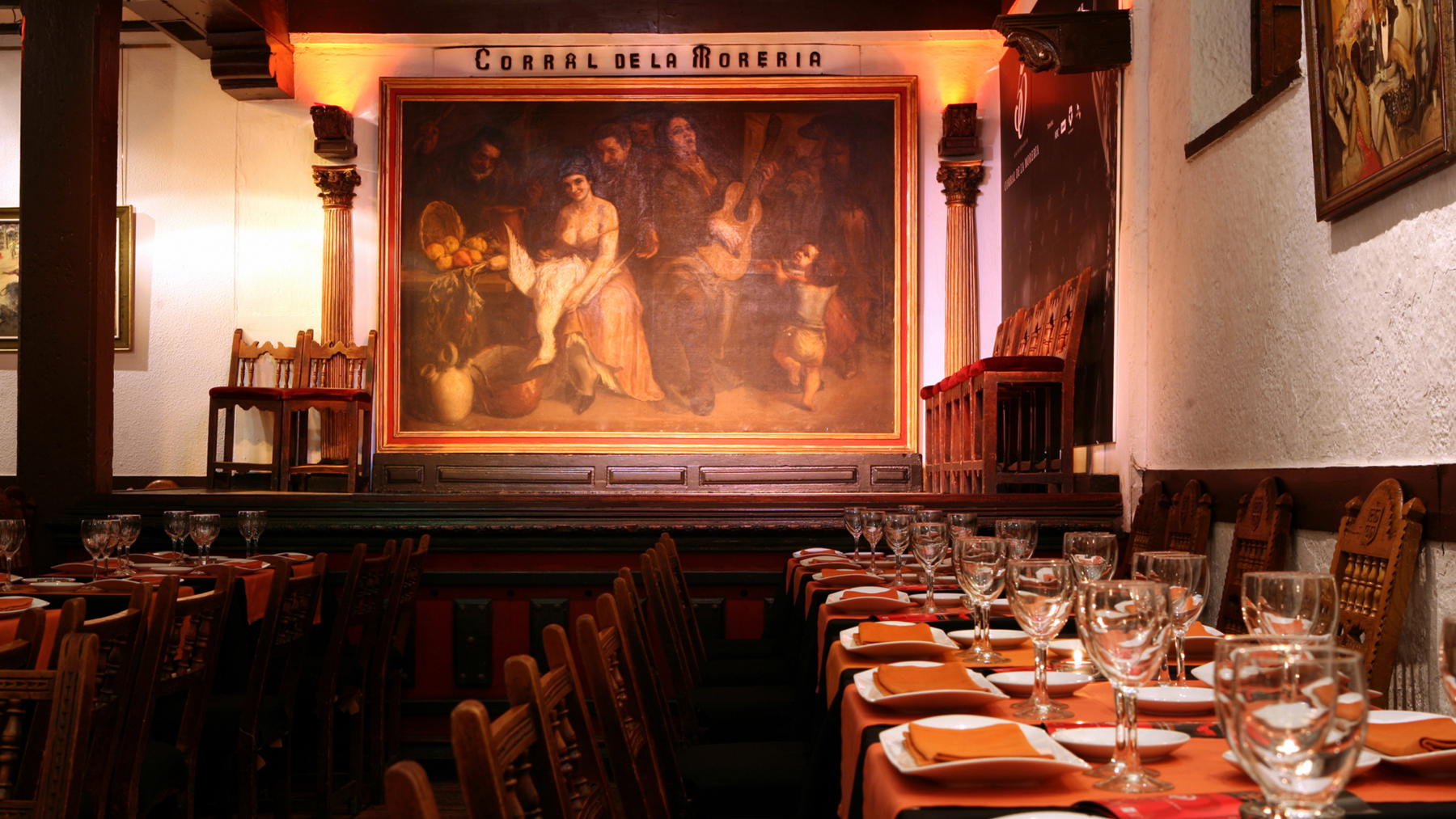
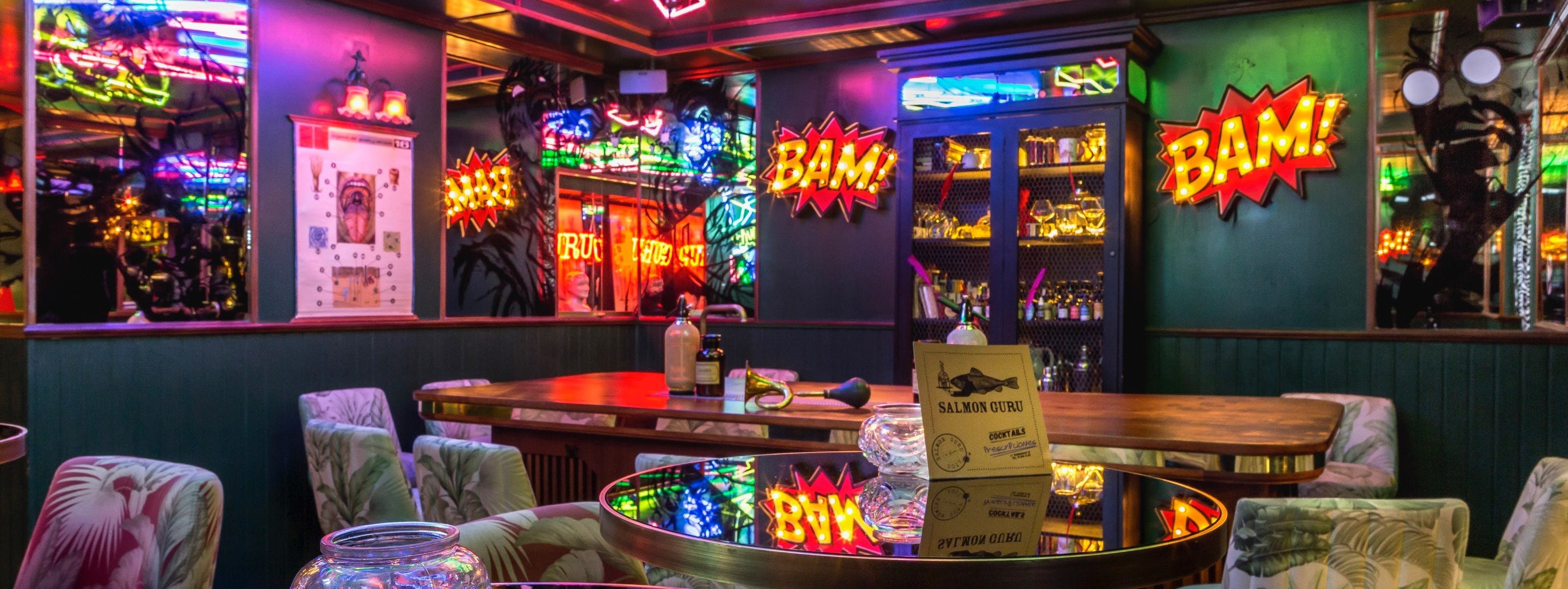
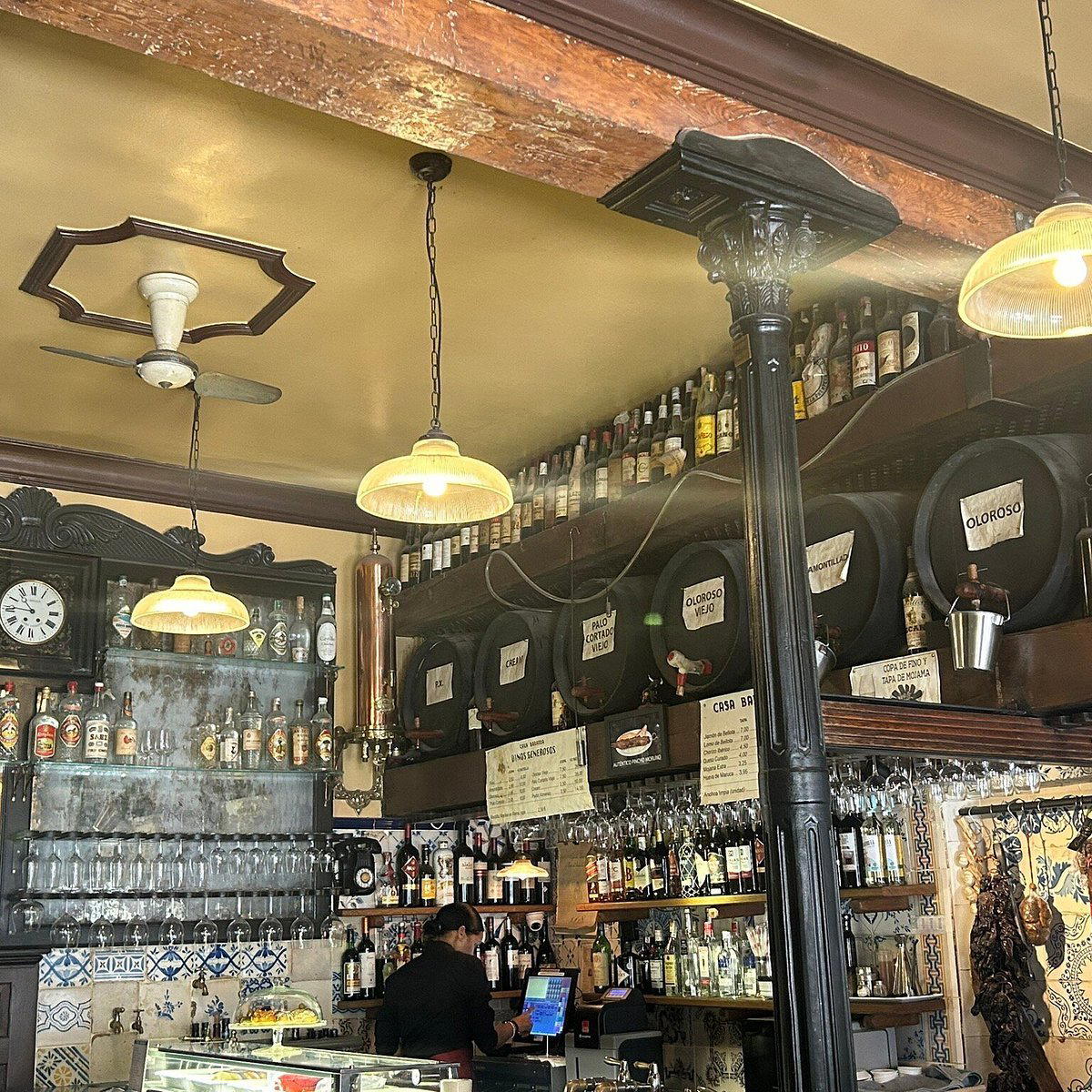
Bars in Madrid
Browse all →
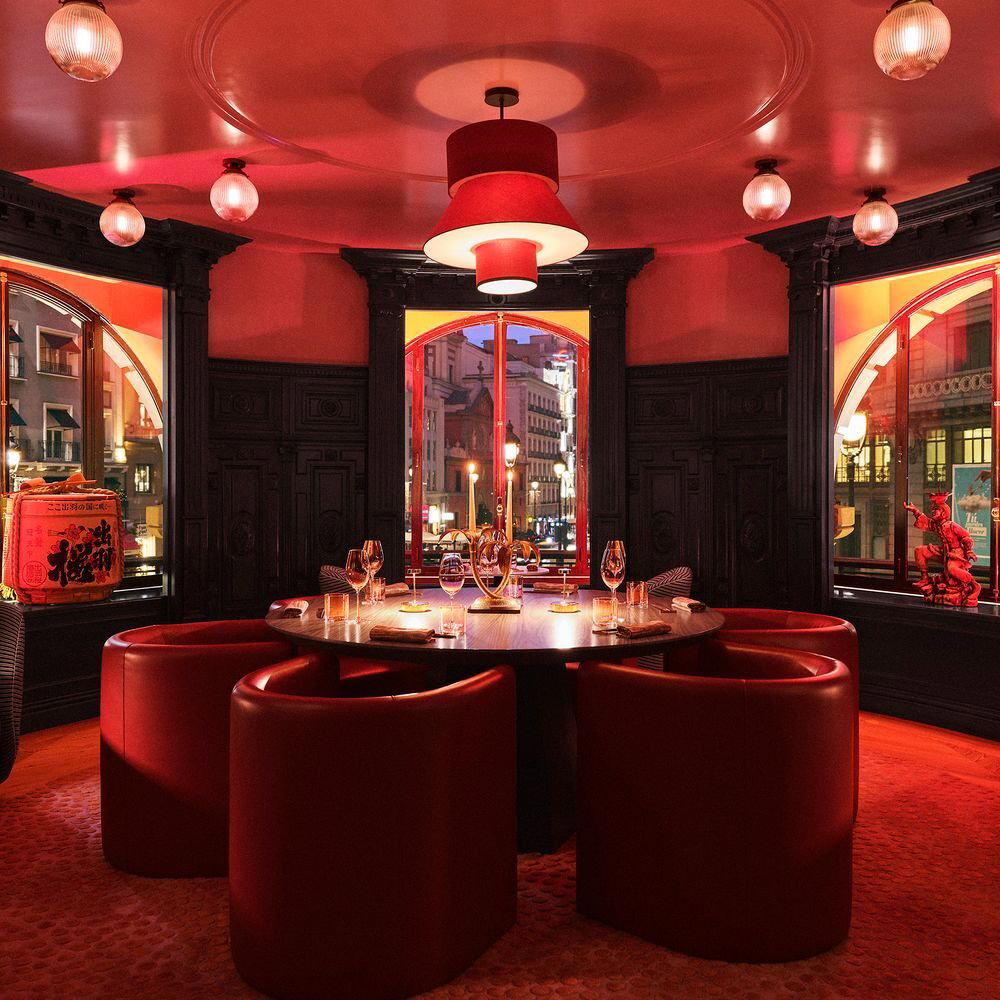
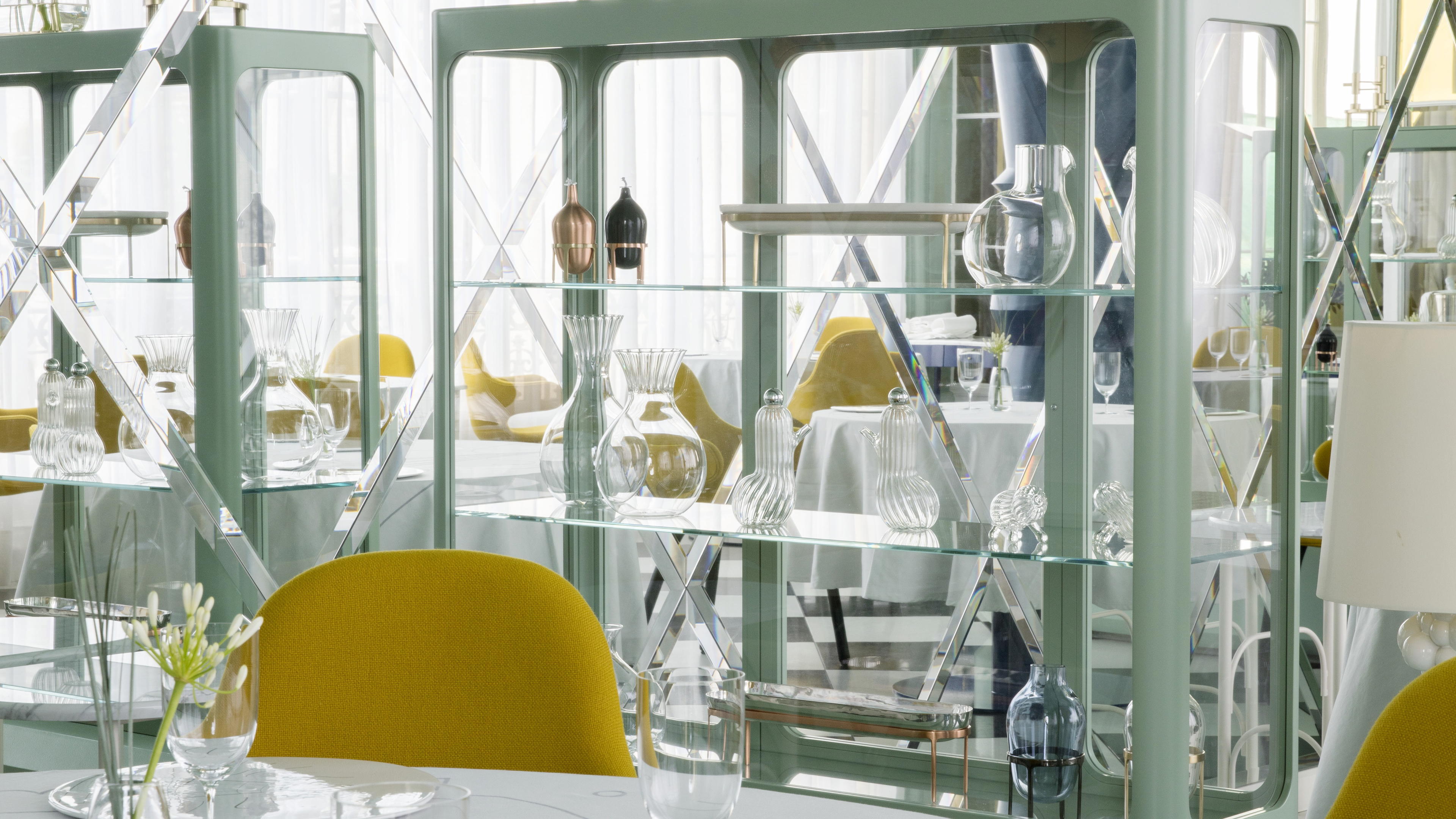
Hotels in Madrid
Browse all →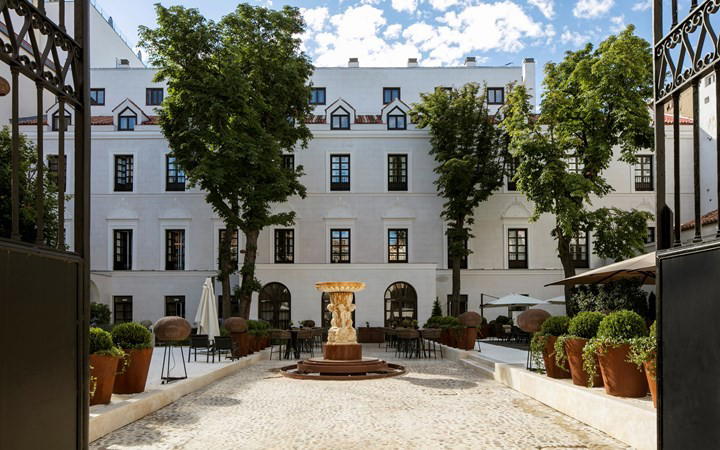
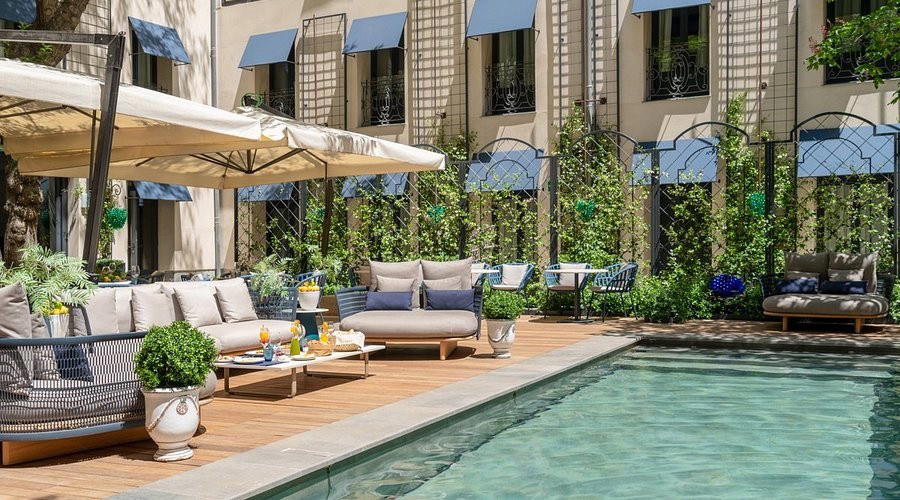

Details
- Classic
- Rustic
- Well Known
- Cozy
- Casual Hangout
- Group Dining
- Special Occasion
- Historic Building
- Standalone
- Beer Program
- Local Sourcing
- Garden
- A La Carte
- Spanish Wine
- Spanish Beer
- Vegetarian Friendly
- Gluten Free Options
Current opening hours
- Monday
- Closed
- Tuesday
- 1–4 PM, 8:30–11 PM
- Wednesday
- 1–4 PM, 8:30–11 PM
- Thursday
- 1–4 PM, 8:30–11 PM
- Friday
- 1–4 PM, 8:30–11 PM
- Saturday
- 1–4 PM, 8:30–11 PM
- Sunday
- 1–4 PM
Hours can change for holidays and private events. Last verified .
Rustic Castilian tavern with wooden ceilings and traditional décor; warm, timeless atmosphere that evokes old Madrid dining culture.