Our verdict
The taberna format places it within a Spanish tradition that prizes produce over performance, and the address on Paseo de la Puerta del Ángel positions it at the western edge of the city where the dining room tends to reflect the rhythms of the barrio rather than the pressures of the centro.

Pearl is the En Primeur Club membership app, where members save venues, book tables and use the concierge.

The menu
What to order
- Fabada Asturiana con su Compango
- Callos de Tineo
- Homemade Scorpionfish Pâté
- Steak for Two with Charcoal Grill
The taberna format itself carries editorial weight in Madrid. In a city where the Michelin-starred circuit runs from DiverXO through to Coque, Deessa, and DSTAgE, the taberna sits in a separate but legitimate tier, one where the measure of quality is ingredient fidelity rather than technical invention. This sourcing-first approach is a structural commitment, not a talking point. It means that what ends up on a given table is tied directly to seasonal availability, the fish landed that morning, the game brought in from the surrounding countryside, the vegetables dictated by the agricultural calendar rather than the kitchen's convenience.
The address on Paseo de la Puerta del Ángel, at the western edge of Madrid, is relevant here. The name El Urogallo, the capercaillie, a large woodland bird native to Iberian mountain forests, carries its own sourcing implication. It gestures toward the game and woodland traditions of the Spanish interior, the kind of produce that defines autumn and winter menus in the tabernas that take their seasonal identity seriously.
This sourcing orientation places Taberna El Urogallo in a broader Spanish tradition shared by some of the country's most respected addresses. At Aponiente in El Puerto de Santa María, the entire project is built around what the sea provides. At Azurmendi in Larrabetzu, the garden and the Basque terroir set the menu's terms. The taberna format operates at a different register, without the same fine-dining scaffolding, but the underlying logic, that the ingredient precedes the technique, is consistent across both ends of the Spanish dining spectrum.
Madrid's Neighbourhood Dining Against the Fine-Dining Tier
The contrast with Madrid's formal restaurant tier is instructive. Paco Roncero operates at the technically demanding end of the city's creative dining, and the broader Spanish fine-dining circuit includes addresses like Arzak in San Sebastián, Martin Berasategui in Lasarte-Oria, Mugaritz in Errenteria, Quique Dacosta in Dénia, El Celler de Can Roca in Girona, Ricard Camarena in València, Cocina Hermanos Torres in Barcelona, and Atrio in Cáceres.
The taberna does something different. It is where Spanish cooking's relationship with the product is most legible, stripped of multi-course architecture and served in a format that lets the sourcing carry the meal. For visitors who have already worked through the starred circuit, or who are simply less interested in the theatre of tasting menus, the taberna tier in a city like Madrid offers a more direct line to what Spanish produce actually tastes like when it is treated with respect rather than transformed beyond recognition.
This is not a lower standard, just a different one. The comparison set for a place like Taberna El Urogallo is not Le Bernardin in New York City or Atomix in New York City; it is the body of serious, unfussy Spanish tabernas that have built their reputations on the strength of what they buy rather than what they construct. That is a coherent and demanding standard. The neighbourhood sits to the west of the city centre, accessible by metro and bus. As with most tabernas operating on a market-availability model, it is worth arriving with flexibility about what you order, since the strongest items on any given day will reflect what the kitchen received that morning. For the full Madrid dining picture, the EP Club Madrid restaurants guide covers the city from the starred tier down to the neighbourhood level.
Specific hours, booking method, and pricing have not been confirmed through verified sources for this listing. No confirmed digital booking channel at time of publication.
Frequently asked questions
at Taberna El Urogallo?
How far ahead should I plan for Taberna El Urogallo?
What's the signature at Taberna El Urogallo?
Is Taberna El Urogallo good for vegetarians?
Is a meal at Taberna El Urogallo worth the investment?
What does the name El Urogallo tell you about the restaurant's identity?
Reputation Context
Comparable venues nearby, for context on price, style, and recognition.
| Venue | Cuisine | Price | Awards | Notes |
|---|---|---|---|---|
| Taberna El UrogalloThis venue (the venue you are viewing) | Traditional Asturian Spanish Tapas | $20–30 | Not listed | Not listed |
| Casa Alberto | Traditional Madrilenian | $20–30 | Macarfi 7.2 Food Rating | Barrio de las Letras |
| Restaurante Adrede | Traditional Spanish Tapas | $30–50 | Not listed | Jeronimos |
| Il Tavolo Verde | Organic Spanish Cafe | Not listed | Not listed | Recoletos |
| Zoko Retiro | Spanish Fusion with Almadraba Tuna | $30–50 | Not listed | Ibiza |
| perretxiCo Narváez | Basque Pintxos and Traditional Spanish | $20–30 | Not listed | Ibiza |
Continue exploring
More in Madrid
Restaurants in Madrid
All restaurants in Madrid →
Bars in Madrid
All bars in Madrid →


Details
- Rustic
- Cozy
- Classic
- Relaxed
- Group Dining
- Casual Hangout
- Terrace
- Waterfront
- Open Kitchen
- Beer Program
- Craft Cocktails
- Local Sourcing
- Waterfront
- A La Carte
- Small Plates
- Wine
- Beer
- Cocktails
- Vegetarian Friendly
- Gluten Free Options
Current opening hours
- Monday
- 12–6 PM
- Tuesday
- 12–6 PM
- Wednesday
- 12–6 PM
- Thursday
- 12–6 PM
- Friday
- 12 PM–12 AM
- Saturday
- 12 PM–12 AM
- Sunday
- 12–8 PM
Hours can change for holidays and private events. Hours as of .
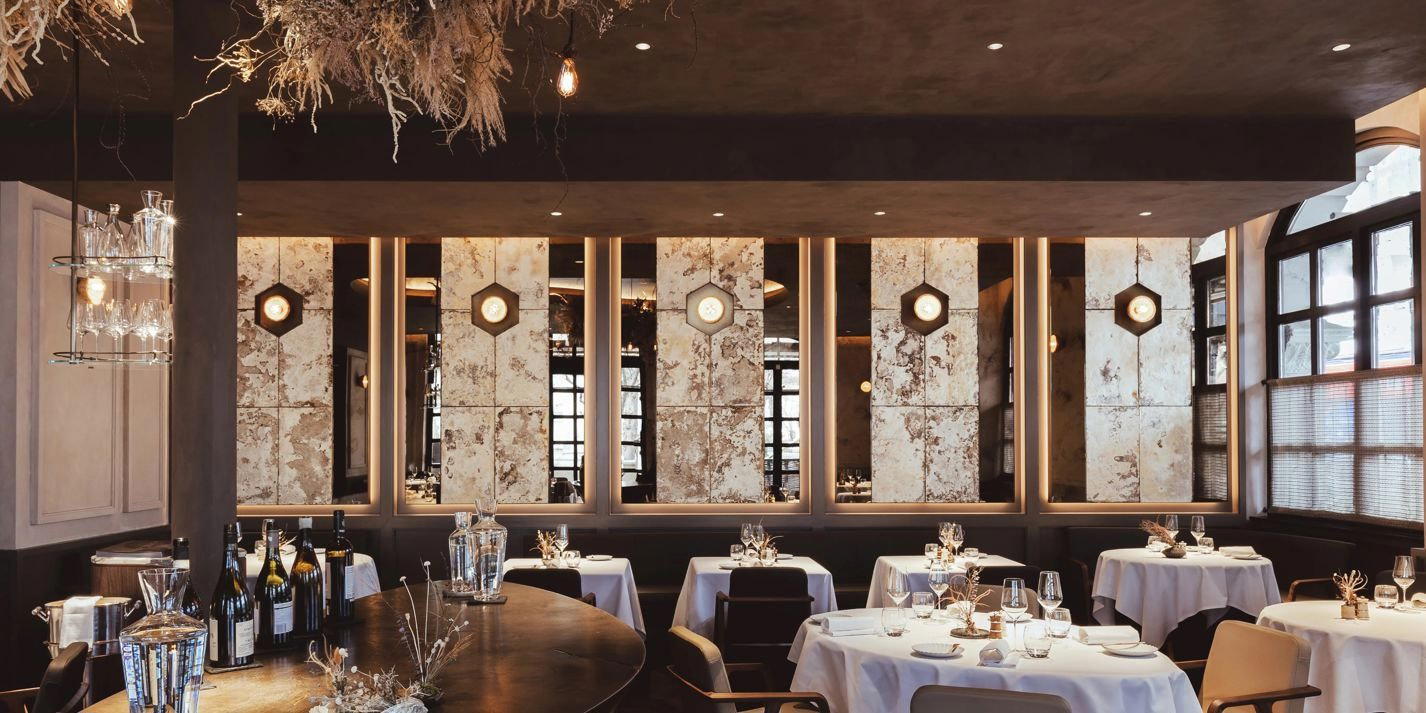
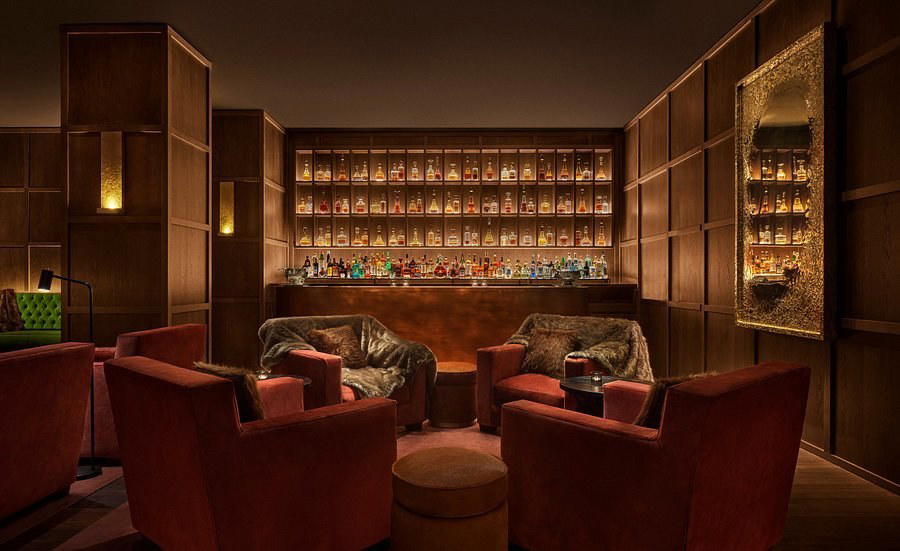
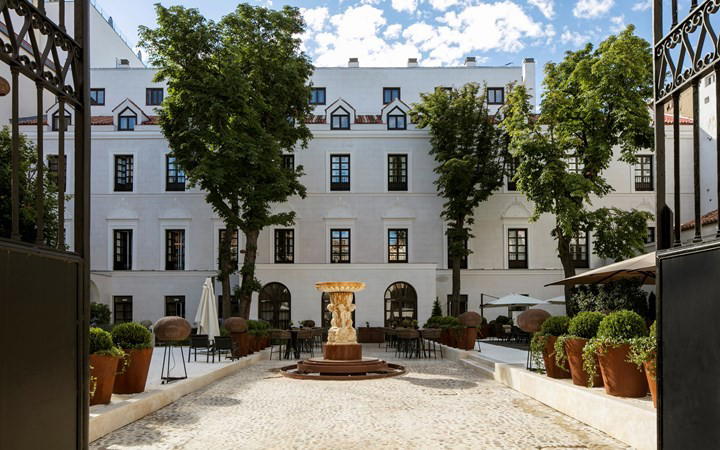
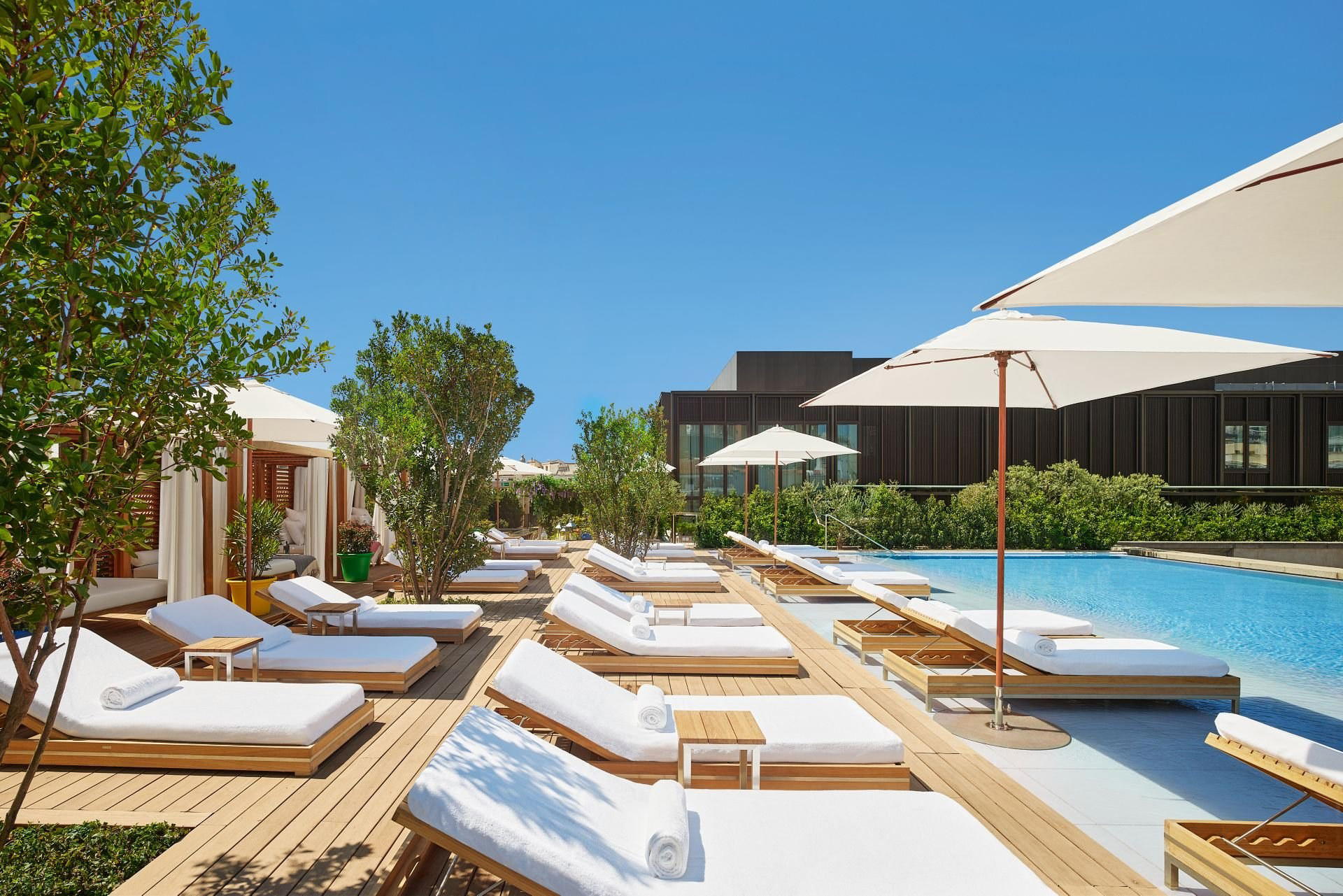
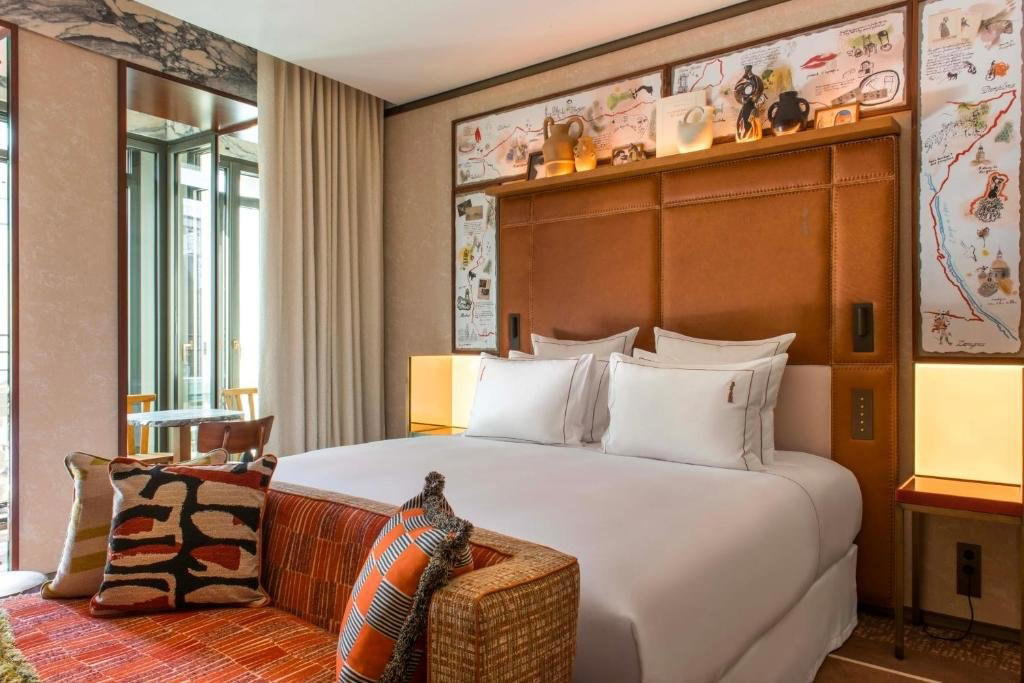
Warmly decorated interior with a relaxed yet sophisticated atmosphere; features both an acclimatised dining room and a spectacular outdoor terrace overlooking the lake.