

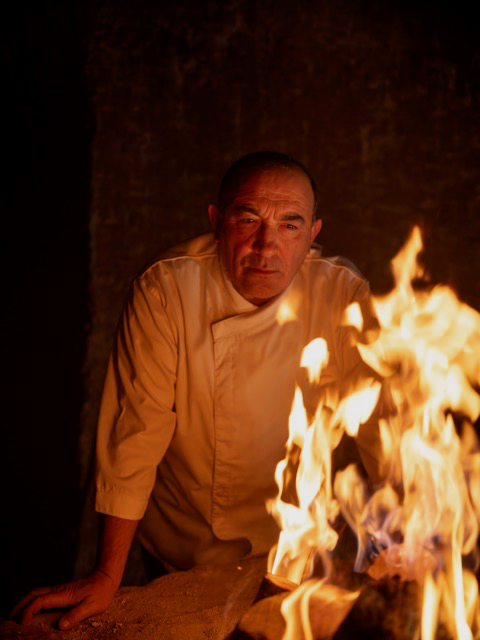
A Michelin-starred address on the rural edge of Benavente, El Ermitaño operates from a country house beside a hermitage dating to 1775, where the Pérez brothers cook deep into the agricultural traditions of Castile and León. The menu moves between à la carte signatures and a twelve-course seasonal tasting menu built around the region's produce, with lamb sweetbreads and cured meat canutillos among its most discussed plates. Google reviewers rate it 4.6 across more than 3,000 entries.
Pearl is the En Primeur Club membership app — saves, bookings, and concierge access live there. Same editors, same standards.
- Address
- Arrabal Huerta de los Salados, 49600 Benavente, Zamora, Spain
- Phone
- +34 980 63 22 13
- Website
- elermitano.com
 Saves & bookings on Pearl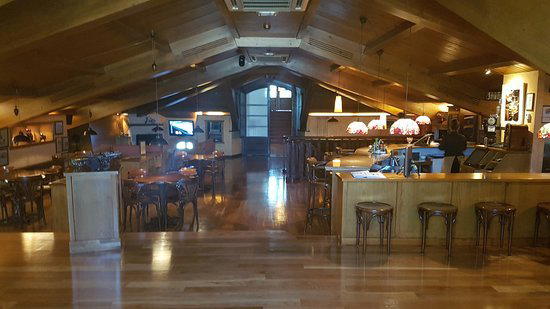
The road that leads to El Ermitaño is itself a form of editorial statement. A minor track flanked by vegetable gardens and cornfields, it deposits you at an aristocratic country house whose adjoining hermitage was built in 1775. Before a dish arrives, the setting has already communicated something about what Castile and León's finest cooking looks like when it refuses to migrate to a city: rooted, agricultural, and indifferent to metropolitan approval. This is the register in which El Ermitaño operates, and it holds a Michelin star for doing so with consistency.
Sourcing as Structure: Cooking What the Land Provides
Across Spain's broader fine-dining scene, the conversation about ingredient provenance tends to cluster around coastal produce, the Cantabrian Sea, Galician estuaries, the fishing ports that supply restaurants like Aponiente in El Puerto de Santa María or Ricard Camarena in València. Interior Castile occupies a quieter position in that conversation, which makes El Ermitaño's sourcing posture more pointed. The restaurant's relationship with its surrounding land is architectural, not decorative: the vegetable gardens visible from the approach road are not scenery but supply. Seasonal produce shifts the twelve-course tasting menu with each turn of the year, a format that only works if the supply chain is genuinely short.
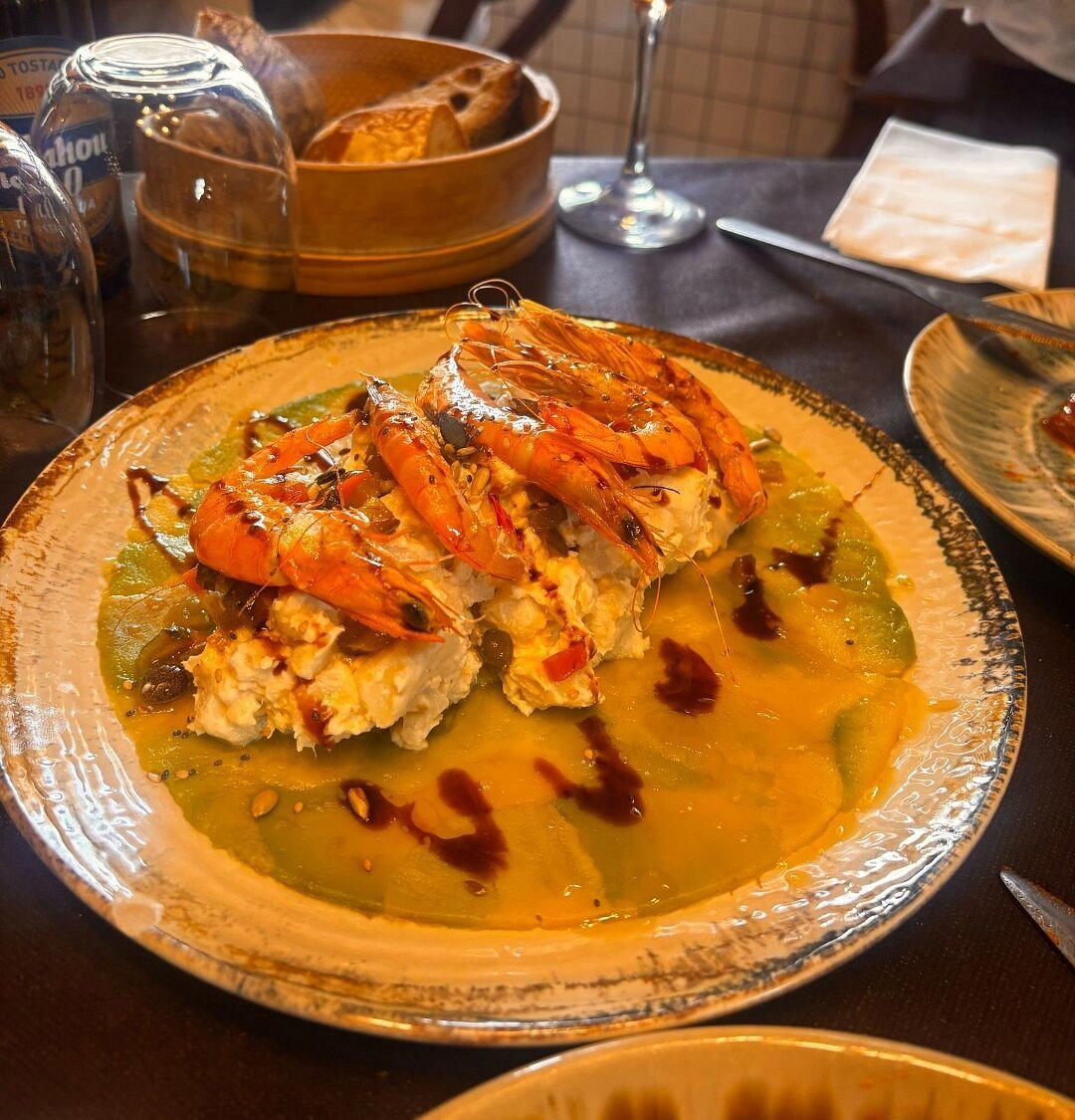
Baby lamb is the centrepiece ingredient in the longer menu, which reflects the livestock traditions of the Zamoran meseta rather than any trend-driven choice. Lamb in this region is not a chef's affectation; it is a centuries-old agricultural output of the plateau's grazing land. The glazed sweetbreads with potatoes, mangetout, radish, and vinegar that Michelin inspectors specifically noted represent that tradition handled with technical discipline: offal that requires timing precision, sweetness balanced against acid, richness cut by crunch. The dish teaches you something about Castilian cooking's capacity for restraint within abundance.
The cured meat canutillos with duck liver and quince operate in similar territory. Charcuterie from Castile and León is among Spain's most serious, and presenting it in a rolled pastry format with liver and fruit places it inside a long regional tradition of combining pork products with sweet counterweights. These are not dishes invented to impress; they are dishes that have absorbed a place and a pantry over time.
The Format: Three Paths Into the Same Kitchen
Spain's starred restaurants have increasingly moved toward mandatory tasting menus, a format that dominates at the three-star level, from El Celler de Can Roca in Girona to Mugaritz in Errenteria and Azurmendi in Larrabetzu. El Ermitaño does something structurally different: it offers three distinct entry points into the kitchen's output. The à la carte preserves signature dishes across seasons, giving regulars a stable reference point. A shorter tasting menu lets guests assemble four courses from the à la carte themselves, which is a relatively rare format that places selection authority back with the diner. The twelve-course tasting menu, built around baby lamb and seasonal produce, requires advance booking and represents the kitchen at full sequence.
This three-tier structure reflects a restaurant that serves both a local constituency and a destination audience. A family from Benavente returning for the third time can order what they know. A visitor arriving from Madrid or further afield can commit to the full progression. The architecture accommodates both without compromising either.
Placing El Ermitaño in Spain's Starred Interior
Spain's Michelin map is disproportionately coastal and urban. The Basque Country, Catalonia, and Madrid account for the largest concentrations of starred kitchens, with houses like Arzak in San Sebastián, Martin Berasategui in Lasarte-Oria, Cocina Hermanos Torres in Barcelona, and DiverXO in Madrid carrying much of the international attention. Quique Dacosta in Dénia extends that coastal concentration further south. The interior of the peninsula, by contrast, hosts a smaller and less-discussed set of starred addresses. Atrio in Cáceres and Auga in Gijón point to the same pattern of serious cooking operating outside the metropolitan radar.
El Ermitaño sits inside that interior tier. Benavente is not a destination city; it is a market town on the confluence of the Esla and Órbigo rivers, positioned at a road junction that has made it historically significant but never gastronomically prominent. The restaurant's Google rating of 4.6 across more than 3,000 reviews indicates a sustained local audience far beyond the destination-dining crowd, which is unusual for a Michelin-starred address and says something about the restaurant's integration into the fabric of its community.
The comparison set that matters most here is restaurants that have used traditional-cuisine frameworks to earn recognition: Auberge Grand'Maison in Mûr-de-Bretagne operates in comparable territory across the border in Brittany, where classical technique and rural sourcing carry a starred kitchen without recourse to avant-garde positioning. The through-line is the same: a kitchen that finds its authority in deep knowledge of a specific place and its produce rather than in formal innovation.
The Setting and the Service Window
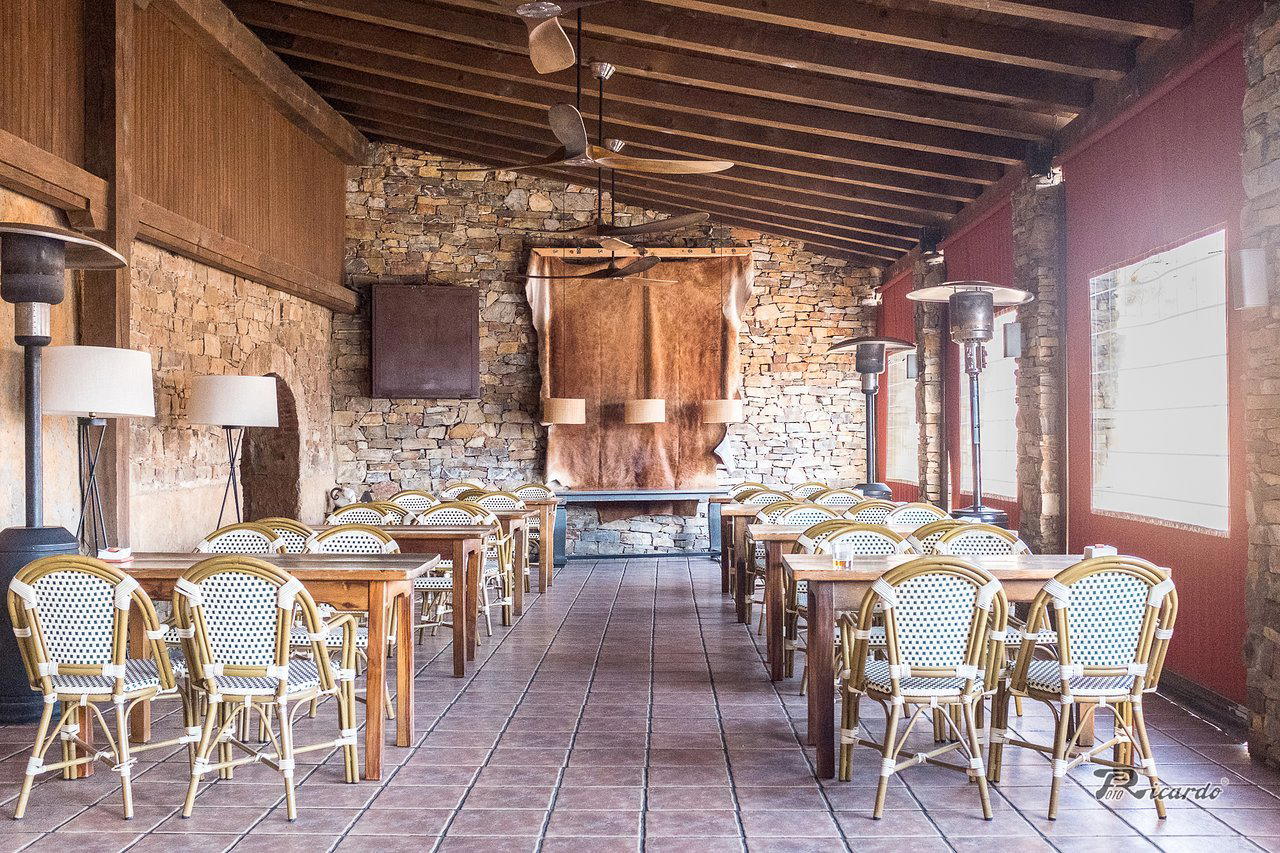
The country-house format shapes the rhythm of a meal here in ways that a city restaurant cannot replicate. An aristocratic house with an 1775 hermitage on its grounds is a physical argument about continuity: the building, the surrounding agriculture, and the cooking all belong to the same long timeline. In Spain's fine-dining circuit, that kind of embedded setting is more common in the north and northwest, where rural properties have provided the physical infrastructure for serious restaurants. In Zamora, it is rarer, which makes El Ermitaño's location less a quirk and more a statement about where the cooking's authority originates.
Service hours narrow meaningfully through the week. Monday is closed. Tuesday through Thursday and Sunday, service runs from 12:30 in the afternoon until 6 in the evening, meaning lunch is the primary frame for those days. Friday and Saturday extend to 11:30 at night, opening a dinner window for those who can plan around the schedule.
How to Plan a Visit
El Ermitaño sits at Arrabal Huerta de los Salados in Benavente, Zamora, reached by the minor road described above rather than from the town centre directly. The €€€ pricing places it in a tier that acknowledges the Michelin star without matching the €€€€ tariffs of Spain's three-star addresses, making it one of the more accessible starred tables in the country relative to its recognition level. Booking ahead is strongly advised for any visit, and the twelve-course tasting menu requires prior arrangement.
Comparable Spots, Quickly
Comparable venues nearby, for context on price, style, and recognition.
| Venue | Cuisine | Price | Awards | Notes |
|---|---|---|---|---|
| El Ermitaño | Modern Traditional Castilian | $$$ | Michelin 1 Star | Arrabal de la Huerta de los Salados |
| Alquimia - Laboratorio | Creative Modern Spanish Molecular | $$$$ | Michelin 1 Star | Historic Center |
| Trigo | Contemporary Spanish Fine Dining | $$$ | Michelin 1 Star | centro |
| Cocinandos | Modern Leonese Fine Dining | $$$ | Michelin 1 Star | San Marcos |
| En la Parra | Modern Spanish Tasting Menu | $$$$ | Michelin 1 Star | Centro Historico |
| Refectorio | Contemporary Spanish Fine Dining | $$$$ | Michelin 1 Star | Sardón de Duero |
Continue exploring
More in Benavente
At a Glance
- Elegant
- Rustic
- Cozy
- Sophisticated
- Historic
- Date Night
- Family
- Celebration
- Special Occasion
- Historic Building
- Private Dining
- Extensive Wine List
- Local Sourcing
- Garden
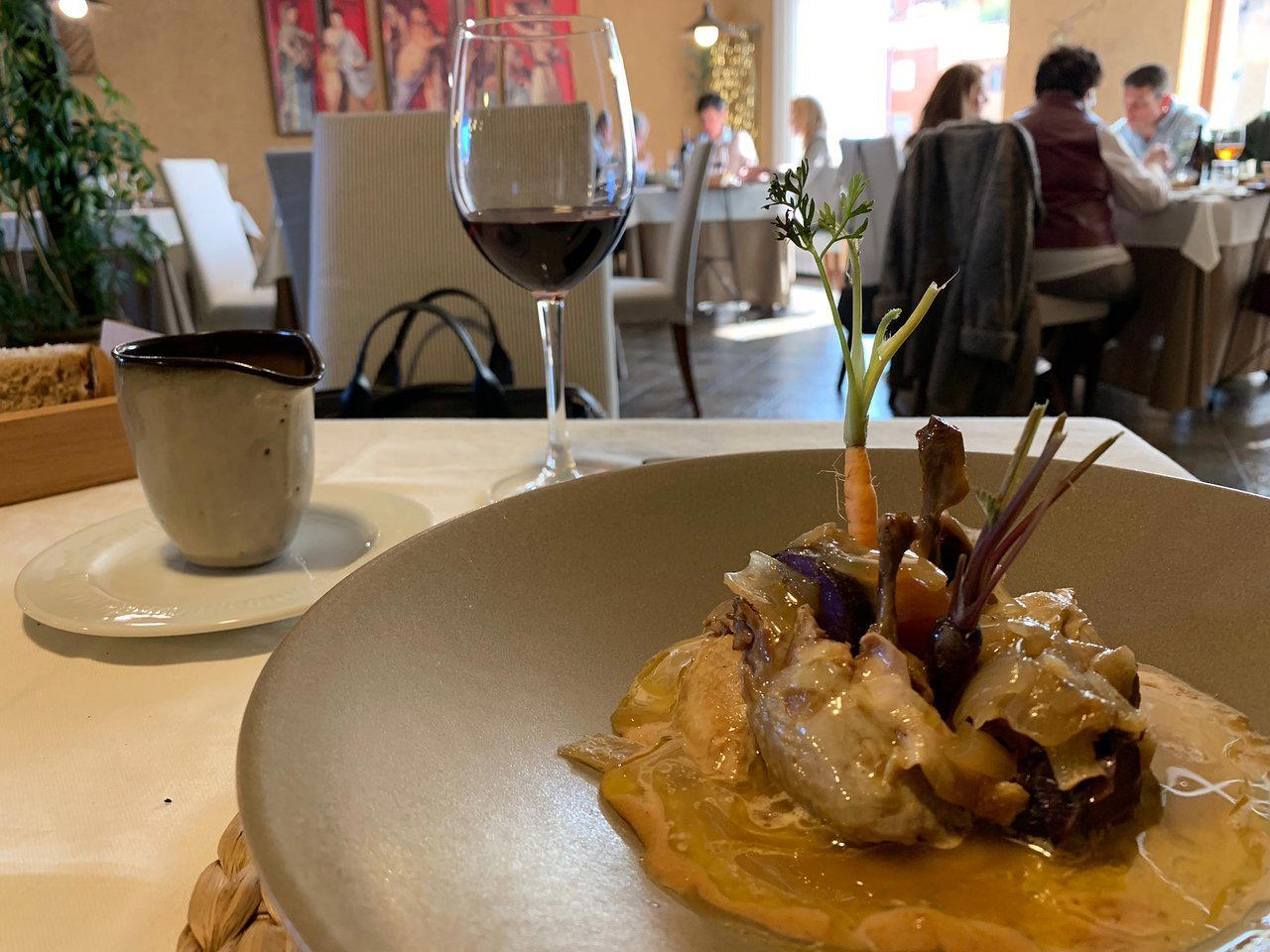
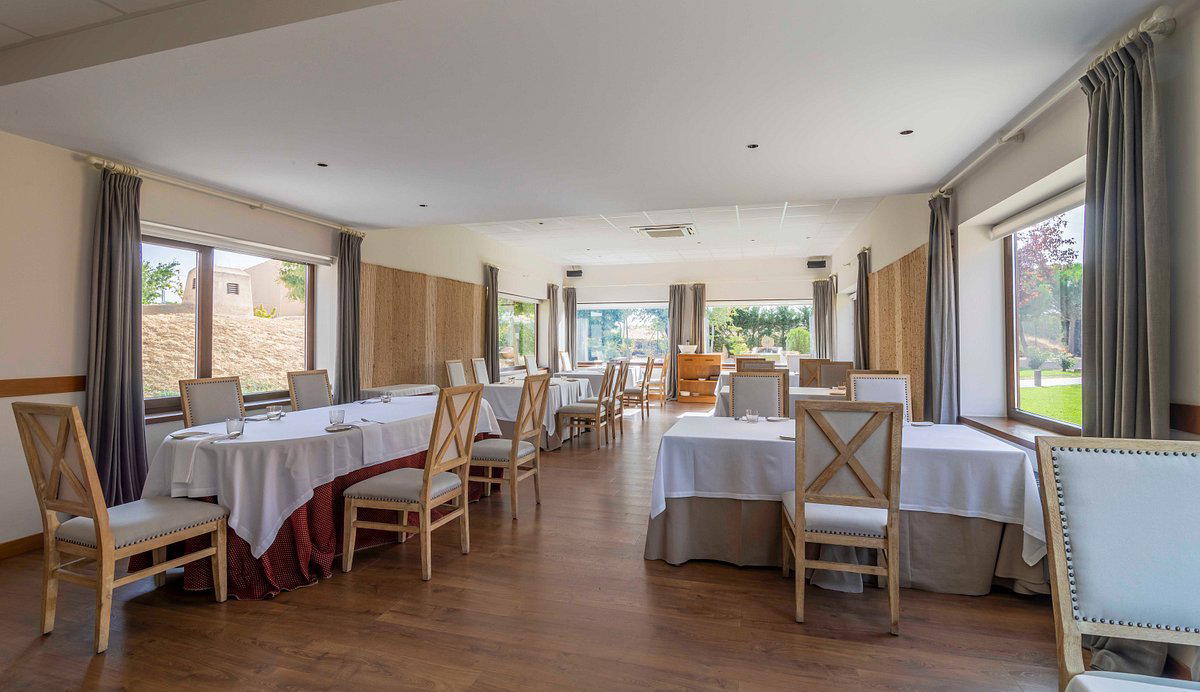
Acogedor y sofisticado with warm lighting, historic decor blending Castilian tradition and contemporary touches, creating a welcoming yet elegant atmosphere.