

A 14th-century former monastery set along the River Tormes, roughly 10 kilometres from Salamanca, Hacienda Zorita operates as a wine resort where the agricultural history of the estate remains legible in the architecture. The property combines a gourmet restaurant, a vinotherapy spa, and working vineyards, placing it in the niche of Spain's heritage wine hotels rather than its urban luxury tier.
Pearl is the En Primeur Club membership app — saves, bookings, and concierge access live there. Same editors, same standards.
- Address
- SA-300, km 10, 37115 Valverdón, Salamanca
- Phone
- +34 923 12 94 00
- Website
- haciendazorita.com
- Directions
- Get directions
 Saves & bookings on Pearl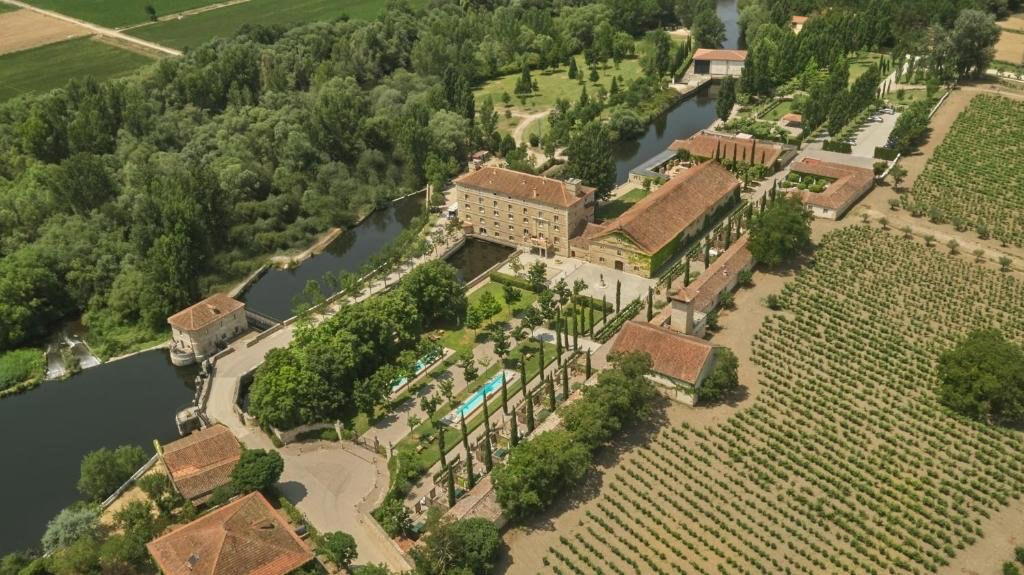
Stone, Vines, and Seven Centuries of Castilian Agriculture
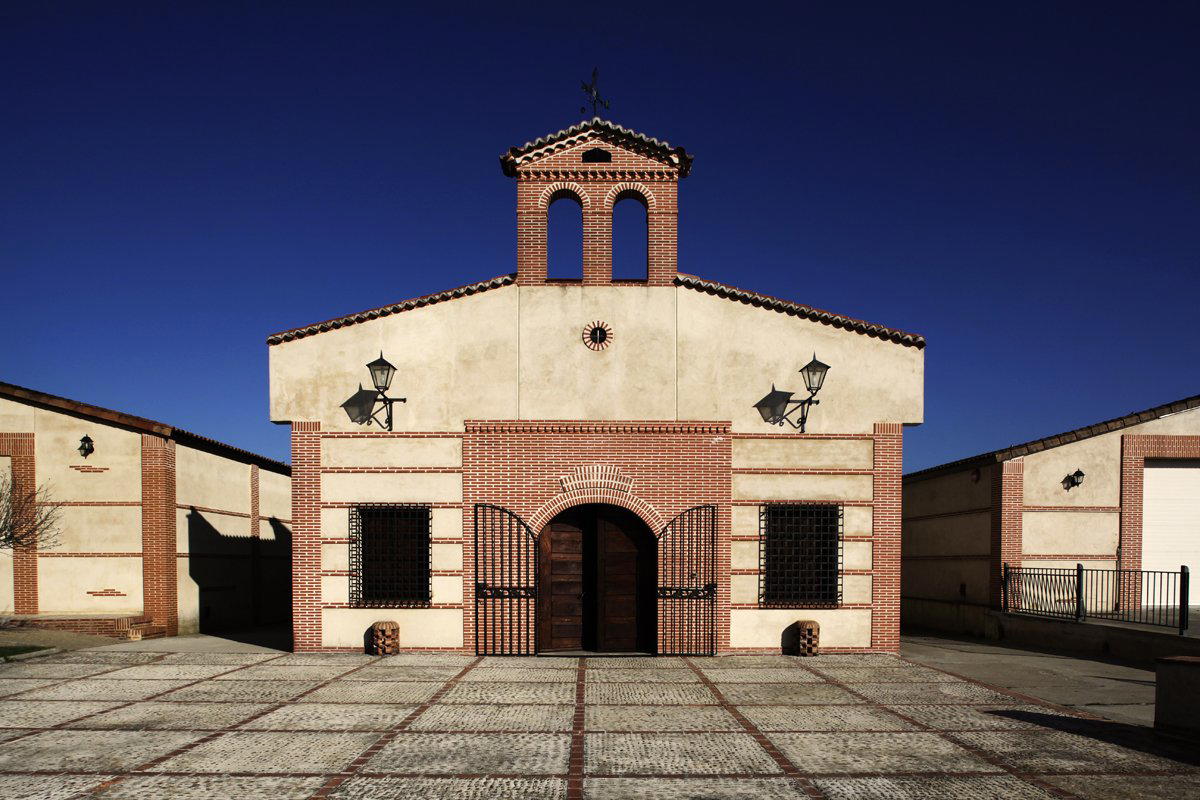
Approaching Hacienda Zorita along the SA-300, the River Tormes visible through the poplars to the south, the building resolves slowly: thick sandstone walls, a tower, the outline of what was once a monastery complex dating to the 14th century. The estate's agricultural identity has never been fully separated from its hospitality function, and that continuity is the defining thing about spending time here. The vines are not decorative. The stone is not a renovation gesture. The hacienda format, in which a working rural property absorbs guests into its rhythms rather than suspending them in hotel-world abstraction, is rarer in Spain than the country's countryside hotel boom might suggest.
Salamanca's premium accommodation market divides broadly between the urban palaces of the old city, places like Hospes Palacio de San Esteban, and the rural estate tier outside the city limits. Hacienda Zorita belongs firmly to the second category, competing less with city-centre luxury and more with a small cohort of Spanish wine-country properties that have converted historic agricultural infrastructure into full-service resort experiences. Castillo del Buen Amor, also in the Salamanca province, occupies adjacent territory, though as a castle rather than a monastic hacienda. For a close parallel in format and philosophy, Abadía Retuerta LeDomaine offers the most direct comparison: another converted religious building, another working winery, another gourmet restaurant built around estate produce. The difference is scale and region. Zorita is Castile and León, with the particular austerity of the Castilian plateau softened by the river valley's microclimate.
The Dining Programme: Gourmet Cooking Inside a Working Wine Estate
Spain's wine-hotel dining tier has matured considerably over the past decade. The expectation that a heritage estate can offer serious cooking alongside serious wine is now the baseline, not the exception. Properties like Atrio Restaurante Hotel in Cáceres, where the restaurant carries two Michelin stars, or Terra Dominicata in Escaladei, which combines Priorat wine production with hotel-format dining, set a competitive standard that has pushed properties across the category to invest in their kitchens.
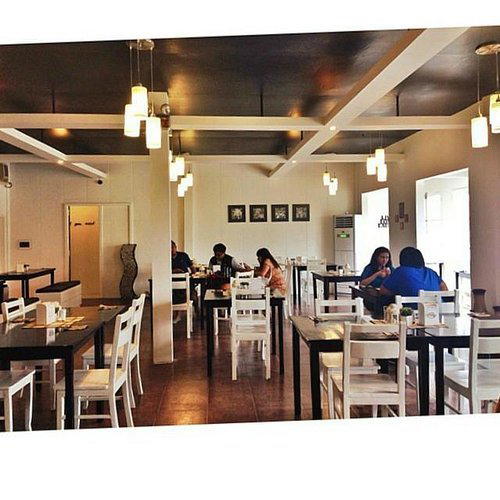
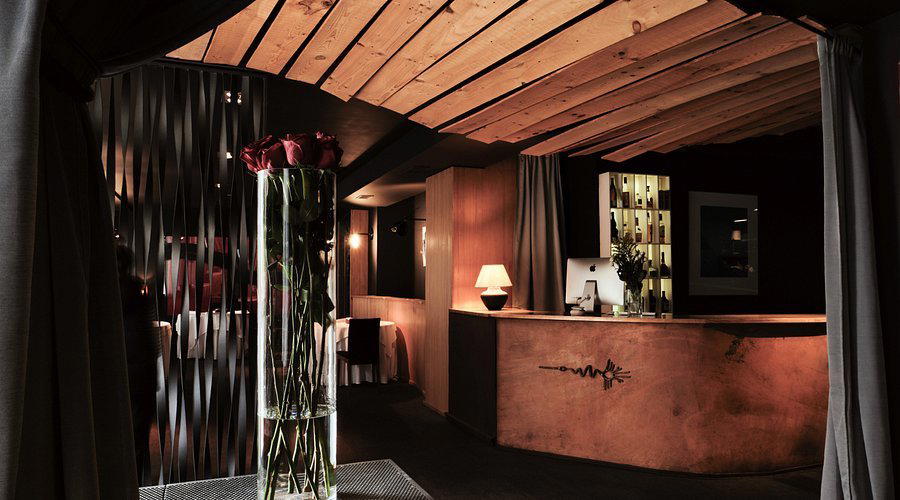
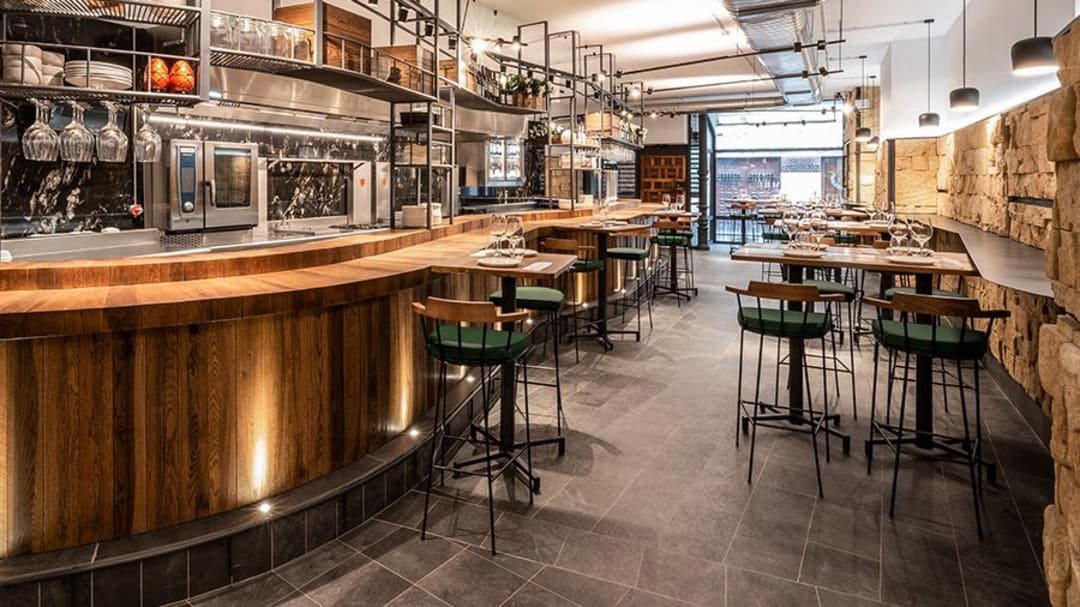
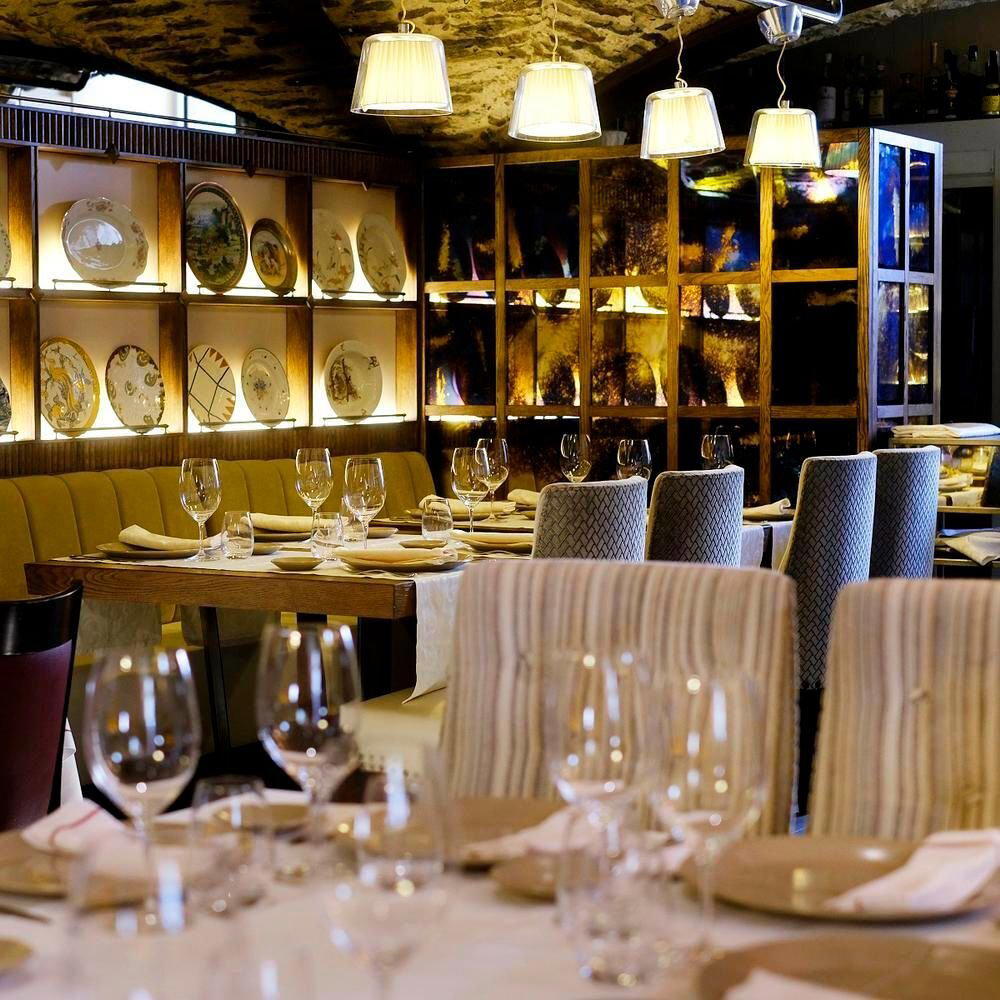
Hacienda Zorita positions its gourmet restaurant as a core element of the stay rather than an amenity. The logic is coherent for the format: guests arriving at a wine resort with working vineyards and a spa are not looking for a casual dinner option. The food and wine programme here operates in the register of the estate itself, Castilian ingredients and regional wine traditions given a kitchen treatment appropriate to the surroundings. What that means in specific menu terms changes with season and with the estate's own production cycles, which is precisely the point of this format. The restaurant's identity is grounded in place and agricultural calendar rather than in a signature chef's fixed repertoire.
That said, the absence of a named Michelin-starred chef or a widely published culinary identity places Zorita in a slightly different bracket from properties like Akelarre in San Sebastián, where Pedro Subijana's three-star kitchen is the primary draw, or Pepe Vieira Restaurant & Hotel in Poio, where the Michelin-starred restaurant preceded the hotel. At Zorita, the dining programme is an integrated part of the estate experience rather than the independent reason to visit. That distinction matters when calibrating expectations.
Vinotherapy and the Spa as Agricultural Extension
Vinotherapy spas, which use grape-derived compounds in treatments, emerged in France's Bordeaux region in the 1990s and spread quickly through wine-country hospitality. Spain adopted the format enthusiastically, and several of the country's wine hotels now include vinotherapy as a standard offering. The model makes particular sense at an estate like Zorita, where the vineyard's raw materials are immediately adjacent to the treatment rooms rather than sourced externally.
The vinotherapy spa at Hacienda Zorita extends the estate's agricultural logic into the wellness programme. This is a different proposition from the urban spa operations at properties like Mandarin Oriental Ritz, Madrid or Mandarin Oriental Barcelona, where the spa is a luxury amenity independent of any surrounding landscape. At a wine estate, the spa and the vineyard occupy the same conceptual territory.
Where Hacienda Zorita Sits in the Spanish Wine Hotel Category
Spain's heritage wine hotel tier spans a wide range of formats and price points. At one end, Torre del Marqués Hotel Spa & Winery in Sardoncillo occupies a historic Aragonese tower with a functioning winery. At the other, Mas de Torrent Hotel & Spa in Torrent works from a Catalan farmhouse with a more garden-hotel sensibility. Hacienda Zorita's monastic origins and River Tormes position give it a specific architectural character that neither of those properties shares. The 14th-century foundation is not simply marketing heritage: the walls, the proportions, and the spatial arrangement of the compound are genuinely medieval, which creates a different quality of stillness than properties built or substantially rebuilt in later centuries.
For guests whose reference point is the large Spanish luxury hotel in a capital city, the adjustment required at Zorita is meaningful. There is no city-centre restaurant scene 10 minutes away. The estate is the programme. That self-contained quality is either the appeal or a limitation, depending entirely on what a guest is there to do. Travellers who have enjoyed the enclosed world of Cap Rocat in Cala Blava, another property in a historic military structure with a strongly defined perimeter, will recognise the dynamic.
Planning a Stay: Practical Notes
The estate sits at kilometre 10 on the SA-300, in the municipality of Valverdón, approximately 10 kilometres from central Salamanca. A car is the practical means of arrival for most guests, and the distance from the city makes the estate feel genuinely separate from Salamanca's weekend tourism without being inaccessible for a day visit into the old city. Those wanting the Salamanca cathedral and university quarter within walking distance will find the city's urban properties more convenient; those arriving specifically for the wine estate experience will find the separation appropriate to the format.
Salamanca itself warrants serious attention as a food and cultural destination beyond the hotel. Our full Salamanca restaurants guide covers the city's dining scene in detail. The province's position within Castile and León places it in one of Spain's most significant wine corridors, with Ribera del Duero to the east and the Arribes del Duero denomination along the Portuguese border to the west.
For readers building a broader Spanish itinerary, comparable rural heritage stays include A Quinta da Auga Hotel & Spa in Santiago de Compostela on the Galician side, and Hotel Can Ferrereta in Santanyí for those routing through Mallorca. The island luxury circuit, including La Residencia, A Belmond Hotel, Mallorca, Hotel Can Cera in Palma, and BLESS Hotel Ibiza, operates in a very different register from the Castilian interior, but the contrast itself clarifies what Hacienda Zorita is offering: agricultural depth, historical materiality, and the particular quiet of a river-valley estate in central Spain.
Recognition history
Dated appearances from independent guides and award organizations, with the underlying list record or original source where available.
Michelin Selected
Michelin
Small Luxury Hotels of the World Member
Small Luxury Hotels of the World
Continue exploring
More in Salamanca
Hotels in Salamanca
Browse all →

Restaurants in Salamanca
Browse all →

At a Glance
- Romantic
- Quiet
- Elegant
- Scenic
- Rustic
- Sophisticated
- Romantic Getaway
- Wellness Retreat
- Anniversary
- Weekend Escape
- Celebration
- Historic Building
- Waterfront
- Garden
- Terrace
- Destination Spa
- Private Dining
- Panoramic View
- Wi Fi
- Pool
- Spa
- Room Service
- Concierge
- Restaurant
- Hot Tub
- EV Charging
- Business Center
- Laundry Service
- Waterfront
- Vineyard
- Garden
- Wi Fi
- Pool
- Spa
- Room Service
- Concierge
- Restaurant
- Hot Tub
- EV Charging
- Business Center
- Laundry Service
Monastic tranquility with exposed wooden beams, thick stone walls, and sparse furnishings creating a timeless, warm aesthetic; soft lighting in rooms with riverside and vineyard views; relaxing spa and wine cellar ambiance.
Know Before You Go
- Getting there
- SA-300, km 10, 37115 Valverdón, Salamanca