
A genuine eleventh-century fortification on the Castilian plain, Castillo del Buen Amor has been operating as a 40-room luxury hotel since the same family restored it for public use in the mid-twentieth century. Stone vaults, restored period detail, and a restaurant serving regional cuisine place it firmly in the tradition of Spain's parador-adjacent castle conversions, but with the character of a privately held estate rather than a government-managed network. Rates from $111 per night.
Pearl is the En Primeur Club membership app — saves, bookings, and concierge access live there. Same editors, same standards.
- Address
- Finca Villanueva de Cañedo Ctra. N-630, Km.317,6, 37799 Topas, Salamanca
- Phone
- +34 923 35 50 02
- Website
- buenamor.net
- Directions
- Get directions
 Saves & bookings on Pearl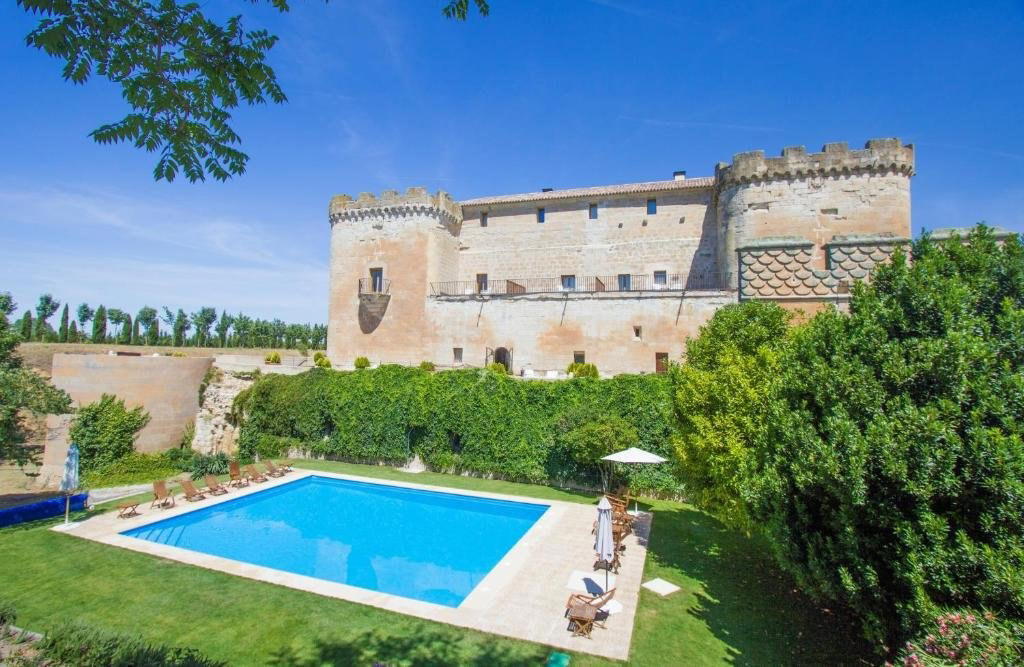
A Thousand Years of Stone, Forty Rooms of Consequence
The approach to Castillo del Buen Amor along the N-630 north of Salamanca prepares you adequately: flat Castilian tableland, wheat fields in long horizontal bands, and then the castle appearing on the horizon with the abruptness of something that has simply always been there. It dates to the eleventh century, which puts its foundations a full four centuries before Columbus sailed. The walls are not decorative; they were built to stop armies, and the mass of the stonework makes that clear the moment you pass through the entrance. What surprises is what that fortification contains: a hotel of genuine comfort and considered restraint, where the restoration has been done in deference to the original fabric rather than in spite of it.
Spain has a well-established tradition of converting historic structures into accommodation, most visibly through the state-run Paradores network, which has placed hotels in castles, monasteries, and convents across the country. Buen Amor operates outside that framework, owned continuously by a single family since the 1950s and restored with the specific intention of making the property accessible without flattening its character. That distinction matters. State-managed conversions tend toward institutional consistency; privately held estates like this one carry the particular idiosyncrasies of whoever has been making decisions across decades. The rooms here have modern comforts, but the design language is archaeological rather than contemporary, foregrounding the castle's original stonework, vaulted ceilings, and thick-walled proportions rather than layering a boutique hotel aesthetic over them.
What the Architecture Actually Argues
The editorial case for Buen Amor rests almost entirely on the physical space. Castilian castle hotels of this age are scarce; most comparable properties in Spain either operate as museums with a handful of guest rooms added as an afterthought, or have been so thoroughly modernized that the medieval fabric is effectively a backdrop. Buen Amor occupies a third category: the space reads as genuinely inhabited, the kind of historic building where the atmosphere is a function of accumulated time rather than staged period detail.
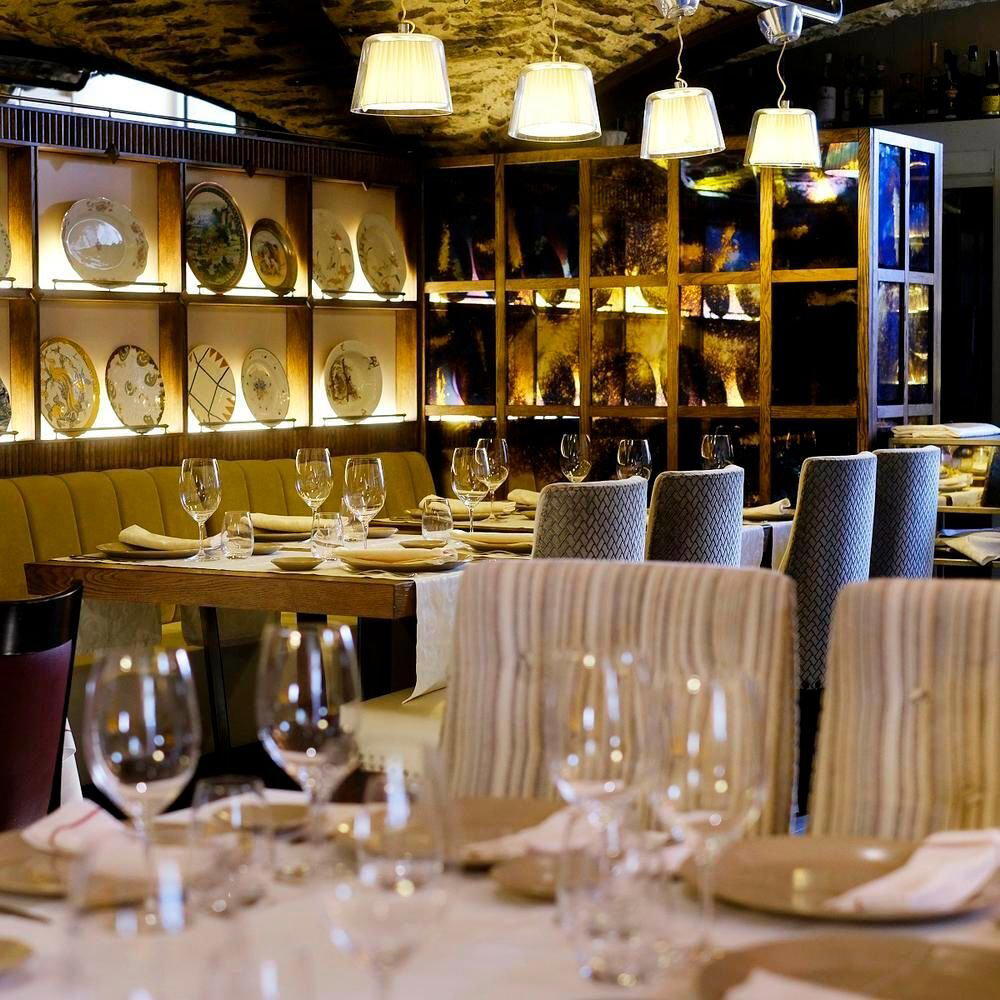
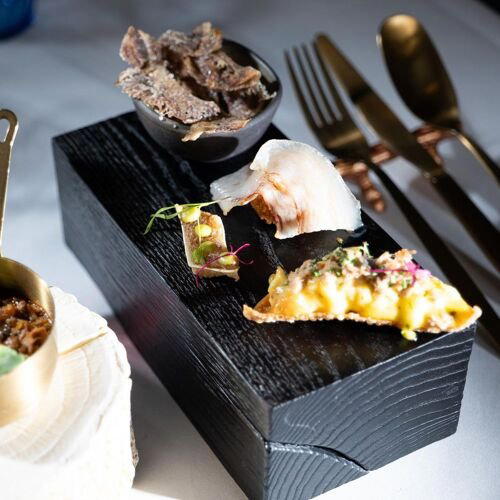
The restaurant makes the same argument in a different register. It occupies one of the castle's original stone vaults, a setting that requires almost no decorative intervention because the architecture does the work. The kitchen focuses on locally sourced regional cuisine, drawing on Castilian culinary tradition, which means roasted meats, legumes, and ingredients tied to the surrounding province of Salamanca. Ibérico pork products, for which this region carries genuine appellation weight, are a natural reference point, along with the lamb and game that have defined the cooking of the Castilian meseta for centuries.
The Salamanca Context
Property sits at km 317.6 on the N-630, in Topas, roughly a short drive from Salamanca city. That proximity matters because Salamanca is one of the more compelling small cities in Spain: the university, founded in 1218, gave the city a particular architectural and intellectual character that the surrounding region shares. The golden sandstone of the city's buildings and the Romanesque fabric of nearby Zamora provide a coherent framework for a stay based at Buen Amor. The castle positions itself not as an isolated rural retreat but as an anchor for exploring a region dense with medieval and early modern heritage.
Zamora, the Romanesque town referenced in the property's own description of itself, sits to the north and carries one of the highest concentrations of Romanesque churches per capita in Europe, a fact that tends to surprise visitors who arrive expecting a minor provincial town. The wider circuit of medieval towns across the province of Salamanca and into neighbouring Zamora adds depth to a stay of two or three nights, which is the natural duration given the combination of on-site and off-site material.
For those building a longer Spanish itinerary, Buen Amor connects logically to other hotel properties in the region. Hacienda Zorita Wine Hotel & Spa offers a wine-estate format closer to the city, while Hospes Palacio de San Esteban occupies a converted convent in Salamanca's historic centre. Our full Salamanca restaurants guide covers dining options in the city itself. Further afield, Abadía Retuerta LeDomaine and Atrio Restaurante Hotel in Cáceres represent two of the stronger wine-and-gastronomy estate formats in central and western Spain. Spain's broader network of design-forward castle and historic-property hotels includes Cap Rocat in Cala Blava, a former military fortress converted on the Mallorcan coast, and Terra Dominicata in Escaladei, which takes a wine-estate approach to a historic Priorat monastery.
Rates, Rooms, and Planning
The property runs 40 rooms, a scale that keeps it within the boutique tier without the intimacy constraints of a smaller castle hotel. Rates start from approximately $111 per night, which, given the historic fabric and the scale of the physical setting, represents a different value proposition than a similarly priced urban hotel. The estate has its own gardens and grounds, and the on-site restaurant means the property functions independently for a full stay without requiring a car for every meal.
Those arriving from Madrid will find the drive northwest through Castile navigable in under two and a half hours. The N-630 approach from Salamanca itself is shorter; the castle is positioned between the city and the road north, making it equally practical as a base for day trips to Zamora or as a night stop on a longer north-south drive through Spain.
For context on Spain's castle-hotel category more broadly, properties like Torre del Marqués Hotel Spa & Winery in Sardoncillo and Mandarin Oriental Ritz, Madrid occupy different ends of the prestige and price spectrum. Buen Amor is not competing with either: it operates in the niche of authenticated historic fabric at an accessible price point, which is a smaller and more specific category than either grand-hotel luxury or contemporary boutique design.
How Castillo del Buen Amor Salamanca compares with similar nearby venues.
| Venue | Awards |
|---|---|
| Castillo del Buen Amor | Michelin 1 Key |
Recognition history
Dated appearances from independent guides and award organizations, with the underlying list record or original source where available.
Michelin 1 Key
Michelin
Continue exploring
More in Salamanca
Hotels in Salamanca
Browse all →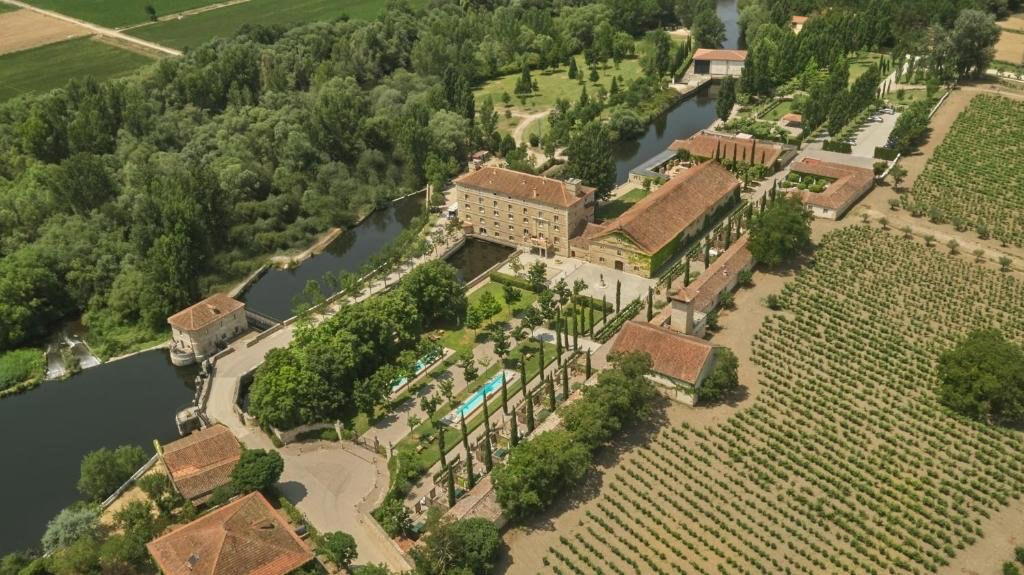

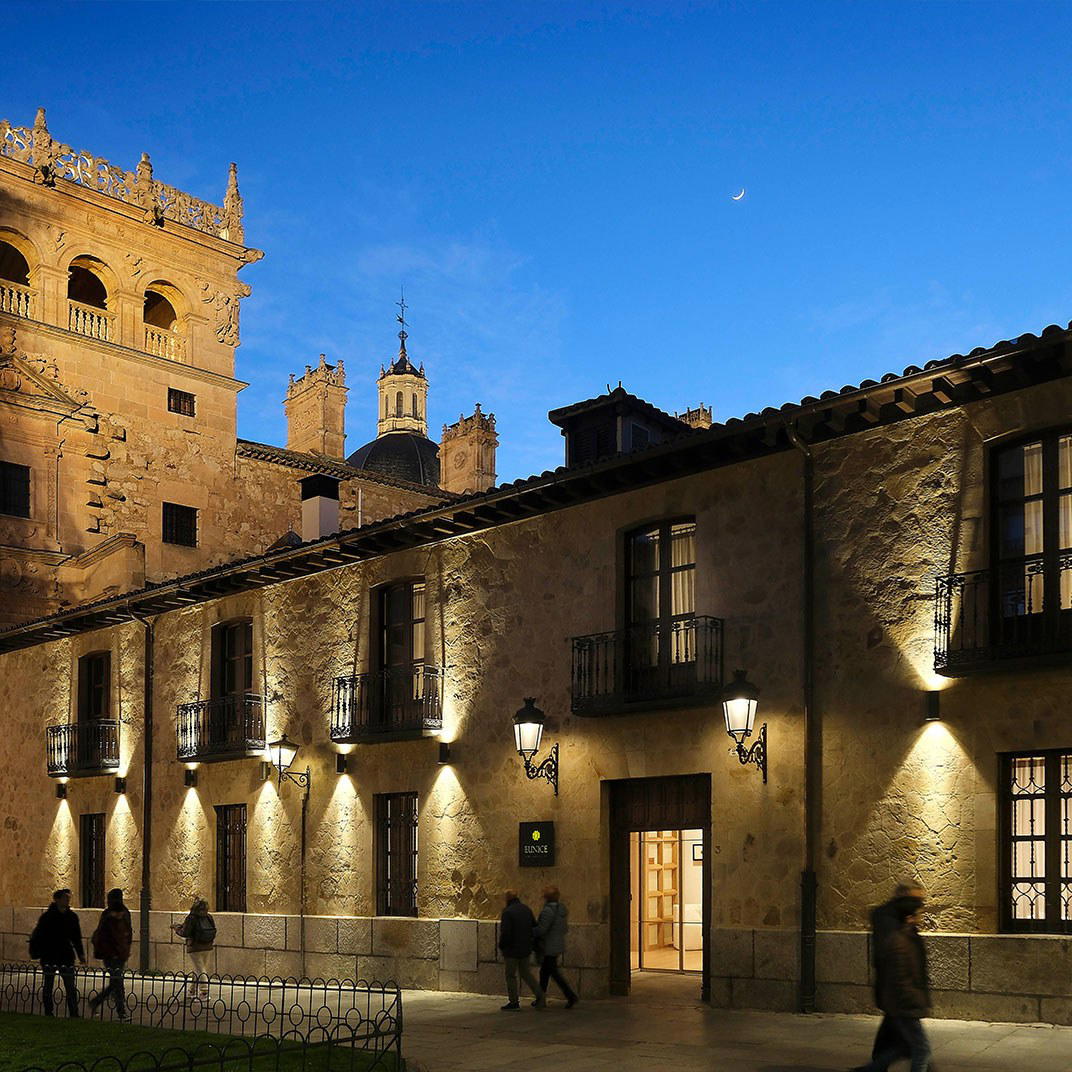
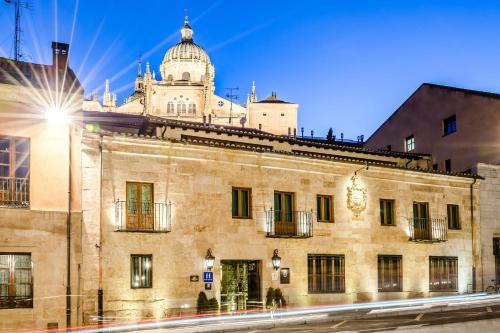
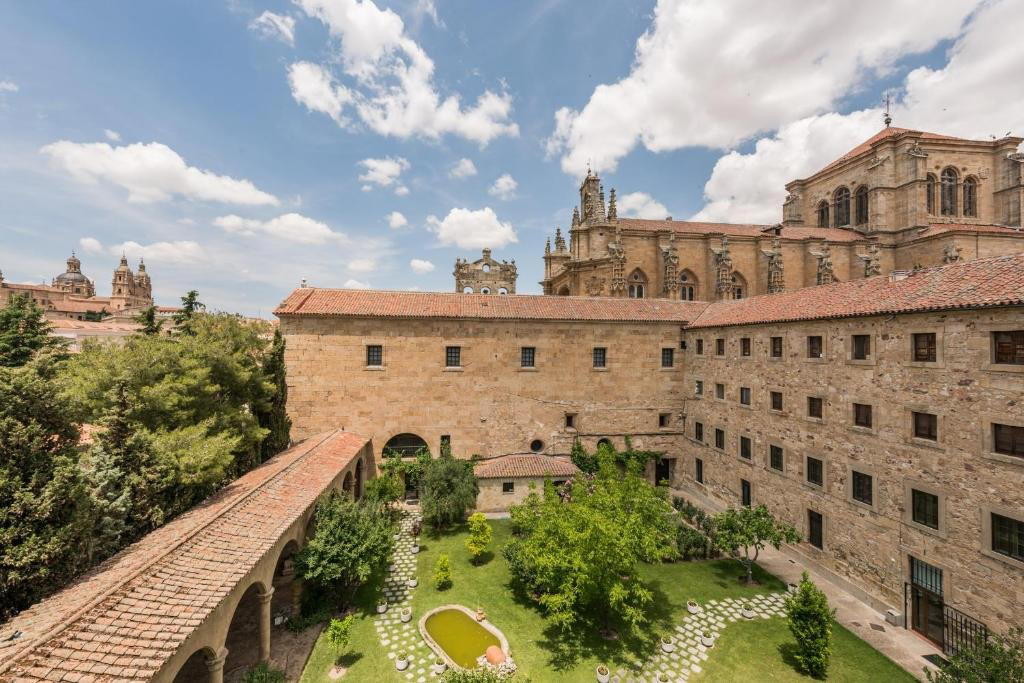
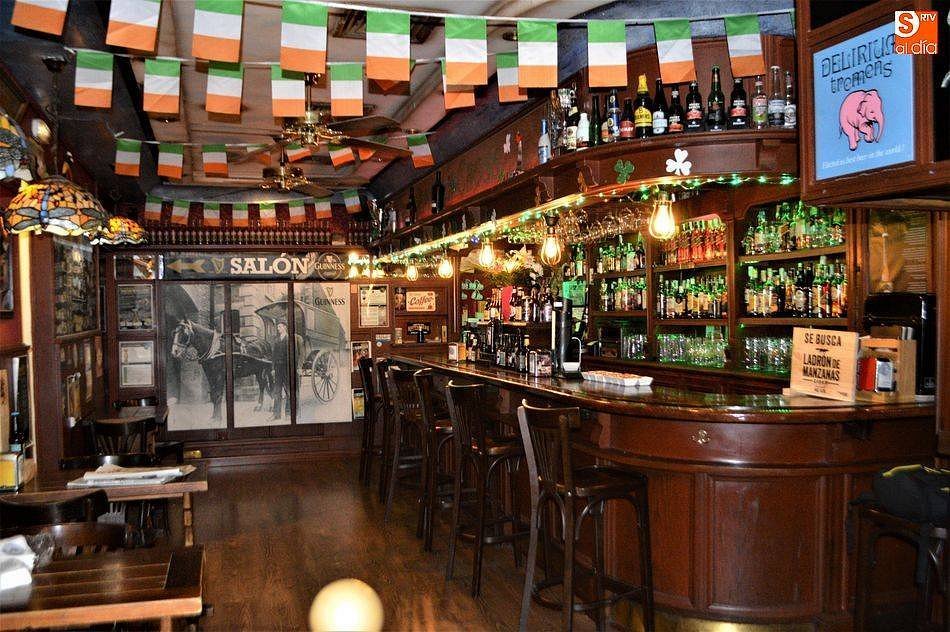

Restaurants in Salamanca
Browse all →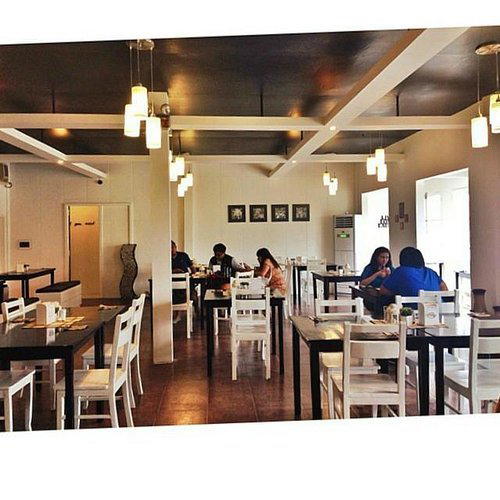

At a Glance
- Romantic
- Historic
- Quiet
- Elegant
- Cozy
- Scenic
- Romantic Getaway
- Anniversary
- Weekend Escape
- Historic Building
- Garden
- Terrace
- Wi Fi
- Pool
- Spa
- Room Service
- Concierge
- Restaurant
- Business Center
- Free Parking
- Garden
- Vineyard
- Wi Fi
- Pool
- Spa
- Room Service
- Concierge
- Restaurant
- Business Center
- Free Parking
Atmospheric historic castle with stone walls, antique furniture, elegant lounges, medieval fireplaces, and a peaceful rural setting praised for its relaxing and magical ambiance.
Know Before You Go
- Getting there
- Finca Villanueva de Cañedo Ctra. N-630, Km.317,6, 37799 Topas, Salamanca