
Michelin Selected
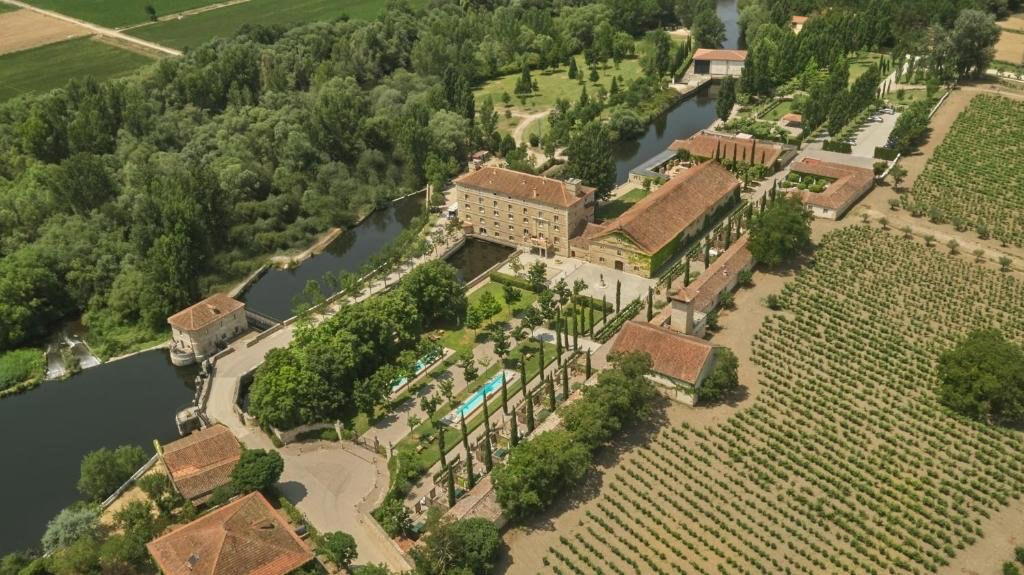
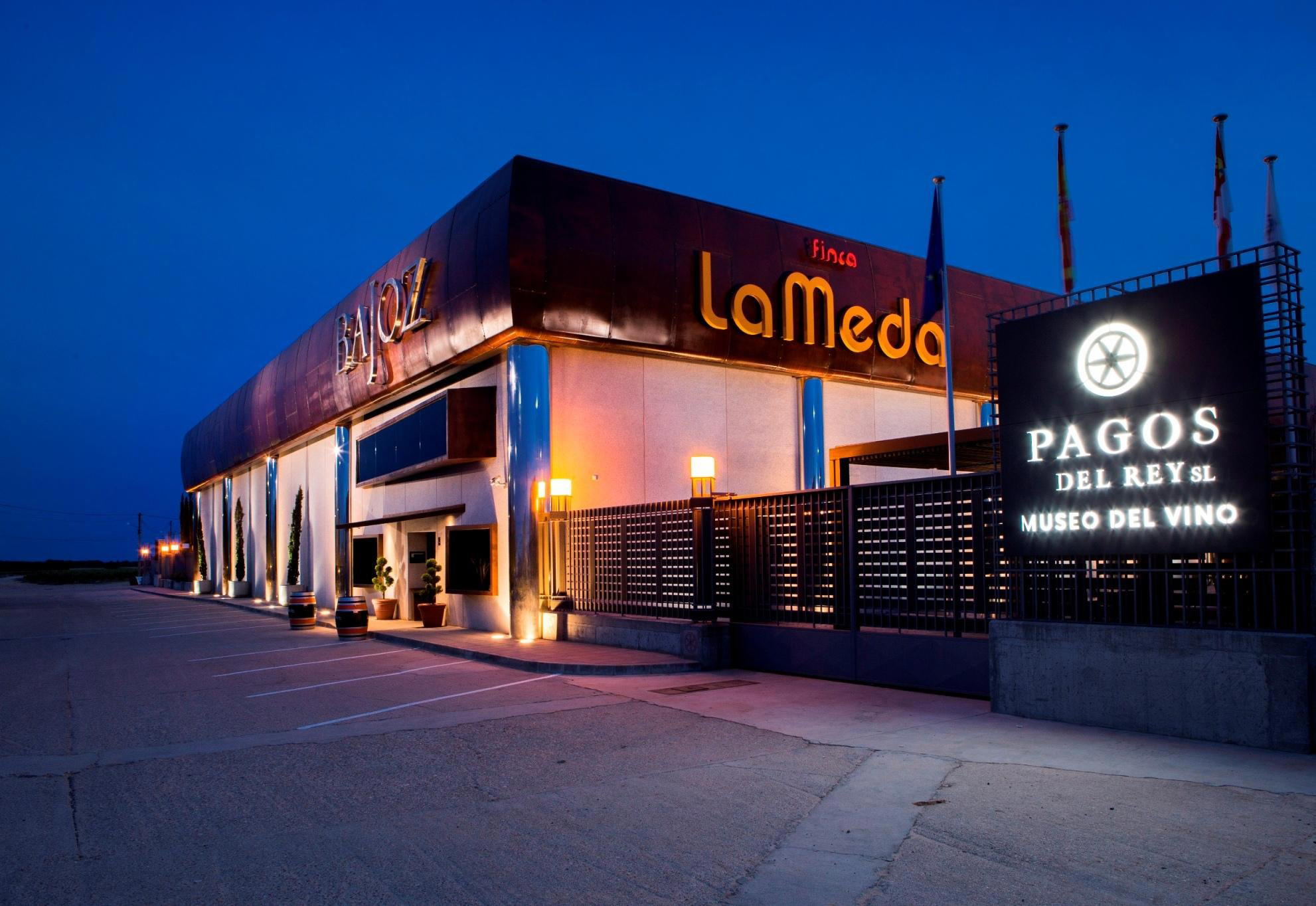
A Michelin Selected hotel and working bodega set among the vineyards outside Zamora, Valbusenda occupies a category that has few direct rivals in Castile and León: a property where the wine operation is structural to the experience, not decorative. The spa and accommodation sit within the same estate as the winery, making it a coherent alternative to urban luxury hotels in the region.

Pearl is the En Primeur Club membership app — saves, bookings, and concierge access live there. Same editors, same standards.
- Address
- Carretera de Toro a Peleagonzalo, s/n, 49800 Zamora, Spain
- Phone
- +34 980 69 95 73
- Website
- valbusenda.com
- Directions
- Get directions
Where the Winery Is the Architecture
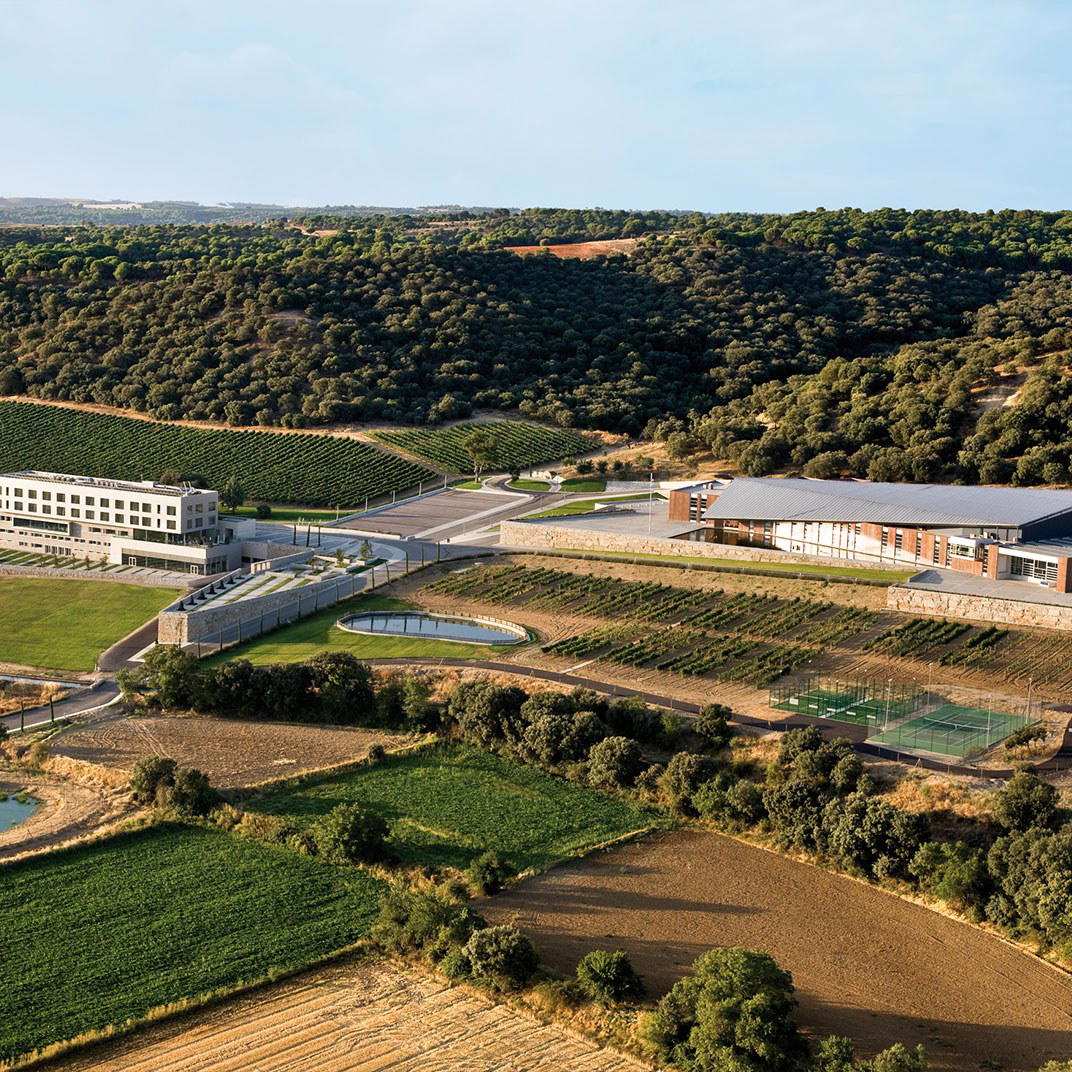
Approaching Valbusenda along the road from Toro toward Peleagonzalo, the logic of the property becomes apparent before you reach the entrance. The estate does not present itself as a resort that happens to carry a wine label. The bodega is built into the structure of the place, and the accommodation has been arranged around it. This is an increasingly deliberate design choice among Spanish wine estates: rather than layering hospitality onto an existing winery as an afterthought, the physical relationship between fermentation, barrel ageing, and guest space is made explicit through the architecture. The result is that guests move through and alongside a working production facility rather than viewing it from behind glass on a scheduled tour.
That integration sets Valbusenda apart from the broader category of wine-country hotels in Spain, where the hotel and the winery are often separate operations under the same brand. Compare the model here with purely urban luxury properties like the Mandarin Oriental Ritz, Madrid or the Mandarin Oriental Barcelona, where the wine program is a sommelier curation exercise, and the structural difference is immediate. At estate-integrated properties, the design brief starts with the winemaking facility and builds outward. The spa, the dining spaces, and the rooms are positioned relative to the bodega rather than the other way around.
The Toro Appellation as Context
Zamora province sits within the Toro Denominación de Origen, one of Castile and León's more assertive wine regions. Toro produces primarily Tinta de Toro, a local adaptation of Tempranillo that tends toward deeper colour, higher alcohol, and more pronounced tannic structure than its Ribera del Duero counterpart. The DO gained international attention through the late 1990s and 2000s as investors from Rioja and beyond recognised that its old-vine material and extreme continental climate could produce wines with considerable concentration at a fraction of the land cost of more established appellations.
A hotel bodega within Toro is therefore not operating in an obscure agricultural corner. It is embedded in a wine region with documented critical interest and a track record of attracting serious producers. For guests whose interest in Castilian wine extends beyond Rioja, Toro offers a distinct reference point, and staying on a working estate here provides a different understanding of the appellation than visiting from a city base. Our full Zamora restaurants guide covers the broader food and drink context in the city for those pairing a stay at Valbusenda with time in town.
Design Posture and the Estate Model
The estate-hotel model has proliferated across Spain's wine regions over the past two decades, and the design approaches have diverged considerably. Some properties lean on converted stone structures, translating agricultural heritage into boutique hotel vernacular, a method used effectively at Terra Dominicata in Escaladei and Abadía Retuerta LeDomaine. Others build new, prioritising the winery's functional and aesthetic requirements and designing the hospitality spaces to complement rather than precede them. Torre del Marqués Hotel Spa & Winery in Sardoncillo operates within the same regional winery-hotel category and offers a useful comparison point for travellers weighing Castilian options.
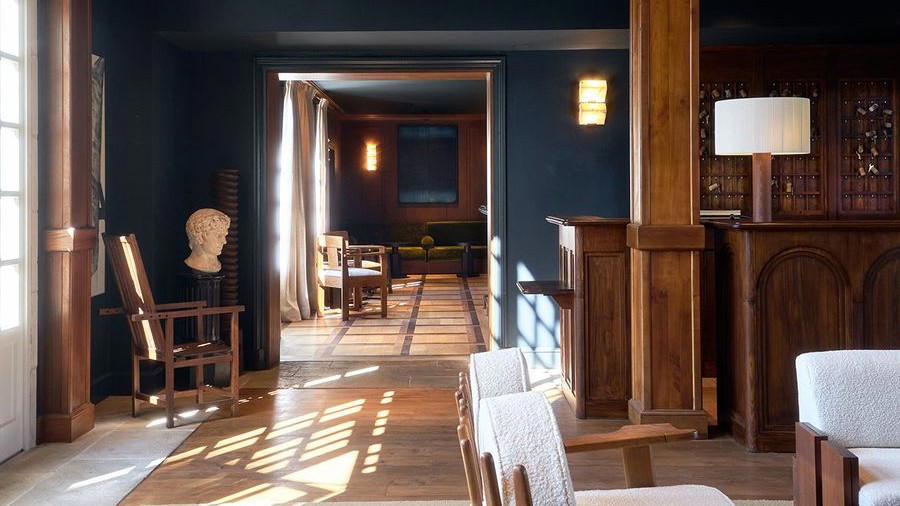
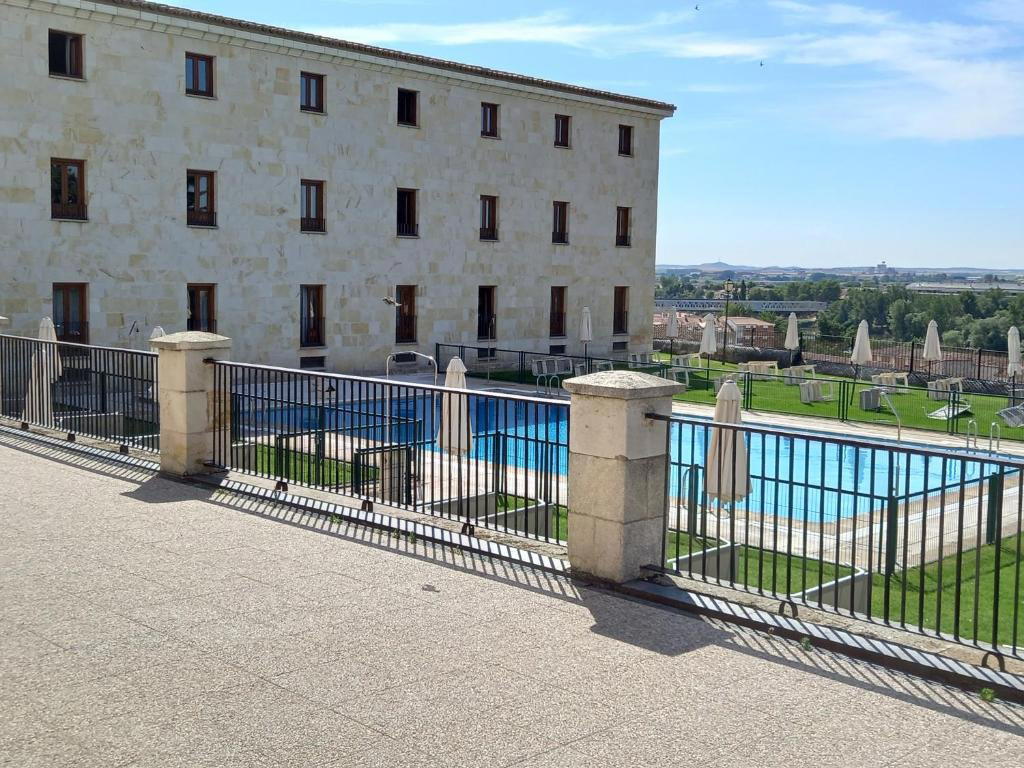
Valbusenda's architectural posture sits within the newer-build tradition, where the physical language of contemporary winery design, large volumes, controlled light, materials that read as industrial in purpose but refined in finish, shapes the guest experience directly. This is a different sensory proposition from the thick-walled, low-ceilinged intimacy of a converted farmhouse. The spaces are cooler, more austere, and oriented toward the landscape and the production process rather than toward period charm.
The Spa Within a Winery Structure
Spa facilities within wine estates have become a standard offering across the premium segment, but the design integration varies significantly. Where the bodega architecture genuinely informs the spa, as appears to be the case at Valbusenda, the experience carries a coherence that standalone resort spas do not replicate. The thermal logic of a winery, controlled temperature, humidity management, the presence of wine itself in treatments, aligns naturally with spa programming in a way that feels structural rather than themed.
This places Valbusenda in a specific peer group: estate hotels where the spa is a function of the winery's physical and sensory identity rather than an added amenity. Properties like Mas de Torrent Hotel & Spa in Torrent and Hotel Can Ferrereta in Santanyí sit within the broader category of rural Spanish properties with significant spa programs, though neither carries the winery integration that defines Valbusenda's specific offer.
Michelin Selection and What It Signals
Valbusenda's inclusion in the Michelin Selected Hotels list for 2025 positions it within the guide's curated tier below its starred hotel distinctions. Michelin's hotel selection process applies criteria across physical quality, service consistency, and atmosphere, and selection signals that the property meets a bar relevant to internationally mobile travellers. For a wine-estate hotel in Zamora province rather than a capital city or coastal resort, that recognition places it in a different conversation than purely regional recommendations would suggest.
Spain's Michelin Selected hotel pool includes urban properties with deep institutional histories, like the Hotel Mercer Sevilla and the Caro Hotel in València, and rural or coastal alternatives at very different price and scale points. Valbusenda occupies the rural estate category within that pool, where the justification for selection rests on the coherence and quality of the total property experience rather than on location or brand prestige.
Planning a Stay
Valbusenda sits on the Toro road outside Zamora city, making it most practical with a car. The estate's distance from the city means it functions as a destination in itself rather than a base for urban exploration, though Zamora's historic centre, with its density of Romanesque churches, is under thirty kilometres away and accessible for a half-day. The wine region's harvest calendar concentrates activity in September and October, when the bodega is in full production and the connection between the estate's agricultural and hospitality identities is at its most direct. For those comparing rural Castilian options against coastal or island alternatives, properties like Cap Rocat in Cala Blava or Predi Son Jaumell in Capdepera offer a contrasting sensory register but sit in a comparable design-led, smaller-scale category.
At-a-Glance Comparison
Comparable venues nearby, for context on price, style, and recognition.
| Venue | Cuisine | Price | Awards | Notes |
|---|---|---|---|---|
| Valbusenda Hotel Bodega & SpaThis venue — the venue you are viewing | Modern wine tourism resort with sleek architecture and vineyard integration | Not listed | Michelin Selected | Not listed |
| Mirlo Barcelona | Restored 20th-century modernist villa with romantic garden and wellness suites. | $200–300 | 1 Michelin Key | Sarrià-Sant Gervasi |
| Four Seasons Seville | Luxury urban heritage hotel in a landmark 1940s office building, reimagined as a nerve centre for high-end tourism in Seville. | Not listed | Not listed | Plaza Nueva |
| Valdepalacios Hotel Gourmand | historic country estate with rural luxury | Not listed | Michelin Selected | Torrico |
| Palacio de Sancti Petri, Gran Meliá | Andalusian palace resort | $300–500 | Michelin Selected · Leading Hotels of World Member | Novo Sancti Petri |
| Metrópolis Madrid | Contemporary luxury design hotel | $200–300 | Conde Nast Hot List Hotels | Gran Vía |
Recognition history
Dated appearances from independent guides and award organizations, with the underlying list record or original source where available.
Michelin Selected
Michelin




Details
- Romantic
- Elegant
- Scenic
- Rustic
- Sophisticated
- Romantic Getaway
- Wellness Retreat
- Weekend Escape
- Panoramic View
- Terrace
- Spa
- Pool
- Indoor Pool
- Outdoor Pool
- Sauna
- Hot Tub
- Fitness Center
- Restaurant
- Room Service
- Tennis
- Garden
- Vineyard
- Garden
- Elevator
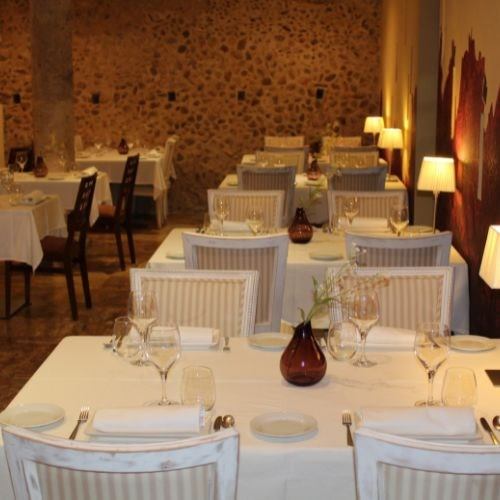
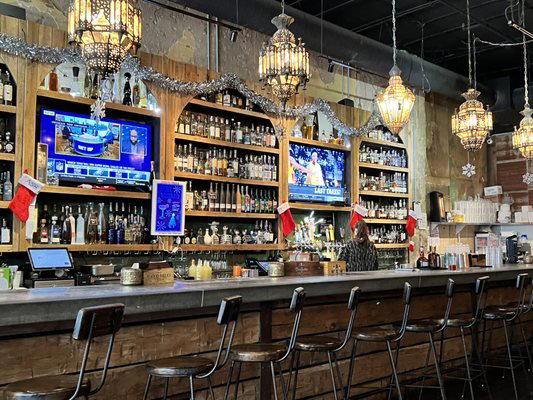
Tranquil and relaxing atmosphere in wine country with vineyard views, sleek modern design, and resort-style comforts.