Hubenbauer sits on Schattengasse in Vahrn, a small comune in South Tyrol where the Dolomites shape both the growing season and the table. The address places it within one of northern Italy's most ingredient-driven dining territories, where Alpine tradition and Italian technique have long operated in close conversation. Visitors looking for a meal rooted in the produce of the Eisack Valley find themselves in the right postcode.
Pearl is the En Primeur Club membership app — saves, bookings, and concierge access live there. Same editors, same standards.
- Address
- Schattengasse, 12, 39040 Varna BZ, Italy
- Phone
- +39472830051
- Website
- hubenbauer.com
- Directions
- Get directions
 Saves & bookings on Pearl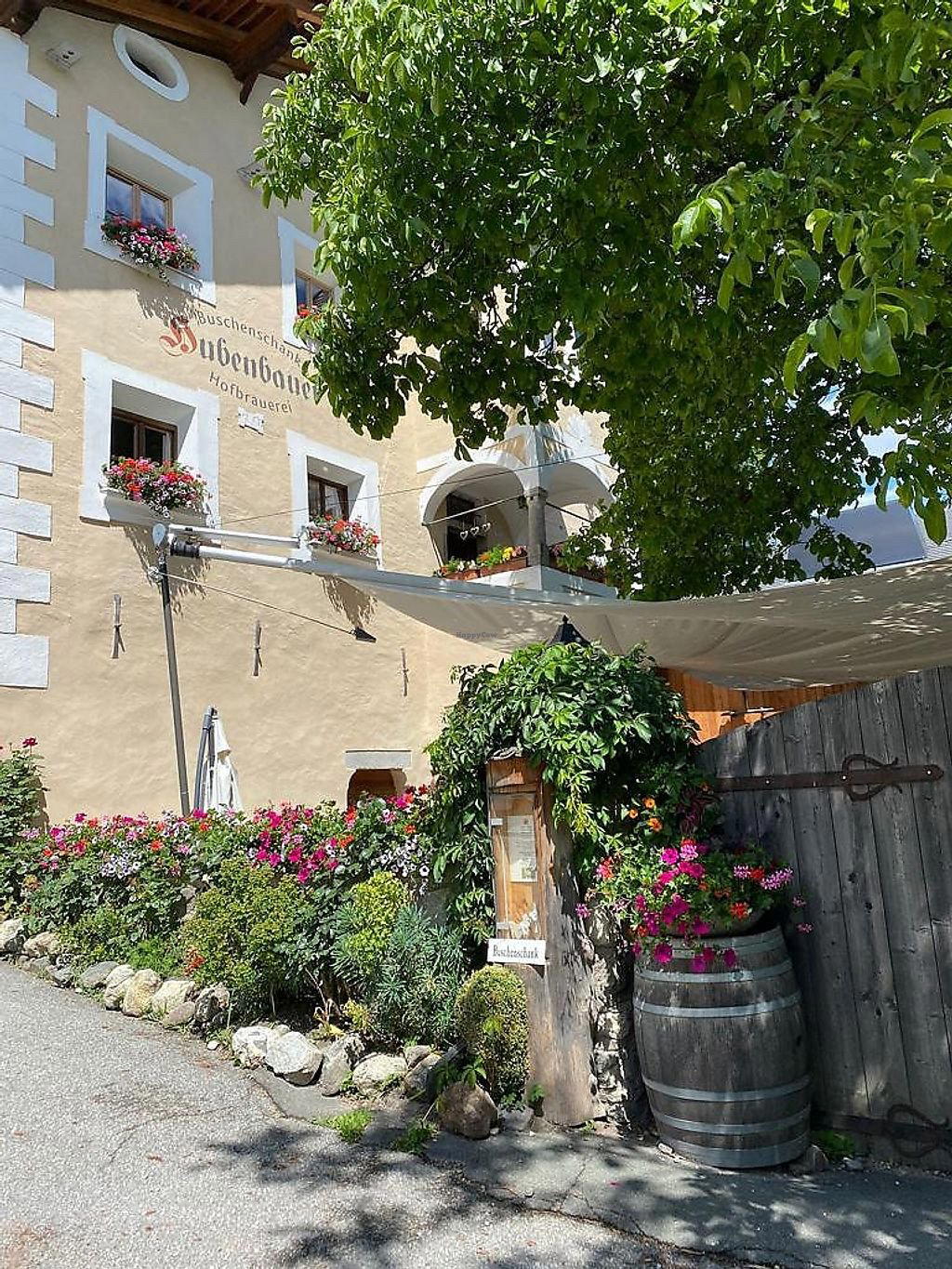
Where the Eisack Valley Sets the Table
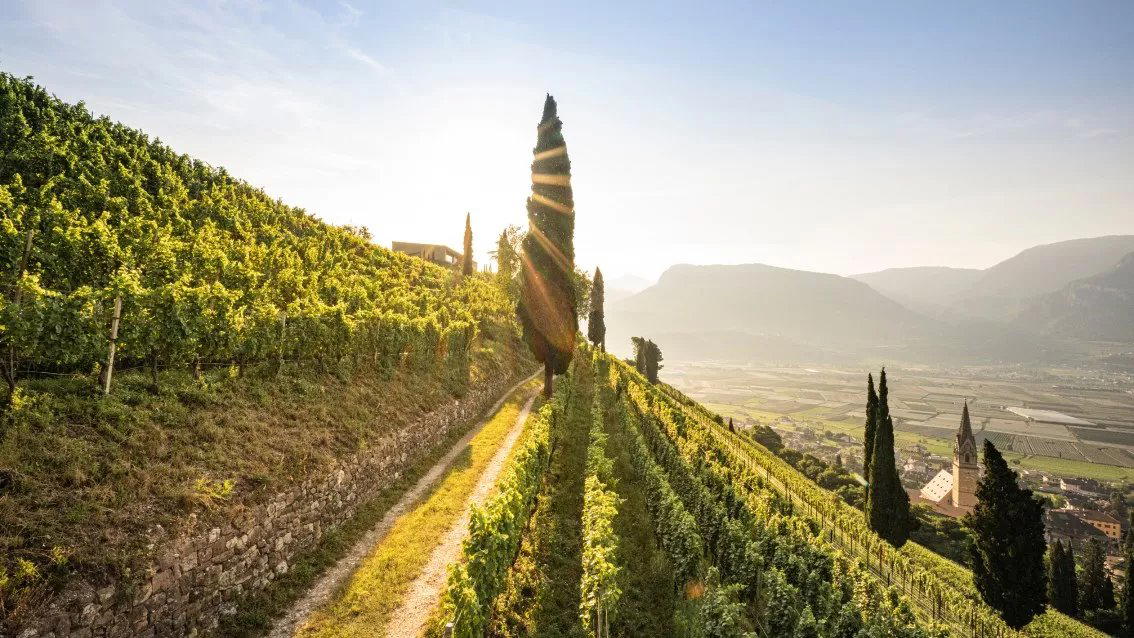
South Tyrol has built one of Italy's most coherent regional food identities not through reinvention, but through geography. The Eisack Valley, which runs south from the Brenner Pass through Vahrn and on toward Bolzano, compresses a notable range of microclimates into a short distance: mountain pasture above, sheltered orchards and vineyards below, and the kind of temperature swings that concentrate flavour in ways that flatter both producers and cooks. Hubenbauer is a restaurant serving traditional Italian Tyrolean with brewery in Vahrn, Italy, at Schattengasse 12, 39040 Varna BZ. The comune sits at the northern edge of the valley, close enough to the Alpine watershed that the sourcing logic for any kitchen here is almost self-evident: look to what the altitude and the season provide.
That sourcing logic is not distinctive to Vahrn, but it is more legible here than in many Italian towns its size. The region around Brixen (Bressanone), which Vahrn adjoins, has sustained a culinary culture rooted in the interaction between Austrian and Italian traditions for centuries. Speck, rye bread, and aged mountain cheese sit alongside pasta, cured meats, and wine in a way that reflects the actual history of the territory rather than a curated fusion. Any kitchen working in this postcode is operating within that inherited framework, whether it acknowledges it explicitly or not.
The Ingredient Logic of Alpine South Tyrol
The case for sourcing-led cooking in South Tyrol is structural rather than ideological. Growing seasons at altitude are shorter and more intense, which tends to produce ingredients with tighter cell structure and higher sugar concentration than their lowland equivalents. Apples from the Eisack Valley, for instance, account for a significant share of Italy's total apple production and are cultivated at elevations that slow ripening and build acidity. The same principle applies to the valley's dairy: mountain pasture diets produce milk with different fat profiles than those of intensive lowland farming, which in turn shapes the character of local butter, cream, and cheese.
In the broader South Tyrolean dining context, these ingredient realities have driven some of the region's most recognised kitchens toward explicitly local sourcing frameworks. Atelier Moessmer Norbert Niederkofler in Brunico has made regional Alpine ingredients the explicit centre of its creative programme. That approach signals something about where premium cooking in the region is heading: sourcing provenance has become a credential, not just a preference. Vahrn, sitting within the same mountain system, shares the same raw material advantages.
For context on how seriously Italian fine dining has engaged with sourcing and terroir across the country, the comparison set is instructive. Osteria Francescana in Modena, Piazza Duomo in Alba, and Le Calandre in Rubano each operate within distinct regional ingredient cultures, treating local produce as the primary creative constraint rather than an afterthought. The leading Italian kitchens at every price point have moved in this direction over the past two decades. South Tyrol's geography makes that move feel less like a trend and more like a return to baseline.
Vahrn in the South Tyrolean Dining Map
Vahrn is a small commune, but it sits within a dining region that punches well above its population weight. Brixen, immediately to the south, has a medieval centre with a concentration of wine bars and traditional Stuben that reflect the area's long hospitality culture. The road north through the Eisack Valley toward Brenner passes through a sequence of villages where farm-to-table is less a marketing position than a logistical reality: the farm is often within sight of the restaurant. For visitors arriving by rail, Brixen's station connects directly to Bolzano and Innsbruck, making the area accessible without a car, though local exploration benefits from one.
Within Vahrn itself, Pacher represents another point of reference in the local dining picture. The presence of multiple dining options in a commune this size reflects the area's standing as a destination rather than a through-route. Visitors who approach Vahrn as a base for the broader Brixen area will find the local table more layered than the town's modest profile suggests. Our full Vahrn restaurants guide maps the territory in detail.
South Tyrol Against the National comparable set
Positioning South Tyrolean dining within Italian fine dining more broadly requires acknowledging how different the region's reference points are from the coastal and lowland traditions that dominate the national conversation. The seafood-driven precision of Uliassi in Senigallia or Quattro Passi in Marina del Cantone belongs to a different ingredient logic than anything the Eisack Valley produces. Similarly, the urban creativity of Enrico Bartolini in Milan or the Emilian depth of Dal Pescatore in Runate draw on traditions that have little overlap with Alpine mountain cooking.
That divergence is not a weakness. South Tyrol's Alpine identity is precisely what gives kitchens in the region a distinct competitive position within Italian dining. The ingredients available here, from wild herbs gathered above the treeline to aged speck from small producers, are not reproducible in other regions without losing essential character. Restaurants across the country, from Reale in Castel di Sangro to Villa Crespi in Orta San Giulio, have built their identities on comparable regional ingredient specificity. In South Tyrol, the specificity is built into the altitude.
For those placing South Tyrolean cooking within a wider European frame, the comparison extends internationally. Kitchens like Enoteca Pinchiorri in Florence, La Pergola in Rome, and Casa Perbellini 12 Apostoli in Verona anchor the Italian fine dining register at the leading. Further afield, Da Vittorio in Brusaporto and internationally recognised addresses like Le Bernardin in New York City and Atomix in New York City illustrate the range of what ingredient-focused fine dining looks like at the highest levels of ambition. South Tyrol's contribution to that conversation is grounded in its own raw materials rather than borrowed reference points.
Planning a Visit to Vahrn
Vahrn is reached most directly via Brixen/Bressanone, served by the Brenner railway line with frequent connections to Bolzano (roughly 40 minutes) and Innsbruck. The address at Schattengasse 12 sits within the commune's residential fabric rather than a commercial centre, which is consistent with the area's character as a working community rather than a tourist-facing village. Visitors making the trip from further afield should plan Vahrn as part of a broader Brixen-area itinerary; the town rewards a slower pace and benefits from the surrounding walking and cycling infrastructure of the Eisack Valley. Before traveling, check opening hours and reserve if possible.
In Context: Similar Options
Comparable venues nearby, for context on price, style, and recognition.
| Venue | Cuisine | Price | Notes |
|---|---|---|---|
| HubenbauerThis venue — the venue you are viewing | Traditional Italian Tyrolean with Brewery | $$ | Not listed |
| Pacher | South Tyrolean Italian | $$$ | Vahrn |
| Pschnickerhof | Traditional South Tyrolean Farmhouse | $$ | Villanders |
| Pretzhof | South Tyrolean Trattoria | $$ | Pfitsch |
| Il Corso Bolzano | Neapolitan Pizza and Italian | $$ | Piazza della Vittoria |
| La Smorfia Meran | Neapolitan Pizza & Mediterranean Italian | $$ | Downtown Merano |

At a Glance
- Cozy
- Rustic
- Classic
- Casual Hangout
- Family
- Beer Program
- Vineyard
Current opening hours
- Monday
- 11:30 AM–9 PM
- Tuesday
- 11:30 AM–1 PM
- Wednesday
- Closed
- Thursday
- 11:30 AM–9 PM
- Friday
- 11:30 AM–9 PM
- Saturday
- 11:30 AM–9 PM
- Sunday
- 11:30 AM–8 PM
Hours can change for holidays and private events. Last verified .
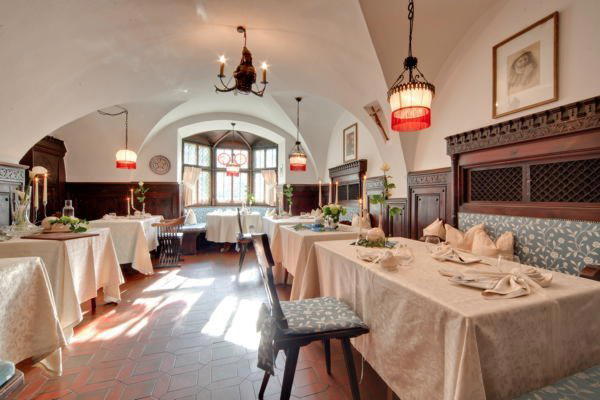
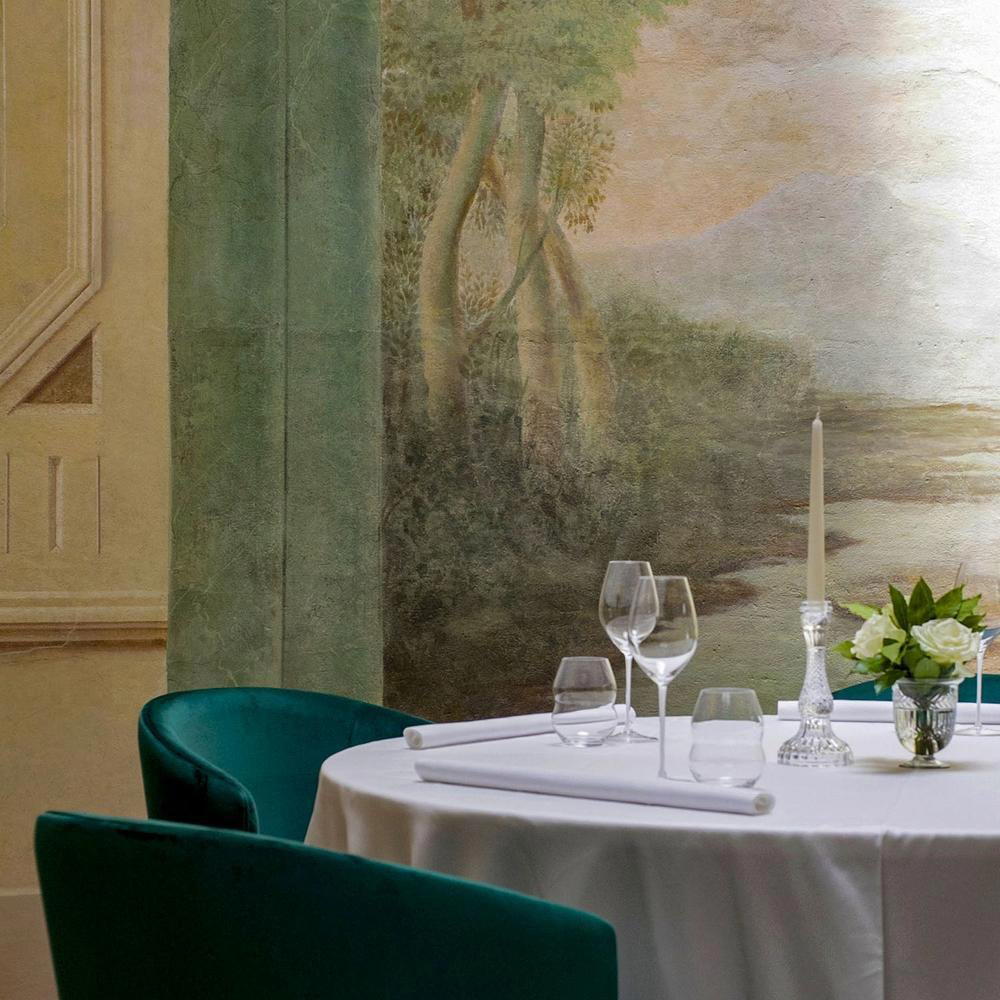
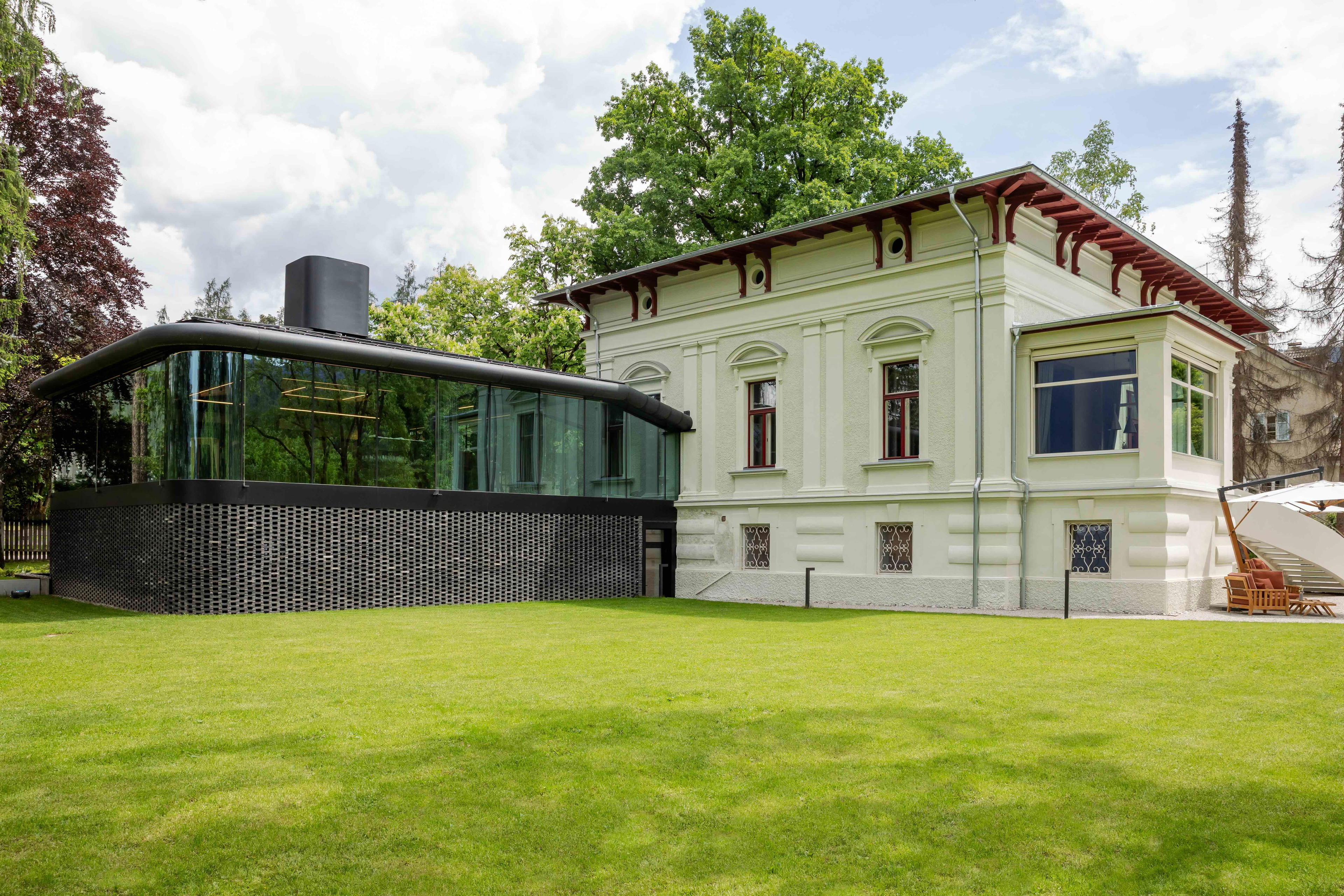
Cozy and inviting Tyrolean charm surrounded by vineyards.