
Ego sits at the quieter end of Rome's creative dining scene: five tables, a Michelin Plate, and a format that removes the menu decision entirely. Chef Lorenzo De Lio's cooking draws on international experience across Mexico, Southeast Asia, and beyond, filtered through a Roman sensibility. At €€€, it occupies a noticeably more accessible price point than the city's starred creative tier.
Pearl is the En Primeur Club membership app — saves, bookings, and concierge access live there. Same editors, same standards.
- Address
- Via Etruria, 35, 00183 Roma RM, Italy
- Phone
- +39 342 547 0485
- Website
- egorestaurant.it
- Directions
- Get directions
 Saves & bookings on Pearl
Five Tables, No Menu: How Ego Fits Into Rome's Creative Dining Scene
Via Etruria is not a street that appears in most Rome restaurant guides. In the Appio Latino neighbourhood, south of the Celio hill and well outside the centro storico circuit, the street carries the quiet residential texture of a city that tourists rarely reach. Arriving at Ego means passing apartment buildings and local bars rather than the orchestrated heritage of Trastevere or the monument-dense core around the Pantheon. That physical remove is not incidental. It sets the register for what happens inside: a room with five tables, no printed menu, and a format built on the assumption that you have come specifically to eat what the kitchen wants to cook.
The Creative Format in Rome's Wider Dining Context
Rome's creative restaurant tier has consolidated around a handful of addresses, most of them priced at €€€€ and anchored by Michelin recognition. Enoteca La Torre holds two stars and occupies the formal end of that tier. Glass Hostaria in Trastevere represents the design-conscious, neighbourhood-embedded strand. All'Oro and Acquolina each carry single stars and operate at full-service price points. What all of them share is a formal dining logic: structured menus, wine pairings, trained front-of-house staff moving through a full-length service.
Ego operates below that price tier, at €€€, and with a format that strips the apparatus back considerably. The five-table scale means it competes less with those addresses than with a smaller category of chef-led rooms across Italy where intimacy and cost accessibility are deliberate design choices rather than compromises. The Michelin Plate it received in 2025 places it within the Michelin framework without the full critical weight of a star, signalling a kitchen worth attention rather than one that has reached the tier of Achilli al Parlamento or the starred houses.
The Format: Surrendering the Menu
The structural premise at Ego is simple and slightly demanding: you choose how many courses you want, and the kitchen fills them. There is no à la carte, no selection between options, no printed list to negotiate over. This is a format with a clear lineage in high-end tasting menu culture, but at the price point and scale of Ego it functions differently than it does at, say, Osteria Francescana in Modena or Le Calandre in Rubano, where the same surrender of choice comes with a fixed high-price commitment and an elaborate service architecture around it.
At five tables, the kitchen can read the room. That score, while from a limited review base, points toward a guest experience that meets expectations with enough regularity to maintain near-well-suited feedback. In Rome's creative tier, where the expectations gap between price paid and experience delivered can be wide, that consistency carries weight.
Globalist Cooking in a Roman Frame
The cultural context of Ego's cuisine is the more interesting editorial question. Roman cooking, in its traditional form, is among the more defined and least internationally permeable of Italy's regional traditions. Cacio e pepe, coda alla vaccinara, supplì, offal prepared in specific ways: the canon is narrow and local pride in it is pronounced. The creative restaurant tier in Rome has historically worked in tension with that tradition, either reinterpreting it (which carries its own risk of precious over-treatment) or departing from it entirely.
Ego departs from it. The kitchen draws on cooking from Mexico, Southeast Asia, and other international reference points. That approach places it in a broader conversation happening across European creative dining: whether the chef's personal range of influences constitutes a coherent cuisine, or whether it produces technically accomplished dishes that feel unmoored from any specific tradition. In cities like Paris, this question runs through addresses like Alléno Paris au Pavillon Ledoyen and Arpège at the leading end, and through dozens of smaller rooms at the accessible creative tier.
In Rome, the globalist approach is less common and therefore more legible as a statement. Chef Lorenzo De Lio trained and worked abroad before returning to Rome, and that biography informs the kitchen's frame of reference without being the whole story. What matters editorially is that this is not Roman cooking inflected with international ideas: it is international cooking housed in Rome, at a neighbourhood address, in a room small enough that the chef's range of references becomes the meal's entire logic. Whether that approach satisfies depends partly on what the diner wants from a Roman restaurant evening.
Positioning Against Italy's Wider Creative Scene
Italy's most celebrated creative kitchens operate with a strong regional anchor even when they push technique to extremes. Atelier Moessmer Norbert Niederkofler in Brunico is rooted in alpine ingredients. Dal Pescatore in Runate draws on the Po Valley. Enoteca Pinchiorri in Florence connects to Tuscan wine culture. Enrico Bartolini in Milan works through a high-technique Italian lens. Even Osteria Francescana's most conceptual work is deeply Italian in its materials and provocations.
Ego does not belong to that tradition. It represents a younger, more internationally formed generation of Italian chefs for whom place of birth is less determinative than the range of kitchens and cuisines encountered during training. That is not a criticism; it is a positioning. Diners who come to Ego for a meditation on Roman or even Italian cooking will find themselves somewhere else. Diners who come for technically considered food built from a wide frame of reference, at a price point below the starred tier, in a room where the intimacy of five tables means the experience is genuinely personal, are in the right place.
Planning a Visit
Ego is at Via Etruria 35 in the Appio Latino neighbourhood, roughly 3 kilometres south of Rome's historic centre. The area is well connected by public transport, accessible via the San Giovanni Metro A stop or several surface bus lines. With only five tables, advance booking is necessary, particularly for weekend evenings. The €€€ price range places it at the mid-high tier for Rome without reaching the €€€€ level of the city's starred creative addresses. Hours are Mon to Sat, with Monday to Friday dinner service from 7:30 to 10:30 PM and Saturday lunch and dinner service from 12:30 to 2:30 PM and 7:30 to 10:30 PM. Sunday is closed. Advance booking is essential.
What Should I Eat at Ego?
The menu question at Ego is, structurally, the easiest in Rome: there is no menu to navigate. You arrive, decide how many courses you want. The cooking references Mexico, Southeast Asia, and other international cuisines, filtered through chef Lorenzo De Lio's experience working abroad before returning to Rome. The 2025 Michelin Plate confirms the kitchen's technical level without placing it in the starred bracket. The format is the point, and committing to it fully is the way to get full value from the experience.
Compact Comparison
Comparable venues nearby, for context on price, style, and recognition.
| Venue | Cuisine | Price | Notes |
|---|---|---|---|
| EgoThis venue — the venue you are viewing | Creative | $$$$ | Not listed |
| Il Ristorante - Niko Romito | Not listed | $$$$ | Campo Marzio, Contemporary Italian Fine Dining |
| Casa Coppelle | Not listed | $$$$ | San Eustachio, Modern Italian-French Mediterranean |
| Il Ristorante Alain Ducasse Roma | Not listed | $$$$ | Campo Marzio, Contemporary Mediterranean Fine Dining |
| Colline Emiliane | Trevi, Traditional Emilian Pasta | $$$ | Not listed |
| Il Sanlorenzo | San Eustachio, Modern Italian Seafood | $$$$ | Not listed |
Recognition history
Dated appearances from independent guides and award organizations, with the underlying list record or original source where available.
Michelin Plate
Michelin
Michelin Plate
Michelin
Continue exploring
More in Rome
Restaurants in Rome
Browse all →
Bars in Rome
Browse all →
Hotels in Rome
Browse all →

At a Glance
- Minimalist
- Elegant
- Intimate
- Sophisticated
- Date Night
- Special Occasion
- Open Kitchen
- Extensive Wine List
Current opening hours
- Monday
- 7:30–10:30 PM
- Tuesday
- 7:30–10:30 PM
- Wednesday
- 7:30–10:30 PM
- Thursday
- 7:30–10:30 PM
- Friday
- 7:30–10:30 PM
- Saturday
- 12:30–2:30 PM, 7:30–10:30 PM
- Sunday
- Closed
Hours can change for holidays and private events. Last verified .
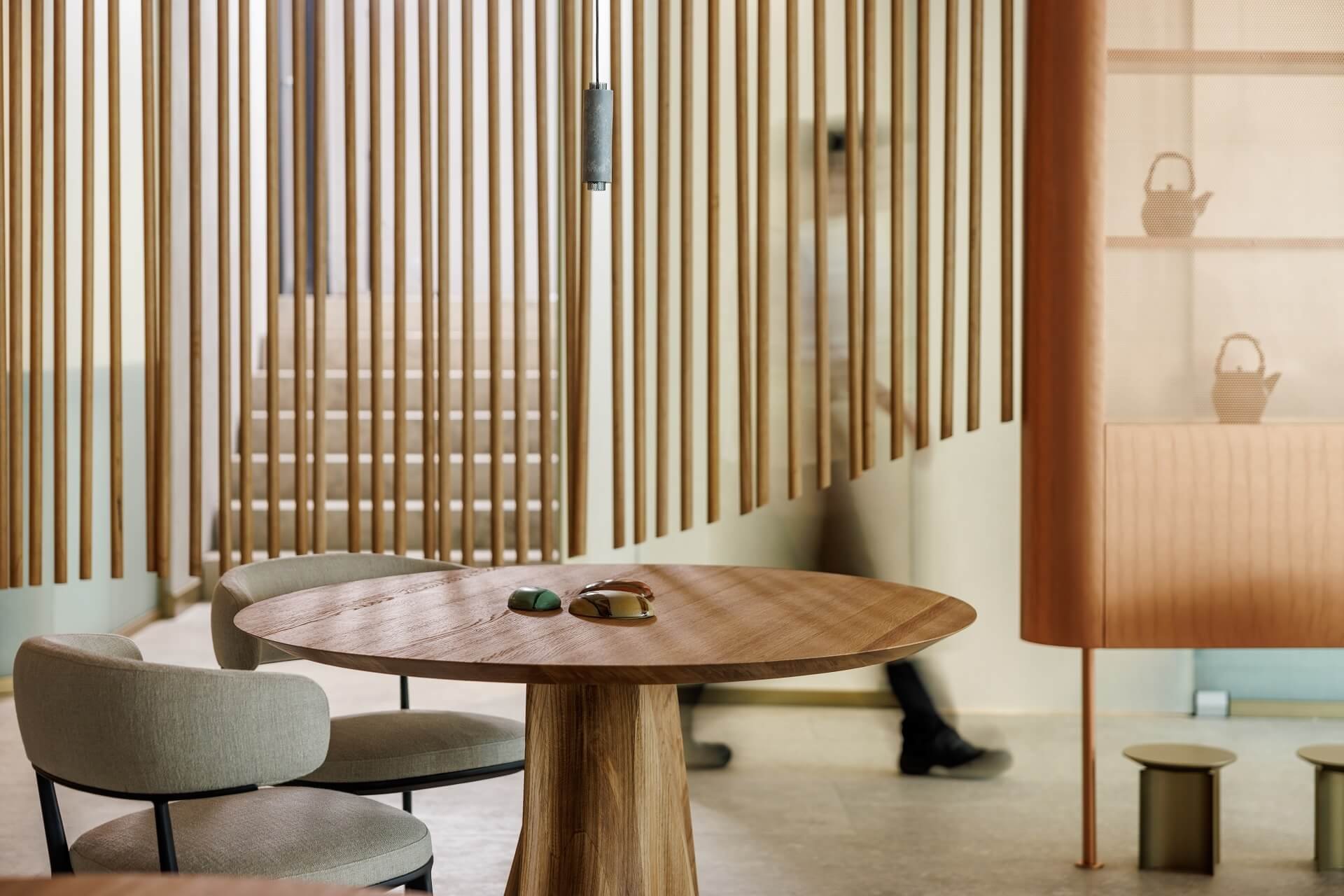
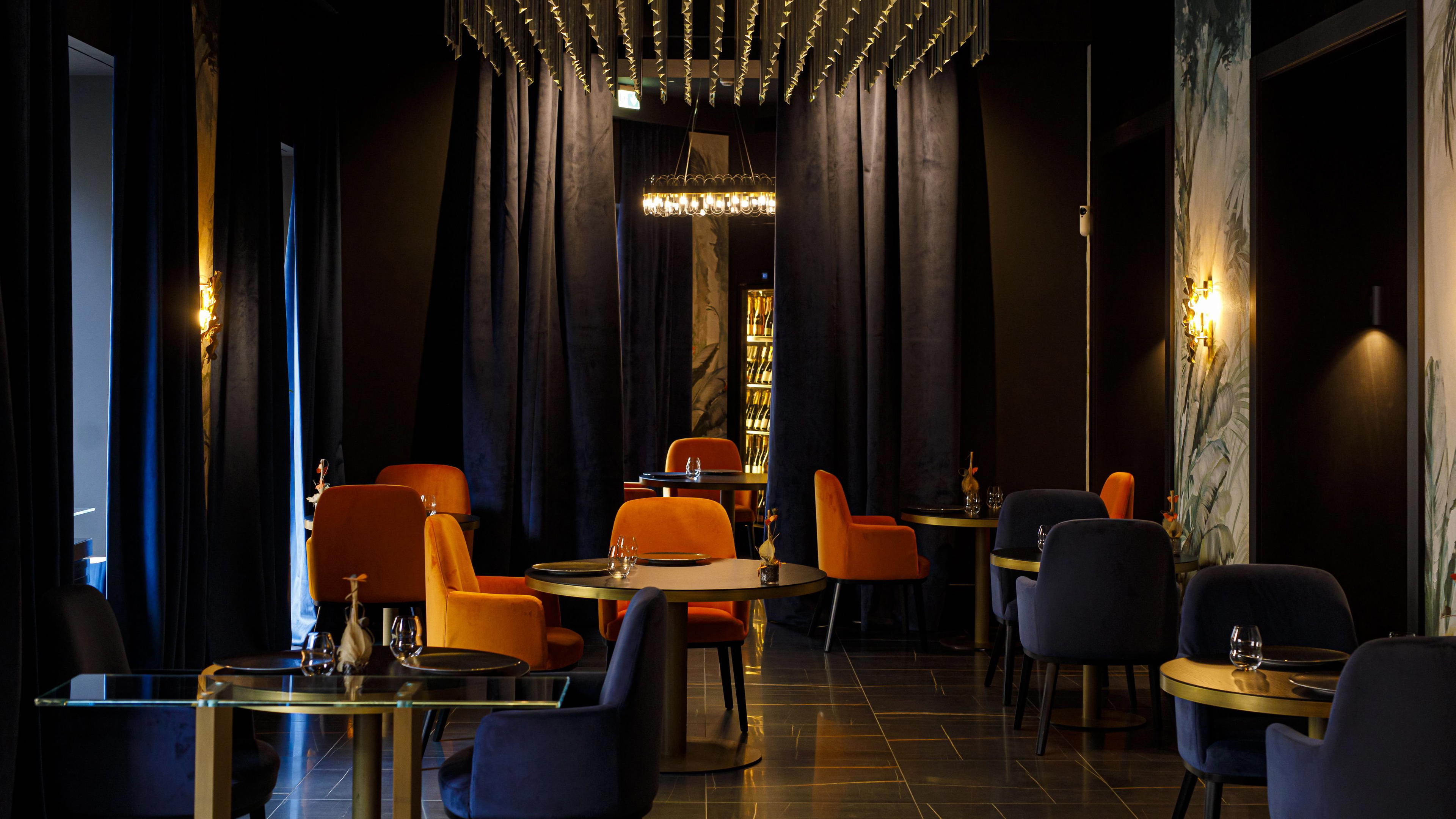
Minimalist and elegant with precise attention to detail in tableware and service, though some find the lighting and atmosphere slightly cold.