
Gen pu kan Chiyo ten places Hakata’s yakiniku ritual in a compact, old-school register: grill, share, pace the table, and let offal sit beside beef rather than behind it. Its 2025 Tabelog 100 Yakiniku WEST selection gives the room a clear trust signal, but the appeal is broader than an award badge: this is Fukuoka dining as social rhythm, not ceremony for its own sake.
Pearl is the En Primeur Club membership app — saves, bookings, and concierge access live there. Same editors, same standards.
- Address
- 3 Chome-48-9 Chiyo, Hakata Ward, Fukuoka, 812-0044, Japan
- Phone
- +81 92-651-7817
- Website
- tabelog.com
 Saves & bookings on Pearl
Approaching a serious yakiniku room in Fukuoka differs from entering a counter restaurant. The meal announces itself before the first order: smoke management, tabletop heat, tongs, plates, sauces and shared timing. Gen pu kan Chiyo ten belongs to that tradition, where the table is the engine of the evening. The format rewards diners who pace well: order in waves, cook deliberately, and keep conversation moving between grill and glass.
Fukuoka’s food reputation is often reduced to ramen, yatai and late-night noodles, but the city also has a strong appetite for specialist comfort formats built for groups. Yakiniku fits that culture: direct, social and less formal than kaiseki or sushi, yet still governed by codes. Cuts arrive raw, judgment happens over heat, and the table decides when each course is ready. That participatory quality explains why recognition in the Tabelog 100 Yakiniku WEST 2025 list carries weight: the category is crowded, local and unforgiving.
Yakiniku in Hakata works by rhythm, not spectacle
Western Japan’s yakiniku scene is not one style. Osaka leans into Korean-Japanese roots and sauce-driven abundance; Kobe and Kyoto bring different expectations around beef prestige and formality. Fukuoka’s version often feels more practical: generous social dining, offal accepted as vocabulary, and shochu beside grilled meat. Gen pu kan Chiyo ten is listed for yakiniku and tripe, a meaningful pairing. Tripe signals comfort with texture and variety, not a menu built only around premium beef cues.
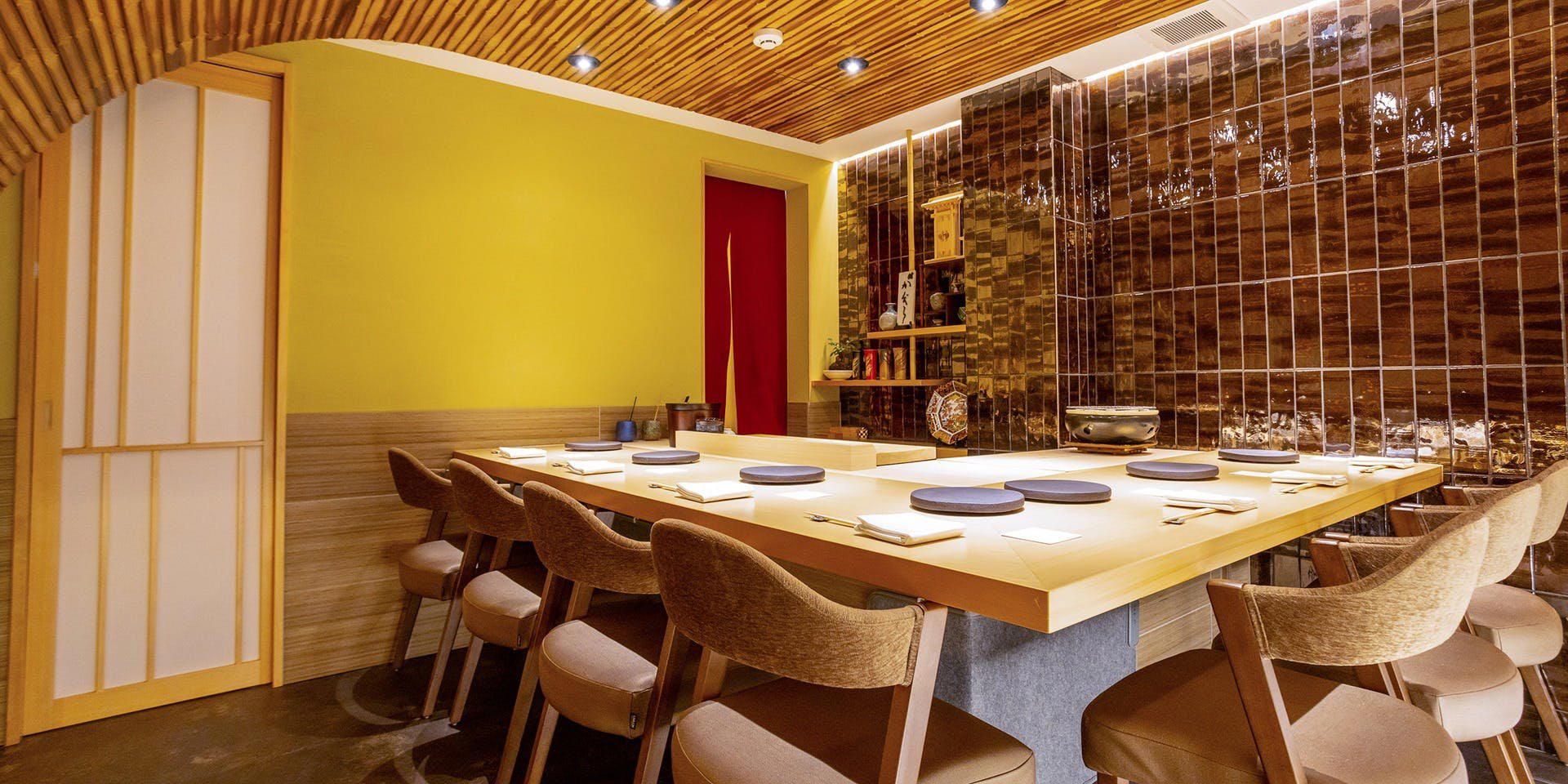
The ritual is democratic but not careless. A good yakiniku table requires attention. Thin cuts punish distraction, thicker pieces need patience, and offal benefits from confidence rather than hesitation. A tatami-room setup changes the meal’s posture: diners settle in, share decisions and let the grill set the tempo. The experience resembles a long group supper more than a chef-led tasting menu, which is precisely the point.
Compared with other Fukuoka formats, this is a different kind of local intelligence. Genkiippai represents the city’s ramen seriousness; Suzaki Yatai Kajishika points to open-air drinking culture; Kamoryori Marimo Honten occupies a higher-spend game-specialist lane. Yakiniku sits between those poles: structured enough to reward selection, relaxed enough for friends, and flexible enough for mixed appetites. For a wider read on where this room sits in the city, see Our full Fukuoka restaurants guide.
The award signal points to category strength, not luxury theatre
Tabelog’s Hyakumeiten lists are useful because they separate category excellence from fine-dining theatre. A Tabelog 100 Yakiniku WEST 2025 selection does not imply white-tablecloth formality. It means the restaurant has enough standing in a competitive regional category to rank among notable yakiniku addresses in western Japan. That distinction matters for travellers who want to eat well without defaulting to omakase, French technique or hotel dining.
Gen pu kan Chiyo ten also carries a Tabelog score of 3.68, a meaningful marker in Japan’s user-rating ecosystem rather than a casual number. Tabelog scores cluster tightly, and restaurants above the mid-threes often show repeat custom or category-specific reputation. Read the score with the award selection, not alone: together they point to a yakiniku room with local credibility, especially for diners interested in Hakata beyond its noodle shorthand.
The smarter expectation is not luxury polish. The signals suggest a room built around fundamentals: meat, offal, heat, shared pacing and a drinks culture that includes shochu. Private rooms are not part of the setup, reinforcing the communal feel. Smoking is allowed, placing the venue closer to older Japanese dining customs than contemporary non-smoking hospitality norms. For some diners that is atmosphere; for others, a deciding factor.
How to fold it into a Fukuoka dining itinerary
The strongest use case is a meat-focused meal with friends, especially when the rest of a Fukuoka trip already includes noodles, fried fish, curry or izakaya-style drinking. Nearby and citywide alternatives sharpen the decision. Aji Furai Shokudo Kaba speaks to the city’s affection for crisp, unfussy set-meal cooking; Aji no Katsueda gives another view of everyday Fukuoka dining; Aji Dokoro Taro Gen Sougyou ten sits in a more traditional local register. For spice-led contrast, 106 South Indian Fukuoka tenjin ten and Afterglow show how Fukuoka’s appetite extends beyond Japanese categories.
Practical reading is simple: choose this when the meal should be social and grill-led, not hushed or chef-directed. Reservations are available, and the room’s scale makes advance planning sensible for groups. Payment expectations matter in Japan’s older restaurant tier; diners should be ready for cash-first habits where card and digital payment acceptance is not part of the format. Take-out is listed, but the core value remains the table ritual, because yakiniku loses much of its logic away from heat and timing.
Travellers building a broader Japan file can compare the category logic with meat and grill addresses elsewhere, from -Grilled beef Sukiyaki- KAMAKURA TANUKIAN 鎌倉 たぬき庵 in Kamakura to. 鮪と炭火焼き うお炭 秋葉原店 in Tokyo. Different cities frame heat differently: sukiyaki makes the table sweeter and more ceremonial, charcoal cooking leans toward smoke and drinking, while Hakata yakiniku keeps the group in charge. For adjacent city planning, keep Our full Fukuoka hotels guide, Our full Fukuoka bars guide, Our full Fukuoka wineries guide and Our full Fukuoka experiences guide close.
For diners tracking Japanese regional dining beyond Fukuoka, the useful comparison is not status but format..cafe in Osaka.know in Kumamoto, (Shoku) Vietnam in Kawasaki, [Curry Senmon Ten] Maruyama Kyoju. in Sapporo, Jōdo Saké Bar in Los Angeles and Onigiri Time in Pasadena each sit in different rituals of ordering, pacing and repetition. The restaurant is worth reading through that lens: not as a trophy stop, but as a clear expression of how Fukuoka gathers around heat.
What It’s Closest To
Comparable options at the same price tier.
| Venue | Cuisine | Price | Notes |
|---|---|---|---|
| Gen pu kan Chiyo tenThis venue — the venue you are viewing | Japanese Yakiniku (BBQ) | $$ | Not listed |
| Kiharu no Gomasaba ya | Mackerel-focused Japanese Izakaya | $$ | Chūō |
| Houshou | Japanese Izakaya | $$ | Chūō |
| Yakitori Benkei Nishijin ten | Traditional Yakitori & Kushiyaki | $$ | Sawara |
| Jidori Shokudo Magaribuchi ten | Japanese Jidori Chicken BBQ | $$ | Sawara |
| Daikoro Youha / Tonkatsu Youha | Tonkatsu & Japanese Izakaya | $$ | Chūō |
Recognition history
Dated appearances from independent guides and award organizations, with the underlying list record or original source where available.
Tabelog 100 #11 · No. 11
Tabelog · Tabelog 100 - Yakiniku - WEST - 2025
At a Glance
- Classic
- Cozy
- Group Dining
- Casual Hangout
- Standalone
- Sake Program
Current opening hours
- Monday
- 10 AM–10 PM
- Tuesday
- 10 AM–10 PM
- Wednesday
- Closed
- Thursday
- 10 AM–10 PM
- Friday
- 10 AM–10 PM
- Saturday
- 10 AM–10 PM
- Sunday
- 10 AM–10 PM
Hours can change for holidays and private events. Last verified .
Traditional, low-key yakiniku atmosphere centered on tatami seating; the setting reads as casual and comfortable rather than polished or modern.