Located in Nagoya's Nishi Ward, Ecco occupies a quieter register than the city's better-documented dining corridors, placing it in a category of neighbourhood-anchored restaurants that reward deliberate research over casual discovery. Nagoya's dining scene has grown increasingly layered in recent years, and Ecco represents the kind of address that sits outside the headline circuit while drawing a committed local following.
Pearl is the En Primeur Club membership app — saves, bookings, and concierge access live there. Same editors, same standards.
- Address
- 1 Chome-22-9 Nagono, Nishi Ward, Nagoya, Aichi 451-0042, Japan
- Phone
- +81524467066
- Website
- ecco-nagono.net
- Directions
- Get directions
 Saves & bookings on Pearl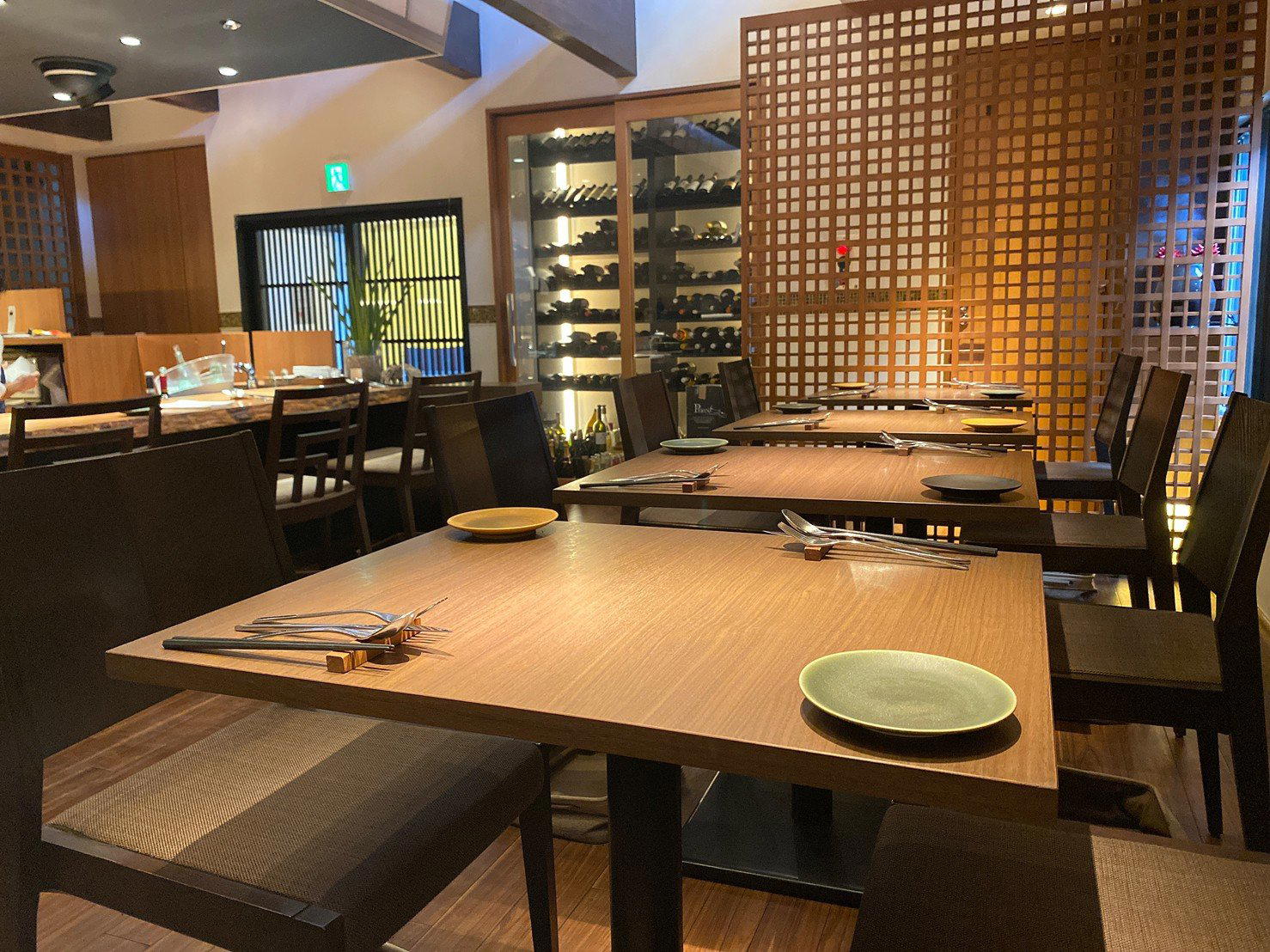
Nishi Ward and the Quieter Side of Nagoya Dining
Nagoya's most-discussed restaurants tend to cluster around Sakae, Nagono's cafe-bar strip, or the station precincts where visibility is high and foot traffic reliable. Nishi Ward operates on a different logic. The neighbourhood around 1 Chome Nagono sits close enough to the city's commercial core to be accessible but far enough from the tourist circuit that its restaurants answer primarily to local regulars rather than passing visitors. That dynamic shapes what a restaurant in this pocket of the city needs to be: consistent, embedded, and good enough on its own terms that proximity to a landmark is not the draw.
This is the frame through which Ecco should be read. An address in this part of Nagoya is not a disadvantage; it is a positioning statement. Restaurants that survive here without the scaffold of a famous district reputation do so because the room and the cooking create their own gravity. The same pattern appears across Japanese cities wherever a neighbourhood sits adjacent to but outside the main dining circuits: Gion Sasaki in Kyoto built its reputation in a historic district that required active navigation, and Goh in Fukuoka operates well outside that city's most visible dining corridors. The pattern across Japan is clear: neighbourhood placement and critical standing are not in tension when the cooking is precise enough to justify the detour.
The Nagoya Dining Context
Nagoya occupies an interesting position in Japan's restaurant hierarchy. It is the country's fourth-largest city by population, yet it receives a fraction of the international dining attention directed at Tokyo, Osaka, or Kyoto. That gap has narrowed as the Michelin Guide Aichi has expanded its coverage and as food-focused travellers have begun treating Nagoya as a destination in its own right rather than a transit stop between the two major conurbations.
The city's dining identity is partly anchored by its own regional traditions: hitsumabushi eel preparation, miso-based dishes, and the tebasaki chicken wing format. Atsuta Horaiken, one of the city's most recognised addresses for hitsumabushi, represents the high end of that local tradition. But alongside the regional specialists, Nagoya has developed a broader restaurant culture that includes Italian-inflected kitchens, multi-course Japanese formats, and hybrid approaches that reflect the city's industrial wealth and its residents' accumulated appetite for precision cooking. Bacio, Chez Kobe, cucina Wada, and Cucina Italiana Gallura each represent different corners of this wider scene, and the overall picture is of a city whose restaurant culture has more depth than its international profile suggests.
Ecco sits within this broader context. Its Nishi Ward address places it in a part of the city where restaurant density is lower but where the establishments that do operate tend to serve a repeat, neighbourhood-loyal clientele rather than a one-visit tourist cycle. That audience is often more demanding in practical terms: they will return weekly or monthly, which means consistency matters more than first-impression theatrics.
What the Address Tells You
The Nagono stretch of Nishi Ward has a particular character. It sits between the more residential western wards and the commercial density of central Nagoya, with a mix of small creative businesses, cafes, and independent restaurants that have made it one of the city's more interesting pockets for new openings in recent years. The area has drawn comparisons to the quieter, studio-district neighbourhoods in other Japanese cities where rent structures allow smaller operators to sustain formats that would be commercially difficult in higher-visibility locations.
For a diner arriving from outside Nagoya, the practical consideration is direct: Nishi Ward is accessible from Nagoya Station and the central subway network, but it rewards some advance planning rather than spontaneous visit. That logistical minor friction is, in practice, a filter: the room will contain people who chose to be there specifically, which changes the social atmosphere in ways that matter, particularly for smaller, quieter formats.
Across Japan, the restaurants that have built the most durable reputations often share this quality of deliberate inaccessibility. HAJIME in Osaka, akordu in Nara, and addresses like affetto akita in Akita or Aji Arai in Oita all demonstrate that geography outside the primary circuit does not constrain ambition. In some cases it enables it, by removing the pressure to perform for a transient audience.
Planning a Visit
Because Ecco's specific booking method, hours, and pricing are not currently documented in detail in EP Club's database, the most reliable approach is to research current reservation availability through local Japanese dining platforms, which handle the majority of Nagoya restaurant bookings, or through hotel concierge services for visitors staying in the city centre. This is standard practice for smaller Nagoya restaurants that operate without English-language web presence, and it applies to a significant portion of the city's better neighbourhood addresses.
For international visitors building a Nagoya itinerary, Ecco fits logically alongside a wider exploration of the city's independent restaurant scene. Our full Nagoya restaurants guide maps the broader field and provides context for how different neighbourhoods and cuisine categories relate to each other across the city.
Diners with an interest in tracking how Japan's regional cities develop their own fine dining identities, independent of the Tokyo and Osaka circuits, will find Nagoya a productive focus. The same curiosity that drives visits to Ajidocoro in Yubari District, Akakichi in Imabari, or Abon in Ashiya applies here: these are the addresses that reveal how Japan's restaurant culture distributes across the country rather than concentrating exclusively in its two largest cities.
For international reference points, the model of the neighbourhood restaurant that earns its reputation through consistency rather than spectacle has parallels outside Japan. Le Bernardin in New York City and Lazy Bear in San Francisco both built sustained reputations on format clarity and repeat-visit quality rather than novelty. Harutaka in Tokyo demonstrates the same principle in a Japanese context. The underlying logic applies equally in Nagoya's Nishi Ward.
The Short List
| Venue | Cuisine |
|---|---|
| EccoThis venue — the venue you are viewing | Not listed |
| Cucina Italiana Gallura | Sushi |
| Hachisen | Kyoto Cuisine |
| il AOYAMA | Italian |
| Tokusen | Japanese |
| Unafuji | Unagi |



At a Glance
- Intimate
- Elegant
- Sophisticated
- Date Night
- Special Occasion
- Private Dining
- Sake Program
Current opening hours
- Monday
- 12–2:30 PM, 6–10 PM
- Tuesday
- 12–2:30 PM, 6–10 PM
- Wednesday
- 12–2:30 PM, 6–10 PM
- Thursday
- 12–2:30 PM, 6–10 PM
- Friday
- 12–2:30 PM, 6–10 PM
- Saturday
- 12–2:30 PM, 6–10 PM
- Sunday
- Closed
Hours can change for holidays and private events. Last verified .
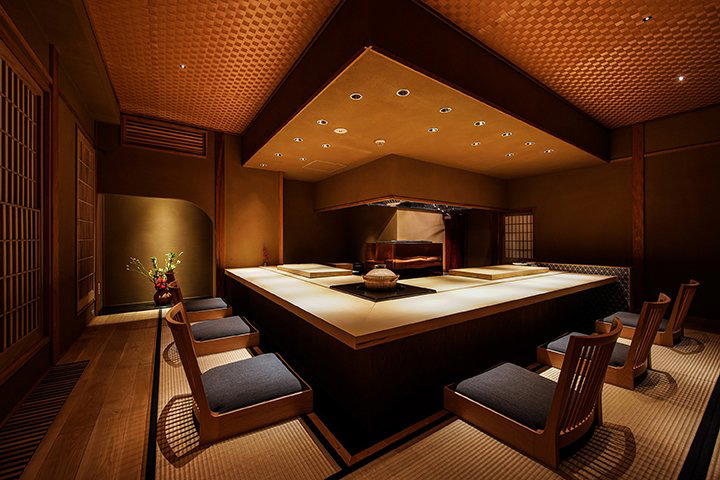
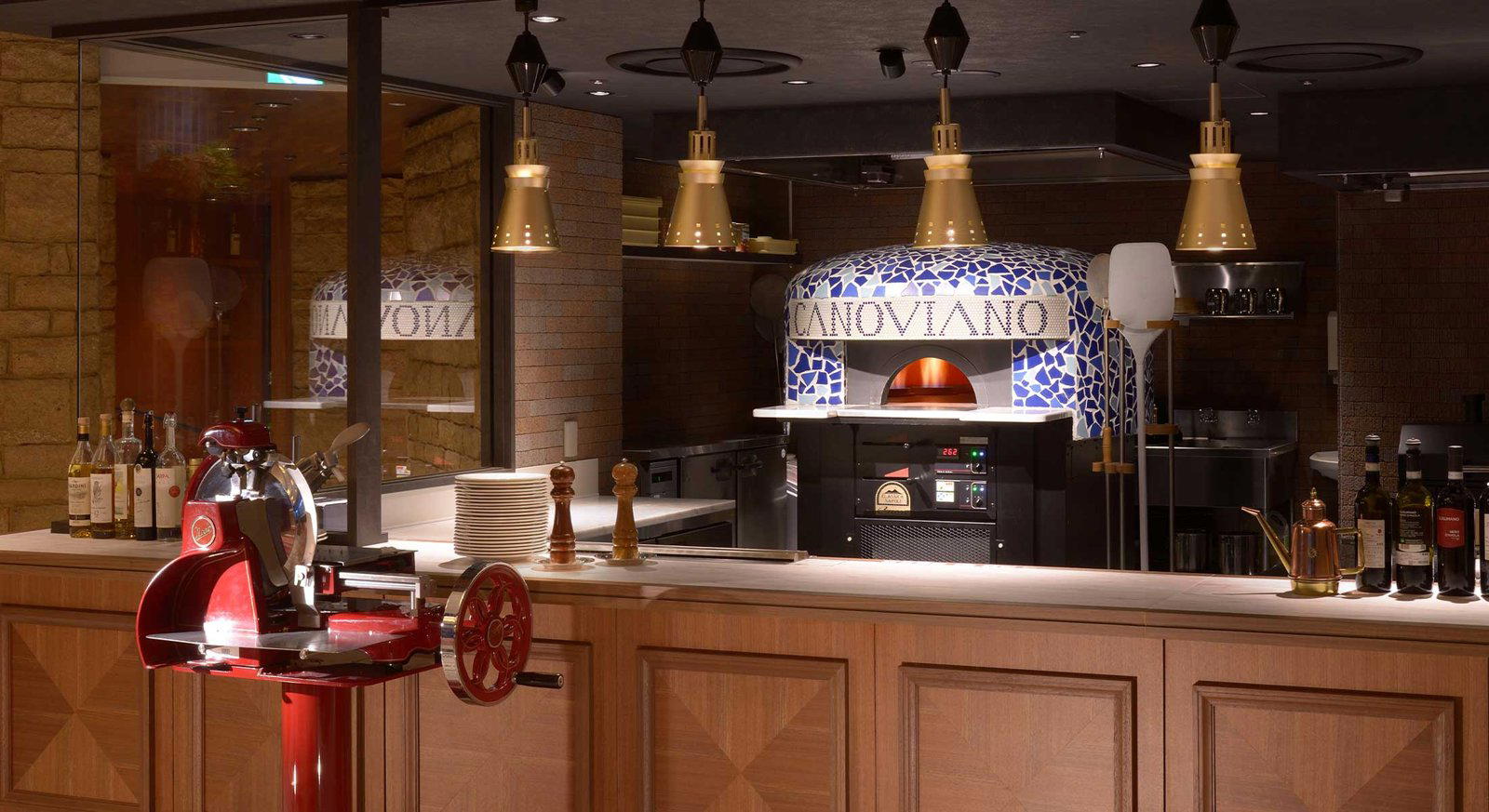
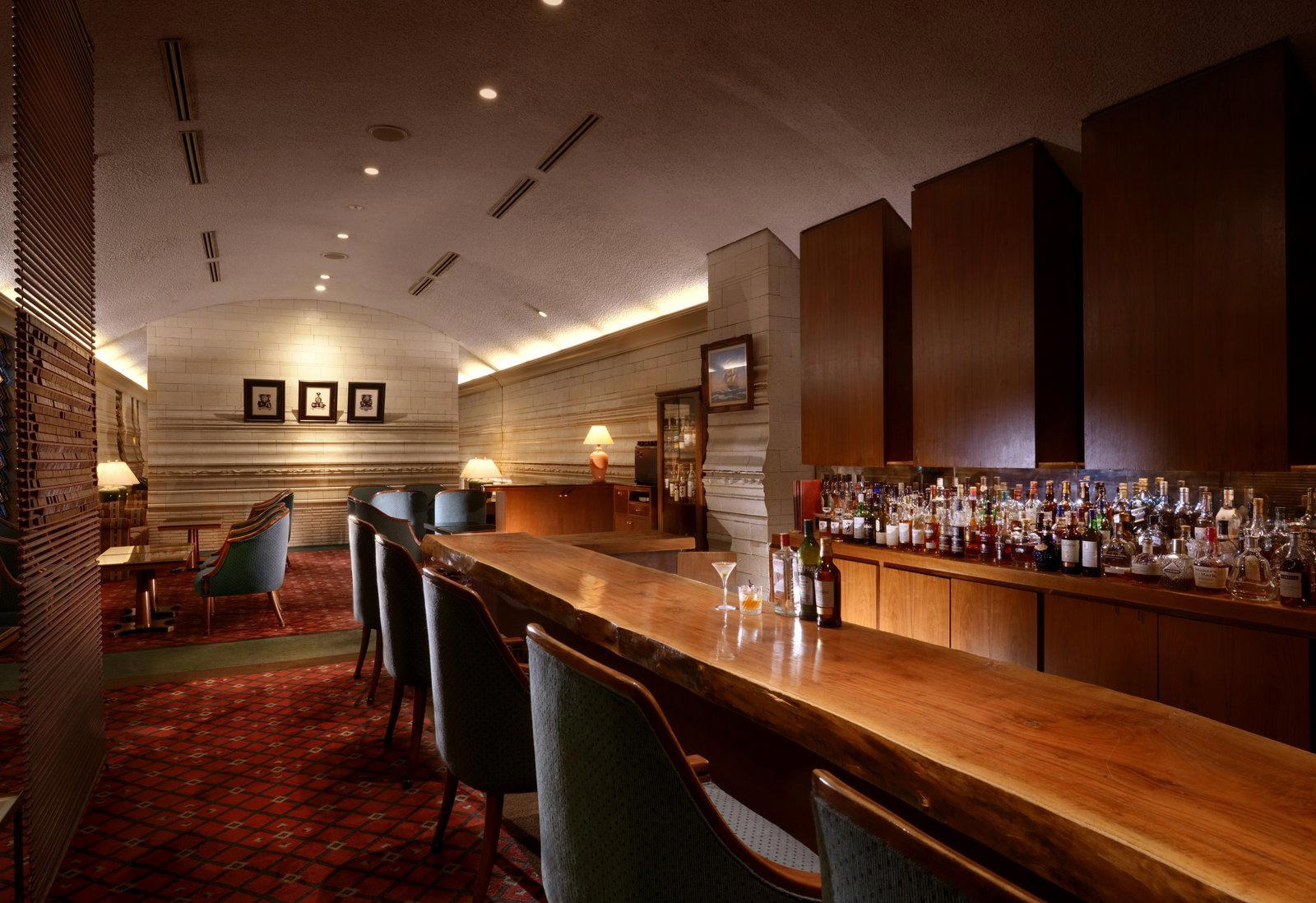
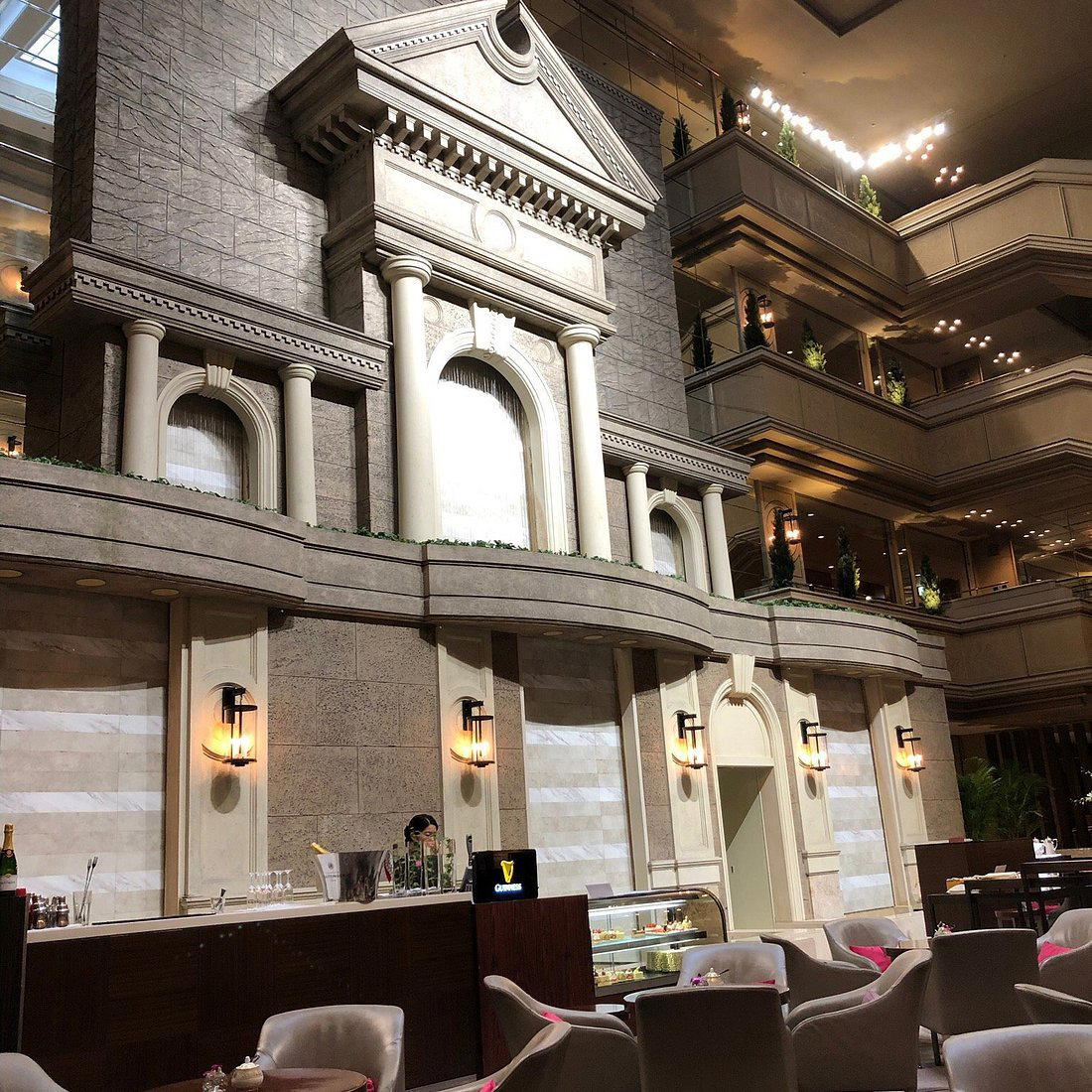
Intimate setting in historic architecture with 16 seats including counter and private room.
Know Before You Go
- Getting there
- 1 Chome-22-9 Nagono, Nishi Ward, Nagoya, Aichi 451-0042, Japan