On Đường Láng in Đống Đa, East Sea Seafood Restaurant sits within a stretch of Hanoi where neighbourhood dining still operates on local terms rather than tourist-facing formats. The address places it squarely in the working city, where seafood restaurants compete on freshness cycles and price-to-quality ratios rather than design budgets. For visitors oriented toward Hanoi's mid-range seafood circuit, it represents a reference point in that category.
Pearl is the En Primeur Club membership app — saves, bookings, and concierge access live there. Same editors, same standards.
- Address
- 794 Đ. Láng, P, Đống Đa, Hà Nội, Vietnam
- Phone
- +84898080794
- Website
- haisanbiendong.vn
 Saves & bookings on Pearl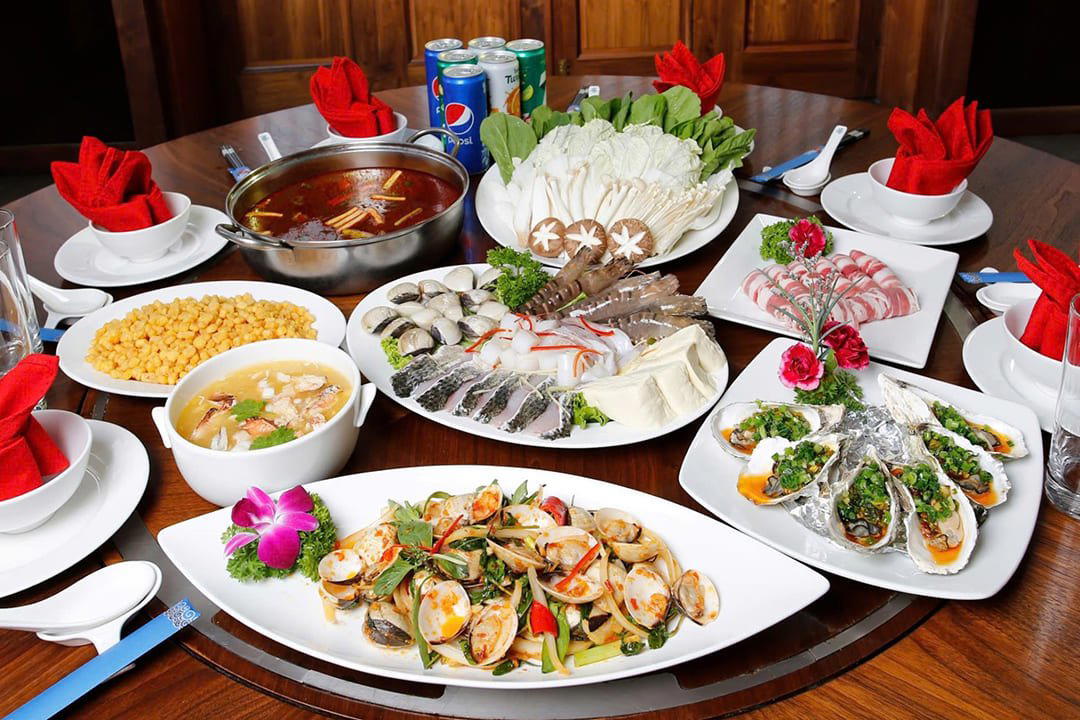
Seafood Dining on Hanoi's Working Side
Đường Láng is a main artery in Hanoi rather than a street that appears on most curated dining itineraries. Running through Đống Đa district, it belongs to the functional Hanoi that feeds residents rather than courts visitors: motorcycle repair shops, local pharmacies, and restaurants that live or die on repeat custom rather than foot traffic from the Old Quarter. Seafood restaurants in this part of the city operate within a different set of priorities than their counterparts in Hoàn Kiếm. The competition is hyperlocal, the pricing pressures are real, and the clientele arrives with specific expectations about what fresh product should cost.
East Sea Seafood Restaurant at 794 Đường Láng sits within that context. The address alone signals its orientation: this is a neighbourhood address, not a destination address, and the distinction shapes everything from format to audience. In Hanoi's broader seafood category, that positioning places it in a different competitive set than tourist-facing operations near Hồ Tây or the higher-budget seafood houses operating around the Old Quarter perimeter.
How Hanoi Structures Its Seafood Offer
Hanoi's seafood dining market is layered in ways that can be difficult to read from the outside. At the upper tier, restaurants near West Lake and in premium hotel corridors, including teppanyaki formats like Hibana by Koki, price against international visitors and expense-account diners. At the contemporary Vietnamese tier, places like Gia frame seafood within a modern culinary argument, with menu architecture that references technique and provenance deliberately. Below that, the city sustains an enormous mid-range and neighbourhood-level seafood circuit where the logic is fundamentally different: the menu is structured around what arrived at the market that morning, the format is communal, and the cooking method is often left partly to the table.
That lower-to-mid tier is where Hanoi's seafood culture is most alive in an everyday sense. The menu architecture in these restaurants tends to be broad and category-led rather than curated: shellfish by type, fin fish by preparation method, accompaniments listed separately. It is a format that assumes the customer knows how to order and what to pair, rather than one that guides decision-making through a chef-edited sequence. For visitors more accustomed to the tasting-menu format that defines places like Le Bernardin in New York City or the collaborative dinner structure of Lazy Bear in San Francisco, the ordering logic here requires a different orientation.
Menu Architecture and What It Signals
The structure of a seafood menu in a working Hanoi neighbourhood restaurant carries editorial information even before a dish arrives. A wide menu signals confidence in supply relationships: the kitchen is not restricting choice because of sourcing anxiety, but presenting what the day's market allowed. Seasonal variance is embedded in the format rather than announced as a special. This is seafood dining as a live relationship with supply rather than as a curated product.
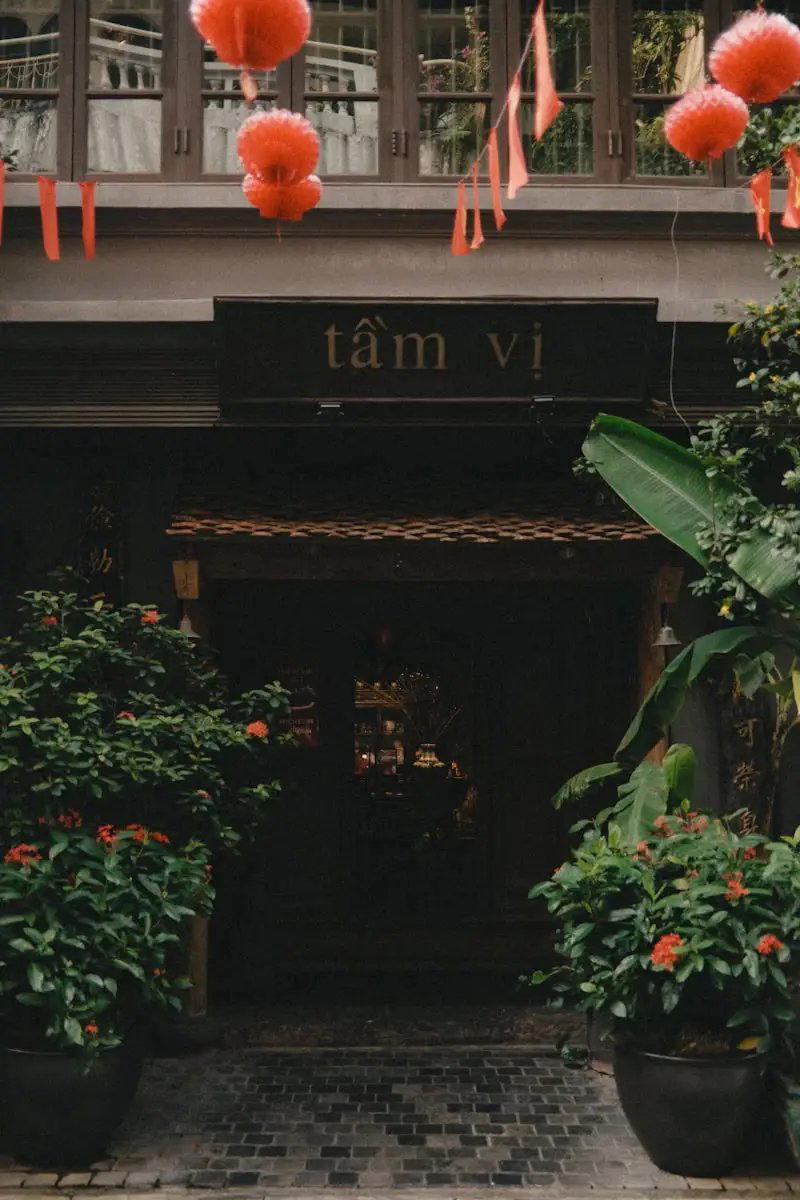
Within Hanoi's mid-range seafood category, the comparison point worth making is against the Vietnamese vernacular restaurants reviewed elsewhere in our coverage. Tầm Vị and 1946 Cua Bac operate in the Vietnamese dining category with menus built around traditional dish formats, but their price and format positioning overlaps with the neighbourhood seafood circuit in certain ways. The difference is specificity of ingredient focus: a dedicated seafood house organises its menu around product type first, then preparation, while a Vietnamese generalist organises around dish tradition first. Neither is a lesser argument; they are simply different editorial positions on what a meal should be.
For those mapping Hanoi's wider seafood geography, the coastal comparison is instructive. The port city dimension that defines places like Phuong Nhung Restaurant in Cat Hai or the Hoi An harbour-adjacent dining covered at Cargo Club Cafe and Restaurant does not apply in Hanoi. The capital's seafood is sourced inland from coastal supply chains, which means freshness is a function of logistics and supplier relationships rather than proximity to water. The restaurants that do this well in Hanoi have invested in those supply relationships over years.
The Đống Đa Dining Environment
Đống Đa is one of Hanoi's most densely populated districts, and its dining character reflects that density: high volume, high turnover, limited patience for theatre. The restaurants here that sustain long-term custom do so through consistency on the fundamentals, product quality, cooking reliability, and price that reflects the local economic reality rather than a tourist premium. This is a different discipline than the one required to maintain a reputation on a restaurant row that serves largely first-time visitors.
For context on what the wider Vietnamese seafood and coastal dining circuit looks like at a higher tier, the coverage of La Maison 1888 in Da Nang and Saffron in Hue City shows how the country's central coast handles ingredient quality and format at the premium end. Akuna in Ho Chi Minh City represents the southern contemporary take. Hanoi's neighbourhood seafood circuit sits at a different point on that spectrum: closer to the ground, less formatted, more contingent on that morning's supply.
Other neighbourhood reference points in and around Hanoi worth cross-referencing include 19 P. Ngũ Xã, which occupies a peninsula-adjacent position in the city with its own distinct local dining logic, and the Hai Phong coastal dining covered at Le Pont Club. For those building a broader northern Vietnam seafood itinerary, Bau Troi Do in Son Tra and Mi Quang Ba Vi in Thanh Khe extend the picture into Da Nang's northern suburbs. Central Vietnamese dining culture, including the tradition documented at Nhà hàng Madame Lân in Hai Chau and Duyên Anh Restaurant in Phu Vang, offers a parallel reference for how seafood integrates into Vietnamese regional cooking at the mid-tier.
Planning a Visit
East Sea Seafood Restaurant is at 794 Đường Láng, Đống Đa, Hanoi. Reservations are recommended, and the restaurant is open daily from 8 AM to 10 PM. For broader orientation across the city's dining options, our full Hanoi restaurants guide maps the scene across price tiers and cuisine categories.
The Essentials
Comparable venues nearby, for context on price, style, and recognition.
| Venue | Cuisine | Price | Notes |
|---|---|---|---|
| East Sea Seafood RestaurantThis venue — the venue you are viewing | Dong Da, Vietnamese Seafood | $$ | Not listed |
| 19 P. Ngũ Xã | Not listed | $$ | Ba Dinh, Traditional Vietnamese Pho Rolls |
| Ốc Di Tú | Ba Dinh, Vietnamese Snail & Seafood | $$ | Not listed |
| Madame Hien - Vietnamese Restaurant Hanoi | Not listed | $$ | Hoan Kiem, Authentic Vietnamese Fine Dining |
| Ốc Vi Saigon | Not listed | $$ | Hoan Kiem, Vietnamese Seafood & Shellfish |
| Pizza 4P's Bao Khanh | Hoan Kiem, Japanese-Italian Fusion Pizza | $$ | Not listed |
At a Glance
- Cozy
- Classic
- Casual Hangout
- Family
- Group Dining
- Private Dining
- Sustainable Seafood
Current opening hours
- Monday
- 8 AM–10 PM
- Tuesday
- 8 AM–10 PM
- Wednesday
- 8 AM–10 PM
- Thursday
- 8 AM–10 PM
- Friday
- 8 AM–10 PM
- Saturday
- 8 AM–10 PM
- Sunday
- 8 AM–10 PM
Hours can change for holidays and private events. Last verified .
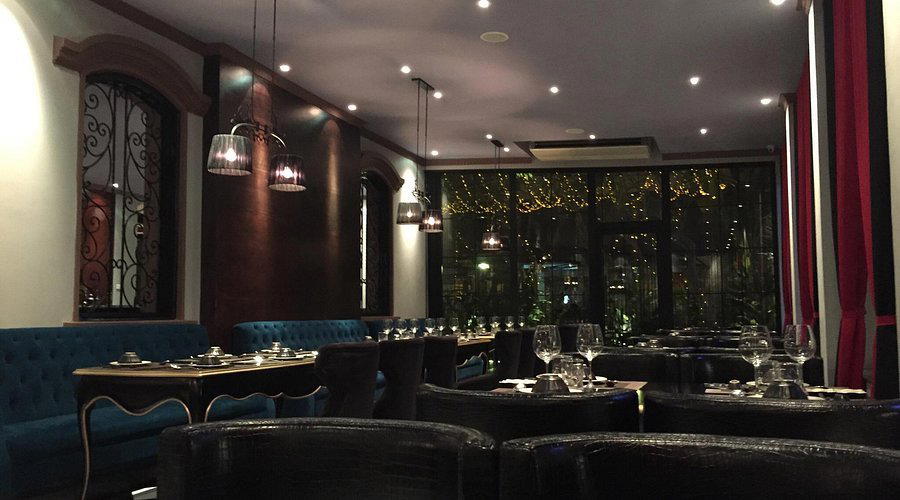
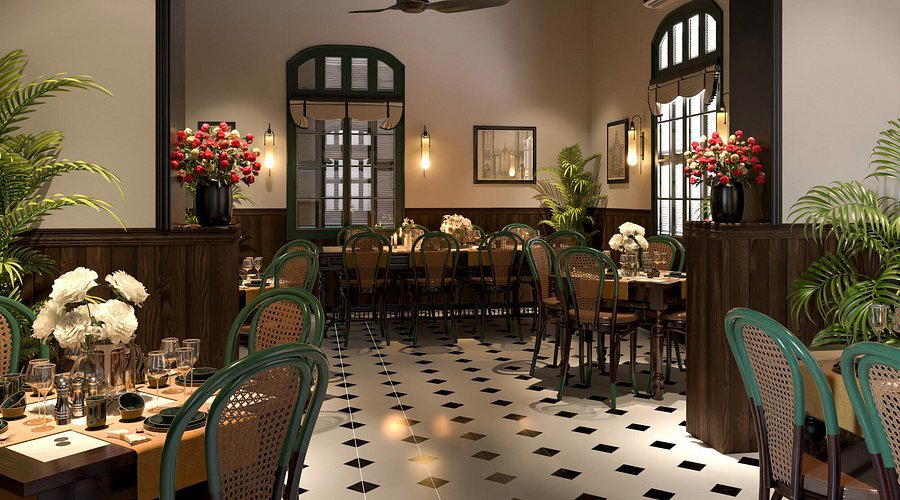
Inviting ambiance suitable for both casual dining and special occasions.