
Tabelog 100 #45
Our verdict
Steak Kaiseki Miyako Kasuga places Fukuyama’s steak-and-teppanyaki scene in a broader Setouchi frame: meat is central, but the format also makes room for fish, wine, cocktails, private-room dining, and family use. Its selection for Tabelog 100 Steak / Teppanyaki WEST 2025 puts it in a regional bracket where sourcing, pacing, and occasion matter as much as grill technique.

Pearl is the En Primeur Club membership app — saves, bookings, and concierge access live there. Same editors, same standards.
- Address
- 広島県福山市春日町2-2-43
- Phone
- +81849419269
- Website
- miyako-kasuga.jp
- Directions
- Get directions
- Booking
- Book on TableCheck
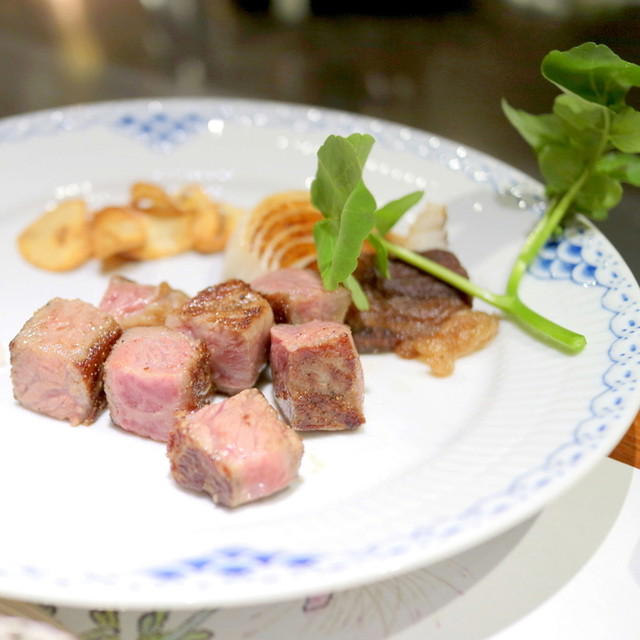
The menu
What to order
- Teppanyaki steak kaiseki course
- Grilled seasonal fish on teppan
- Wine-paired kaiseki course
In Fukuyama, Steak Kaiseki Miyako Kasuga reads differently from a quick, single-purpose grill stop. The occasion feels more deliberate, and the rhythm is better understood through the restaurant’s steak-kaiseki identity than through teppanyaki spectacle alone. For diners mapping Fukuyama through higher-spend meals, that distinction matters: beef is not presented merely as a luxury signal, but as part of a structured restaurant format that also carries French inflection.
Steak Kaiseki Miyako Kasuga sits inside the Tabelog 100 Steak / Teppanyaki WEST 2025 selection, a useful marker because western Japan’s steak-and-teppanyaki category is not a single style. It can range from compact counters built around chef proximity to more composed meals designed for longer dining. This Fukuyama address is best approached through its kaiseki framing as well as its steak label: progression, pacing, and the overall structure of the meal shape the experience as much as the iron plate.
Fukuyama logic applied to steak kaiseki
Category is the sharper way to read the format here. The listed categories, teppanyaki, steak, and French, point to a hybrid vocabulary common in Japan’s higher-spend Western-Japanese dining rooms, where sauce work and course sequencing can share space with grill technique. In Fukuyama, that broader restaurant context changes the register of a steak meal from simple beef focus to a more composed steak-kaiseki proposition.
That broader register separates the experience from more casual city choices. Hira no Ya and the lower-priced end of Fukuyama dining answer a different question: where to eat well with little ceremony. Le Miroir gives another angle on the city’s French-leaning appetite. The steak kaiseki lane asks for more time and more occasion, which is why comparison by cuisine alone misses the point. The relevant test is whether a restaurant can make beef feel integrated rather than simply expensive.
The Tabelog 100 recognition in 2025, along with a listed Tabelog score of 3.62, supplies a trust signal without turning the meal into trophy dining. Tabelog’s steak and teppanyaki lists tend to identify notable restaurants within category rather than define a single ideal style. For a traveler, that makes this a Fukuyama specialist rather than a generic celebratory steakhouse. The interest lies in how the city’s dining grammar can bend the teppanyaki template toward a steak-kaiseki meal.
Kaiseki framing changes the meaning of teppanyaki
Teppanyaki is often sold through intimacy: a short counter, a chef’s hands, a sequence of cuts cooked in full view. Here, the kaiseki framing changes the social contract. Rather than reading the meal only as a grill performance, it is better understood as occasion dining, the kind of format where a longer meal and a more composed progression matter as much as the immediate drama of the hot plate.
That does not make it less serious. It makes it a different species. The category language itself is the more telling signal: teppanyaki, steak, and French together suggest a restaurant that is not trying to be a single-purpose beef counter. For travelers, that broader usefulness is part of the appeal rather than a compromise, especially when the goal is a paced Fukuyama meal rather than a quick stop.
The dining style also broadens the read. The French listing aligns the restaurant with a Western-Japanese steak tradition rather than a narrowly defined grill-only format. In a city itinerary, that places Steak Kaiseki Miyako Kasuga alongside, not above, other Fukuyama choices: other local dining rooms for a different register of everyday eating, more casual city restaurants for another snapshot, and additional Fukuyama tables for readers mapping the city through meals rather than monuments.
How to place it in a Fukuyama itinerary
The practical decision is simple: choose this for a paced steak meal with a structured format, not for a quick counter stop. The restaurant suits diners who want a controlled setting for a special meal, group occasion, or longer evening. It fits better into a planned Fukuyama dining itinerary than a spontaneous comparison built only around speed, novelty, or station-area convenience.
Price positioning also matters. Dinner sits in the JPY 10,000 to JPY 14,999 bracket, while lunch is listed at JPY 6,000 to JPY 7,999. In Fukuyama terms, that puts the restaurant above everyday local dining and into the city’s special-occasion tier, without needing to compare it directly to elite metropolitan beef counters. The value argument is strongest when the kaiseki pacing, teppanyaki category, and French-inflected steak format are part of the brief.
Readers building a broader city plan should use Our full Fukuyama restaurants guide for dining context, then layer in Our full Fukuyama hotels guide, Our full Fukuyama bars guide, Our full Fukuyama wineries guide, and Our full Fukuyama experiences guide. For a wider Japan comparison, beef-focused readers can look at other steak and teppanyaki rooms generically, while casual-format contrast comes through unnamed dining in other cities. The useful point is not to rank those places against Steak Kaiseki Miyako Kasuga, but to understand how this Fukuyama address occupies a more deliberate steak-kaiseki lane.
Frequently asked questions
Can I bring kids to Steak Kaiseki Miyako Kasuga?
For family planning, treat Steak Kaiseki Miyako Kasuga as a higher-spend Fukuyama steak-kaiseki option and confirm any child-related needs directly with the restaurant before booking. Its appeal is the paced format rather than a quick counter-style meal.
What should I expect atmosphere-wise at Steak Kaiseki Miyako Kasuga?
Expect a Fukuyama steak-kaiseki restaurant whose categories are listed as teppanyaki, steak, and French. The mood should be read as more structured and occasion-oriented than a casual grill stop, with the meal built around pacing as well as beef.
What should I budget for a meal at Steak Kaiseki Miyako Kasuga?
Budget Dinner: JPY 10,000 - JPY 14,999; Lunch: JPY 6,000 - JPY 7,999.
What's Steak Kaiseki Miyako Kasuga's location?
Fukuyama.
Is Steak Kaiseki Miyako Kasuga reservation-only?
The provided recognition does not establish it as reservation-only. Given its Tabelog 100 - Steak / Teppanyaki - WEST - 2025 selection, checking availability in advance is the sensible move.
What's the standout thing about Steak Kaiseki Miyako Kasuga?
Its strongest credential is the Tabelog 100 - Steak / Teppanyaki - WEST - 2025 selection, supported by a listed Tabelog score of 3.62. Add the Fukuyama setting and categories spanning teppanyaki, steak, and French, and it becomes a notably versatile steak-kaiseki address rather than a single-purpose grill.
Quick Comparison
Comparable venues by cuisine and price in the same metro.
| Venue | Cuisine | Price | Awards | Notes |
|---|---|---|---|---|
| Steak Kaiseki Miyako KasugaThis venue — the venue you are viewing | Teppanyaki Steak Kaiseki in Garden Villa | $150–200 | Tabelog 100 #45 | Not listed |
| 旬彩酒肴 おく村 | Seasonal Kaiseki | $150–200 | Not listed | Harubi-cho, Fukuyama |
| Sarrasin | Soba and Kawachi duck specialty | $50–100 | Tabelog 100 #53 | Meijicho |
| Mikiwatei Oichi Kochi | Seasonal Japanese Kaiseki with Local Seafood | $200–300 | Not listed | Tomonoura |
| お好み焼き ちょっとよんない | Hiroshima-Style Okonomiyaki | $10–20 | Not listed | 鞆町鞆 |
| Tori Tsune | Yakitori | Not listed | Tabelog 100 #38 | Mikadocho |
Recognition history
Dated appearances from independent guides and award organizations, with the underlying list record or original source where available.
Tabelog 100 #45 · No. 45
Tabelog · Tabelog 100 - Steak / Teppanyaki - WEST - 2025
Details
- Elegant
- Romantic
- Scenic
- Classic
- Sophisticated
- Special Occasion
- Celebration
- Date Night
- Business Dinner
- Group Dining
- Private Event
- Garden
- Open Kitchen
- Private Dining
- Design Destination
- Standalone
- Extensive Wine List
- Garden
- Tasting Menu
- Set Menu
- Counter Dining
- Wine
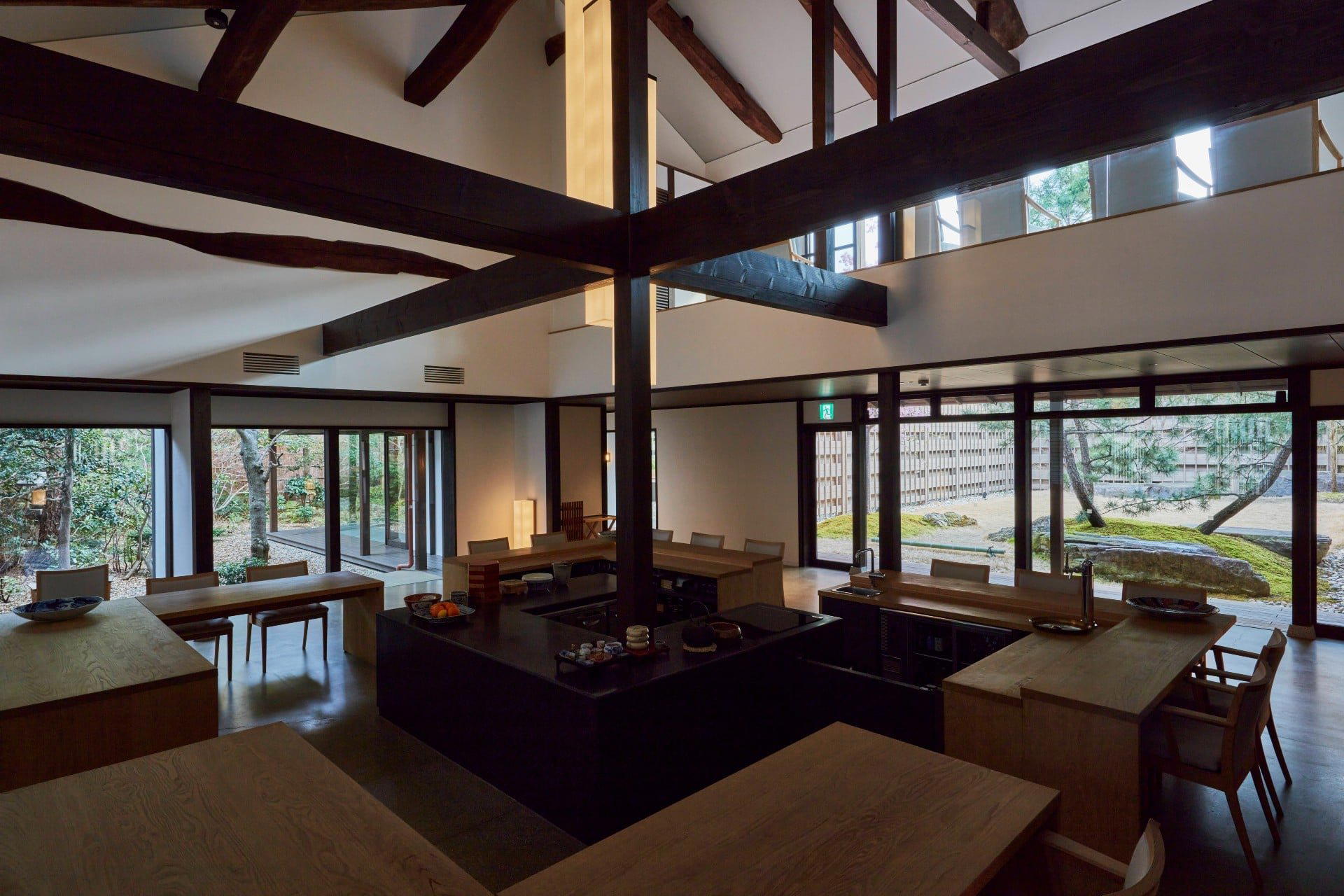
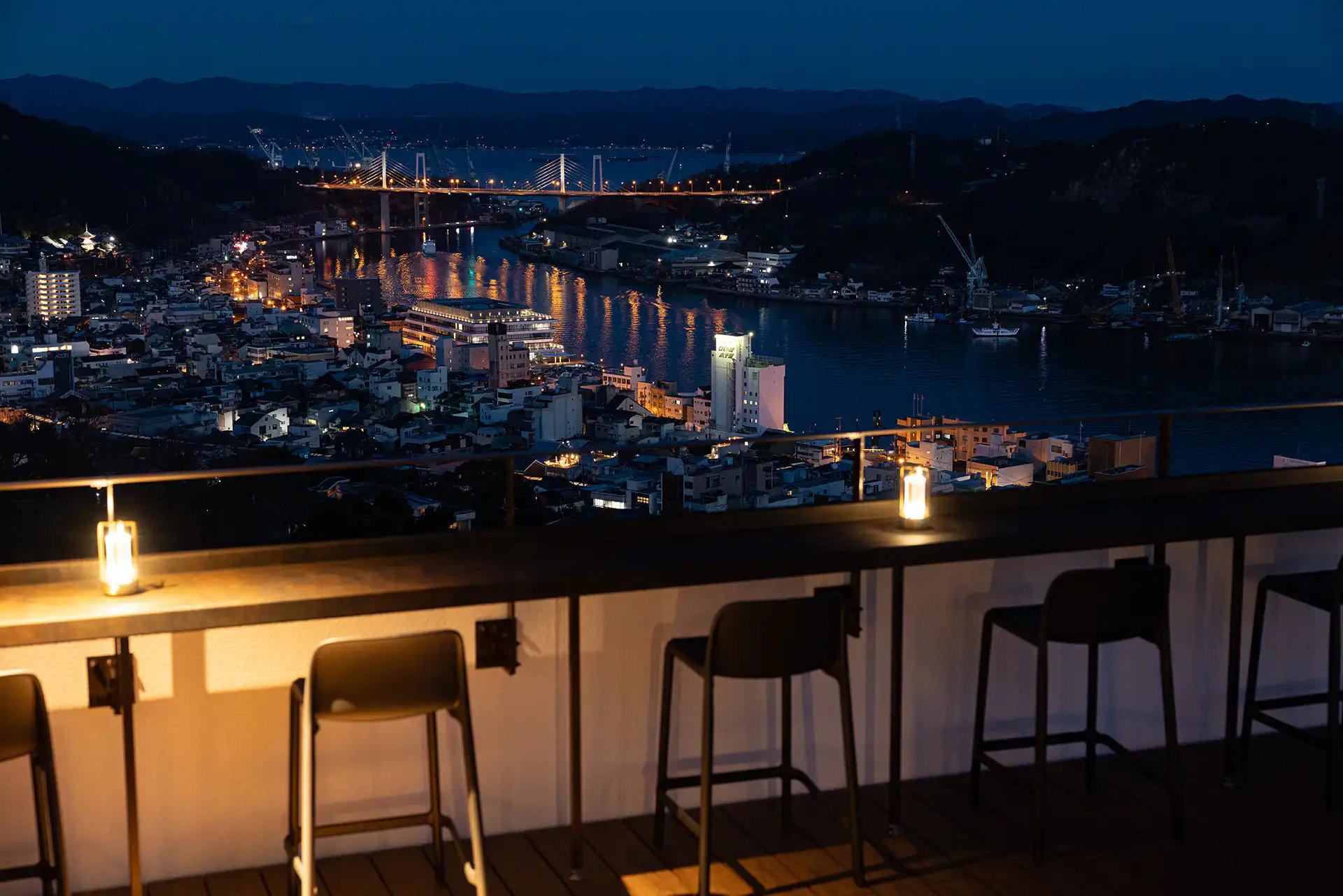
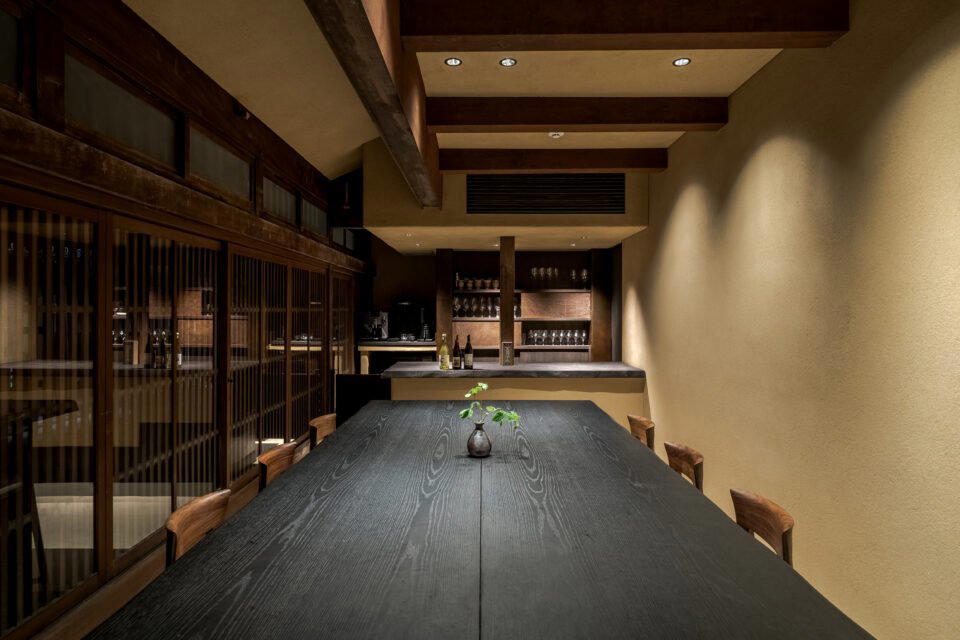
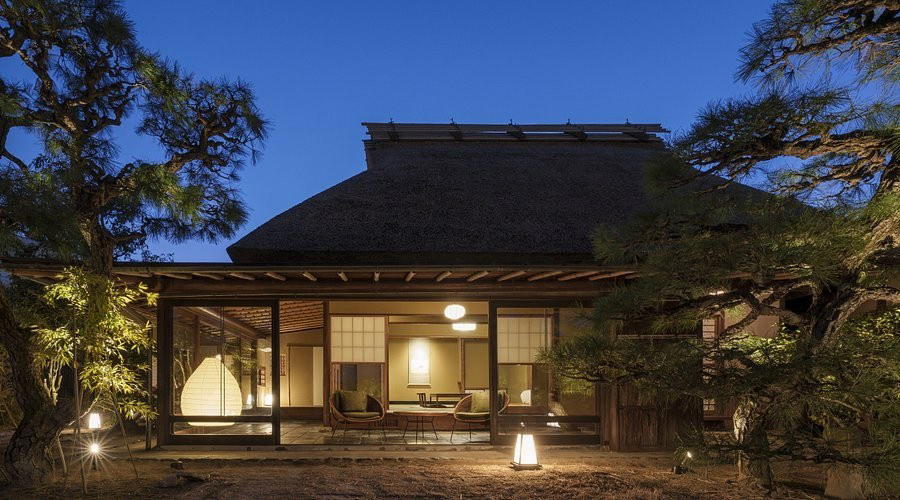
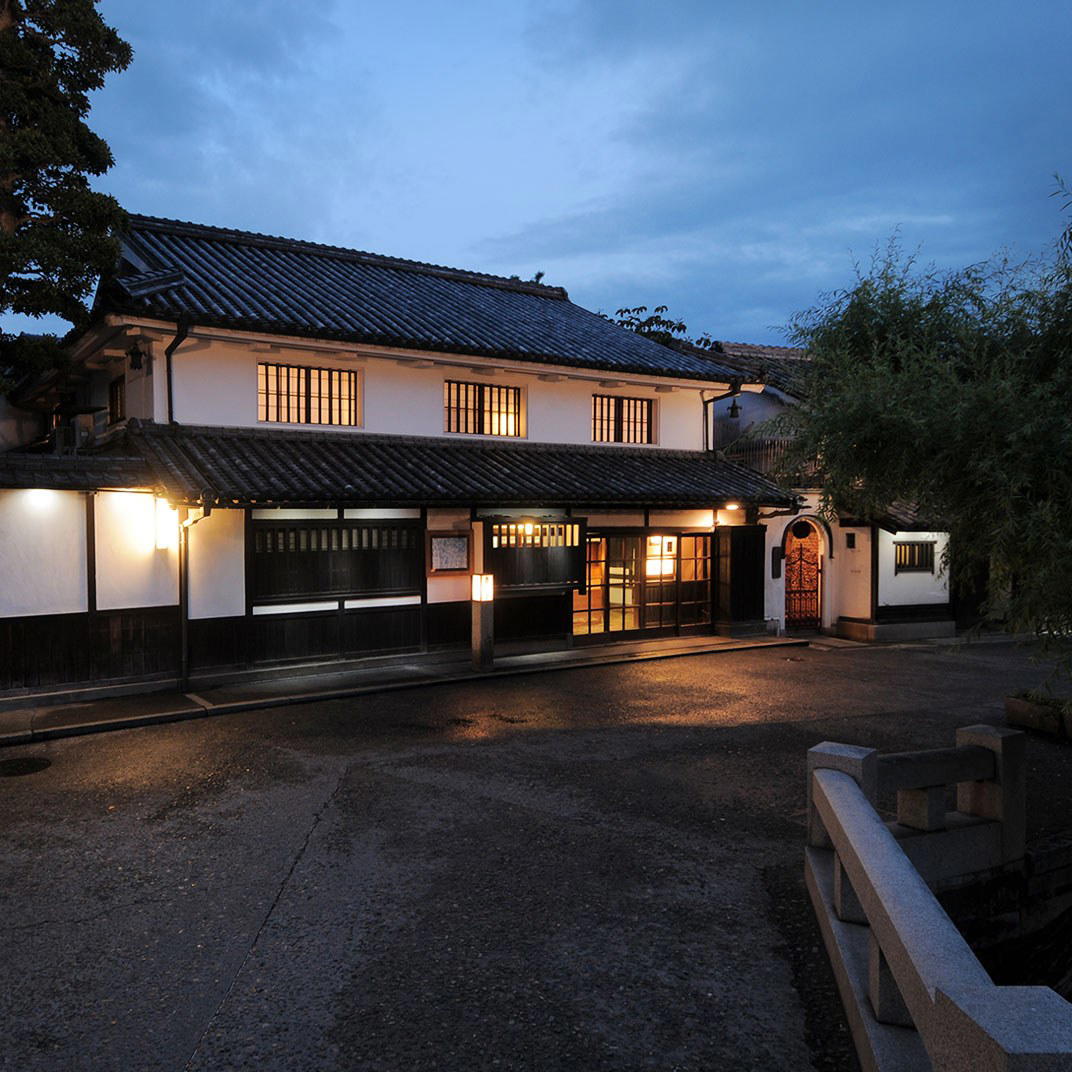
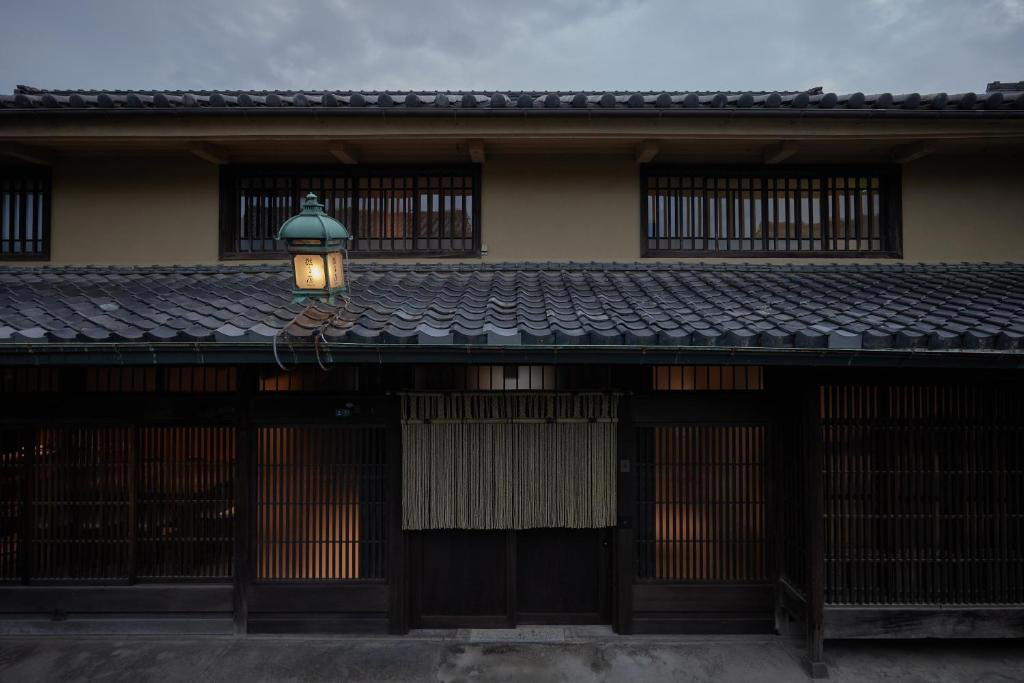
Refined and tranquil, with a sense of luxury and escape created by a sprawling tree-lined estate, garden views, and antique decor; guests sit at teppanyaki counters or in private rooms while chefs cook quietly in front of them, lending an intimate yet formal atmosphere suited to celebrations and weddings.