Our verdict
肉肉大米 sits within Nanjing's mid-range dining scene, where the city's appetite for meat-forward comfort food meets the everyday ritual of rice. Compared with the polished Huaiyang formality of venues like Jiangnan Wok · Yun, this address operates in a more casual register, making it a practical entry point into Nanjing's neighbourhood eating culture.

Pearl is the En Primeur Club membership app, where members save venues, book tables and use the concierge.
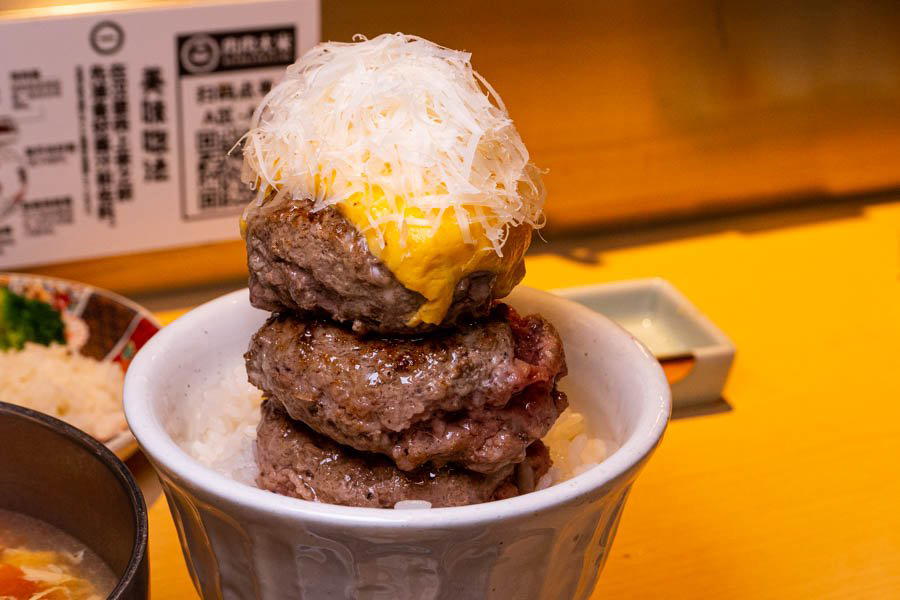
The menu
What to order
- 汉堡肉盖浇饭
- 和牛汉堡扒
- 芝士汉堡肉
Where Nanjing Eats on Its Own Terms
Nanjing has long occupied an ambiguous position in Chinese culinary geography. It is neither the refined Huaiyang capital that Yangzhou claims, nor the spice-forward powerhouse of Sichuan. What it does have is a deeply local eating culture built around duck, pork, and rice, served in formats that range from white-tablecloth Jiangzhe dining rooms to street-level counters that have been feeding the same neighbourhoods for decades. 肉肉大米 (Ròu Ròu Dà Mǐ, which translates roughly as "Meat Meat Rice") sits inside that second category, a name that announces its priorities with unusual directness. In a city where restaurant naming often leans on poetic allusion, a place called Meat Meat Rice is making a statement about what it is and who it is for.
The address places it within Nanjing's broader urban fabric, in Jiangsu province, where the dining options range from formally credentialed rooms like Jiangnan Wok · Yun at the ¥¥¥¥ tier to neighbourhood-focused Jiangzhe spots such as Du Shi Li De Xiang Cun operating at ¥¥. 肉肉大米 occupies the kind of position in local dining that serves a genuine community function: the place you go not to mark an occasion but to eat well without ceremony. That function is worth understanding before you walk in.
The Meat-and-Rice Format in Context
Across China's eastern cities, the meat-over-rice format has undergone considerable change in the past decade. What was once the province of simple lunchtime canteens has split into two distinct tiers. On one side are the casual, high-volume operations where speed and price point are the primary logic. On the other are a growing number of smaller, more deliberate addresses that apply genuine sourcing attention and kitchen discipline to the same basic format, charging modestly more and attracting a clientele that values consistency over cheapness.
The name 肉肉大米 signals an operator who has thought carefully about positioning. "Meat meat" as a doubled construction in Chinese carries a sense of abundance and satisfaction, almost childlike in its directness. Paired with 大米 (dà mǐ, plain cooked rice, the most elemental staple), it frames the offer as generous, unpretentious, and rooted in comfort rather than aspiration. This is not the kind of address that competes with Chi Man on Jiangzhe refinement or with Dai Yuet Heen on Cantonese formality. It competes on repetition: the kind of place you return to weekly rather than quarterly.
For comparison, consider how similar formats have evolved in other Chinese cities. Xin Rong Ji in Chengdu and 102 House in Shanghai both demonstrate how operators can build loyal, repeat-visit audiences by anchoring on a narrow, well-executed offer rather than sprawling menus. The meat-and-rice category in Nanjing follows the same logic, and 肉肉大米's naming suggests an operator who understands that a clear identity is a competitive advantage in a crowded mid-market.
Nanjing's Neighbourhood Eating Character
Understanding 肉肉大米 requires understanding the neighbourhood dining culture that produced it. Nanjing's food identity is not primarily shaped by its formal restaurants. It is shaped by the morning queues for salted duck, by the rice shops that open at eleven and close when the pot empties, and by the logic that good ingredients prepared simply are more reliable than elaborate technique applied inconsistently. This is a city where Fang Po has built a following around small eats, and where the everyday dining rhythm matters as much as the special-occasion table.
In that context, a venue named Meat Meat Rice is not an outlier. It is a direct expression of what Nanjing eats when it is eating for itself rather than for guests. The Jiangsu dining scene rewards this kind of clarity. Venues that try to be everything to everyone tend to lose ground to specialists who do one thing reliably. Across the broader region, you can trace this pattern in addresses as different as Dingshan·Jiangyan in Suzhou and Shang Palace in Yangzhou, both of which have built authority through discipline rather than range.
Placing It in the Nanjing Dining Tier
Nanjing's restaurant market has enough depth that visitors and residents alike face genuine choice at every price point. At the formal end, rooms like Jiangnan Wok · Yun offer Huaiyang cooking at ¥¥¥¥, with the service standards and presentation associated with that tier. At the mid-level, Dai Yuet Heen brings Cantonese technique at ¥¥¥. Further down, Jiangzhe specialists at ¥¥ handle the everyday budget with regional credibility.
肉肉大米 operates outside that formal tier structure in the way that the leading neighbourhood spots always do: not by competing on the same axes as credentialed dining rooms, but by offering something those rooms cannot, which is daily accessibility and the comfort of a familiar formula. The gap between a ¥¥¥¥ Huaiyang tasting menu and a neighbourhood rice counter is not just price; it is occasion type, decision energy, and relationship to the city. Both serve genuine needs. For a full picture of where 肉肉大米 sits within Nanjing's broader options, our full Nanjing restaurants guide maps the market across categories and price tiers.
Internationally, the casual-specialist format that 肉肉大米 represents has analogues at very different price points. Le Bernardin in New York City and Atomix in New York City demonstrate what happens when a narrow culinary focus is pushed to its formal extreme, but the underlying logic, do one thing at a level the guest can rely on, applies equally to a Nanjing rice counter. The comparison is instructive, not absurd: discipline about what you are is the common thread.
Planning a Visit
Practical information for 肉肉大米 is limited in the public record. The venue holds a Nanjing address in Jiangsu, but specific hours, booking procedures, and pricing have not been confirmed through verifiable sources at the time of writing. For a venue operating in the casual, high-frequency register that the name and format suggest, walk-in dining is the typical model in this category across Chinese cities, though this cannot be confirmed specifically for 肉肉大米 without current operational data. Checking with local contacts or aggregator platforms before visiting is advisable. For broader Nanjing orientation, the venues at Fleurs Et Festin in Xiamen and Jiangnan Wok·Rong in Fuzhou illustrate how the broader Jiangnan dining circuit connects for travellers moving through eastern China. Imperial Treasure Fine Chinese Cuisine in Guangzhou and Ru Yuan in Hangzhou provide useful regional reference points for understanding where Nanjing's dining sits within the larger eastern China picture. Chef Tam's Seasons in Macau offers a further point of comparison for how premium Chinese regional cooking signals its positioning at the high end of the market.
Frequently asked questions
What part of town is 肉肉大米 in?
肉肉大米 is located at 南京市, 江苏, Nanjing.
Is 肉肉大米 a good option for eating alone in Nanjing?
The meat-and-rice counter format that 肉肉大米's name signals is among the most solo-friendly dining structures in Chinese cities, single-portion ordering is built into the model, and counter or communal seating typically accommodates individual diners without issue. Nanjing's neighbourhood restaurant culture broadly supports solo dining at this tier, making venues like this a practical choice for travellers or residents eating on their own schedule. No specific seating configuration for 肉肉大米 is confirmed in the public record, but the format itself sets the expectation.
What should I order at 肉肉大米?
The name itself is the clearest signal: 肉肉 (meat) paired with 大米 (rice) points to a menu anchored in braised or sauced meat served over rice, the format that defines this category of Nanjing casual dining. In venues of this format across Jiangsu, portion-led ordering, one protein, one rice, one side, is standard practice.
Do they take walk-ins at 肉肉大米?
No booking policy has been confirmed for 肉肉大米 through verifiable sources. Across Nanjing's casual neighbourhood dining category, where this venue's name and Jiangsu address place it, walk-in seating is the norm rather than the exception. Arriving outside the midday and early-evening rush hours is the most reliable way to secure a seat without a wait.
The Essentials
| Venue | Cuisine | Price | Awards | Notes |
|---|---|---|---|---|
| 肉肉大米This venue (the venue you are viewing) | Japanese-Style Hamburg Steak Rice Bowls | $10–20 | Not listed | Not listed |
| Dai Yuet Heen | Modern Cantonese Fine Dining | $100–150 | 1 Michelin Star | Cantonese |
| Jiangnan Wok · Yun | Contemporary Huaiyang | Not listed | 1 Michelin Star | Huaiyang |
| Man Ho | Modern Huaiyang & Cantonese | $50–100 | Michelin Plate | Huaiyang |
| Wan Guo Chun Chinese Restaurant | Traditional Huaiyang Cuisine | $30–50 | Michelin Plate · Relais Chateaux Award | Chinese |
| Du Shi Li De Xiang Cun | Home-style Jiangzhe | $20–30 | Michelin Bib Gourmand | Jiangzhe |
Continue exploring
More in Nanjing
Restaurants in Nanjing
All restaurants in Nanjing →
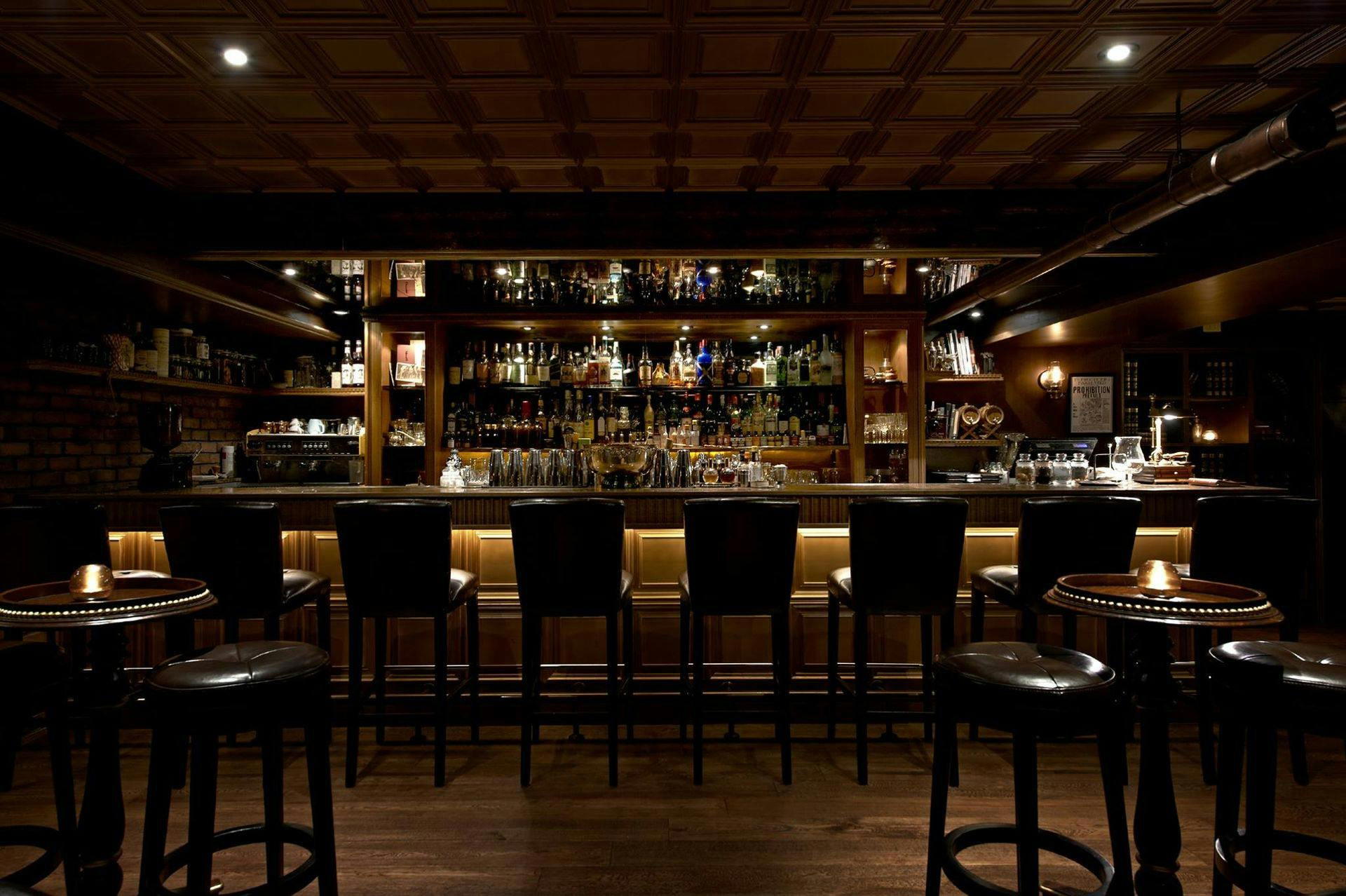
Bars in Nanjing
Browse all →
Hotels in Nanjing
All hotels in Nanjing →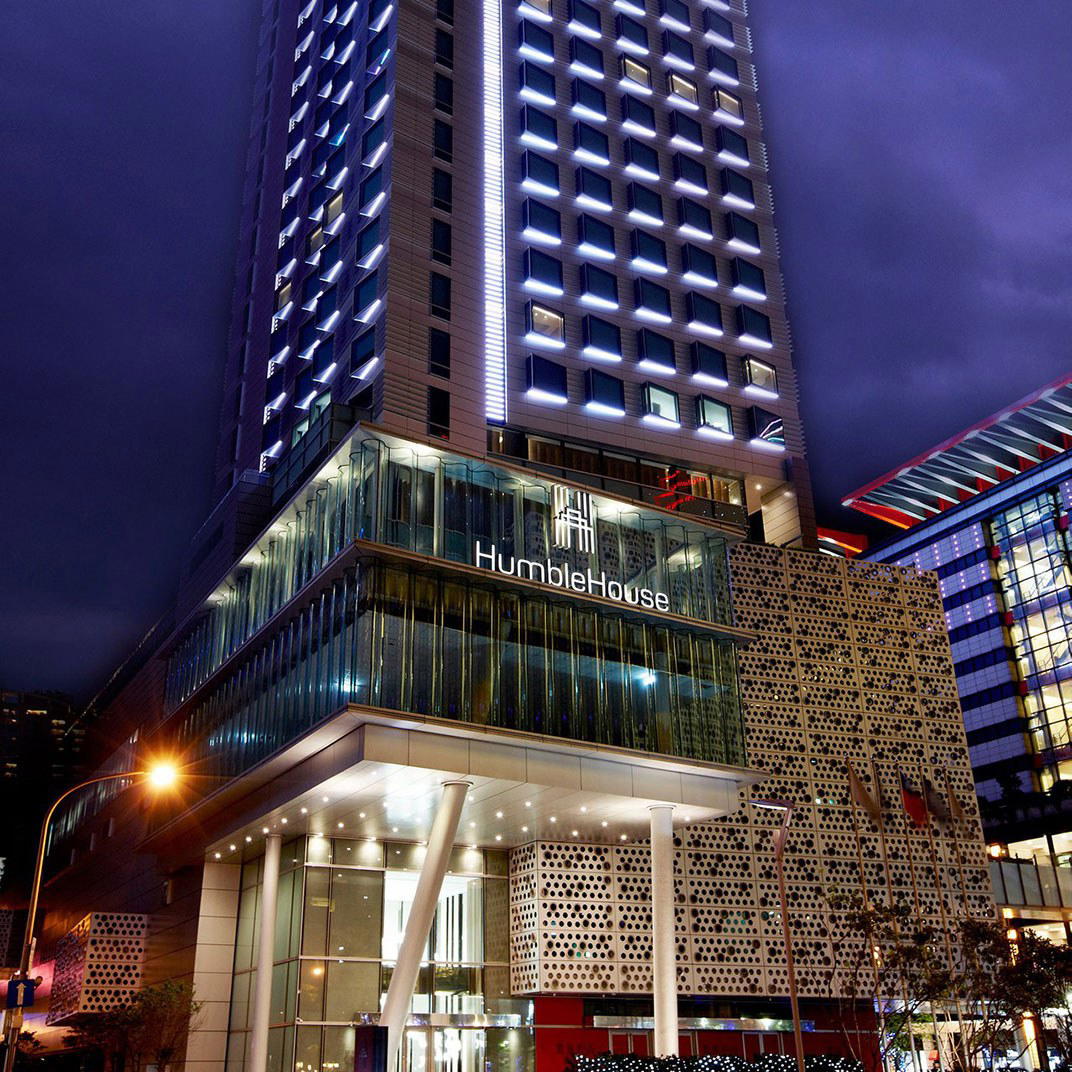


Wineries in Nanjing
Browse all →
Details
- Trendy
- Modern
- Cozy
- Casual Hangout
- Solo
- Open Kitchen
- A La Carte
- Counter Dining
Open kitchen with counter seating creates a lively, ceremonial atmosphere focused on watching the fresh meat being ground, shaped, and grilled.