

Jiangnan Wok holds a Michelin Plate and Black Pearl 2 Diamond recognition for 2025, positioning it among Nanjing's credentialed Huaiyang dining options at an accessible price point. Located in the Jianye District, it offers a lower-cost entry into the city's classical Chinese fine-dining tier, with dual-award validation that separates it from the broader mid-market field.
Pearl is the En Primeur Club membership app — saves, bookings, and concierge access live there. Same editors, same standards.
- Address
- 2P9G+9X4, Huashan Rd, Jianye District, Nanjing, Jiangsu, China, 210019
- Phone
- +86 25 8777 6877
- Website
- shangri-la.com
- Directions
- Get directions
 Saves & bookings on Pearl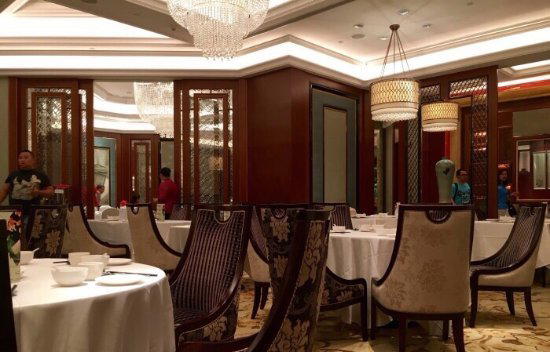
Where Huaiyang Tradition Meets Critical Recognition in Jianye
The Jianye District sits west of Nanjing's historic centre, removed from the tourist corridors around Fuzimiao and the Confucius Temple quarter. Dining rooms here tend to serve a local clientele rather than transit visitors, which tends to produce a different kind of seriousness in the kitchen, less performance, more consistency. Jiangnan Wok operates in this context: a Huaiyang restaurant that has earned dual critical recognition in 2025 without the address advantages of Gulou or Qinhuai.
That combination, a ¥¥ price tier, a Jianye location, and simultaneous placement on both the Michelin and Black Pearl guides, is less common than it might appear. Most restaurants at this price level do not attract both rating systems in the same year. The Michelin Plate designation, combined with Black Pearl's 2 Diamond rating, tells a consistent story: this is a kitchen performing above its price tier.
Huaiyang Cuisine and What the Awards Actually Signal
Huaiyang cooking is one of China's eight classical cuisine traditions, rooted in the Yangtze River Delta and historically associated with the cooking of Yangzhou and Huai'an. It favours careful knife work, clear stocks, and restrained seasoning, a cuisine of precision rather than intensity. Compared to Sichuan's layered heat or Cantonese dim sum culture, Huaiyang cooking is harder to read at a glance; its craft lives in technique, and restaurants practising it well tend to be judged more harshly by critics who know the tradition.
This is what makes the dual 2025 recognition meaningful for Jiangnan Wok. The Michelin Plate is awarded to restaurants where inspectors found quality cooking, not incidentally, but consistently enough to return for. The Black Pearl guide, operated by Meituan, applies a separate methodology with separate inspectors, and its 2 Diamond tier sits above entry-level recognition. When two independent systems converge on the same kitchen in the same year, the signal is less likely to reflect a single strong meal and more likely to reflect a stable standard.
Within Nanjing's Huaiyang dining scene, that stability at ¥¥ pricing is a positioning statement. Jiangnan Wok · Yun, the sibling concept in the same city, holds a Michelin 1 Star and prices at ¥¥¥¥, a significant step up in both cost and critical tier. Jiangnan Wok at the ¥¥ level therefore functions as the accessible end of a recognisable kitchen lineage, which is a useful frame for readers deciding where in the price tier they want to position their Nanjing meal.
The Competitive Tier and What ¥¥ Means in This City
Nanjing's mid-market Chinese dining tier, ¥¥, includes a wide spread of quality, from canteen-style operations to restaurants with real kitchen ambition. Among the Huaiyang options at this price level, Man Ho represents a comparable access point without the same award profile in 2025. The presence of both Michelin and Black Pearl recognition at the restaurant creates a separation that is not purely a function of cooking style or menu scope, it reflects inspectors judging this kitchen as performing at a different level within the same price band.
That distinction matters for how you approach the booking. At the ¥¥ price tier in Nanjing, a Michelin Plate venue with Black Pearl 2 Diamond recognition will attract diners who have done some research, and tables are not always as freely available as the price point might suggest. The Jianye District address on Huashan Road is reachable from central Nanjing.
Nanjing's Huaiyang Scene in Broader Context
Huaiyang cooking has seen a quiet critical reappraisal across mainland China over the past decade. Where it once occupied a primarily ceremonial role, banquet halls, state guest houses, it now appears with increasing frequency in contemporary fine-dining formats. Cities outside the Yangtze Delta have added Huaiyang-focused rooms in recent years: The Huaiyang Garden in Macau and Huaiyang Fu in Beijing's Dongcheng both reflect this geographic spread. In Hangzhou, Ru Yuan sits within the same Yangtze Delta culinary orbit.
Nanjing is, in many ways, the natural centre of this tradition. Its historical position as a Ming and Republican-era capital gave it centuries of refined cooking culture, and its proximity to the agricultural heartland of southern Jiangsu means the seasonal produce logic that underpins Huaiyang technique is still intact. A restaurant earning critical recognition here is being assessed by a city that knows the cuisine from the inside.
For readers who have engaged with Huaiyang cooking in other cities, through Xin Rong Ji in Beijing, 102 House in Shanghai, or Chef Tam's Seasons in Macau, comparing the style as it appears in Nanjing versus how it travels to other cities is a genuine critical exercise, not merely tourist box-ticking.
Other Recognised Rooms Worth Noting
Nanjing's broader fine-dining circuit offers several other points of reference at different price tiers. Hou Pin Xiao Yuan and Lantchen Reserve represent different positions in the city's dining hierarchy, while Longyin Shanfang in Jiangning extends the geography south of the urban core. For anyone building a Nanjing itinerary around food, the city's restaurants span a wide range of styles and price points.
For comparative context further afield: Xin Rong Ji in Chengdu and Imperial Treasure Fine Chinese Cuisine in Guangzhou illustrate how classical Chinese fine dining operates across different regional traditions and city contexts.
Planning Your Visit
The restaurant is located at Huashan Road in the Jianye District, Nanjing (postal code 210019). The ¥¥ price tier places it within reach for most dining budgets, though the award credentials mean it warrants advance planning rather than a walk-in assumption. Reservations are recommended before travelling. The Jianye District is connected to Nanjing's metro network, making the journey from central neighbourhoods manageable without private transport.
What Should I Order at Jiangnan Wok?
Given the Huaiyang tradition the restaurant works within, a cuisine built on clear broths, delicate knife work, and seasonal produce from southern Jiangsu, the kitchen's dishes are likely to reflect those technical priorities. The Michelin Plate and Black Pearl 2 Diamond recognition for 2025 provide one reliable signal that the kitchen is producing food at a consistent standard; seasonal availability will shape the menu. For Huaiyang context in other cities, see The Huaiyang Garden in Macau and Huaiyang Fu in Beijing.
Budget Reality Check
Comparable venues nearby, for context on price, style, and recognition.
| Venue | Cuisine | Price | Awards |
|---|---|---|---|
| Jiangnan WokThis venue — the venue you are viewing | Huaiyang | $$ | Michelin Plate |
| Wan Guo Chun Chinese Restaurant | Gulou, Traditional Huaiyang Cuisine | $$ | Michelin Plate |
| Lantchen Reserve | Qinhuai, Huaiyang Cuisine | $$ | Bib Gourmand |
| Hou Pin Xiao Yuan | Jianye, Huaiyang Cuisine | $$ | Bib Gourmand |
| Qiang Ye Fan Dian (Changbai Street) | Qinhuai, Cantonese & Jiangsu Cuisine | $$ | Bib Gourmand |
| Chi Man | Xuanwu, Jiangzhe | $$ | Bib Gourmand |
Recognition history
Dated appearances from independent guides and award organizations, with the underlying list record or original source where available.
Black Pearl 1 Diamond
Black Pearl
Black Pearl 2 Diamond
Black Pearl
Michelin Plate
Michelin
At a Glance
- Elegant
- Sophisticated
- Family
- Business Dinner
- Special Occasion
- Hotel Restaurant
- Corkage Allowed
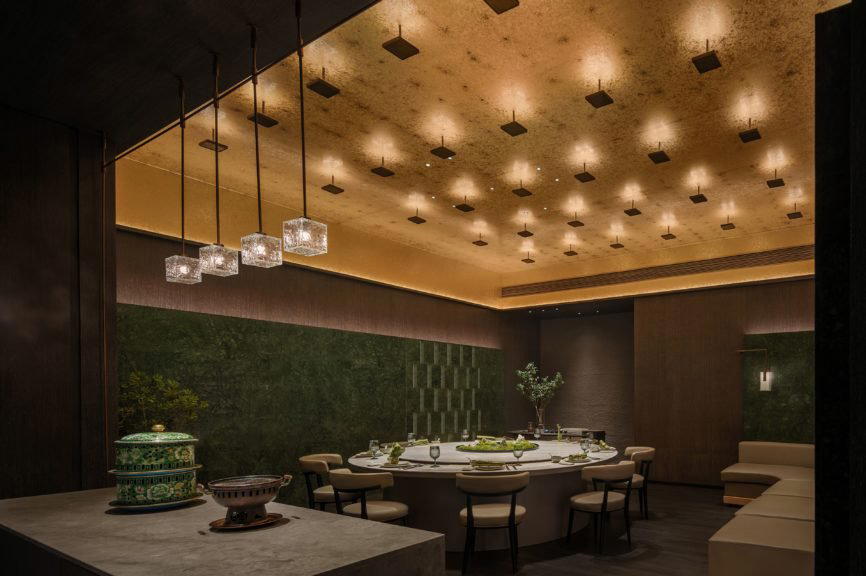
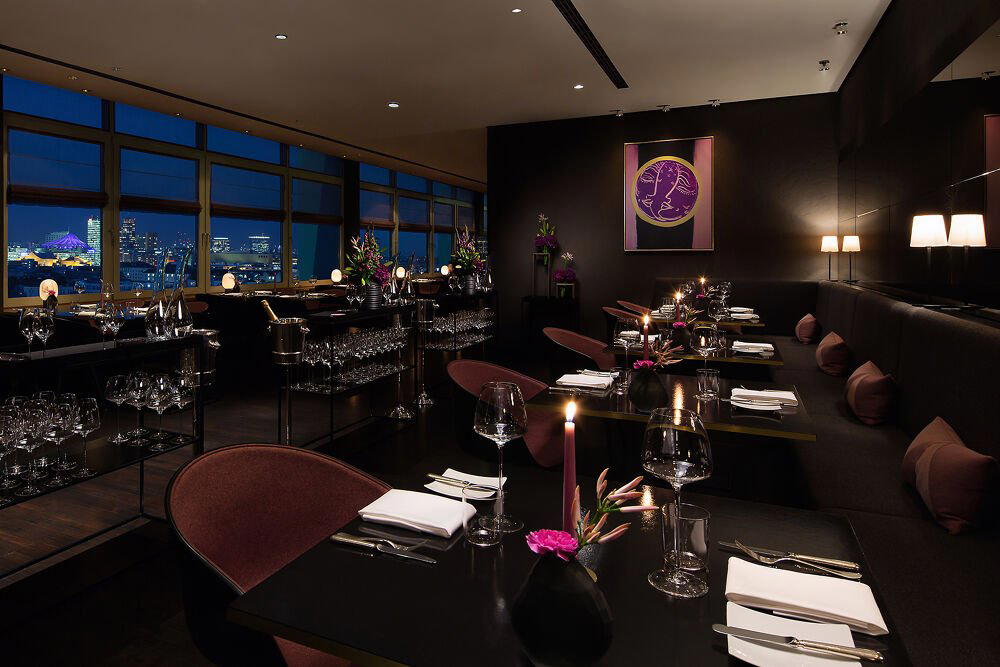
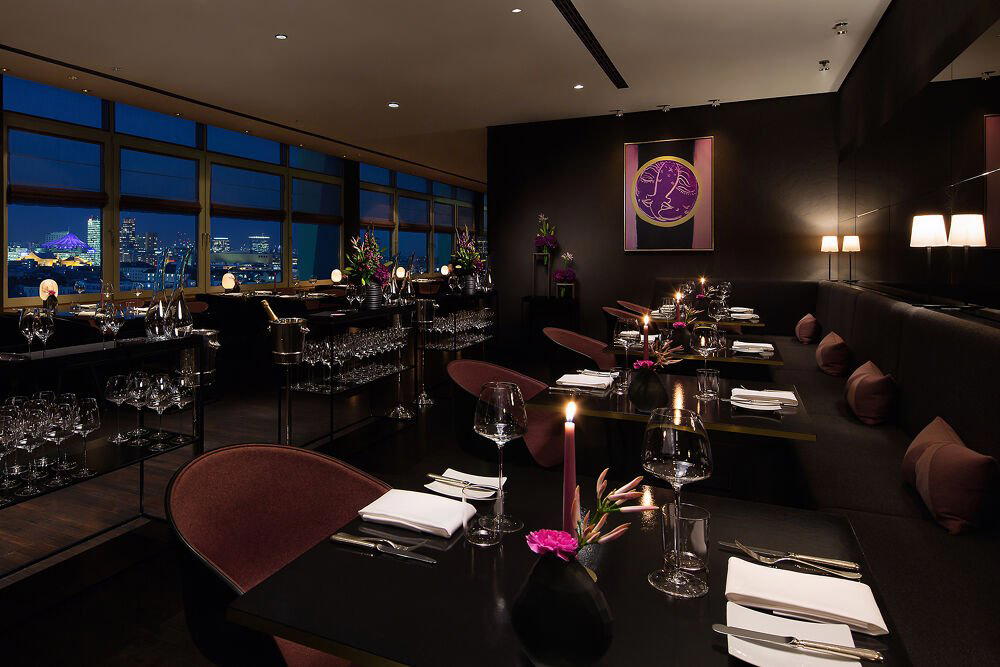
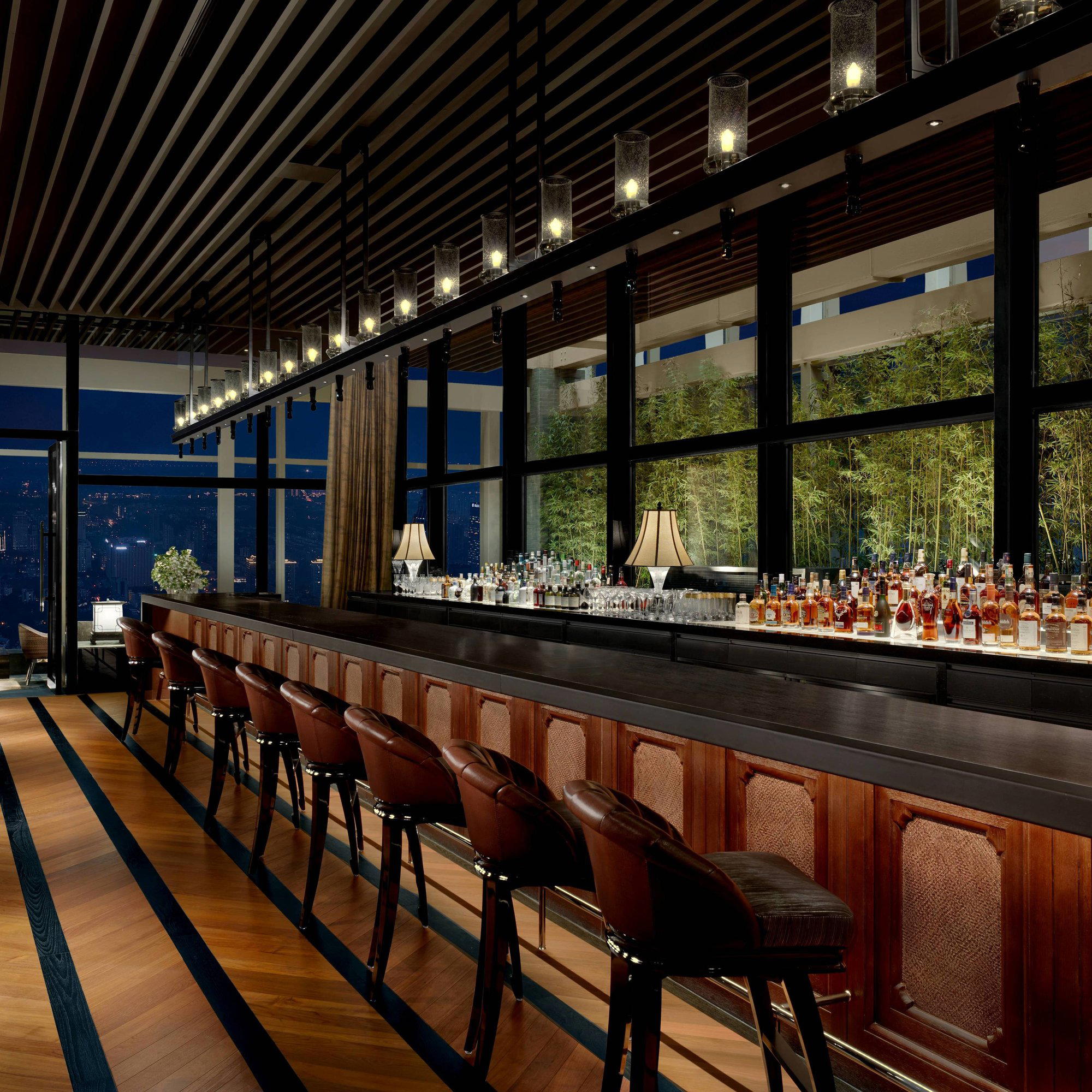
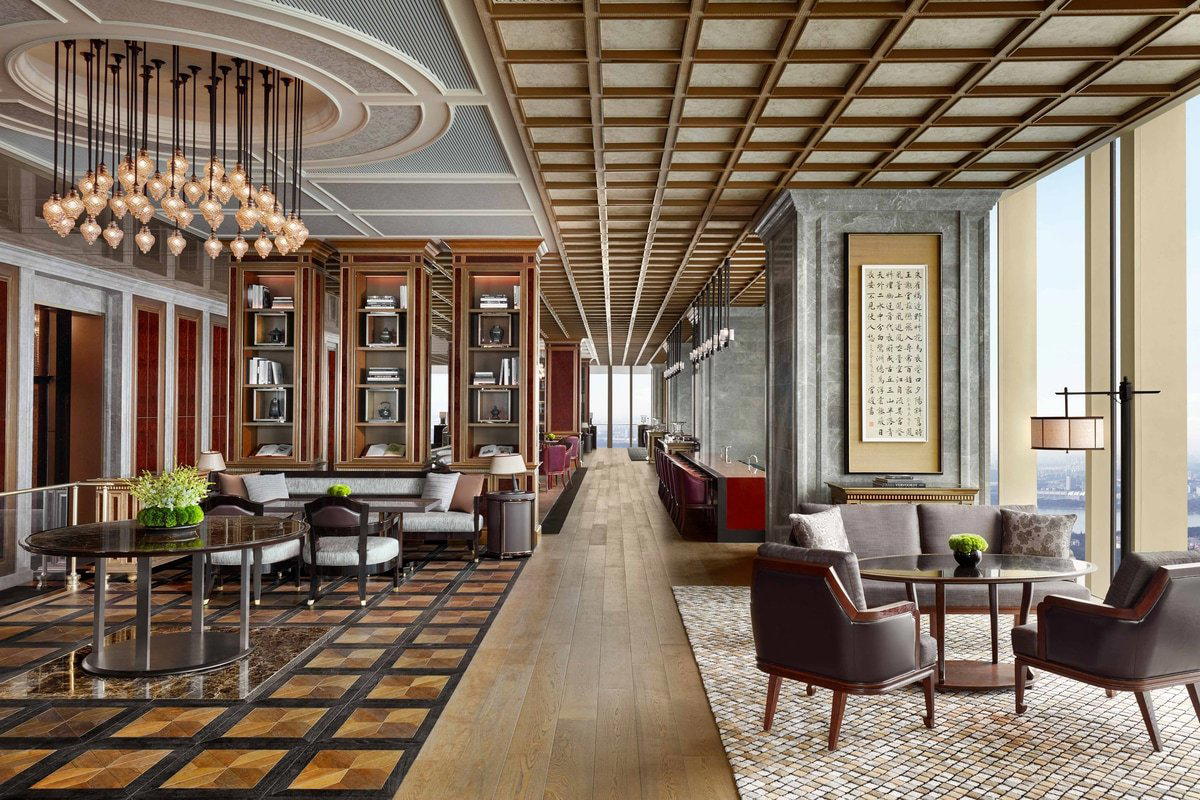
Clean, elegant, and fine dining atmosphere with high-end decor, though occasionally noisy when busy.