
Michelin Bib Gourmand
Our verdict
A Michelin Bib Gourmand recipient in Nanjing's Gulou district, Du Shi Li De Xiang Cun serves Jiangzhe cuisine at an accessible ¥¥ price point, earning. The name translates loosely as 'village within the city,' and the restaurant sits in the quieter lane network around Qingyun Lane, where neighbourhood dining traditions hold against the pull of commercial strips.

Pearl is the En Primeur Club membership app, where members save venues, book tables and use the concierge.
The menu
What to order
- Ruan dou rice paddy eel
- Brine-poached pork intestine
A Lane Kitchen in Gulou
Qingyun Lane sits inside the older residential fabric of Gulou, Nanjing's most historically layered district. The streets here narrow quickly from the main roads, and the domestic scale of the neighbourhood sets a particular expectation before you arrive at the door. In cities like Nanjing, where the dining culture rewards unhurried meals and regional specificity, these lane-set restaurants carry a different social weight than their counterparts on commercial blocks. They are places where the ritual of eating Jiangzhe food, measured, seasonal, built on broth and careful heat, feels like something that belongs to the neighbourhood rather than performing for it.
Du Shi Li De Xiang Cun earned a Michelin Bib Gourmand in 2025, which places it in the category Michelin reserves for kitchens offering strong cooking at accessible prices. The ¥¥ price point is consistent with that designation, and it situates the restaurant closer to neighbourhood staple than to occasion dining. For context within Nanjing's Jiangzhe tier, Chi Man operates at the same ¥¥ level, while Huaiyang-focused rooms like Jiangnan Wok and Yun price at ¥¥¥¥ with starred recognition. The Bib Gourmand signals a different value proposition: the food earns serious attention without requiring a formal occasion.
What Jiangzhe Cooking Asks of You
Jiangzhe cuisine draws from the combined culinary traditions of Jiangsu and Zhejiang provinces, and Nanjing sits within the Jiangsu half of that pairing. The tradition prizes subtlety over spectacle. Sweetness appears as a background note rather than a lead flavour. Texture is managed carefully, with braising and steaming used to achieve results that direct heat would destroy. Salt is restrained. These are not concessions to timidity, they reflect a long-standing belief in Jiangnan cooking that the ingredient should arrive at the table as close to its own leading version as technique allows.
Eating in this tradition requires a certain kind of patience from the diner. The meal tends to unfold slowly. Dishes arrive in a sequence that builds from light to rich, from clear broths and cold preparations toward meatier, more substantial plates. Pacing matters. Ordering everything at once and eating quickly misses the point. The ritual here is one of accumulation, small adjustments in flavour and texture across the meal, rather than a single centrepiece dish that carries the evening. Across China's eastern coastal kitchens, from Moose (Changning) and the Dining Room in Shanghai to Ru Yuan in Hangzhou, this approach to sequencing defines how serious Jiangzhe houses structure the table.
The Bib Gourmand in Context
Michelin's Bib Gourmand category carries a specific editorial logic: the inspectors are identifying places where cooking quality justifies the trip on its own terms, independent of room design, tablecloth formality, or tasting-menu ambition. In a city like Nanjing, where the hospitality segment includes starred Cantonese rooms like Dai Yuet Heen and formal Huaiyang dining at the upper end of the price range, the Bib Gourmand designation marks a different kind of seriousness, one grounded in the daily practice of cooking regional food well, consistently, for a local audience.
That is a meaningful signal about how the restaurant functions: it reads as a local address, known to its regulars, operating without the marketing apparatus that drives footfall to more publicly positioned rooms.
Eating in the Neighbourhood
The Gulou district holds Nanjing's densest concentration of pre-modern urban grain, Republican-era architecture, old academic institutions, and the kind of mixed-use street life that has resisted full commercialisation. Dining in this part of the city carries a different register than eating in the newer development zones to the south and east. The restaurants here tend to be embedded in their immediate communities, dependent on repeat custom rather than destination traffic.
For a visitor arriving from elsewhere in China, the parallels are instructive. Jiangzhe kitchens in comparable neighbourhood positions in Shanghai and Hangzhou, and, for that matter, the more formally positioned Xin Rong Ji in Beijing or Xin Rong Ji in Chengdu, all operate within a tradition that rewards the diner who arrives with some familiarity with the cuisine's registers. Coming in without that context doesn't make the meal inaccessible, but it does change what you notice.
Within Nanjing itself, the restaurant occupies a different niche from the garden-setting formal rooms like Purple Mountain Garden or the design-led contemporary addresses like Yuan Space and Feast. Where those venues bring a visible spatial ambition to the dining experience, the lane-kitchen model operates on the principle that room design should not compete with the food. The meal is the subject.
Planning the Visit
Du Shi Li De Xiang Cun is located at Qingyun Lane, Gulou, Nanjing (postal code 210009), within the older residential fabric of the district. Given the Bib Gourmand recognition and the tightly held local reputation, arriving without a reservation on popular evenings carries risk, Michelin recognition consistently compresses available tables at accessible-price venues, even those without starred status. Hours are not publicly listed in available data, which makes direct verification before visiting prudent.
For a fuller picture of where this restaurant sits within Nanjing's dining options, see our full Nanjing restaurants guide. If you are building a broader trip itinerary, our Nanjing hotels guide, bars guide, wineries guide, and experiences guide cover the wider city. For Jiangzhe cooking at different price tiers and formats elsewhere in the region, 102 House in Shanghai, Chef Tam's Seasons in Macau, and Imperial Treasure Fine Chinese Cuisine in Guangzhou provide useful regional reference points for the same broad culinary tradition expressed across different city contexts.
Frequently asked questions
How do I find Du Shi Li De Xiang Cun?
Du Shi Li De Xiang Cun is located at 3Q8H+FWC, Qingyun Ln, Gulou, Nanjing, Jiangsu, China, 210009, Nanjing.
Has Du Shi Li De Xiang Cun won any awards?
Du Shi Li De Xiang Cun has received recognition including: Michelin Bib Gourmand (2025).
What's the signature dish at Du Shi Li De Xiang Cun?
No single dish has been confirmed through publicly verifiable records. The 2025 Michelin Bib Gourmand designation and the Jiangzhe classification point toward the kitchen's strength in the restrained, precision-led cooking of the Jiangsu tradition, braised preparations, clean broths, and seasonal produce handled without excess. Ordering broadly across the menu is the more reliable strategy than hunting a single hero dish.
What should I budget for a meal at Du Shi Li De Xiang Cun?
Pricing at Du Shi Li De Xiang Cun is listed as ¥¥.
Do I need a reservation for Du Shi Li De Xiang Cun?
Booking ahead is strongly advisable. The 2025 Michelin Bib Gourmand recognition significantly raised the restaurant's profile beyond its Gulou neighbourhood regulars, and the address on Qingyun Lane suggests a compact, lane-house format with limited covers.
What has Du Shi Li De Xiang Cun built its reputation on?
The 2025 Michelin Bib Gourmand is the primary verifiable credential, a designation that specifically identifies cooking quality at accessible prices, distinct from the starred tier. The restaurant's Jiangzhe classification places it within one of China's most technically demanding regional traditions, and its position inside Gulou, Nanjing's most historically dense district, suggests a kitchen rooted in local produce and neighbourhood loyalty rather than tourist-facing ambition. The price range of ¥¥ confirms the Bib Gourmand logic: serious cooking without a fine-dining cover charge.
Cuisine-First Comparison
Comparable venues nearby, for context on price, style, and recognition.
| Venue | Cuisine | Price | Awards | Notes |
|---|---|---|---|---|
| Du Shi Li De Xiang CunThis venue (the venue you are viewing) | Home-style Jiangzhe | $20–30 | Michelin Bib Gourmand | Not listed |
| Chi Man | Jiangzhe | Not listed | Michelin Bib Gourmand | Xuanwu |
| Qiang Ye Fan Dian (Changbai Street) | Cantonese & Jiangsu Cuisine | $20–30 | Michelin Bib Gourmand | Qinhuai |
| Xiao Pan Ji Ya Xie Fen Si Tang | Nanjing Duck Blood Vermicelli Soup | $1–10 | Michelin Bib Gourmand | Qinhuai |
| Wan Guo Chun Chinese Restaurant | Traditional Huaiyang Cuisine | $30–50 | Michelin Plate · Relais Chateaux Award | Gulou |
| Fang Po | Nanjing Small Eats | Not listed | Michelin Bib Gourmand | Qinhuai |
Recognition history
Dated appearances from independent guides and award organizations, with the underlying list record or original source where available.
Michelin Bib Gourmand
Michelin
Continue exploring
More in Nanjing

Details
- Cozy
- Rustic
- Intimate
- Special Occasion
- Date Night
- Local Sourcing
- A La Carte
- Pescatarian Friendly
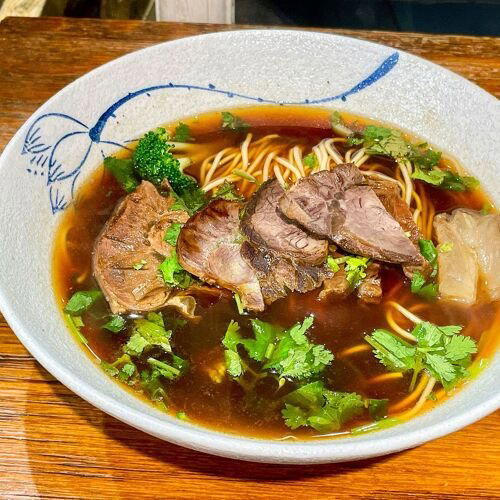
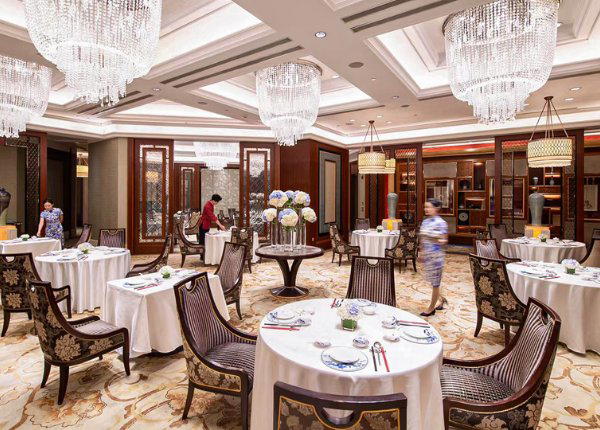
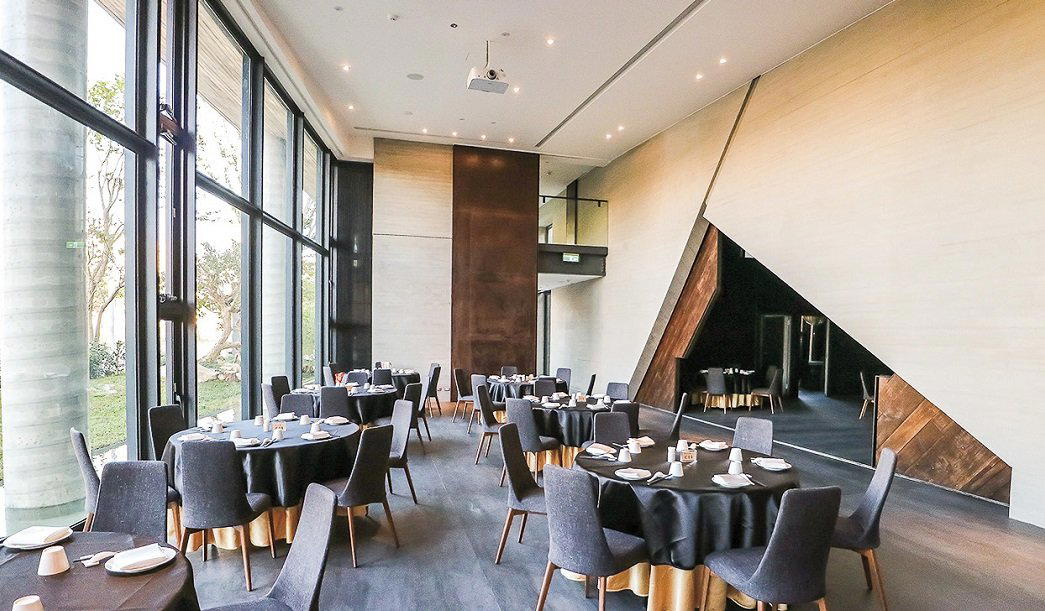
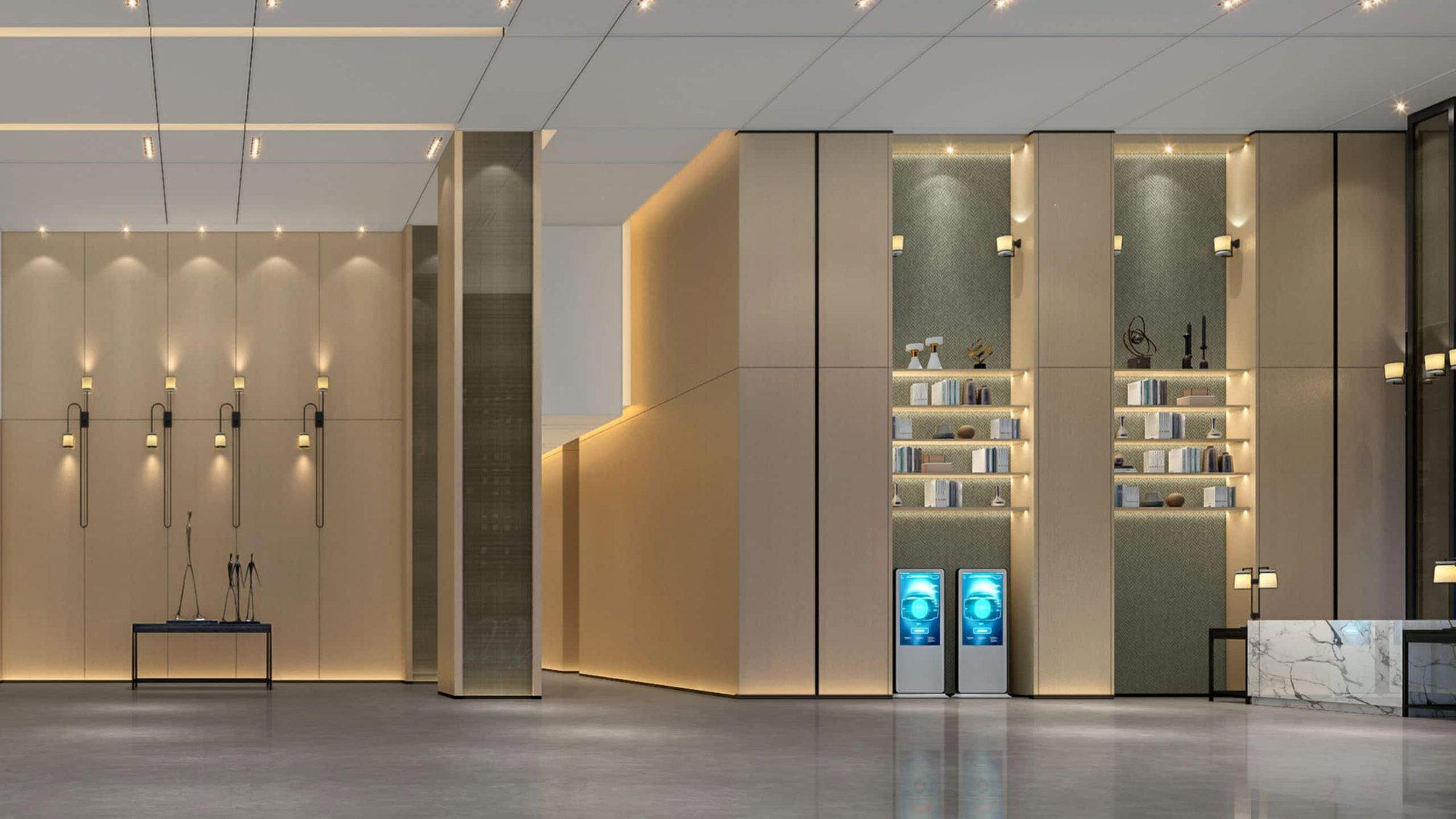
Intimate and unembellished room with clean lines and warm wood, focusing attention on aromatic dishes amid soft clatter of porcelain.