
FONG SENSE belongs in Nanjing’s serious dining conversation because the Black Pearl Restaurant Guide named it a 2026 one-diamond restaurant. With few public-facing specifics on format or chef, the sharper reading is contextual: this is a table to understand through Nanjing’s ingredient culture, Jiangsu seasonality, and the city’s growing appetite for polished regional dining.
Pearl is the En Primeur Club membership app — saves, bookings, and concierge access live there. Same editors, same standards.
- Address
- Nanjing, China
- Directions
- Get directions
 Saves & bookings on Pearl
Approaching a serious Nanjing dining room, the first signal is rarely theatrical. The city’s stronger tables tend to announce themselves through control: quieter service rhythms, careful pacing, and a kitchen language built around river fish, freshwater produce, poultry, seasonal greens, and the soft-edged sweetness that runs through much of Jiangsu cooking. FONG SENSE sits inside that more disciplined register. Its clearest public credential is concrete: the Black Restaurant Guide named it a 2026 one-diamond restaurant, placing it in a national Chinese dining system that rewards consistency, product handling, and a room’s ability to carry regional cooking beyond the ordinary banquet template.
That matters in Nanjing because the city’s dining identity is often flattened from the outside. Visitors arrive expecting duck, snacks, and imperial-history shorthand, but the better reading is agricultural and hydrological. Nanjing cooking has long depended on the Yangtze corridor, nearby lakes, preserved vegetables, soy craft, rice culture, and the measured seasoning associated with Jiangsu kitchens. The city is not chasing the same volume-driven spectacle as larger coastal dining capitals. Its serious restaurants are more interesting when they show restraint: careful sourcing, seasonally sensitive cooking, and an understanding that luxury in this part of China can mean clarity rather than excess.
Ingredient discipline is the point in Nanjing's serious dining tier
FONG SENSE is easiest to understand as part of a wider Nanjing movement toward ingredient-led regional dining. The Black one-diamond recognition gives it a measurable place in that tier, but the underlying story is broader than an award badge. In Jiangsu cooking, sourcing is not a decorative claim; it shapes texture, sweetness, and timing. Freshwater fish reads differently when it is handled with restraint. Vegetables have narrower seasonal windows than many menus admit. Broths, sauces, and braises depend on balance rather than aggressive seasoning. A restaurant operating at this level has to make those decisions visible without turning the meal into a lecture.
For readers mapping the city, FONG SENSE should be read alongside the broader Nanjing table rather than in isolation. Jiangzhe cooking appears in different registers at Chi Man (Jiangzhe) and Du Shi Li De Xiang Cun (Jiangzhe), while Guang Ying Ju • Lao Zheng Xing (Jiangsu Cuisine) points toward the local tradition more explicitly. Cantonese dining has its own luxury grammar at Dai Yuet Heen (Cantonese), and the city’s everyday appetite is better understood through small-format addresses such as Fang Po (Small eats). Together, they show why Nanjing is not a single-cuisine city; it is a place where regional technique, banquet culture, snack traditions, and national recognition now overlap.
What a Black one-diamond signal means here
In China’s dining hierarchy, Black has become one of the more visible local-reference systems for restaurants aiming beyond casual recognition. A one-diamond listing does not automatically define a kitchen’s personality, and it should not be treated as a substitute for reading the menu closely. It does, however, tell a useful story for travelers: the restaurant has been assessed inside a guide that focuses on Chinese dining habits, service expectations, and regional value systems rather than importing a purely Western fine-dining lens.
That distinction is useful in Nanjing. The city’s serious dining rooms are not always built around chef celebrity or tightly narrated tasting menus. Many operate closer to an evolved Chinese hospitality model, where private-room culture, shared dishes, product quality, and hosting cadence matter as much as individual plating. The editorial call is to treat the restaurant as a polished regional candidate for diners who care about Jiangsu ingredients and Chinese guide recognition, not as a venue to choose for spectacle, nightlife energy, or a chef-driven backstory.
How to place it within a Nanjing itinerary
The restaurant works well for a meal built around the city’s regional food culture rather than a quick stop between monuments. Nanjing rewards slower dining days: a morning in historic districts, a snack-led lunch, then a more composed dinner that shows how the same region’s ingredients behave in a formal room. The better itinerary pairs one serious restaurant with one casual counterpoint, because the city’s food intelligence sits at both ends of the spectrum.
For broader planning, Our full Nanjing restaurants guide is the cleanest starting point, with adjacent city coverage in Our full Nanjing hotels guide, Our full Nanjing bars guide, Our full Nanjing wineries guide, and Our full Nanjing experiences guide. Travelers building a wider China dining route can compare regional signals across #8 in Chengdu, 100 Century Avenue Cantonese in Shanghai, 167 Shan Hai Li in Fuzhou, 1913 in Hangzhou, 1927 Dong Yuan Si Chu in Xiamen, and 1949 - Duck de Chine in Beijing. For a non-China contrast in ingredient clarity, Jōdo Saké Bar in Los Angeles and Onigiri Time in Pasadena show how narrow-format Japanese ideas travel in a different dining culture.
The verdict is deliberately measured: the restaurant is a Nanjing table for readers who want an awarded Chinese restaurant rooted in ingredient seriousness, not a venue to assess through imported fine-dining clichés. Its Black 2026 one-diamond status supplies the trust signal; the reason to care is the city around it, where Jiangsu sourcing, seasonal restraint, and formal Chinese hospitality are becoming the more interesting story.
In Context
Comparable venues nearby, for context on price, style, and recognition.
| Venue | Cuisine | Price | Awards | Notes |
|---|---|---|---|---|
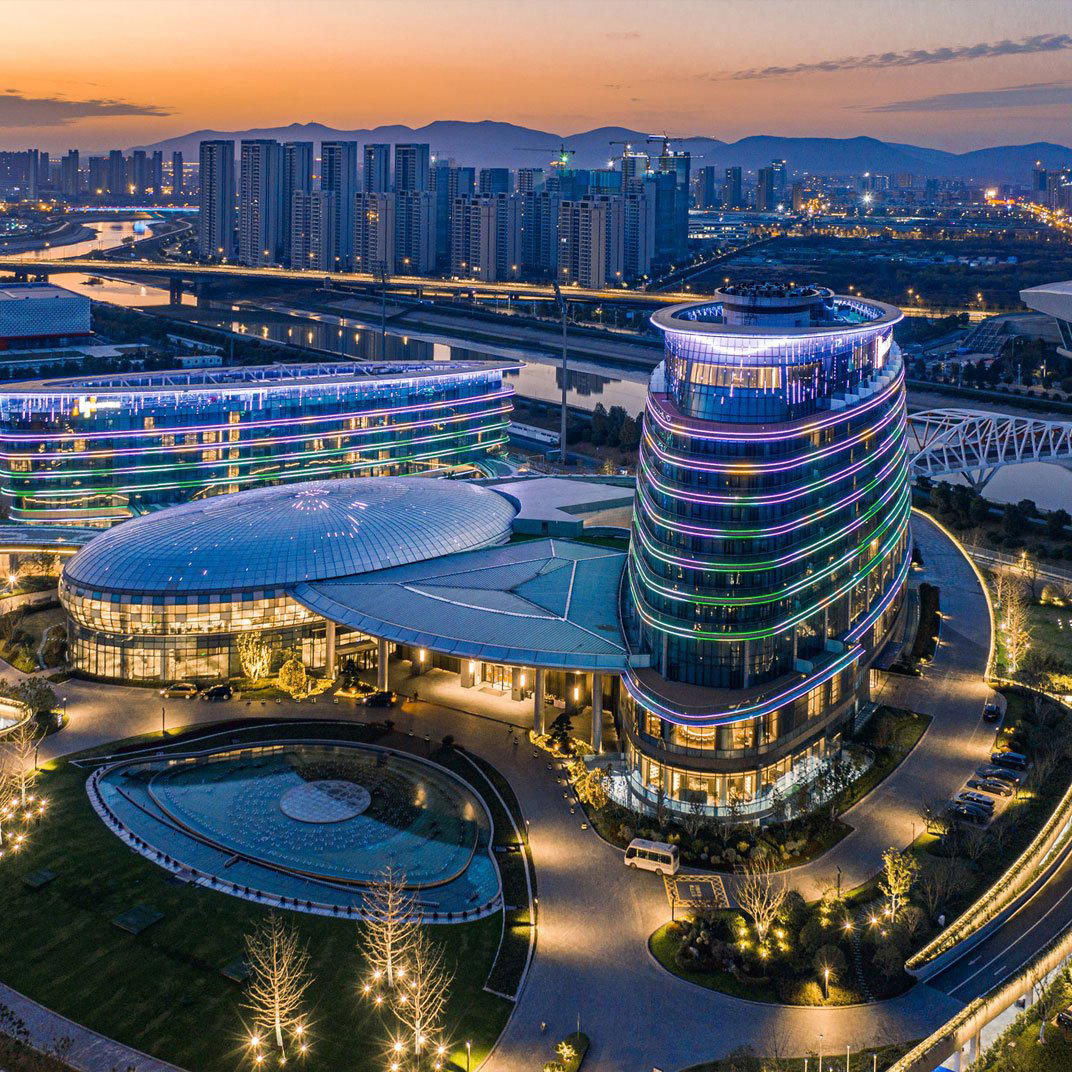
| FONG SENSE | Not listed | $$$$ | Not listed | Jiangning Development Zone, Modern Huaiyang Chinese Fine Dining |
| Pin Ning Fu | Not listed | $$$$ | Michelin Plate | Xuanwu District, Modern Huaiyang & Nanjing Cuisine |
| 刘长兴(卫岗店) | Not listed | $$ | Not listed | 卫岗/下马坊, 南京传统手工饺子 |
| Purple Mountain Garden | Not listed | $$$ | Michelin Plate | Xuanwu District, Traditional Huaiyang Chinese Fine Dining |
| 香格里拉大酒店江南灶中餐厅 Jiang Nan Wok - Shangri La | Not listed | $$$ | Not listed | Gulou District, Authentic Huaiyang Cuisine |
| The longyin | Jiangning, Modern Huaiyang fine dining | $$$ | Not listed | Not listed |
Recognition history
Dated appearances from independent guides and award organizations, with the underlying list record or original source where available.
Black Pearl 1 Diamond
Black Pearl

At a Glance
- Sophisticated
- Modern
- Elegant
- Intimate
- Business Dinner
- Date Night
- Special Occasion
- Group Dining
- Private Event
- Open Kitchen
- Private Dining
- Hotel Restaurant
- Design Destination
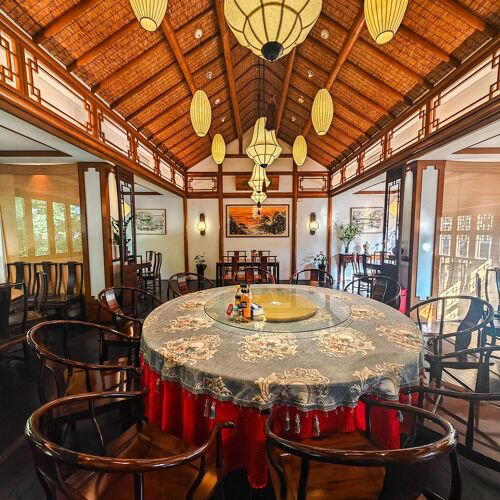
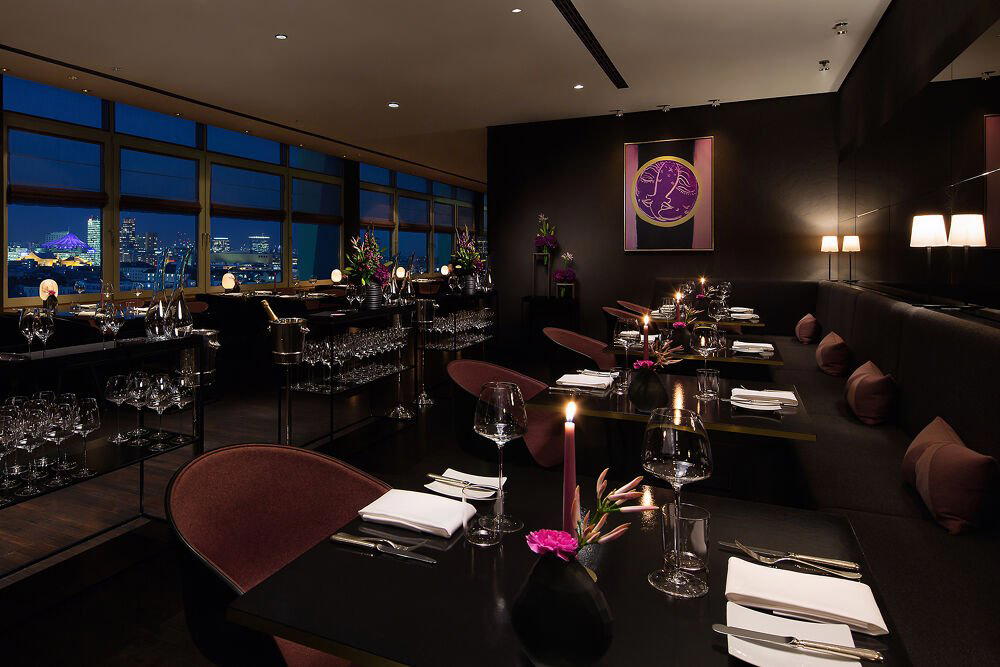
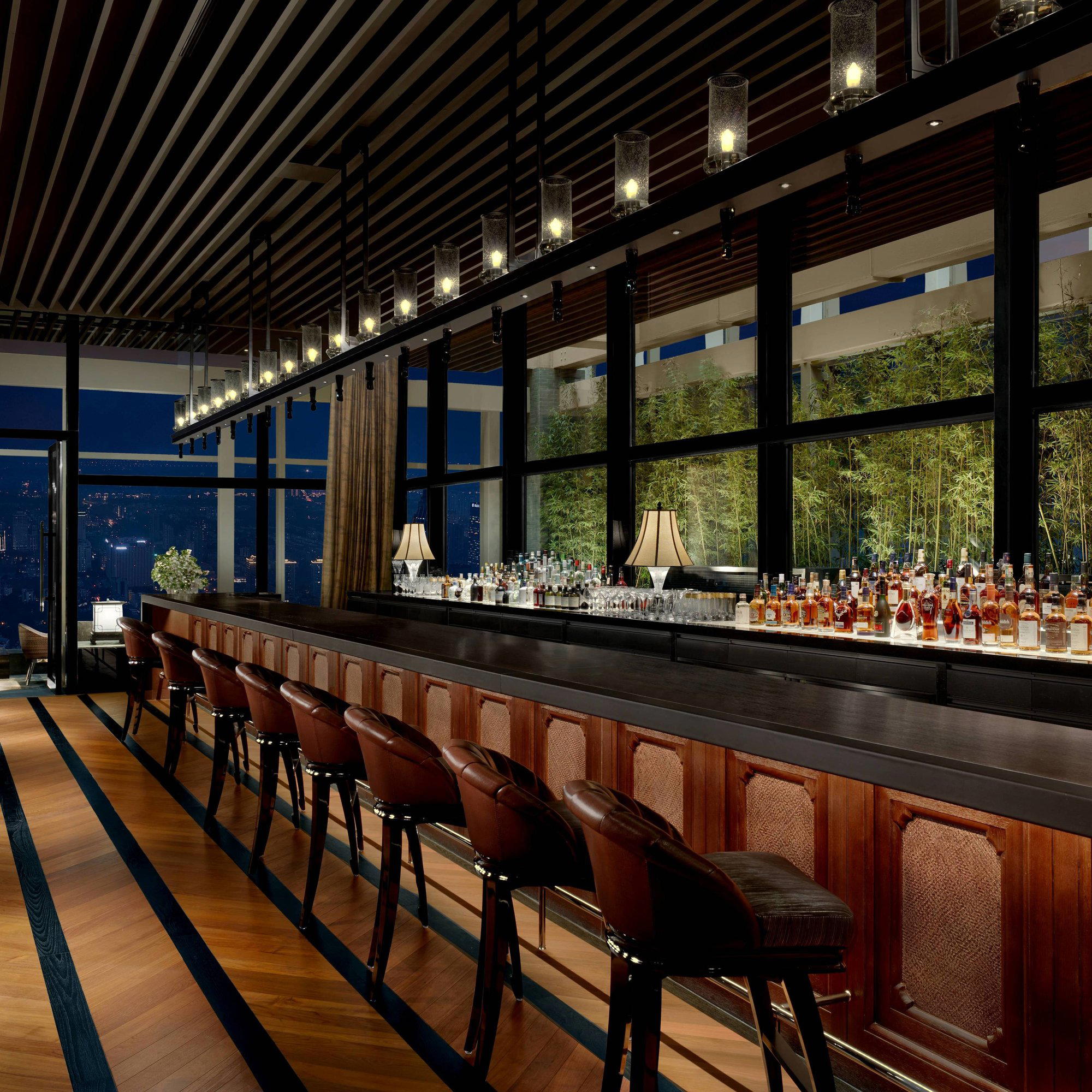
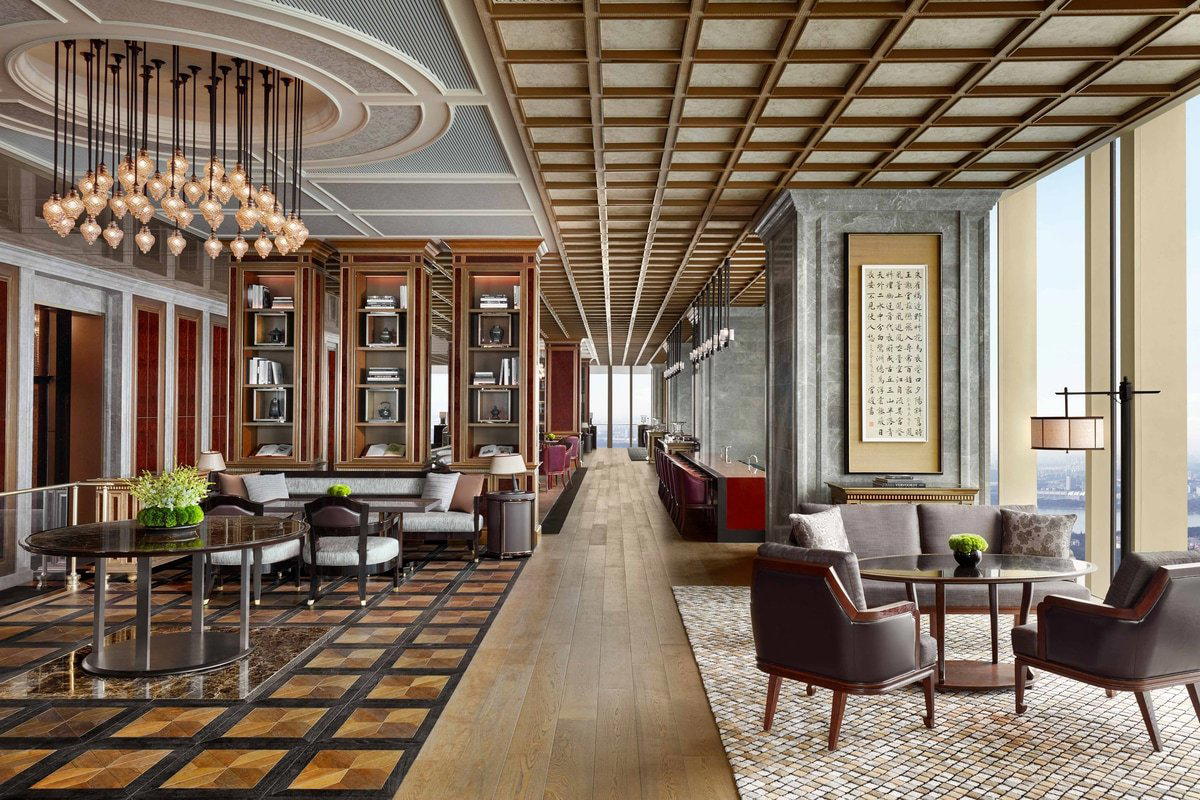
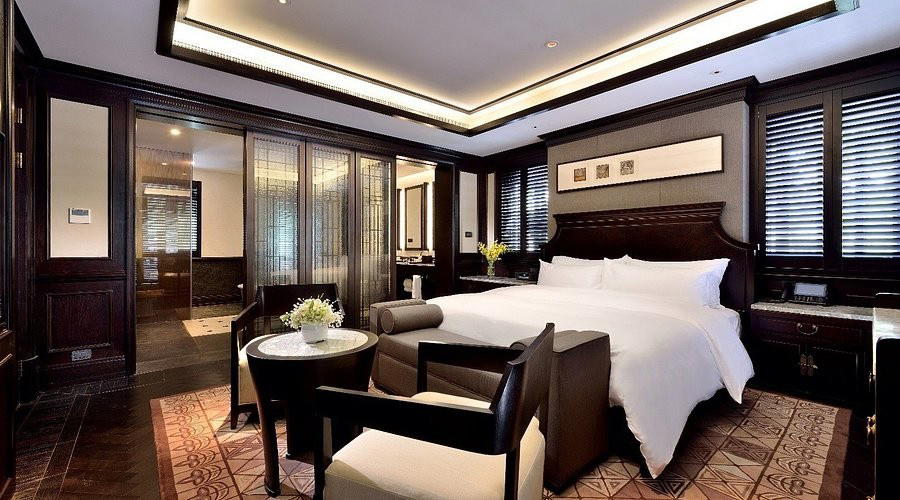
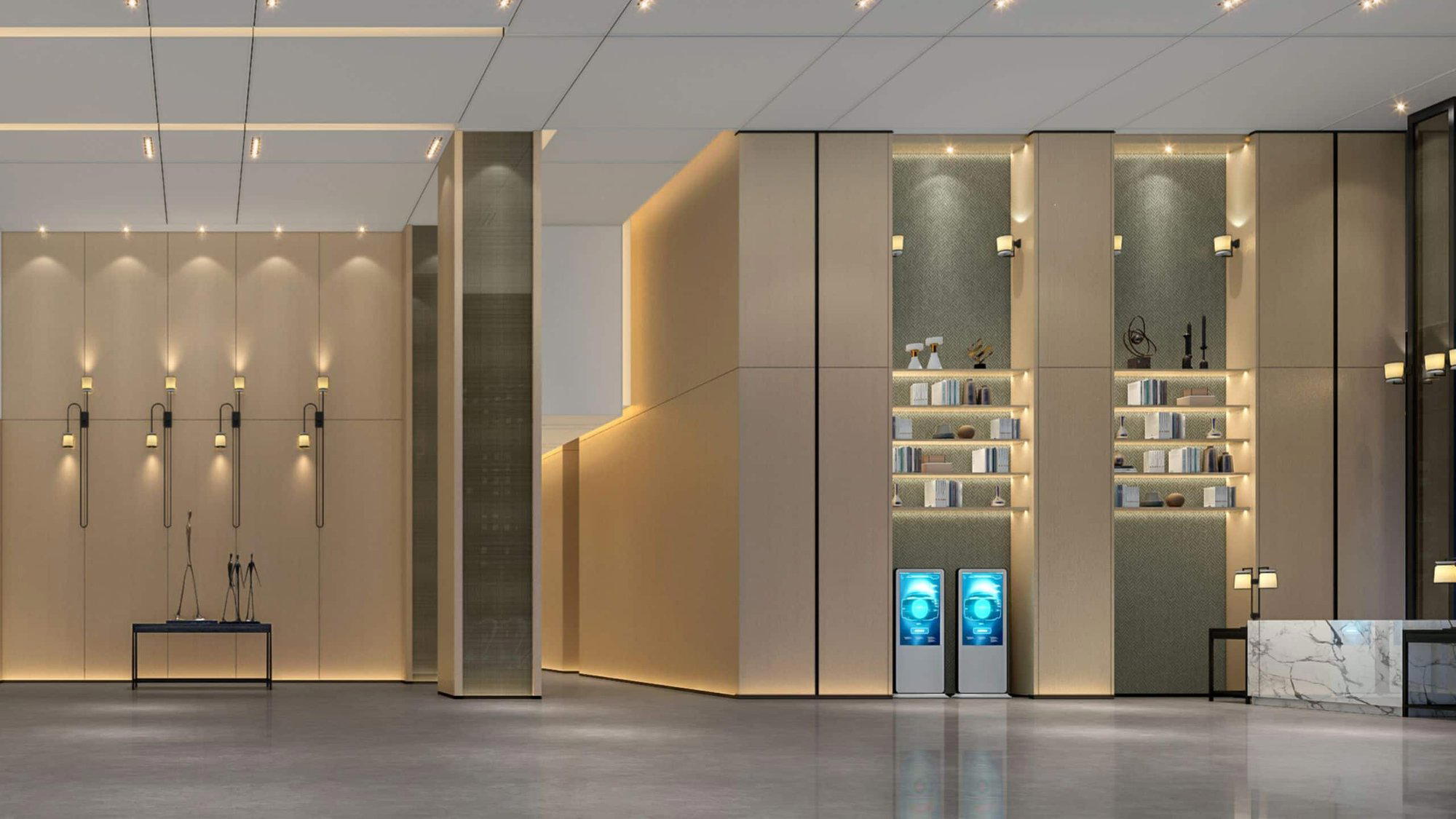
A refined, light-and-shadow-filled dining room with a transparent kitchen and an elegant, contemporary feel; guest reviews describe it as visually striking and atmosphere-rich.