Our verdict
刘长兴(卫岗店) is one of Nanjing's long-running addresses for traditional Jiangsu-style snacks and noodle dishes, operating in the Weiggang district where locally sourced ingredients have shaped the menu for decades. The restaurant sits in the mid-range tier of the city's everyday dining scene, drawing a steady local following rather than the tourist circuit. It represents the working model of Nanjing's enduring appetite for honest, ingredient-driven xiaochi culture.

Pearl is the En Primeur Club membership app, where members save venues, book tables and use the concierge.
The menu
What to order
- 秧草蒸饺
- 荠菜蒸饺
- 小笼包
- 熏鱼
- 烤鸭松子烧麦
Where Nanjing's Snack Tradition Holds Its Ground
The Weiggang area of Nanjing sits at a remove from the more photographed stretches of the city centre, and that distance is part of what defines it. Restaurants here tend to answer to the neighbourhood first, which means menus stay closer to what the surrounding markets and seasonal supply chains actually produce rather than what a tourist-facing kitchen might standardise. 刘长兴(卫岗店) occupies this kind of position: a dining room shaped more by local habit than by external expectation, where the rhythm of service follows the cadences of the surrounding streets.
Nanjing's xiaochi tradition, the culture of small, carefully made snacks and noodle preparations that runs through the city's culinary identity, has always been grounded in sourcing specificity. Duck from the Yangtze Delta basin, dried tofu cured to regional specifications, broth built from bones and aromatics across extended cooking windows, these are not abstract heritage claims but practical decisions that determine what ends up in the bowl. Venues that maintain this approach tend to operate outside the premium tier; the cost discipline required to keep prices accessible depends on proximity to source rather than prestige supply chains.
Ingredient Logic in a City of Regional Specificity
Nanjing sits at the northern edge of the Jiangnan cultural zone, a position that gives its kitchens access to both the freshwater produce of the Yangtze and the grain-fed livestock traditions of Jiangsu province. This dual supply underpins the distinctive character of the city's everyday food: dishes that are rarely spicy, often mildly sweet, and reliant on technique rather than seasoning intensity to carry flavour. The sourcing logic for a restaurant like 刘长兴(卫岗店) flows directly from this geography. Proximity to local wet markets, which in the Weiggang district operate on a daily cycle, determines freshness in a way that centralised procurement cannot easily replicate.
Across Nanjing's mid-range dining tier, the distinction between restaurants that source locally and those that standardise supply is visible in the texture and seasoning of the food rather than in the presentation. Broth-based dishes in particular reveal it: a stock built from fresh bones sourced that morning carries a different depth than one relying on shelf-stable concentrates. This is the operational discipline that Nanjing's older snack houses have historically maintained, and it represents a different value proposition from the premium Huaiyang addresses further up the price scale, such as Jiangnan Wok · Yun, where ingredient provenance is part of a formal dining narrative, or the Cantonese register of Dai Yuet Heen.
The Mid-Range Tier and What It Demands of a Kitchen
Nanjing's restaurant scene at the accessible price range has become more competitive over the past decade, with newer fast-casual formats and chain operations entering segments that were once dominated by established neighbourhood houses. The pressure on traditional xiaochi venues is less about cuisine and more about operational consistency: can a kitchen that relies on fresh, locally sourced ingredients maintain quality across multiple sittings without the margin that a premium price point provides?
The Jiangzhe category of restaurants in Nanjing addresses this in different ways. Chi Man and Du Shi Li De Xiang Cun both operate within the mid-range and accessible tiers, each with their own approach to balancing regional sourcing against price discipline. The xiaochi format, where dishes are small, relatively fast to prepare, and priced individually, offers one answer to this challenge: it allows kitchens to calibrate daily output to fresh supply without committing to large-batch production. Fang Po represents another entry point in Nanjing's small-eats tier, illustrating how varied the approaches within this format can be.
Beyond Nanjing, the broader pattern of regional Chinese cooking being sustained in neighbourhood rather than destination formats appears across the Jiangnan zone. In Hangzhou, Ru Yuan occupies a comparable position within local tradition. In Suzhou, Dingshan·Jiangyan (Xiangcheng) charts a different approach to Jiangnan sourcing. The contrast with more formalised fine-dining interpretations of Chinese regional cuisine, whether Imperial Treasure Fine Chinese Cuisine in Guangzhou, Chef Tam's Seasons in Macau, or Xin Rong Ji in Beijing, makes clear how much the format shapes the sourcing logic. Neighbourhood houses and premium destination restaurants both claim regional fidelity; they simply pursue it through different supply chains and at different price points.
Planning a Visit to the Weiggang Location
The Weiggang district is accessible by metro from central Nanjing, with Line 2 covering the broader eastern corridor of the city. For visitors already exploring the Zijin Mountain area or the Weiggang agricultural zone, the restaurant sits within reach without requiring a dedicated trip across the city. Local restaurants in this district tend to see peak demand at lunch, particularly on weekends, when neighbourhood residents favour familiar addresses over newer arrivals. Arriving at off-peak hours, either early lunch or mid-afternoon where the format allows, generally means shorter waits and a more direct experience of the kitchen at a manageable pace.
For visitors building a broader itinerary around Nanjing's food culture, the EP Club Nanjing restaurants guide maps the full range from accessible neighbourhood houses to premium Huaiyang addresses. Elsewhere in the region, Jiangnan Wok·Rong in Fuzhou and Shang Palace in Yangzhou offer useful reference points for how the Jiangnan culinary corridor extends south and west of Nanjing. For those arriving from or departing to Shanghai, 102 House and Fleurs Et Festin in Xiamen sit in adjacent but distinct culinary registers. Further afield, Xin Rong Ji in Chengdu illustrates how a premium Jiangnan-rooted brand translates to a Sichuan context. For comparative Western fine-dining reference, Le Bernardin in New York City and Atomix in New York City show how rigorous sourcing logic operates at the opposite end of the global fine-dining spectrum.
Frequently asked questions
Where is 刘长兴(卫岗店) in Nanjing?
刘长兴(卫岗店) is located at 南京市, 江苏, Nanjing.
Is 刘长兴(卫岗店) a good option for visitors staying outside central Nanjing who want authentic local food?
For visitors based in or passing through the eastern corridor, the Weiggang location offers direct access to Nanjing's snack tradition without the central-city crowds that cluster around more photographed addresses. Line 2 of the Nanjing metro covers the broader eastern district, making the area reachable from multiple accommodation zones. The kitchen operates within the mid-range tier that defines most of Nanjing's longstanding local institutions, practical for repeat visits rather than a single occasion.
What's the signature dish at 刘长兴(卫岗店)?
刘长兴 has long been associated with Nanjing's classical snack repertoire, which in this city centres on items like small noodle bowls, steamed dumplings, and sesame-flour preparations rooted in Jiangnan technique. The Weiggang location serves the same core menu that built the brand's reputation across Nanjing. Specific dish names and current menu composition are best confirmed on-site, as seasonal availability applies to many regional preparations.
How hard is it to get a table at 刘长兴(卫岗店)?
The Weiggang location draws a steady local crowd rather than the tourist queues that affect more central Nanjing addresses, which typically makes seating more accessible. Peak pressure comes at standard meal hours, particularly weekend lunches when neighbourhood demand concentrates. Arriving slightly outside those windows, mid-morning or mid-afternoon, usually sidesteps any wait.
Fast Comparison
| Venue | Cuisine | Price | Awards | Notes |
|---|---|---|---|---|
| 刘长兴(卫岗店)This venue (the venue you are viewing) | 南京传统手工饺子 | Not listed | Not listed | Not listed |
| Dai Yuet Heen | Modern Cantonese Fine Dining | $100–150 | 1 Michelin Star | Cantonese |
| Jiangnan Wok · Yun | Contemporary Huaiyang | Not listed | 1 Michelin Star | Huaiyang |
| Man Ho | Modern Huaiyang & Cantonese | $50–100 | Michelin Plate | Huaiyang |
| Wan Guo Chun Chinese Restaurant | Traditional Huaiyang Cuisine | $30–50 | Michelin Plate · Relais Chateaux Award | Chinese |
| Du Shi Li De Xiang Cun | Home-style Jiangzhe | $20–30 | Michelin Bib Gourmand | Jiangzhe |
Continue exploring
More in Nanjing



Details
- Classic
- Casual Hangout
- Family
- Historic Building
- A La Carte
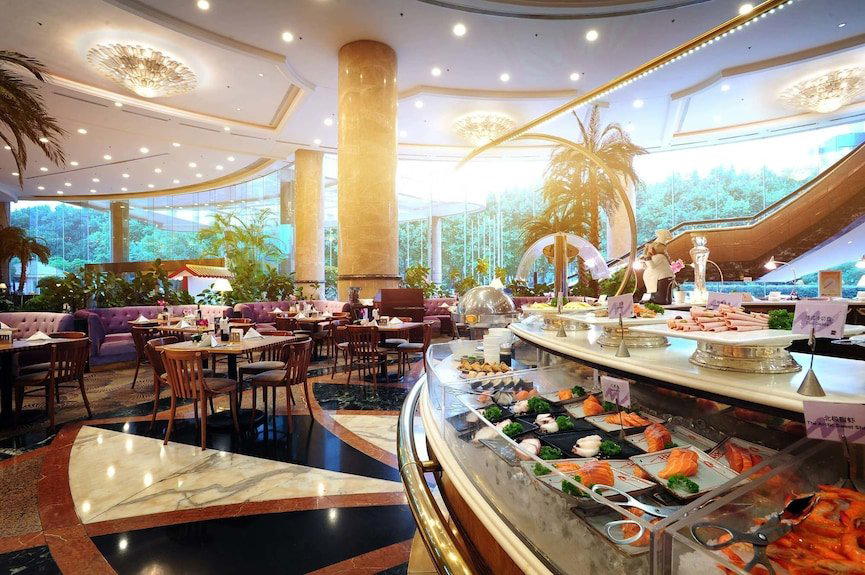
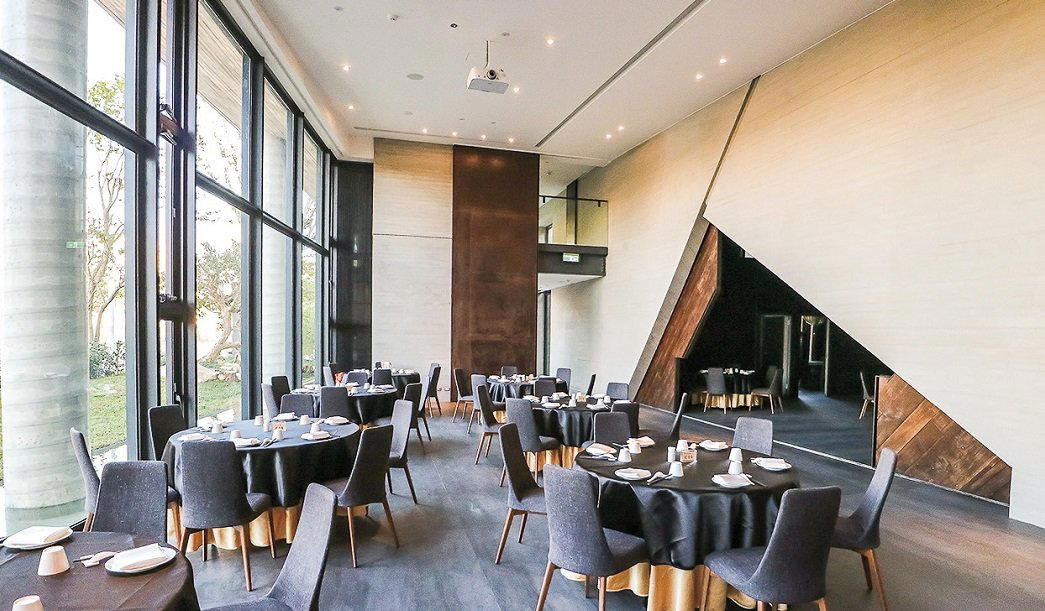
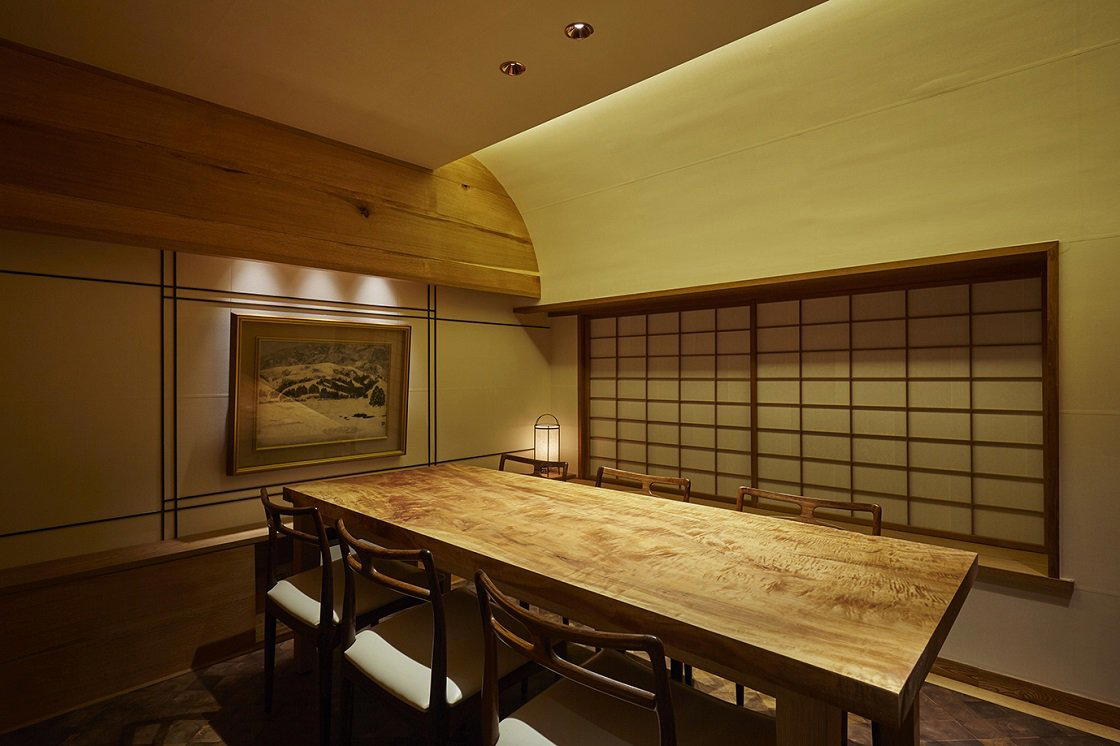
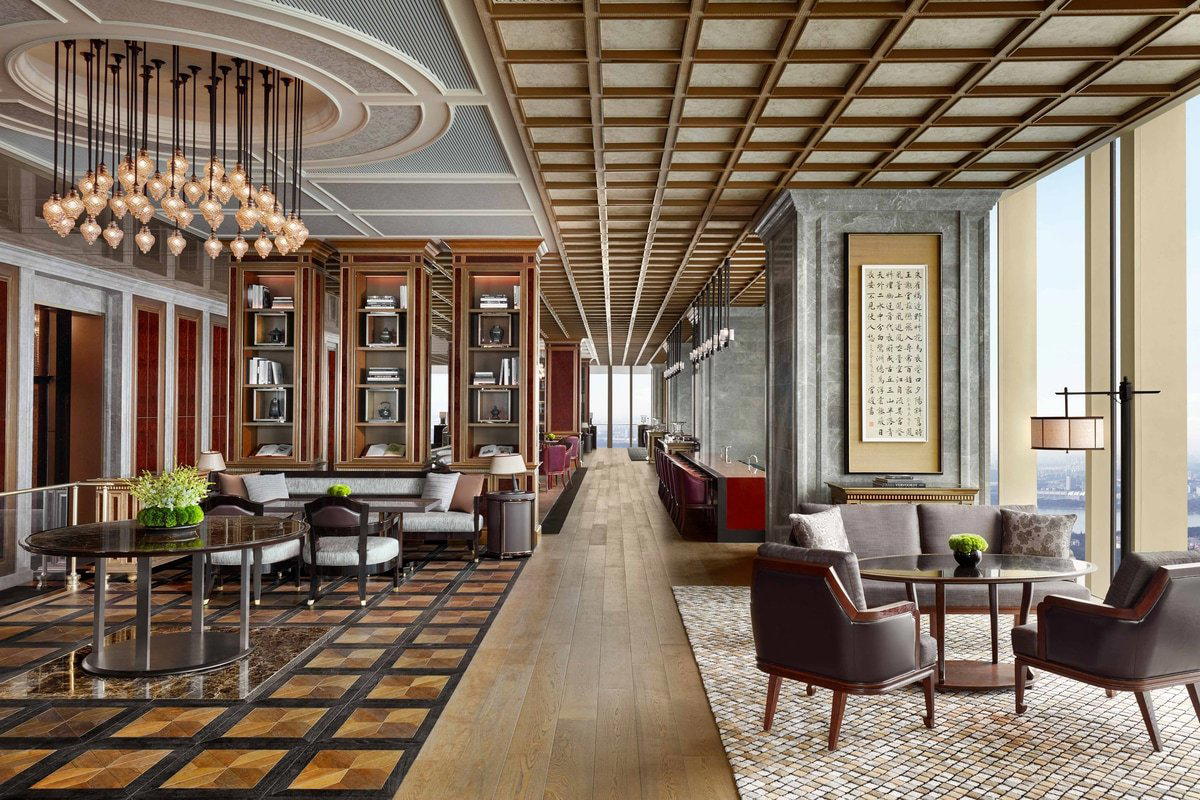
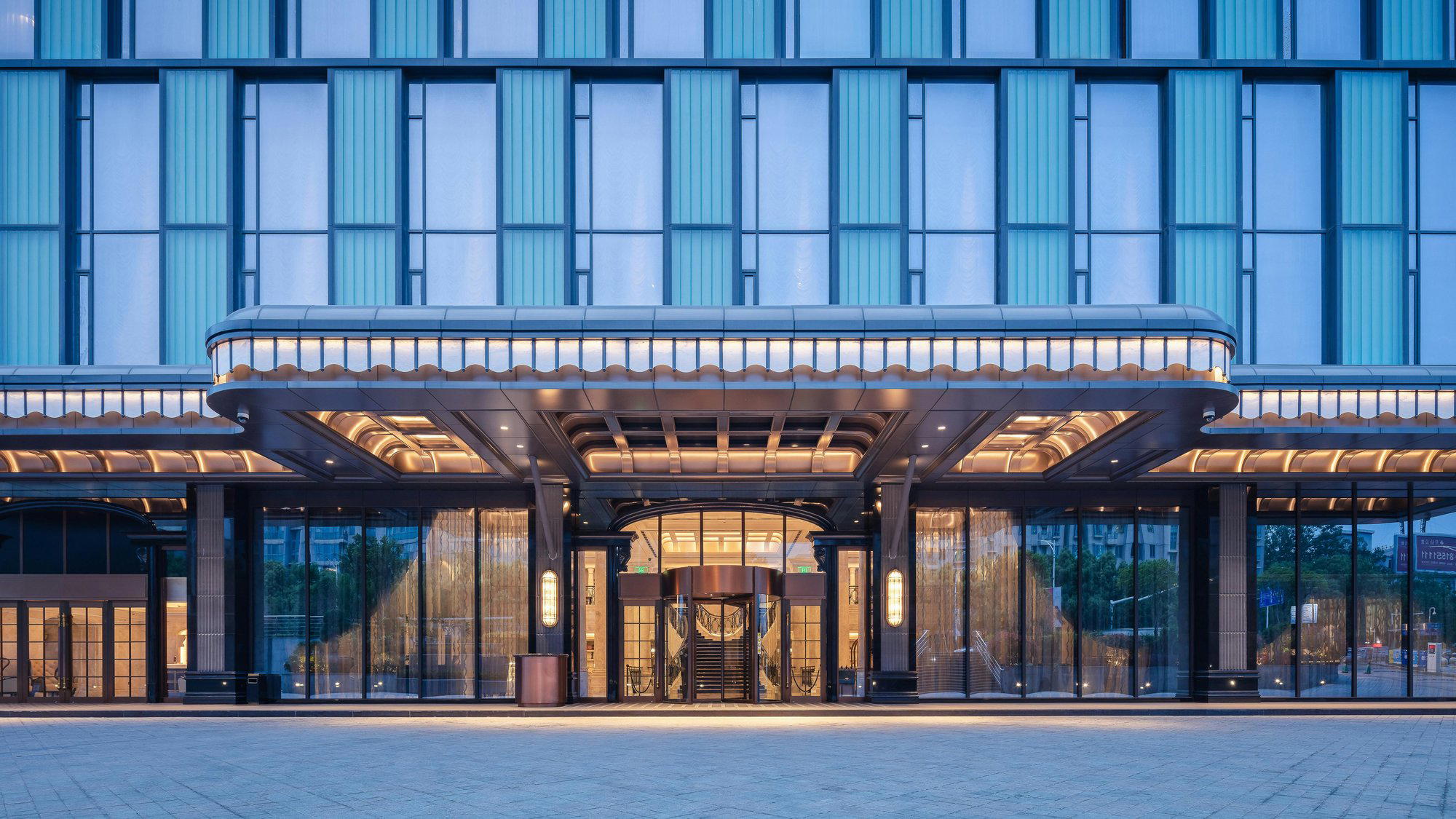
大厅热闹,适合非饭点时段用餐,环境简约传统。