泥炉烧肉师 centers on 泥炉炭火烤肉 at 3 Beimenqiao | 北门桥3号, 南京市, 江苏, with 炭烤火鳗, 烧肉师牛肋条, and 荞麦冷面 shaping a dinner-focused visit.
Pearl is the En Primeur Club membership app — saves, bookings, and concierge access live there. Same editors, same standards.
- Address
- 3 Beimenqiao | 北门桥3号, 南京市, 江苏
- Directions
- Get directions
 Saves & bookings on Pearl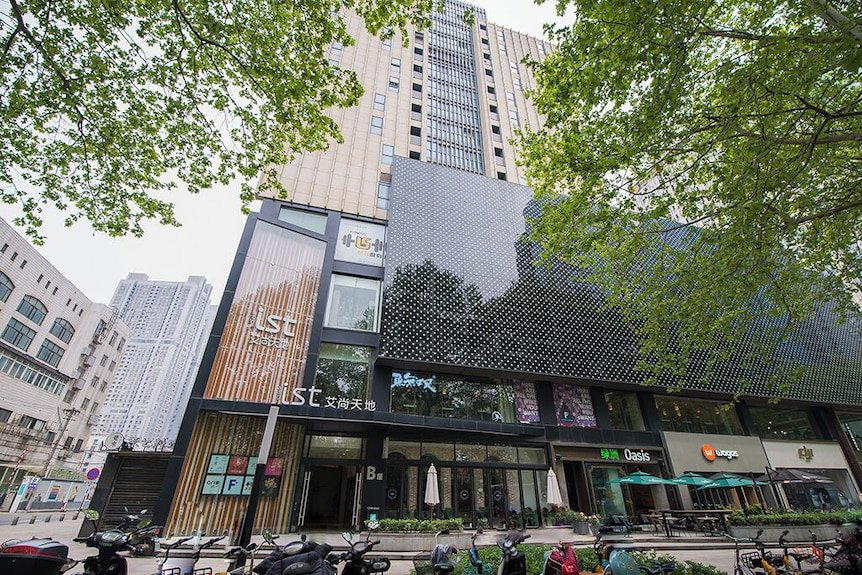
Clay Pits and Charcoal: Nanjing's Yakiniku Tradition Reconsidered
Along Beimenqiao, one of the older commercial streets threading through central Nanjing, the approach to 泥炉烧肉师 (Nílú Shāoròu Shī) is shaped by the smell before it is shaped by anything else. Charcoal smoke carries down the pavement with the particular density that only clay-kiln grilling produces, a quality distinct from the gas-fed yakiniku parlors that have spread through Chinese cities over the past decade. The address, 3 Beimenqiao, situates the restaurant in central Nanjing.
The name translates roughly as "clay-kiln roast-meat master," and that naming choice is itself editorial: the vessel is foregrounded, not the meat, not the chef. In Chinese barbecue culture, the 泥炉 (nílú), or clay earthen kiln, represents one of the oldest grill formats still in active use. Unlike iron grates over open pits, the clay kiln moderates heat through radiant retention, which changes the texture of fat-laced proteins in ways that high-direct-flame methods do not replicate. That distinction is not merely technical, it locates the restaurant inside a longer culinary history than the yakiniku boom of the 2010s, which brought Japanese-inflected table-grill formats to Chinese cities at scale.
Where This Sits in Nanjing's Dining Scene
Nanjing's restaurant scene has a well-documented dual identity: it carries a serious tradition in Jiangzhe and Huaiyang cuisine, the delicate, stock-intensive cooking that defines this part of the Yangtze Delta, while also sustaining a parallel appetite for more direct, fire-forward formats. Yakiniku-adjacent dining and charcoal-grill restaurants occupy a different tier from the banquet-style Huaiyang houses, and they tend to draw different occasions: casual group gatherings, late-evening meals, occasions where the table itself is the event rather than the plate.
Within Nanjing's broader dining map, venues like Jiangnan Wok · Yun and Chi Man represent the formal Jiangzhe and Huaiyang traditions at a premium tier, while Du Shi Li De Xiang Cun and Fang Po address more casual, neighborhood-frequency dining. 泥炉烧肉师 occupies a different position: the clay-kiln format is specific enough to constitute a category of its own, one that does not compete directly with Cantonese rooms like Dai Yuet Heen but also does not slot neatly into the broader Jiangzhe tradition. That specificity is part of what makes it worth tracking. For a full picture of where Nanjing's restaurant scene currently sits, the EP Club Nanjing restaurants guide maps across categories and price tiers.
The Clay Kiln as Cultural Artifact
Across China, regional barbecue traditions have survived urbanization to varying degrees. The clay kiln format, associated historically with northern and central Chinese cooking, has found a second life in cities where diners are attentive to process distinctions. The earthen kiln traps heat at the base while allowing controlled airflow, producing a cook that is less about char and more about even, penetrating warmth. This matters most for fattier cuts, where the difference between rendered and merely softened fat is the difference between a clean finish and a heavy one.
In a broader East Asian context, this tradition runs parallel to, but distinct from, the Korean charcoal-grill formats that have also spread through Chinese cities, and from Japanese yakiniku, which privileges thin-sliced premium beef over direct, sustained heat. The 泥炉 format tends to accommodate a wider range of proteins and requires a different kind of attention from the diner: the pace is slower, the heat more forgiving, and the results depend more on the quality of the raw material than on split-second timing. That dynamic shapes the kind of restaurant experience you are entering into, participatory, unhurried, built around the table as a sustained social unit rather than a conveyor of dishes.
That same emphasis on process and patience connects to something broader in the evolution of premium casual dining across Chinese cities. Compare the precision-driven formats at Xin Rong Ji in Beijing or the more composed tasting approach at 102 House in Shanghai, and the clay-kiln format appears as a counterpoint: lower formality, higher tactility, the cook distributed across the table rather than concentrated in the kitchen.
Regional Context and Peer Comparisons
Across the Yangtze Delta region, fire-forward cooking sits at a particular intersection of tradition and modern appetite. In Hangzhou, Ru Yuan pursues a different kind of regional authenticity. In Suzhou, Dingshan·Jiangyan (Xiangcheng) represents the more formal Jiangnan banquet tradition. Fuzhou's Jiangnan Wok·Rong and Yangzhou's Shang Palace anchor the wider Huaiyang lineage. None of these share the clay-kiln format or the informal participatory structure that defines the 泥炉 experience. That gap matters when considering what 泥炉烧肉师 is actually competing for: occasion share and repeat-visit frequency among diners who want fire-cooked food without the formality of a plated service environment.
At the more formal end of Chinese cooking internationally, venues like Chef Tam's Seasons in Macau, Imperial Treasure Fine Chinese Cuisine in Guangzhou, and Fleurs Et Festin in Xiamen represent the refined Cantonese and regional Chinese formats that attract critical recognition. The clay-kiln barbecue genre operates well outside that conversation, which is not a limitation so much as a structural difference in what the format sets out to do. For international comparison, the interactive table-cook model shares more structural DNA with the participatory formats at Atomix in New York City or the process-forward ethos at Le Bernardin than either would probably claim.
Planning Your Visit
The restaurant is located at 3 Beimenqiao in central Nanjing, a street accessible via the city's metro network. Reservations are recommended. The clay-kiln format tends to attract evening dining and is busier on weekends; arriving early in the service period typically improves table availability. Dress code is casual.
Budget and Context
Comparable venues nearby, for context on price, style, and recognition.
| Venue | Cuisine | Price | Awards | Notes |
|---|---|---|---|---|
| 泥炉烧肉师This venue — the venue you are viewing | 新街口, 泥炉炭火烤肉 | $$ | Not listed | Not listed |
| Wan Guo Chun Chinese Restaurant | Gulou, Traditional Huaiyang Cuisine | $$ | Michelin Plate | Not listed |
| 肉肉大米 | Not listed | $$ | Not listed | 人民广场, Japanese-Style Hamburg Steak Rice Bowls |
| Purple Mountain Garden | Not listed | $$$ | Michelin Plate | Xuanwu District, Traditional Huaiyang Chinese Fine Dining |
| The longyin | Jiangning, Modern Huaiyang fine dining | $$$ | Not listed | Not listed |
| Xi Bei Qiao Tou La Mian Da Wang | Gulou, Halal Beef and Lamb Noodles | $ | Michelin Plate | Not listed |

At a Glance
- Lively
- Trendy
- Group Dining
- Casual Hangout
- Open Kitchen
炭火烤制氛围活泼热闹,网红店人气爆棚