Dulcesalado
On McLeary Avenue in the Ocean Park neighborhood of San Juan, Dulcesalado sits at the intersection of sweet and savory that defines much of Puerto Rico's culinary conversation. The name alone signals a menu philosophy: contrasts held in deliberate tension. For travelers tracing the city's dining character beyond Old San Juan's tourist corridor, this address carries weight.
 Discover on Pearl
Pearl is the En Primeur Club membership app — saves, bookings, and concierge access live there. Same editors, same standards.
- Address
- 1853 McLeary Ave, San Juan, 00911, Puerto Rico
- Phone
- +17877053471
- Website
- dulcesaladorest.com
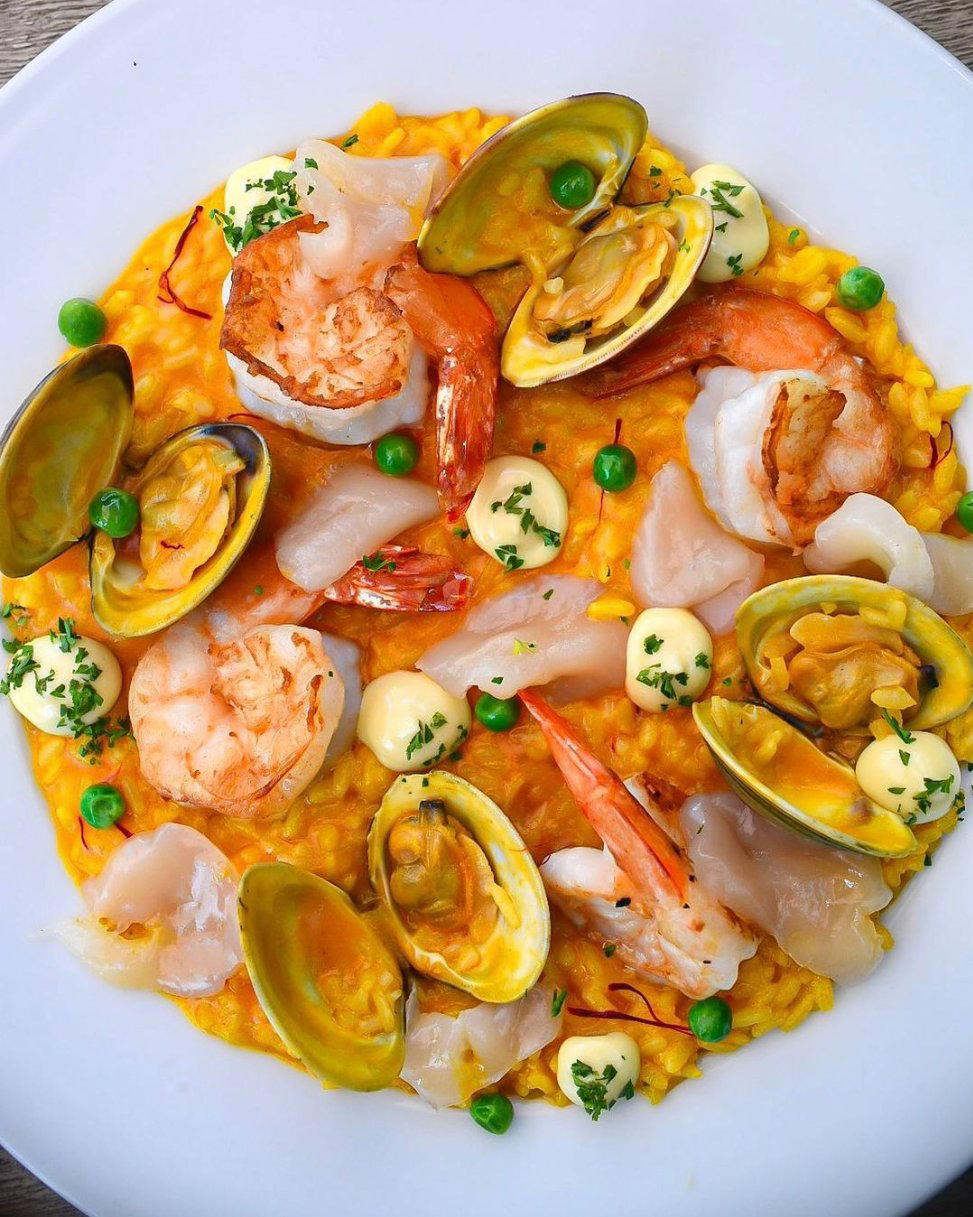
McLeary Avenue and the Ocean Park Dining Shift
Ocean Park occupies an interesting position in San Juan's restaurant geography. The neighborhood sits east of Condado's hotel strip and west of the denser residential blocks of Santurce, and over the past decade it has attracted a category of restaurant that resists easy classification: not fine dining, not casual beachside fare, but something in between that mirrors the broader evolution of Puerto Rican food culture. McLeary Avenue, where Dulcesalado operates at number 1853, concentrates several of these harder-to-categorize places within a few walkable blocks. The street itself reads more residential than commercial, which shapes expectations before you arrive. Addresses like this one, away from the polished promenades, tend to draw a local-first crowd rather than visitors working from a hotel concierge list.
That geographic context matters when reading Dulcesalado's positioning. In cities where dining scenes have fragmented into micro-neighborhoods, the choice to operate in Ocean Park rather than Condado or Miramar signals something about audience and intent. Restaurants at this kind of address typically compete on repeat visits and word-of-mouth rather than foot traffic, which usually pressures the kitchen to deliver consistency over spectacle.
The Menu as Argument: Reading the Sweet-Savory Frame
The name Dulcesalado, Spanish for sweet-salted or sweet-savory, is not incidental decoration. In menu architecture terms, it functions as a thesis statement. Kitchens that organize themselves around a single governing contrast rather than around a regional cuisine or a chef's biography tend to produce menus where every dish is a variation on a central argument. This approach has precedent in Puerto Rican cooking, where the interplay of sweet plantain against salted pork, or the bittersweet notes in sofrito-based braises, runs through the culinary tradition at every price point.
What distinguishes a restaurant that takes this as its explicit organizing principle is the degree to which that tension is pursued with discipline rather than deployed as marketing language. Puerto Rico's food culture has always worked this kind of contrast into its DNA, from the caramelized crust of a well-made tostón to the syrup-soaked crumbs of a traditional tembleque. A kitchen that frames its entire program around sweet-savory dynamics is, in effect, making a claim about the depth of that tradition rather than simply replicating it. Whether the execution at Dulcesalado meets that ambition is a question the menu itself must answer rather than the name above the door.
This kind of conceptual framing also places Dulcesalado in a specific peer conversation within San Juan. Operations like Areyto Modern Cuisine by Chef Jason González and Amor y Sal have pursued different angles on modern Puerto Rican cooking, while 1919 Restaurant approaches the island's ingredients through a Modern American lens. Dulcesalado's sweet-savory frame is narrower and more declarative than any of those, which either produces a more coherent menu or a more restrictive one, depending on how broadly the kitchen interprets its own premise.
Puerto Rico's Culinary Contrasts in Context
The sweet-savory axis in Caribbean cooking is not a trend imported from European tasting menus. It is structural. The agricultural history of the island, built around sugarcane, root vegetables, and the proteins introduced through centuries of trade and migration, produced a cuisine where the two registers overlap constantly. Plantains at different stages of ripeness offer both expressions on the same plate. Mofongo, the island's most discussed dish internationally, depends on the salt of chicharrón balanced against the starchy sweetness of green plantain. Lechón, the slow-roasted pig that defines Puerto Rican celebration cooking, develops a lacquered skin that reads sweet before the salt of the meat registers.
This context explains why a restaurant named for that contrast can feel either redundant or essential depending on execution. At the higher end of the San Juan dining scene, venues like AQA Oceanfront and ARYA work with contrasting flavor registers as part of broader, multi-register menus. A kitchen that commits to the contrast as its core identity is making a more focused bet. That focus, when it works, produces a coherence that larger, more eclectic menus rarely achieve. When it doesn't, the menu can feel repetitive before the meal is over.
For reference points outside the island, kitchens at Le Bernardin in New York City and Lazy Bear in San Francisco demonstrate how a singular organizing philosophy, rigorously applied, can carry an entire menu concept without exhausting the diner. The question for concept-driven restaurants in markets the size of San Juan is whether the local diner base supports that level of repetition night after night.
Practical Planning
Dulcesalado operates at 1853 McLeary Avenue in Ocean Park, a neighborhood most easily reached by rideshare from Condado or Old San Juan. The address is residential in character, so street parking is available but not guaranteed during peak evening hours. Ocean Park's restaurant strip along McLeary draws a local-skewing crowd, so evenings during the week tend to be more accessible than weekend nights. Travelers building a broader itinerary across Puerto Rico will find complementary dining at Paros Restaurant, COA in Dorado, and Estela Restaurant in Rincon. For a fuller picture of the San Juan dining scene, including venues across price tiers and neighborhoods, see our full San Juan restaurants guide. Beyond the capital, the island's dining range extends to places like Charco Azul in Vega Baja, Lago Dos Bocas in Arecibo, Brazo Gitano Franco in Mayaguez, Kaplash in Anasco, La Parguera, Da Bowls in Aguadilla, and El Dorado in Playita.
Cuisine and Recognition
Comparable venues nearby, for context on price, style, and recognition.
| Venue | Cuisine | Price | Awards | Notes |
|---|---|---|---|---|
| DulcesaladoThis venue — the venue you are viewing | Modern Caribbean Fusion | $$$ | , | |
| Santaella | Modern Puerto Rican | $$$ | , | Condadito |
| AQA Oceanfront | Contemporary Latin Rotisserie | $$$ | , | Condado |
| Mercado Caribe Cocina & Barra | Spanish-Caribbean Fusion | $$$ | , | Gobernador Piñero |
| Verde Mesa | Modern Caribbean Farm-to-Table | $$$ | , | Catedral |
| Manzana de Java | Modern Puerto Rican with Southeast Asian Fusion | $$$ | , | Parque |




At a Glance
- Trendy
- Cozy
- Elegant
- Brunch
- Date Night
- Casual Hangout
- Open Kitchen
- Terrace
- Craft Cocktails
- Local Sourcing
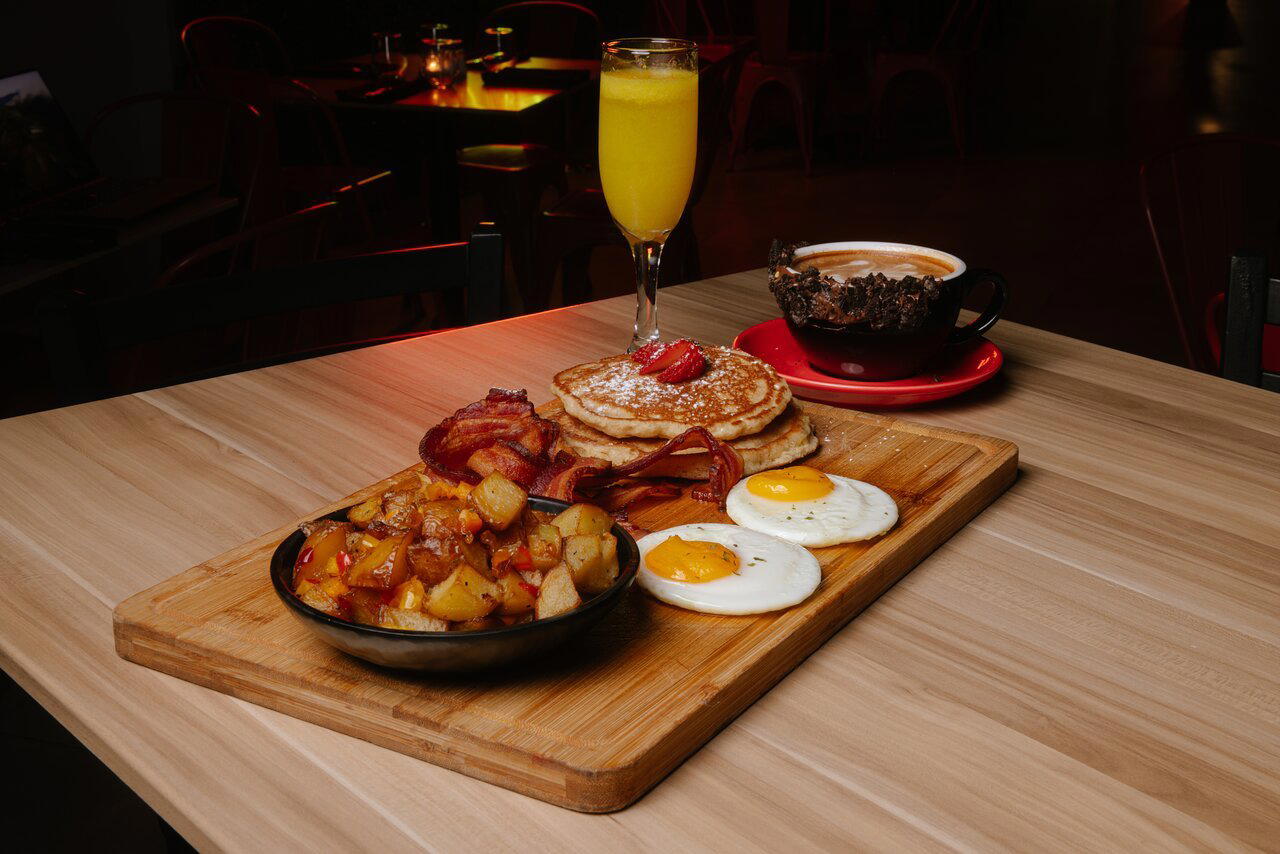
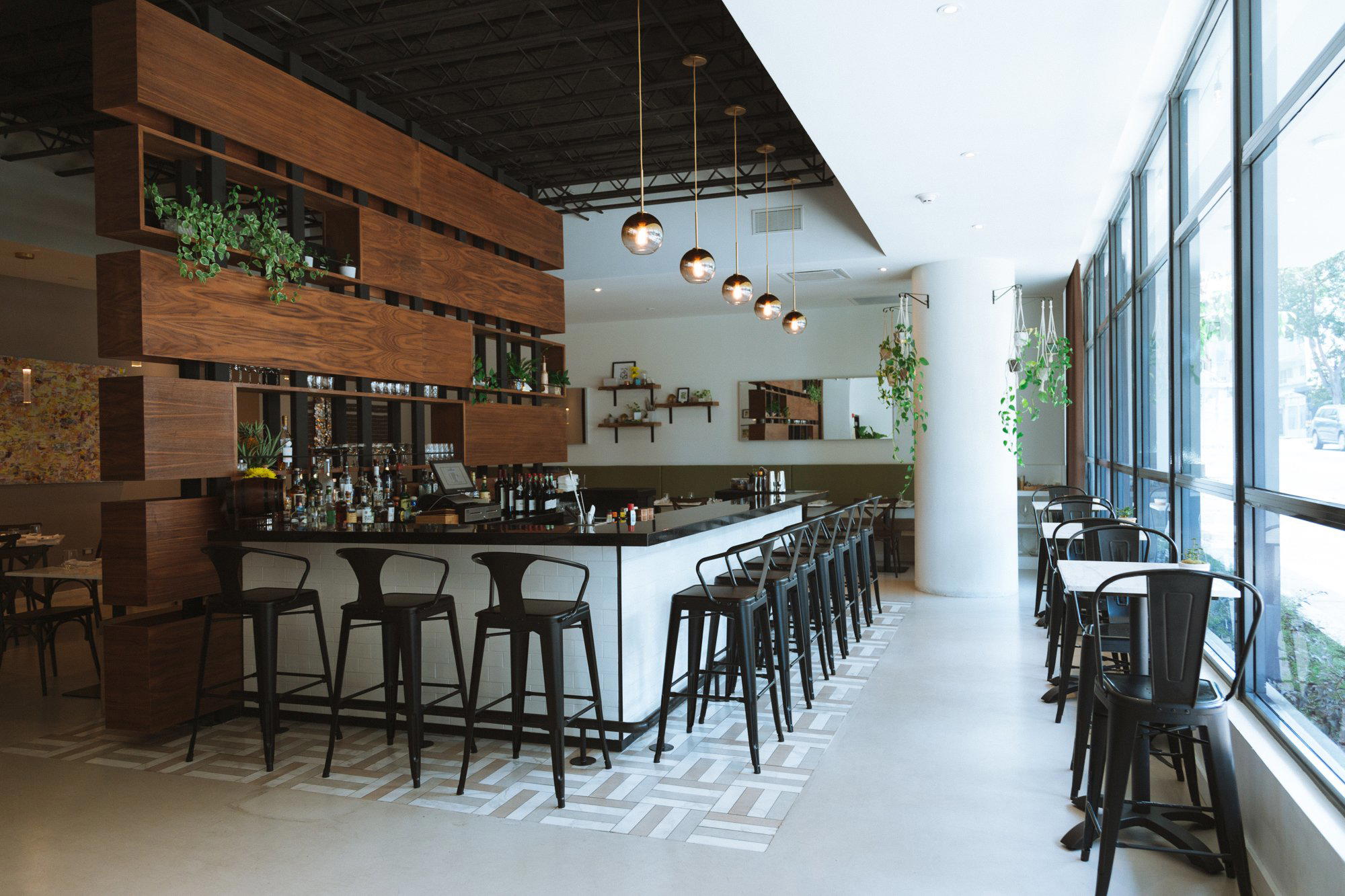
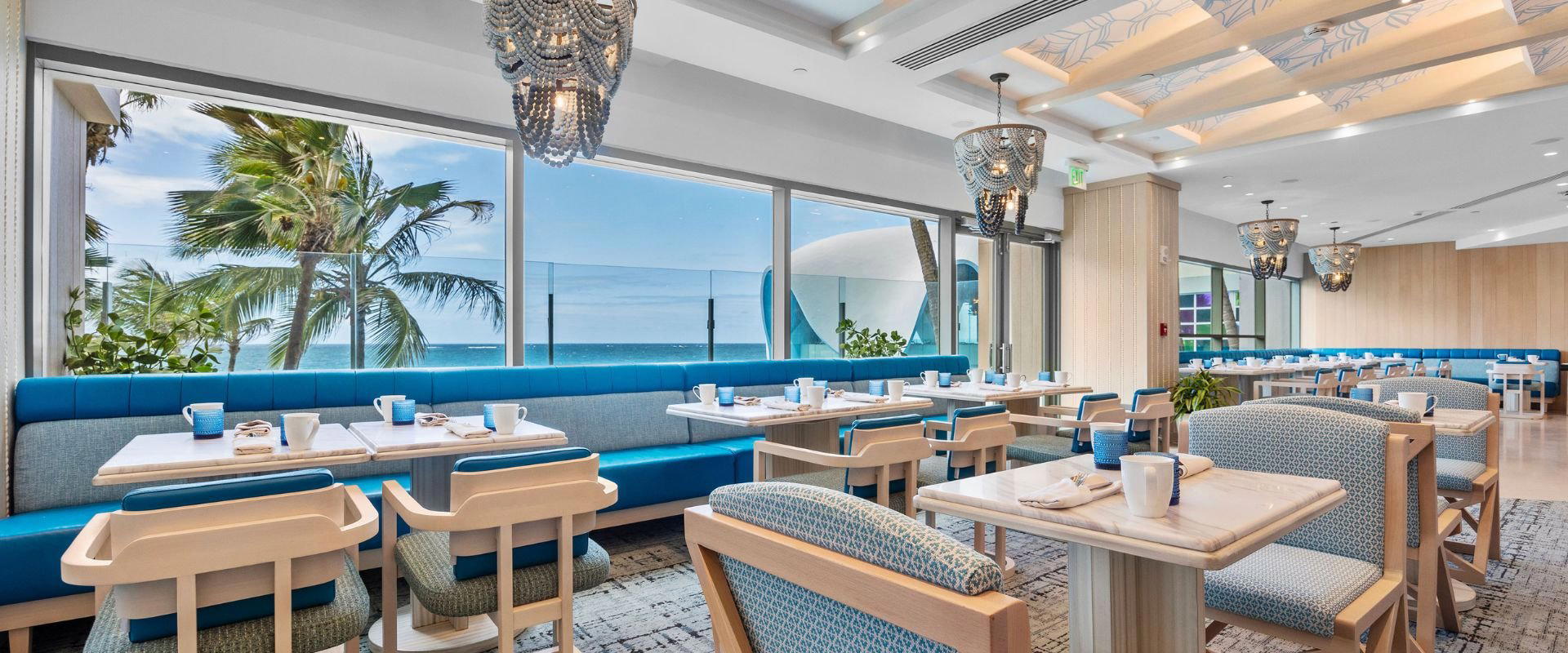
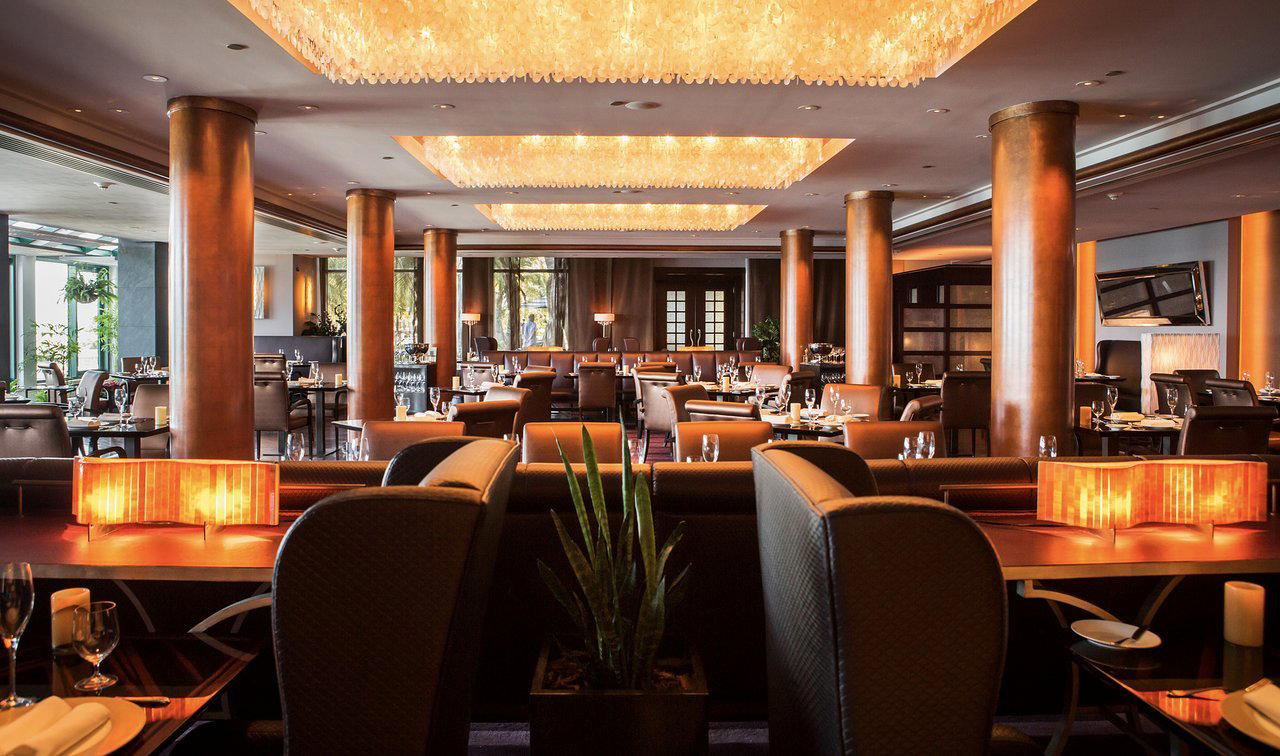
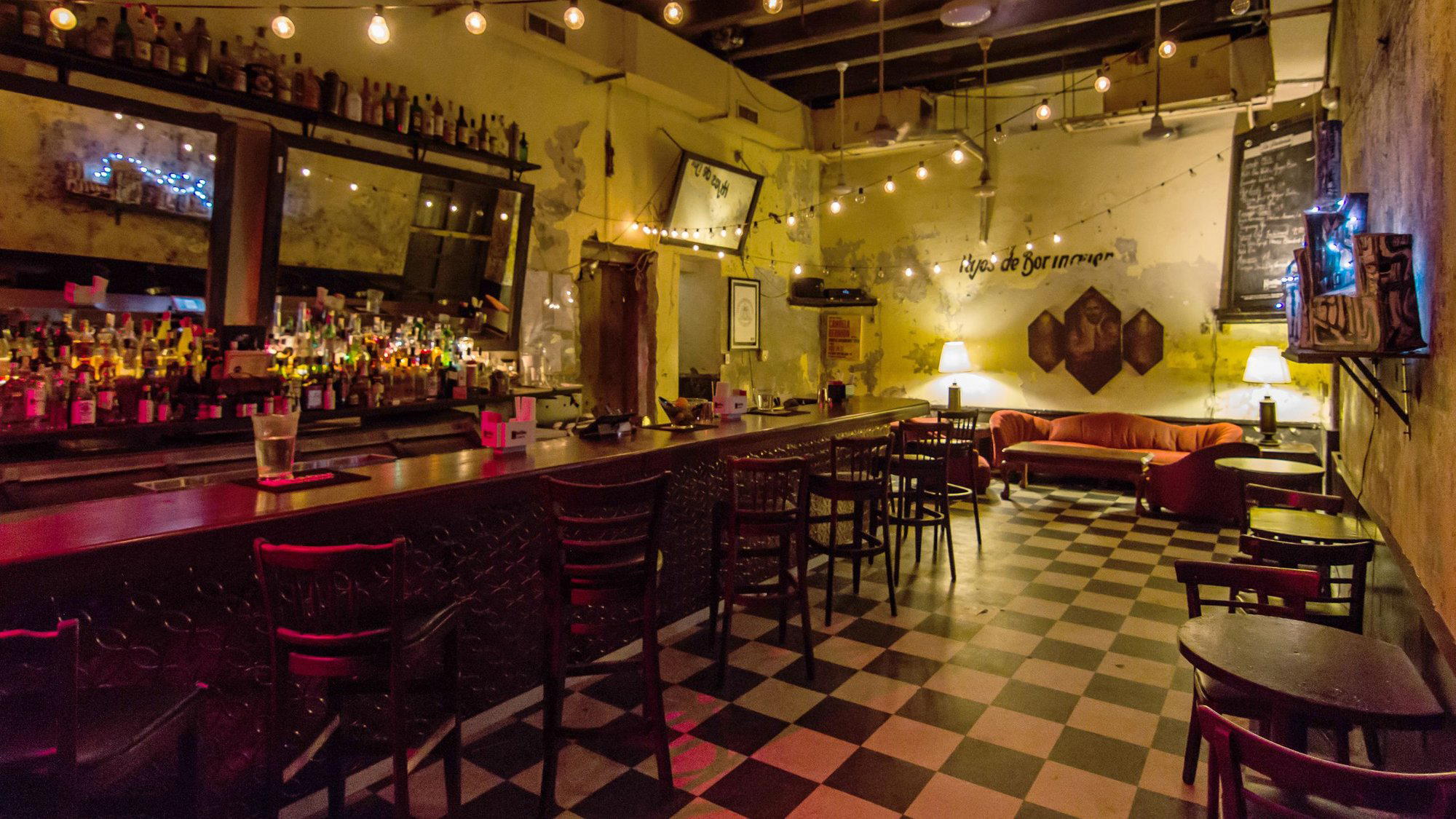
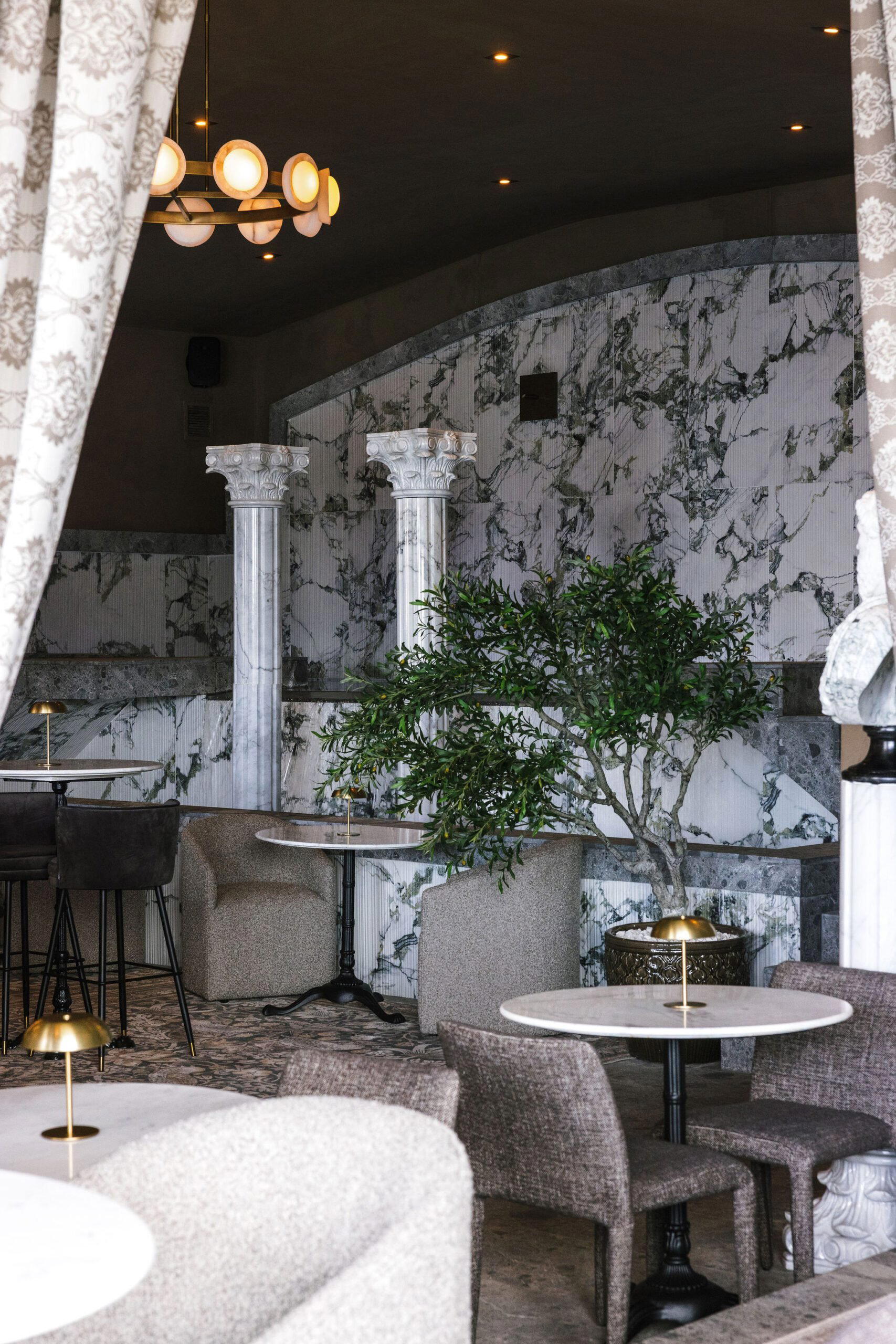
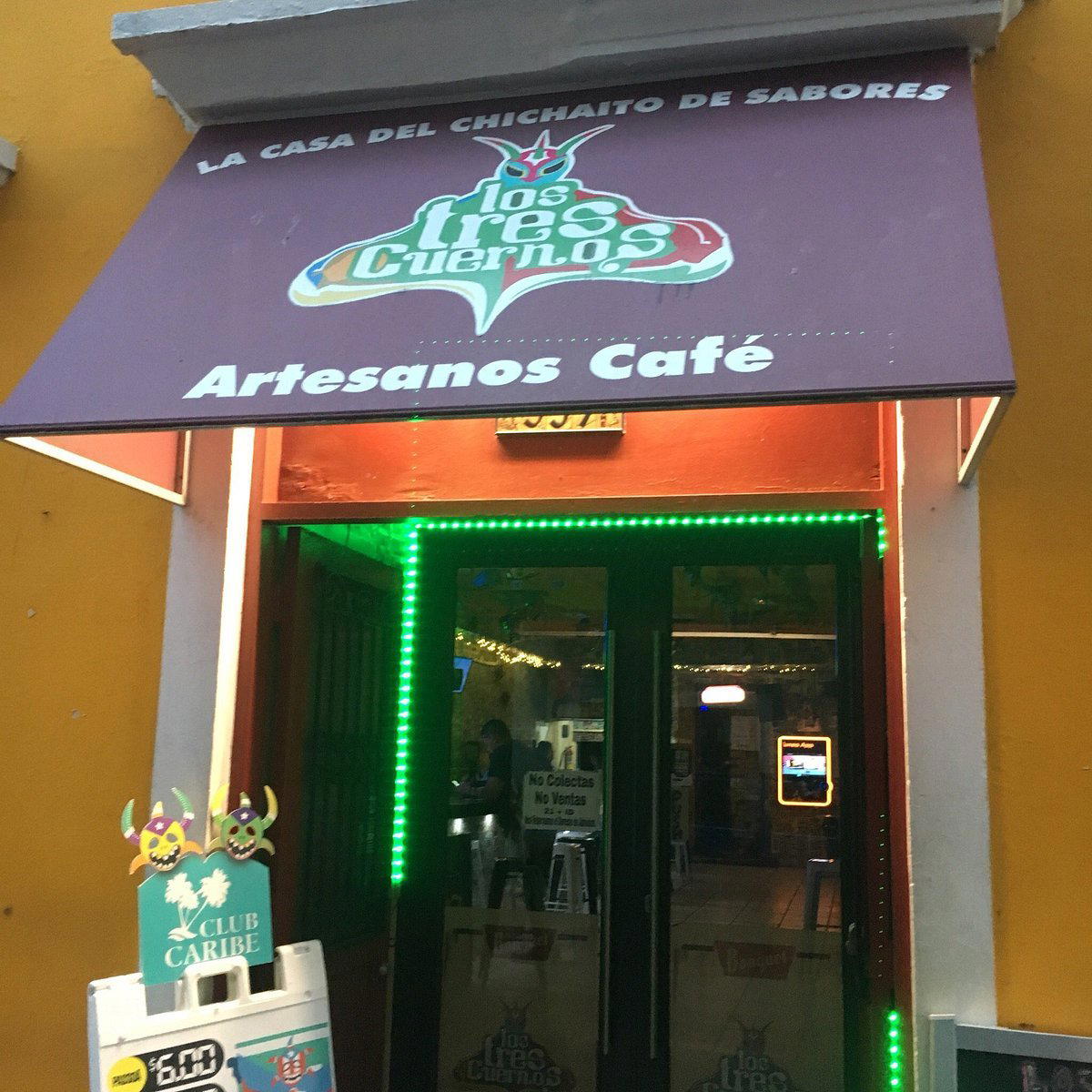
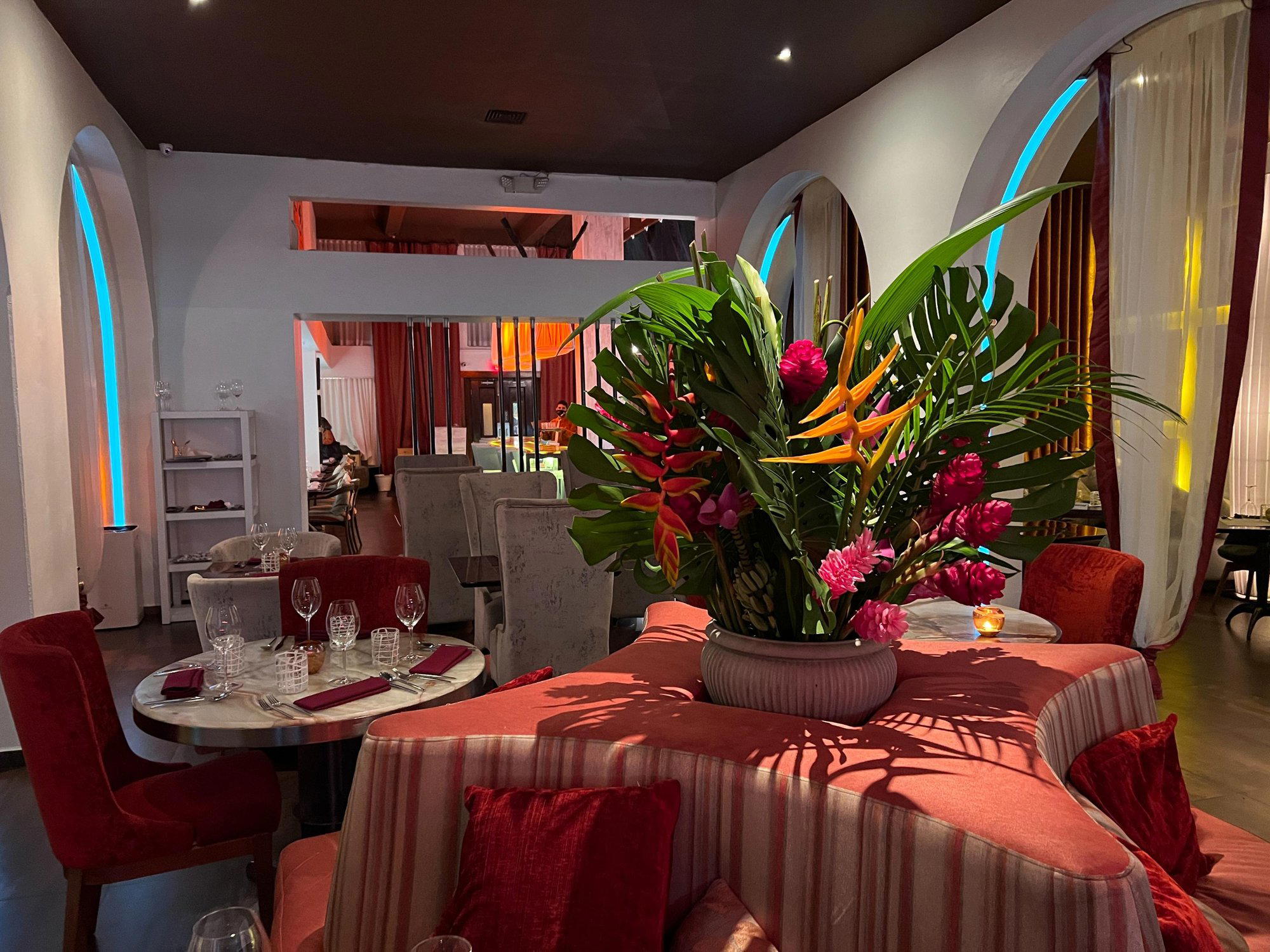
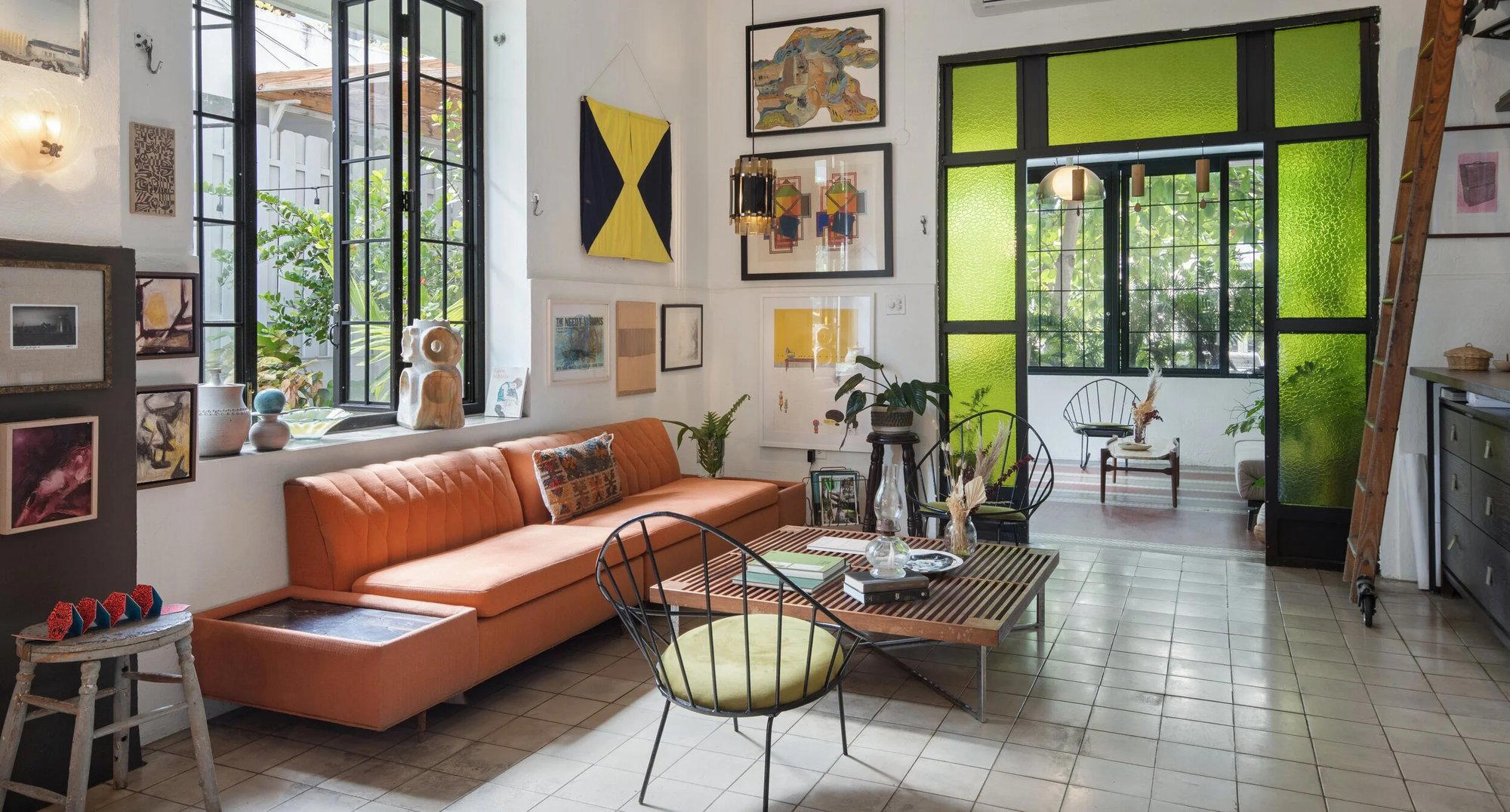
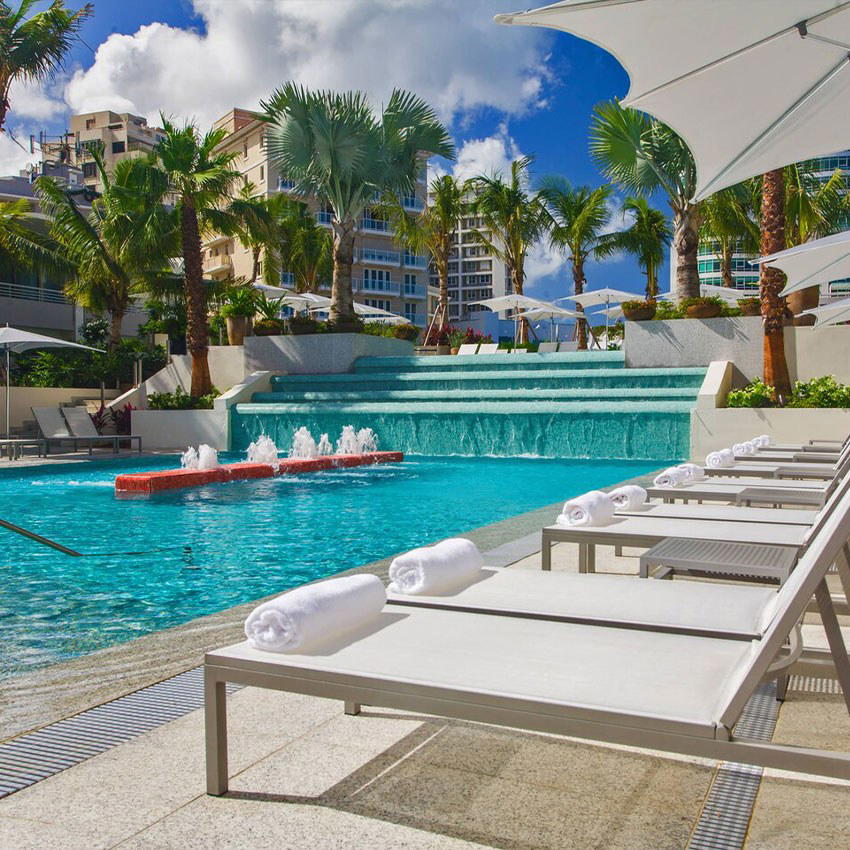
Homely ambiance with modern gastronomy, ample dining room, relaxing exterior patio, beer garden, and tropical elegant atmosphere.