Google: 4.6 · 814 reviews
Asia de Lima
Where the Pacific Meets the Caribbean Avenida Juan Ponce de León is one of San Juan's main commercial arteries, running through Santurce before threading into Condado. The stretch around address 1700 carries the particular energy of a...
 Discover on Pearl
Pearl is the En Primeur Club membership app — saves, bookings, and concierge access live there. Same editors, same standards.
Where the Pacific Meets the Caribbean
Avenida Juan Ponce de León is one of San Juan's main commercial arteries, running through Santurce before threading into Condado. The stretch around address 1700 carries the particular energy of a neighborhood in transition: old-San Juan formality giving way to a younger, more international dining culture that has made Santurce one of the more interesting eating districts on the island over the past decade. Asia de Lima sits within that current, a restaurant whose name immediately telegraphs its central editorial proposition — Nikkei cuisine, the fusion tradition born from Japanese immigration to Peru beginning in the late nineteenth century.
Nikkei, as a culinary tradition, earns its place in serious food conversation because it represents a genuine historical synthesis rather than a calculated trend. Japanese immigrants to Peru brought knife discipline, fermentation instincts, and a reverence for the quality of raw fish; they found ceviche culture, the citrus punch of leche de tigre, and an extraordinary local pantry of aji peppers, corn varieties, and coastal seafood. The resulting cuisine operates along a dual axis: precise Japanese technique applied to Peruvian ingredients, or Peruvian brightness layered onto Japanese formats. Lima became its international headquarters, producing restaurants that now appear on global top-fifty lists. What Asia de Lima proposes, in bringing that tradition to San Juan, is a compelling geographic argument: Puerto Rico, with its own formidable seafood culture and a population accustomed to bold acid and heat, may be the Caribbean's most natural home for Nikkei cooking.
The Ingredient Logic
The sourcing argument for Nikkei in Puerto Rico starts with the ocean. The island's coastal waters produce fish and shellfish that hold up to the raw and lightly cured preparations central to the style. Tiradito, the Peruvian-Japanese answer to carpaccio, depends entirely on the quality of its central protein — thin-sliced fish dressed with citrus, aji amarillo, and sometimes sesame or soy. In Lima's leading Nikkei restaurants, the sourcing chain runs tight: chefs know their fish suppliers by name and by tide. A version of that discipline, applied to Puerto Rican coastal catch, produces something with genuine local identity rather than imitation.
Peruvian ingredients present a different logistical reality for island kitchens. Aji amarillo, the distinctive orange-yellow pepper that gives Peruvian cuisine much of its flavor signature, aji panca, and huacatay (black mint) are increasingly available through specialty import channels across the United States and its territories. The question any serious Nikkei kitchen must answer is whether those imports arrive in condition that preserves their function, or whether substitution is required and, if so, how transparent that substitution is made. This is the kind of sourcing honesty that separates kitchens working within a tradition from kitchens trading on its aesthetics.
The Peruvian pantry also includes the purple corn used for chicha morada, a range of potato varieties found nowhere else, and the yuzu-adjacent citrus called maracuyá in its passion fruit form , though that last one San Juan grows itself. The Caribbean overlap in the ingredient map is real, and a kitchen willing to read it carefully can produce Nikkei that feels located rather than transplanted.
San Juan's Place in the Nikkei Conversation
Globally, serious Nikkei dining concentrates in Lima (where restaurants like Central and Maido have defined a tier of Peruvian-Japanese ambition), Tokyo, and a handful of international cities where Peruvian restaurant culture has taken hold. In the continental United States, New York and Miami hold the strongest representation. The Caribbean has historically been peripheral to that conversation, which makes a dedicated Nikkei address in San Juan a meaningful arrival , not because it claims parity with Lima's top tier, but because it extends the tradition into a geography where it has not previously had a stable home.
San Juan's dining scene has diversified considerably in the past several years. Modern Puerto Rican cooking, as practiced at places like Areyto Modern Cuisine by Chef Jason González and the Modern American format at 1919 Restaurant, has pushed the island's culinary identity toward something more sophisticated than tourist-facing mofongo. Seafood-forward venues like AQA Oceanfront and Amor y Sal occupy the oceanfront register. ARYA and Paros Restaurant broaden the international range. Into that context, Asia de Lima inserts a cuisine that has no direct equivalent on the island, which is itself a distinguishing position. The comparison set for what it does sits outside Puerto Rico, not within it.
For diners who want to map the broader island dining culture beyond San Juan, the range is considerable: COA in Dorado, Estela Restaurant in Rincon, and Lago Dos Bocas in Arecibo offer a sense of how coastal and interior traditions play out across different municipalities. The full picture is available through our San Juan restaurants guide.
Planning a Visit
Asia de Lima's address on Avenida Juan Ponce de León places it in the Santurce-Condado corridor, accessible by rideshare from Old San Juan in roughly fifteen minutes depending on traffic, and closer still to Condado's hotel strip. For current booking arrangements, hours, and any reservation requirements, contacting the restaurant directly through current listings is the practical approach, as none of those operational details are confirmed in this record. Given that Nikkei dining at this price and format tier tends to draw a mix of hotel guests and local regulars, earlier reservations during peak winter travel season (December through April) are the prudent call. Those visiting the island more broadly may also find useful context at Charco Azul in Vega Baja, Da Bowls in Aguadilla, Brazo Gitano Franco in Mayaguez, El Dorado in Playita, Kaplash in Anasco, and La Parguera. For reference-point Nikkei and seafood cooking at the highest international tier, Le Bernardin in New York City and Lazy Bear in San Francisco provide a useful baseline for technique and ambition.
Peers in This Market
A compact peer snapshot based on similar venues we track.
| Venue | Cuisine | Price | Notes |
|---|---|---|---|
| Asia de Lima | This venue | ||
| 1919 Restaurant | Modern American | Modern American | |
| ORUJO | |||
| Seva | |||
| Marmalade Restaurant & Wine Bar | |||
| Jose Enrique Puerto Rican restaurant |



At a Glance
- Cozy
- Intimate
- Trendy
- Date Night
- Group Dining
- Casual Hangout
- Open Kitchen
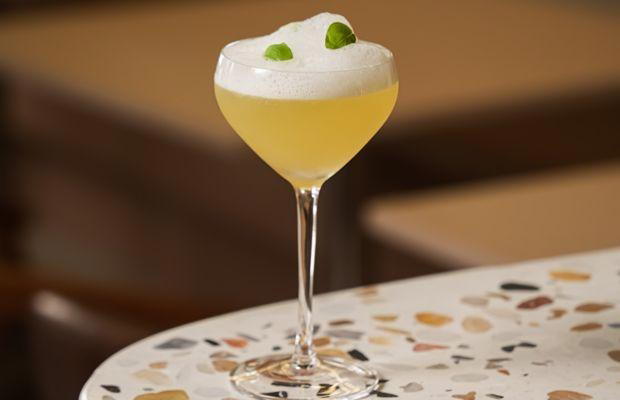
- Craft Cocktails
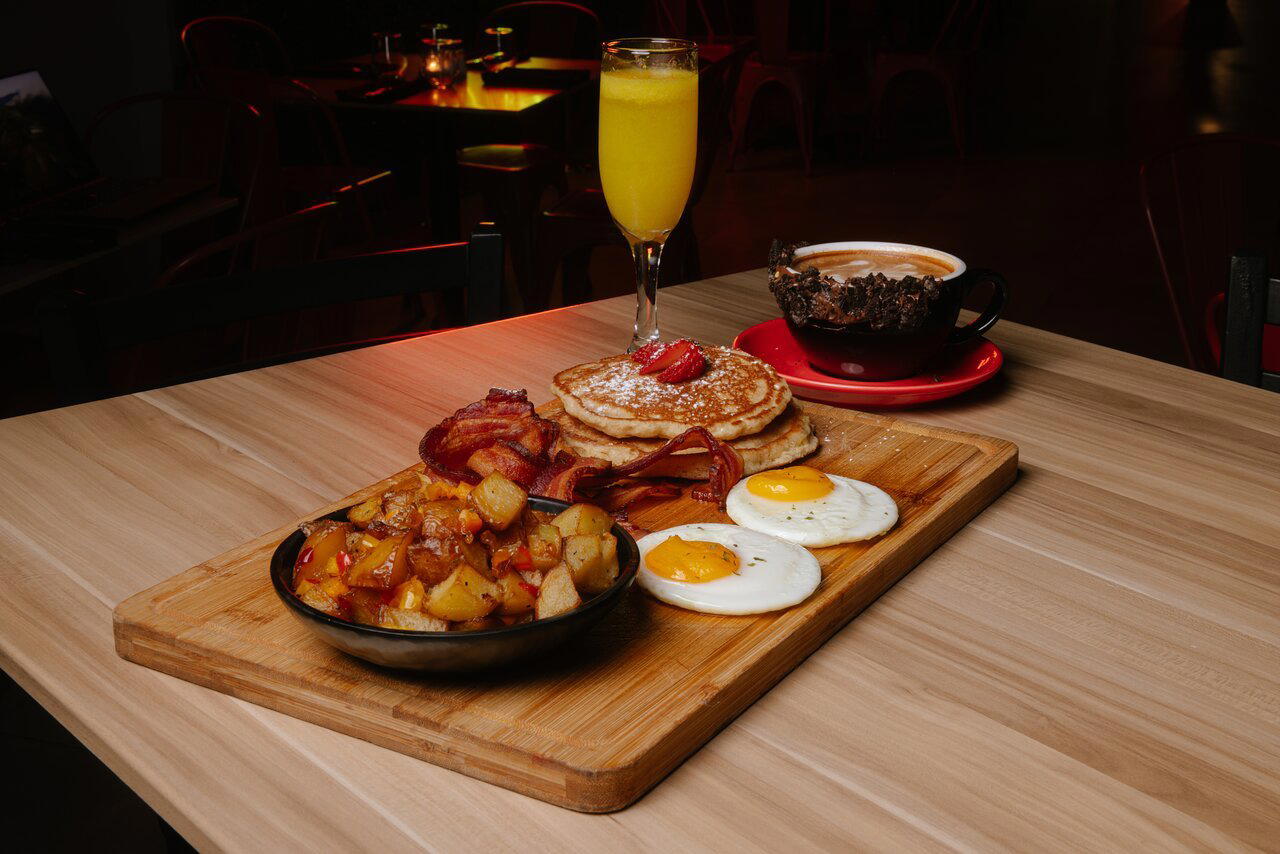
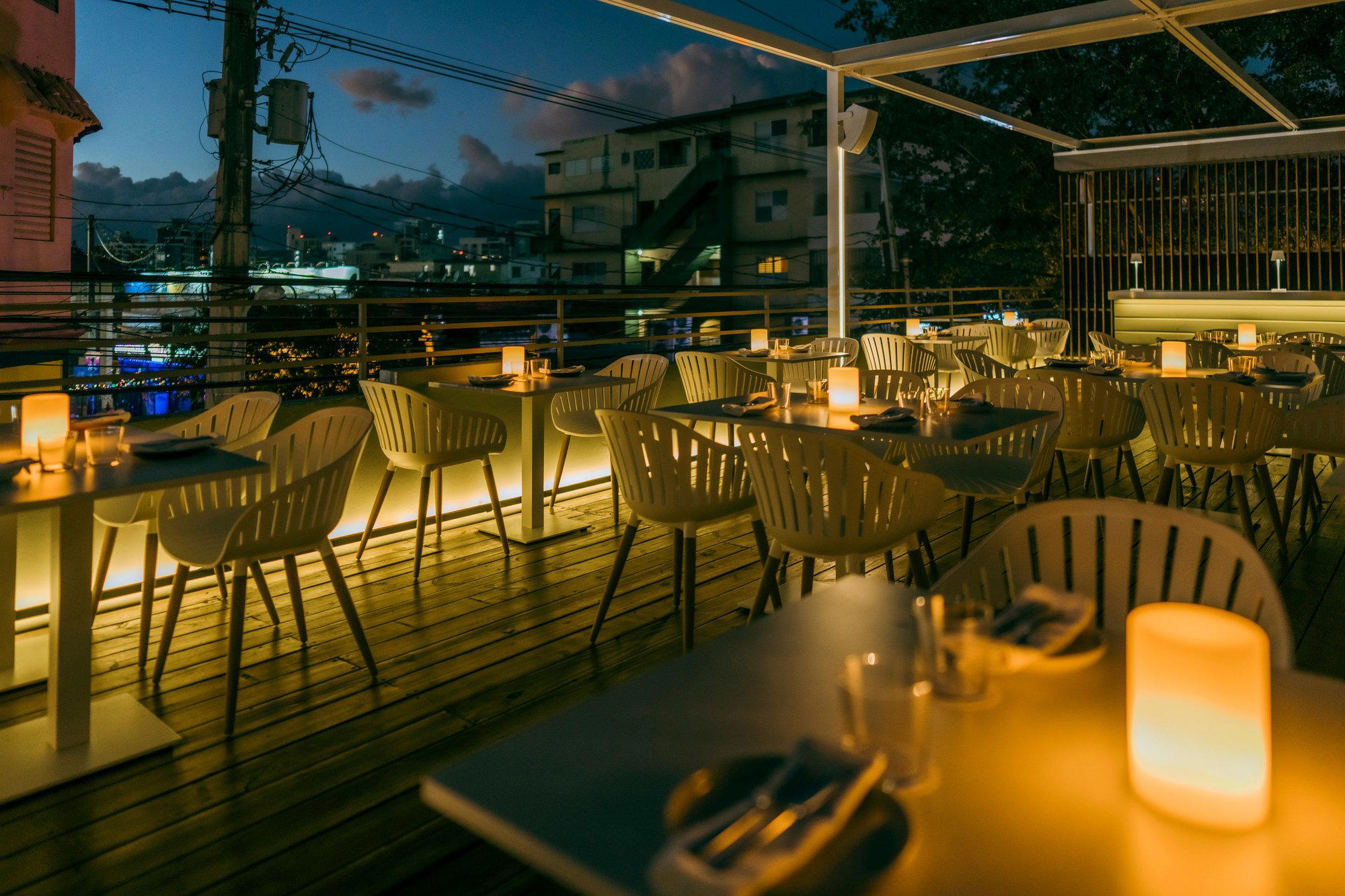
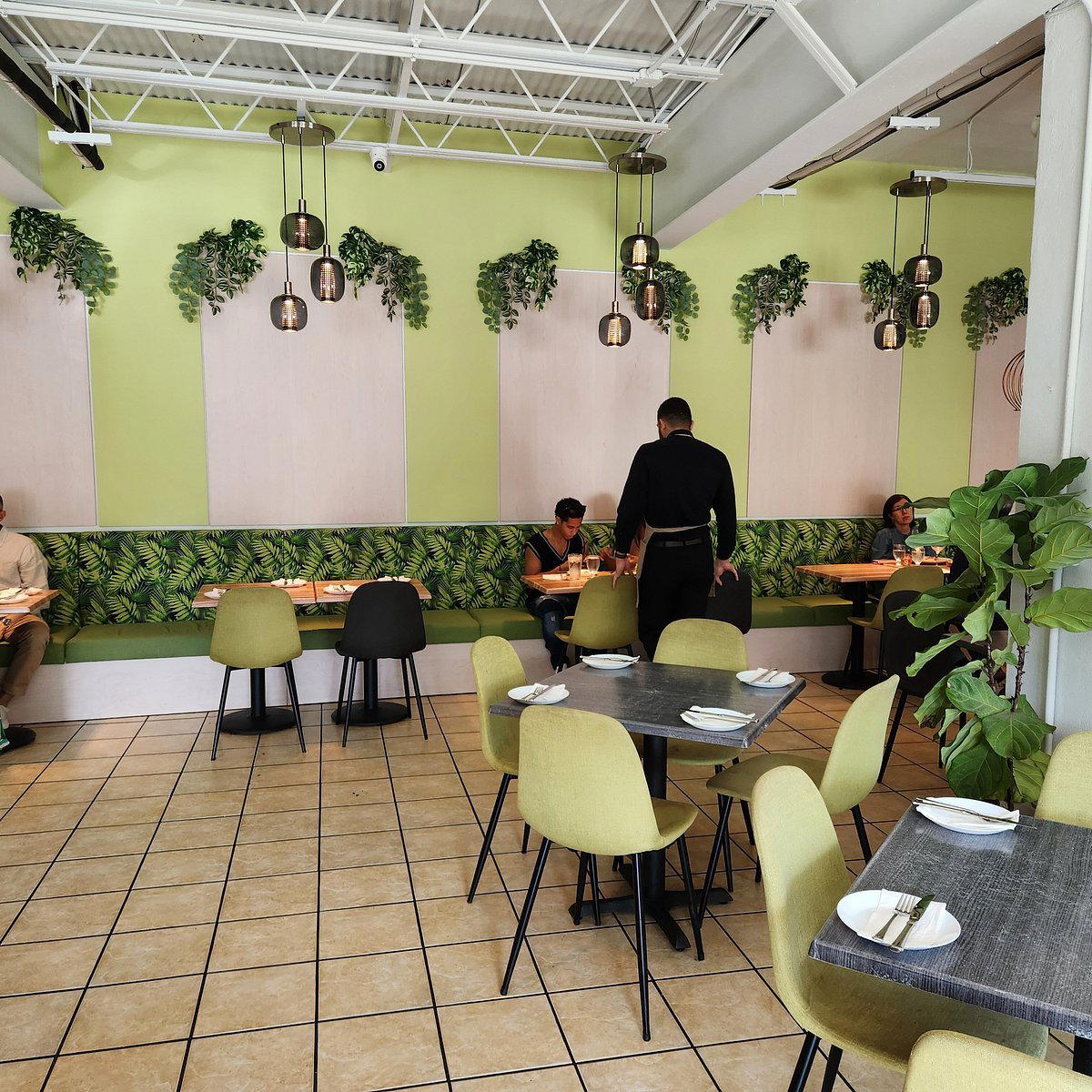
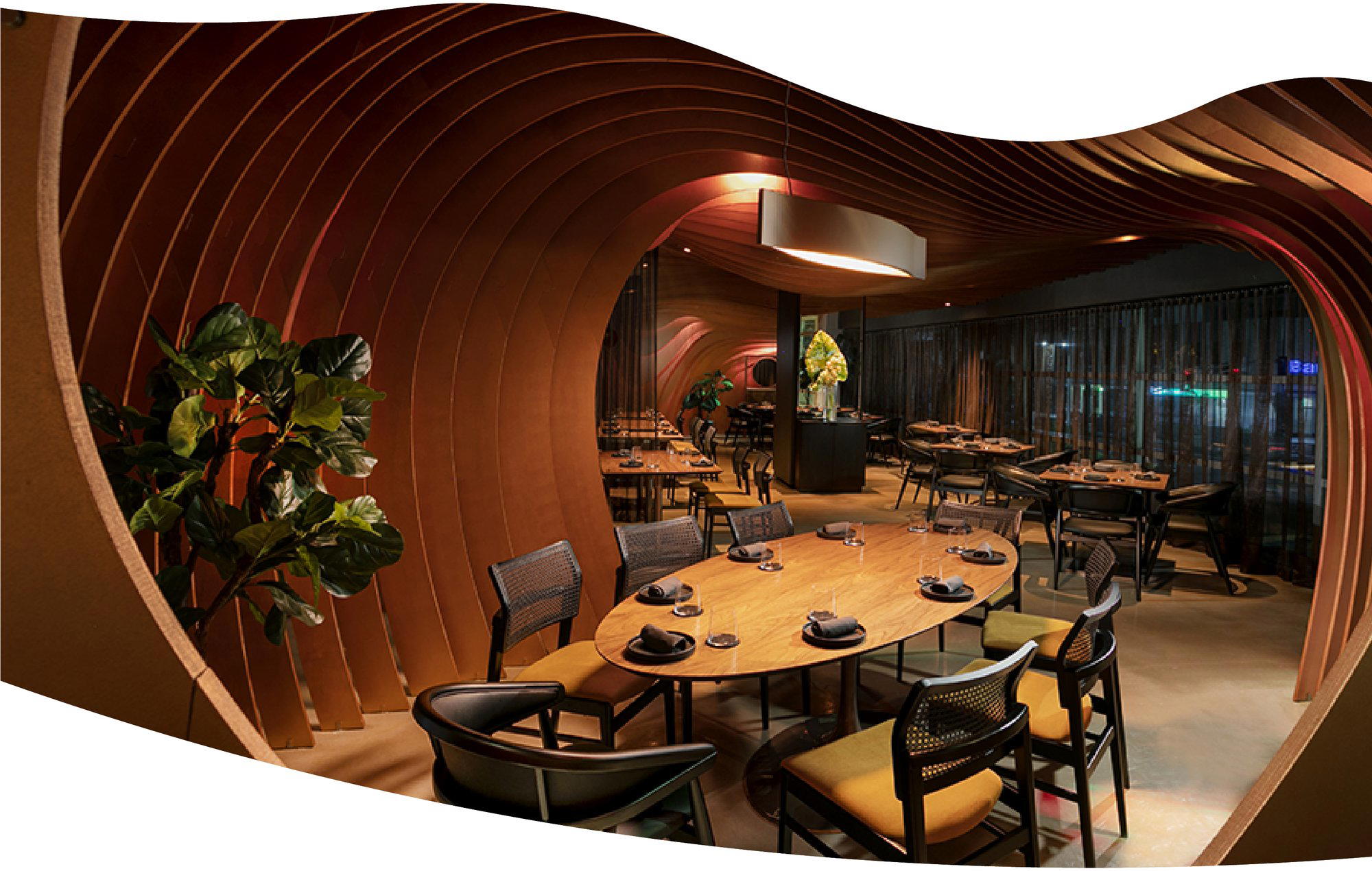
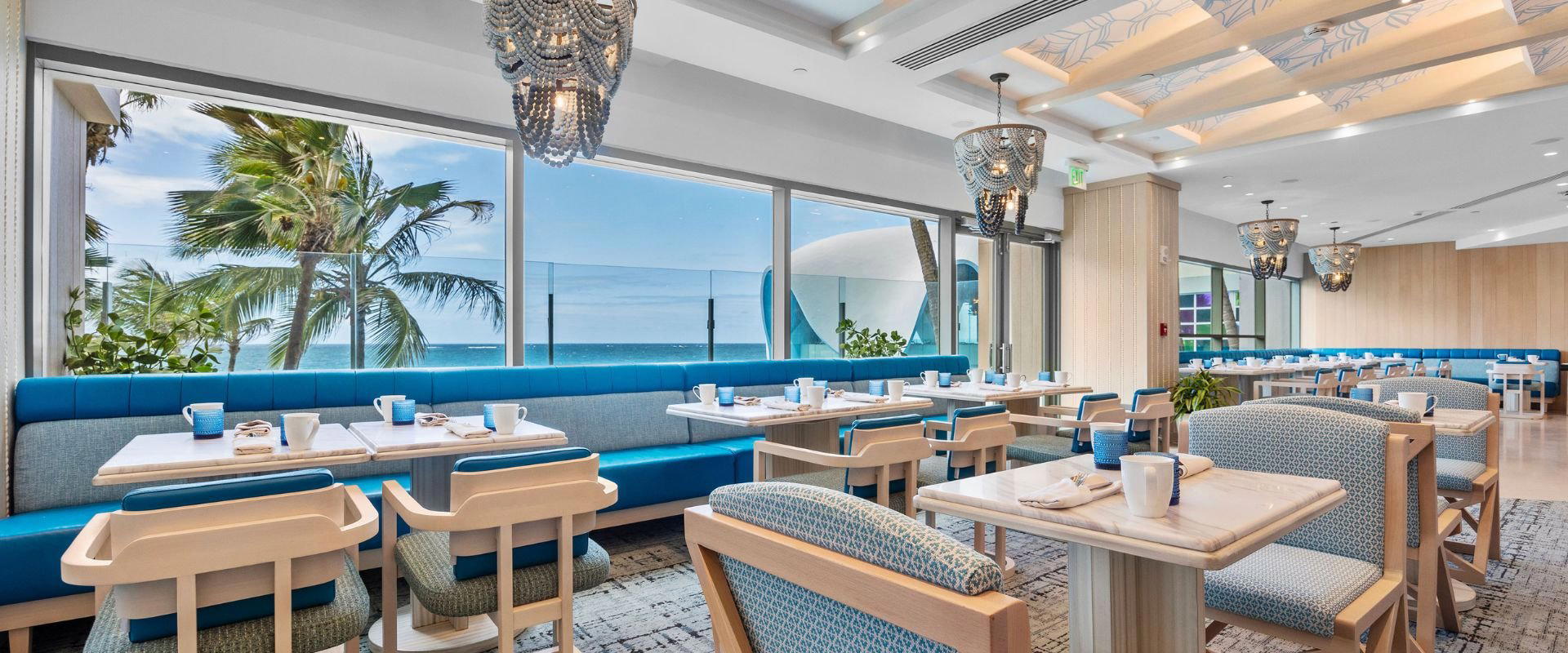
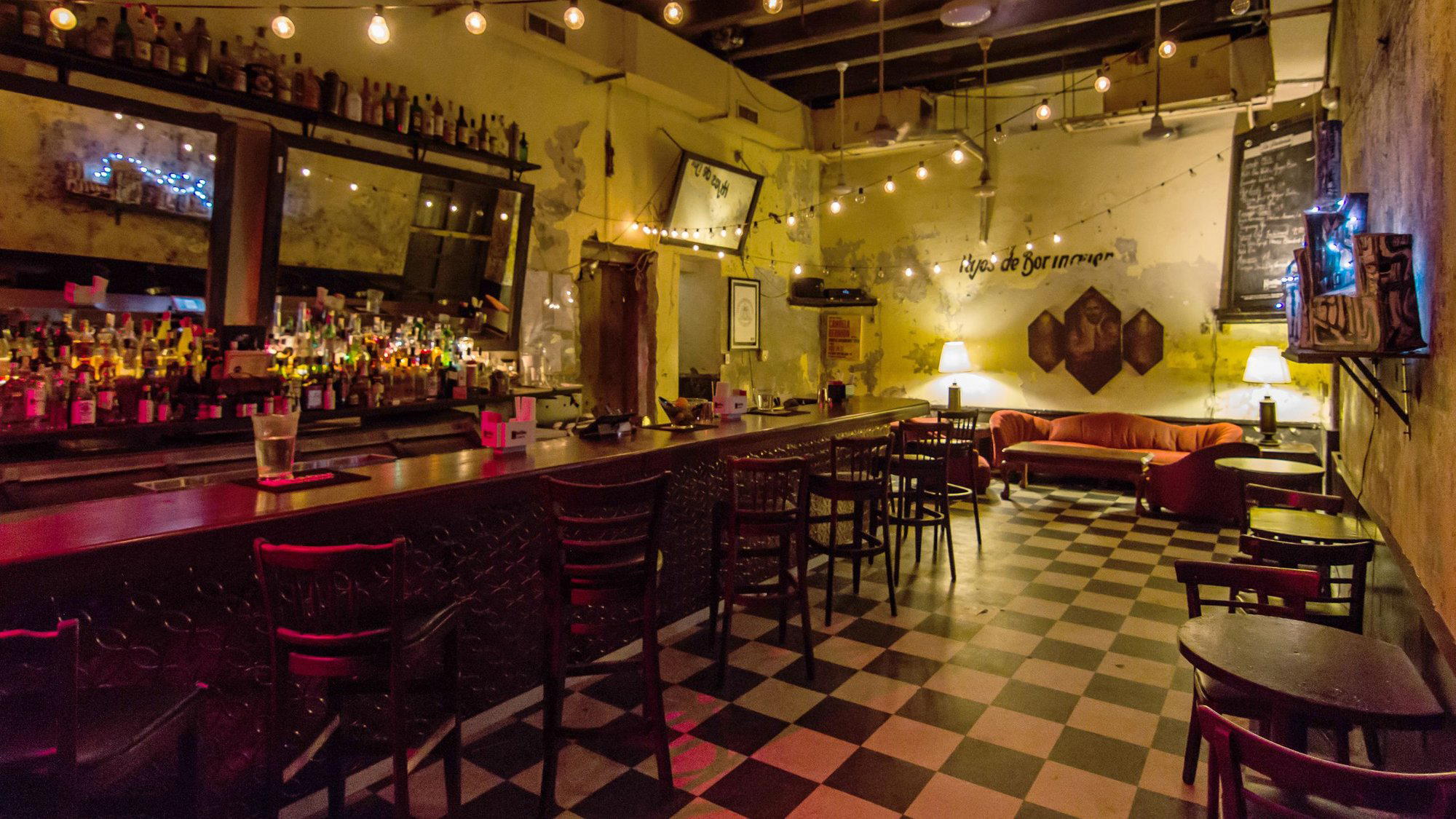
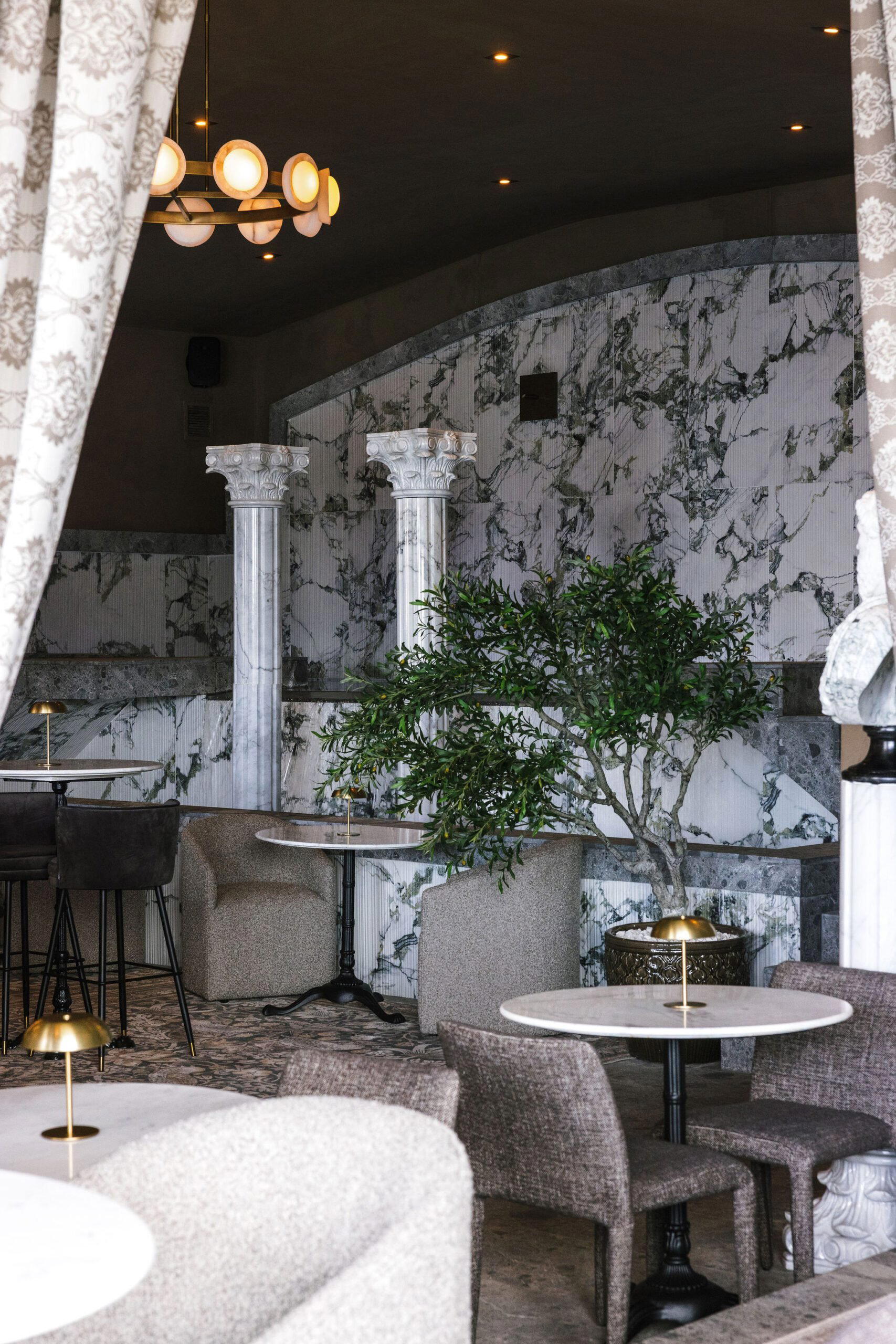
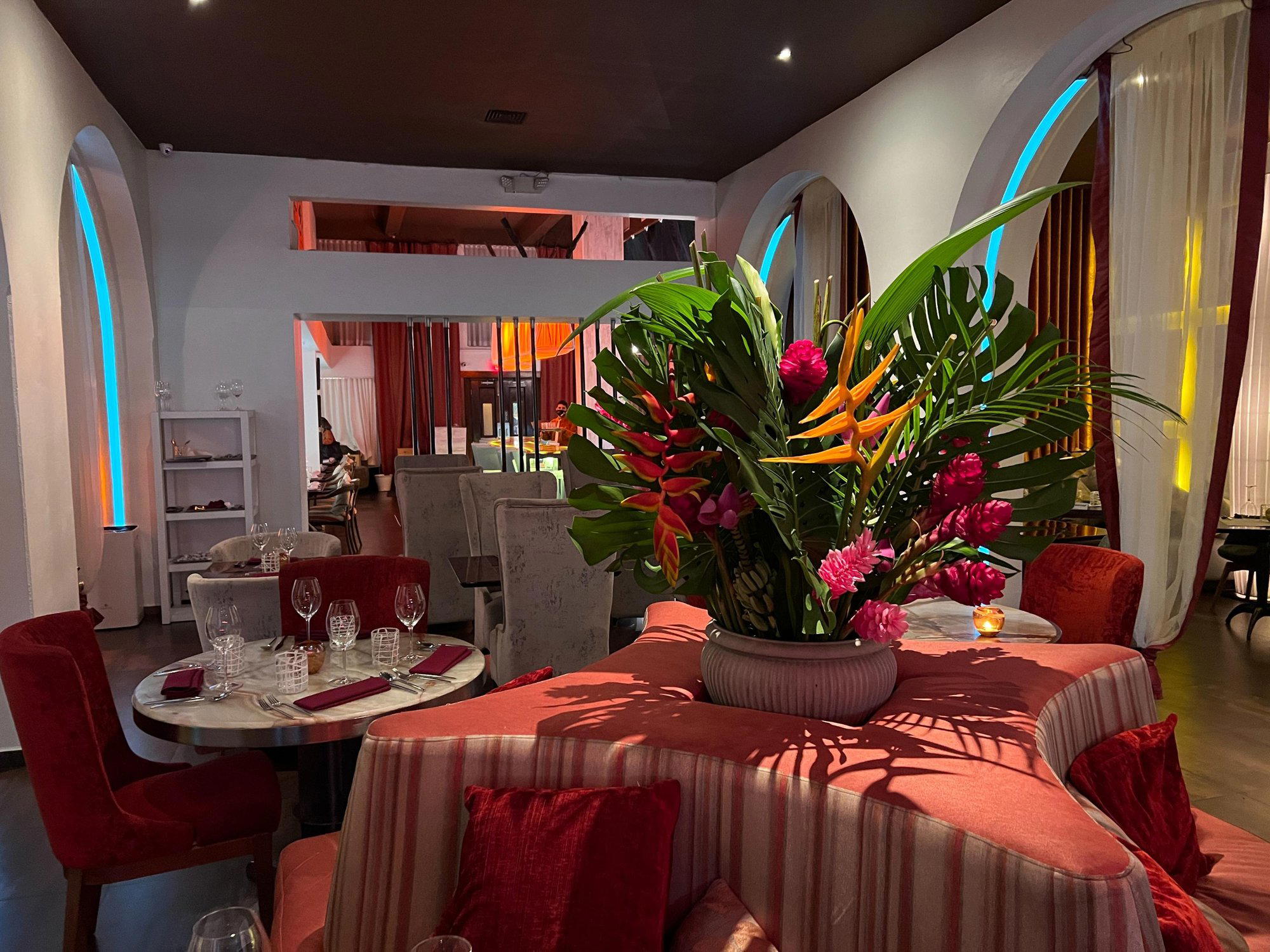
Pleasant lighting creating a relaxing, comfortable, and intimate atmosphere with tropical rainforest vibes, beautiful light fixtures, and Asian/Latin statues.