Manzana de Java
Our verdict
Manzana de Java sits at 105 Calle Pomarrosa in San Juan's Santurce district, a neighborhood whose dining scene has shifted considerably over the past decade from local canteen staples toward a more adventurous, kitchen-driven register. The name — a regional term for the rose apple — signals a rooted local sensibility. Details on current format and menu direction are limited, which itself reflects how quickly the city's mid-tier dining tier moves.

Pearl is the En Primeur Club membership app — saves, bookings, and concierge access live there. Same editors, same standards.
- Address
- 105 Cll Pomarrosa, San Juan, 00911, Puerto Rico
- Phone
- (939) 318-0337
- Hours
- Mon 5–10 PMTue ClosedWed–Thu 5–10 PMFri–Sat 11 AM–4 PM, 5–10 PMSun 12–10 PM
- Website
- opentable.com
- Directions
- Get directions
- Booking
- Book on OpenTable
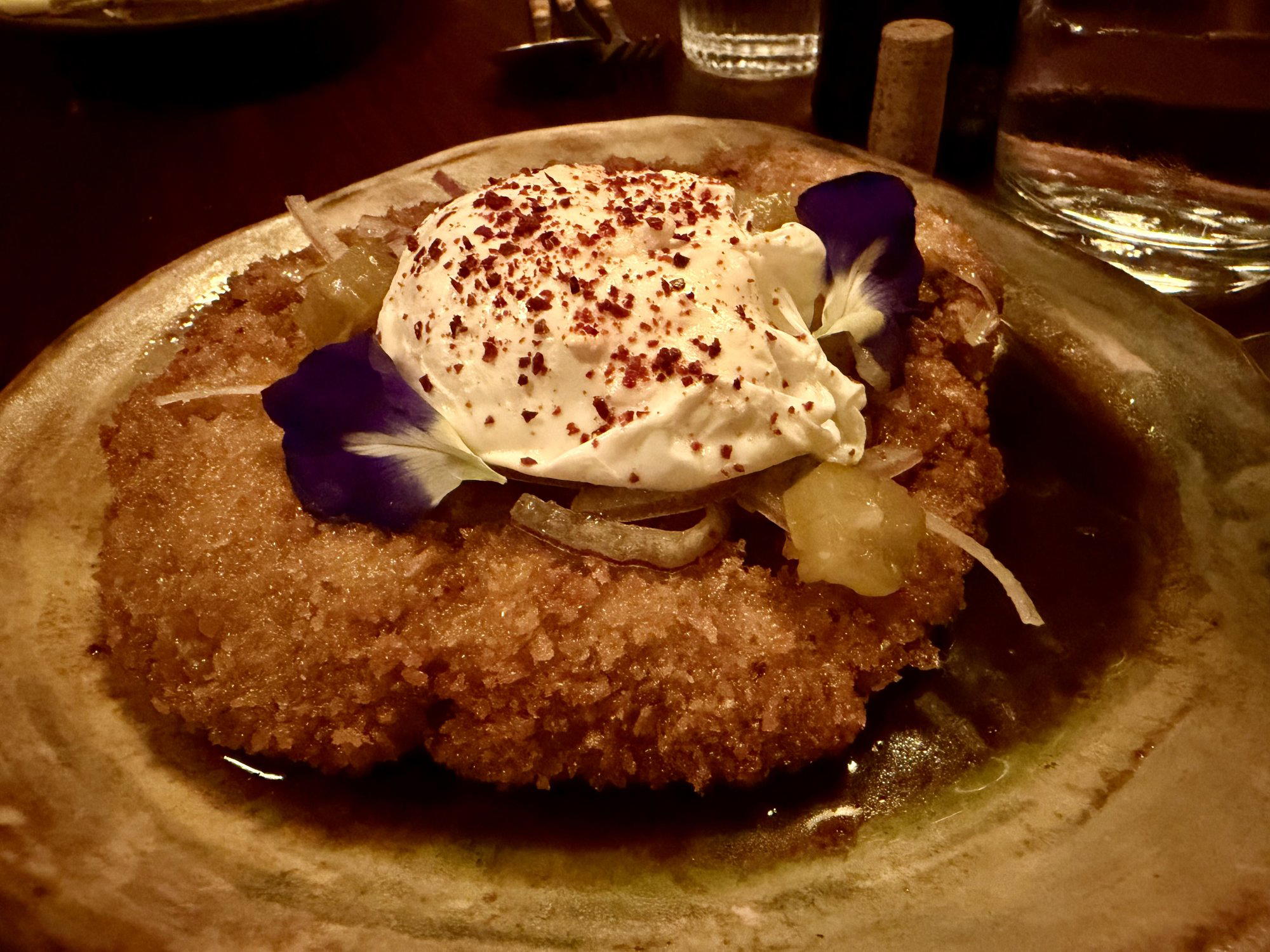
The menu
What to order
- Rabbit empanada
- Caribbean lobster asopao
- Mofongo with duck fat
Santurce's Shifting Dining Register
San Juan's most consequential dining shifts over the past decade have not happened in Condado or Old San Juan, where hotel dining rooms and tourist-facing restaurants have long dominated. They have happened in Santurce, the dense urban barrio where a younger generation of operators opened smaller, kitchen-serious places into neighborhoods that already had character, cheap rent, and foot traffic from La Placita's nightlife corridor. Manzana de Java, at 105 Calle Pomarrosa, sits inside that geography. The address alone places it in the heart of the area where the transition from traditional Puerto Rican lunch counters to a more experimental, ingredient-focused dining culture has been most visible.
The name is telling in context. Manzana de Java is the Spanish term for the rose apple, a tropical fruit with deep roots across the Caribbean and Latin America that most diners outside the region have never eaten fresh. Choosing a hyperlocal botanical reference as a name is a positioning signal common to a particular wave of Puerto Rican restaurants that opened in the 2010s and early 2020s, operators who wanted to anchor their identity in the island's own agricultural and culinary vocabulary rather than in European fine dining signifiers or pan-Latin branding. Whether Manzana de Java has maintained that original signal or evolved its identity since opening is the more interesting question.
The Evolution Frame: Reinvention in a Volatile Dining Climate
Puerto Rico's restaurant scene between 2017 and the early 2020s was compressed by forces that would have tested any kitchen. Hurricane Maria in September 2017 destroyed supply chains, displaced staff, and shuttered dozens of Santurce establishments that had been building momentum. The years immediately following required every operating restaurant to redefine what it could reliably offer, often on shorter menus with tighter sourcing and reduced hours. That period accelerated a kind of editorial pruning across the sector: restaurants that survived did so by committing clearly to something, whether that was a specific technique, a narrower ingredient focus, or a community-anchored identity.
Within that context, a venue at a Calle Pomarrosa address in Santurce would have had to make a choice about its direction during one of the most turbulent stretches in Puerto Rico's modern hospitality history. The operators who navigated that era most successfully were generally those who used reduced capacity and forced simplicity as an opportunity to tighten their concept rather than broaden it. The restaurants in Santurce that emerged from the post-Maria years with the strongest reputations tended to be the ones that leaned harder into their original identity, not away from it.
In that tier of the San Juan dining scene, the lack of a documented online footprint is not necessarily a sign of dormancy. Some of the most consistently occupied tables in Santurce belong to restaurants that have never run a formal PR campaign.
Where It Sits in the San Juan Dining Tier
1919 Restaurant and Areyto Modern Cuisine by Chef Jason González operate at the more formal, credential-heavy end of the spectrum, with tasting menus and named-chef positioning. Amor y Sal and AQA Oceanfront occupy a seafood-and-setting niche that trades on coastal access as much as kitchen technique. ARYA represents the international-cuisine thread that runs through any major tourism city. A venue in Santurce with a locally rooted name and a non-hotel address occupies a different register entirely, one where the frame of reference is the neighborhood itself rather than a hotel affiliation or a visiting-chef credential.
Across Puerto Rico more broadly, the dining conversation has expanded well beyond San Juan in the past few years. Carne Mía in Aguada, La Faena in Guaynabo, and Lechonera Los Pinos in Cayey each represent different points on the island's culinary map. BODEGA in Caguas, Bottles Dorado in Dorado, and CAÑA in Carolina signal how the island's food conversation has decentralized away from San Juan's historic concentration. Even the western municipalities, represented by Brazo Gitano Franco in Mayaguez, and eastern municipalities like Escobar in Canovanas and El Dorado in Playita, have developed identifiable dining identities. Charco Azul in Vega Baja further illustrates how the island's most interesting cooking is now distributed across municipalities rather than concentrated in a single metro corridor. Against that backdrop, a Santurce address still carries weight as a signal of kitchen seriousness, even if the specifics of format and current menu require direct verification.
For readers comparing ambitions at a global scale, the precision-driven formats at Le Bernardin in New York City or the research-kitchen discipline at Atomix illustrate what the most documented end of the spectrum looks like. Santurce's more informal tier does not compete in that register, nor does it try to. Its authority is neighborhood-specific and earned through repetition rather than through awards infrastructure.
Planning a Visit
Manzana de Java is located at 105 Calle Pomarrosa, in Santurce, San Juan 00911. Given the low digital footprint, arriving without a confirmed reservation or a direct phone confirmation carries some risk. Visiting during afternoon hours on a weekday, when Santurce's lunch trade is most active, is a reasonable first approach. The immediate area around Calle Pomarrosa has enough dining density that a fallback option is always within a few blocks. For the broader San Juan picture before finalizing any itinerary, the EP Club San Juan restaurants guide covers the full tier range across neighborhoods.
Frequently asked questions
Where is Manzana de Java located?
Manzana de Java is located at 105 Cll Pomarrosa, San Juan, 00911, Puerto Rico, San Juan.
Is Manzana de Java worth visiting if I'm specifically exploring Santurce's local food scene rather than Puerto Rico's tourist dining track?
A Calle Pomarrosa address in Santurce puts Manzana de Java squarely in the neighbourhood that has drawn San Juan's working culinary community since the mid-2010s, well outside the Condado and Isla Verde hotel dining circuit. Santurce's dining register has shifted considerably since Hurricane Maria accelerated a round of closures and reinventions, and the venues that held their ground through that period tend to reflect a more grounded, local-facing sensibility. For a reader tracking Puerto Rican dining beyond the resort tier, a Santurce stop at this address is consistent with that intent.
What do people recommend at Manzana de Java?
Published menu documentation for Manzana de Java is thin on the ground, which is consistent with many neighbourhood-facing kitchens in Santurce that operate with limited digital presence. The most reliable approach is to ask directly on arrival what is running that day, as Santurce venues at this address tier often work with rotating or market-driven offerings. Visiting with flexibility rather than a fixed dish in mind tends to produce better results here than pre-planning a specific order.
How far ahead should I plan for Manzana de Java?
Contacting the venue directly a few days before your intended visit is the safest approach. Walk-in availability may exist on weeknights, but confirming in advance avoids a wasted trip.
Reputation First
Comparable venues nearby, for context on price, style, and recognition.
| Venue | Cuisine | Price | Notes |
|---|---|---|---|
| Manzana de JavaThis venue — the venue you are viewing | Modern Puerto Rican with Southeast Asian Fusion | $50–100 | Not listed |
| AQA Oceanfront | Contemporary Latin Rotisserie | $30–50 | Condado |
| Dulcesalado | Modern Caribbean Fusion | $30–50 | Parque |
| Mar del Caribe | Caribbean Seafood and Puerto Rican | Not listed | Las Marías |
| AZOTEA by Santaella | Modern Puerto Rican Rooftop | $50–100 | Condadito |
| Solera Restaurant | Caribbean Tapas Fusion | Not listed | Condado |


Details
- Intimate
- Cozy
- Modern
- Trendy
- Date Night
- Special Occasion
- Farm To Table
- Local Sourcing
- A La Carte
- Small Plates
Current opening hours
- Monday
- 5–10 PM
- Tuesday
- Closed
- Wednesday
- 5–10 PM
- Thursday
- 5–10 PM
- Friday
- 11 AM–4 PM, 5–10 PM
- Saturday
- 11 AM–4 PM, 5–10 PM
- Sunday
- 12–10 PM
Hours can change for holidays and private events. Last verified .
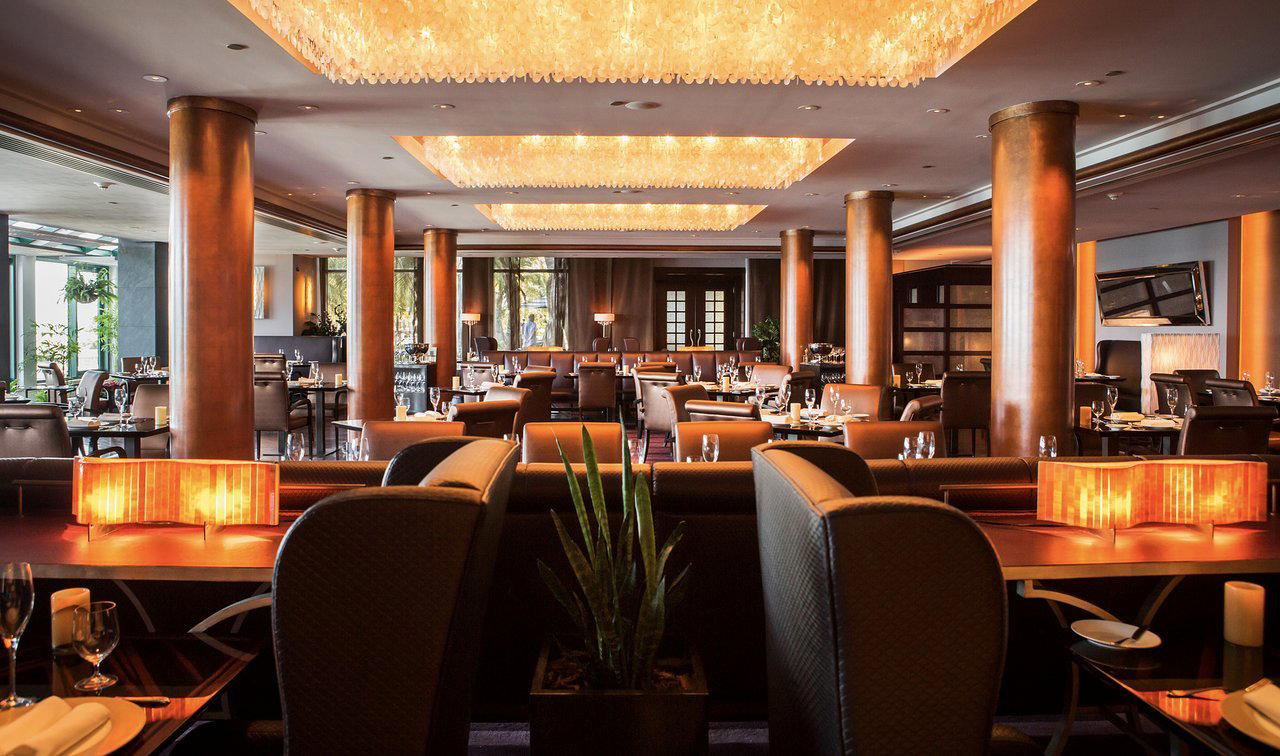
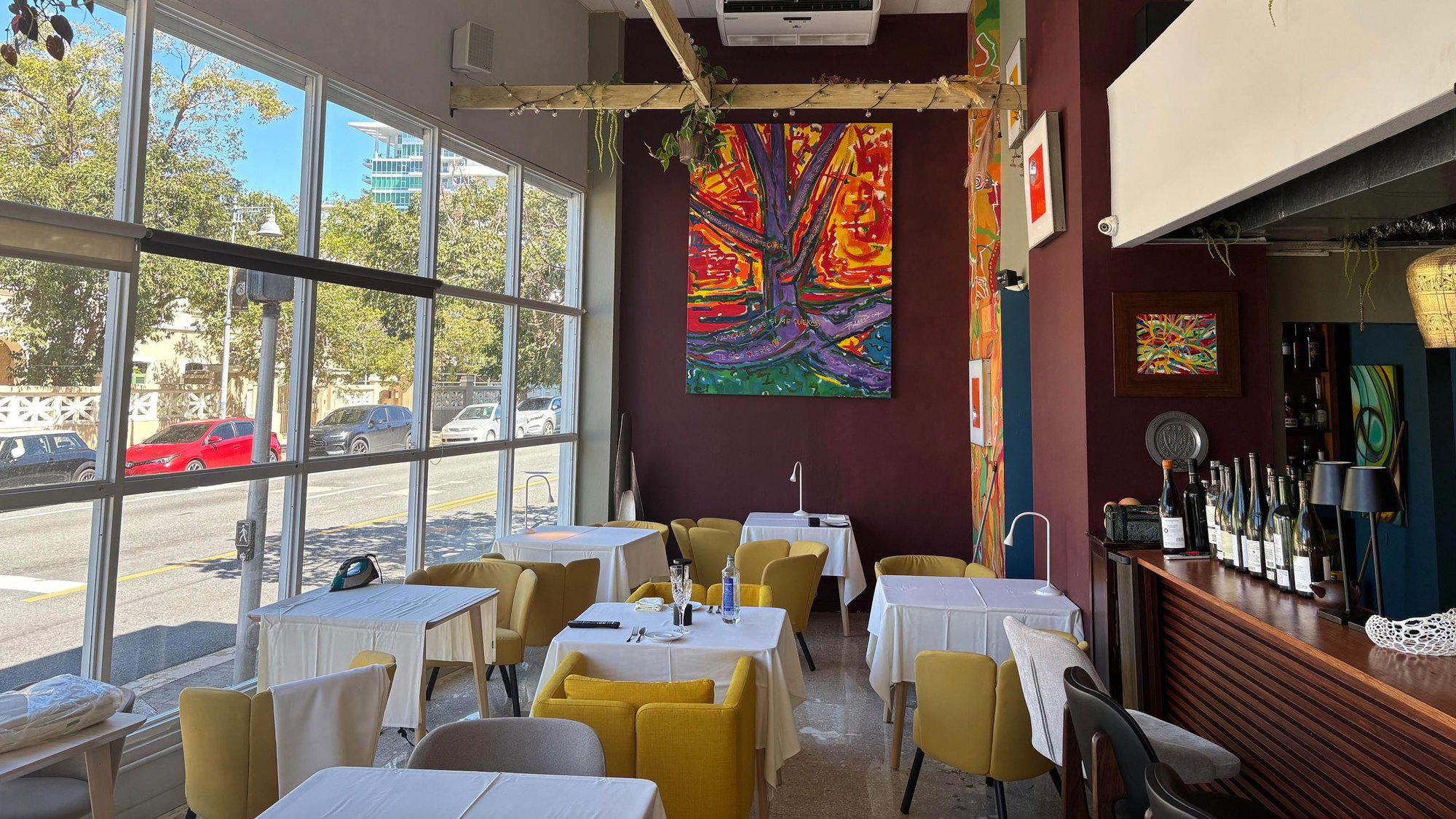
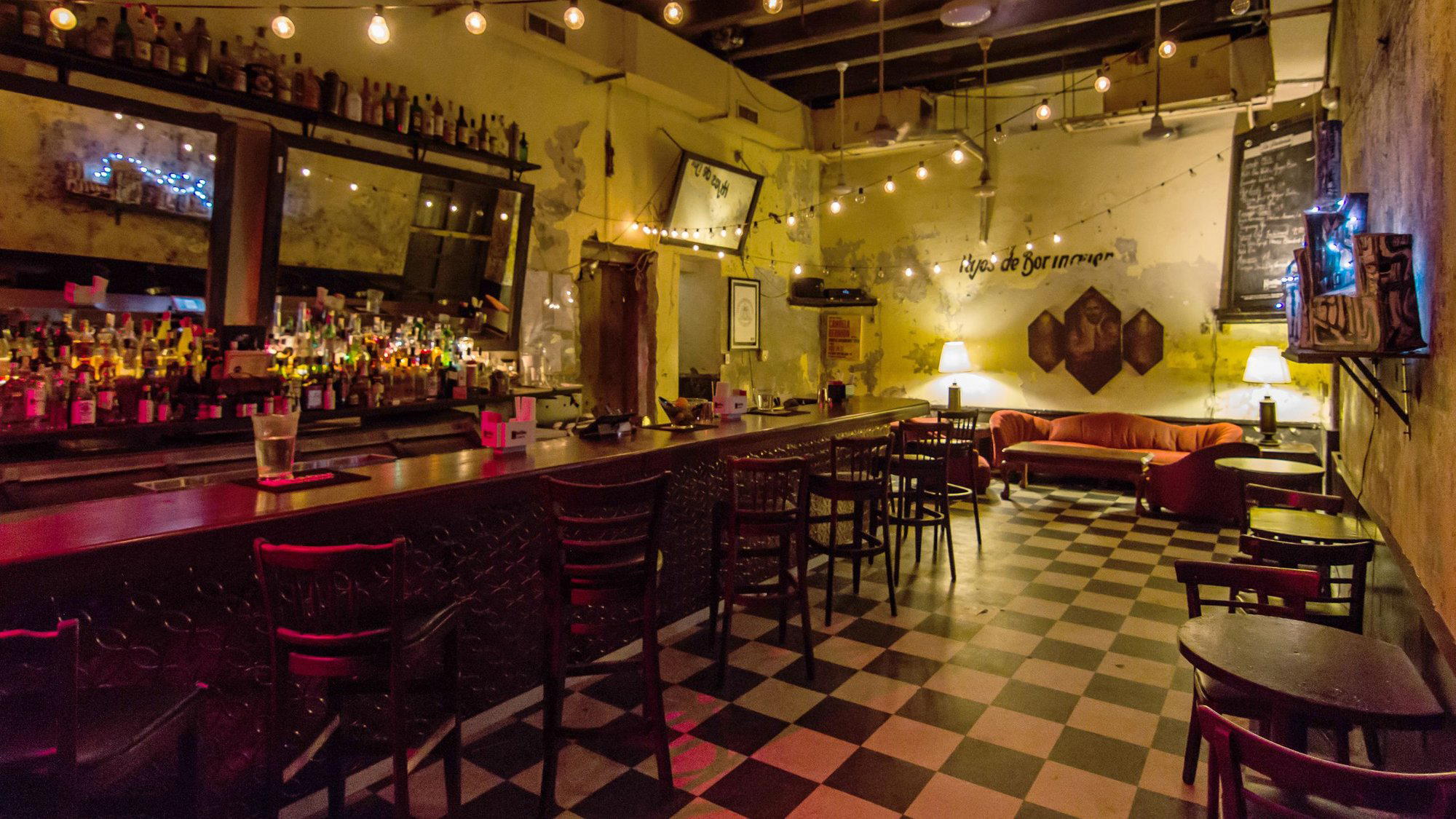
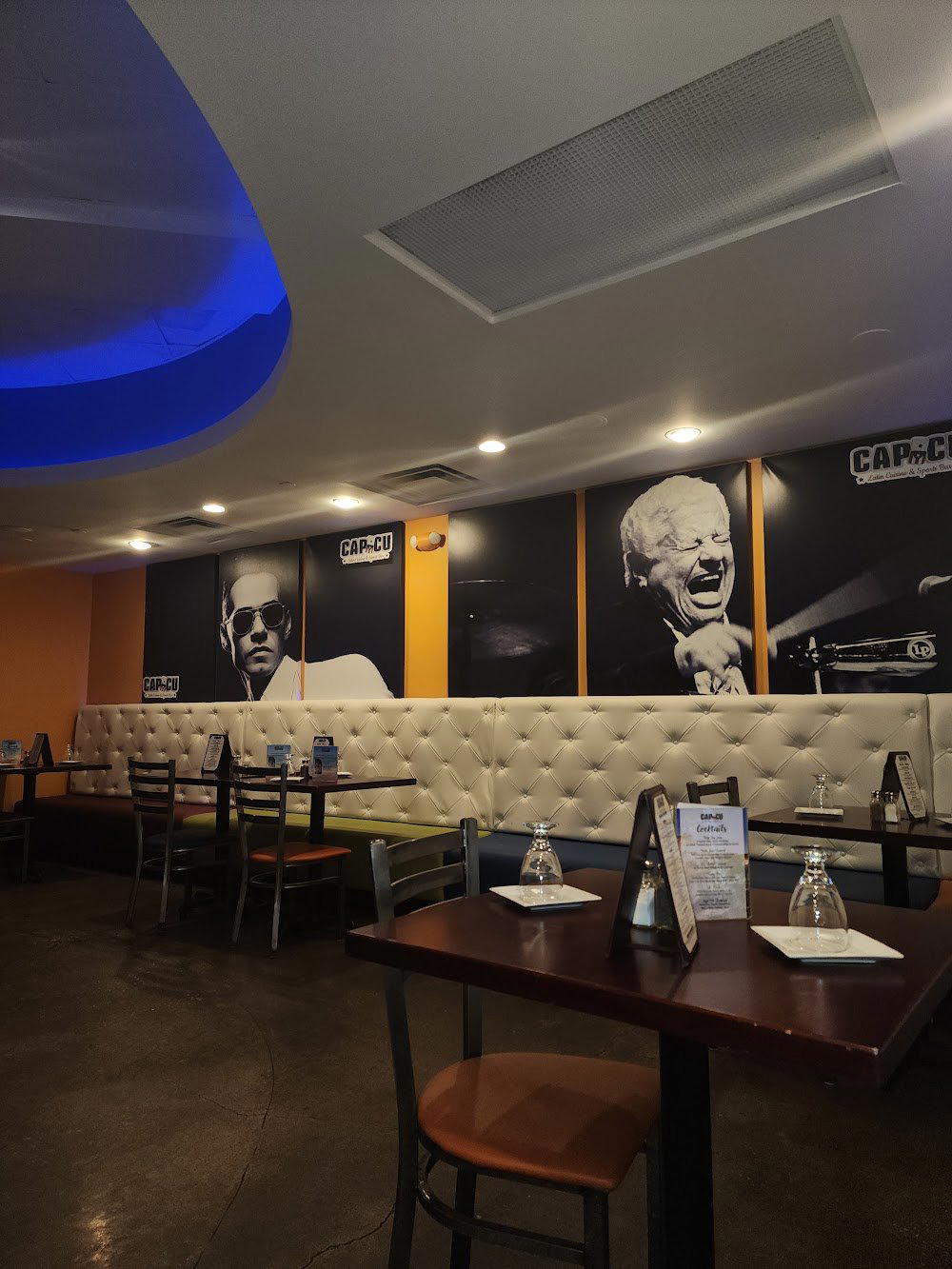
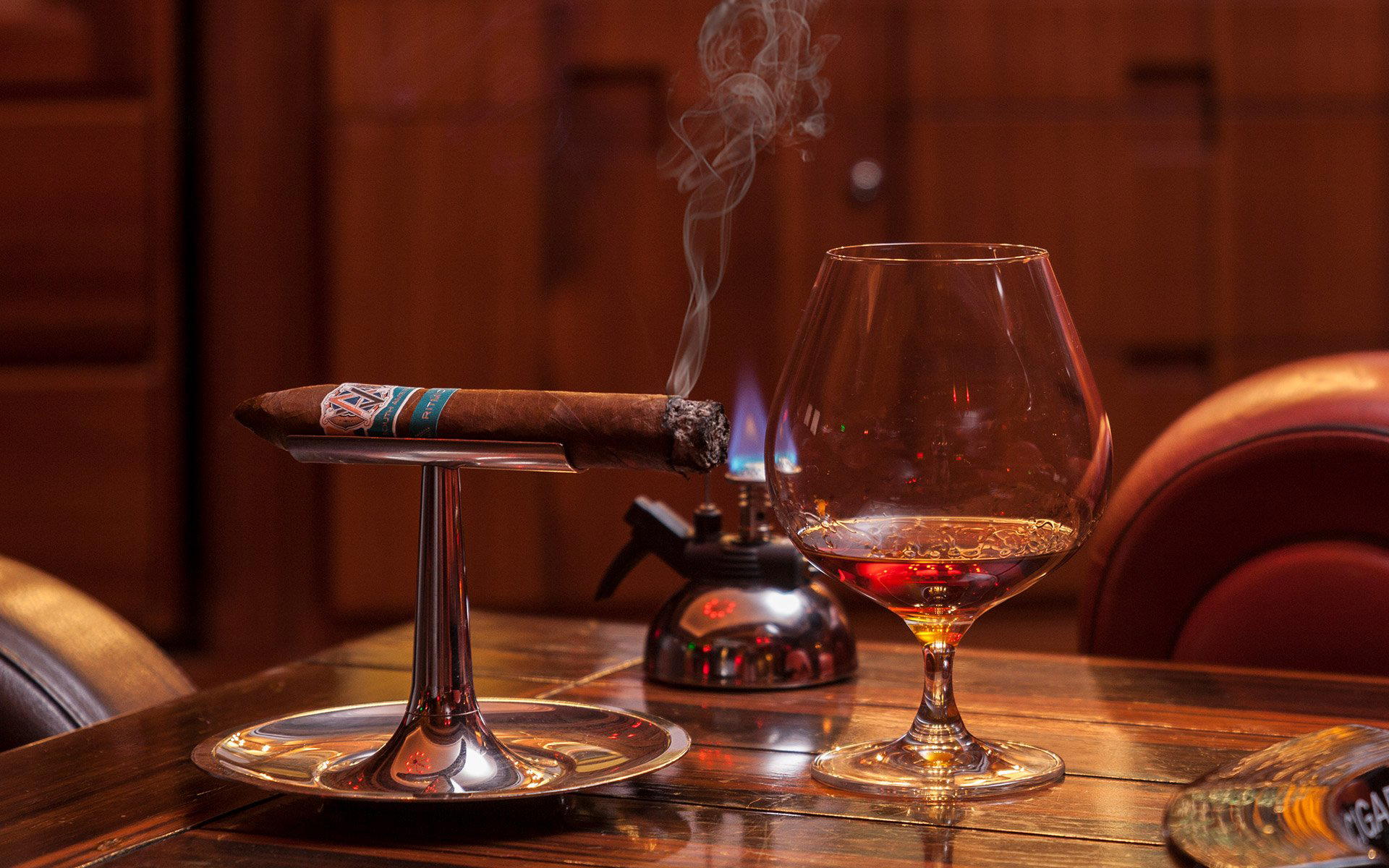
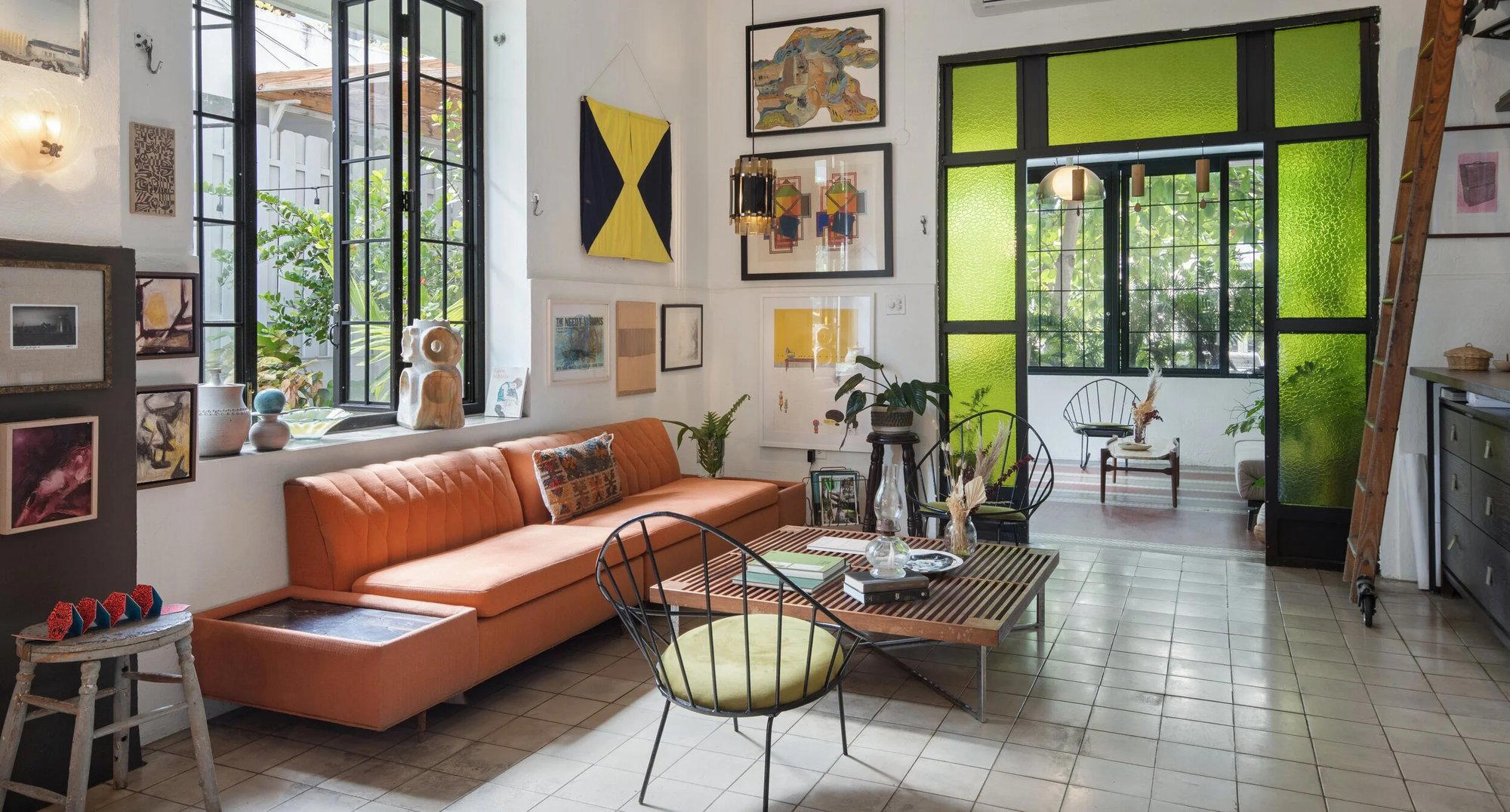
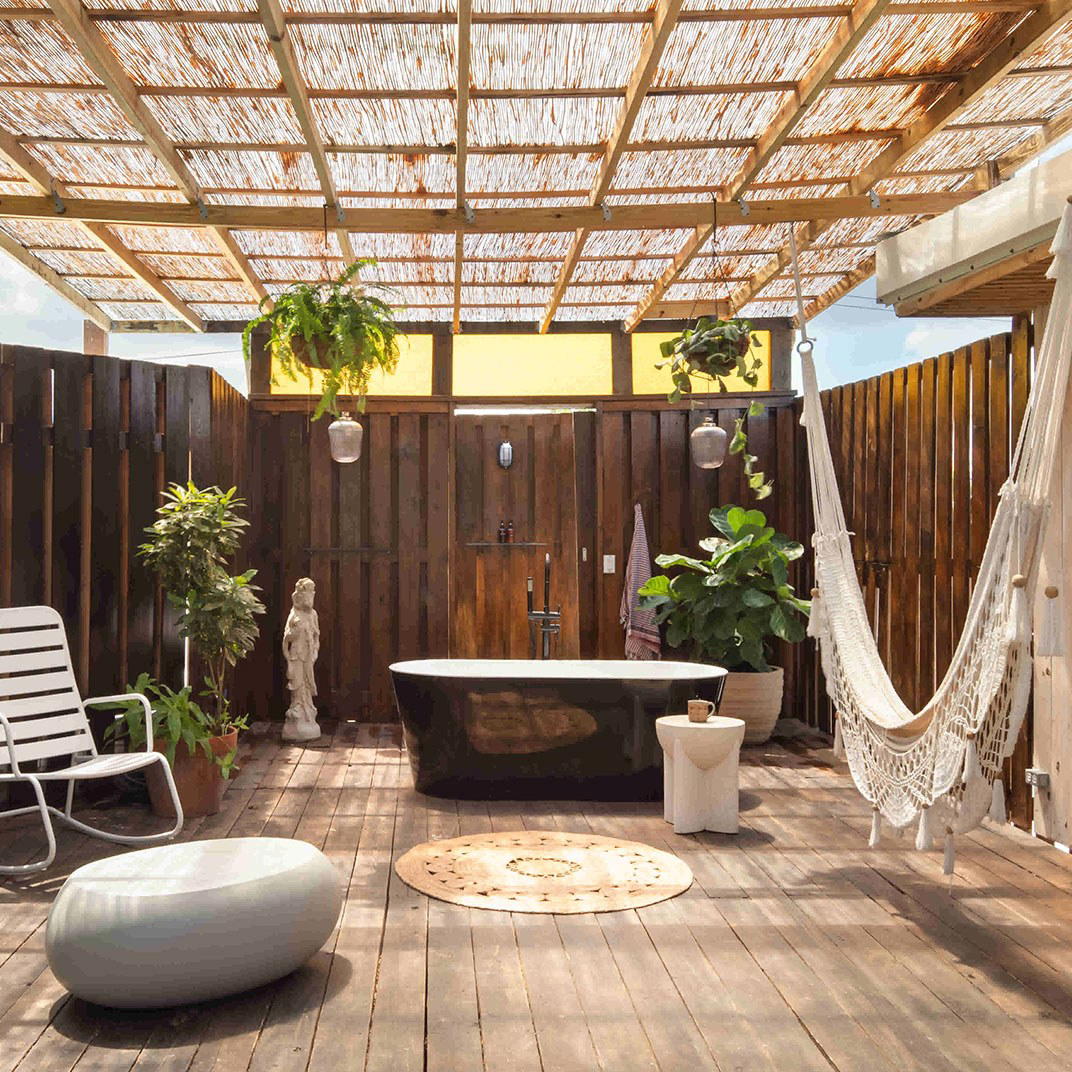
Intimate and lively atmosphere with delightful music and cozy tables.