Mercado Caribe Cocina & Barra
On Avenida de Diego in San Juan's Santurce corridor, Mercado Caribe Cocina & Barra anchors itself to the island's market tradition, where Caribbean sourcing drives the kitchen and the bar runs parallel in ambition. The address puts it inside a stretch of Puerto Rico's most active dining district, where ingredient provenance increasingly defines how restaurants position themselves against one another.
Pearl is the En Primeur Club membership app — saves, bookings, and concierge access live there. Same editors, same standards.
- Address
- 760-768 Avenue de Diego, San Juan, 00920, Puerto Rico
- Phone
- +17877818981
- Website
- opentable.com
- Directions
- Get directions
 Saves & bookings on Pearl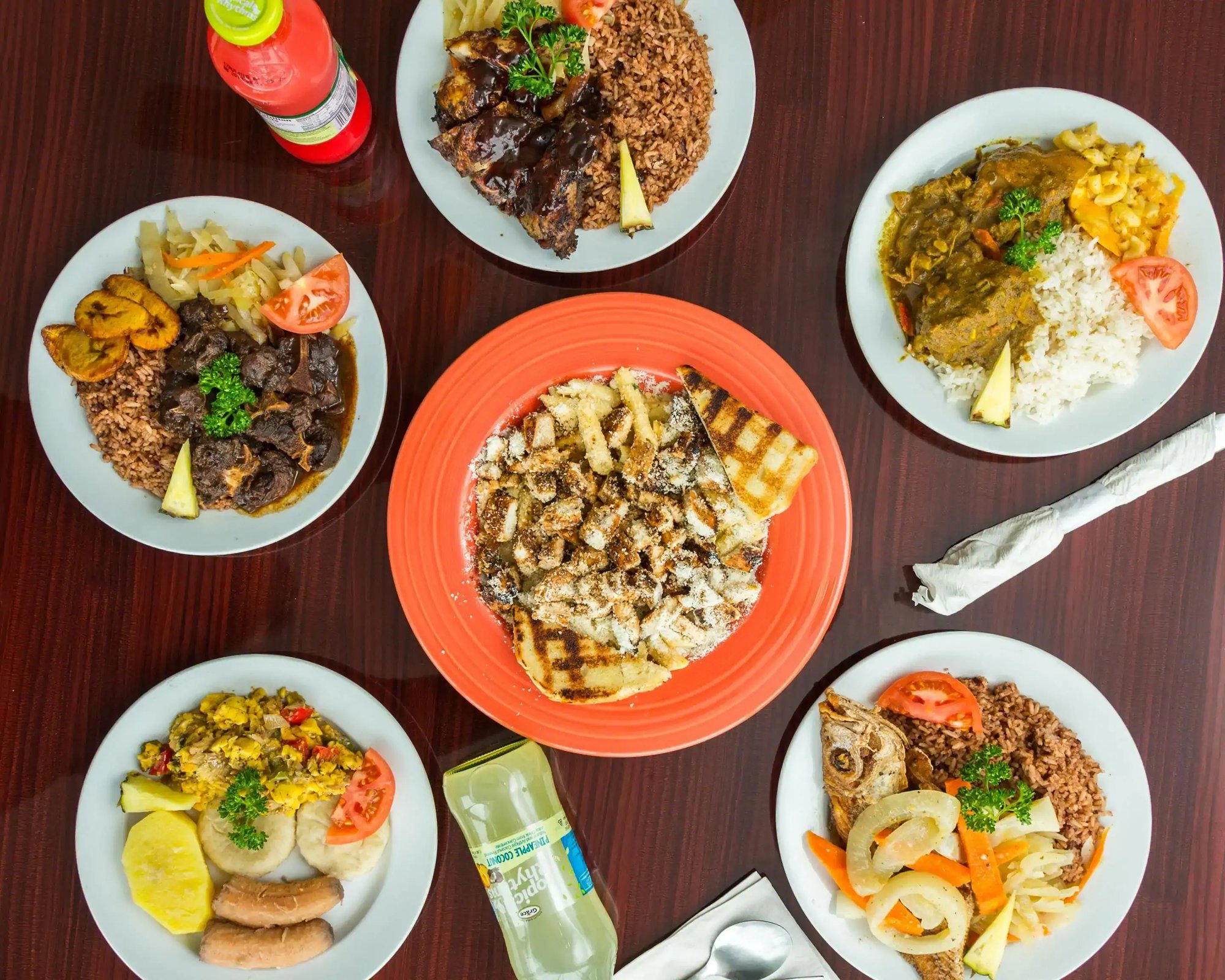
Where the Market Comes Inside
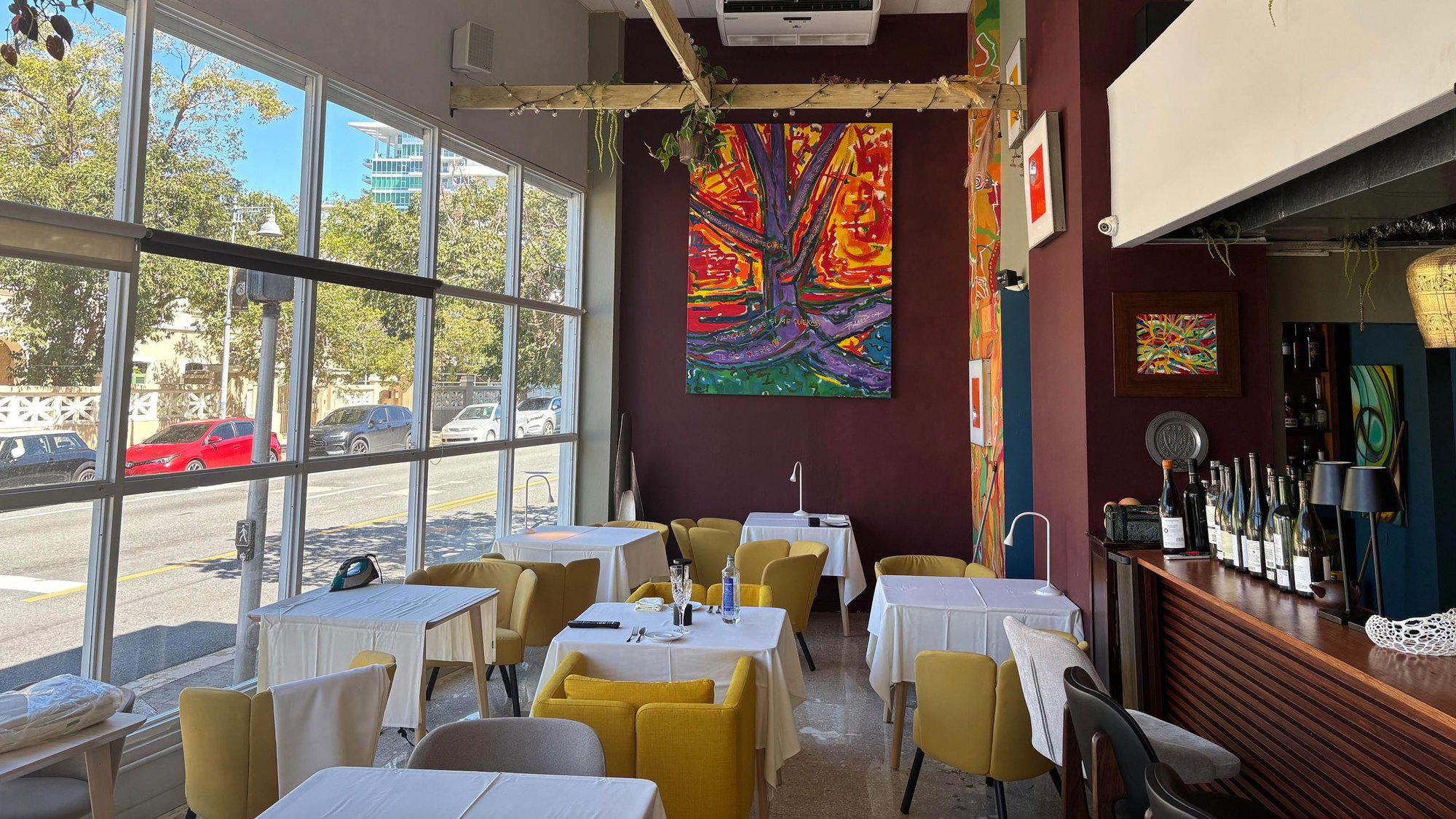
Avenida de Diego moves differently from the tourist-facing strips of Condado or the polished dining rooms of Old San Juan. This is Santurce in its working register: paint-faded storefronts, produce vendors setting up before noon, and a dining scene that has been quietly recalibrating around local sourcing rather than imported polish. Mercado Caribe Cocina & Barra at 760-768 Avenue de Diego sits inside that shift, its name announcing the position before you reach the door. In Puerto Rico, the word mercado carries weight: it invokes the central market tradition that once structured how the island ate.
The physical approach along Avenida de Diego tells you something about the neighbourhood's current register. This corridor draws residents and workers more than hotel guests looking for a known name. That dynamic tends to produce a different kind of restaurant: one where the room earns repeat visits through consistency and ingredient clarity rather than opening-week spectacle.
The Sourcing Argument on the Plate
Caribbean-sourced cooking in Puerto Rico has become an increasingly specific claim over the past decade. Post-Hurricane Maria, the question of where food comes from shifted to a practical and political one. Restaurants that built supply relationships with local farmers, fishermen, and small producers before the storm found themselves better positioned afterward; those relationships became infrastructure. Kitchens that frame themselves around Caribbean provenance, as Mercado Caribe's name signals, are making a claim that extends beyond menu copy.
The broader Puerto Rican dining scene has split into roughly two camps on this question. One camp operates high-concept tasting menus where island ingredients appear as accent notes inside international technique. The other camp builds from the market outward, letting what is available, seasonal, and local set the kitchen's daily parameters. Mercado Caribe's positioning suggests it operates closer to the second approach.
That structure, kitchen and bar as co-equal anchors, reflects a direction Puerto Rican dining has moved steadily toward. The island produces rum, tropical fruit, and bartenders who treat local spirits and fresh juice with care. When a venue names both components in its title, it signals that the bar is not an afterthought to the kitchen.
Neighbourhood Position and Peer Context
Santurce's Avenida de Diego sits at a different price point and energy level from the beachfront restaurants at Condado or Old San Juan. Venues here compete on value, consistency, and the quality of what arrives in the kitchen that morning. In that context, Mercado Caribe's name-level commitment to Caribbean sourcing functions as a differentiator. It places the venue in conversation with the island's growing network of farm-and-sea-to-table operators rather than with the hotel-anchored dining programs that dominate the higher end of the San Juan market.
Across Puerto Rico, restaurants that have built reputations around sourcing specificity tend to cluster around direct relationships with local producers. Venues elsewhere on the island working similar territory include Lechonera Los Pinos in Cayey, where the sourcing argument is built around a single ingredient taken to its deepest local expression, and La Faena in Guaynabo. On the coast, AQA Oceanfront and Amor y Sal represent the seafood-forward version of the same provenance conversation in San Juan proper.
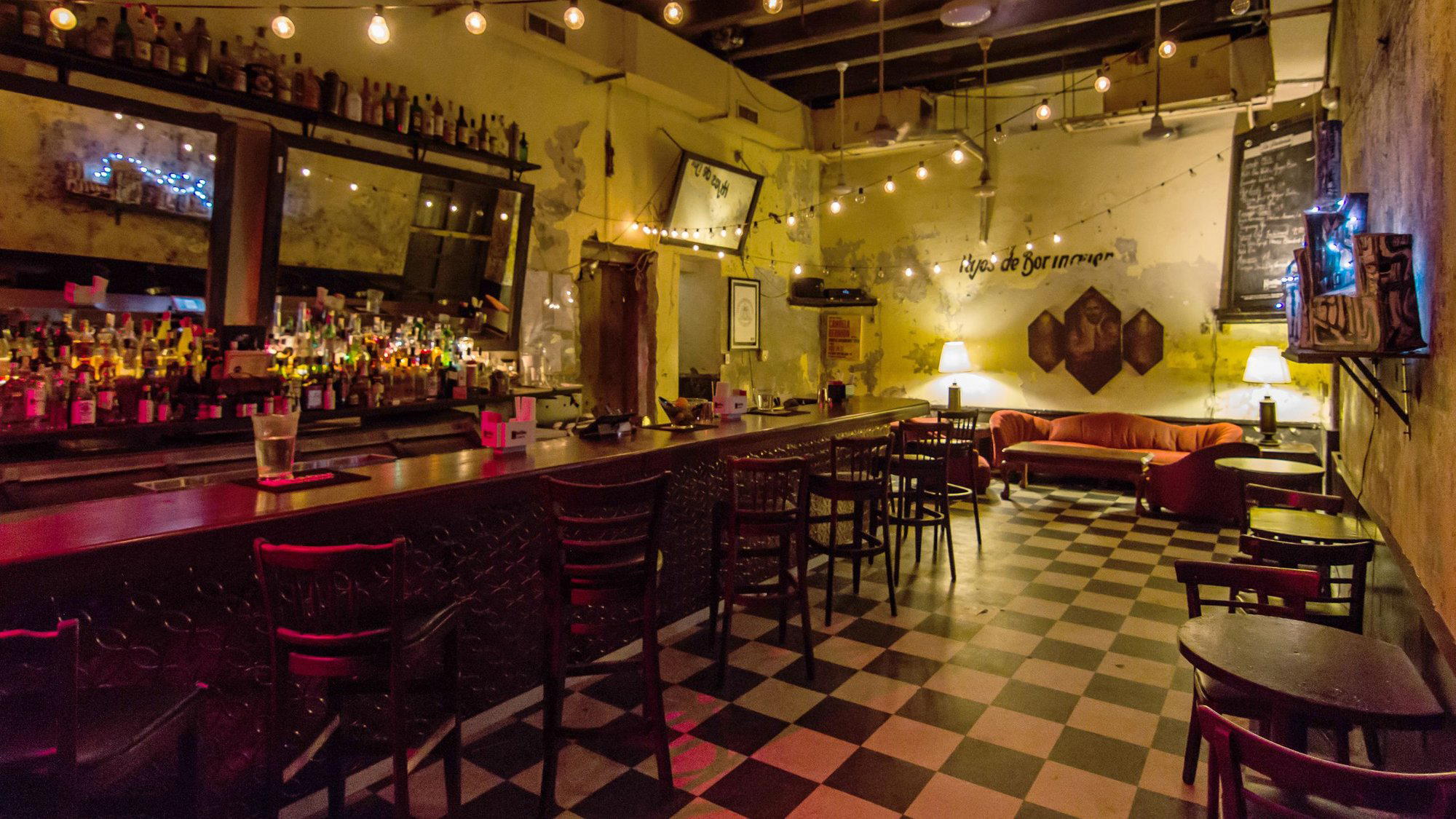
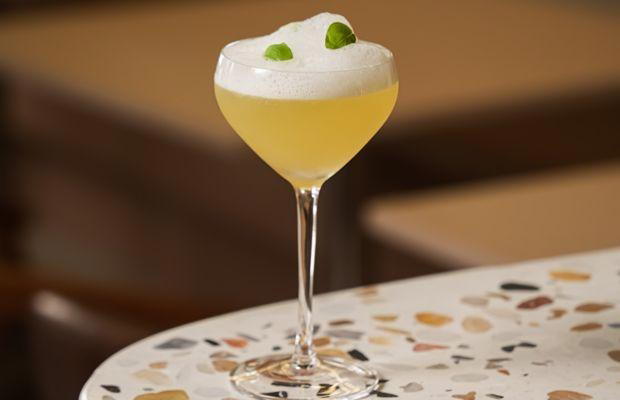
The barra component places Mercado Caribe inside a different but equally relevant Puerto Rican tradition. Island cocktail culture has historically revolved around rum, coconut, and fruit in combinations ranging from the tourist-standard piña colada to more serious interpretations that use aged agricole-style spirits and fresh tropical produce. The venues that have pushed this further, treating the bar as a culinary station rather than a service function, have found receptive audiences locally and among travellers.
Planning Your Visit
Mercado Caribe Cocina & Barra sits at 760 to 768 Avenida de Diego, in a section of Santurce that is walkable from the Distrito de Arte corridor and accessible by rideshare from Condado or Miramar in under ten minutes. The neighbourhood moves at a local pace, so arriving without a reservation carries less risk than it would at Old San Juan's more crowded evening venues, though confirming availability before a weekend visit is the more reliable approach. Avenida de Diego lacks the tourist-density that drives early dinner seatings elsewhere; the room tends to settle into its fuller energy later in the evening.
For visitors building a broader Puerto Rico itinerary, the corridor between San Juan and the interior offers a range of reference points. CAÑA in Carolina and BODEGA in Caguas extend the conversation eastward and into the interior, while the west coast offers different registers entirely at venues like Carne Mía in Aguada and Brazo Gitano Franco in Mayaguez. Our full San Juan restaurants guide maps the city's current dining character in greater detail.
For context on how Caribbean-informed cooking benchmarks against internationally positioned restaurants, programs like Le Bernardin in New York City and Atomix in New York City show what deep sourcing discipline looks like at the highest credentialed level, useful calibration for understanding where the Puerto Rican scene sits in a broader conversation about ingredient-led cooking.
Recognition, Side-by-Side
Comparable venues nearby, for context on price, style, and recognition.
| Venue | Cuisine | Price | Notes |
|---|---|---|---|
| Mercado Caribe Cocina & BarraThis venue — the venue you are viewing | Spanish-Caribbean Fusion | $$$ | Not listed |
| Manzana de Java | Modern Puerto Rican with Southeast Asian Fusion | $$$ | Parque |
| Ola Ocean Front Bistro | Oceanfront Puerto Rican Bistro | $$$ | Condado |
| AZOTEA by Santaella | Modern Puerto Rican Rooftop | $$$ | Condadito |
| Santaella | Modern Puerto Rican | $$$ | Condadito |
| Roofyard | Modern Caribbean Tapas | $$ | Ocean Park |
At a Glance
- Lively
- Date Night
- Casual Hangout
Current opening hours
- Monday
- 11 AM–9 PM
- Tuesday
- 11 AM–9 PM
- Wednesday
- 11 AM–9 PM
- Thursday
- 11 AM–9 PM
- Friday
- 11 AM–10 PM
- Saturday
- 11 AM–10 PM
- Sunday
- 11 AM–8 PM
Hours can change for holidays and private events. Last verified .
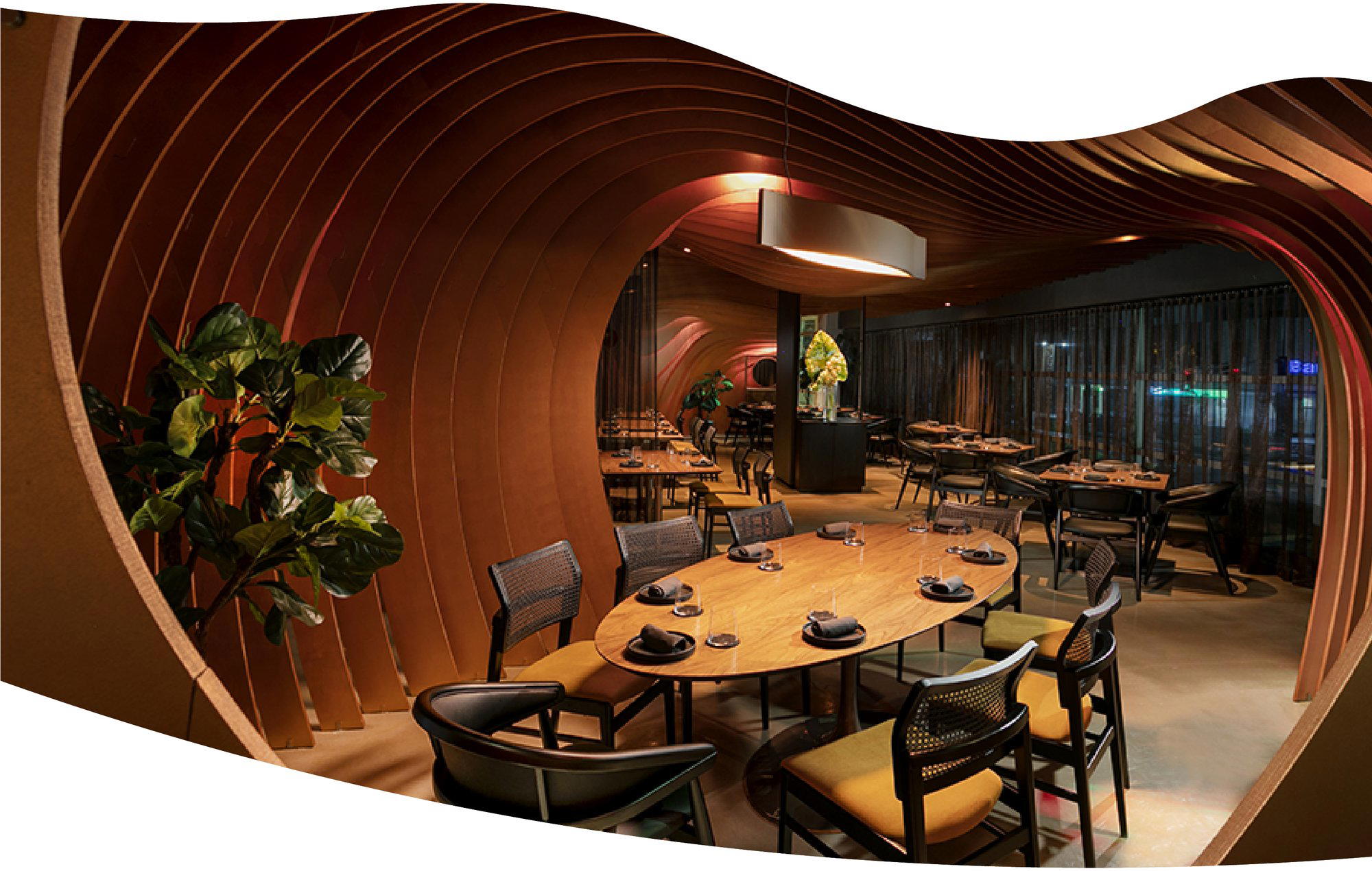
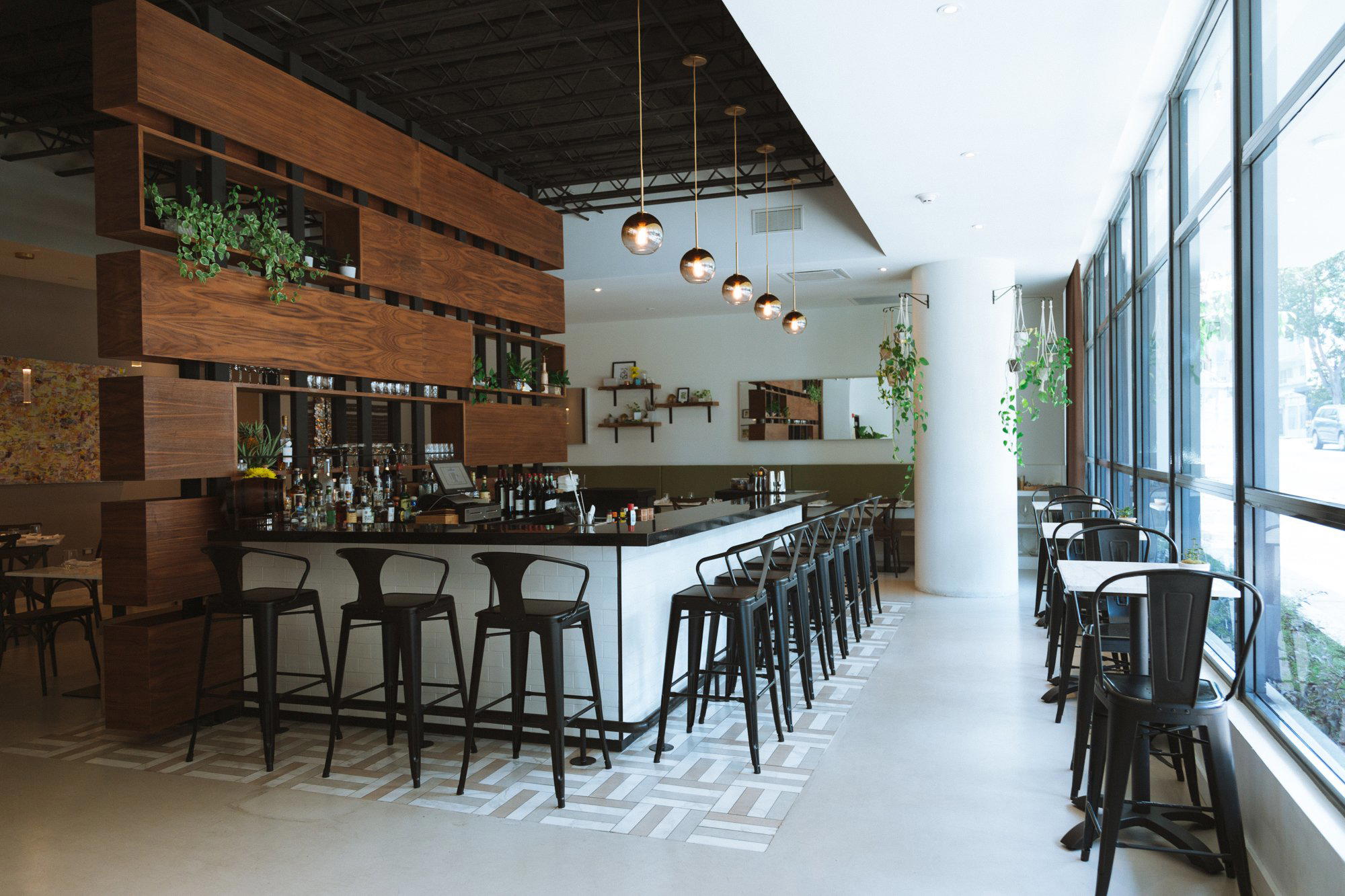
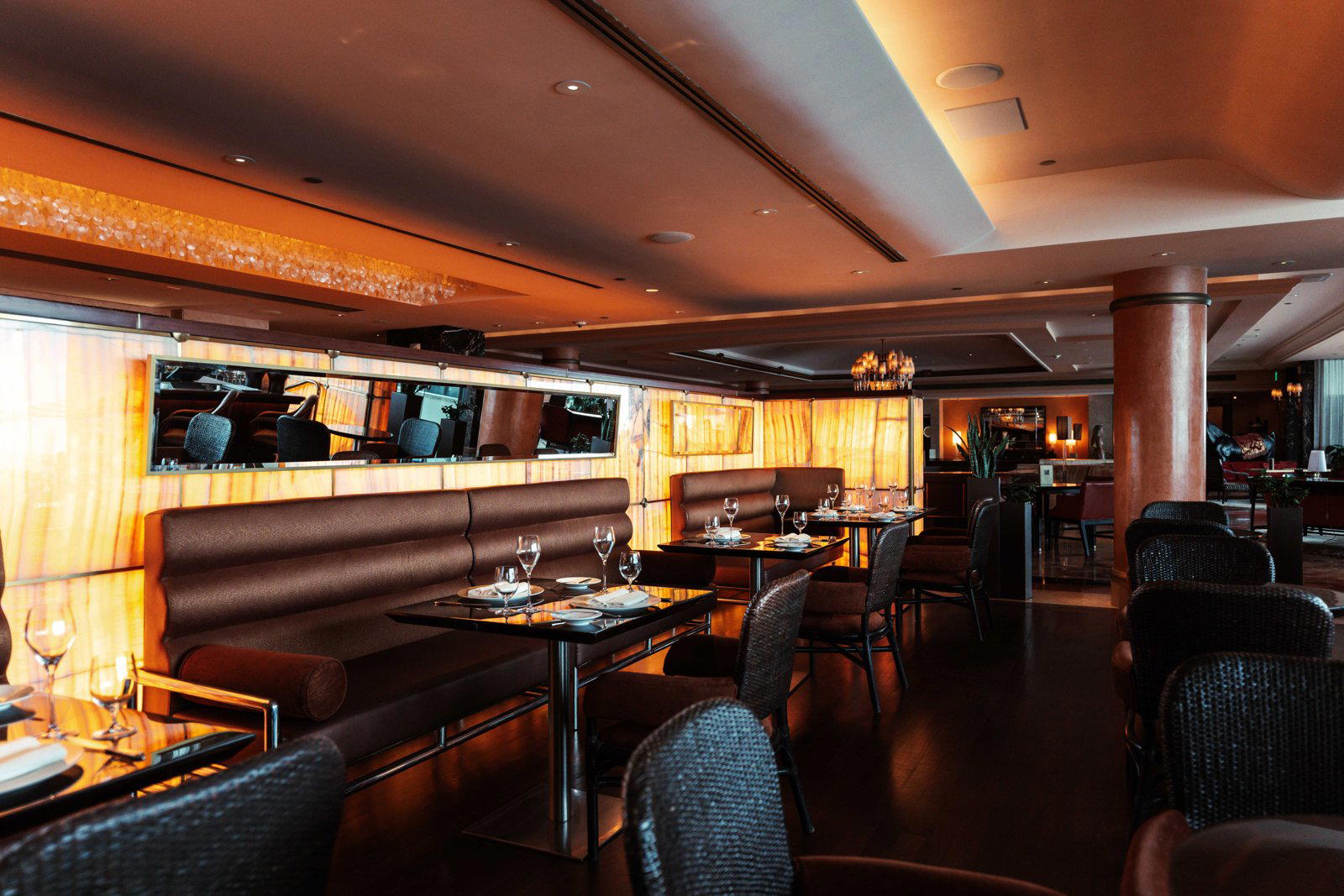
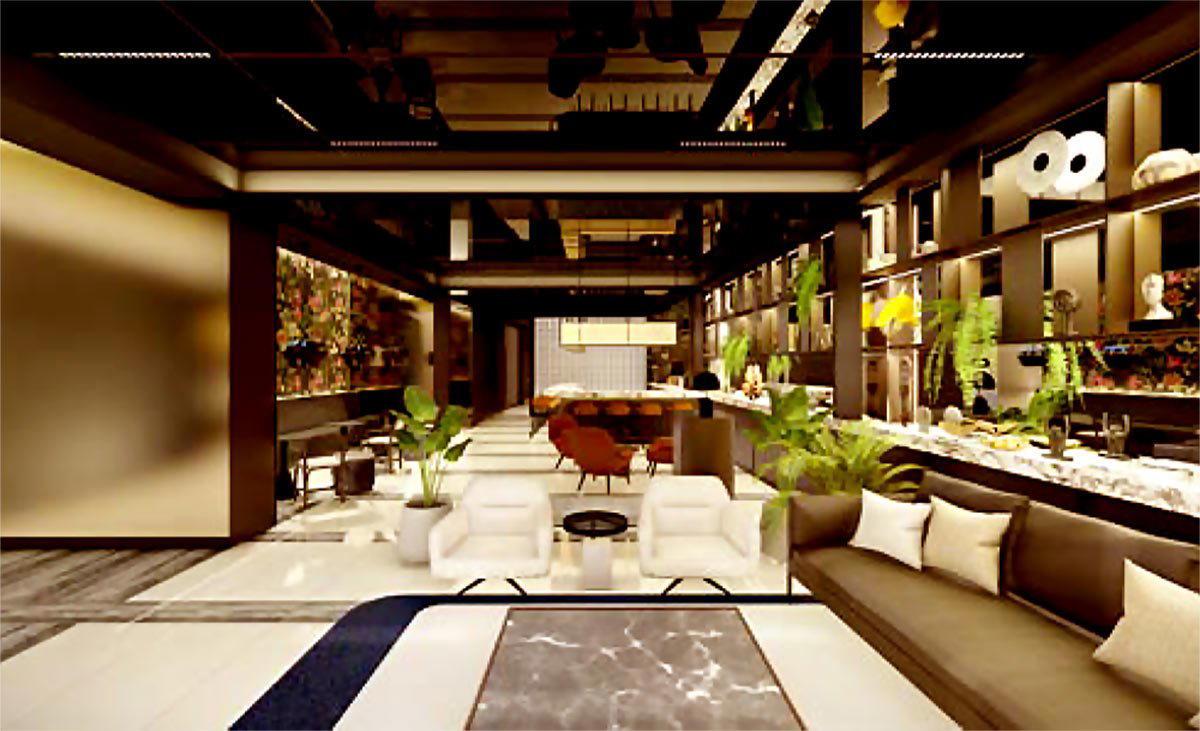
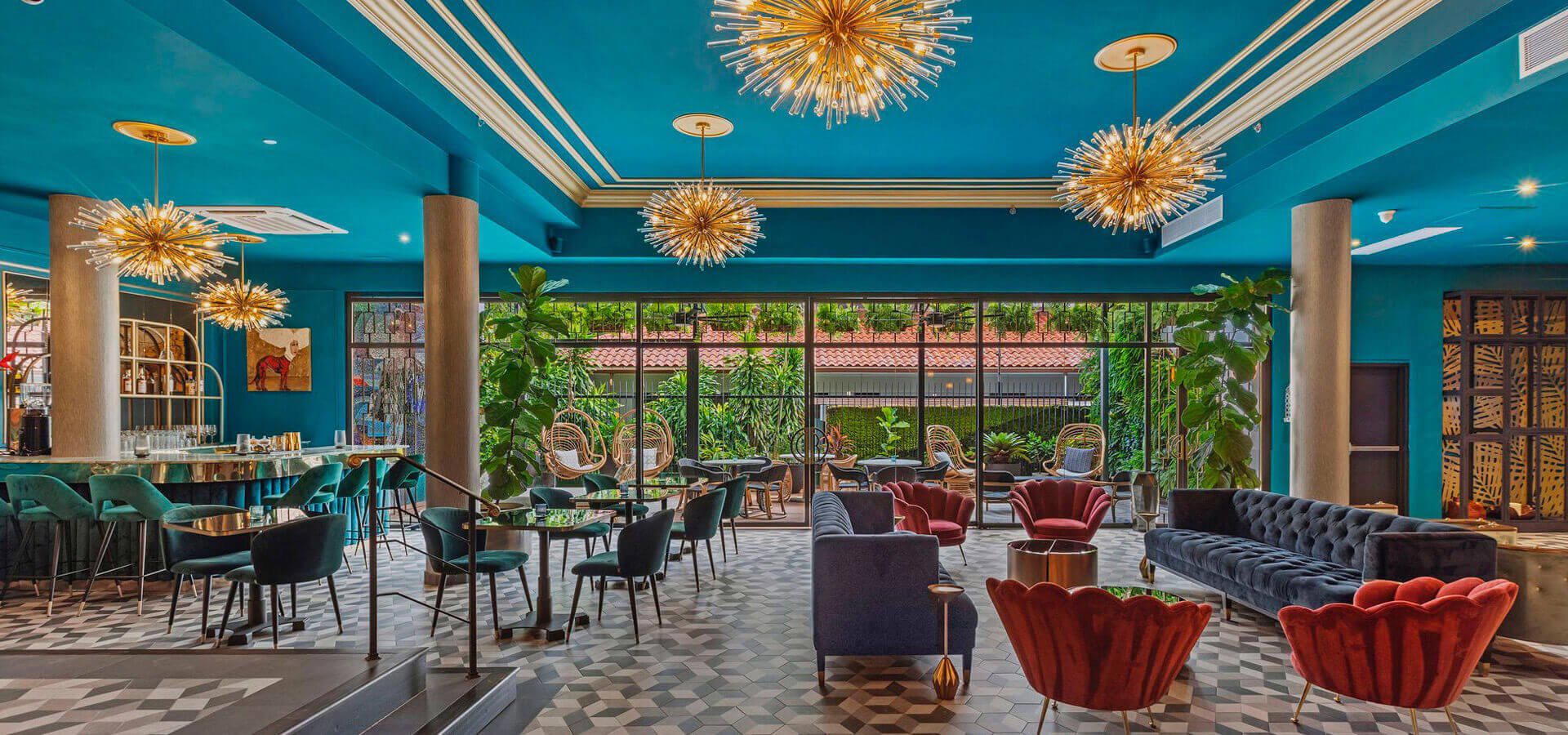
Welcoming atmosphere filled with warmth and culture.