Dukem Ethiopian Restaurant
On U Street NW, Dukem anchors Washington D.C.'s most concentrated stretch of Ethiopian dining with the communal eating format that defines the tradition: injera spread wide, shared wots, and a table built for conversation. The address places it inside a neighbourhood whose African dining culture is among the more established of any American city, making Dukem a practical and contextual starting point for the cuisine.
Pearl is the En Primeur Club membership app — saves, bookings, and concierge access live there. Same editors, same standards.
- Address
- 1114-1118 U St NW, Washington, DC 20009
- Phone
- +12026678735
- Website
- dukemrestaurant.com
- Directions
- Get directions
 Saves & bookings on Pearl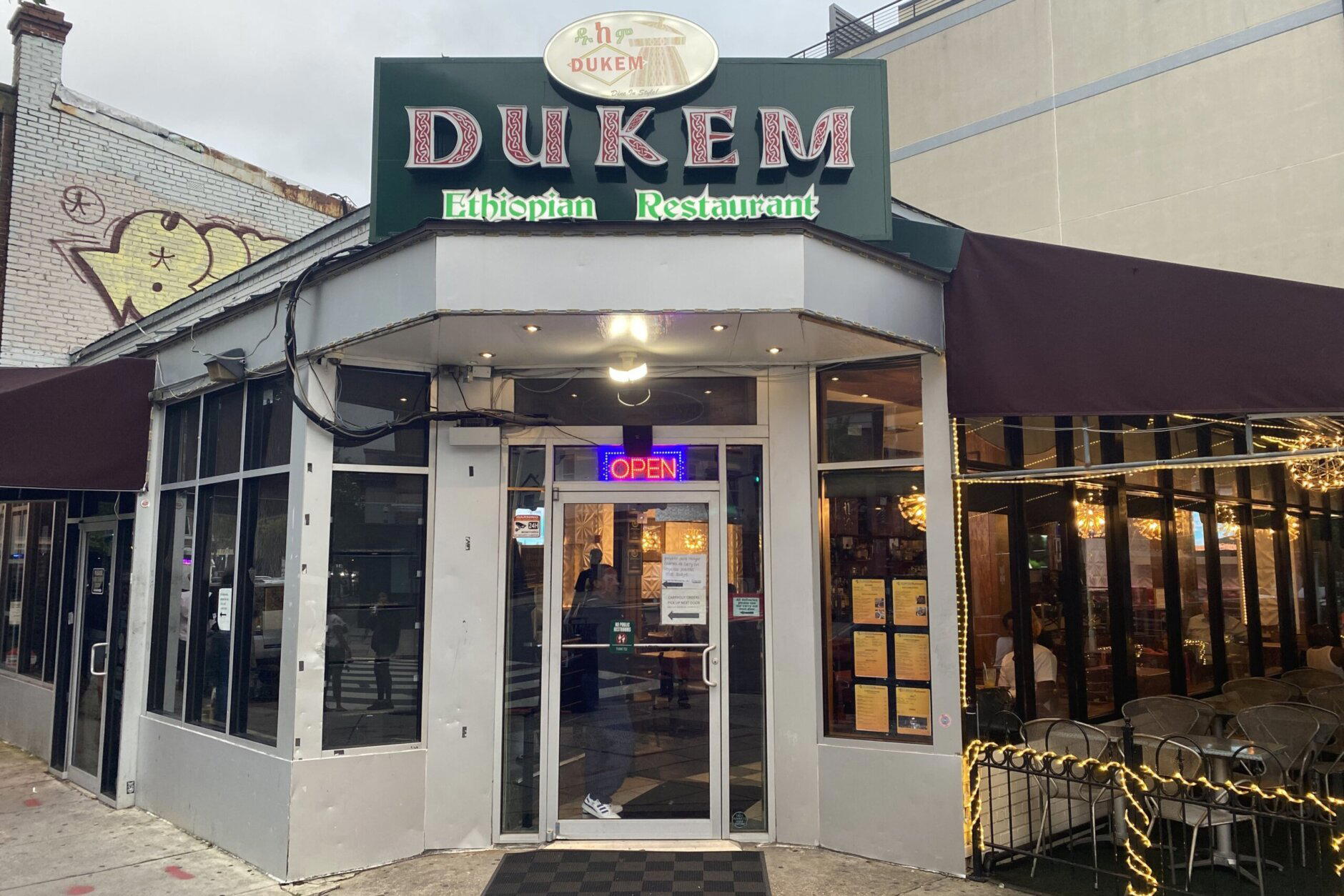
U Street and the Geography of Ethiopian Washington
Arrive on the 1100 block of U Street NW on a weekend evening and the scene reads clearly before you step inside anywhere. The corridor between 11th and 14th Streets has carried Washington's Ethiopian restaurant concentration for decades, and Dukem, at 1114 to 1118 U St NW, sits near the centre of that stretch. The neighbourhood is not incidental to the dining experience here: it is the frame. Washington D.C. is home to one of the largest Ethiopian diaspora communities in the United States, and the restaurants, grocers, and coffee shops that have accumulated on and around U Street reflect genuine community infrastructure rather than a themed dining district. That distinction matters when you are deciding where to eat Ethiopian food in this city.
The street itself carries a second layer of history. U Street was the spine of Black Washington's cultural life through much of the 20th century, a corridor of jazz clubs, theatres, and civic institutions that persisted through decades of disinvestment before a slower revitalisation from the 1990s onward. The Ethiopian presence arrived and deepened during that period, meaning the community's restaurants have grown alongside the neighbourhood rather than being installed into a finished product. Dukem reflects that longer tenure, occupying a double-storefront footprint on U Street NW.
The Format: What Eating Ethiopian in D.C. Actually Looks Like
Ethiopian dining operates on a set of conventions that differ substantially from most Western restaurant formats, and understanding them changes the experience at any venue in this city. The meal centres on injera, a fermented teff flatbread with a spongy, slightly acidic character that functions as both plate and utensil. Stews and salads, collectively called wots and tibs, are arranged directly on the injera, and diners eat communally by tearing pieces from the shared bread to scoop the surrounding dishes. There are no individual plates in the traditional format, and the architecture of the table is designed for sharing rather than individual portions.
In Washington's Ethiopian restaurants, this format runs across a wide price range and several sub-genres: fasting menus built around the strict vegan requirements of Ethiopian Orthodox Christianity, meat-forward tibs preparations, and kitfo (Ethiopian tartare, typically served raw or lightly warmed with spiced butter) that appears on menus as a marker of the kitchen's confidence. The communal eating structure makes these restaurants naturally suited to groups, but solo diners ordering a combination platter eat exactly the same format at a smaller scale. Dukem's address on U Street places it within walking distance of several competing kitchens, which means visitors can treat the corridor as a comparative tasting opportunity across multiple visits.
Where Dukem Fits in the D.C. Ethiopian Tier
Washington's Ethiopian restaurant scene spans from cafeteria-style lunch spots to sit-down dinner houses with full bar programmes. Dukem occupies the mid-range of the community dining tier: a full-service restaurant with enough scale, given its double-unit footprint, to handle larger groups. In a city where Ethiopian restaurants often specialise by region or religious dietary tradition, the broader combination-plate format at Dukem makes it an accessible entry point for visitors encountering the cuisine for the first time, while remaining a familiar anchor for regulars.
That positioning differs from the tasting-menu format that defines D.C.'s higher-end dining tier. Restaurants like Jônt and minibar occupy a counter-format, chef-driven bracket where the structure of the meal is tightly controlled and reservations are required months in advance. Dukem operates in a different register entirely: the communal plate, the informal pacing, and the neighbourhood context place it in a tradition of community dining rather than the curated-experience tier. Neither is more serious than the other; they answer different questions about what a meal should do.
For visitors building a broader D.C. dining itinerary, the contrast is worth framing. Dukem addresses a different kind of cultural depth: the decades-long establishment of an immigrant food tradition as a neighbourhood institution.
The Neighbourhood as Part of the Meal
The U Street corridor rewards time spent before or after dinner. The Shaw and U Street Metro stations bracket the stretch, and the blocks between carry enough restaurants, bars, and coffee shops to fill an evening without moving far. For a neighbourhood comparison in American cities, the density and authenticity of the U Street Ethiopian corridor is matched in scale only by the Little Ethiopia district in Los Angeles.
This is not the neighbourhood for the kind of dining that occupies the conversation around places like The Inn at Little Washington or the destination tasting rooms at Blue Hill at Stone Barns, The French Laundry, or Single Thread Farm. It is the neighbourhood for eating the way a large part of Washington actually eats, inside a culinary tradition that the city has made its own over fifty years of community building.
Know Before You Go
- Address: 1114 to 1118 U St NW, Washington, DC 20009
- Neighbourhood: U Street Corridor, Shaw
- Transit: U Street/African-Amer Civil War Memorial/Cardozo Metro (Green/Yellow Line), approximately one block
- Format: Communal dining; shared injera platter; combination plates available for smaller parties
- Hours: Mon: 5–10 PM; Tue: 5–10 PM; Wed: 5–10 PM; Thu: 5–10 PM; Fri: 5–11 PM; Sat: 3–11 PM; Sun: 3–10 PM
- Booking: Reservations recommended
- Price: About $25 per person
Accolades, Compared
Comparable venues nearby, for context on price, style, and recognition.
| Venue | Cuisine | Price | Notes |
|---|---|---|---|
| Dukem Ethiopian RestaurantThis venue — the venue you are viewing | Traditional Ethiopian | $$ | Not listed |
| Ethiopic | Authentic Ethiopian | $$ | Near Northeast |
| Eatopia Eatery | Modern Ethiopian Fine Dining | $$$ | Cardozo |
| Cafe Saint-Ex | American Gastropub | $$ | Cardozo |
| Trio Bistro | Classic American Bistro | $$ | Dupont Circle |
| Gordon Ramsay Street Pizza - Washington DC | Modern Italian Street Pizza | $$ | Penn Quarter |
Continue exploring
More in Washington DC
Restaurants in Washington DC
Browse all →
Bars in Washington DC
Browse all →
Hotels in Washington DC
Browse all →

At a Glance
- Lively
- Energetic
- Well Known
- Group Dining
- Celebration
- Casual Hangout
- Live Music
- Historic Building
Current opening hours
- Monday
- 5–10 PM
- Tuesday
- 5–10 PM
- Wednesday
- 5–10 PM
- Thursday
- 5–10 PM
- Friday
- 5–11 PM
- Saturday
- 3–11 PM
- Sunday
- 3–10 PM
Hours can change for holidays and private events. Last verified .
Energetic atmosphere with live Ethiopian music and entertainment, featuring a lively dining space in the heart of U Street.