Der Graf im Stadthaus
Der Graf im Stadthaus occupies a historic address on Kirchengasse in Neusiedl am See, placing it at the intersection of Burgenland's wine-country dining scene and the broader Austrian tradition of Stadthaus hospitality. The venue draws from a regional context defined by Pannonian agriculture and the Neusiedler See wine region, positioning it within Neusiedl's compact but characterful restaurant circuit.
Pearl is the En Primeur Club membership app — saves, bookings, and concierge access live there. Same editors, same standards.
- Address
- Kirchengasse 2, 7100 Neusiedl am See, Austria
- Phone
- +436643922235
- Website
- dergrafimstadthaus.at
- Directions
- Get directions
 Saves & bookings on Pearl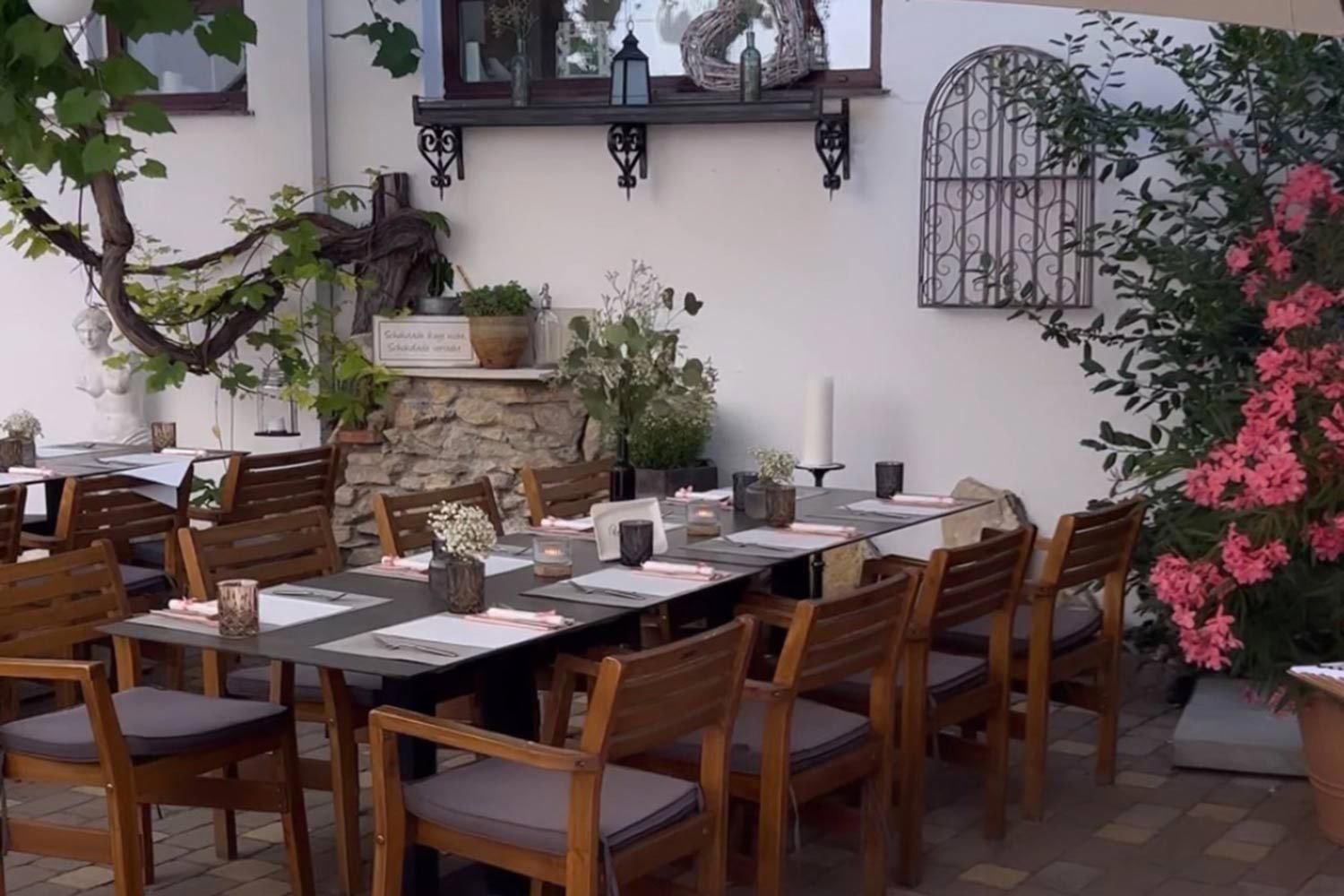
A Burgenland Address in the Town-House Tradition
Kirchengasse 2 is the kind of address that carries weight in a small Austrian lake town. In Neusiedl am See, the streets radiating from the old town centre have long anchored the civic and culinary life of a region better known internationally for its vineyards than its restaurants. The Stadthaus format, a mode of hospitality rooted in the repurposed town houses of Central Europe, represents a distinct strand of Austrian dining culture: lower ceilings than a grand Viennese palace, closer tables, a more direct relationship between kitchen and guest. Der Graf im Stadthaus works within that tradition, drawing on an architectural and social context that has shaped regional dining rooms across Burgenland for generations.
The town itself sets the tone. Neusiedl am See sits at the northern end of the Neusiedler See, a shallow steppe lake that defines the entire agricultural and viticultural identity of this corner of Austria. The lake's thermal influence extends the growing season, concentrating flavours in grapes and produce that supply kitchens across the region. Any serious dining room in Neusiedl operates in close proximity to that larder, whether or not it explicitly markets the connection.
Where Neusiedl am See Sits in the Austrian Dining Picture
Austrian fine and serious casual dining has historically concentrated in Vienna, Salzburg, and the alpine west. The restaurant circuit represented by Steirereck im Stadtpark in Vienna, Döllerer in Golling an der Salzach, and Obauer in Werfen defines one tier of the country's culinary identity. Further west, venues like Gourmetrestaurant Tannenhof in Sankt Anton am Arlberg and Stüva in Ischgl serve a resort clientele with purchasing power that subsidises ambitious kitchen programs. Burgenland has historically operated outside both of those gravitational fields.
That is changing. The Neusiedler See wine region's growing international profile, particularly the Blaufränkisch producers of Mittelburgenland and the white wine estates around Rust and Neusiedl itself, has pulled a more wine-literate visitor to the area. Restaurants in wine regions tend to align their ambitions with the producers nearby, and Neusiedl's dining scene is no exception. Venues like JÖRGs Restaurant and Zum echten Leben represent different registers of that regional positioning, and Der Graf im Stadthaus occupies its own place within that local conversation.
The Cultural Architecture of a Pannonian Kitchen
The cuisine traditions of Burgenland are not simply Austrian. The Pannonian plain that stretches east from the lake into Hungary and Slovakia has always produced a kitchen that reflects centuries of multi-ethnic settlement: Hungarian paprika traditions, Croatian vegetable preparations, Jewish Sabbath cooking, and the game and freshwater fish culture of a marshy lake district. Carp, pike-perch, and catfish appear in Burgenland kitchens in ways they do not in alpine Austrian cooking. Goose, particularly the fattened geese of the autumn season, has a ceremonial importance in the region that matches its role in the Hungarian kitchen across the border.
These are not nostalgic details. They describe a living regional cuisine that serious local restaurants continue to reference, whether directly or obliquely. The Stadthaus format historically accommodated this kind of cooking: the bourgeois dining room of a market town, where game from the surrounding Seewinkel wetlands and wine from the vineyard estates outside town formed the natural pairing. That context is the backdrop against which Der Graf im Stadthaus operates, regardless of how the current kitchen interprets it.
Neusiedl's Dining Circuit in Practice
For visitors spending time in the Neusiedl am See area, the dining circuit is compact and walkable within the town centre, with excursions possible to producers and restaurants in the surrounding villages. Denis Kebap and La Takeria represent the more casual, international registers of the local offer. Neusiedler anchors the traditional Austrian end of the spectrum. The restaurant, positioned by its name's aristocratic inflection and its central Kirchengasse address, signals a more considered approach to the Burgenland dining occasion.
The broader Austrian regional dining picture includes venues operating with significant critical recognition: Landhaus Bacher in Mautern an der Donau, Kräuterreich by Vitus Winkler in Sankt Veit im Pongau, Restaurant 141 by Joachim Jaud in Mieming, and Schwarzer Adler in Hall in Tirol. These represent the tier at which regional Austrian kitchens earn sustained national attention. Whether the restaurant is building toward that kind of recognition or operating as a reliable local anchor remains an open question, but the address and the Stadthaus framing suggest ambitions beyond the simply casual. Even internationally, ambitious regional formats find their footing through commitment to place: venues like Lazy Bear in San Francisco and Le Bernardin in New York City demonstrate what sustained identity and regional specificity can produce at scale. The Burgenland dining room operates in a different register but the underlying logic, that place-rooted cooking earns its own authority, applies equally.
Planning a Visit
Kirchengasse 2 in Neusiedl am See is located in the pedestrian-accessible historic centre of the town, reachable by train from Vienna's Hauptbahnhof via the S-Bahn and regional rail connections, a journey of roughly one hour depending on connection. The town is compact enough that the central restaurant addresses are within walking distance of the rail station. Visitors should verify operating times and reservation requirements directly before travel. The autumn season, running from September through November, is one food-relevant period in Burgenland: game is at its peak, the harvest brings freshly pressed wine to local tables, and the goose festivals that mark the culinary calendar of the region are in full cycle. Planning a visit in that window aligns a meal here with the ingredients and rhythms the regional kitchen was built around.
Cost Snapshot
Comparable venues nearby, for context on price, style, and recognition.
| Venue | Cuisine | Price | Notes |
|---|---|---|---|
| Der Graf im StadthausThis venue — the venue you are viewing | Not listed | $$$ | Not listed |
| La Takeria | Not listed | $$ | Neusiedl am See, Mexican Street Food Taqueria |
| Neusiedler | Not listed | $$ | Neusiedl am See, Burger and Organic Wine Bar |
| Denis Kebap | Not listed | $ | Neusiedl am See, Turkish & Middle Eastern Kebab |
| Zum echten Leben | Not listed | $$ | Altstadt (Old Town), Austrian Coffeehouse & Wine Bar |
| JÖRGs Restaurant | Neusiedl am See, Asian-Austrian Fusion | $$ | Not listed |
Continue exploring
More in Neusiedl am See
Restaurants in Neusiedl am See
Browse all →
Bars in Neusiedl am See
Browse all →

Hotels in Neusiedl am See
Browse all →
At a Glance
- Classic
- Cozy
- Elegant
- Casual Hangout
- Family
- Date Night
- Group Dining
- Hotel Restaurant
- Open Kitchen
- Beer Program
- Local Sourcing
Current opening hours
- Monday
- Closed
- Tuesday
- Closed
- Wednesday
- 6–10 PM
- Thursday
- 11:30 AM–2:30 PM, 6–10 PM
- Friday
- 11:30 AM–2:30 PM, 6–10 PM
- Saturday
- 11:30 AM–2:30 PM, 6–10 PM
- Sunday
- 11:30 AM–5 PM
Hours can change for holidays and private events. Last verified .
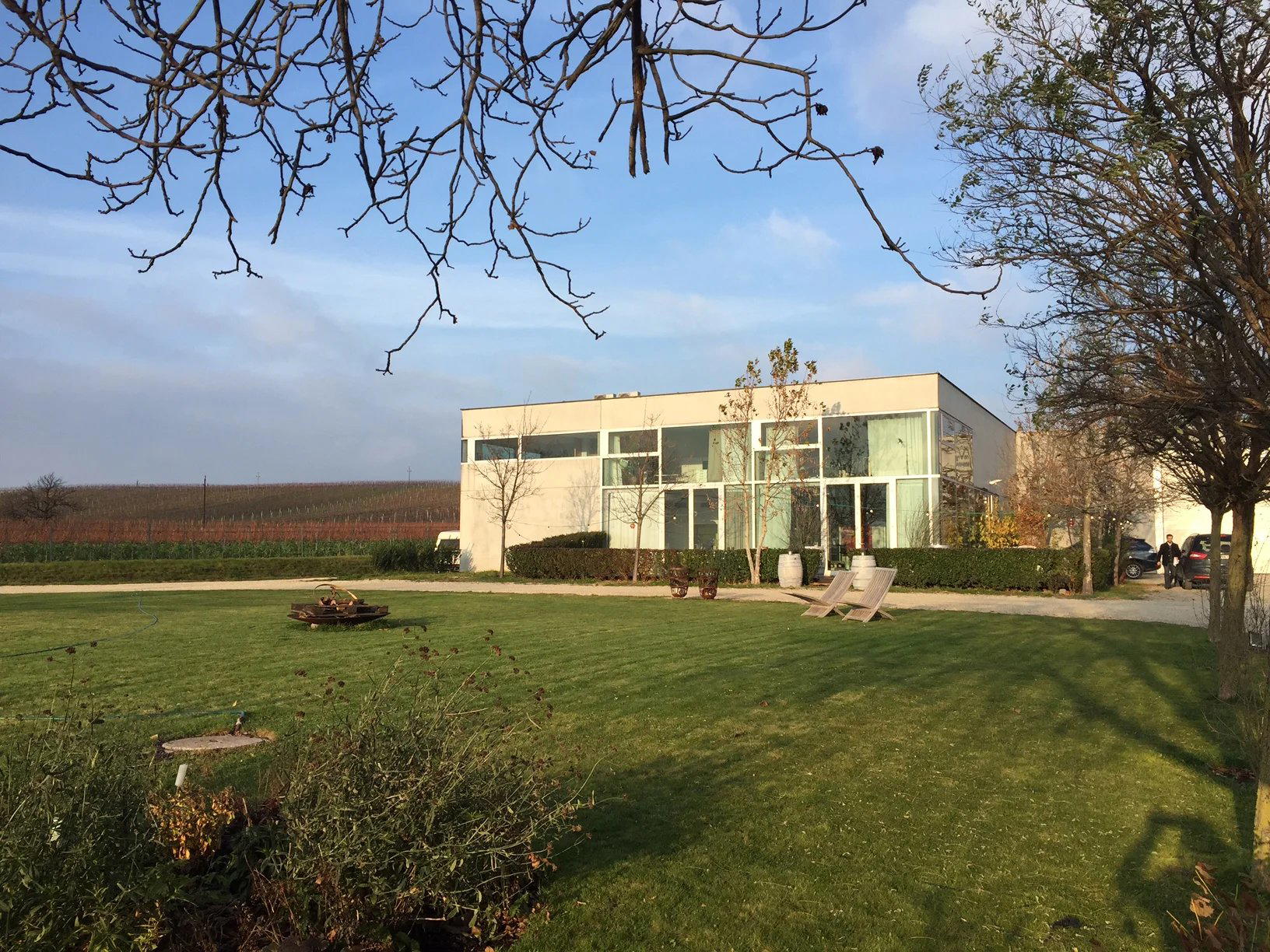
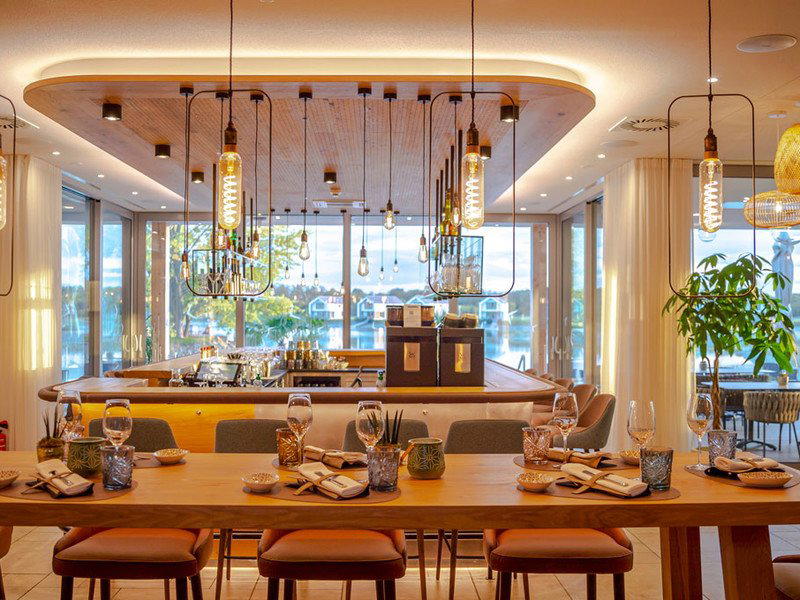
Warm, friendly boutique hotel atmosphere with refined yet approachable dining in a charming historic setting at the heart of Neusiedl am See.