
Don Alfonso 1890 San Barbato carries the Iaccarino family's Michelin-starred Mediterranean legacy into the Basilicata interior, where chef Donato De Leonardis works regional ingredients into dishes that balance coastal instinct with southern Italian terroir. Holding one Michelin star as of 2024, it sits within the San Barbato Resort and occupies a different register from the original Don Alfonso in Sant'Agata sui Due Golfi, more grounded in place, without sacrificing ambition.
Pearl is the En Primeur Club membership app — saves, bookings, and concierge access live there. Same editors, same standards.
- Address
- Strada Statale 93 km 56,300 85024, 85024 Lavello PZ, Italy
- Phone
- +39 0972 816011
- Website
- sanbarbatoresort.com
- Directions
- Get directions
 Saves & bookings on Pearl
Where Southern Italian Terroir Meets the Resort First Floor
The road into Lavello offers little warning of what arrives at kilometre 56.3 on the Strada Statale 93. The San Barbato Resort appears on the plateau of Basilicata's northern edge almost without fanfare, a luxury property in a province that the Italian fine-dining circuit rarely marks on its maps. Don Alfonso 1890 San Barbato occupies the first floor of that resort, and from the dining room the surrounding range of Basilicata's agricultural interior comes into view: not the glamour of the Amalfi Coast, but the harder, older grain and vine country that has fed the deep south for centuries. That setting is not incidental. It is what the kitchen is working with.
The Iaccarino Line and What It Means Here
The Don Alfonso name belongs to the Iaccarino family, whose original restaurant in Sant'Agata sui Due Golfi, positioned between the gulfs of Naples and Salerno, built its reputation on Mediterranean produce and a direct relationship with the land. That original operation has long been one of southern Italy's reference points for ingredient-led cuisine, and its influence has filtered into a wider comparable set that includes Quattro Passi in Marina del Cantone, where Campanian coastal produce is treated with similar seriousness. The Lavello outpost draws on that lineage, the spaghetto Don Alfonso, one of the mother house's signatures, appears on the menu here, but it operates in a different ingredient register. Basilicata's interior is not the coast. The sourcing challenge and opportunity are distinct.
Among Italy's single-star restaurants, Don Alfonso 1890 San Barbato sits in a category that is both easier and harder to place than the country's most decorated tables. Venues such as Osteria Francescana in Modena, Enoteca Pinchiorri in Florence, and Le Calandre in Rubano operate at three stars in urban or well-trafficked northern settings with established fine-dining audiences. Lavello is none of those things.A Michelin star earned here, confirmed in the 2024 guide, signals something different: cooking good enough to draw a verdict in a region where inspectors have less reason to linger.
Ingredient Sourcing as the Kitchen's Architecture
The produce of Basilicata's interior shapes the cooking at Don Alfonso 1890 San Barbato in ways that the Don Alfonso name in its coastal form does not quite replicate. This is a region where saltwort grows wild along the brackish ground of the Ofanto river valley, where local fishing yields from the Adriatic arrive with less ceremony than they do in resort-coast kitchens, and where purple potatoes and heirloom grains carry the weight of a low-profile agricultural tradition that has rarely appeared on fine-dining menus in any sustained way.
The acquerello rice dish documented in the Michelin record, prepared with saltwort, razor clams, green apple, and sage, illustrates how the kitchen positions itself within that terrain. Acquerello is a premium aged carnaroli grown in Piedmont, one of Italy's most technically demanding rice varieties. Pairing it with saltwort, a coastal succulent that grows saline and sharp, and razor clams alongside the tartness of green apple, is a compositional choice that connects northern Italian ingredient discipline to southern Italian coastal forage. The result is a dish that does not belong entirely to either tradition. That in-between quality is what characterises the cooking here: regional influences used as a foundation, with flavour logic that moves past strict regional boundaries without abandoning them entirely.
Mullet dish in the same Michelin record reinforces the point. Mullet is a workhorse fish in southern Italian tradition, long overshadowed in prestige restaurants by more expensive species. Presenting it alongside pak choi, seafood stew, and purple potatoes introduces an East Asian vegetable into a dish otherwise grounded in the deep south. That combination reads as considered rather than arbitrary when understood against the sourcing context: pak choi is not a tourist-facing gesture, but a calibrated textural and flavour counterpoint in a kitchen that, as the Michelin notation puts it, includes "a hint of exotic flavour" without "becoming excessively extravagant."
The Resort Setting and Its Four-Restaurant Structure
San Barbato Resort positions itself around a documented commitment to sustainable resource management. Within that property, four restaurants operate, each serving a different cuisine format. Don Alfonso 1890 San Barbato occupies the premium tier of that internal hierarchy: it is the starred table, the one operating under a nationally recognised name and with a kitchen built around creative regional cuisine. The other three dining outlets underscore a resort food and beverage strategy that separates the everyday guest experience from the destination-dining proposition that the Don Alfonso name carries.
That structure matters for how to use the restaurant.A guest staying at San Barbato Resort who eats all meals at the Don Alfonso table is using it differently from a traveller arriving specifically for lunch or dinner. Both are valid, but the cooking here addresses itself to the latter mode. At €€€ and around $150 per person, the pricing makes it a relatively accessible Michelin-starred experience in the Italian south without conceding in kitchen ambition.
Country Cooking in the Italian Fine-Dining Circuit
The cuisine classification for the restaurant is Modern Mediterranean Fine Dining, with a style rooted in local agricultural produce and regional domestic traditions rather than avant-garde or international frameworks. Among country cooking tables that have attracted Michelin recognition at a similar price point, the pattern is consistent: seasonal availability dictates the menu more than a chef's theoretical programme does, and the kitchen's authority is measured against the quality of what the land provides rather than what technique can impose on it. In Italy, 21.9 in Piobesi d'Alba and Andrea Monesi at Locanda di Orta in Orta San Giulio operate in the same classification, where the discipline is one of restraint and provenance rather than elaboration.
At the restaurant, that restraint is complicated by the Iaccarino heritage, which introduces a coastal Mediterranean reference into an inland kitchen. The tension between those two influences, land-based country cooking and sea-oriented Mediterranean tradition, is the creative space the restaurant works within. Chef Donato De Leonardis holds those competing pulls in balance, according to the documented Michelin assessment, producing cooking that is "balanced, harmonious and often original."
For broader Italian fine-dining context, the country's most technically ambitious multi-star tables, Piazza Duomo in Alba, Enrico Bartolini in Milan, Uliassi in Senigallia, or Atelier Moessmer Norbert Niederkofler in Brunico, operate on ingredient provenance at levels of elaboration and investment well above the one-star tier. The restaurant makes no claim to that register. Its proposition is narrower and more specific: serious southern Italian country cooking, conducted under a heritage name, in one of the least-covered fine-dining territories in the country.
Planning a Visit
Lavello sits in northern Basilicata, roughly 60 kilometres from Potenza and within reach of Melfi and Venosa, towns with their own historical weight. Arriving by car along the SS93 is the practical reality for most visitors; the resort address at kilometre 56.3 is specific enough to locate without difficulty. For dedicated fine-dining visits, confirming reservation availability and current hours directly with the San Barbato Resort is advisable, as operating schedules for resort restaurants in this region can vary by season. At €€€, a full meal here represents a meaningful but not extravagant spend by Italian starred-restaurant standards.
For a fuller picture of eating and drinking in the area, Forentum is the other Lavello restaurant in public sources.
What to Order at Don Alfonso 1890 San Barbato
What should I order at Don Alfonso 1890 San Barbato?
The Michelin record specifically notes the acquerello rice with saltwort, razor clams, green apple, and sage, and the mullet with pak choi, seafood stew, and purple potatoes as dishes that illustrate the kitchen's range. The spaghetto Don Alfonso, carried over from the original Sant'Agata sui Due Golfi menu, gives direct access to the Iaccarino family's Mediterranean heritage and is a reasonable starting anchor for a meal.
Quick Comparison
Comparable venues nearby, for context on price, style, and recognition.
| Venue | Cuisine | Price | Awards | Notes |
|---|---|---|---|---|
| Don Alfonso 1890 San BarbatoThis venue — the venue you are viewing | Modern Mediterranean Fine Dining | $$$$ | Michelin 1 Star | Not listed |
| Forentum | Traditional Basilicata Trattoria & Pizzeria | $$ | Bib Gourmand | Historic Centre of Lavello |
| Il Flauto di Pan | Modern Italian Fine Dining | $$$$ | Michelin 1 Star | Ravello |
| Oasis - Sapori Antichi | Contemporary Campanian | $$$ | Michelin 1 Star | Vallesaccarda |
| President | Modern Italian Fine Dining with Campania Roots | $$$$ | Michelin 1 Star | Pompeii |
| Abbruzzino | Modern Calabrian Fine Dining | $$$$ | Michelin 1 Star | Loc. S. Janni |
Recognition history
Dated appearances from independent guides and award organizations, with the underlying list record or original source where available.
Michelin 1 Star
Michelin
Michelin 1 Star
Michelin
Michelin 1 Star
Michelin

At a Glance
- Elegant
- Romantic
- Sophisticated
- Intimate
- Date Night
- Special Occasion
- Celebration
- Business Dinner
- Hotel Restaurant
- Open Kitchen
- Private Dining
- Extensive Wine List
- Sommelier Led
- Local Sourcing
- Sustainable Seafood
- Farm To Table
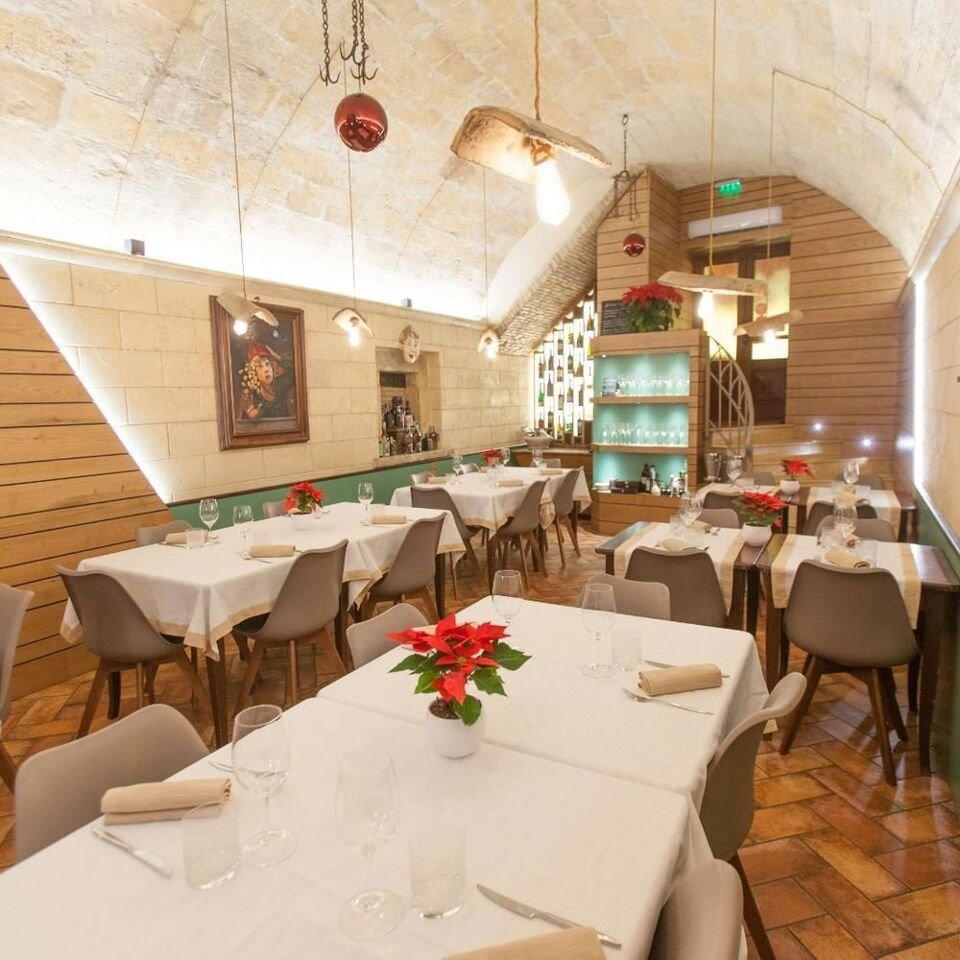
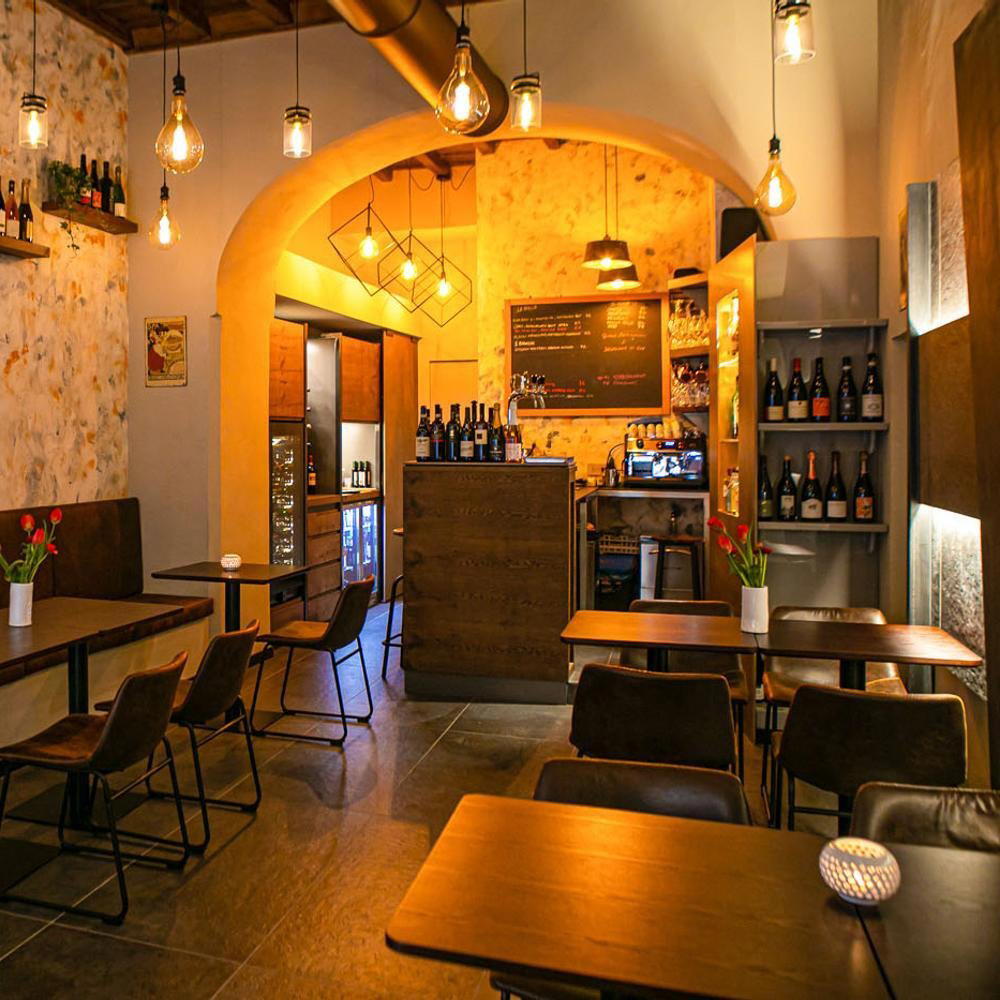
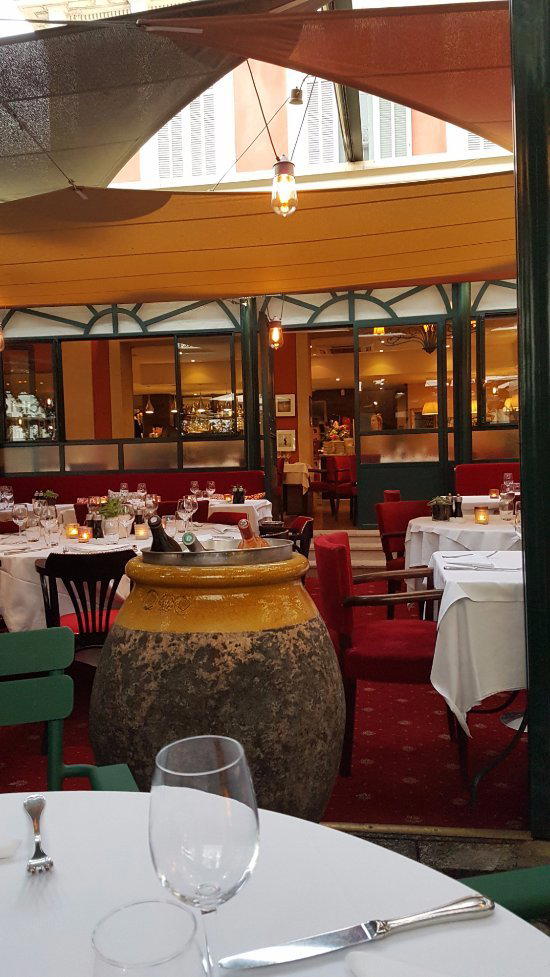
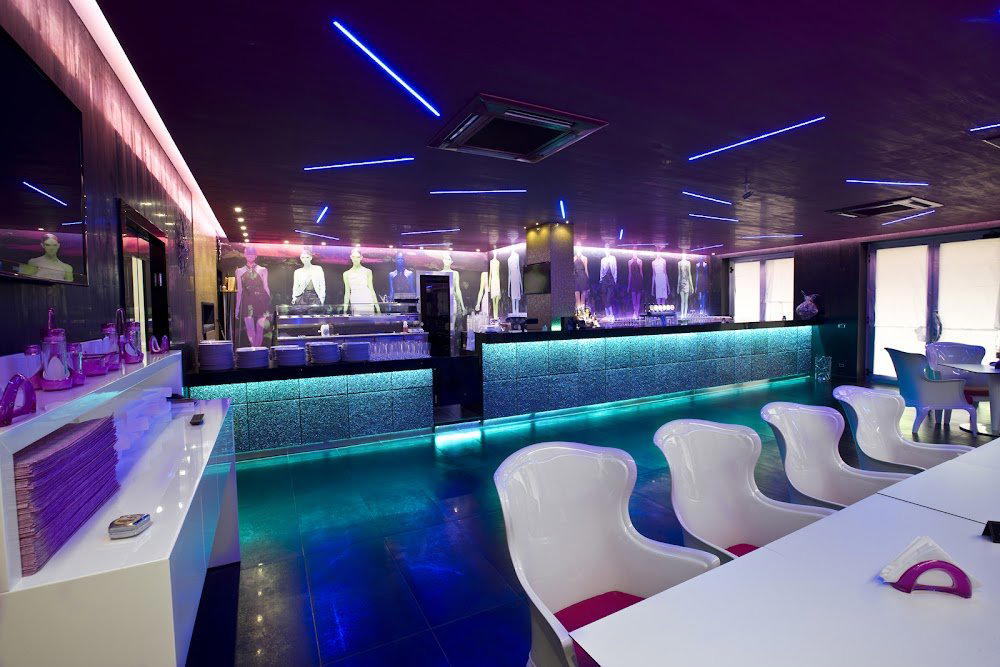
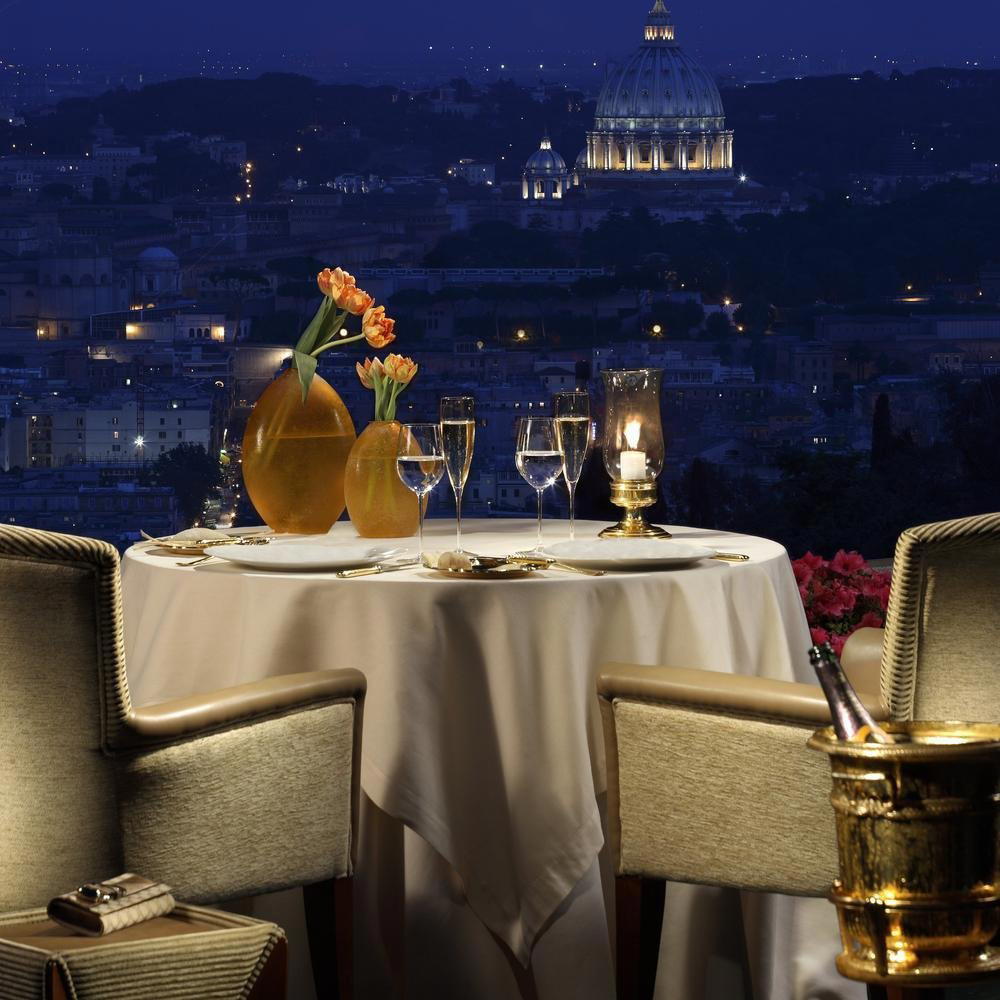
Elegant and refined with meticulous attention to detail, intimate lighting, and a comfortable yet sophisticated atmosphere designed for a 360-degree sensory experience.