
A former mill set among the stone lanes of Mougins, Moulin de Mougin represents the Provençal end of classical French cuisine, the point where technique meets terroir and the surrounding garrigue finds its way onto the plate. Ranked 37th in the World's 50 Best Restaurants in 2002, it occupies a specific tier in the French South: serious destination dining with deep regional roots and a dining room that earns its own approach from Nice or Cannes.
Pearl is the En Primeur Club membership app — saves, bookings, and concierge access live there. Same editors, same standards.
- Address
- 1028 Av. Notre Dame de Vie, 06250 Mougins, France
- Phone
- +33 4 22 52 93 93
- Website
- lemoulindemougins.com
- Directions
- Get directions
 Saves & bookings on Pearl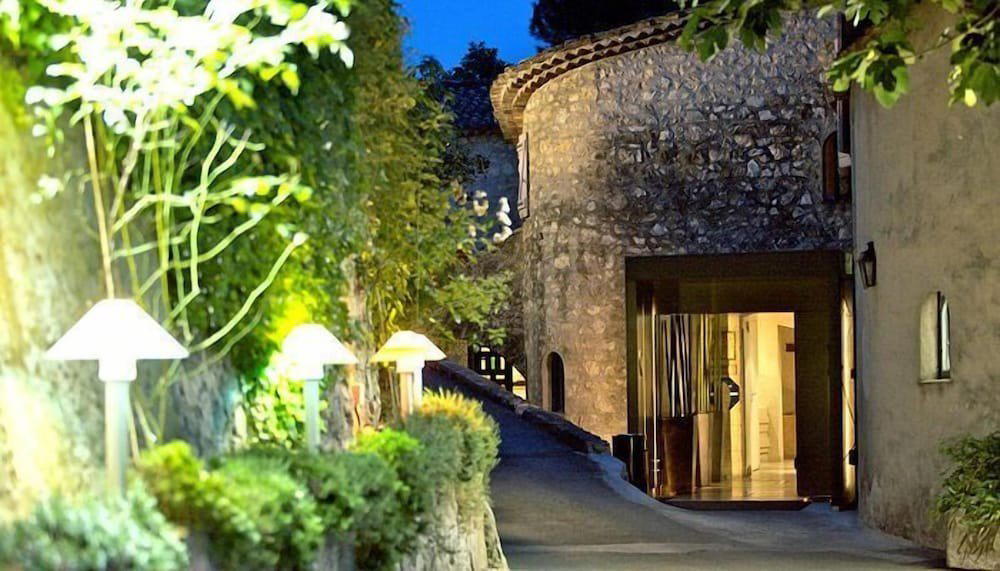
Where Provençal Tradition Meets the Weight of French Classical Cooking
The hill village of Mougins sits about eight kilometres north of Cannes, and the road up through the pines and limestone scrub sets an expectation before you arrive anywhere. Mougins operates at a slower frequency, its medieval lanes and converted stone buildings oriented toward the interior rather than the sea. That distinction matters when reading a restaurant like Moulin de Mougin, which addresses 1028 Avenue Notre Dame de Vie and occupies the physical and culinary logic of this particular place.
Old Provence ran on water and stone, and restaurants that inherit that built fabric carry a different weight than purpose-built dining rooms.
The Tension at the Heart of French Provençal Cuisine
French Provençal cooking sits at an interesting intersection in the broader story of modern French cuisine. It carries both the weight of classical tradition, the brigade systems, the sauce work, the respect for technique as a value in itself, and the pull of the Mediterranean South, where olive oil displaces butter, herbs grow wild rather than cultivated, and the season determines the plate rather than the other way around. The editorial angle on restaurants like Moulin de Mougin is not whether they are classical or modern, but how they manage the productive friction between those two tendencies.
In Paris, restaurants like Alléno Paris au Pavillon Ledoyen have pushed classical infrastructure toward something more technically experimental. In the mountains, Flocons de Sel in Megève uses Alpine terroir as the organising principle. Closer along the coast, Mirazur in Menton has reoriented the entire framework around a kitchen garden and biodynamic calendar. Each represents a different resolution of the same tension: technique in service of what, exactly?
Moulin de Mougin's resolution has historically been rooted rather than experimental. The Provençal frame, the garrigue herbs, the local olive oil, the fish from the Golfe de la Napoule, the lamb from the arrière-pays, provides the discipline that, elsewhere, a modernist manifesto might supply. When that frame works, it produces cooking with a legibility that highly conceptual menus sometimes sacrifice. The diner understands where they are.
The 2002 World's 50 Best Benchmark and What It Signals Now
A ranking of 37th on the World's 50 Best Restaurants list in 2002 is a specific data point worth reading carefully. The list in its early years weighted a particular kind of ambitious, technically serious restaurant that operated outside particularly visited capitals. The restaurant at that ranking was placed in the company of restaurants that have since become reference points for the trajectory of European fine dining: Troisgros, Paul Bocuse, Bras, Auberge de l'Ill. These are not trend restaurants. They are institutional addresses that carry the argument for French regional cooking as a serious discipline.
To appear on that list at that moment was to be recognised as a serious practitioner of destination dining outside the obvious metropolitan centres. That combination, historical critical recognition, sustained popular engagement, off-the-main-drag location, is characteristic of the kind of restaurant that rewards a deliberate visit rather than an opportunistic one.
For context on where the French South's most ambitious restaurants now compete, the trajectory from that 2002 peer group runs through addresses like AM par Alexandre Mazzia in Marseille and Assiette Champenoise in Reims, restaurants where the post-classical question has been answered in more disruptive terms. The restaurant answers it differently, from a position of rootedness.
Mougins as a Dining Destination
Understanding the restaurant requires understanding what Mougins is as a dining context. The village has a disproportionate concentration of serious restaurants for its size, the result of decades of proximity to the Cannes festival circuit, a wealthy residential population, and the gravitational pull of the Côte d'Azur's appetite for destination meals. Bohème represents the modern cuisine strand, while La Place de Mougins occupies the creative middle register. The restaurant sits toward the more classical end of that local spectrum.
The Provençal dining tradition is also well represented at comparable addresses across the region. Baumanière in Les Baux offers one direct comparison in terms of setting and regional rootedness, while Château de Berne in Flayosc extends the tradition into the Var's wine estate context. Each of these addresses reinforces that serious Provençal cooking is not a single formula but a range of positions, and that the hill villages of the Alpes-Maritimes and Var produce restaurants with a distinctly different register from the coast.
For those organising time in the area, our full Mougins restaurants guide maps the complete dining picture, while our Mougins hotels guide covers where to stay if the visit extends beyond a single meal. The village also has its own bar and wine culture worth investigating through our Mougins bars guide, our wineries guide, and our experiences guide.
Planning a Visit: What to Know Before You Go
Mougins is most naturally reached by car from Cannes (roughly twenty minutes) or from Nice via the A8 autoroute. The address at Avenue Notre Dame de Vie sits outside the medieval village core, so navigation by GPS is the practical approach. Given the restaurant's sustained reputation and the limited seating in a converted mill setting, booking ahead is advisable, particularly during the festival season in May, when Cannes draws visitors from across the region and tables at serious restaurants fill weeks in advance. The shoulder months of early spring and autumn offer the area's most comfortable temperatures and the highest probability of securing a table without extended forward planning. The restaurant is open Tuesday to Saturday for lunch and dinner, with Monday and Sunday closed.
Cuisine and Awards Snapshot
Comparable venues nearby, for context on price, style, and recognition.
| Venue | Cuisine | Price | Awards | Notes |
|---|---|---|---|---|
| Moulin de MouginThis venue — the venue you are viewing | French Fine Dining | $$$$ | World's 50 Best #37 | Not listed |
| La Place de Mougins | Modern French Gastronomic with Provençal Influences | $$$$ | Michelin Plate | vieux village |
| Bohème | Modern French Steakhouse with Peruvian Influences | $$$ | Michelin Plate | Mougins |
| Brasserie de la Méditerranée | Modern French Brasserie with Mediterranean Seafood | $$$ | Not listed | vieux village |
| Le Bistrot de Mougins | Provençal Bistro | $$$ | Not listed | vieux village de Mougins |
| L'Amandier de Mougins | Traditional Provençal French | $$$$ | Not listed | Vieux Village |
Recognition history
Dated appearances from independent guides and award organizations, with the underlying list record or original source where available.
World's 50 Best Best Restaurants #37
World's 50 Best
Continue exploring
More in Mougins
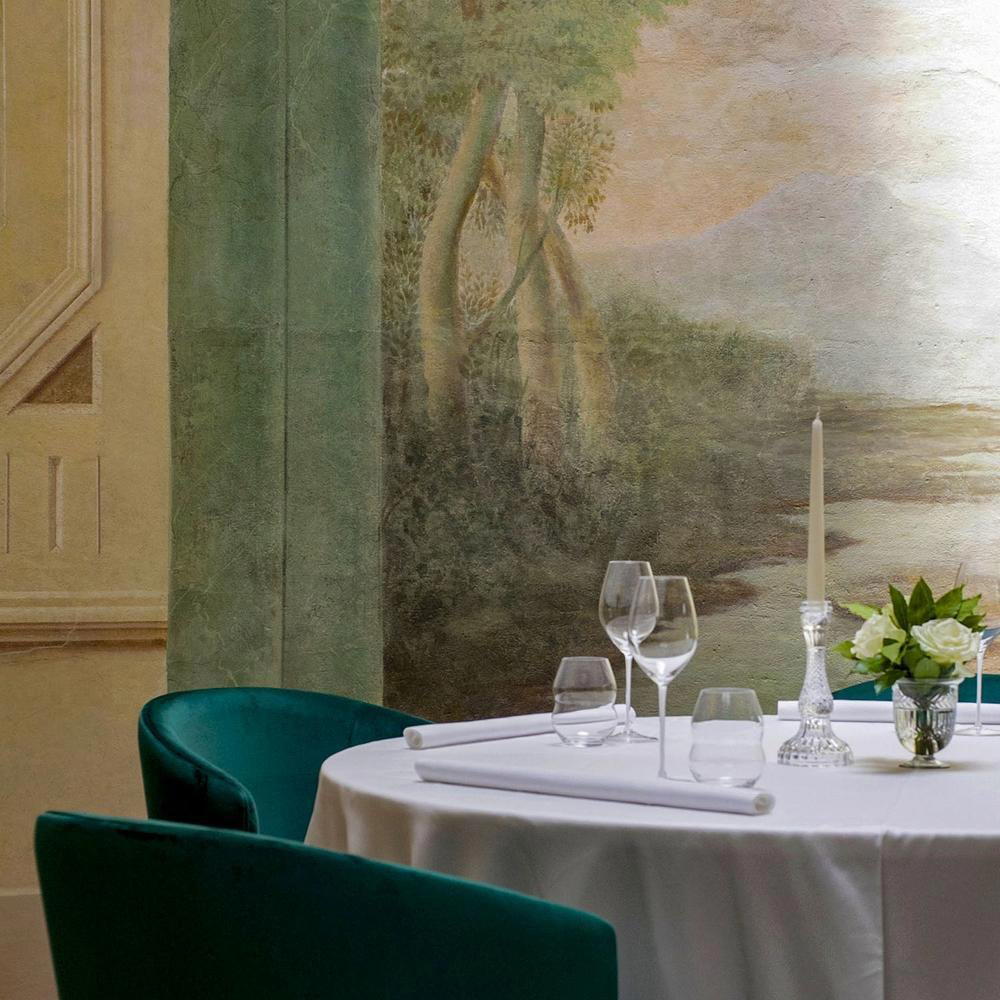
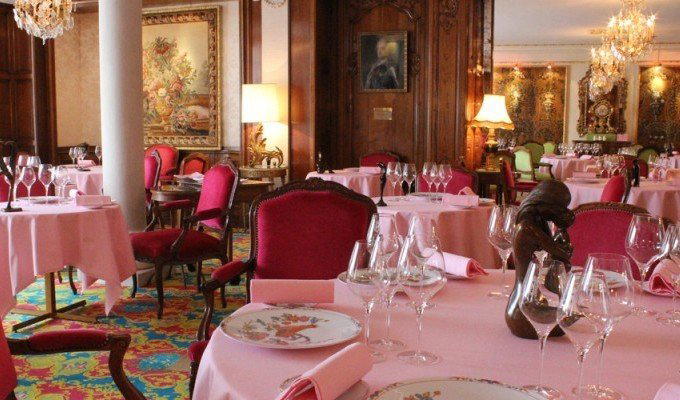
Restaurants in Mougins
Browse all →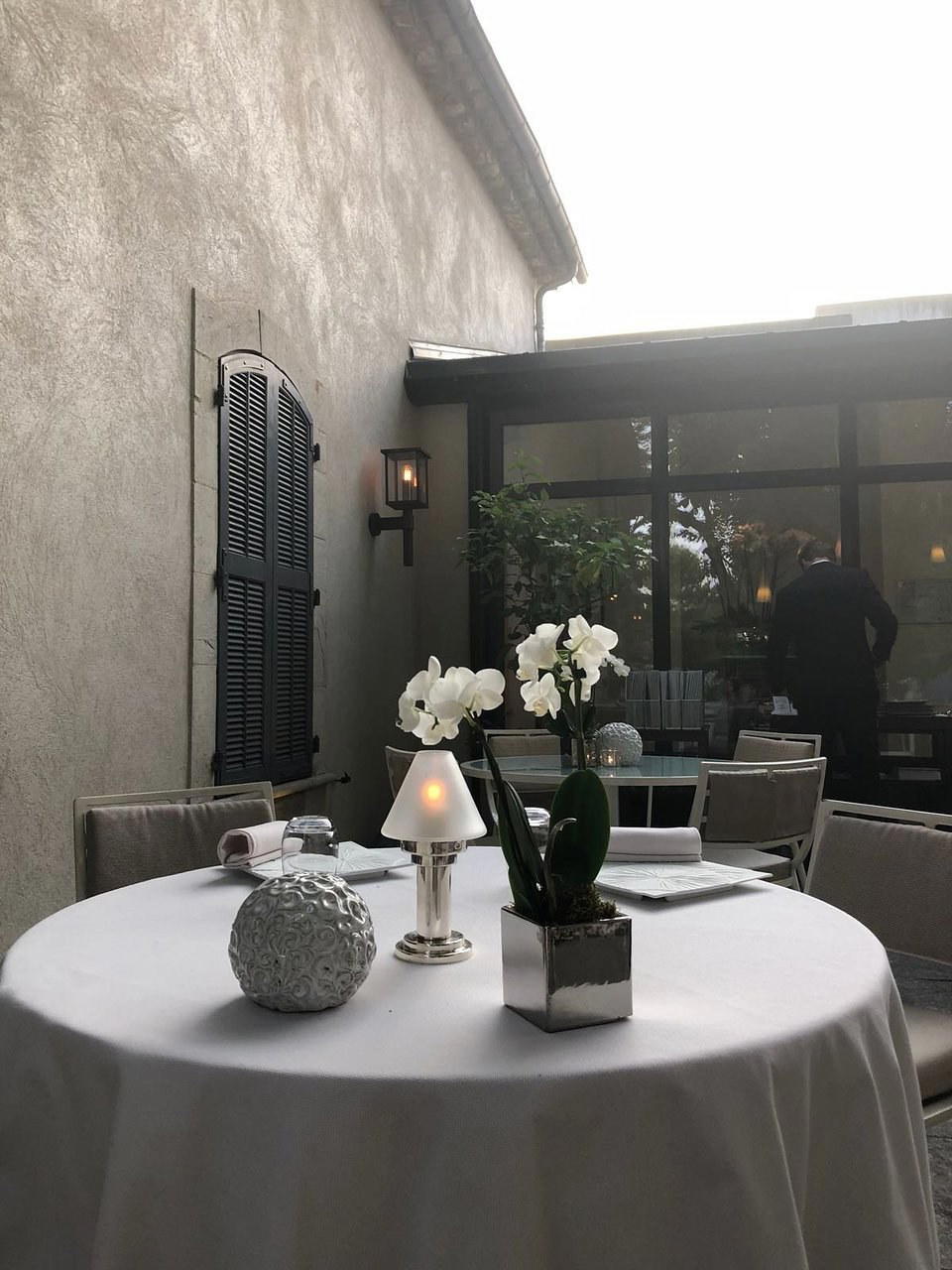
Bars in Mougins
Browse all →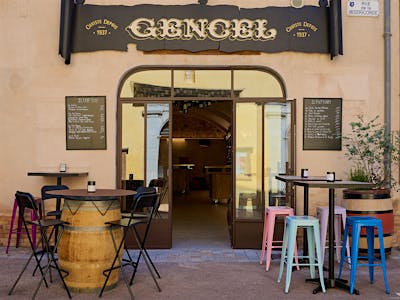
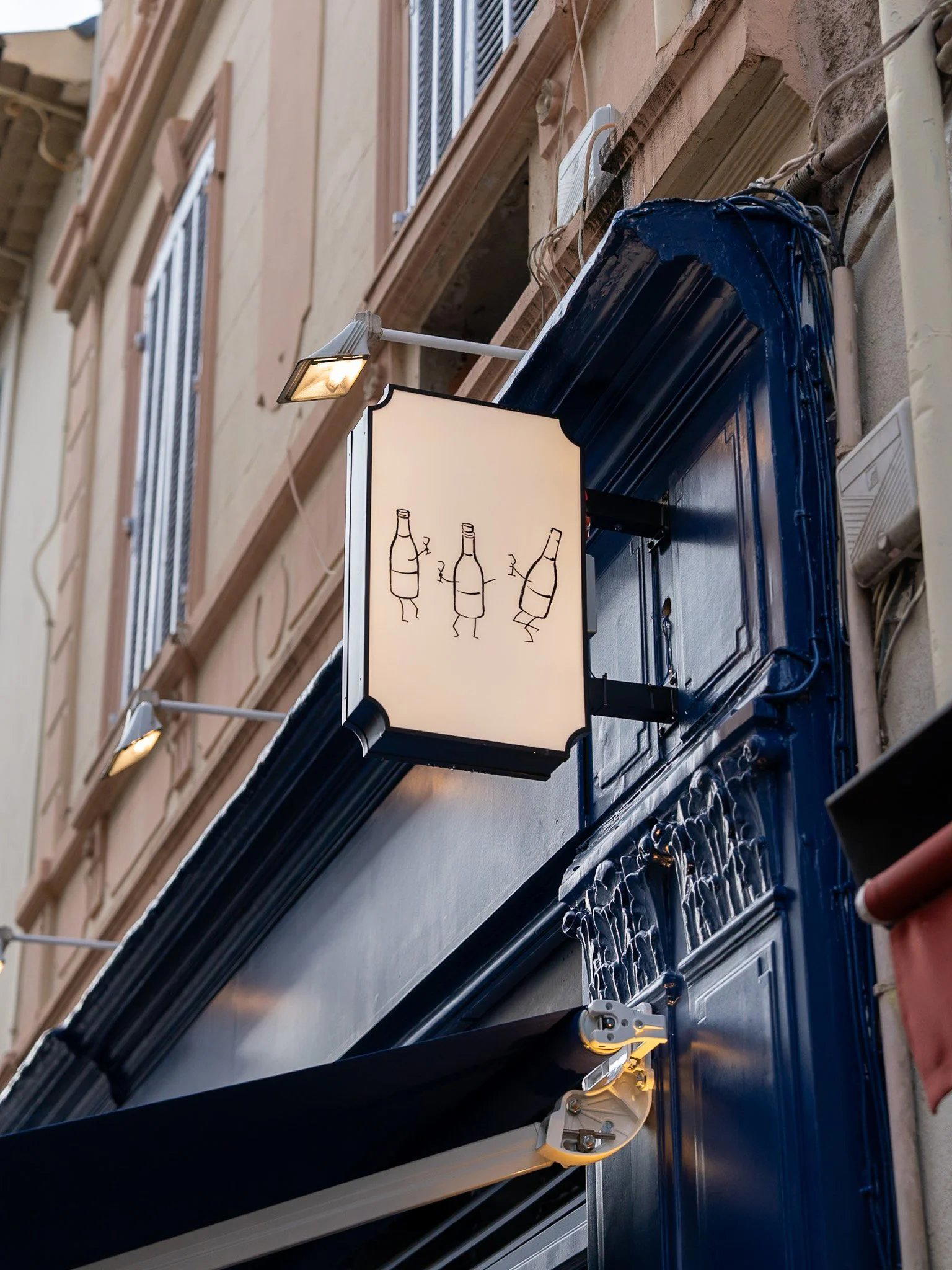
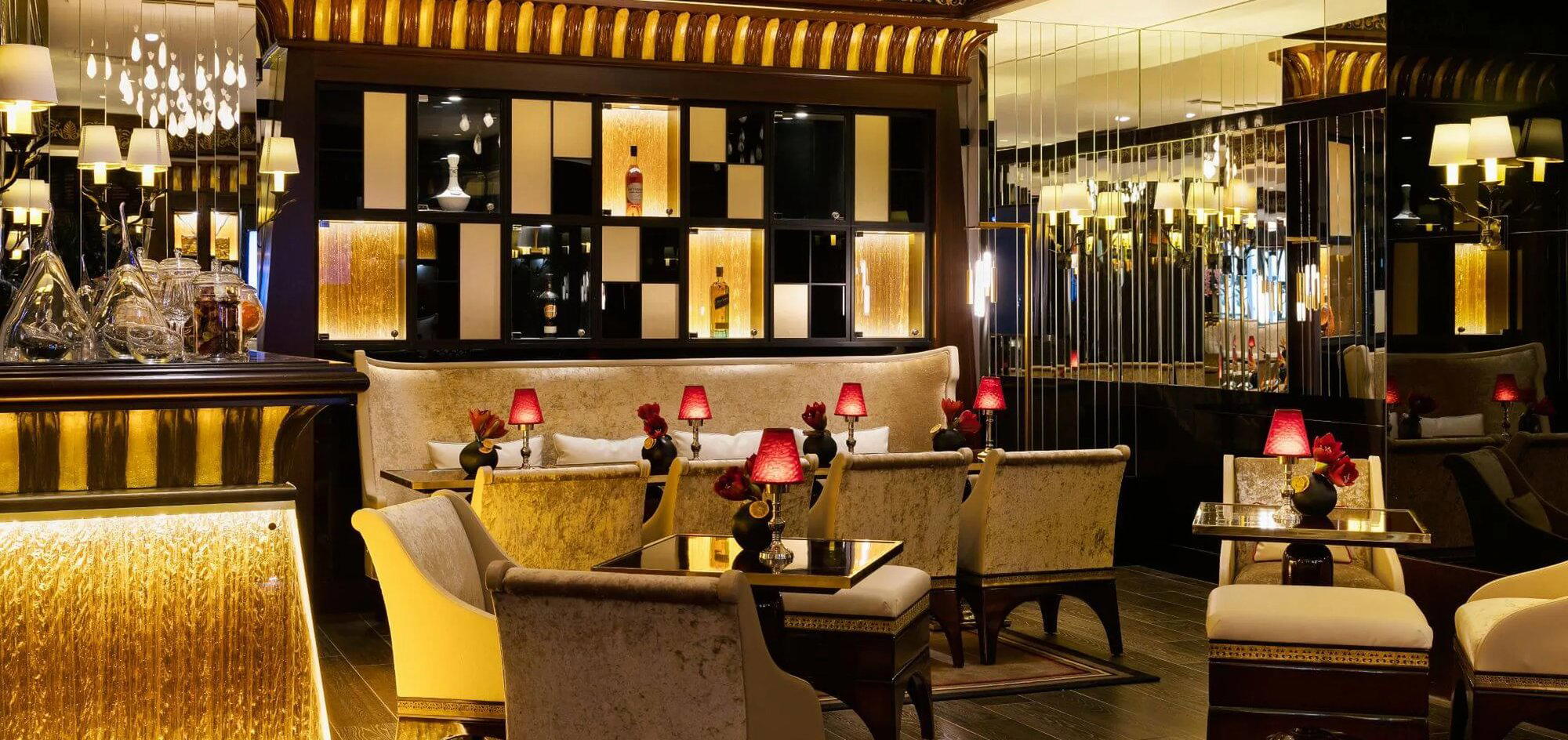
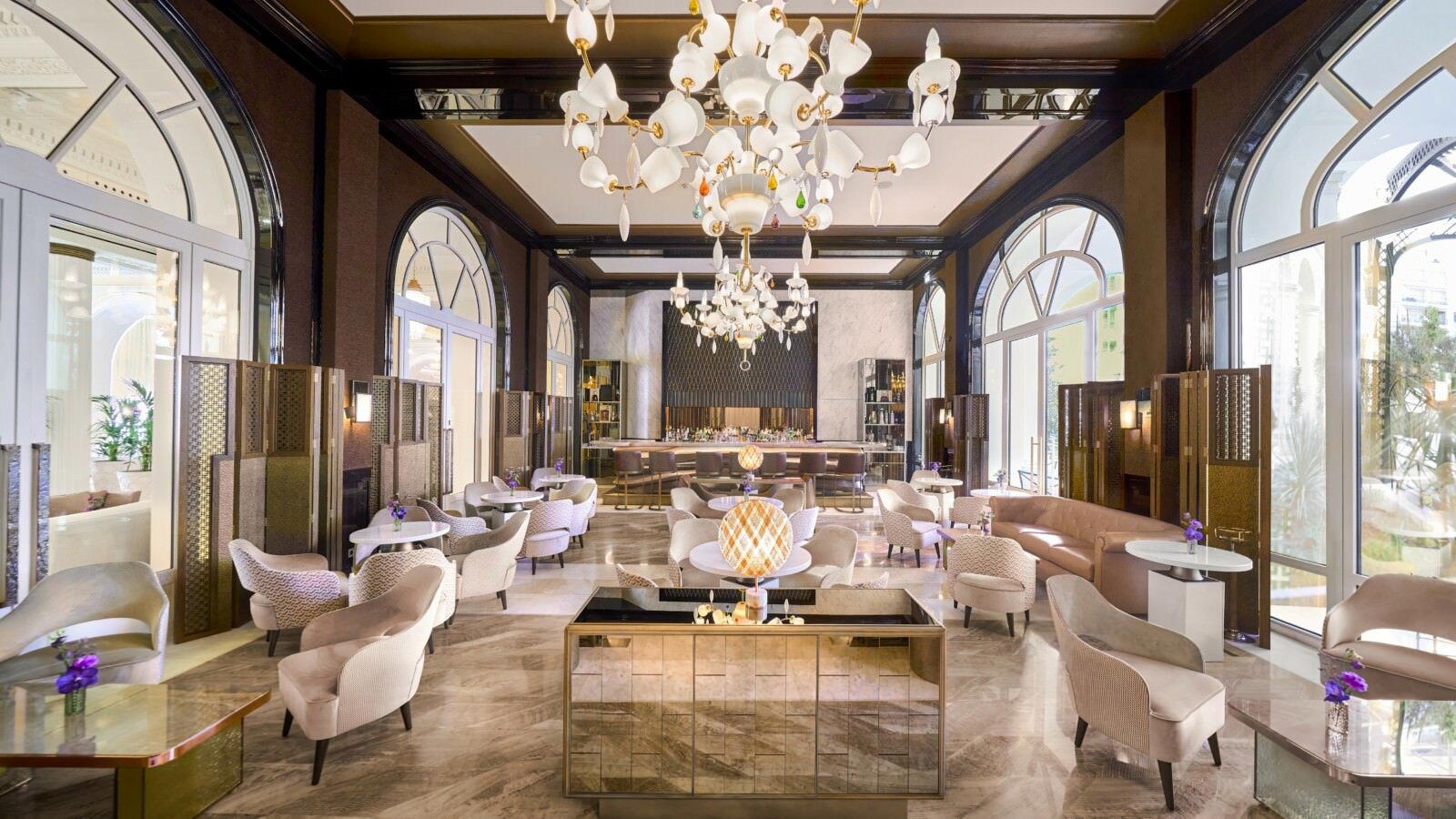
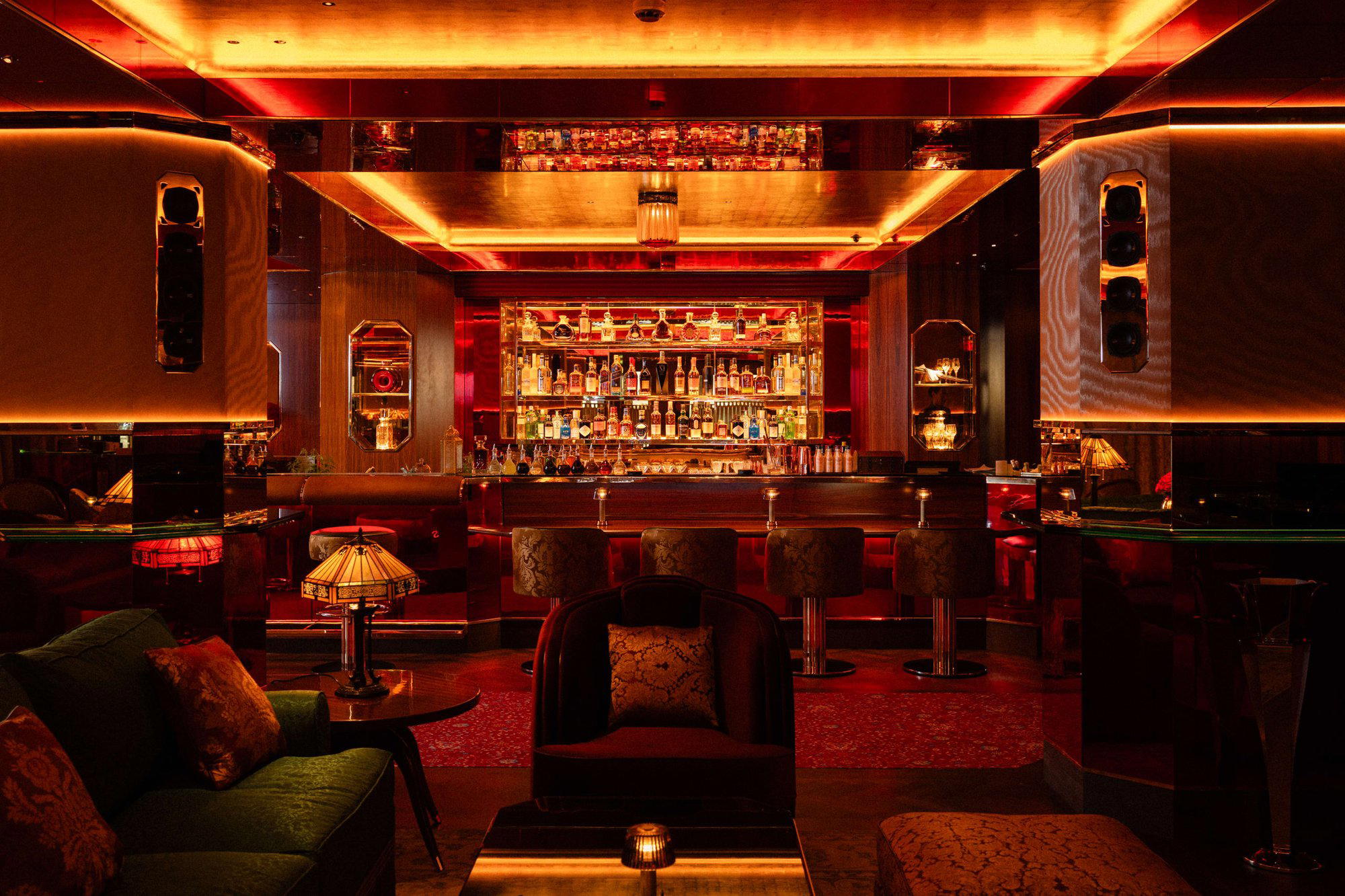
Hotels in Mougins
Browse all →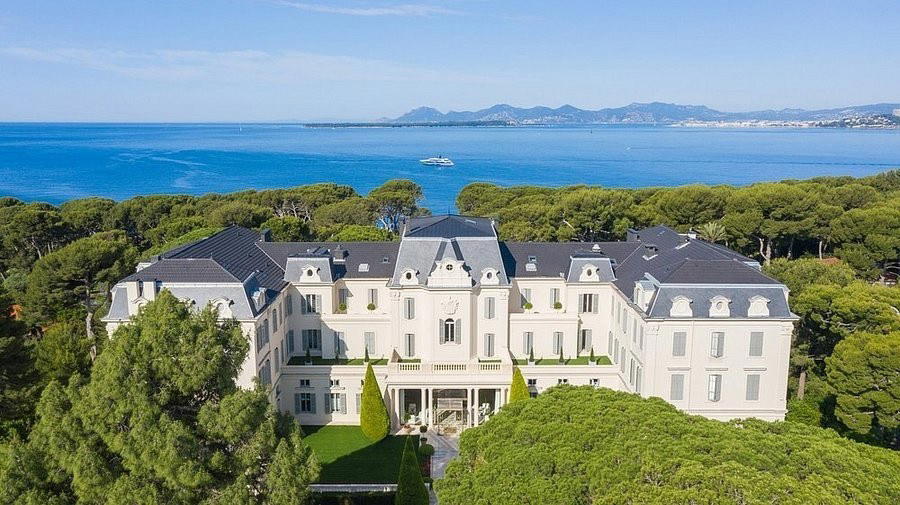

At a Glance
- Elegant
- Romantic
- Scenic
- Classic
- Sophisticated
- Date Night
- Special Occasion
- Celebration
- Business Dinner
- Terrace
- Garden
- Historic Building
- Standalone
- Local Sourcing
- Garden
Current opening hours
- Monday
- Closed
- Tuesday
- 12–2 PM, 7:30–11 PM
- Wednesday
- 12–2 PM, 7:30–11 PM
- Thursday
- 12–2 PM, 7:30–11 PM
- Friday
- 12–2 PM, 7:30–11 PM
- Saturday
- 12–2 PM, 7:30–11 PM
- Sunday
- Closed
Hours can change for holidays and private events. Last verified .
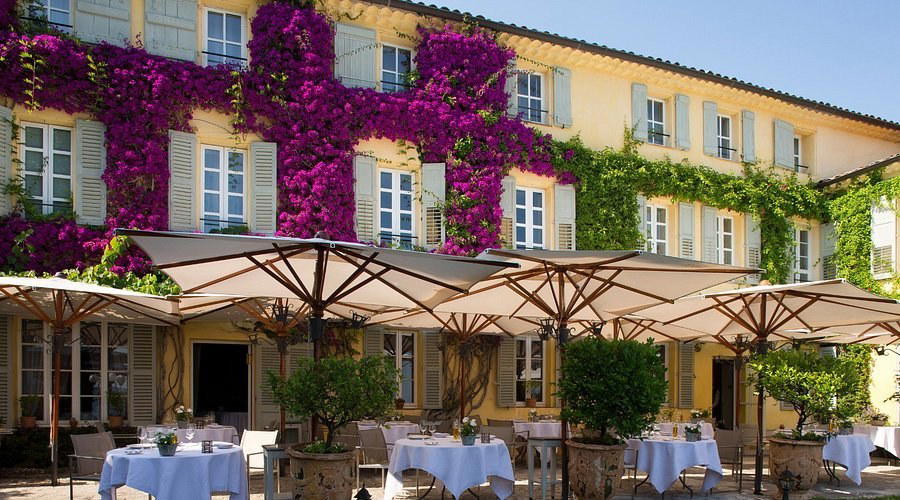
Enchanting and refined setting with beautiful décor, magnifique terrasse with garden views, soft and pleasant atmosphere; recently renovated with an idyllic courtyard ambiance.