Dip

Dip sits in Lapu-Lapu City on Mactan Island, Cebu, placing it at the intersection of the Visayas' seafood-forward cooking traditions and a fast-developing dining scene that extends well beyond Cebu City proper.
Pearl is the En Primeur Club membership app — saves, bookings, and concierge access live there. Same editors, same standards.
- Address
- 82CP+8H, Lapu-Lapu, Cebu, Philippines
- Phone
- +639176283815
- Website
- sevenrooms.com
- Directions
- Get directions
 Saves & bookings on Pearl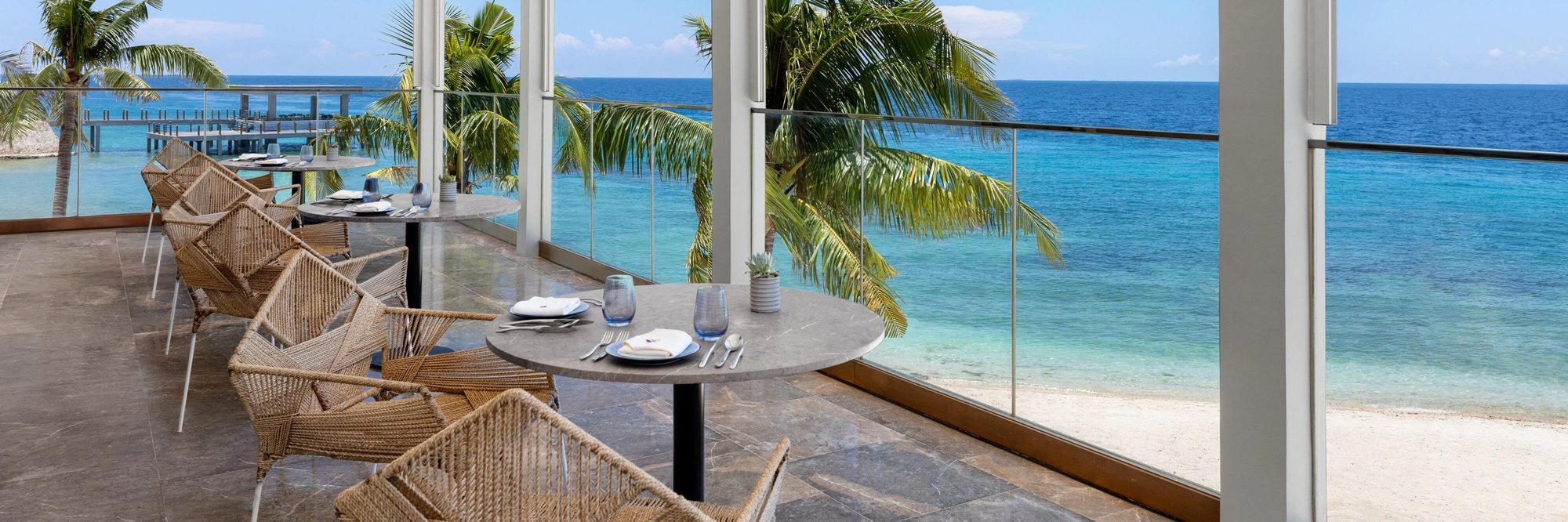
Mactan Island's Dining Scene Beyond the Resort Belt
Lapu-Lapu City occupies the bulk of Mactan Island, a place most international visitors know primarily as an airport transfer point or a strip of beachfront resorts. That framing misses a more textured local dining culture that has developed in the city's residential and commercial neighborhoods, operating largely outside the resort-pricing model and drawing its character from the Cebuano cooking traditions that define the broader Visayas region. Dip, located in Lapu-Lapu at the address 82CP+8H, sits inside that local layer rather than the resort-facing one, which positions it differently from the tourist-oriented options that dominate first-impression searches for the area.
Cebu's food identity is among the more argued-over in the Philippine archipelago. The province's lechon has a national reputation that long predates social media, and the Visayas more broadly claims a seafood and grilling tradition that differs in seasoning profile and technique from the vinegar-forward cooking of Luzon or the coconut-milk richness of Mindanao. Lapu-Lapu City, as the commercial and residential hub of Mactan, inherits that tradition while also absorbing influences from the international traffic that passes through Mactan Cebu International Airport. The result is a dining environment where local turo-turo canteens, mid-range casual spots, and a small number of destination-worthy restaurants coexist within relatively compact geography.
Cebuano Cooking and the Visayas Tradition
The culinary culture that frames any restaurant in this part of Cebu runs deep. Visayan cooking tends toward cleaner, less sauce-dependent preparations than the adobo and sinigang-centric repertoire more associated with Manila-area restaurants. Grilled fish and pork, kinilaw (the local answer to ceviche, built on vinegar and citrus rather than lime alone), and rice-anchored meals served with fermented shrimp paste define the everyday register. At the higher end of the Cebu dining spectrum, venues like Zubuchon in City of Cebu have built national reputations on the back of that lechon tradition, while Lantaw in Compostela demonstrates how Cebu-area restaurants can build a following on setting and local produce in equal measure.
Beyond Cebu, the wider Philippine dining conversation has shifted considerably in recent years. Manila-based restaurants like Toyo Eatery and Linamnam in Parañaque have repositioned Filipino ingredients and techniques within a fine-dining framework, drawing international critical attention and influencing how younger chefs in regional cities think about their own menus. That ripple effect is visible in Cebu, where a cohort of mid-range and casual restaurants now applies more deliberate sourcing and presentation to formats that would previously have been purely functional.
What to Know Before You Go
Many well-regarded local spots operate without maintained websites, listed phone numbers, or consistent hours on third-party platforms, which creates a planning gap for visitors accustomed to booking-platform confirmation and published menus. Dip is recommended for reservations, and it is open daily from 12 to 10 PM.
Getting to Lapu-Lapu City from the resort strip or the airport is direct by habal-habal (motorcycle taxi) or V-hire (shared minivan), both of which operate on informal but functional networks across Mactan. The 82CP+8H Google Plus Code resolves accurately on mobile maps and is especially reliable navigation reference currently available for the venue.
For visitors building a broader Cebu and Visayas itinerary, Cebu's Original Lechon Belly in Mandaue and COCO in Lapu-Lapu represent adjacent options worth considering alongside Dip. Travelers moving between islands or between Cebu and Luzon destinations might also find useful comparison points in Asador Alfonso in Cavite or Antonio's Restaurant in Tagaytay, both of which operate in regional Philippine markets outside Metro Manila and share something of the same local-institution character that defines the more established Cebu dining spots.
For context on how Philippine restaurant culture sits in a global frame, the gap between a casual Cebu neighborhood spot and the format discipline of destination restaurants like Le Bernardin in New York City or Lazy Bear in San Francisco is considerable, but the comparison is less about quality than about what each type of venue is built to do. A place like Dip, if it follows the pattern of comparable Lapu-Lapu neighborhood restaurants, is built for regulars, for honest cooking, and for prices that reflect local purchasing power rather than international visitor expectations.
Planning Your Visit
Arriving during peak local dining hours increases the likelihood of finding the kitchen in full operation. The Plus Code address (82CP+8H, Lapu-Lapu, Cebu) is especially dependable navigation anchor. For those building a multi-stop day in Lapu-Lapu, pairing a visit here with other neighborhood spots gives a more complete picture of what the local dining community actually looks like outside the resort circuit.
Price Lens
Comparable venues nearby, for context on price, style, and recognition.
| Venue | Cuisine | Price | Notes |
|---|---|---|---|
| DipThis venue — the venue you are viewing | Not listed | $$$$ | Not listed |
| COCO | Not listed | $$ | Mactan Seaport Village, Lapu-Lapu, Filipino-Thai Fusion Grill |
| Rico's Lechon | Lapu Lapu City, Authentic Cebuano Lechon | $$ | Not listed |
| Trattoria Toscana | Not listed | $$$ | Toscana Village, Balesin Island, Tuscan Trattoria |
| Picnic Grove | Not listed | $$ | Long Beach, International Beachside Dining |
| Balesin Dining Room | Not listed | $$$$ | Polillo Island, Quezon Province, International Multi-Cuisine Fine Dining |
Recognition history
Dated appearances from independent guides and award organizations, with the underlying list record or original source where available.
Michelin Plate
Michelin
Continue exploring
More in Lapu Lapu
Restaurants in Lapu Lapu
Browse all →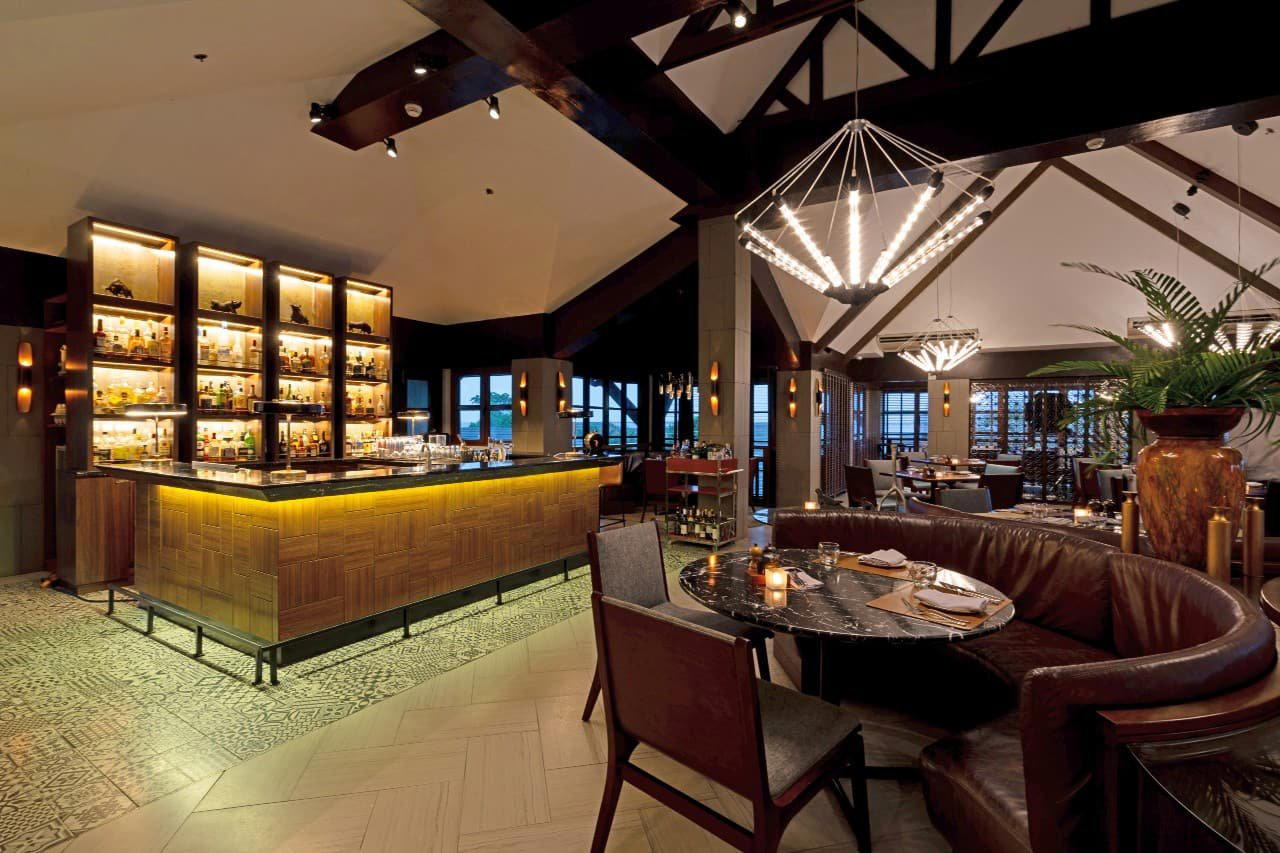
Bars in Lapu Lapu
Browse all →

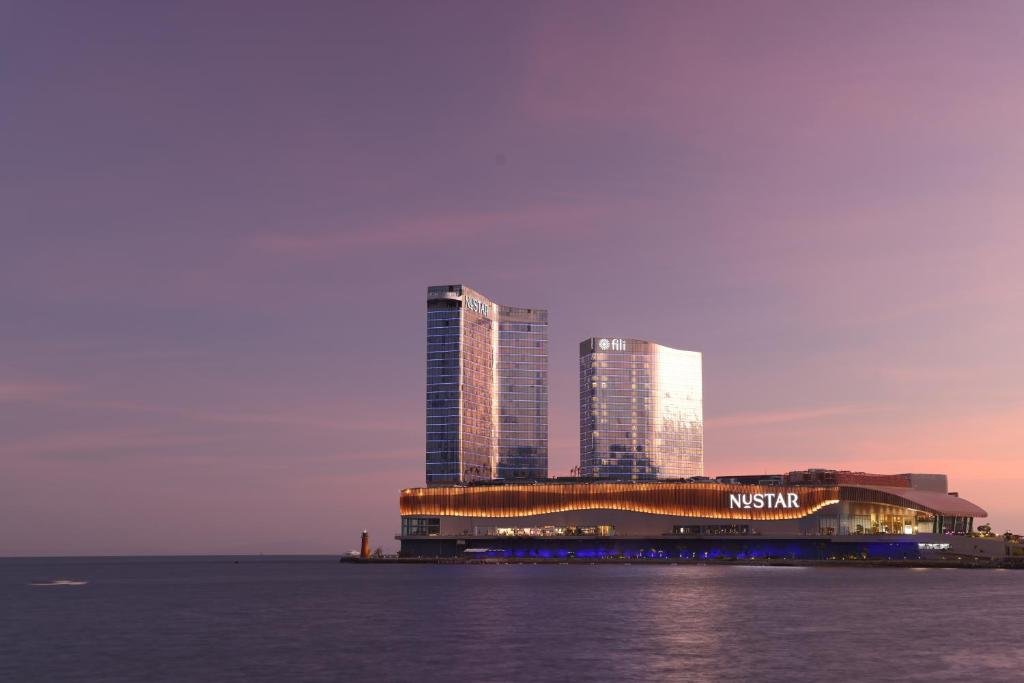
At a Glance
- Lively
- Modern
- Elegant
- Cozy
- Date Night
- Special Occasion
- Family
- Celebration
- Waterfront
- Open Kitchen
- Hotel Restaurant
- Craft Cocktails
- Waterfront
Current opening hours
- Monday
- 12–10 PM
- Tuesday
- 12–10 PM
- Wednesday
- 12–10 PM
- Thursday
- 12–10 PM
- Friday
- 12–10 PM
- Saturday
- 12–10 PM
- Sunday
- 12–10 PM
Hours can change for holidays and private events. Last verified .
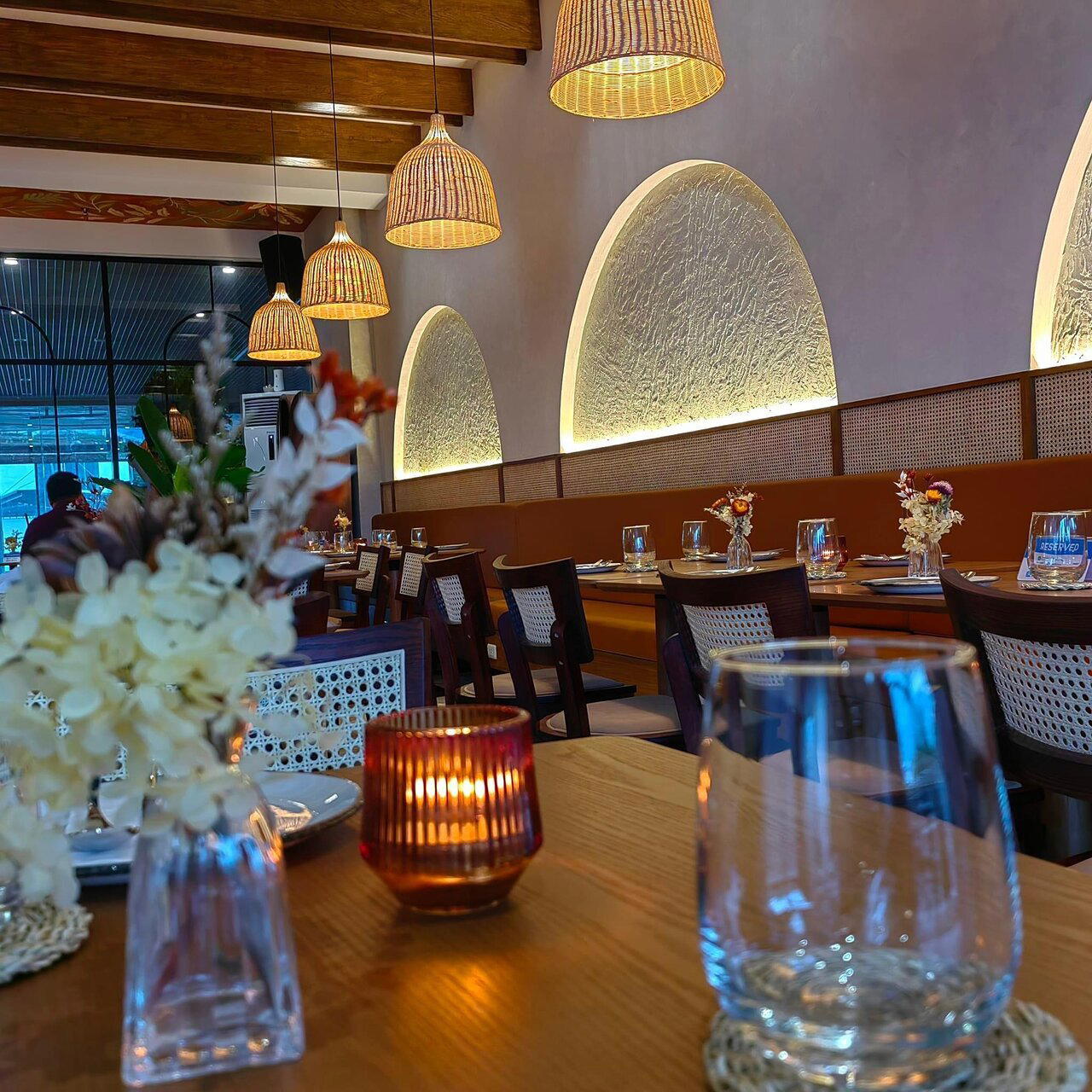
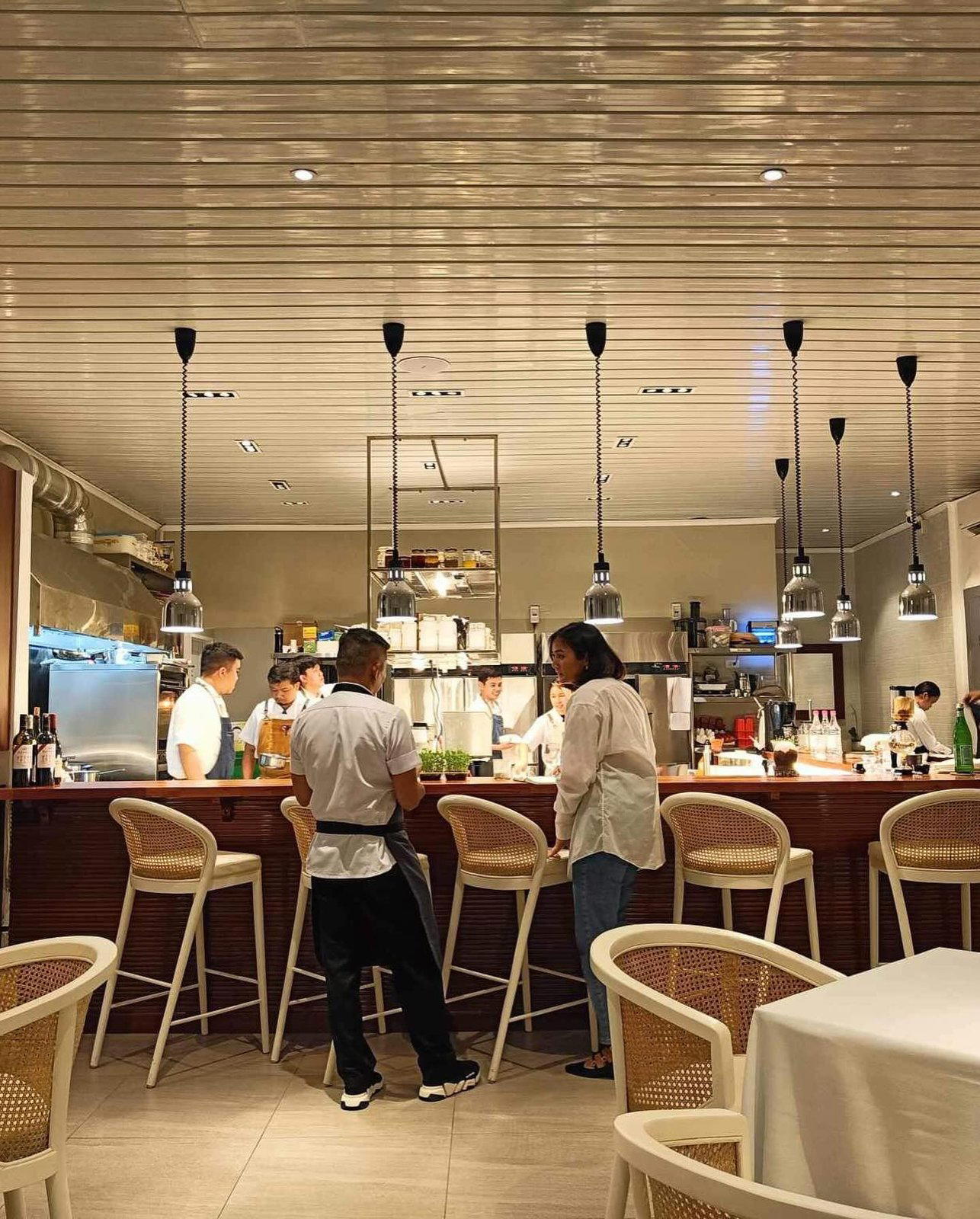
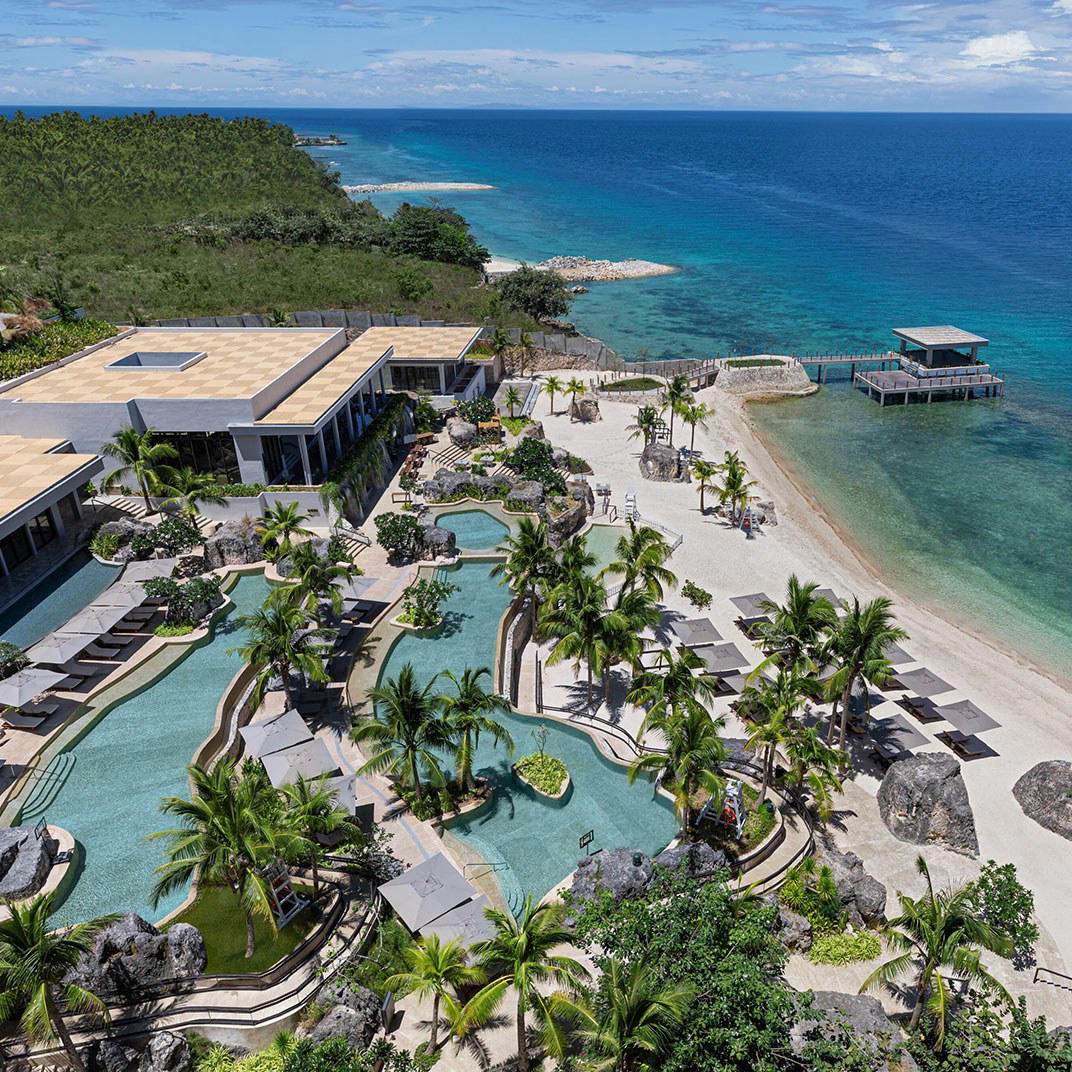
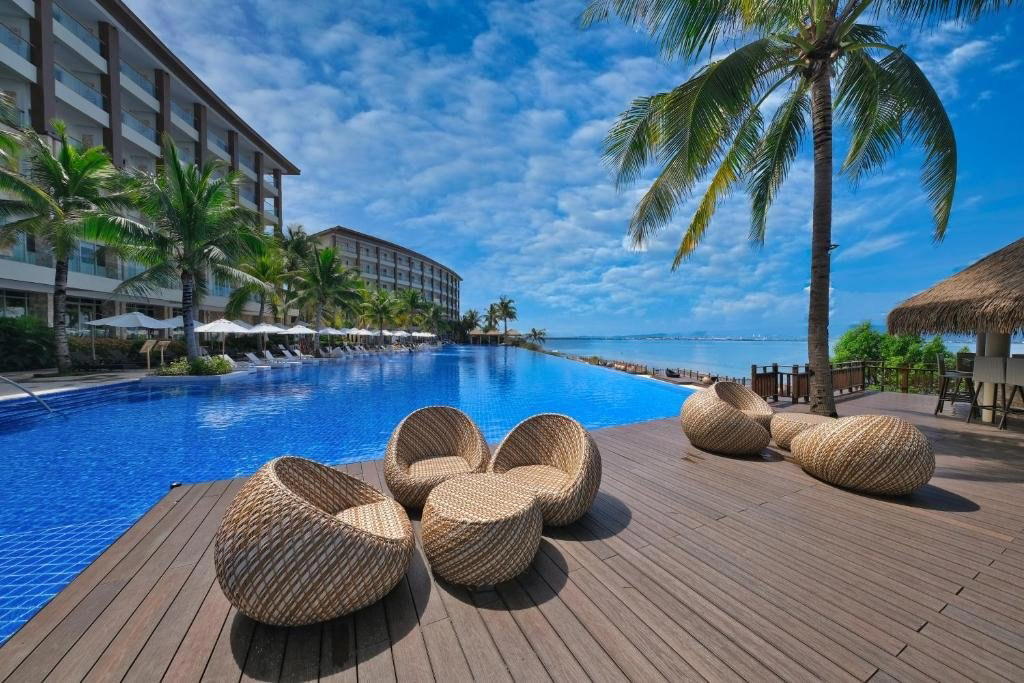
Cozy and inviting with designer interiors blending exotic flair, modern elegance, herringbone parquet, mosaic walls, and rattan chairs.