COCO

On Punta Engaño Road in Lapu-Lapu, COCO occupies one of Mactan Island's more considered dining addresses, where proximity to the Visayas Sea shapes what lands on the plate. The setting frames the food before the first course arrives, and the kitchen draws on the coastal sourcing traditions that define stronger examples from Cebu's ingredient-driven cooking.
Pearl is the En Primeur Club membership app — saves, bookings, and concierge access live there. Same editors, same standards.
- Address
- Punta Engaño Rd, Lapu-Lapu, 6015 Cebu, Philippines
- Phone
- +639321189828
- Website
- pf.kakao.com
- Directions
- Get directions
 Saves & bookings on Pearl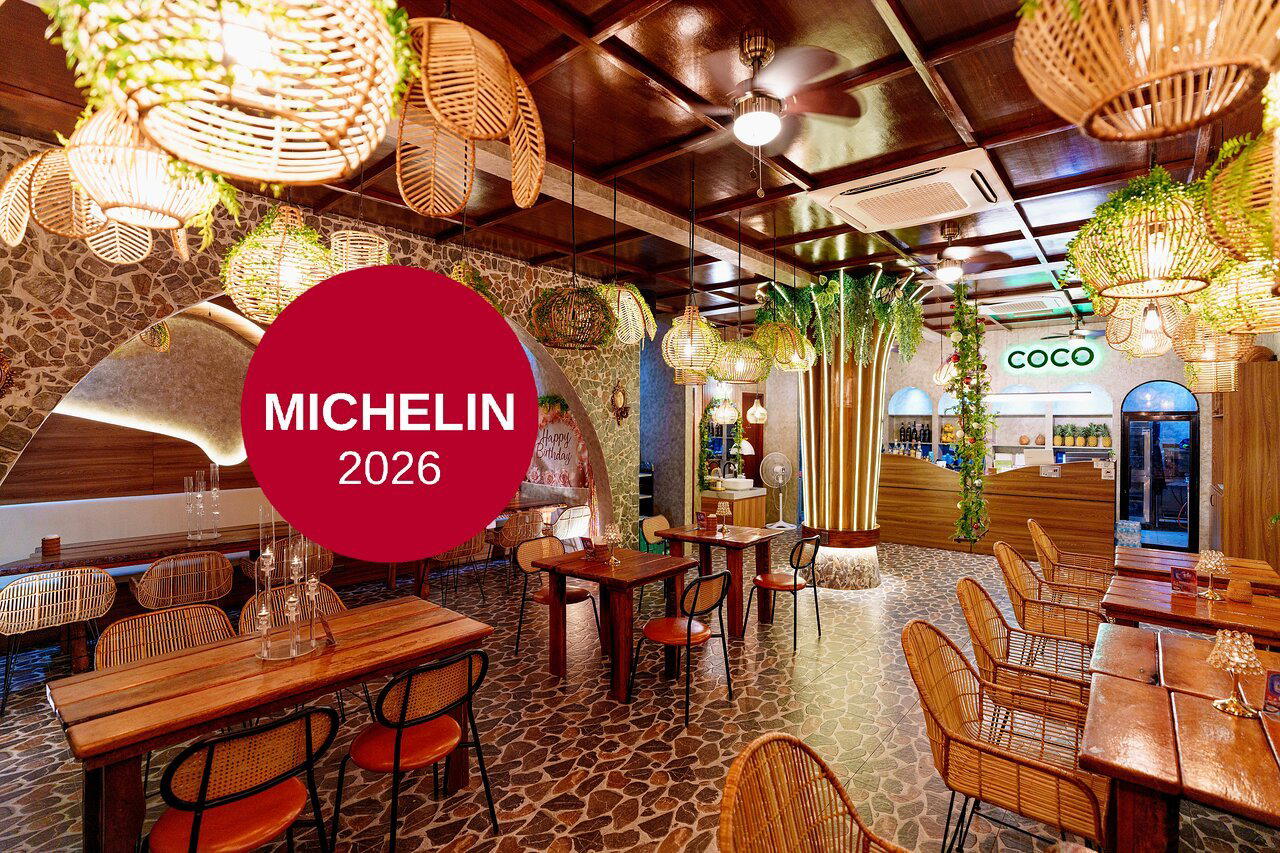
Where the Sea Sets the Menu
Punta Engaño Road runs along the eastern tip of Mactan Island, a strip where resort compounds give way to open water and the horizon flattens out toward the Camotes Sea. Arriving at COCO, the coastal geography is not atmosphere dressing: it is the operational logic behind the kitchen. In Cebu's better restaurants, proximity to fishing grounds is a credential in itself. The island sits at the centre of a Visayan archipelago where morning catches move from boat to market to kitchen within hours, a supply chain that larger city restaurants in Metro Manila spend considerable effort trying to replicate. Here, it is simply the condition of being on Mactan.
That geographic advantage matters most in a dining culture that has spent the last decade clarifying what Filipino coastal cooking can look like at a more considered register. The conversation around modern Filipino cuisine has been dominated by Manila references: Toyo Eatery in Manila reframing fermentation and regional produce for a metropolitan audience, or Linamnam in Parañaque building tasting menus around hyper-local sourcing. Cebu's contribution to that conversation is less theorised and more direct: the ingredients are close, the traditions are intact, and the leading kitchens here work with rather than around the island's fishing and farming economy.
The Sourcing Logic of the Visayas
Understanding what makes Mactan a credible address for ingredient-driven cooking requires understanding the Visayas supply structure. The central Philippine islands sustain a year-round diversity of reef fish, pelagic species, and shellfish that few coastal regions in Southeast Asia can match in density and variety. Lapu-Lapu City, named after the chieftain who fought Magellan in 1521 on this same coastline, sits within fishing grounds that have supplied Cebuano kitchens for centuries. The city's markets, particularly the wet markets feeding restaurant kitchens rather than tourist stalls, move product that in Tokyo or Copenhagen would appear on a premium tasting menu as a sourcing achievement. Here it is quotidian.
Restaurants on this end of the island work within that context whether they acknowledge it explicitly or not. The better ones build menus around what the morning delivers rather than printing fixed dishes that require importation or substitution. That discipline produces cooking that reads differently from the Spanish-inflected grill tradition, exemplified by places like Asador Alfonso in Cavite, or the continental-Filipino hybrid dining found further afield. Mactan's coastal kitchens occupy a narrower and more specific register.
Cebu itself has developed a distinct culinary identity within the Philippine canon, most visible in its lechon tradition, which differs from Luzon preparations in seasoning and technique. Zubuchon in Cebu City and Cebu's Original Lechon Belly in Mandaue anchor that land-based tradition. What distinguishes the Mactan end of the island is the primacy of seafood and the proximity of the sea as both resource and setting.
A Dining Scene Still Finding Its Vocabulary
Lapu-Lapu's restaurant scene occupies a different position from Cebu City's, which has more institutional depth and a longer track record of attracting trained kitchen talent. Mactan's dining addresses have historically served the resort corridor's international guests, a demand pattern that has pushed many kitchens toward safe, broad menus rather than specific, rooted ones. The more interesting recent shift is toward restaurants that treat the island's sourcing advantages as a programme rather than a backdrop.
That shift mirrors what has happened in other Philippine provincial cities with strong local food cultures: the gap between market-level product quality and restaurant-level ambition has narrowed. Lantaw in Compostela, Cebu, has demonstrated that there is appetite for setting-led, locally sourced dining experiences outside the city centre. On Mactan itself, restaurants like Dip point toward a maturing local dining culture that extends beyond resort dining rooms.
For comparative context at the sharper end of the Philippine fine dining spectrum, places like Celera in Makati and Terraza Martinez in Taguig demonstrate how sourcing specificity and regional ingredient focus have become the defining markers of credibility in modern Filipino restaurants. The techniques and plating references at those Manila addresses draw from the same global influences as Le Bernardin in New York City or Lazy Bear in San Francisco, but the ingredient argument is always local. Cebu's better kitchens make the same argument with shorter supply chains.
Planning a Visit to COCO
COCO sits on Punta Engaño Rd, Lapu-Lapu, 6015 Cebu, Philippines, on Mactan's resort corridor near the Mactan-Cebu International Airport. That airport proximity makes Mactan a logical first or last stop on a Cebu itinerary, and the cluster of dining options along Punta Engaño means a meal here can anchor an evening without requiring a trip into Cebu City.
Visitors building a wider Philippine dining itinerary should note that the regional contrasts are substantive. The Cebu-Visayas approach to seafood and pork differs from the refined tasting-menu tradition at places like Antonio's Restaurant in Tagaytay or the community-facing curiosity of Honesty Coffee Shop in Ivana. Understanding those differences is part of reading the Philippine dining scene with any accuracy. Mactan's contribution is specific: coastal ingredients, compressed supply chains, and a setting where the sea is a visible fact rather than a branding choice.
Comparable Spots, Quickly
Comparable venues nearby, for context on price, style, and recognition.
| Venue | Cuisine | Price | Notes |
|---|---|---|---|
| COCOThis venue — the venue you are viewing | Filipino-Thai Fusion Grill | $$ | Not listed |
| Dip | Nikkei Peruvian-Japanese Fusion | $$$$ | Punta Engaño |
| Rico's Lechon | Authentic Cebuano Lechon | $$ | Lapu Lapu City |
| Zubuchon | Cebu Lechon | $$ | Cebu City |
| Watami Japanese Casual Dining | Japanese Casual Dining | $$ | Ayala Center |
| Casa Italianos | Northern Italian-Filipino Fusion | $$ | Salcedo Village |
Recognition history
Dated appearances from independent guides and award organizations, with the underlying list record or original source where available.
Michelin Plate
Michelin
Continue exploring
More in Lapu Lapu
Restaurants in Lapu Lapu
Browse all →
Bars in Lapu Lapu
Browse all →

At a Glance
- Cozy
- Rustic
- Family
- Group Dining
- Casual Hangout
- Celebration
- Date Night
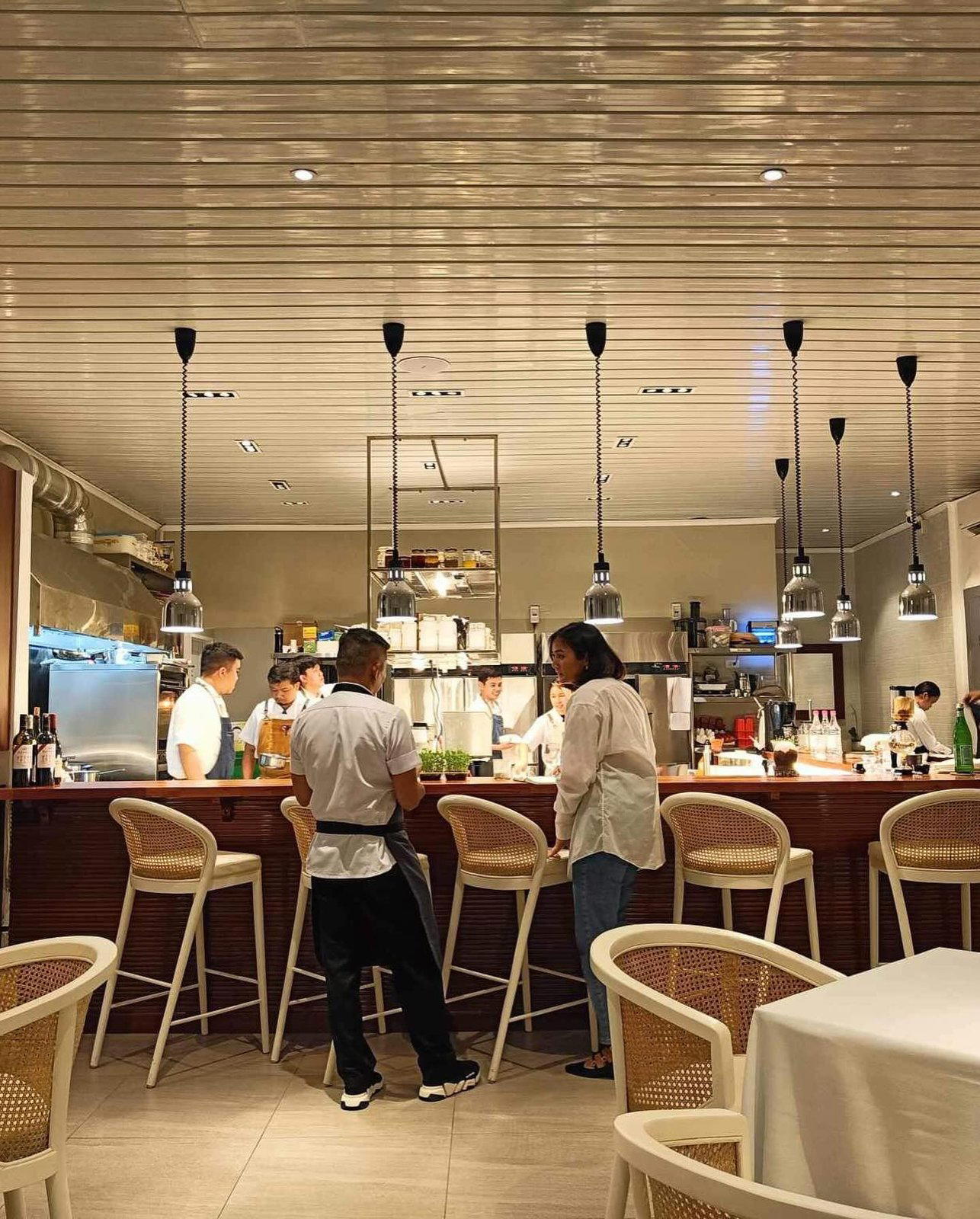
- Open Kitchen
- Standalone
- Beer Program
- Byob
- Local Sourcing
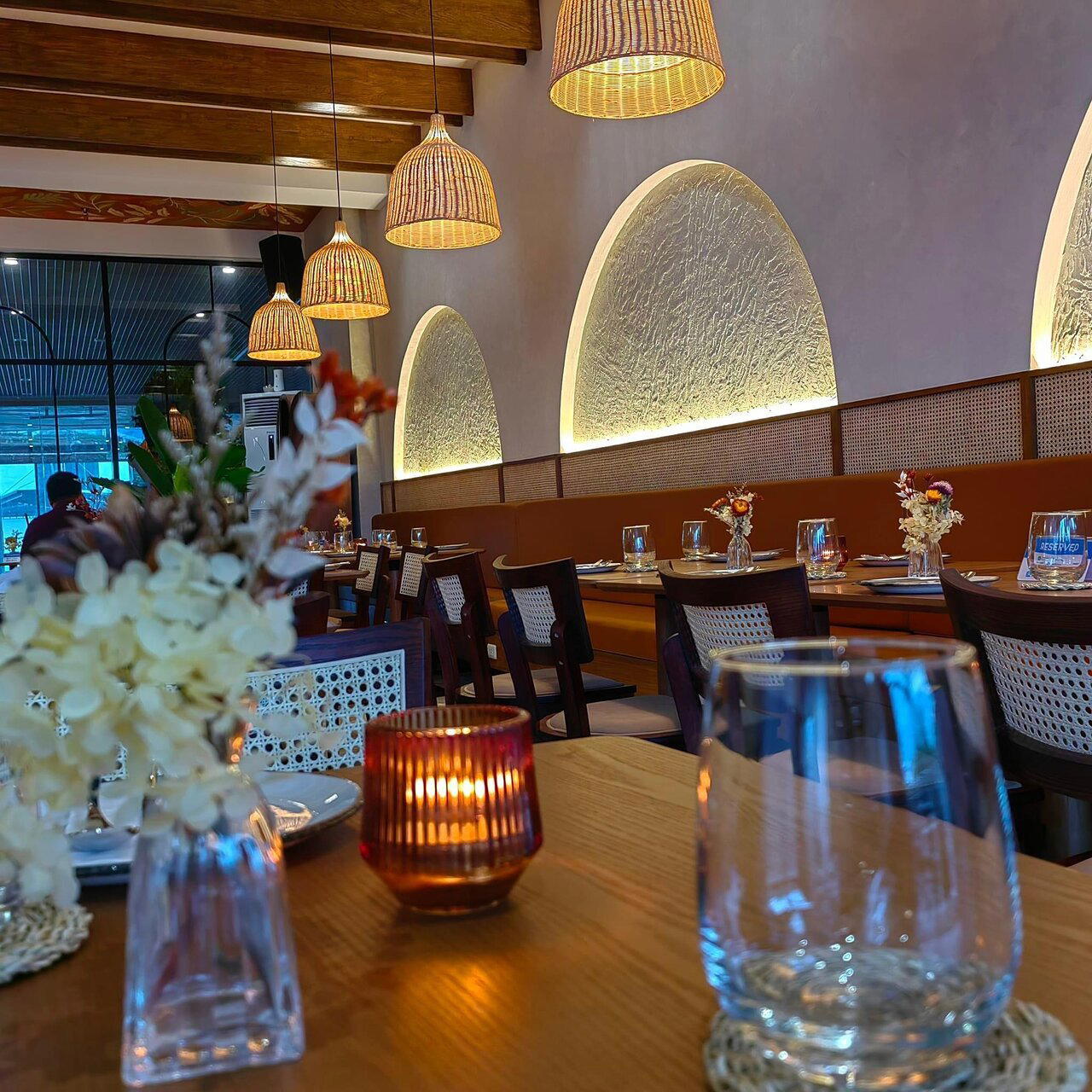
Tropical and relaxed with rustic bamboo decor, stone-accented walls, and warm island vibes; cozy and welcoming with attention to detail in presentation and lighting.