
Makino belongs to Osaka’s serious soba tier rather than the city’s snack-driven shorthand. Its Tabelog 100 Soba WEST 2025 selection, compact 16-seat format, and soba-izakaya structure make it useful for diners who want buckwheat noodles, tempura, sake, and shochu in a single tightly edited meal.
Pearl is the En Primeur Club membership app — saves, bookings, and concierge access live there. Same editors, same standards.
- Address
- Japan, 〒553-0003 Osaka, Fukushima Ward, Fukushima, 6 Chome−11−13 シャトー 西梅田
- Phone
- +81 6-6453-2828
- Website
- facebook.com
 Saves & bookings on Pearl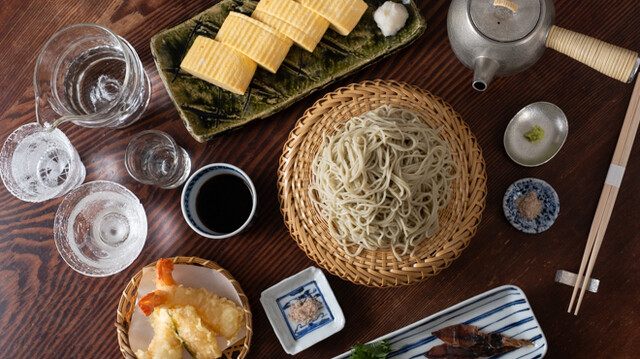
Fukushima’s restaurant streets sit close enough to Umeda to feel central, but the mood shifts once office towers give way to smaller dining rooms, counter seats, and places built for repeat local use. Here, soba plays a quieter role than Osaka’s louder flour-based staples: rhythmic, sequenced, and defined by a drink, small plate, tempura, noodles, then a clean finish.
Makino fits that Osaka pattern with unusual discipline. Its categories tell the story: soba, izakaya, tempura, with sake and shochu treated as part of the meal, not an afterthought. A quick lunch soba shop serves one purpose; a soba-izakaya gives the evening another shape, closer to a compact drinking meal that ends with noodles.
Soba as the spine, izakaya as the rhythm
Osaka is often read through takoyaki, okonomiyaki, kushikatsu, and counter dining, but its sharper restaurant culture is not only about abundance. The city rewards formats that know their limits. At Makino, the identity is narrow and legible: buckwheat noodles form the spine, tempura adds heat and texture, and the izakaya side leaves room for sake or shochu before the final bowl or plate of soba.
That structure places Makino above a commuter noodle stop. The Tabelog 100 Soba WEST 2025 selection is the trust signal, but the format says more. Sixteen seats, including a four-seat counter and three four-seat tables, create a room where pacing matters. It is neither banquet restaurant nor high-theatre tasting counter; it belongs to the small Osaka genre where pleasure comes from ordering with restraint and letting the meal build in short movements.
The price band reinforces that dual personality. Lunch sits at JPY 1,000 to JPY 1,999, while dinner is listed at JPY 5,000 to JPY 5,999, with review-based dinner spending also shown higher at JPY 8,000 to JPY 9,999. At midday, soba remains direct and efficient. At night, the same foundation becomes a drinking meal, especially with tempura and Japanese spirits.
Compared with Osaka peers in more expansive formats, the appeal is not luxury signalling. Izakaya Tokitame works from the broader izakaya tradition, while Michino Le Tourbillon sits on the French side of the city’s dining map. Makino takes a narrower lane: regional soba recognition, small-room control, and a menu using tempura and alcohol to widen the experience without turning it into a sprawling multi-course production.
What the recognition says about the room
Tabelog’s Soba WEST list matters because soba prestige often gathers around small, highly specific restaurants. Selection in 2025, with earlier selections listed for 2024, 2022, and 2021, signals consistency rather than a single publicity spike. The posted Tabelog score of 3.74 also places it in a serious local conversation, especially in a category where repeat diners and small differences in noodle handling matter more than décor or spectacle.
The listed categories explain why it suits some itineraries better than others. Diners seeking a long chef-led tasting menu should look elsewhere; the point is not an extended narrative arc. The stronger use case is a compact Osaka meal anchored by soba, with enough izakaya structure to make dinner feel complete. Tempura gives the menu its second axis, while sake and shochu make the format work for a slower evening rather than a quick noodle stop.
Family-friendliness is defined with local precision: school-age children are welcome, while preschool children are not admitted. That policy is less about stiffness than room size and tempo. In a 16-seat restaurant, the difference between a calm noodle-and-drink meal and a disrupted one affects every table.
Payment and access details also point to traditional small-restaurant habits. Credit cards and electronic money are not accepted, while PayPay is listed. Private rooms are unavailable, counter seating is part of the room, and private use is possible. These details set expectations before arrival: a compact soba restaurant with izakaya habits, not a hotel dining room with broad payment infrastructure and flexible seating categories.
How to place it in an Osaka food itinerary
For travellers building a food day in Osaka, Makino works better as a focused anchor than a casual add-on. Fukushima is practical for visitors moving around Umeda and the JR Osaka area, and its strength lies in small restaurants rather than landmark dining rooms. The neighbourhood rewards diners who choose one format and commit: soba here, yakitori elsewhere, wine bar after, rather than compressing the city into one sitting.
The reservation structure makes the split personality clear. Lunch is not available for reservation, while dinner reservations are available only for the early evening window, with a one-drink-per-person minimum. That is not incidental; it shows how the restaurant wants dinner to function. The evening format is not just noodles, but soba framed by drinking and small plates.
Readers comparing Osaka options should use Makino as a category marker. For broader city planning, see Our full Osaka restaurants guide, then branch outward through Our full Osaka bars guide, Our full Osaka hotels guide, Our full Osaka wineries guide, and Our full Osaka experiences guide. Within the restaurant map, the city’s range runs from casual and bakery-led stops such as.cafe and 52CHO-ME BAKERY to popular Osaka staples like 551 Horai (551蓬莱), Italian addresses such as 99 Pizza Napoletana Gourmet and a canto (Italian), and more specialized Japanese choices across the country including -Grilled beef Sukiyaki- KAMAKURA TANUKIAN 鎌倉 たぬき庵 in Kamakura. 鮪と炭火焼き うお炭 秋葉原店 in Tokyo.know in Kumamoto, (Shoku) Vietnam in Kawasaki, [Curry Senmon Ten] Maruyama Kyoju. in Sapporo, and [ki:] in Kyoto. For Japanese drinking culture abroad, Jōdo Saké Bar in Los Angeles and Onigiri Time in Pasadena sit in a different travel context but speak to the same interest in focused Japanese formats.
The editorial case is simple: choose Makino when soba is the point, not a side order. Its recognition, size, and menu structure make it one of the more precise ways to read Osaka beyond the city’s louder food clichés.
Side-by-Side Snapshot
Comparable venues side-by-side for orientation.
| Venue | Cuisine | Price | Notes |
|---|---|---|---|
| MakinoThis venue — the venue you are viewing | Soba noodle shop | $$ | Not listed |
| Okonomi Tamachan Viva | Okonomiyaki, Teppanyaki & Korean Izakaya | $$ | Nishi |
| Restaurant Genchan | Japanese-Style Western (Yoshoku) Restaurant | $$ | Chūō |
| Shibaken | Premium branded-pork tonkatsu & curry | $$ | Miyakojima |
| Awagen | Japanese Confectionery | $$ | Sumiyoshi |
| Yuiga Dokuson | Japanese Curry & Cafe | $$ | Kishiwada |
Recognition history
Dated appearances from independent guides and award organizations, with the underlying list record or original source where available.
Tabelog 100 #93 · No. 93
Tabelog · Tabelog 100 - Soba - WEST - 2025
Continue exploring
More in Osaka
Restaurants in Osaka
Browse all →




Bars in Osaka
Browse all →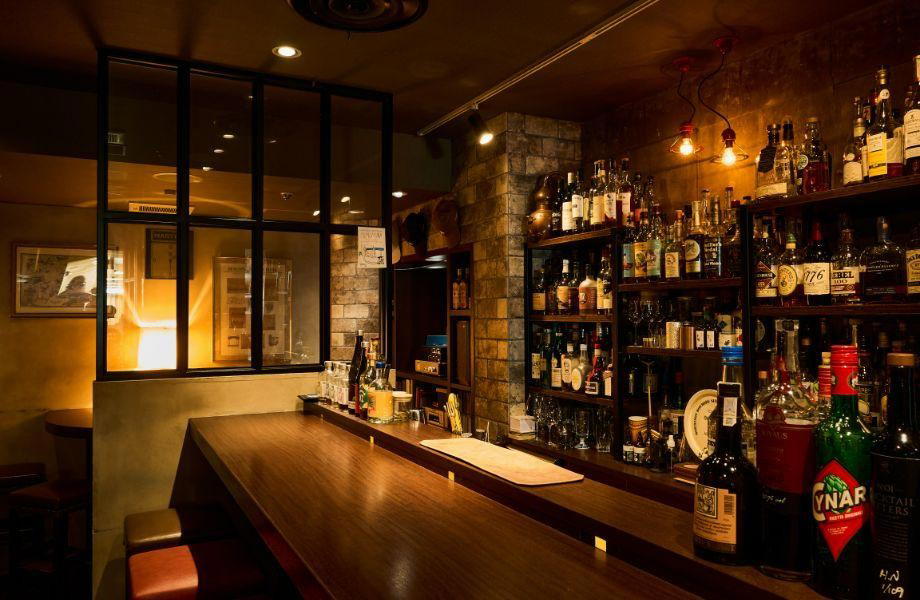
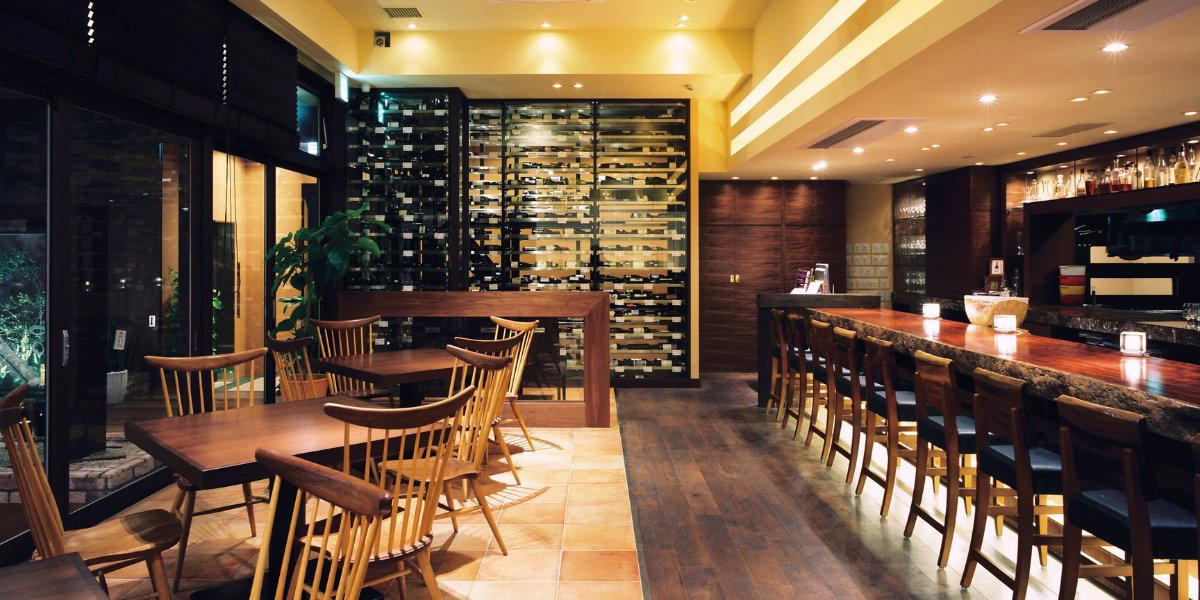

Hotels in Osaka
Browse all →



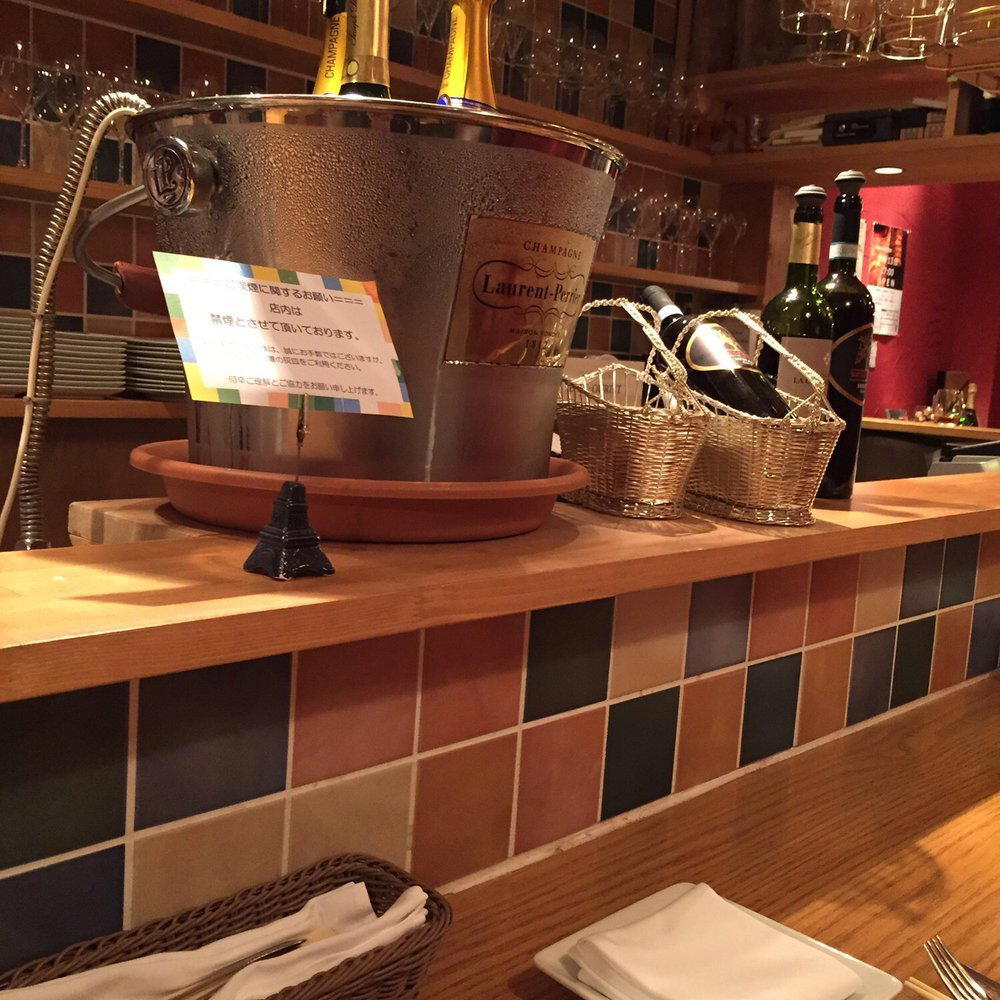
Wineries in Osaka
Browse all →
At a Glance
- Standalone
Current opening hours
- Monday
- 11:30 AM–1:45 PM, 6–9 PM
- Tuesday
- 11:30 AM–1:45 PM, 6–9 PM
- Wednesday
- Closed
- Thursday
- 11:30 AM–1:45 PM, 6–9 PM
- Friday
- 11:30 AM–1:45 PM, 6–9 PM
- Saturday
- 11:30 AM–2 PM
- Sunday
- 11:30 AM–2 PM
Hours can change for holidays and private events. Last verified .