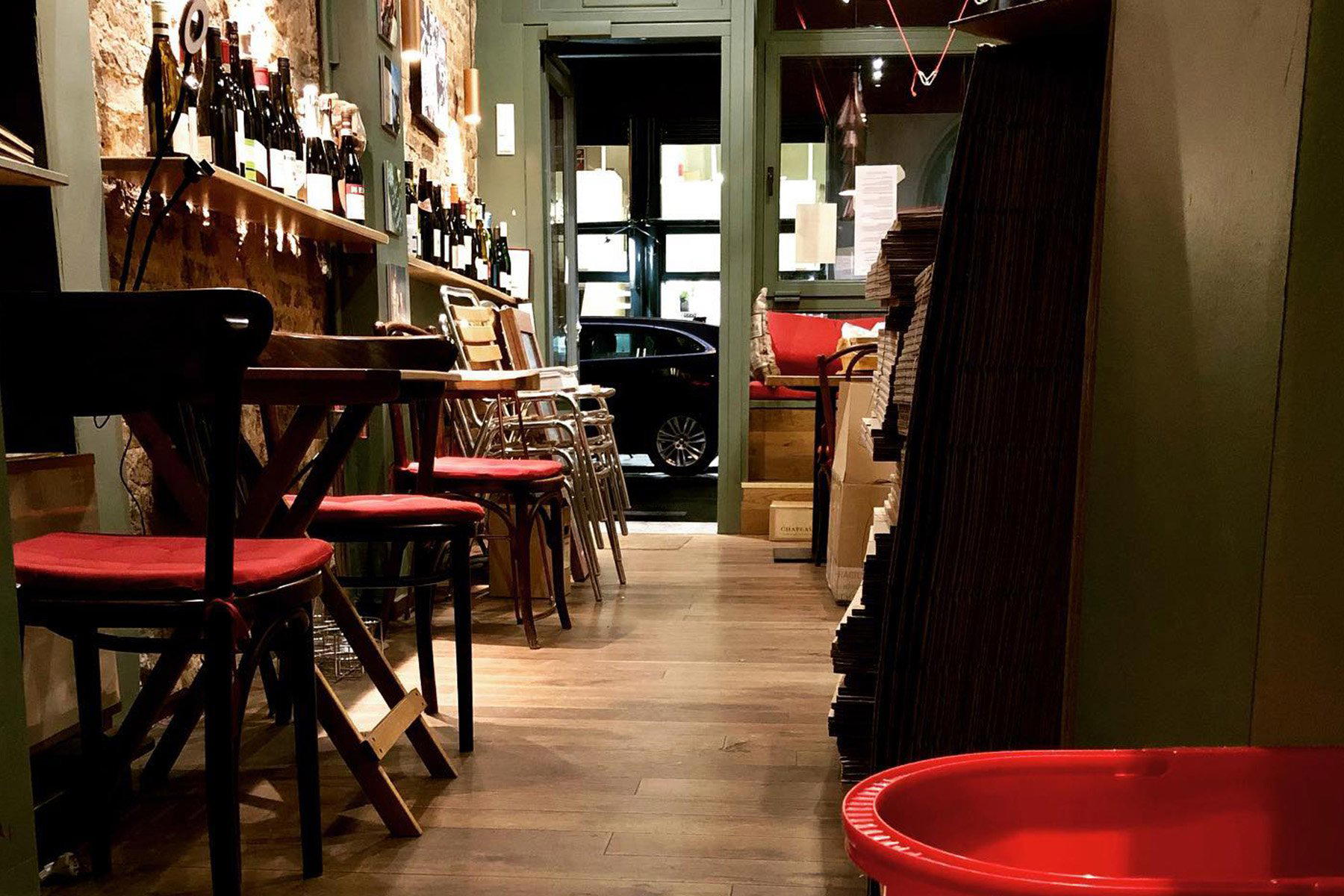
Deli Sülz occupies a residential stretch of Berrenrather Strasse in Cologne's Sülz district, where the neighbourhood's unhurried character sets the tone before you cross the threshold. The format sits closer to a well-stocked neighbourhood deli than a formal dining room, making it a reference point for Cologne residents who want considered food without the ceremony of the city's fine-dining corridor.
Pearl is the En Primeur Club membership app — saves, bookings, and concierge access live there. Same editors, same standards.
- Address
- Berrenrather Str. 221, 50937 Köln, Germany
- Phone
- +491635566602
- Website
- deli-suelz.de
- Directions
- Get directions
 Saves & bookings on Pearl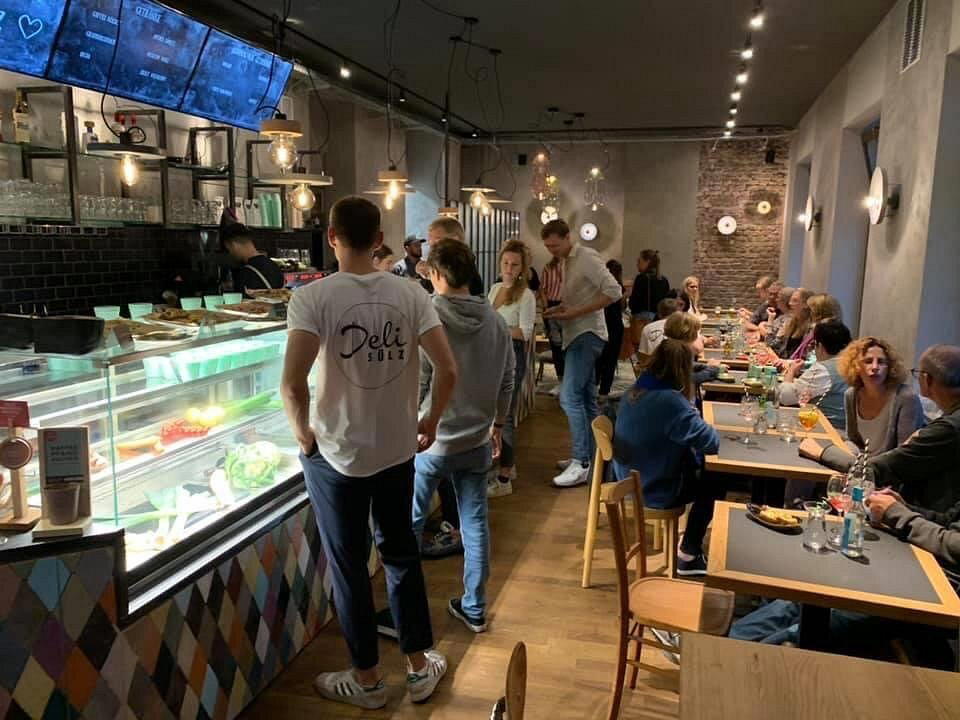
A Residential Quarter With Its Own Food Logic
Deli Sülz is a Mediterranean Deli in Köln, Germany, at Berrenrather Str. Cologne's dining conversation tends to anchor itself in the inner city, where Ox & Klee and La Cuisine Rademacher occupy the formal, tasting-menu tier, and where La Société and maiBeck have built loyal followings on modern European cooking with a Rhineland grounding. Sülz sits apart from that corridor. The neighbourhood runs along the western side of the city, populated by academics, families, and a demographic that treats eating well as routine rather than occasion. Berrenrather Strasse 221 is that kind of address: a location that serves a community rather than a destination diner arriving by taxi from the Altstadt.
That spatial context matters when reading what Deli Sülz does. Neighbourhood delis operating at a thoughtful level in German cities occupy a distinct position in the food ecosystem. They are not casual by laziness; they are informal by design, with product sourcing and selection doing the work that plating and tableside theatre do in higher-ceremony rooms. The quality of what sits on the shelf or behind the counter is the signal. Everything else follows from that.
The Curation Logic of a Serious Deli Counter
Germany's deli culture has historically leaned on charcuterie depth, dairy variety, and bread provenance as its primary measures. The better operators in cities like Cologne, Hamburg, and Munich have expanded that framework over the past decade to include wine, importing the logic of a wine merchant into the deli format. The result is a hybrid that European food retail has practised longer than German establishments have: a space where you can pick up a bottle chosen with actual editorial intent alongside the ingredients or prepared foods that will accompany it.
That pairing logic, when done well, shifts a deli from a convenience stop to something closer to an editorial statement about how people should eat at home. The wine is not decorative. The selection reflects choices made about producer, region, and style, and those choices implicitly frame everything else on offer. At the more considered end of the German deli format, the cellar or wine shelf functions the way a sommelier's list does in a restaurant: as a declaration of values. It tells you whether the operator thinks in terms of appellation prestige or producer philosophy, volume labels or grower wines, conventional distribution or the kind of small-production bottles that require genuine sourcing relationships to find consistently.
Across Germany's restaurant tier, wine programs have become increasingly sophisticated. Houses like Vendôme in Bergisch Gladbach and Waldhotel Sonnora in Dreis maintain cellars with the kind of depth and vertical range that define Germany's serious dining rooms. Schwarzwaldstube in Baiersbronn and Aqua in Wolfsburg operate at a similar level of wine seriousness within tasting-menu formats. The retail and deli tier does not compete with those lists in depth, but the logic of thoughtful curation over volume selection has migrated down the formality scale, and that migration has changed what a neighbourhood deli can signify.
Sülz and the Neighbourhood Eating Pattern
Köln-Sülz has developed a food and drink identity that rewards local knowledge more than guidebook coverage. The district supports independent cafes, small wine bars, and food shops that survive on repeat custom rather than tourist traffic. That commercial ecology tends to produce operators who know their customer with some precision, which in turn produces more considered buying decisions. A wine selection assembled for a customer base that cooks seriously and drinks regularly at home will look different from one assembled for visitors seeking a recognisable label.
For visitors to Cologne who want to understand the city's food culture at street level rather than through its formal dining rooms, the Sülz neighbourhood offers a different kind of evidence. Le Moissonnier Bistro represents the kind of French-influenced, neighbourhood-anchored cooking that has become part of Cologne's culinary character. The deli format at this address sits in a related but distinct register: less about cooking technique, more about product knowledge and the quality of what you bring home.
Placing Deli Sülz in the Broader German Context
Germany's food retail sector has seen genuine evolution at the independent level over the past decade. Cities with strong culinary identities have produced delis, cheese shops, and wine merchants that operate with the sourcing rigour previously associated only with restaurant kitchens. In Berlin, CODA Dessert Dining represents how far the city has pushed format experimentation at the restaurant level; the retail tier has moved in parallel, though less visibly. Munich's food market culture, supported by operators like JAN at the restaurant end, has influenced the expectations customers bring to independent food retail across the country.
The deli format as practised by serious operators in German cities is partly a product of that raised expectation. Customers who eat at ES:SENZ in Grassau or Schanz in Piesport on special occasions are the same customers buying wine and prepared food for a weeknight dinner. Their reference points are high, and operators who serve them have had to respond. International comparisons are useful here: the product-led ethos of a place like Le Bernardin in New York City or the sourcing discipline visible at Lazy Bear in San Francisco at the restaurant level has an analogue in how Germany's better independent retailers approach their shelves. And at Victor's Fine Dining by Christian Bau in Perl, the wine program exemplifies the depth that defines Germany's most serious dining houses, a standard that informs what attentive consumers expect even in retail contexts.
Getting There and What to Expect
Berrenrather Strasse 221 is accessible by tram from central Cologne, with the Sülz neighbourhood sitting roughly four kilometres southwest of the Altstadt. The format is retail rather than sit-down dining, which means visits are self-directed and do not require advance booking in the way Cologne's tasting-menu rooms do.
Visiting during weekday mornings tends to allow more time with whoever is working behind the counter, which matters in a format where conversation about the selection is part of the value. Weekend trade in Sülz picks up significantly, reflecting the neighbourhood's family character and the pattern of residents provisioning for the week ahead.
Credentials Lens
Comparable venues nearby, for context on price, style, and recognition.
| Venue | Cuisine | Price | Notes |
|---|---|---|---|
| Deli SülzThis venue — the venue you are viewing | Mediterranean Deli | $$ | Not listed |
| Brot, Wein, Fisch und.. | Mediterranean Seafood | $$ | Ehrenfeld |
| Mashery | Modern Levantine Hummus Kitchen | $$ | Neustadt/Süd |
| Made in Napoli | Authentic Neapolitan Pizza | $$ | Neuehrenfeld |
| Café Schmitz | Traditional German Café | $$ | Neustadt/Nord |
| Grabz | Smashburgers | $$ | Neustadt/Nord |
Continue exploring
More in Cologne
Restaurants in Cologne
Browse all →
Bars in Cologne
Browse all →
Hotels in Cologne
Browse all →



At a Glance
- Trendy
- Modern
- Cozy
- Lively
- Brunch
- Casual Hangout
- After Work
- Group Dining
- Terrace
- Beer Program
- Farm To Table
- Local Sourcing
- Sustainable
Current opening hours
- Monday
- 12–11 PM
- Tuesday
- 9 AM–11 PM
- Wednesday
- 9 AM–11 PM
- Thursday
- 9 AM–11 PM
- Friday
- 9 AM–12 AM
- Saturday
- 9 AM–12 AM
- Sunday
- 9 AM–11 PM
Hours can change for holidays and private events. Last verified .