Celestine
Celestine at 1 John St in Brooklyn's DUMBO neighbourhood positions itself within New York's growing tier of destination restaurants that sit outside Manhattan's traditional fine-dining corridor. The menu architecture and waterfront address place it alongside a cohort of Brooklyn venues that draw serious diners across the bridge, competing on food and atmosphere rather than conventional prestige signals.
Pearl is the En Primeur Club membership app — saves, bookings, and concierge access live there. Same editors, same standards.
- Address
- 1 John St, Brooklyn, NY 11201
- Phone
- +17185225356
- Website
- celestinebk.com
- Directions
- Get directions
 Saves & bookings on Pearl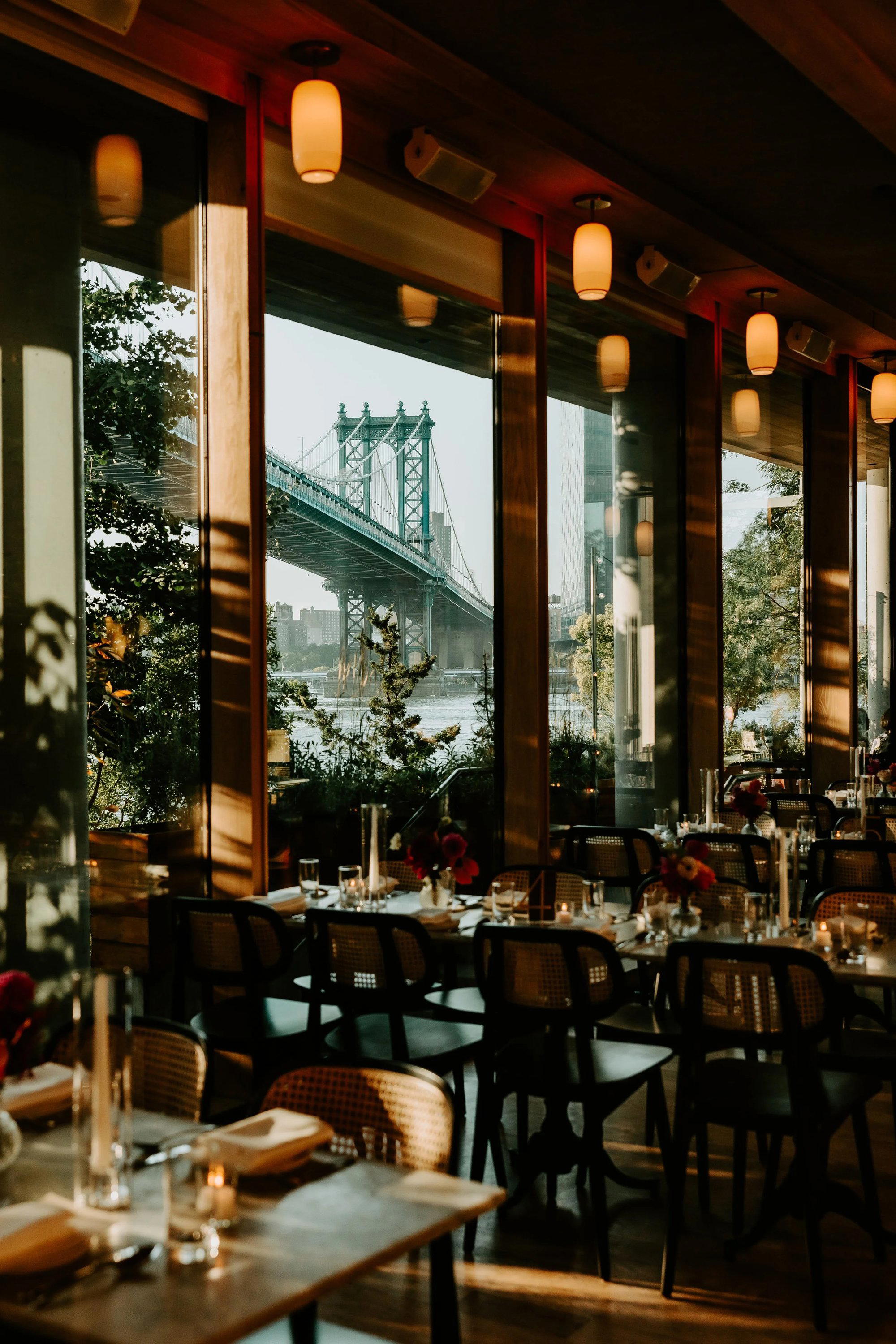
DUMBO and the Brooklyn Fine-Dining Shift
For most of the past two decades, New York's serious restaurant conversation began and ended in Manhattan. The zip codes that housed Le Bernardin, Per Se, and Eleven Madison Park defined where ambition was expected to land. That geography has been shifting. A tier of Brooklyn restaurants has emerged that competes not by mimicking midtown's format but by building an alternative rationale: neighbourhood character, waterfront settings, and menu programs designed for guests who are actively choosing to cross the bridge. Celestine at 1 John St sits inside that shift, occupying a DUMBO address that places it at the intersection of the neighbourhood's industrial heritage and its current status as one of New York's more sought-after dining districts.
DUMBO's dining identity is relatively recent but has consolidated quickly. The combination of converted warehouse spaces, proximity to the Brooklyn Bridge, and a resident base with high disposable income created conditions for restaurants that could operate at a serious price point without the overhead burden of a Manhattan address. Celestine is one of the addresses that has benefited from those conditions, trading on setting and kitchen quality rather than institutional history.
Menu Architecture and What It Signals
The editorial angle on any serious restaurant is often approached through its menu structure rather than its individual dishes. How a kitchen organises its offering, the ratio of small plates to composed mains, the presence or absence of a tasting format, the relationship between the menu's Mediterranean or regional influences and its local sourcing commitments, these choices reveal the restaurant's actual ambitions and its intended guest.
Celestine's positioning at a Brooklyn waterfront address, with a cuisine orientation toward the Mediterranean, places it in a cohort of New York restaurants that have moved away from the classical French tasting-menu format that still defines the leading of Manhattan's offer. At venues like Atomix or Masa, the fixed tasting format is the entire product; the menu has no optionality and the guest surrenders control of pacing and sequence to the kitchen. The Mediterranean-inflected à la carte model, by contrast, invites composition from the guest side. It signals a kitchen confident enough in its individual dishes to let them stand alone, rather than requiring the cumulative logic of a multi-course progression to make the case.
A menu that rewards partial ordering, where a pair of guests sharing four or five dishes across two courses arrives at a different experience than a table of four working through the full range, is inherently more flexible than a tasting format. It also places greater pressure on the consistency of individual components, since no single dish benefits from the momentum built by the courses that preceded it.
Lazy Bear in San Francisco and Smyth in Chicago both built identities around the tasting format's ability to tell a coherent narrative. Blue Hill at Stone Barns in Tarrytown uses its farm connection to give the fixed menu a sourcing logic that justifies its length. Single Thread Farm in Healdsburg takes that further, integrating an inn and on-site cultivation into a format where the menu is inseparable from the place. Celestine's approach belongs to a different register: a Brooklyn destination that competes on the quality of its moment rather than the architecture of a full evening's progression.
The Waterfront Address as Editorial Context
1 John St is specific enough to matter. DUMBO's waterfront strip, with Manhattan Bridge overhead and the East River defining the northern edge, creates a dining environment that few Manhattan addresses can replicate. The setting is not merely decorative; it shapes the rhythm of the meal and the logic of the visit. Guests are not walking in from Midtown on a Tuesday business dinner; they have made a specific decision to come here, which means the room tends to operate at a different energy than the transactional midtown dining rooms that surround Per Se or Le Bernardin.
That intentionality of visit is a structural advantage for restaurants in destination neighbourhoods. The same dynamic operates at Providence in Los Angeles, Addison in San Diego, and The Inn at Little Washington, all of which require a degree of planning that pre-commits the guest to the experience before they arrive. DUMBO functions similarly within the New York context: you do not end up there by accident.
Where Celestine Sits in the New York Dining Picture
New York's restaurant tier structure has never been more legible than it is now. At the apex, the Manhattan tasting-menu format, represented by venues with multiple Michelin stars and booking windows measured in months, operates almost as a separate market from the neighbourhood restaurant tier below it. Between those poles, a middle band of serious but accessible restaurants has grown in both Brooklyn and lower Manhattan, competing on kitchen quality, room design, and neighbourhood identity rather than formal recognition alone.
Celestine occupies that middle band. It is not competing directly with the fixed tasting programs at Eleven Madison Park or the hyper-specialised counter format at Masa. Its comparable set is the cohort of Brooklyn restaurants that have built reputations through critical attention and word of mouth rather than formal award infrastructure. Internationally, the model has analogues in restaurants like Frasca Food and Wine in Boulder or Dal Pescatore in Runate, where place identity and kitchen consistency carry more weight than institutional recognition in defining the restaurant's value proposition.
For visitors to New York building a dining itinerary that spans more than one register, Celestine represents a Brooklyn anchor that complements rather than duplicates the Manhattan options.
Booking and Cost Snapshot
Comparable venues nearby, for context on price, style, and recognition.
| Venue | Price | Notes |
|---|---|---|
| CelestineThis venue — the venue you are viewing | $$$ | Not listed |
| Motek NY | $$$ | Midtown South-Flatiron-Union Square, Modern Mediterranean (Kosher-Style) |
| Florisity | $$$ | Long Island City-Hunters Point, Seasonal Italian-Mediterranean with Botanical Elements |
| Sopra | $$$ | Upper East Side-Carnegie Hill, Mediterranean Tasting Menu |
| Zou Zou's | $$$ | Chelsea-Hudson Yards, Modern Eastern Mediterranean |
| Mezze on the River | $$$ | Financial District-Battery Park City, Modern Mediterranean Seafood |
Continue exploring
More in New York City
Restaurants in New York City
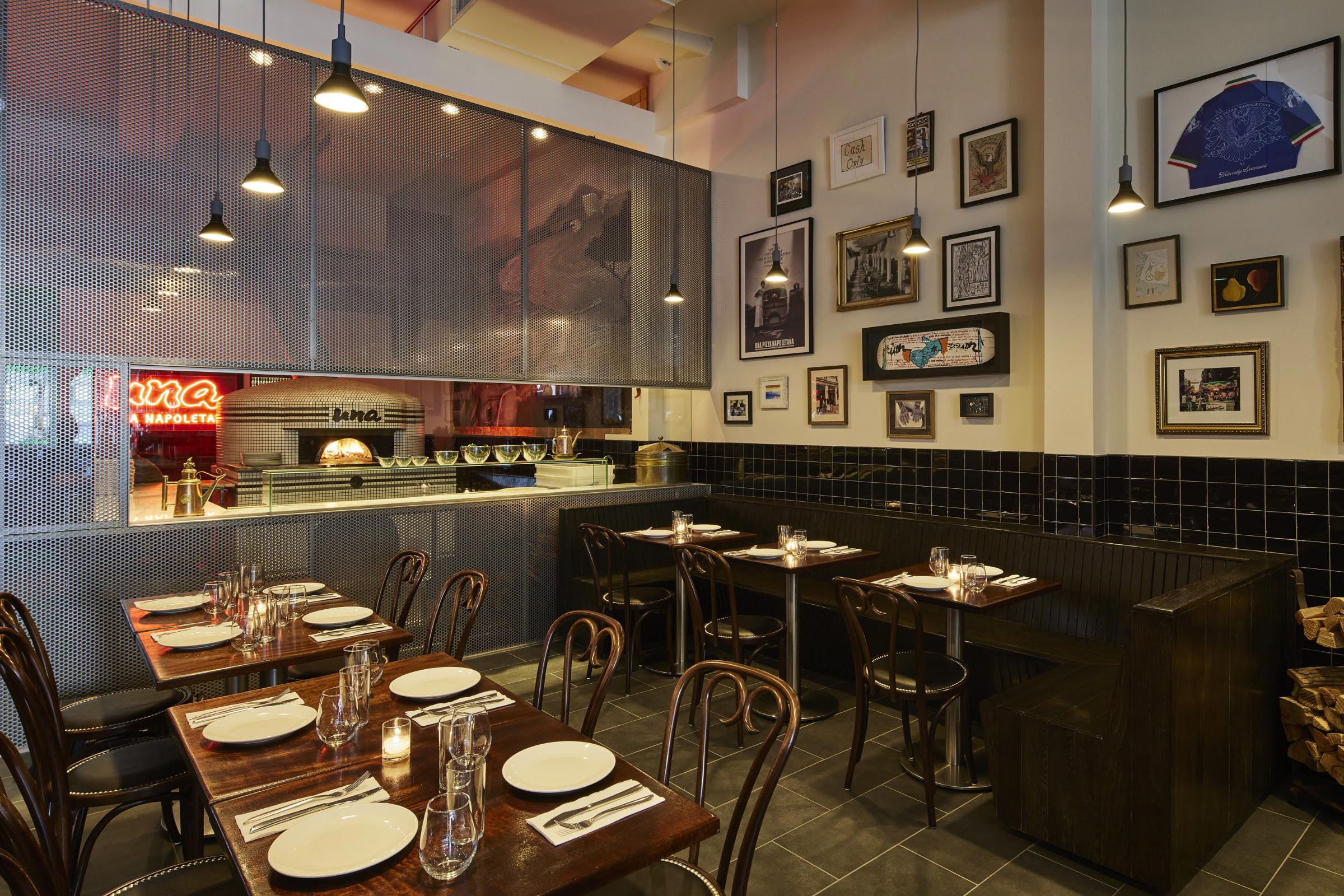
Browse all →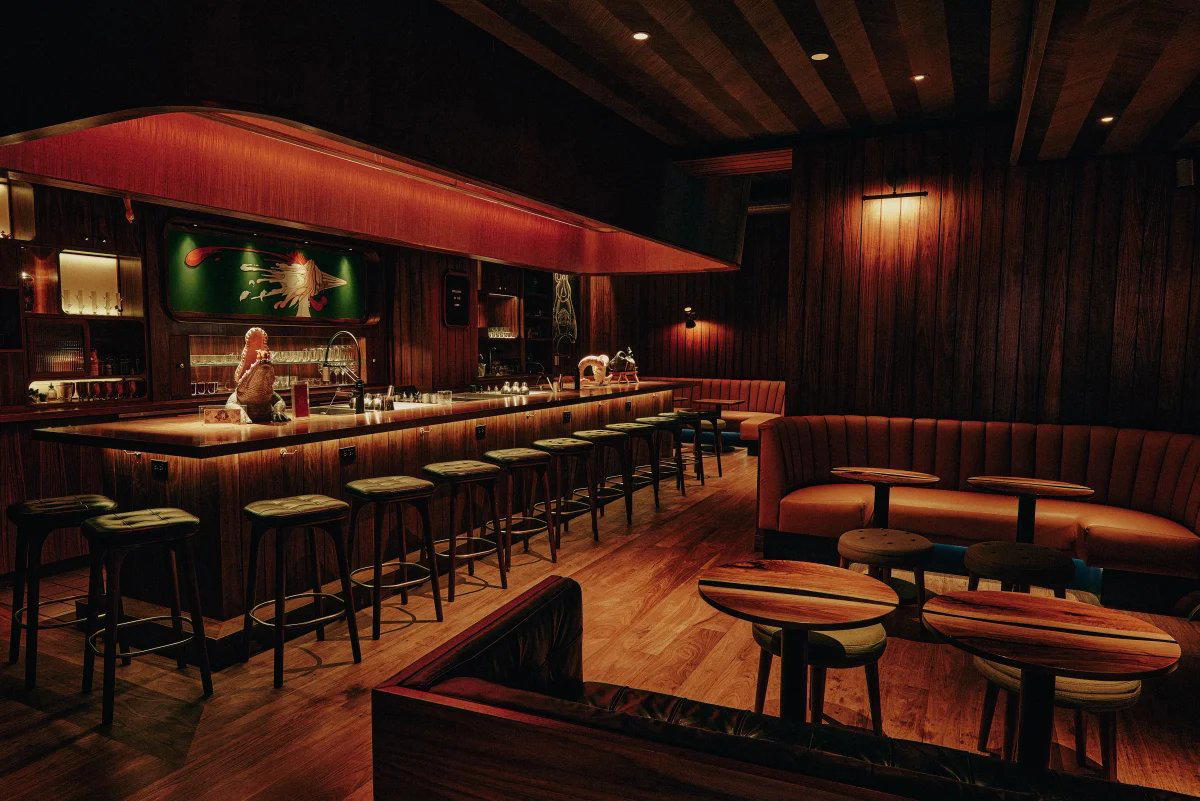
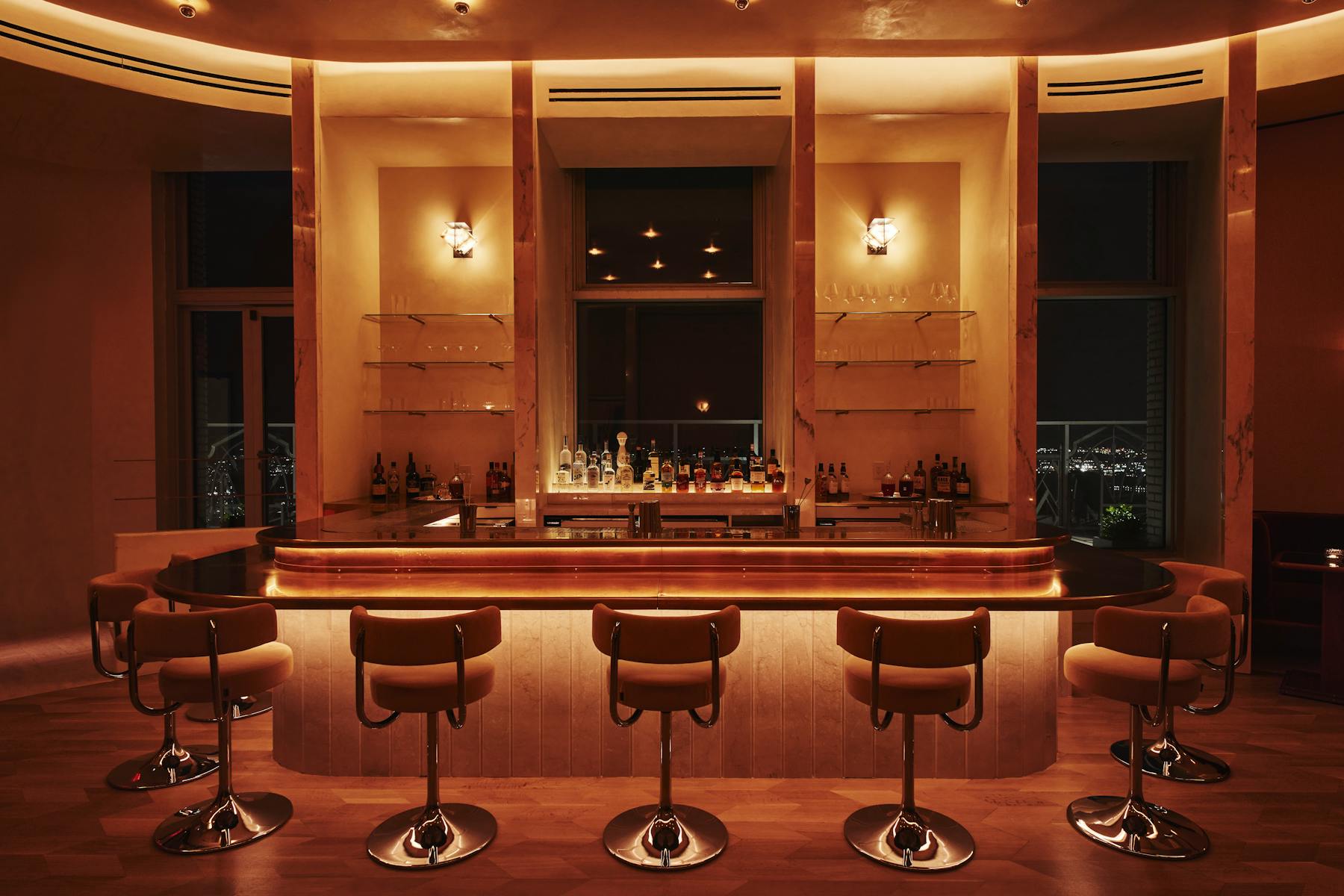
Bars in New York City
Browse all →
Hotels in New York City
Browse all →







At a Glance
- Elegant
- Sophisticated
- Scenic
- Modern
- Intimate
- Date Night
- Special Occasion
- Brunch
- Waterfront
- Terrace
- Open Kitchen
- Craft Cocktails
- Skyline
- Waterfront
Current opening hours
- Monday
- 5–10 PM
- Tuesday
- 5–10 PM
- Wednesday
- 5–10 PM
- Thursday
- 5–10 PM
- Friday
- 5–10 PM
- Saturday
- 11 AM–3 PM, 5:15–10 PM
- Sunday
- 11 AM–3 PM, 5:15–10 PM
Hours can change for holidays and private events. Last verified .
Sophisticated yet welcoming atmosphere with warm lighting, understated décor, and dramatic cityscape views through floor-to-ceiling windows.