TESSA
On Amsterdam Avenue in the Upper West Side, TESSA brings a Mediterranean-inflected approach to a neighborhood better known for its proximity to Lincoln Center than its dining ambition. The address at 349 Amsterdam Ave places it squarely in a residential stretch where independently operated restaurants hold ground against the pull of midtown gravity. For visitors and locals tracking sustainability-conscious kitchens in New York, TESSA warrants attention.
Pearl is the En Primeur Club membership app — saves, bookings, and concierge access live there. Same editors, same standards.
- Address
- 349 Amsterdam Ave, New York, NY 10024
- Phone
- +12123901974
- Website
- tessarestaurant.com
- Directions
- Get directions
 Saves & bookings on Pearl
The Upper West Side's Quiet Case for Ethical Dining
Amsterdam Avenue at the 80s is not where New York's dining press tends to focus its lens. The blocks around 349 Amsterdam Ave run residential and local, a stretch of the Upper West Side where the regulars are as likely to be pre-concert Lincoln Center visitors as neighborhood families who have been eating at the same tables for a decade. That insularity, in this context, is a feature. Restaurants that survive here do so on repeat custom and community trust, not destination hype or a tourist spillover that evaporates between seasons. TESSA is a Modern Mediterranean restaurant at 349 Amsterdam Ave in New York's Upper West Side.
Across American fine and near-fine dining, a growing cohort of kitchens has moved from sustainability as a marketing posture to sustainability as an operational framework. The distinction matters. The former produces menus with a token foraged garnish and language about 'local sourcing' that doesn't survive scrutiny. The latter shows up in supplier relationships, in how waste is handled mid-service, in protein choices that reflect actual ecological thinking rather than trend adoption. Kitchens at the more rigorous end of this spectrum have made this framework central to their identity, sometimes at the cost of accessibility. TESSA's Upper West Side address suggests a different calculus: neighborhood-scale hospitality with an attentiveness to sourcing that doesn't require a destination dining pilgrimage.
Mediterranean Register in a New York Context
The Mediterranean inflection that defines TESSA's kitchen is worth placing in context. New York's Mediterranean dining ranges from the austere and ingredient-focused to the loosely southern-European-in-spirit. The approach that tends to age well, and that connects most naturally to an ethical sourcing framework, is one that leans on seasonal produce, whole-animal thinking, and the kind of simplicity that only works when the underlying ingredients are doing real work. It is a register that suits a neighborhood restaurant: it doesn't require the theatrical production values of a tasting-menu counter like Atomix or the immense procurement infrastructure of a seafood-specialist institution like Le Bernardin. Done well, it sits comfortably in a room where diners might come twice a month.
That said, the Mediterranean framework has become broadly used in New York to the point where it risks meaning little. The restaurants that separate themselves within that category are those with a clear point of view on provenance, where the vegetables come from, how the proteins are selected, what the kitchen does with trim and secondary cuts. In cities like San Francisco, kitchens such as Lazy Bear have shown how a strong ethical sourcing position can anchor a distinctive identity even within a crowded culinary category. In New York, that same discipline is being applied at various price points and scales, from the grand tasting formats at Per Se to neighborhood-anchored operations where the sourcing story is quieter but no less considered.
Where the Sustainability Conversation Is Heading
The broader arc of sustainability in American restaurant kitchens has shifted meaningfully in the past five years. Early iterations of the conversation centered on organic certification and farmers' market procurement, signals that were legible to consumers but sometimes disconnected from deeper operational change. The current generation of kitchens engaging seriously with this framework tends to focus on three things: supplier relationships deep enough to influence how food is grown or raised, waste reduction built into production systems rather than bolted on after the fact, and menu structures flexible enough to accommodate what's actually available rather than forcing year-round consistency on seasonal ingredients.
This last point has implications for how diners should approach reservations. Kitchens with genuine seasonal discipline will offer a different experience in October than they do in April. Restaurants following this model, whether the Michelin-recognized Providence in Los Angeles, the farm-integrated French Laundry in Napa, or more intimate operations like Addison in San Diego, build menus that reflect a genuine relationship with seasonal availability rather than a fixed offering with seasonal language applied to it. TESSA's Amsterdam Avenue setting, in a neighborhood that supports long-term local dining relationships, provides the stable regular clientele that makes this kind of evolving, season-dependent menu viable.
The Upper West Side Dining Pattern
Understanding where TESSA sits requires understanding how the Upper West Side functions as a dining neighborhood. It is not SoHo or the West Village, where new openings get immediate national press attention. It is not Midtown, where expense-account spending and tourist volume support a different kind of ambition. The Upper West Side rewards restaurants that build over years rather than months, that develop a relationship with a community of regulars who are educated, often well-traveled, and, particularly in the blocks around Lincoln Center, accustomed to both good food and good service without theatrical production.
Within New York's wider restaurant ecosystem, this neighborhood sits alongside others, like the blocks around Jungsik in Tribeca or the more tourist-facing zones near Masa, but operates on fundamentally different terms. The Upper West Side diner, broadly speaking, is less interested in spectacle and more interested in reliability, quality, and a room that feels like part of the neighborhood rather than a departure from it.
Comparable neighborhood-anchored operations in other American cities suggest that one durable restaurants in this tier are those that earn a place in the rhythms of local life rather than depending on a constant influx of first-time visitors. That durability often correlates with the kind of ethical sourcing discipline that requires long-term supplier relationships, because those relationships are only possible when a restaurant operates with consistent volume and a stable revenue base.
Planning Your Visit
TESSA is located at 349 Amsterdam Ave, New York, NY 10024, in the Upper West Side.
Same-City Peers
Comparable venues nearby, for context on price, style, and recognition.
| Venue | Cuisine | Price | Notes |
|---|---|---|---|
| TESSAThis venue — the venue you are viewing | Modern Mediterranean | $$$ | Not listed |
| White Olive | Modern Greek-Turkish Mediterranean | $$$ | Midtown-Times Square |
| Zou Zou's | Modern Eastern Mediterranean | $$$ | Chelsea-Hudson Yards |
| Bubo | Modern Mediterranean Small Plates | $$$ | Murray Hill-Kips Bay |
| Sugar Monk | Mediterranean Small Plates & Cocktails | $$$ | Harlem (South) |
| Florisity | Seasonal Italian-Mediterranean with Botanical Elements | $$$ | Long Island City-Hunters Point |
Continue exploring
More in New York City
Restaurants in New York City
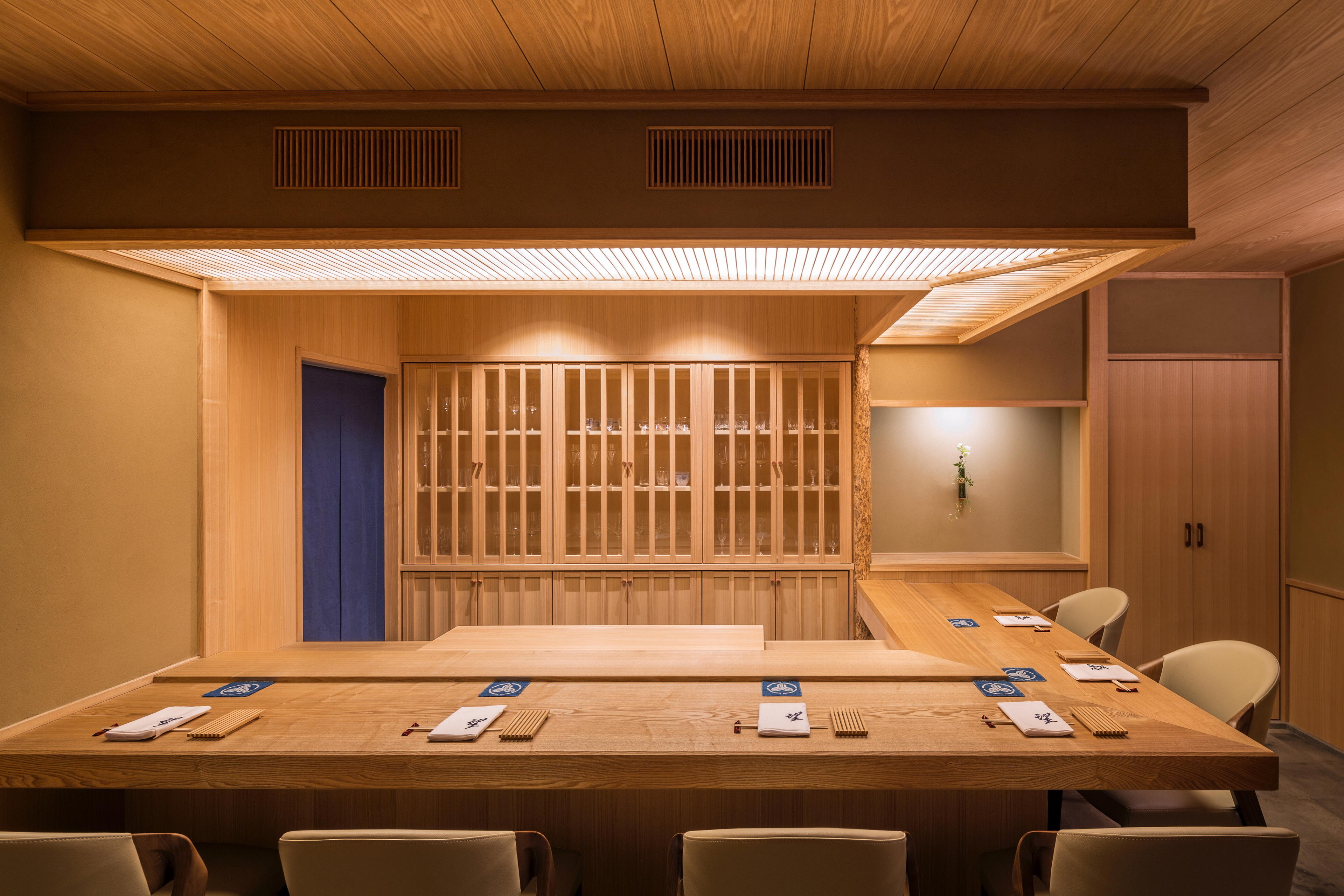
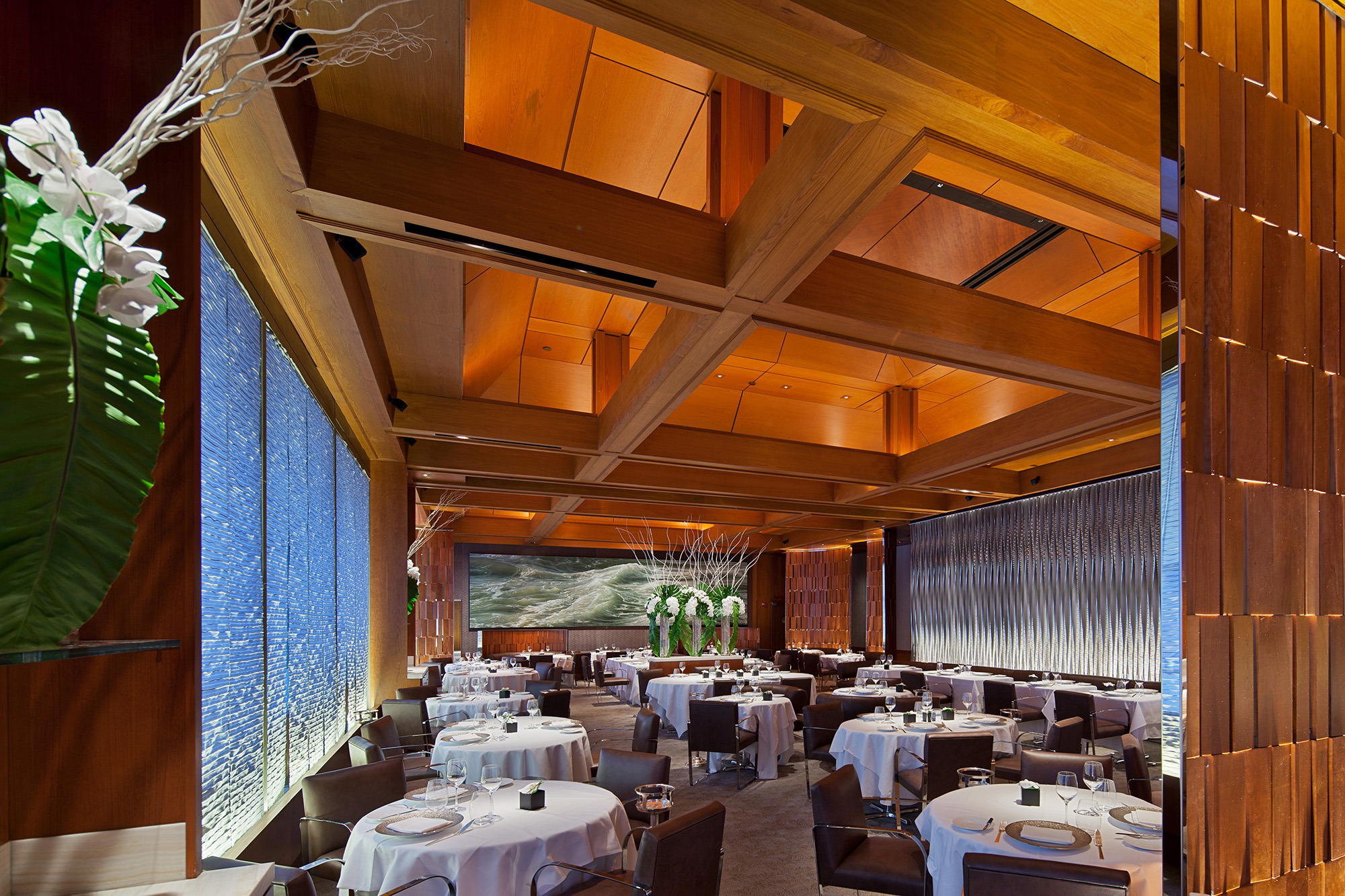
Browse all →
Bars in New York City
Browse all →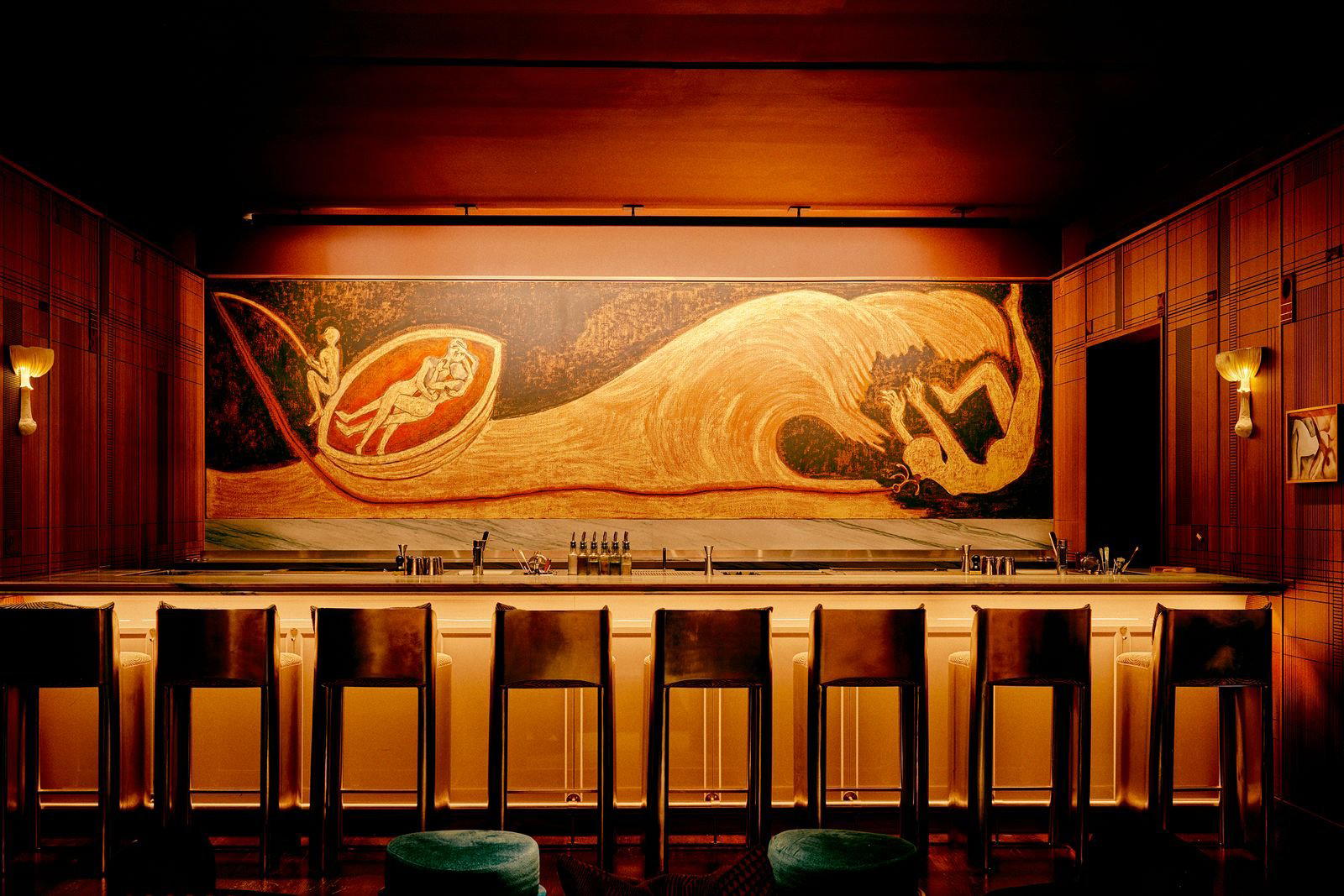

Hotels in New York City
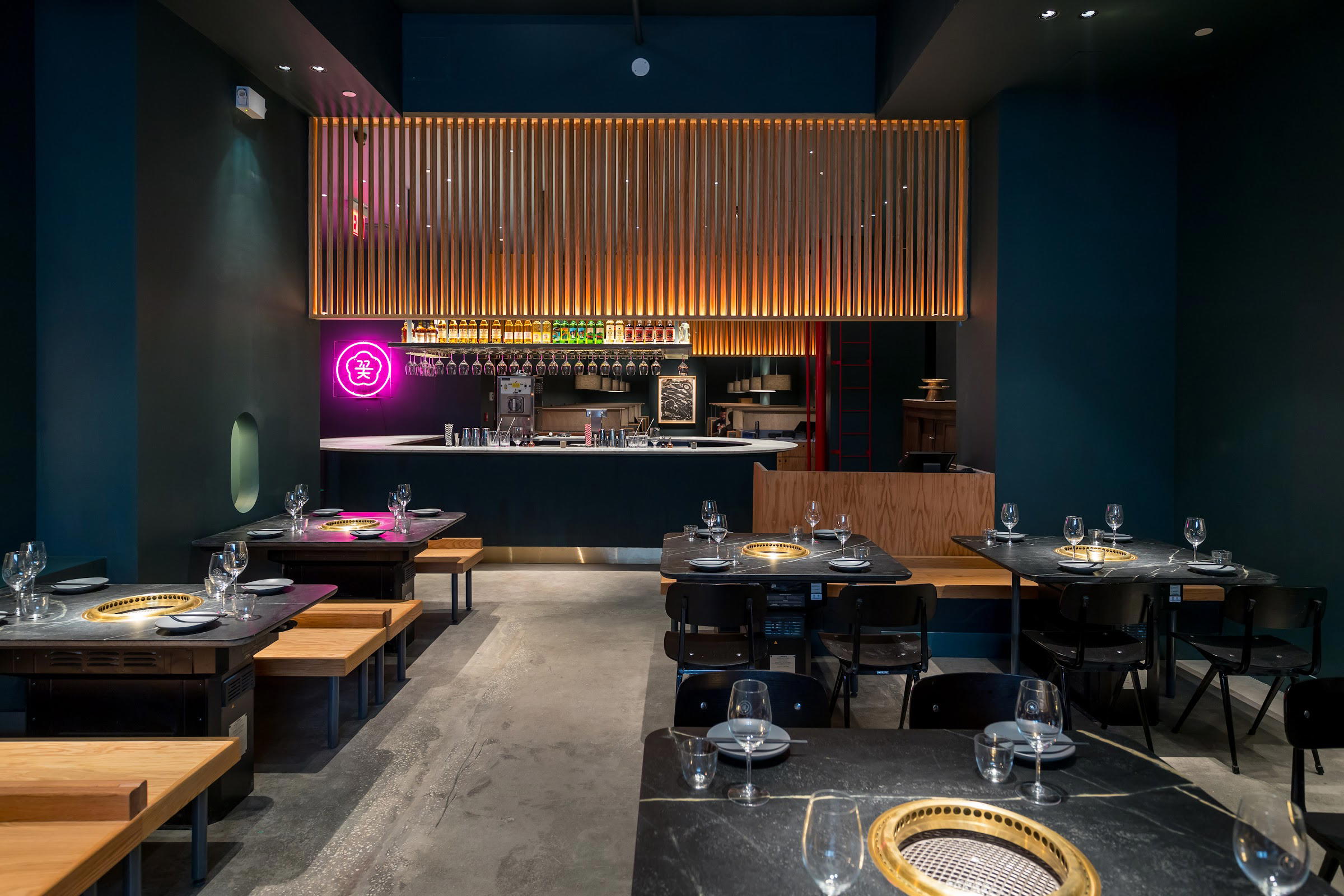
Browse all →






At a Glance
- Modern
- Elegant
- Trendy
- Date Night
- Brunch
- Casual Hangout
- Open Kitchen
- Extensive Wine List
Current opening hours
- Monday
- 4–10 PM
- Tuesday
- 11 AM–10 PM
- Wednesday
- 11 AM–10 PM
- Thursday
- 11 AM–10 PM
- Friday
- 11 AM–11 PM
- Saturday
- 11 AM–11 PM
- Sunday
- 11 AM–9 PM
Hours can change for holidays and private events. Last verified .