
On the outskirts of Liège, Ô De Vie puts produce-led cooking at the centre of what Belgian gastronomy can achieve outside the capital. Chef Olivier Massart draws on exceptional sourcing to produce dishes that are visually striking and technically precise, from cedar-smoked monkfish to pigeon cooked low-and-slow with parsnip and paprika. This is a kitchen that earns its reputation quietly, in a region that rewards those who seek it out.
 Discover on Pearl
Pearl is the En Primeur Club membership app — saves, bookings, and concierge access live there. Same editors, same standards.
Where Liège Province Goes to Eat Seriously
The road out of Liège toward Juprelle does not prepare you for the kind of cooking that waits at Chaussée de Tongres 98. The province sits in the eastern arc of Wallonia, a region better known for Trappist breweries and industrial heritage than for restaurant culture at the sharper end of Belgian gastronomy. That gap between expectation and reality is precisely what makes Ô De Vie worth the detour. Driving in from the city, through the flat agricultural land north of Liège, you arrive at a restaurant that operates with the discipline and sourcing rigour you would expect from an address inside Brussels or Ghent, without the price signal or the noise those cities carry.
Belgium's strongest creative kitchens have historically clustered in Flanders: Hof van Cleve - Floris Van Der Veken in Kruishoutem, Boury in Roeselare, Zilte in Antwerp, Willem Hiele in Oudenburg, Bartholomeus in Heist. Wallonia has always maintained a quieter presence in that conversation, which makes the emergence of a kitchen like Ô De Vie more significant. It is a signal that serious produce-led cooking is no longer the exclusive domain of the Flemish restaurant circuit.
The Logic of the Plate
What defines the cooking at Ô De Vie is not technique deployed for its own sake, but technique applied in service of ingredient quality and environmental coherence. Chef Olivier Massart has been recognised as one of the most talented young chefs in the Liège province, with commentary specifically noting his respect for both the environment and the health of his customers alongside his creative ambition. That combination is harder to achieve than it sounds. Many kitchens trade one off against the other, prioritising visual drama over sourcing integrity, or sustainability credentials over actual flavour. Massart appears to be working toward both simultaneously.
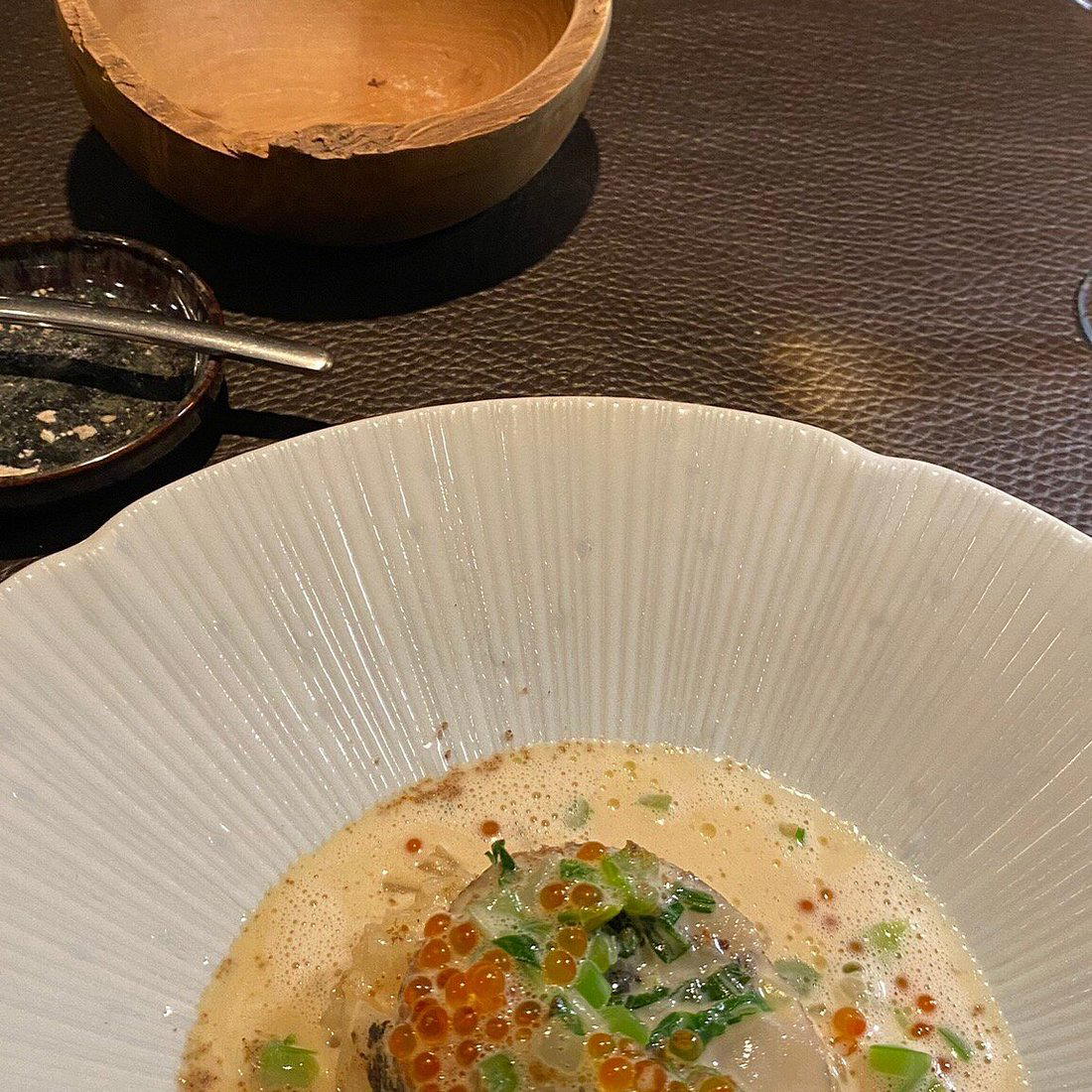
The evidence is in how the dishes are constructed. Scallops prepared in a beetroot infusion, accompanied by quinoa and a green shiso broth, speaks to a kitchen that is pulling from Japanese ingredient vocabulary without losing its Wallonian grounding. The chromatic quality of that dish, the deep red of beetroot against pale scallop, also tells you something about the sourcing: you do not get that kind of colour without produce at the correct stage of ripeness and quality. Beetroot this vivid is a field decision before it is a kitchen one.
Monkfish smoked with cedar wood and accompanied by pointed cabbage and an emulsion of plum vinegar is a dish that demonstrates control over multiple technical registers at once: the smoke has to integrate rather than overwhelm, the cabbage needs to provide textural contrast without bitterness, and the plum vinegar emulsion acts as a bridge between the wood character and the sweetness of the fish. It is the kind of construction you find at addresses like Castor in Beveren or De Jonkman in Sint-Kruis, kitchens where the sourcing brief and the flavour brief are written as a single document.
Pigeon cooked at low temperature, with paprika, sweet potatoes, and parsnip, rounds out a picture of a kitchen that is thinking seasonally and structurally. Pigeon is a classic of Belgian fine dining, appearing on menus from Bozar Restaurant in Brussels to L'Eau Vive in Arbre. What matters here is the accompaniments: sweet potatoes and parsnip are root vegetables that absorb the fat and iron from a low-temperature bird, and paprika introduces warmth without masking. This is autumn-winter plate architecture, grounded in what the land around Liège actually produces.
Sourcing as the Central Argument
The emphasis on environmental respect and ingredient quality at Ô De Vie is not decorative positioning. Across Belgian gastronomy, the kitchens that have built the most durable reputations are those where the sourcing relationships are treated as seriously as the cooking relationships. The same pattern shows up at d'Eugénie à Emilie in Baudour and Cuchara in Lommel, both of which operate at the creative end of Belgian fine dining by anchoring menus to specific producer networks. Massart's approach fits that model: the dishes described in available recognition are built around products that carry a clear regional identity, and the techniques applied to them amplify rather than obscure their origin.
This approach also aligns Ô De Vie with a broader European shift away from ingredient-as-canvas kitchens toward ingredient-as-argument kitchens. At the top tier, you see this philosophy taken to its logical conclusion at addresses like Le Bernardin in New York City, where the product's provenance is as much a part of the proposition as the preparation. Massart is operating in a smaller register, in a quieter location, but the underlying logic is consistent.
Planning Your Visit
Ô De Vie sits at Chaussée de Tongres 98 in Juprelle, a short drive north of Liège city centre. For those arriving from further afield, Liège-Guillemins station connects to Brussels in under an hour by Thalys or Intercity, making a same-day trip from the capital viable, though the address rewards an overnight stay in the region. Our full Juprelle hotels guide covers accommodation options in the area. For those building a broader itinerary around the region, the Juprelle bars guide, Juprelle wineries guide, and Juprelle experiences guide provide context for what else the area offers. The restaurant's website and booking details are not publicly listed through our database at this time; direct contact via search is the most reliable path to a reservation. Given Massart's growing recognition within the province, booking ahead is advisable rather than optional.
For a full picture of what Juprelle and its surroundings offer at table, the Juprelle restaurants guide maps the wider dining circuit in the area. Ô De Vie sits at the serious end of that spectrum, but the region has more to offer than a single address.
How It Stacks Up
These are the closest comparables we have in our database for quick context.
| Venue | Cuisine | Price | Awards | Notes |
|---|---|---|---|---|
| Ô De Vie | Olivier Massart is without doubt one of the most talented young chefs in the pro… | This venue | ||
| Boury | Modern Frlemish, Creative French | €€€€ | Michelin 3 Star | Modern Frlemish, Creative French, €€€€ |
| Comme chez Soi | French - Belgian, Classic Cuisine | €€€€ | Michelin 1 Star | French - Belgian, Classic Cuisine, €€€€ |
| Castor | Modern European, Modern French | €€€€ | Michelin 2 Star | Modern European, Modern French, €€€€ |
| Cuchara | Modern European, Creative | €€€€ | Michelin 2 Star | Modern European, Creative, €€€€ |
| De Jonkman | Modern Flemish, Creative | €€€€ | Michelin 2 Star | Modern Flemish, Creative, €€€€ |
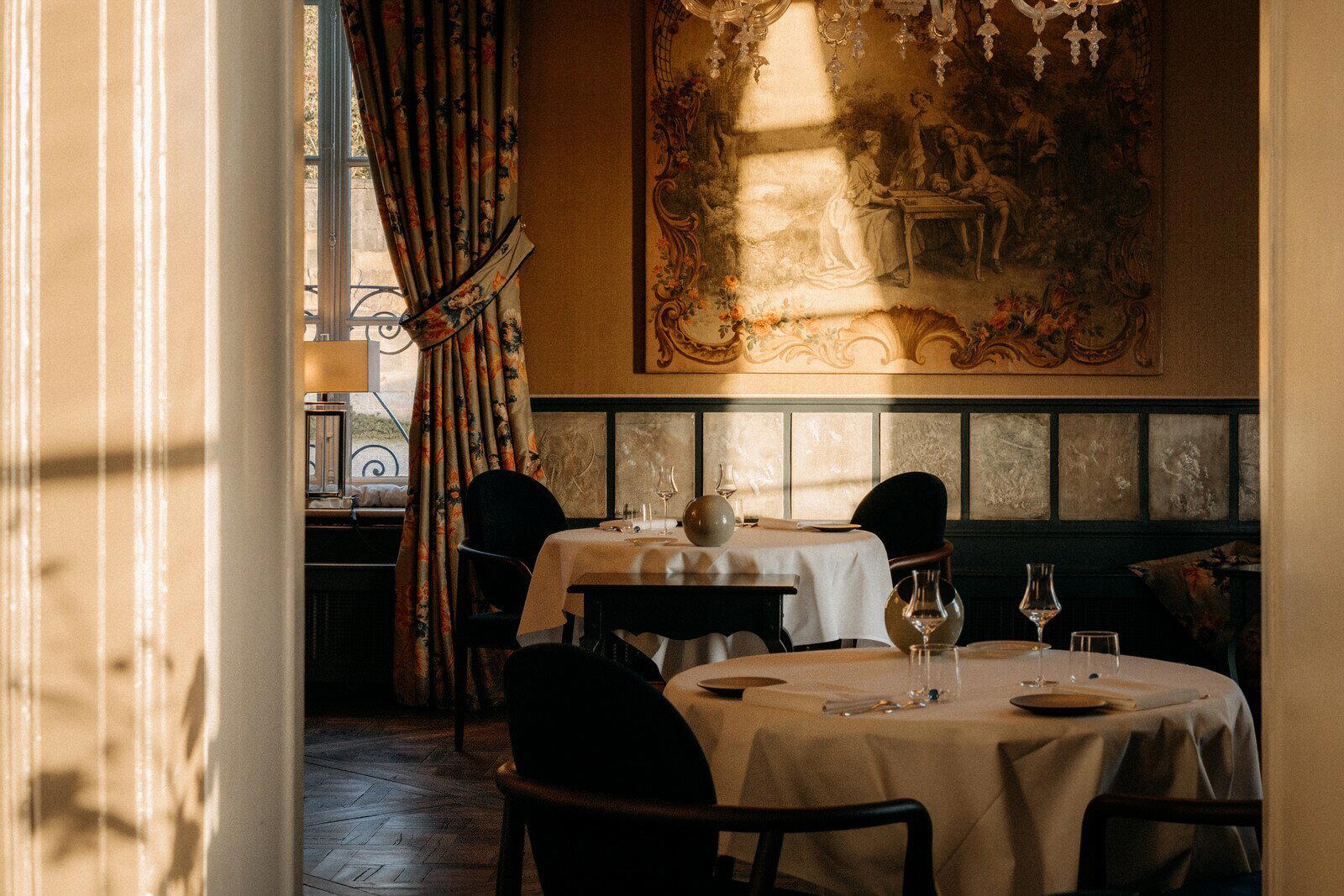
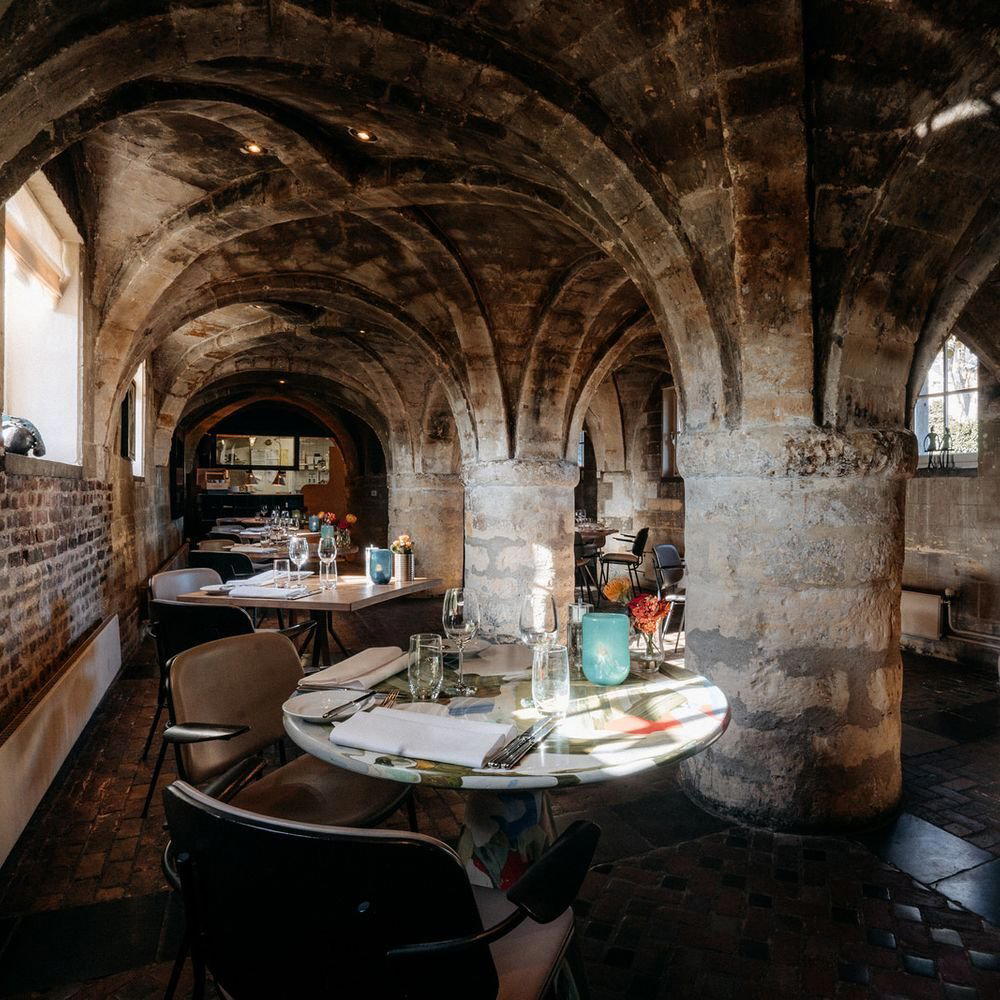
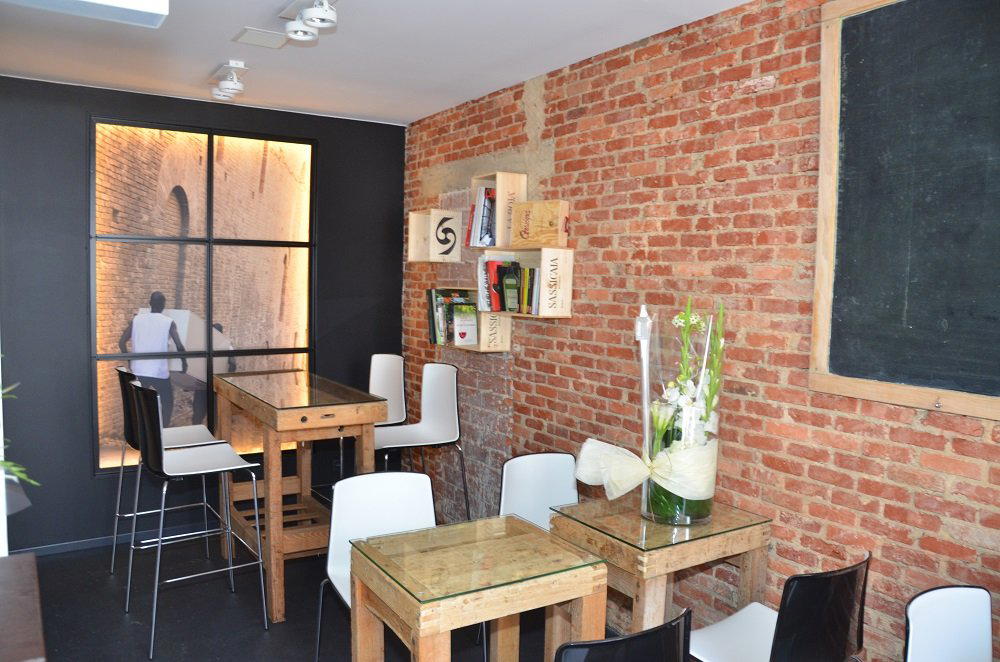
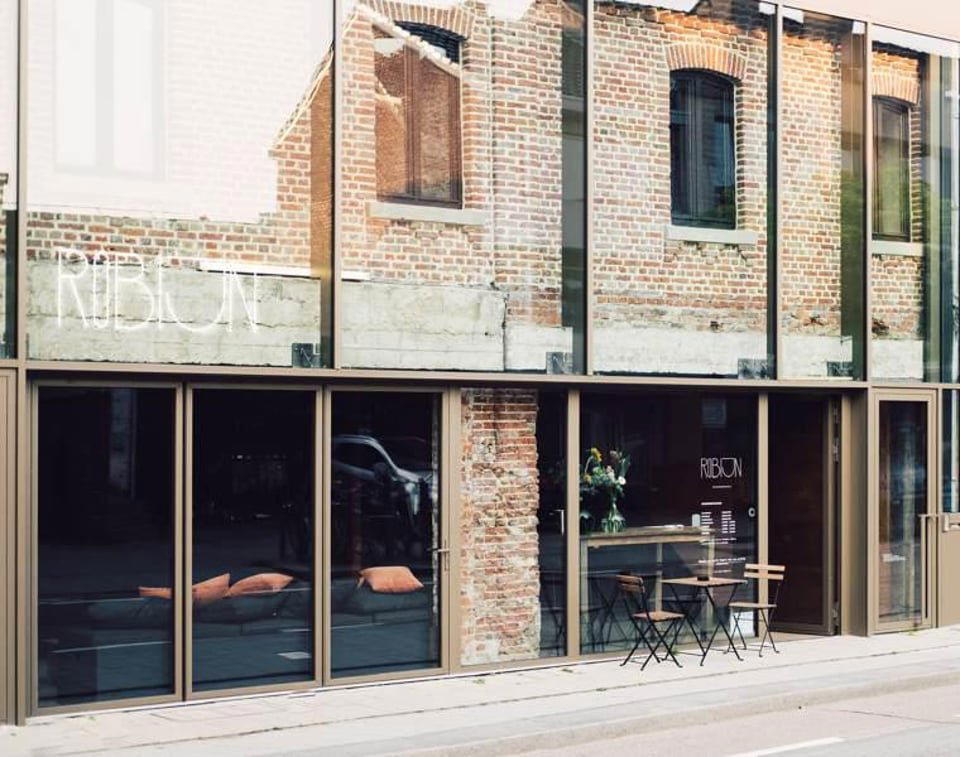
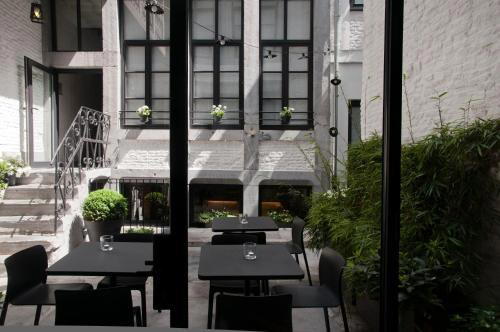
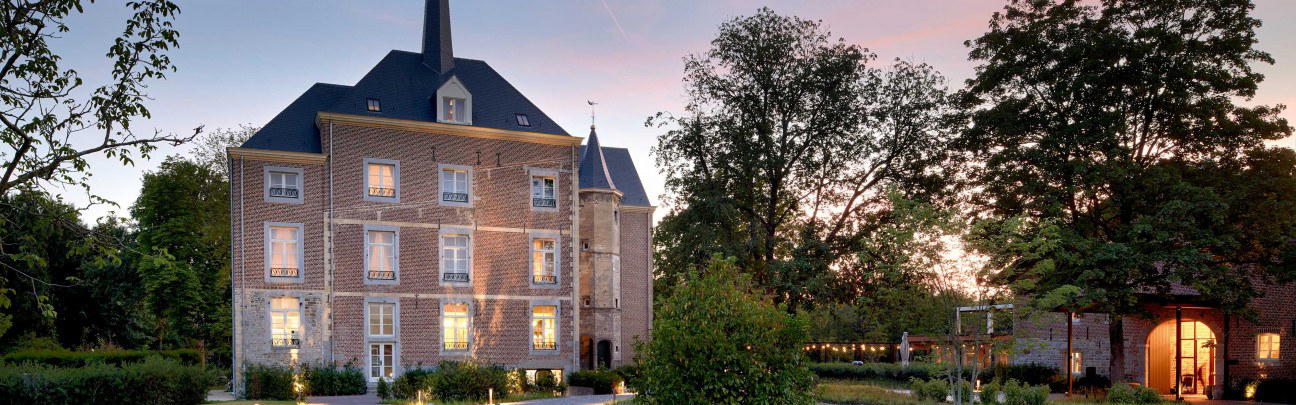
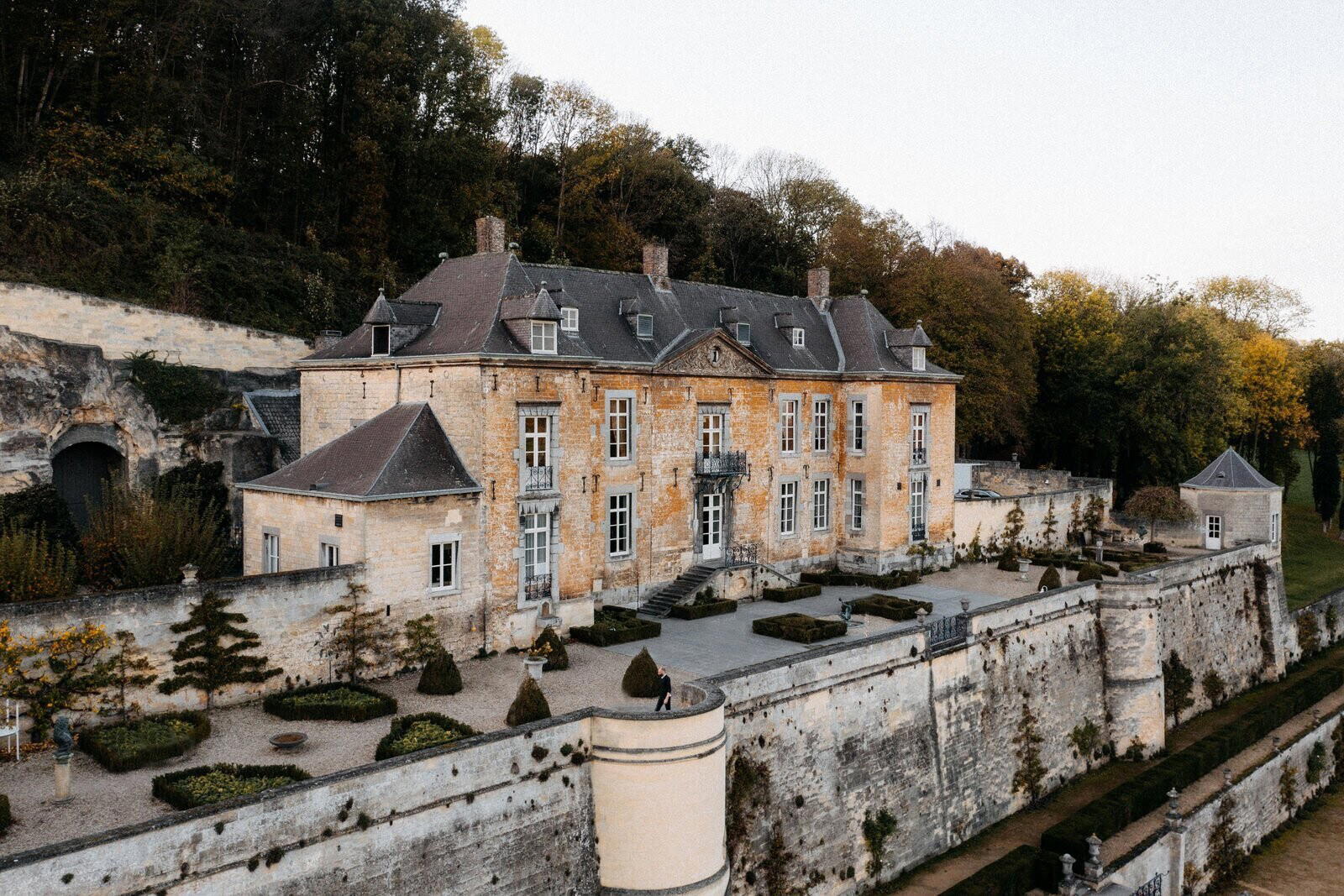
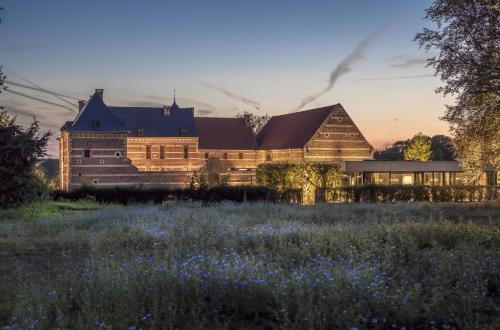
At a Glance
- Cozy
- Intimate
- Date Night
- Special Occasion
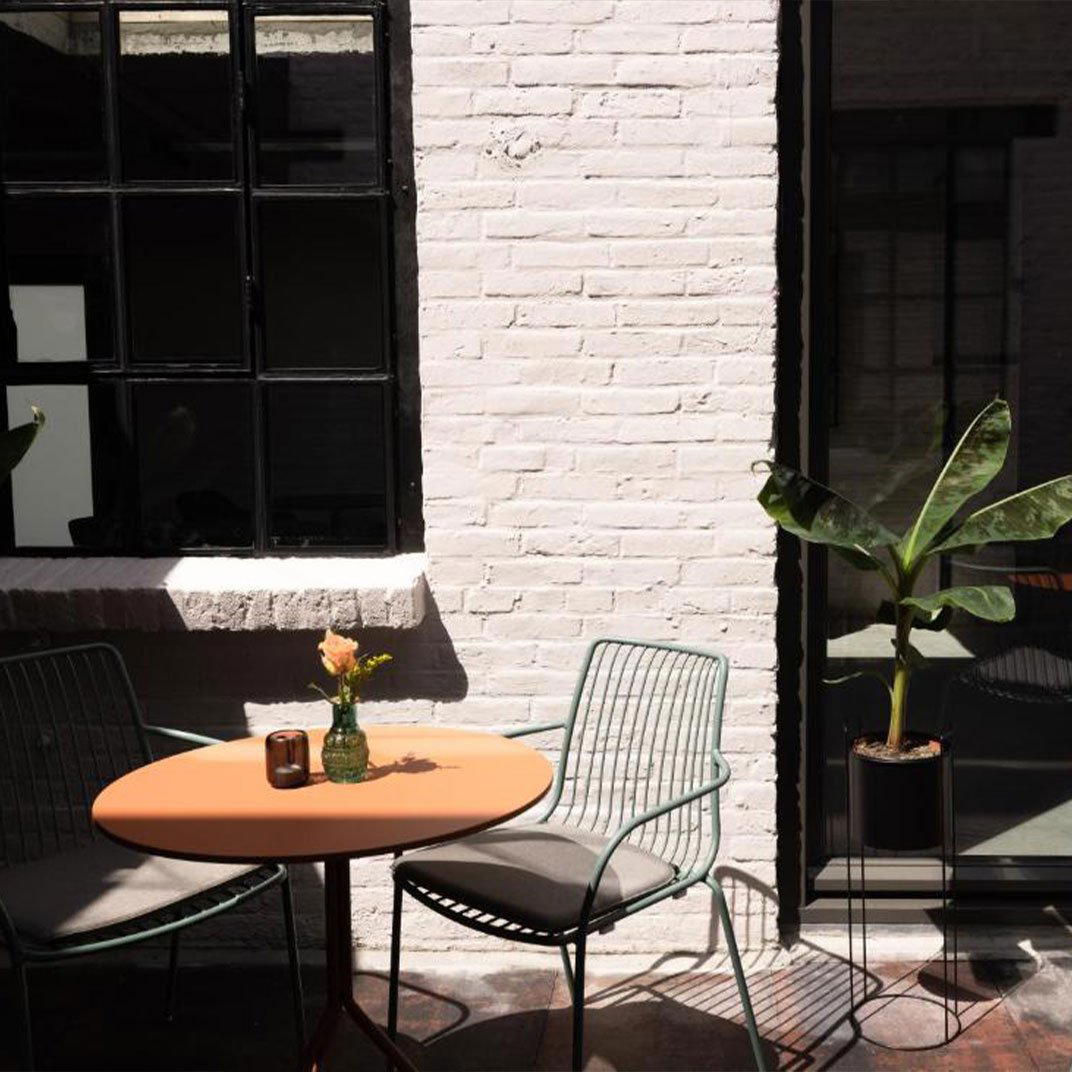
- Terrace
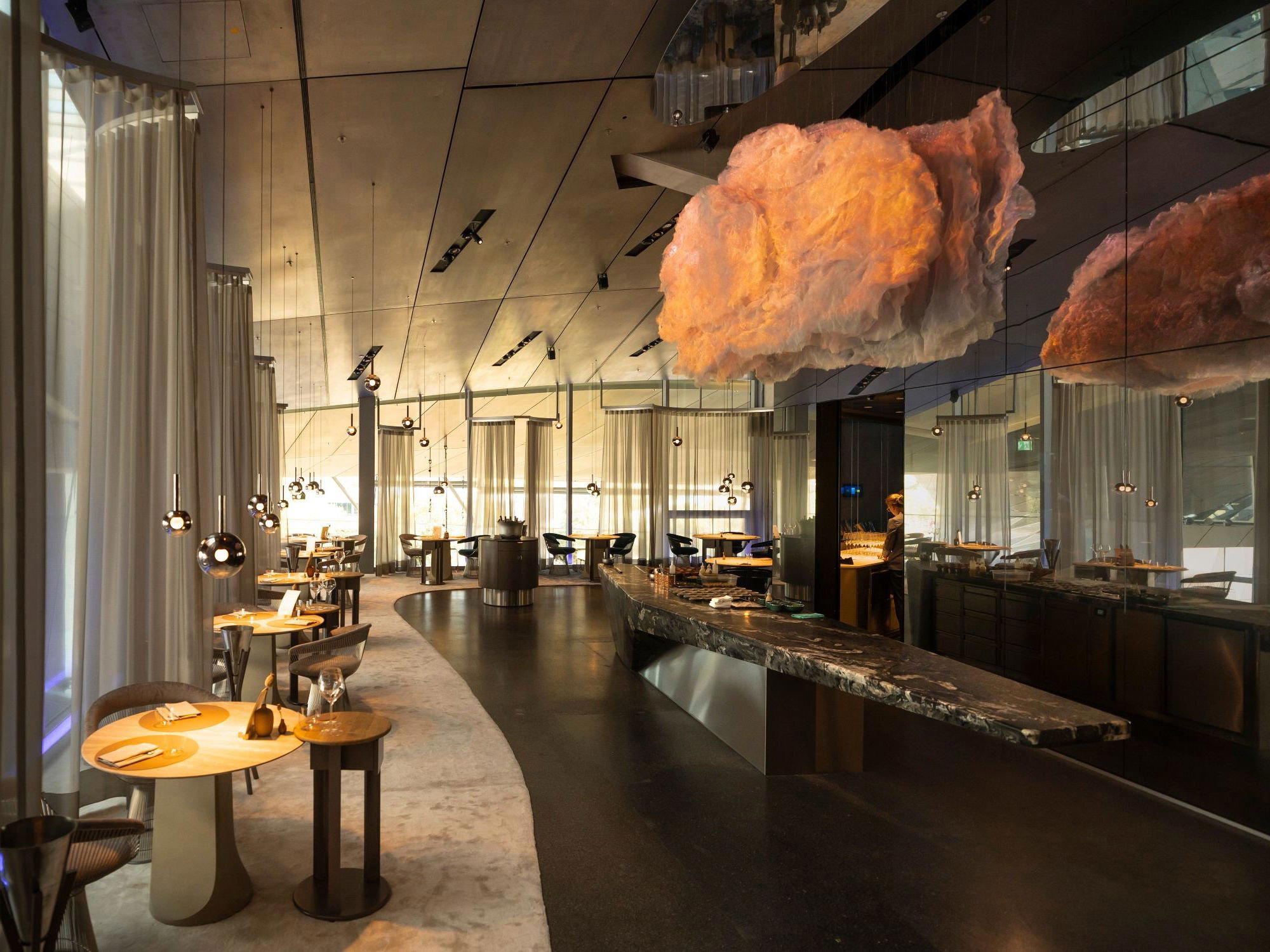
Cozy and beautiful with friendly attentive service.