Tout à Fait



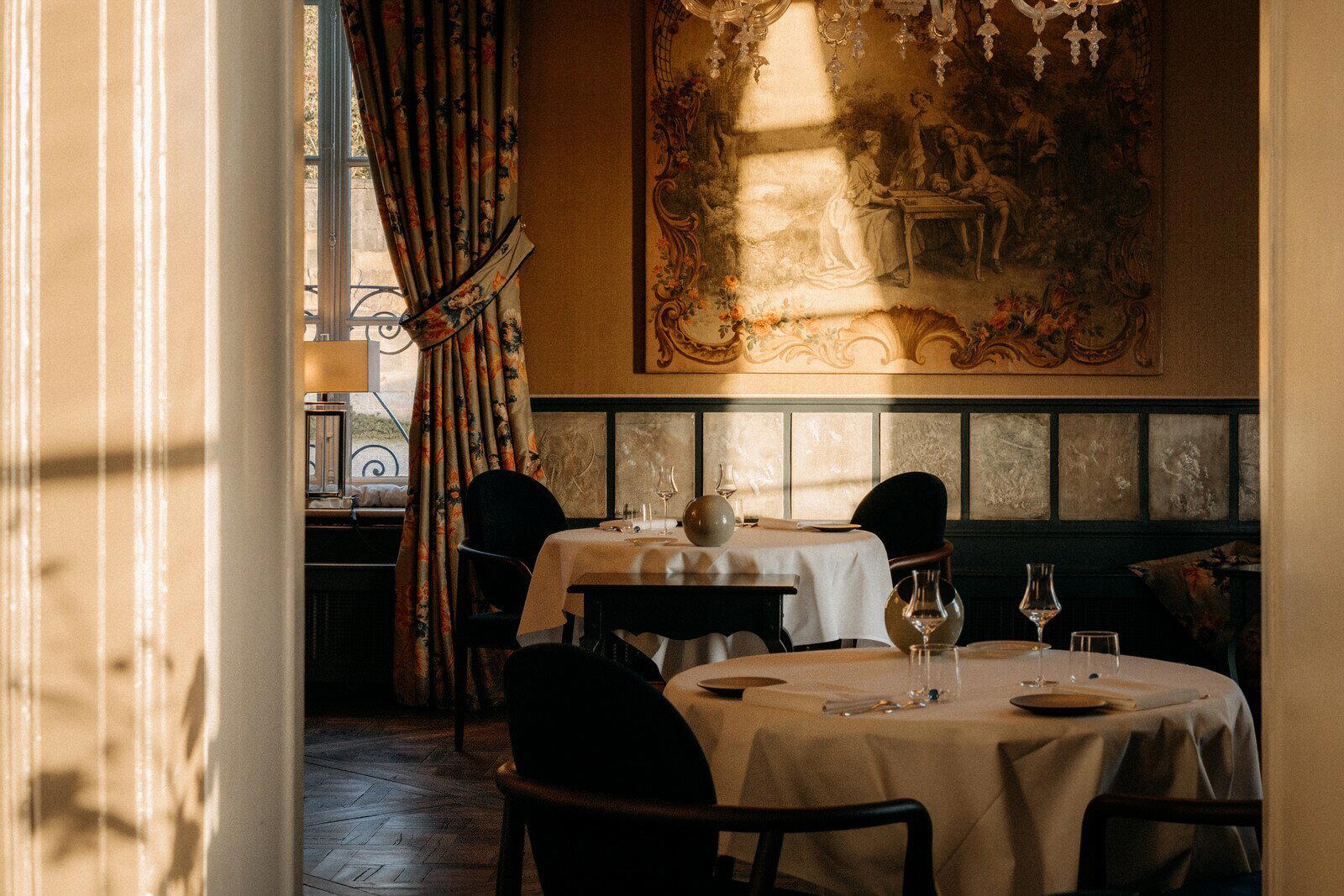
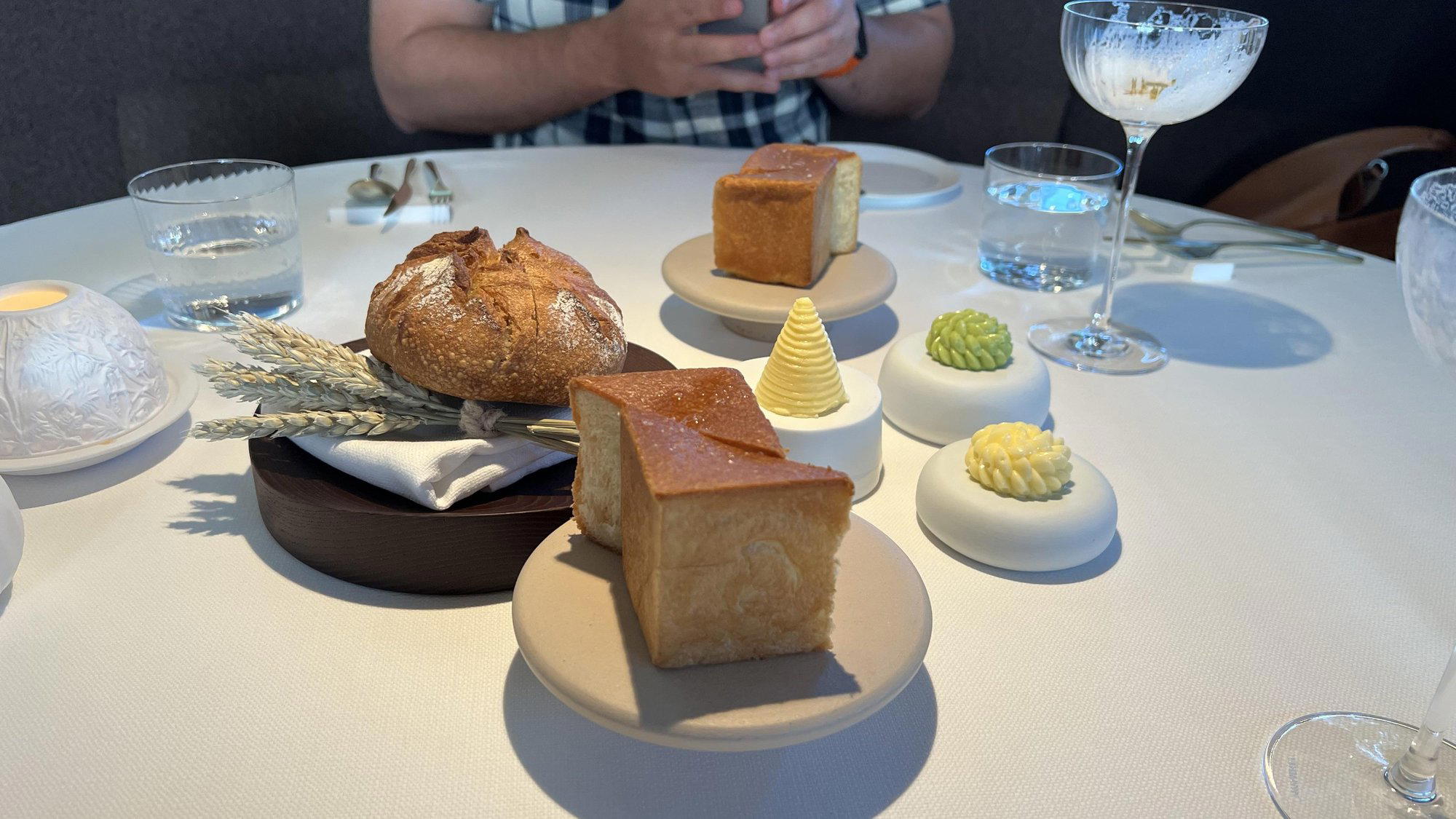
At Tout à Fait, contemporary Belgian finesse meets Maastricht’s understated charm in a dining room that whispers of quiet luxury. The kitchen crafts seasonally attuned menus where pristine North Sea catch, Limburg terroir, and controlled technique converge, each plate balanced with clarity, texture, and warmth. Candlelit tones, linen-draped tables, and an enlightened wine program, rich in grower Champagne, Burgundy, and expressive Lowlands producers, set the stage for intimate celebration. Service flows with effortless grace: precise, personable, and perfectly paced. From a silken shellfish velouté to butter-poached white asparagus and dry-aged venison layered with woodland aromatics, every course feels like an elegant step in a story about place and season. For travelers who collect meals as memories, Tout à Fait offers a quietly luminous experience, refined, heartfelt, and distinctly Maastricht.
Pearl is the En Primeur Club membership app — saves, bookings, and concierge access live there. Same editors, same standards.
- Address
- Sint Bernardusstraat 18, 6211 HL Maastricht, Netherlands
- Phone
- +31 43 350 0405
- Website
- toutafait.nl
- Directions
- Get directions
 Saves & bookings on Pearl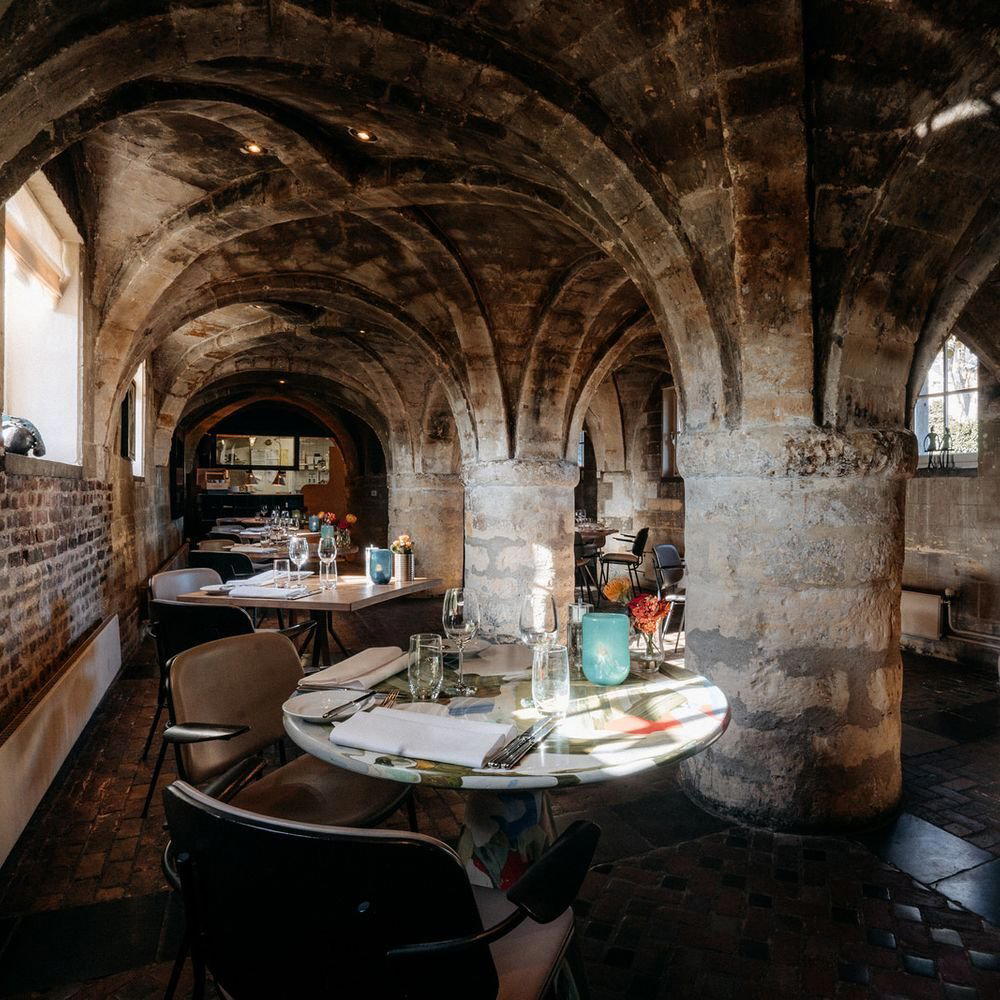
A Corner of Maastricht That Hasn't Moved, and Doesn't Need To
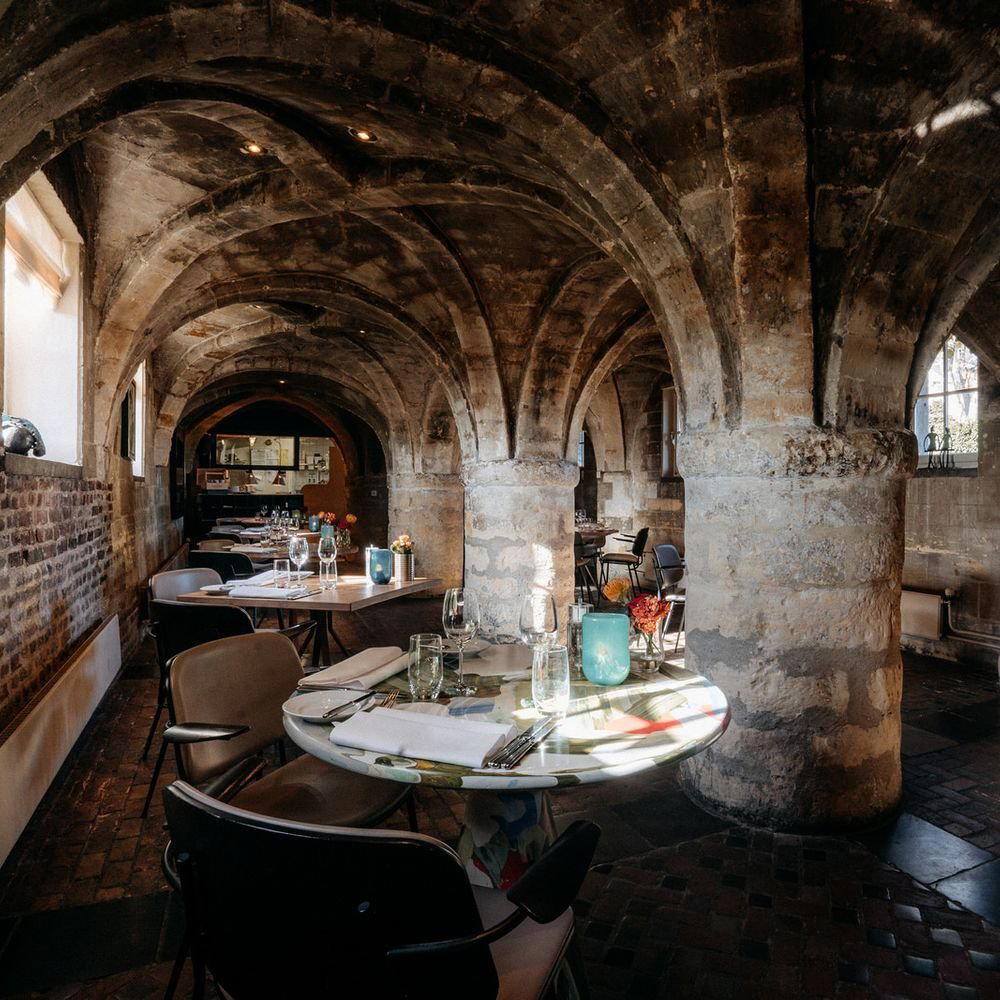
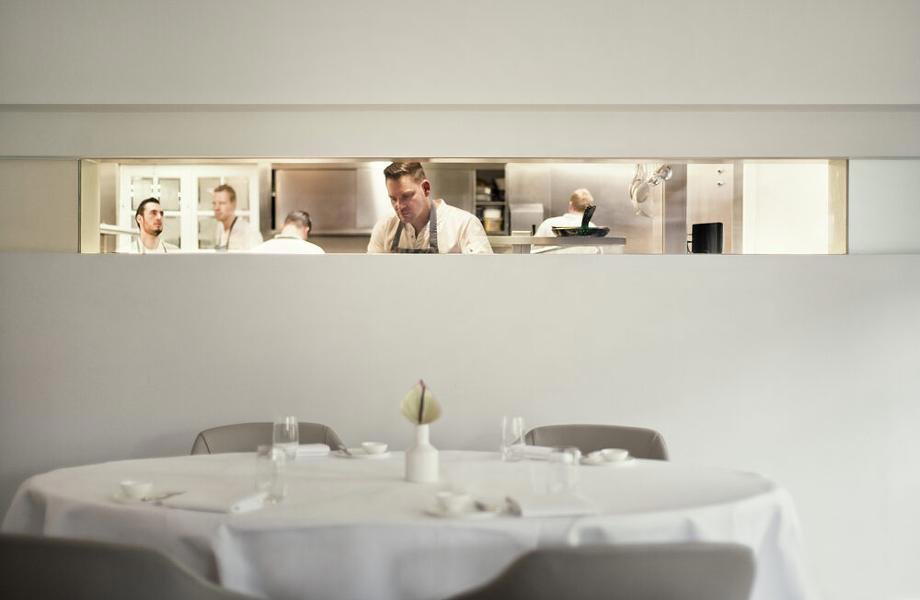
Sint Bernardusstraat sits a short walk from Onze-Lieve-Vrouweplein, one of Maastricht's most composed historic squares. The street is the kind that rewards slow walking: narrow, stone-fronted, with the particular quietness that comes from being close to the centre without being swallowed by it. Tout à Fait occupies a building whose age shows in the right ways. Inside, minimalist design has been applied without erasing the structural character underneath, which is a harder balance to strike than it sounds. The result is a dining room where clean lines and the texture of old stone exist without friction, the room doing enough to feel considered without drawing attention from what matters on the plate.
The restaurant has been at this address since 1999, which in the context of Dutch fine dining represents a particular kind of endurance. It is not the endurance of stasis but of continuous relevance: Tout à Fait has held a Michelin Star without interruption since 2002, a run that extends well past two decades and aligns it with a cohort of Dutch restaurants, among them De Librije in Zwolle, Aan de Poel in Amstelveen, and De Bokkedoorns in Overveen, that have built identities around long-form consistency rather than periodically reinventing themselves for award cycles.
The Logic of Restraint on the Plate
Modern French cooking in the Netherlands tends to split into two broad approaches. There are restaurants that foreground technical complexity, building plates with multiple components and visible craft, and there are those that operate through reduction: fewer elements, chosen with more precision, each carrying more weight. Tout à Fait occupies the second position with some conviction. The kitchen's stated discipline is a maximum of five ingredients per plate, a constraint that functions less as a marketing position and more as an editorial one. It forces decisions about what actually belongs on a plate and what is there for decoration.
The menu shifts with the seasons, organised around what the market offers rather than a fixed year-round repertoire. Dishes from the kitchen have included lukewarm lobster with fennel and lobster bisque, roasted Anjou pigeon with pearl barley risotto and forgotten vegetables, and Limburg asparagus with morels and sea lavender. These combinations share a structural logic: one primary protein or vegetable, a complementary starch or aromatic, and a sauce or reduction that ties the components together without overwhelming them. The ingredient counts are low; the expectations placed on each ingredient are high.
That approach to saucing is worth noting on its own terms. Light sauces with zesty, acidic registers are harder to execute credibly in a French-influenced kitchen than rich reductions. They offer less cover and require cleaner technique. The kitchen here uses both registers depending on the dish: a deep, slow-braised preparation for venison shoulder with foie gras and an intense jus sits alongside brighter treatments elsewhere on the same menu. The range is real, which is part of what a 22-year Michelin run signals.
Where Tout à Fait Sits in Maastricht's Fine Dining Tier
Maastricht's high-end restaurant scene is more concentrated than its size might suggest. The city draws significant cross-border traffic from Belgium and Germany, and that audience has shaped the expectations that local kitchens calibrate against. At the leading price tier, Tout à Fait shares a bracket with Beluga Loves You (€€€€ · Creative), which operates with a more playful, self-referential format, and Studio (€€€€ · Asian Influences), which applies a different culinary vocabulary entirely. Au Coin des Bons Enfants occupies a broadly similar register in French-leaning cooking.
The restaurant's distinction within this set is its continuity of character. Where Beluga Loves You deploys wit as a structural device and Studio draws on East Asian technique, the restaurant is grounded in classical French method that has been updated rather than replaced. It is not nostalgic cooking; the ingredient discipline and the use of regional southern Netherlands produce (Limburg asparagus, local game) signal contemporary awareness. But the foundational references are French, and that clarity of identity, sustained over 25 years, has become the restaurant's clearest point of difference in a city that now offers several credible alternatives at the same price level.
For readers who want to anchor their Maastricht stay around a wider range of eating, the city also offers well-priced alternatives further down the tier. Bar Beurre (€€ · French) and Café Sjiek (€€ · Traditional Cuisine) provide a different register without requiring the same commitment at the table or the bill.
The Atmosphere as a Working Element
The design of the dining room at the restaurant makes deliberate use of what is already there. Minimalism applied to a historical interior can read as erasure or as editing; here, it reads as editing. The bones of the building are allowed to do their work, while the furniture and table setting are kept spare enough to prevent the room from feeling cluttered or overdressed. The front of the restaurant opens onto the street, and on favourable evenings, the terrace offers a glass of something while the light changes over the old centre.
The service operates in the register that long-running starred kitchens in the Netherlands have developed over time: formally fluent without being stiff, knowledgeable without being instructional. The kitchen's habit of lighting a candle before each service is the kind of small, consistent ritual that accumulates meaning in a restaurant that has been doing the same thing for decades. It is a detail, but it points to a broader disposition: this is not a kitchen that treats service as administration.
Restaurants in this tier often see review scores dip as novelty fades and expectations sharpen; a 4.7 at this volume suggests the kitchen is meeting expectations consistently rather than occasionally.
Comparing Across the Dutch Fine Dining Field
The restaurant's comparable set extends beyond Maastricht when placed in the broader Dutch fine dining context. Restaurants like De Groene Lantaarn in Staphorst and De Lindehof in Nuenen operate in smaller towns with similarly long records, part of a pattern in the Netherlands where Michelin recognition is distributed geographically rather than concentrated in Amsterdam. De Lindenhof in Giethoorn follows a comparable model. The Dutch preference for destination dining, where a single kitchen justifies a drive or an overnight stay, is well-established, and the restaurant sits within that tradition as a southern anchor.
Within the Modern French category specifically, the restaurant can be read alongside De Kromme Dissel in Heelsum and Aan de Zweth in Schipluiden, both of which operate in similar territory with comparable Michelin recognition. What distinguishes the Maastricht context is the city's proximity to Belgium and France, which raises the ambient expectation for classical French technique and gives the ingredient sourcing, particularly the use of French and southern Dutch produce, a geographic logic that kitchens elsewhere in the Netherlands do not have in quite the same way.
Planning Your Visit
The restaurant is open Thursday and Friday for lunch from noon to 2 PM and dinner from 6 PM to 10 PM, on Saturday for dinner only from 6 PM, and on Sunday from noon through to 10 PM. Monday and Tuesday the restaurant is closed. The schedule is deliberately concentrated, which is consistent with a kitchen that sources monthly and works at a precision level that does not scale easily across a full seven-day week.
What People Order at Tout à Fait
Based on the kitchen's documented approach and the dishes cited in Michelin recognition, the plates that draw greater attention at the restaurant are those that demonstrate the five-ingredient discipline under pressure: the venison saddle cooked to medium rare, refined by slow-braised shoulder and foie gras with a concentrated jus; Anjou pigeon on the rotisserie with pearl barley risotto; Limburg asparagus with morels and sea lavender during the southern Dutch asparagus season. The lobster preparation, served lukewarm with fennel and bisque, has appeared consistently as a marker of the kitchen's lighter, more acidic approach to rich primary ingredients. These dishes function as evidence for the broader editorial point about the restaurant: that restraint, when applied consistently and with technical accuracy, produces plates where each element justifies its presence, which is a harder outcome than it appears on paper.
Where the Accolades Land
Comparable venues nearby, for context on price, style, and recognition.
| Venue | Cuisine | Price | Awards | Notes |
|---|---|---|---|---|
| Tout à Fait | Modern French Fine Dining | $$$$ | Michelin 1 Star | Historic Centre (near Onze-Lieve-Vrouweplein) |
| Château Neercanne | Contemporary French Fine Dining | $$$$ | Michelin 1 Star | Sint Pieter |
| Studio | Modern Seasonal Fusion | $$$$ | Michelin 1 Star | Wyck |
| L'Auberge | Contemporary French Bistro | $$$ | Bib Gourmand | Sint Pieter |
| Prix de Rome | Modern French Fine Dining | $$$ | Bib Gourmand | Biesland |
| Beluga Loves You | Creative French Fine Dining | $$$$ | Michelin 1 Star | Wyck |
Recognition history
Dated appearances from independent guides and award organizations, with the underlying list record or original source where available.
Star Wine List
Star Wine List
Michelin 1 Star
Michelin
We're Smart World 2 Radishes
We're Smart World
Michelin 1 Star
Michelin
Continue exploring
More in Maastricht
Restaurants in Maastricht
Browse all →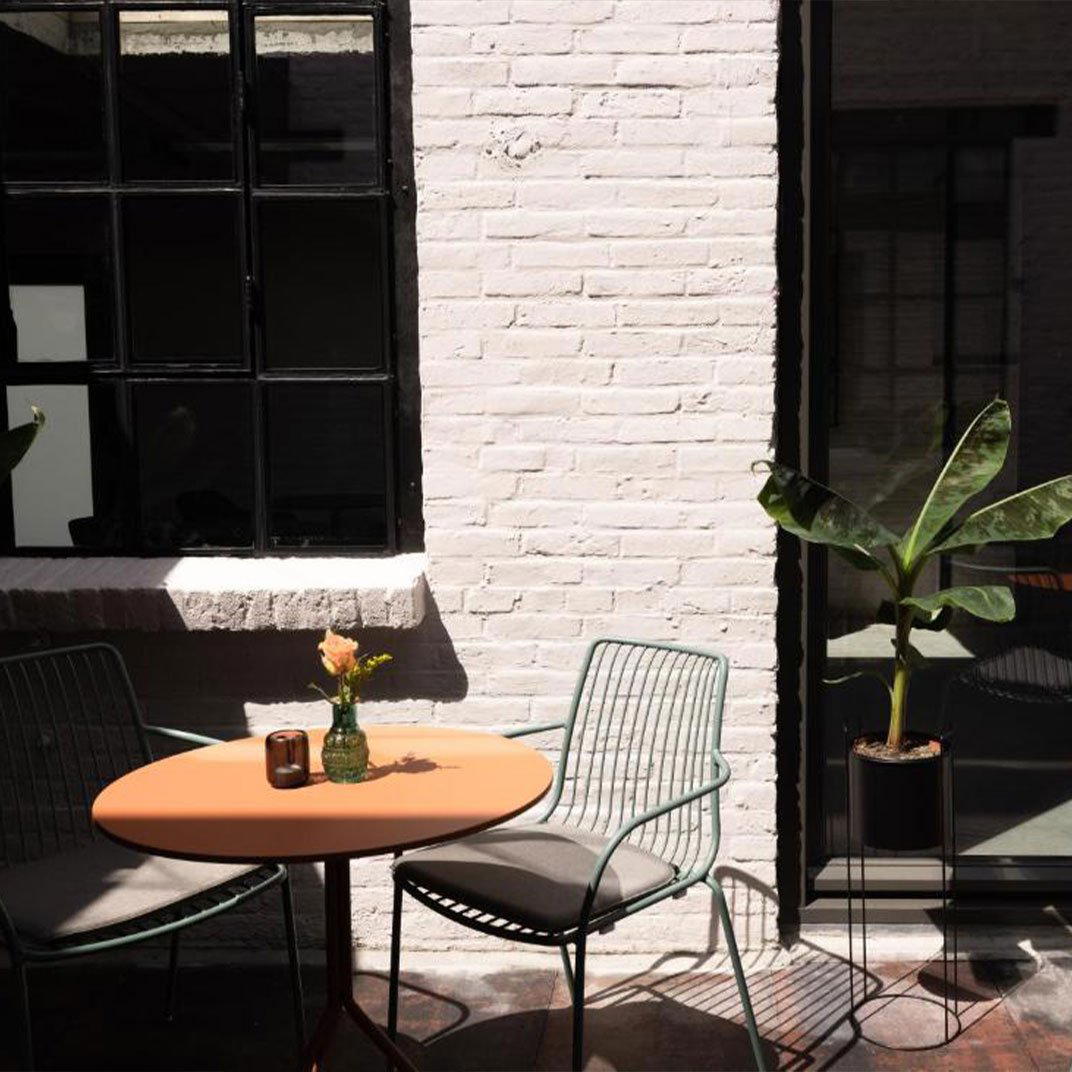
Bars in Maastricht
Browse all →
Hotels in Maastricht
Browse all →
Wineries in Maastricht
Browse all →
At a Glance
- Elegant
- Sophisticated
- Intimate
- Classic
- Minimalist
- Date Night
- Special Occasion
- Celebration
- Business Dinner
- Open Kitchen
- Historic Building
- Private Dining
- Extensive Wine List
- Sommelier Led
- Street Scene
Current opening hours
- Monday
- Closed
- Tuesday
- Closed
- Wednesday
- Closed
- Thursday
- 12–2 PM, 6–10 PM
- Friday
- 12–2 PM, 6–10 PM
- Saturday
- 6–10 PM
- Sunday
- 12–10 PM
Hours can change for holidays and private events. Last verified .
Chic, minimalist interior with historical character; quiet, refined atmosphere with soft lighting; comfortable and welcoming despite formal setting.