Kasteel van Laarne is a medieval castle in the East Flemish municipality of Laarne, operating at the quieter end of Belgium's heritage dining circuit. The castle sits within a moated complex dating to the fourteenth century, placing any dining or event experience against among the more intact fortified structures in the Low Countries. For context on the wider Belgian fine-dining scene, see our full Laarne restaurants guide.
Pearl is the En Primeur Club membership app — saves, bookings, and concierge access live there. Same editors, same standards.
- Address
- Eekhoekstraat 7, 9270 Laarne, Belgium
- Phone
- +3292307178
- Website
- kasteelvanlaarne-rest.be
- Directions
- Get directions
 Saves & bookings on Pearl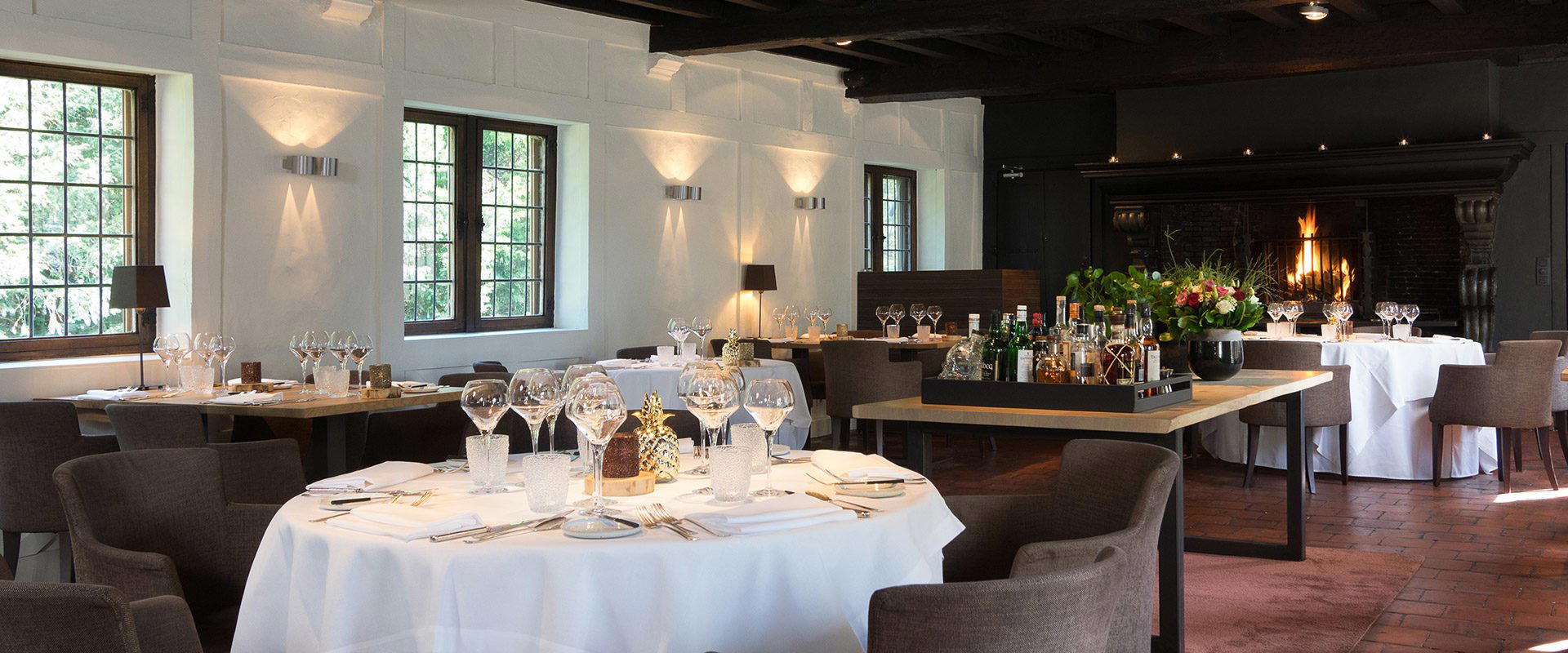
A Moated Fortress in East Flanders, Before You Even Sit Down
Belgium's premium dining scene tends to cluster in cities: Brussels, Antwerp, Ghent. The countryside corridor running east of Ghent, through the Waasland and the Scheldt polders, operates differently. Here, heritage infrastructure, abbeys, farmsteads, fortified manor houses, has shaped both the hospitality format and the ingredient relationships that define the region's table. Kasteel van Laarne, a restaurant in Laarne, Belgium, serves Classic French Fine Dining and is priced at about $60 per person. The approach across the drawbridge, with water on three sides and the circular towers rising above a flat agricultural plain, establishes a physical context that the dining room cannot ignore. The architecture does a great deal of work before any food arrives.
East Flanders as a food region is worth understanding on its own terms. The polders and river valleys between Ghent and the Scheldt estuary have historically produced dairy, market vegetables, freshwater fish, and game, a different pantry from coastal West Flanders or the Ardennes further south. That local sourcing geography remains relevant today, and any serious kitchen operating from a building like Kasteel van Laarne is positioned, whether explicitly or not, within a centuries-long relationship between this landscape and its produce. For comparison, Hof van Cleve in Kruishoutem and Castor in Beveren both operate within this same East Flemish agricultural zone, and both have built reputations partly on proximity to specific suppliers and producers.
Heritage Settings and the Ingredient Question
The relationship between a heritage venue and its food sourcing is rarely direct. In Belgium's upper-tier restaurant circuit, which includes addresses like Boury in Roeselare, Zilte in Antwerp, and Willem Hiele in Oudenburg, sourcing has become a primary editorial statement. The question of where ingredients come from, how far they travel, and how seasonally they shift has moved from background practice to front-of-house conversation. A medieval castle in a farming municipality like Laarne carries an implicit sourcing argument: the surroundings are agricultural, the history is agrarian, and the expectation is that the kitchen engages with that rather than defaulting to centralised supply chains.
Belgium's broader fine-dining trajectory supports this. Across the country's Michelin-recognised addresses, from L'air du temps in Liernu to De Jonkman in Sint-Kruis, the movement toward hyper-regional sourcing has been consistent and documented. Kitchens that can credibly name their suppliers, the dairy farm three villages away, the market gardener who delivers twice weekly, occupy a different position from those that cannot. For a venue operating inside a fourteenth-century fortified structure, that local sourcing story is not optional ornamentation; it is the primary credibility mechanism.
Where Kasteel van Laarne Sits in the Belgian Heritage Dining Circuit
Belgium has a distinct category of heritage-setting dining that operates separately from its urban fine-dining circuit. Château and castle venues, abbey restaurants, and fortified farmhouse conversions tend to serve a different occasion: corporate events, private celebrations, wedding receptions, formal group dining. This format has its own comparable set, and it is worth being clear that restaurant belongs to that category rather than to the competitive tier occupied by Nuance in Duffel or Le Chalet de la Forêt in Uccle.
That distinction is not a criticism. The heritage-setting format in Flanders has its own logic, its own audience, and its own standards. The question for any castle venue is whether the food program matches the architectural ambition of the setting, or whether the setting is doing all the heavy lifting while the kitchen delivers something functional rather than considered. The leading heritage venues in Belgium, and in comparable markets across northern France and the Netherlands, have resolved this by investing in kitchen programs that can genuinely justify the premium implied by the address. Maison Colette in Tongerlo represents one version of this: a venue where the heritage setting and the food program reinforce each other rather than competing for attention.
The East Flemish Village Circuit and How to Approach Laarne
Laarne is a short drive east of Ghent, which itself connects easily to Brussels by high-speed rail. The municipality is agricultural rather than touristic, it does not appear on most visitors' itineraries, which is precisely what gives the castle its character. Arriving without the context of a busy destination town means the moated complex has the plain around it, the quiet of a working Flemish commune, and none of the ambient noise of a heritage attraction on a tourist circuit.
For visitors building a broader East Flemish itinerary, the region supports serious dining at multiple price points and formats. The Ghent dining scene serves as a logical base. Beyond Laarne itself, the surrounding villages and small towns, including Beveren, Kruishoutem, and the West Flemish addresses reachable within an hour, form a coherent touring circuit for anyone interested in how Belgian cuisine operates outside the capital. Bozar Restaurant in Brussels and La Table de Maxime in Our represent the broader Belgian range for those extending their trip. For international comparison points in a similar fine-dining register, Le Bernardin in New York City and Atomix in New York City both illustrate how ingredient sourcing and provenance have become central to the positioning of serious restaurants globally, a pattern that Belgian kitchens have tracked closely.
Other Belgian addresses worth considering as part of a wider itinerary include Bartholomeus in Heist, d'Eugénie à Emilie in Baudour, La Durée in Izegem, and the broader range covered in our full Laarne restaurants guide.
Planning a Visit
Visiting the restaurant requires advance planning. The castle is located at Eekhoekstraat 7, 9270 Laarne, accessible by car from Ghent in under twenty minutes. Reservations are recommended. Visitors planning around Ghent as a base will find the drive direct and the approach through the Flemish countryside part of the experience itself.
Comparable Venues
Comparable venues nearby, for context on price, style, and recognition.
| Venue | Cuisine | Price | Notes |
|---|---|---|---|
| Kasteel van LaarneThis venue — the venue you are viewing | Classic French Fine Dining | $$$ | Not listed |
| Bacchus | French-Belgian Bistro | $$$ | Aalter |
| Le petit Prince de Ligne | French Bistro-Gastronomique | $$$ | Ath |
| Laissez-Faire | Modern French Bistro | $$$ | St. Pieters |
| Verjus | Modern Franco-Belgian Bistro | $$$ | Lochristi |
| De Roeschaert | French-Belgian Fine Dining | $$$ | Houtave |
At a Glance
- Romantic
- Elegant
- Cozy
- Classic
- Intimate
- Date Night
- Special Occasion
- Historic Building
- Garden
- Terrace
- Extensive Wine List
- Garden
- Waterfront
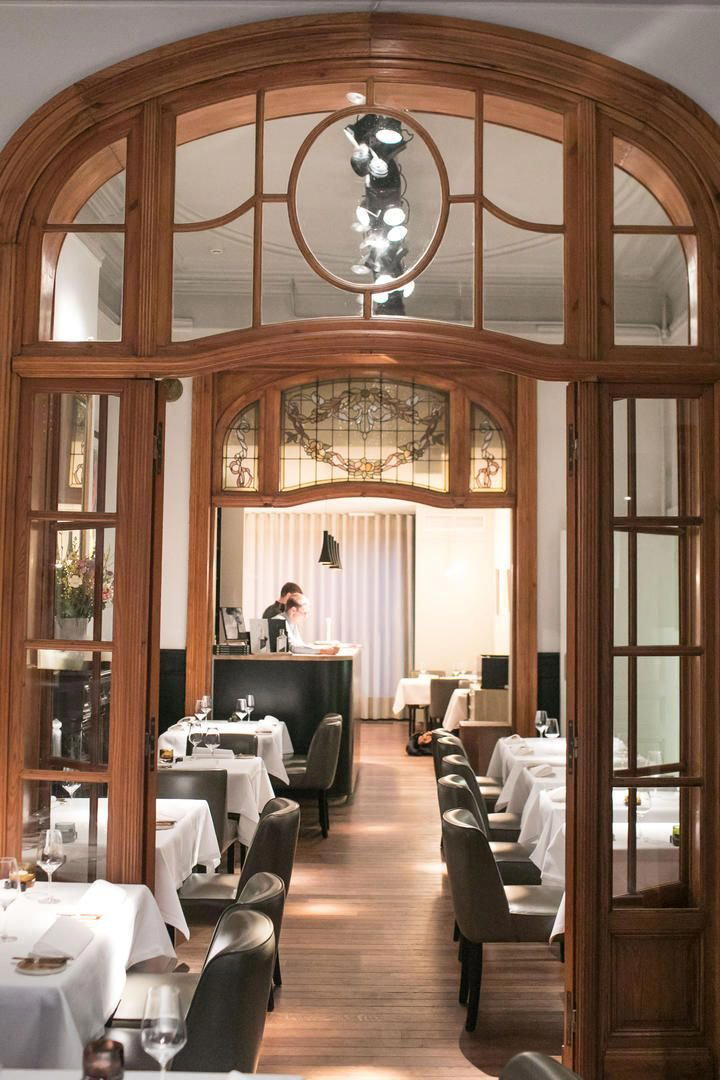
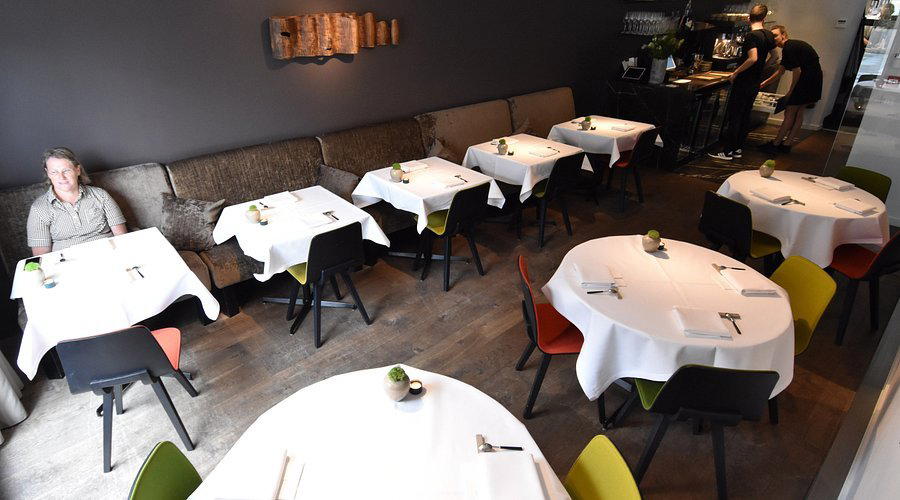
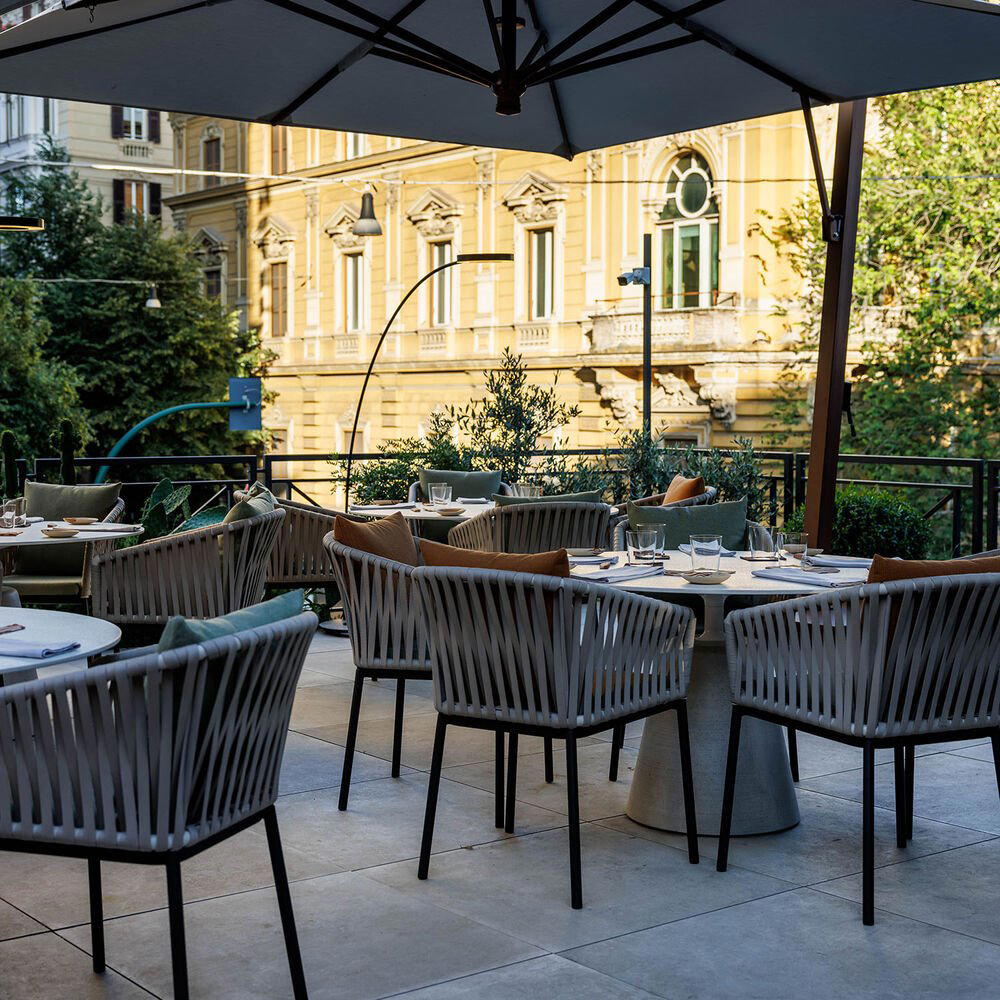
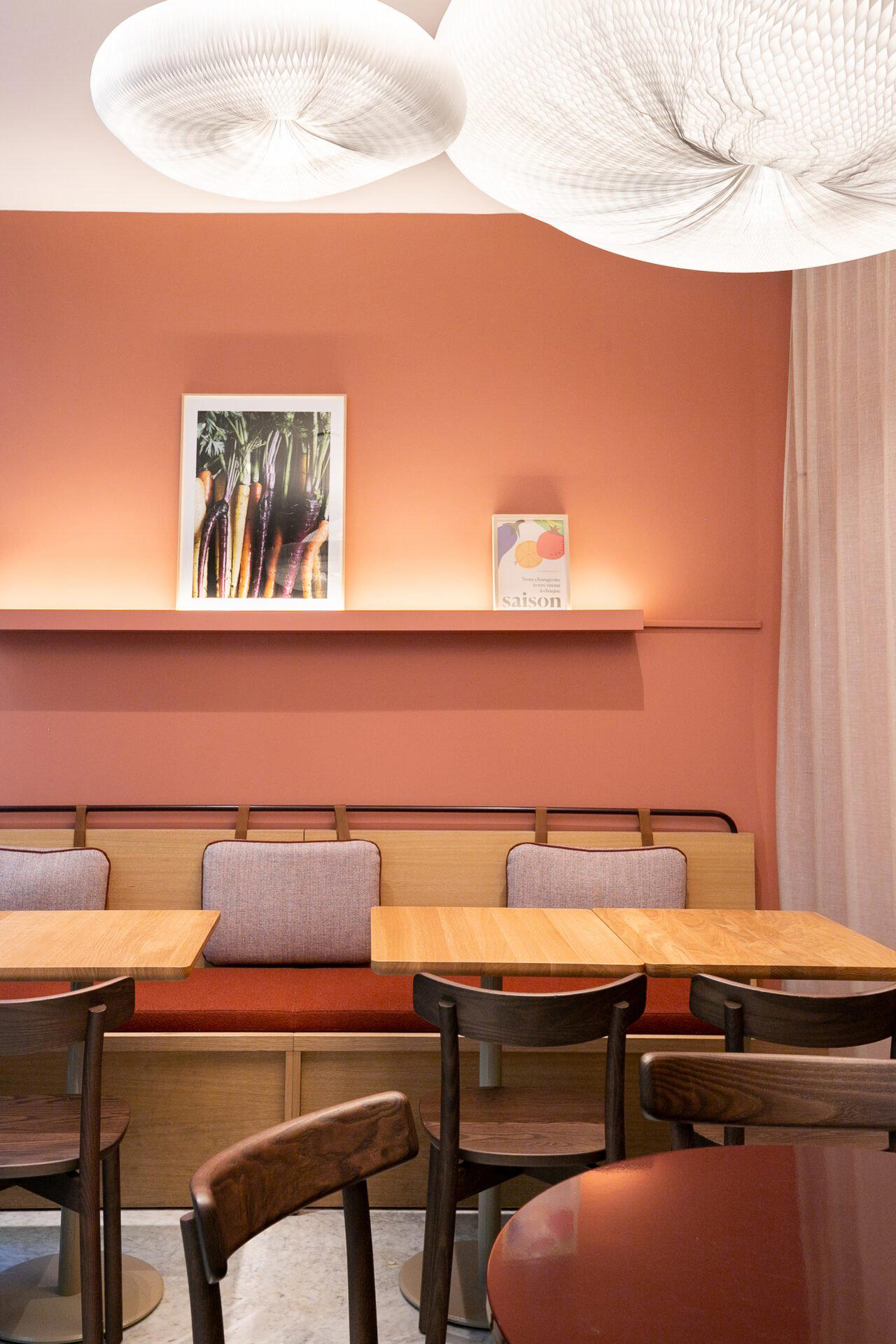
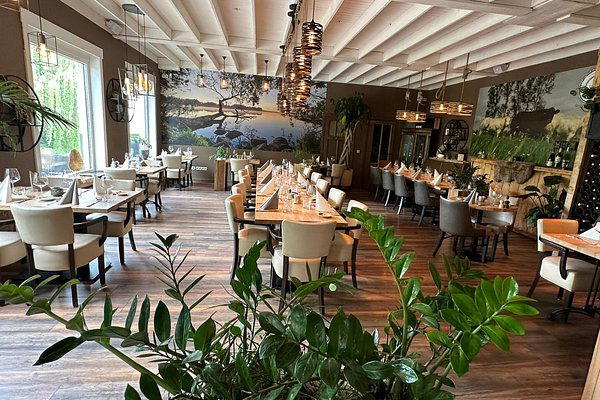
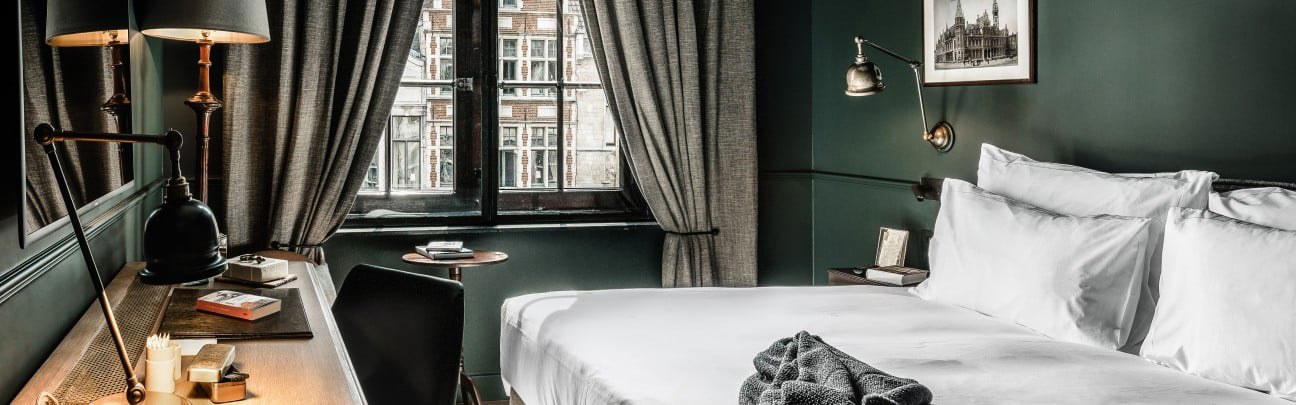
Warm, intimate, and elegant with cozy decor in a medieval setting.