De Kruidenmolen

Michelin Plate
Our verdict
De Kruidenmolen sits in the quiet village of Klemskerke on the Belgian coast, holding a Michelin Plate in both 2024 and 2025 for its contemporary cooking. Priced at the accessible €€ tier, it occupies a distinct position in a region better known for higher-spend fine dining. It draws consistent praise from local and visiting diners alike.

Pearl is the En Primeur Club membership app, where members save venues, book tables and use the concierge.
The menu
What to order
- Shrimp croquettes
- Hanger steak béarnaise
Where the Flemish Coast Meets the Kitchen Garden
The Belgian coastal strip between De Haan and Klemskerke is not where most diners expect to find Michelin-recognised contemporary cooking. The villages here are small, the pace agricultural, and the architecture unremarkable by tourist-trail standards. Dorpsstraat, the address that puts De Kruidenmolen at the centre of village life in De Haan, signals its role as a neighbourhood restaurant first and a destination second. That positioning is deliberate: the coastal West Flemish tradition of cooking close to what the land and sea provide has always been more quiet conviction than public performance.
The name itself matters here. Kruidenmolen translates roughly as herb mill, a reference that frames the kitchen's orientation toward plant-based ingredients and the kind of sourcing that starts outside the back door rather than on a wholesale list. In a region where the polders behind the dunes produce some of Belgium's most characterful vegetables and where the North Sea still provides a short supply chain for flat fish and shellfish, that framing is not decorative. It tells you something about how the menu is built.
Ingredient Logic on the Flemish Coast
Contemporary Belgian cooking has spent the past two decades splitting between two broad directions: the technically demanding, produce-forward style associated with addresses like Boury in Roeselare or De Jonkman in Sint-Kruis, and a quieter, more rooted register that draws from hyperlocal sourcing without chasing the same level of technical spectacle. De Kruidenmolen sits inside the second current.
The West Flemish coast has particular advantages for this approach. The sandy polder soil between the dunes and the inland polders produces asparagus, chicory, and root vegetables with a flavour intensity that is difficult to replicate from distance. The North Sea at this latitude delivers sole, plaice, and grey shrimp from some of the shortest boat-to-table chains available in Western Europe. A kitchen oriented around these materials can, if disciplined, produce contemporary plates where the ingredient is the point rather than the technique applied to it. That discipline is what a Michelin Plate signals: recognisable quality and consistency, without the star system's expectation of transformative ambition.
Compared to the higher-spend contemporary addresses in the Belgian fine-dining tier Castor in Beveren at €€€€, or Cuchara in Lommel at the same level, De Kruidenmolen operates a price point down. That gap matters for how you read the cooking. The €€ bracket in Belgium typically implies a shorter menu, fewer covers, and a tighter ingredient focus rather than the elaborate multi-course architecture of the star-chasing tier. It also means the kitchen has less financial margin to absorb sourcing costs, which tends to concentrate attention on what grows nearby.
The coastal neighbourhood context reinforces this. Bartholomeus in Heist and Willem Hiele in Oudenburg both operate in the same coastal West Flemish corridor, both with Michelin recognition, and both with a sourcing logic built around what the immediate geography provides. De Kruidenmolen is part of that pattern rather than an outlier within it.
Consistency as a Critical Signal
A Michelin Plate awarded in consecutive years, 2024 and 2025, is not a dramatic credential, but it carries a specific meaning: the inspectors returned and found the standard held. In a rural village restaurant at the €€ level, that consistency across two inspection cycles is a more meaningful signal than a single-year recognition. It suggests the kitchen is not running on an opening surge or a single strong season, but has embedded a repeatable standard into daily service.
At that volume, the rating reflects a broad cross-section of diners: local regulars, coastal weekend visitors, and occasional destination travellers from Ghent or Brussels. A 4.5 average across that range, without the self-selecting effect that skews scores at ultra-premium addresses, points to a kitchen that is meeting the expectations of a varied audience reliably. For context, addresses like Bozar Restaurant in Brussels operate at a different scale and visibility entirely; De Kruidenmolen's score reflects a more intimate and locally anchored operation.
How De Kruidenmolen Fits the Wider Belgian Scene
Belgium's fine dining reputation internationally is carried by the high-spend addresses: Hof van Cleve in Kruishoutem, Zilte in Antwerp, or L'air du Temps in Liernu. But the more durable story of Belgian cooking is the density of serious mid-tier restaurants in smaller cities and coastal villages, places where Michelin recognition is earned within local constraints rather than in pursuit of international profile. D'Eugénie à Emilie in Baudour is another example of that register. De Kruidenmolen belongs to this second category: doing work that matters within a specific geography, recognised by inspectors without being packaged for export.
For diners comparing what Michelin-acknowledged contemporary cooking looks like at different price tiers globally, the contrast with, say, César in New York City or Jungsik in Seoul is instructive. Those addresses operate inside a very different economy of ambition and spend. De Kruidenmolen's value is precisely that it does not.
Planning a Visit
De Kruidenmolen sits at Dorpsstraat 1 in De Haan, the village municipality that encompasses Klemskerke on the Belgian coast. The address is accessible by coastal tram from Ostend, which runs the length of the Belgian shoreline, making it reachable without a car, an unusual logistical advantage for a rural village restaurant. For those building a wider coastal itinerary, see our full Klemskerke restaurants guide, alongside guides to hotels, bars, wineries, and experiences in the area.
Frequently asked questions
What's the price range at De Kruidenmolen?
Pricing at De Kruidenmolen is listed as €€.
Fast Comparison
| Venue | Cuisine | Price | Awards | Notes |
|---|---|---|---|---|
| De KruidenmolenThis venue (the venue you are viewing) | Modern Belgian Bistro | $50–100 | Michelin Plate | Not listed |
| Boury | Creative French Fine Dining | $300–500 | 3 Michelin Stars · La Liste Top Restaurants | Modern Frlemish, Creative French |
| Comme chez Soi | French - Belgian, Classic Cuisine | Not listed | Michelin 1 Star | Not listed |
| Hertog Jan at Botanic | Modern Japanese Omakase Fine Dining | Not listed | 2 Michelin Stars · La Liste Top Restaurants | Modern Flemish, Creative |
| L'Eau Vive | Modern French Fine Dining | $150–200 | 2 Michelin Stars · La Liste Top Restaurants | French, Modern French |
| La Durée | Modern French Fine Dining | $150–200 | 2 Michelin Stars · La Liste Top Restaurants | French-Belgian, Creative |
Recognition history
Dated appearances from independent guides and award organizations, with the underlying list record or original source where available.
Michelin Plate
Michelin
Full recognition history (3 entries)
Michelin Plate
Michelin
Michelin Plate
Michelin
Continue exploring
More in Klemskerke
Restaurants in Klemskerke
All restaurants in Klemskerke →
Bars in Klemskerke
Browse all →
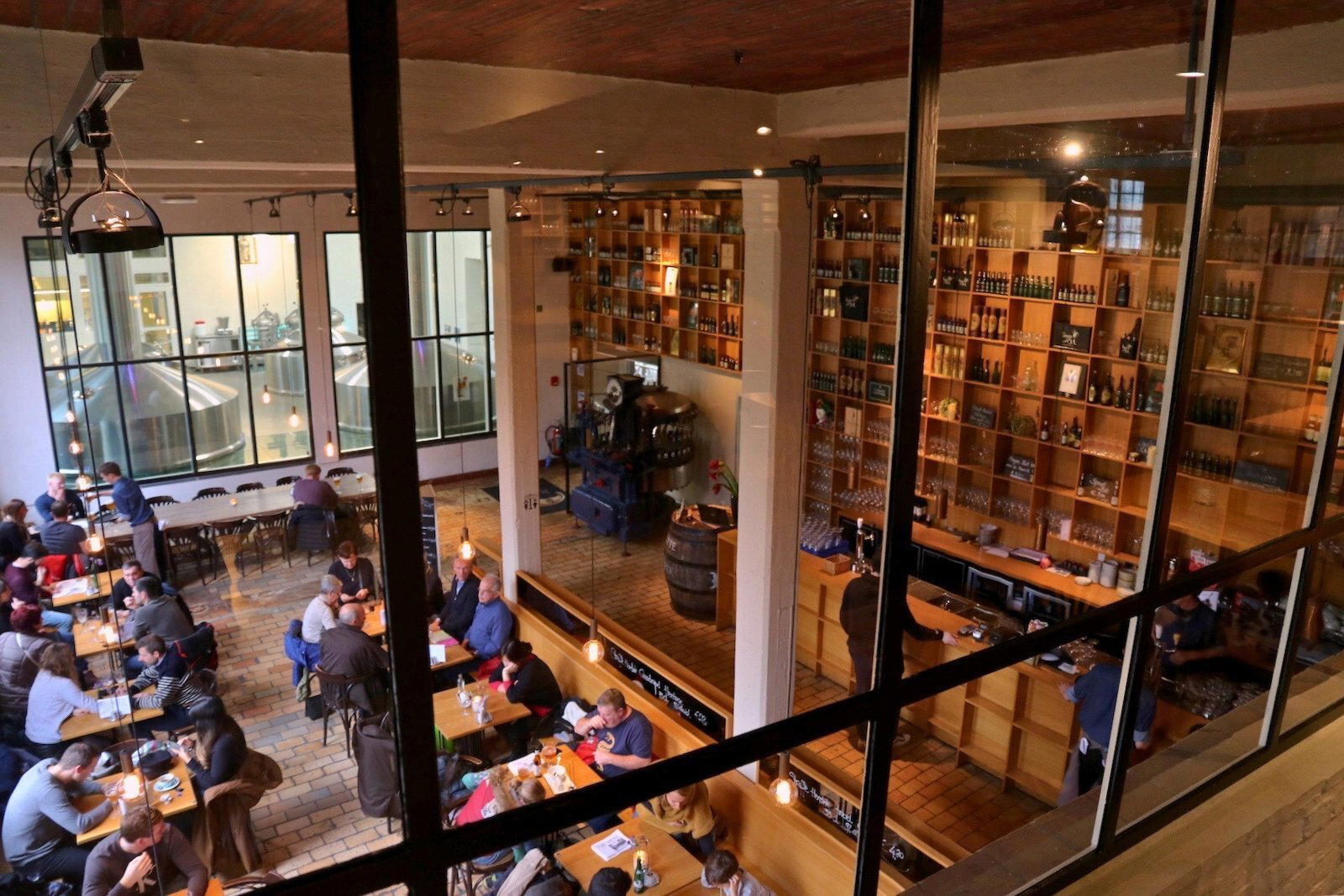
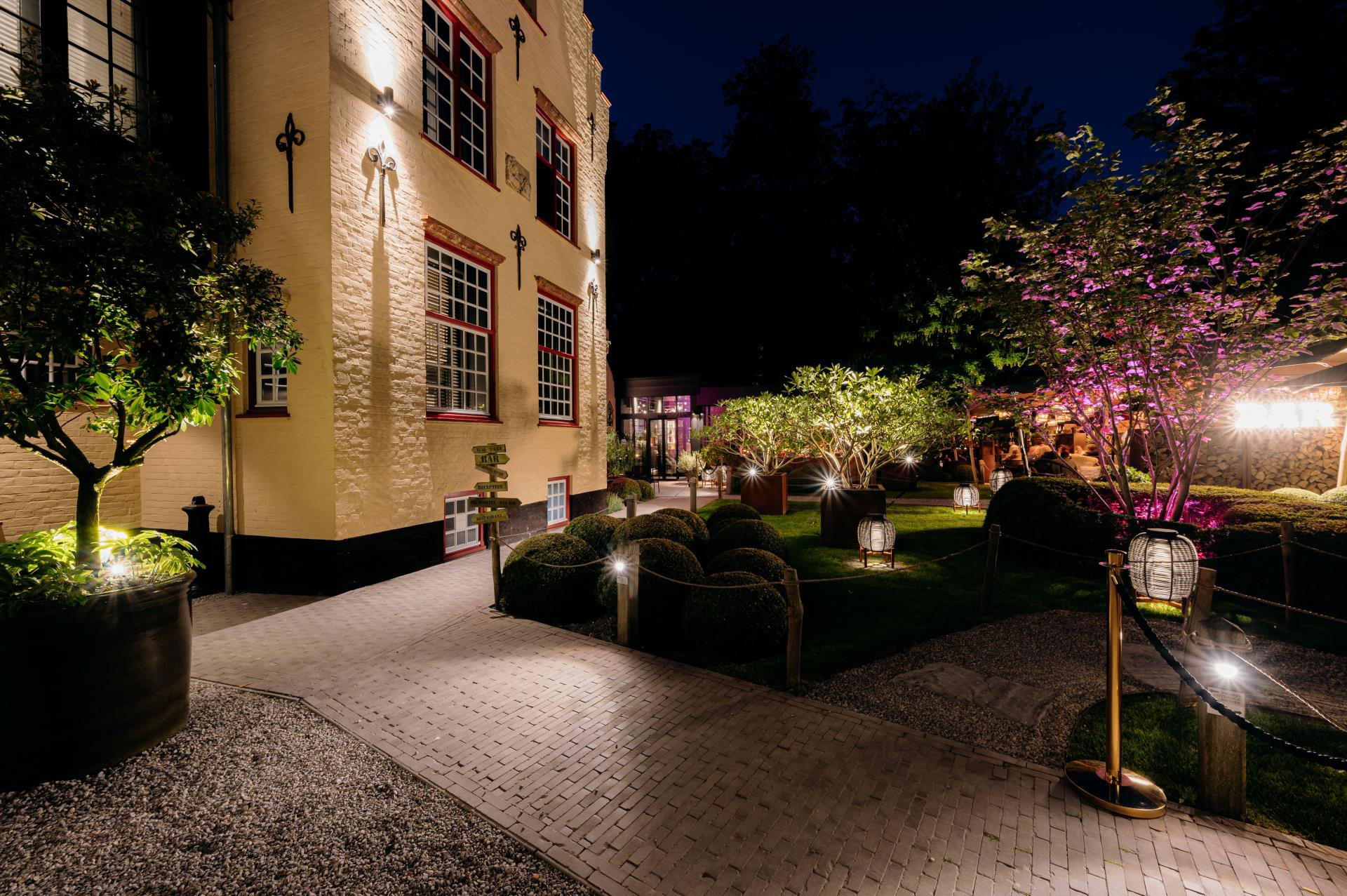
Hotels in Klemskerke
Browse all →
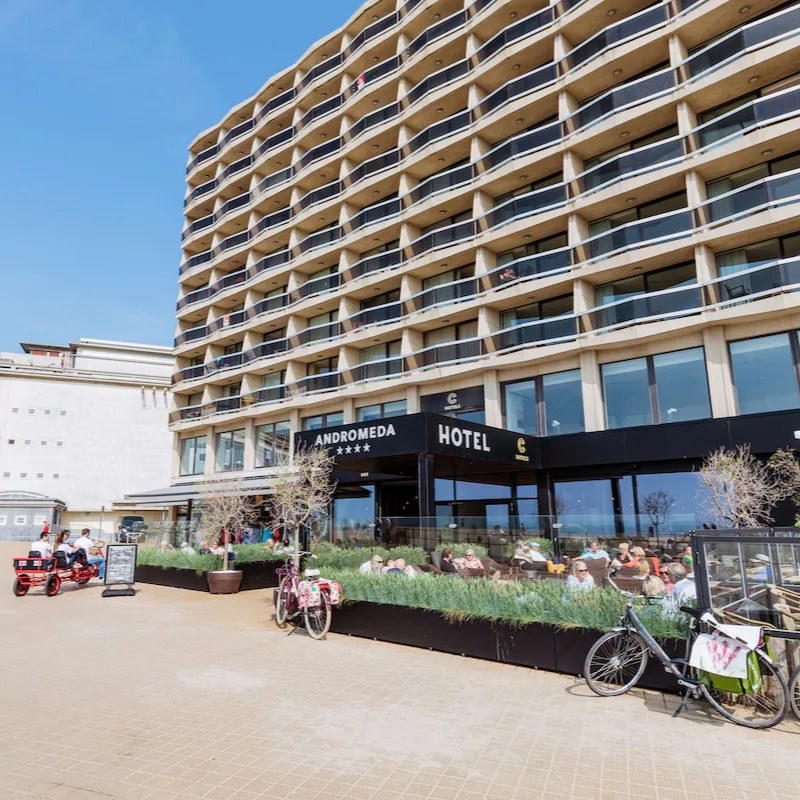
Wineries in Klemskerke
Browse all →
Details
- Cozy
- Rustic
- Lively
- Date Night
- Special Occasion
- Terrace
- Local Sourcing
- A La Carte
- Vegetarian Friendly
- Vegan Options
- Gluten Free Options
Current opening hours
- Monday
- 11:45 AM–1:45 PM, 5:45–9 PM
- Tuesday
- 11:45 AM–1:45 PM, 5:45–9 PM
- Wednesday
- Closed
- Thursday
- Closed
- Friday
- Closed
- Saturday
- 5:30–9:15 PM
- Sunday
- 11:45 AM–1:45 PM, 5:45–9 PM
Hours can change for holidays and private events. Hours as of .
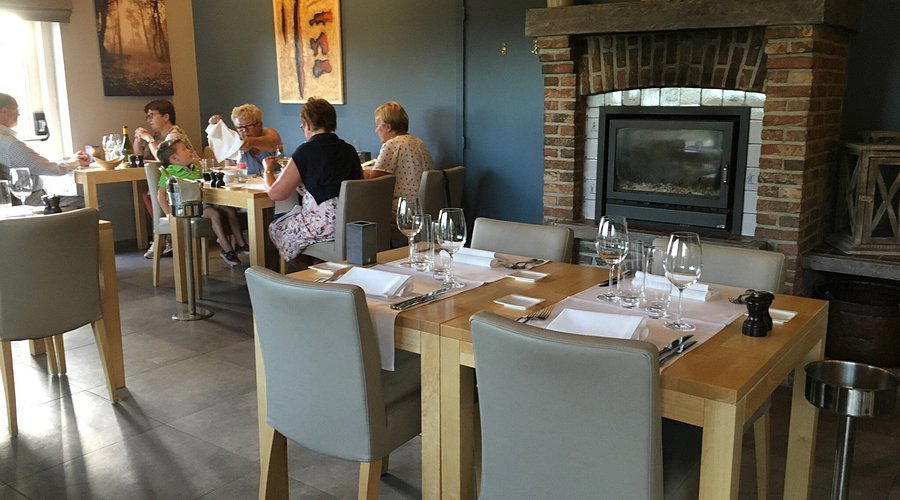
Lively bustling vibe with cozy terrace sheltered by glass panes offering countryside views; warm atmosphere with fireplace.