Our verdict
De Engel sits on Oostendesteenweg in Ichtegem, a West Flemish municipality where the agricultural hinterland shapes what ends up on the plate. The address places it within the broader constellation of serious Flemish regional cooking that has made this corner of Belgium worth crossing the country for. Check availability directly and plan around the local sourcing calendar.

Pearl is the En Primeur Club membership app — saves, bookings, and concierge access live there. Same editors, same standards.
- Address
- Oostendesteenweg 1, 8480 Ichtegem, Belgium
- Phone
- +3251588176
- Hours
- Mon 12–2:30 PM, 6:30–9 PMTue–Wed ClosedThu–Fri 12–2:30 PM, 6:30–9 PMSat 6:30–9 PMSun 12–2:30 PM, 6:30–9 PM
- Website
- restaurantdeengel.be
- Directions
- Get directions
- Booking
- Book on the venue's website
The menu
What to order
- Côte à l'os
- Eel in butter
- Lamb chops with gratin dauphinois
- Shrimp croquettes
West Flanders on the Plate: Why Ichtegem's Agricultural Setting Matters
The villages that line the Flemish interior between Bruges and the coast have quietly sustained one of Belgium's most ingredient-driven regional food cultures. Polders, market gardens, small-scale livestock operations, and the North Sea's influence all converge within a short radius of Ichtegem, making this stretch of West Flanders a logical address for a kitchen that takes provenance seriously. De Engel, positioned on Oostendesteenweg at the municipality's main artery, sits inside that geography rather than at a remove from it. In a country where serious tables have increasingly concentrated in Ghent, Antwerp, and Brussels, the presence of a considered dining address in a small Flemish town is itself a statement about where the ingredients are.
Belgium's regional fine dining has historically been shaped by proximity to raw materials: the Scheldt estuary for shellfish, the Ardennes for game and foraged goods, the West Flemish polder belt for root vegetables, asparagus, and dairy. The restaurants that have made the country's gastronomy credible internationally — including Hof van Cleve in Kruishoutem and Boury in Roeselare — are not in capitals. They are in the agricultural municipalities where the sourcing relationships are real and the supply chain is short. Ichtegem fits that model. For broader context on the local dining scene, our full Ichtegem restaurants guide maps the options across price tiers.
Approaching De Engel: The Physical Setting
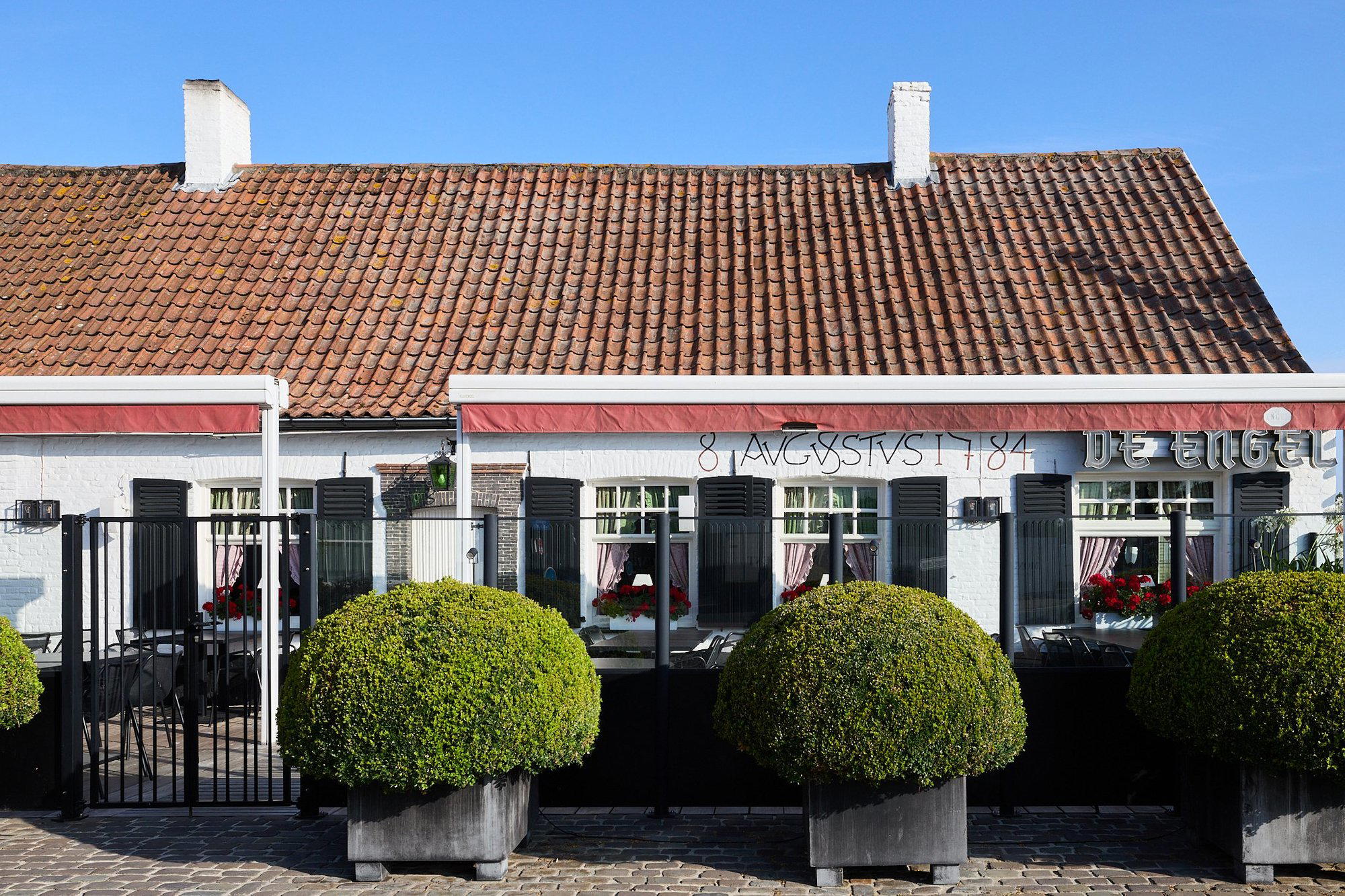
Arriving at a restaurant on a Flemish country road carries a particular kind of anticipation. The architecture along this part of West Flanders tends toward the solid and unpretentious: brick facades, functional proportions, buildings that have accumulated purpose rather than been designed for effect. De Engel at Oostendesteenweg 1 occupies that kind of address, the sort where the building does not announce its intent from the outside and the interior becomes the point. The approach, through a landscape that shifts between agricultural plots and small residential clusters, conditions the expectation: this is not a venue that traffics in urban spectacle. What a kitchen does with what the surrounding land produces is the argument it makes.
This matters because ingredient-forward cooking is most legible when the diner arrives with some awareness of what the surrounding region actually produces. West Flanders in late spring means white asparagus from the sandy soils near Roeselare; autumn means beets, celeriac, and game from the estates north of Bruges; winter means grey shrimp caught within twenty kilometres of the coast. A kitchen at this address has reasonable access to all of it. How that access is exercised is what distinguishes a venue within this category.
The Flemish Regional Cooking Tradition De Engel Operates Within
Modern Flemish cuisine has undergone a significant recalibration over the past two decades. The classical French-Belgian synthesis, the one that produced waterzooi, carbonnades, and the cream-and-butter school that dominated Belgian fine dining through the late twentieth century, has been supplemented, and in some kitchens replaced, by a more territory-specific approach. Chefs working in West Flanders today have access to a deeper vocabulary of local reference: fermentation traditions rooted in the region's dairy culture, wild herbs from the dunes and polders, aged cheeses from small producers, and the persistent North Sea influence on the treatment of fish and shellfish.
The comparison set that gives De Engel context is a useful one. Willem Hiele in Oudenburg represents the most rigorously foraged, landscape-anchored end of West Flemish cooking. Bartholomeus in Heist works the coastal ingredient spectrum with technical precision. De Jonkman in Sint-Kruis near Bruges takes a Modern Flemish and creative approach that mirrors the broader regional direction. These are the kitchens that define the competitive and stylistic tier within which serious West Flemish cooking operates. Ichtegem sits geographically near all of them, within thirty kilometres of both the Bruges orbit and the coastal strip. That proximity to a dense cluster of high-performing regional tables is not coincidental: the sourcing infrastructure, the supplier networks, and the diner population that sustains this tier of cooking all operate across the same territory.
For comparison beyond the region, the Belgian fine dining spectrum runs from Zilte in Antwerp and Bozar Restaurant in Brussels at the metropolitan end to places like La Durée in Izegem and Maison Colette in Tongerlo in smaller Flemish towns. De Engel belongs to this secondary-city and village tier, which in Belgium often produces the most ingredient-honest cooking precisely because the overhead structure is different and the connection to primary producers is more direct. Venues like Nuance in Duffel and Castor in Beveren demonstrate how consistently that pattern holds across Flemish provinces.
Planning Your Visit
Ichtegem is accessible from Bruges in under thirty minutes by car and sits roughly equidistant between the coast and the E403 corridor. The address on the main Oostendesteenweg is findable without difficulty. Given the absence of a dedicated booking system in currently available data, contacting the venue directly is the practical first step; this is standard for smaller Flemish restaurants operating at this scale, where reservations are typically handled by phone or email rather than third-party platforms. For diners planning a West Flanders circuit, pairing this address with a visit to L'air du Temps in Liernu or Le Chalet de la Forêt in Uccle on the same trip broadens the comparative frame, though both require separate planning as they operate in different provinces. Further afield, the discipline of ingredient-driven coastal cooking finds international expression at Le Bernardin in New York City and the cross-cultural sourcing rigour at Atomix in New York City offers a useful benchmark for how far the format can travel. For Belgian addresses with a similar rural seriousness, d'Eugénie à Emilie in Baudour and La Table de Maxime in Our round out the picture across the Wallonian side of the country.
Frequently asked questions
Is De Engel good for families?
De Engel sits on the Oostendesteenweg in Ichtegem, a village setting that tends to draw a local, mixed-age clientele rather than a strictly date-night crowd. West Flanders regional restaurants of this type generally operate with a relaxed pace suited to groups. check the venue's official channels to confirm specific arrangements for children or larger parties.
Is De Engel better for a quiet night or a lively one?
The address on a Flemish country road in Ichtegem points toward a quieter register. Restaurants along the West Flanders interior corridor between Bruges and the coast tend to prioritise the table over the room's energy, making De Engel a more considered choice than a night out built around atmosphere and noise.
Is De Engel worth the drive from Bruges for a regional Belgian meal?
Ichtegem is under thirty minutes from Bruges by car, placing De Engel within reach of both city visitors and coast-bound travellers on the E403 corridor. The West Flanders interior has sustained a distinct ingredient-driven food tradition that differs from the more formal Franco-Belgian cooking found closer to Bruges. For a meal grounded in that regional register rather than tourist-circuit cuisine, the detour is proportionate to the distance.
What's the best thing to order at De Engel?
What the Ichtegem agricultural setting reliably informs is a kitchen with access to strong regional produce from the Flemish interior. Ask the kitchen directly what is driving the menu on the day you visit.
What part of town is De Engel in?
De Engel is located at Oostendesteenweg 1, 8480 Ichtegem, Belgium, Ichtegem.
What's the best way to book De Engel?
The address is Oostendesteenweg 1, 8480 Ichtegem, Belgium, which gives you a starting point to search for current contact details. Arriving without a reservation at a small Flemish village restaurant carries risk, so confirming in advance is advisable.
Comparable Spots, Quickly
Comparable venues nearby, for context on price, style, and recognition.
| Venue | Cuisine | Price | Awards | Notes |
|---|---|---|---|---|
| De EngelThis venue — the venue you are viewing | Belgian Grill & Brasserie | $50–100 | Not listed | Not listed |
| Barbacoa | Woodfire Grill | $50–100 | Not listed | Lochristi |
| 't Apertje | Classic Belgian Bistro | $30–50 | Not listed | Sint-Kruis |
| Breydel de Coninc | Traditional Belgian Seafood | $30–50 | Not listed | St-anna |
| Klaver | Modern Flemish Fine Dining | Not listed | Michelin Plate | Vlamertinge |
| bistro55 by Domein WItbos | Belgian Bistro | $50–100 | Not listed | Noorderwijk |
Continue exploring
More in Ichtegem
Restaurants in Ichtegem
Browse all →
Bars in Ichtegem
Browse all →
Hotels in Ichtegem
Browse all →
Wineries in Ichtegem
Browse all →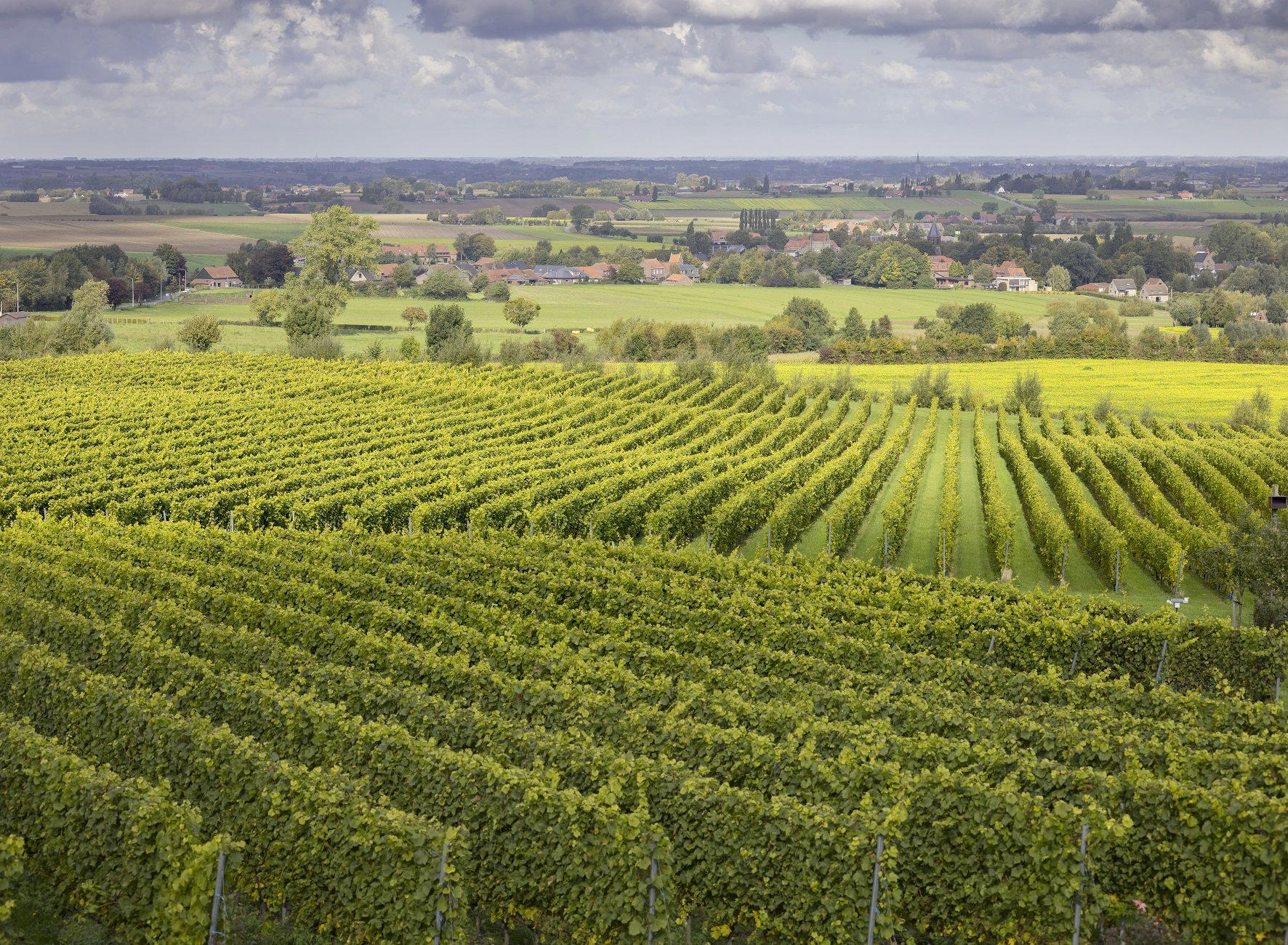
Details
- Cozy
- Classic
- Rustic
- Business Dinner
- Group Dining
- Special Occasion
- Terrace
- Historic Building
- Standalone
- Extensive Wine List
- Local Sourcing
- A La Carte
- Wine
- Gin
Current opening hours
- Monday
- 12–2:30 PM, 6:30–9 PM
- Tuesday
- Closed
- Wednesday
- Closed
- Thursday
- 12–2:30 PM, 6:30–9 PM
- Friday
- 12–2:30 PM, 6:30–9 PM
- Saturday
- 6:30–9 PM
- Sunday
- 12–2:30 PM, 6:30–9 PM
Hours can change for holidays and private events. Last verified .
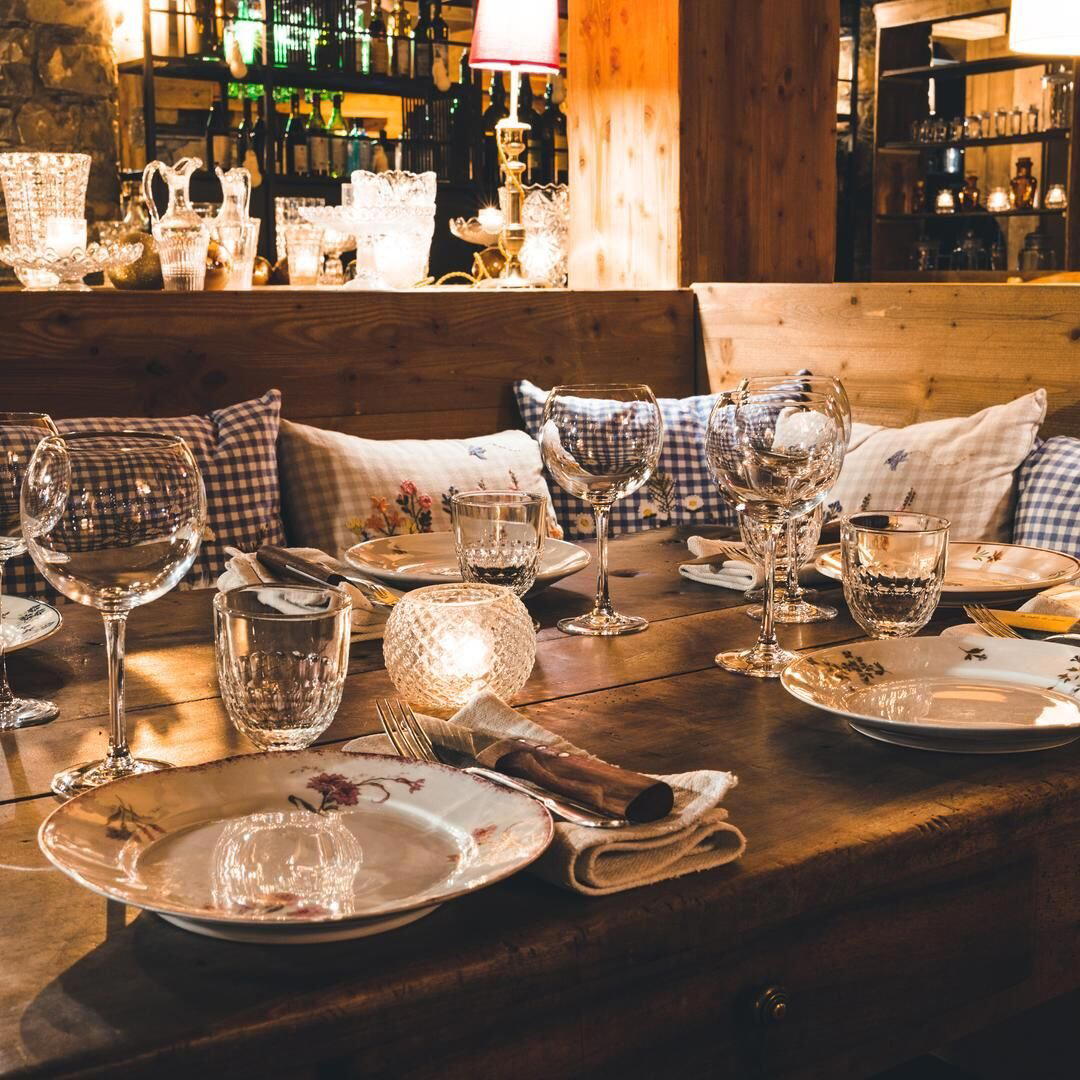
Charming traditional decor with checkered tablecloths, fireplace, and period furnishings maintained in a protected monument farmhouse; warm and welcoming with attentive service.